
Film History
The Anatomy of the Abnormal: How the Silent Era’s Physical Grotesque Invented the Cult of the Damned
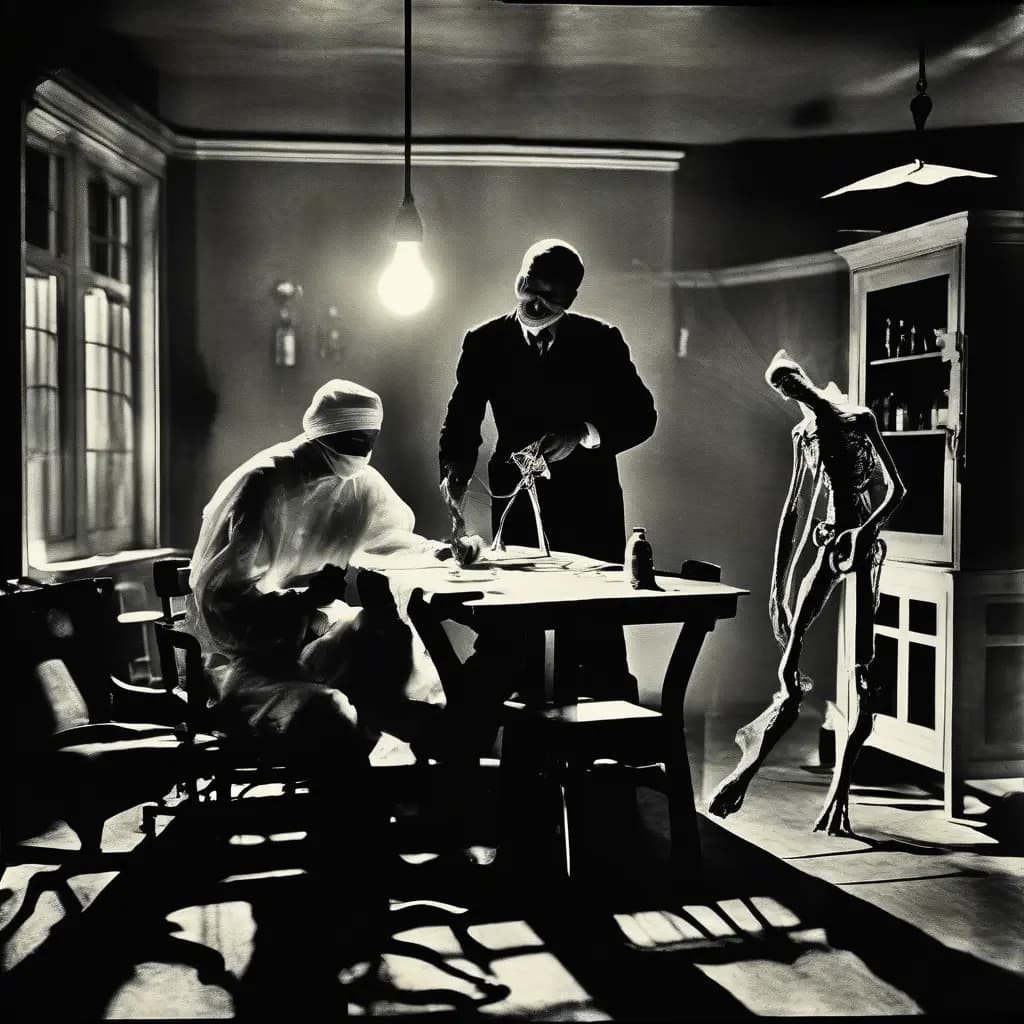
“Discover how the silent era's obsession with physical deformity, surgical transgression, and the grotesque body laid the groundwork for modern cult cinema obsession.”
Cult cinema is often discussed as a phenomenon of the midnight movie era—a product of the 1970s counter-culture, the VHS boom, or the transgressive punk aesthetics of the 1980s. But the true DNA of the 'cult' mindset was spliced much earlier, in the flickering, nitrate-scented shadows of the silent era. Long before David Cronenberg explored the 'new flesh' or Tod Browning brought circus performers to the silver screen, early filmmakers were already obsessed with the anatomy of the abnormal. They realized, perhaps instinctively, that the camera has a voyeuristic hunger for the broken, the surgically altered, and the physically humiliated. This wasn't just entertainment; it was the birth of a new kind of devotion—a liturgy of the grotesque that continues to define what we consider 'cult' today.
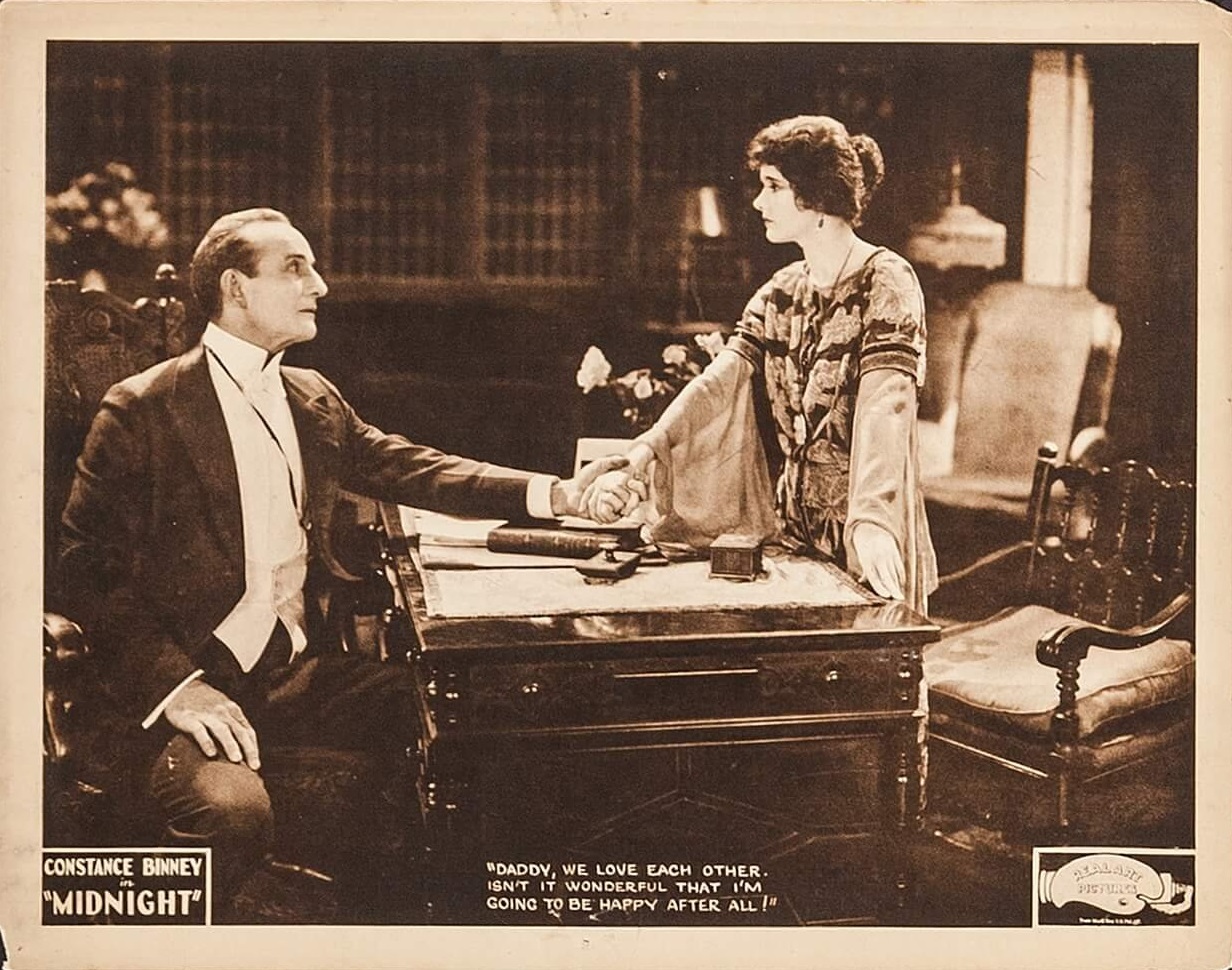
When we watch a modern cult masterpiece, we are looking for something that the mainstream refuses to acknowledge: the beauty in the jagged, the truth in the transgressive. The silent era provided the first blueprints for this search. By stripping away dialogue, early directors were forced to rely on pure, visceral physicality. The result was a cinema of the body—a medium where a character’s moral decay or social alienation was written directly onto their skin or manifested through surgical horror. This was the era where the 'cult' of the body began, and to understand our modern obsession with the strange, we must look back at the flickering scars of the 1910s and 20s.
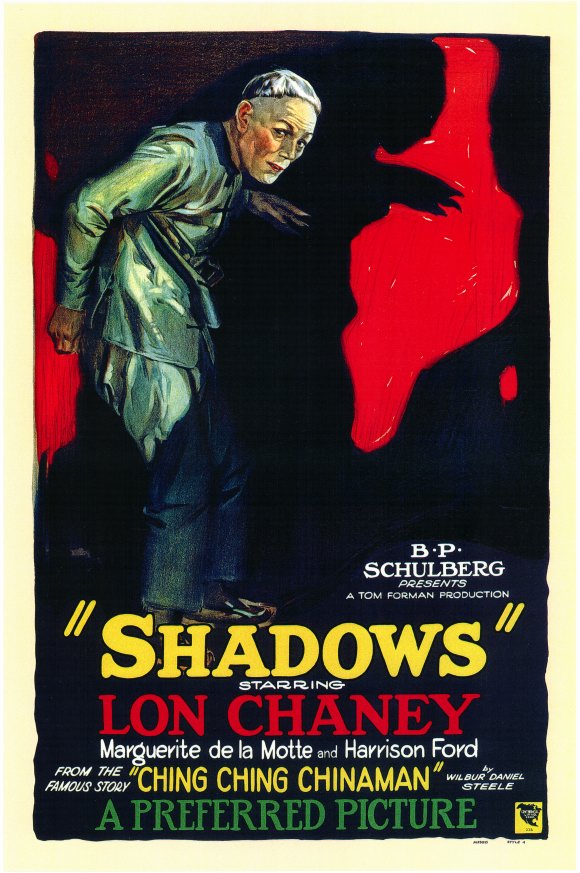
The Surgical Nightmare: Body Horror in the Cradle
One of the most potent pillars of cult cinema is body horror—the idea that our own flesh is a betrayal. While we often point to the 1950s atomic age as the start of this subgenre, the silent era was already experimenting with biological transgression. A prime example is the 1921 film The Island of the Lost. This loose, unofficial adaptation of H.G. Wells’ The Island of Dr. Moreau represents a pivotal moment in the history of the cinematic uncanny. It wasn't just a fantasy; it was a meditation on the malleability of the human form.
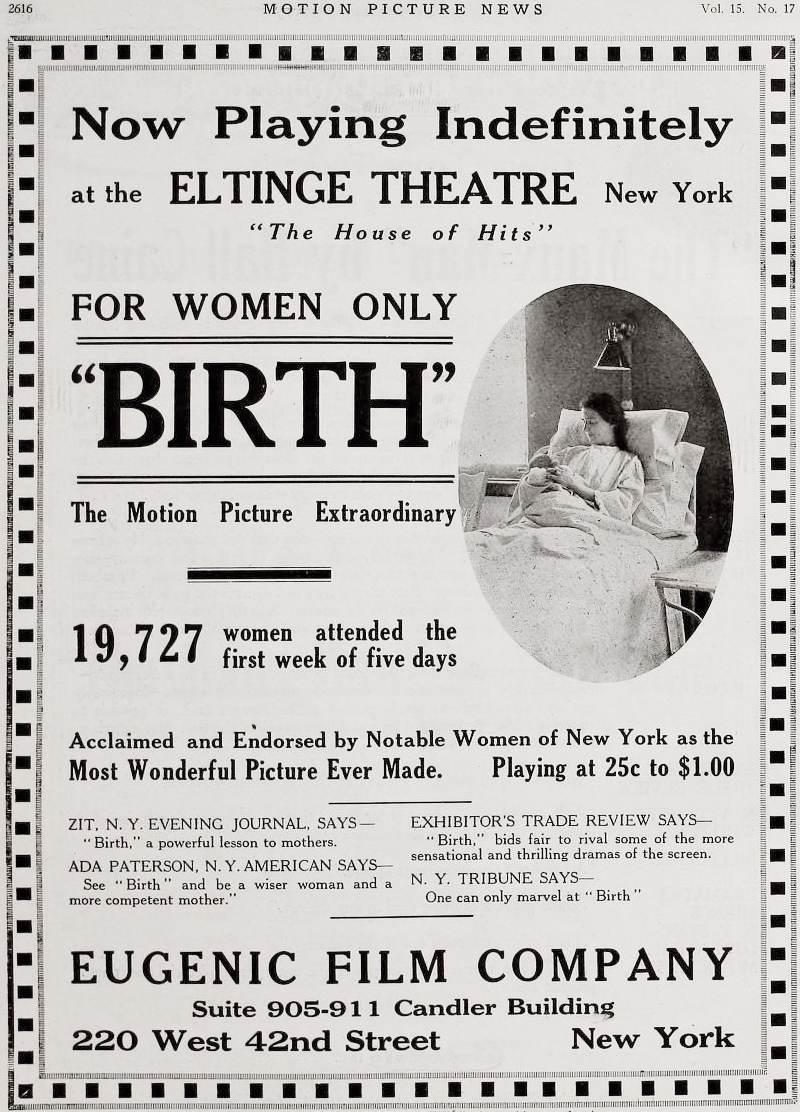
In this film, the horror isn't just about the 'beast-men' themselves, but about the surgical arrogance that created them. The silent lens lingers on these creatures with a mixture of revulsion and empathy—a hallmark of the cult perspective. We aren't just watching monsters; we are watching the victims of a god-complex. This fascination with the 'manufactured human' or the 'grafted soul' would later evolve into the cyborgs of cyberpunk and the mutated protagonists of modern horror. The Island of the Lost set the stage for a cinema that asks: at what point does the body cease to be human, and why are we so captivated by the transition?
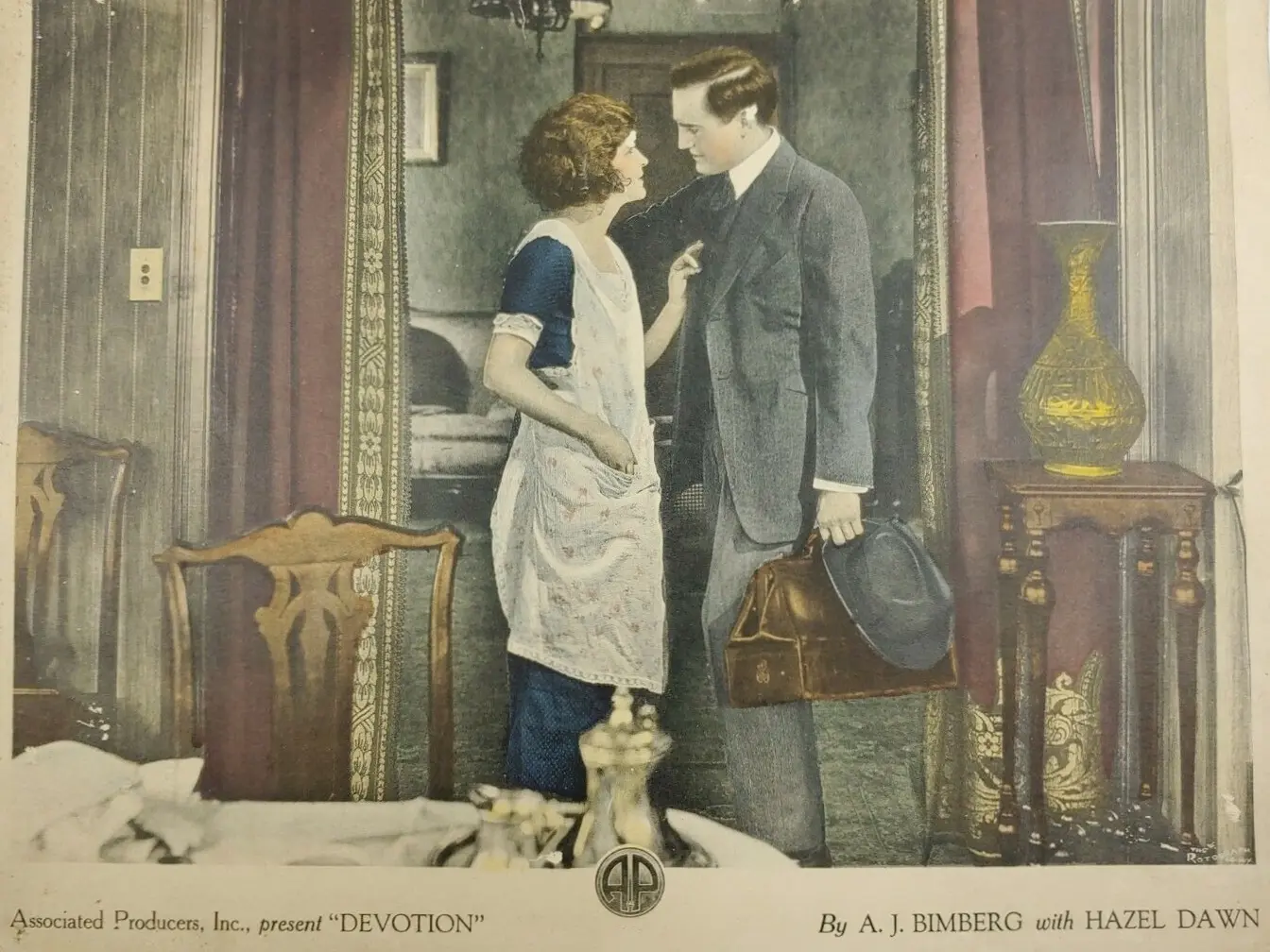
The silent camera did not just record reality; it interrogated the boundaries of the physical self, turning the body into a canvas for the impossible and the forbidden.
The Sideshow Aesthetic: Molly of the Follies and the Cult of the Periphery
Cult cinema has always had a symbiotic relationship with the 'sideshow.' From the underground drag shows of John Waters to the freak-show sensibilities of David Lynch, the 'othered' body is a central totem. In the silent era, this was often explored through the lens of vaudeville and Coney Island culture. Consider Molly of the Follies (1919). On the surface, it’s a story about a dancer, but beneath the greasepaint lies a fascination with the fringe. Molly Malone’s world is populated by characters like Joe Holmquist, 'The Human Submarine,' and her mother, the 'Mystic Hindu Seeress.'
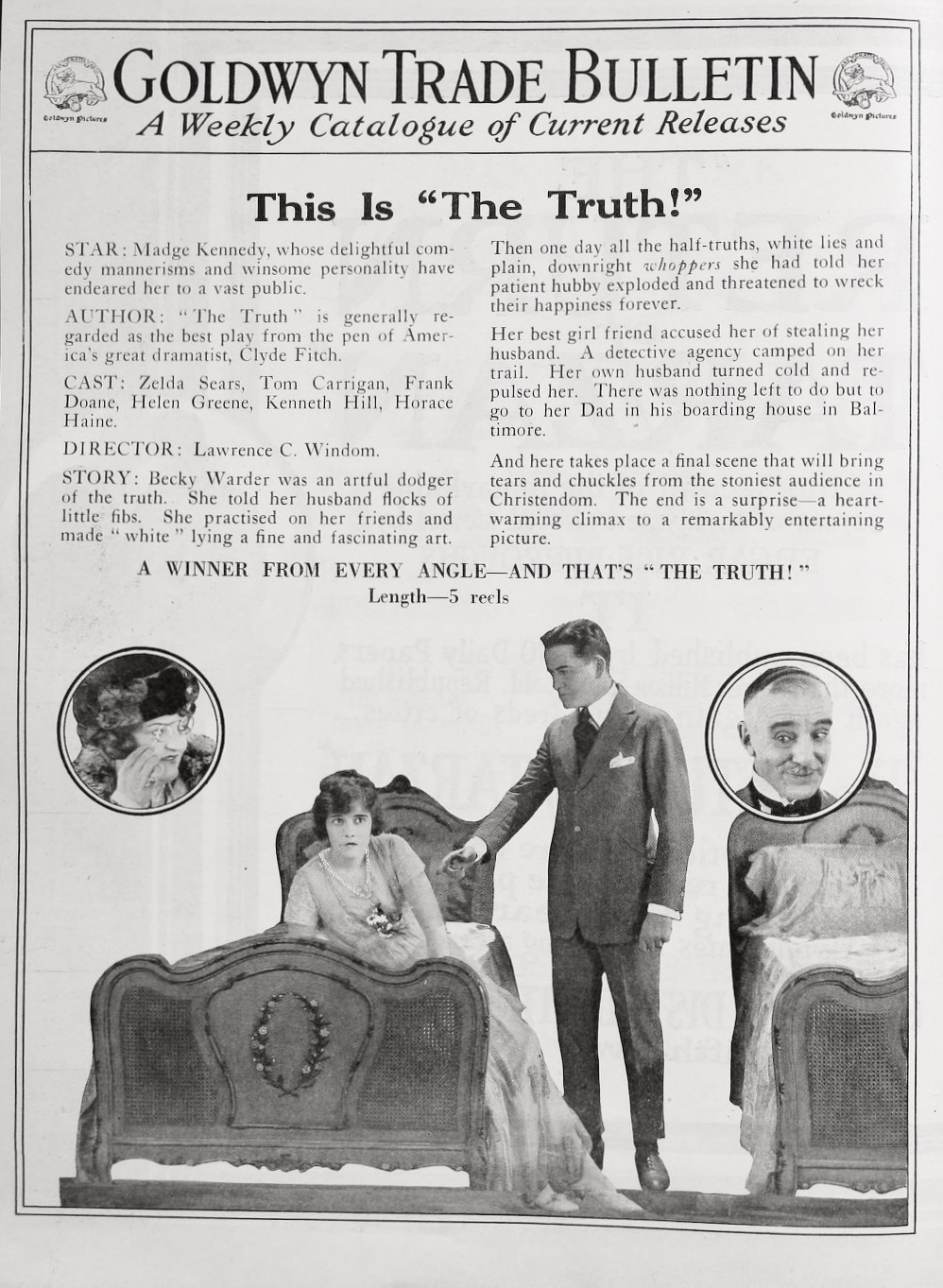
These aren't just colorful background details; they represent a specific kind of 'outsider' identity that cult audiences would later claim as their own. The sideshow is a place where the abnormal is celebrated, or at least commercialized, providing a sanctuary for those who do not fit the rigid social structures of the 'normal' world. By centering narratives around these performers, silent films like Molly of the Follies invited the audience to step into the periphery. This is the root of the 'midnight movie' experience—the desire to escape the mainstream and find kinship among the strange.
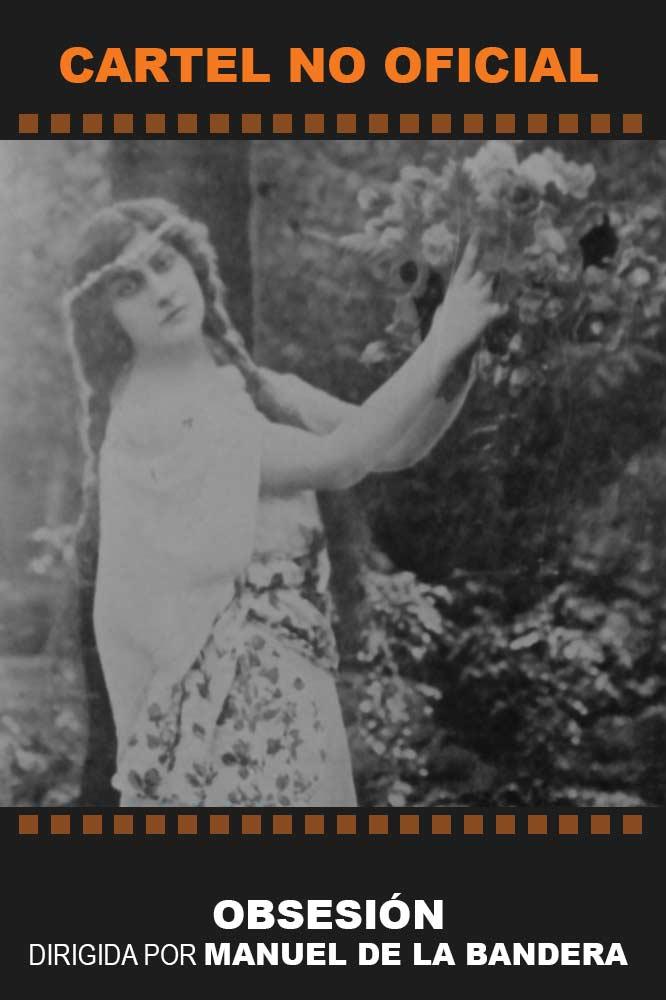
The Ritual of Humiliation
There is also a darker side to this physical obsession: the cult of humiliation. In Séraphin ou les jambes nues, we see a respectable man stripped of his pants and dignity in the middle of a public street. While played for laughs in a vaudevillian context, this kind of physical vulnerability is a precursor to the transgressive 'cringe' comedy and body-shaming rituals found in modern cult classics. The 'naked' body, or the body out of place, serves as a visceral reminder of our social fragility. It is a recurring theme in the 'cult' canon—the protagonist who is physically exposed or socially cast out due to a physical anomaly or a failure of the flesh.
The Morbid Contract: Flesh as Currency
Perhaps the most unsettling aspect of early cult-adjacent cinema is the commodification of the body. In the short film Dead Easy (1921), we encounter a painter so desperate that he sells his own body to 'quack dealers in bodies' for fifty dollars. It is a morbid, darkly comic premise that prefigures the 'organ harvesting' tropes of modern horror and the 'body as property' themes of dystopian sci-fi. When the painter survives his suicide attempt, the 'freakish merchants' are surprised—not by the miracle of life, but by the breach of contract.
This idea of the body as a piece of meat, a tradeable asset, or a site of greed is echoed in Die Würghand. Here, a poor flower seller is torn between the greed of her brother and the lust of aristocrats. The 'grasping hand' of the title isn't just a metaphor; it’s a physical manifestation of the predatory nature of class and desire. The body is the battlefield. This focus on the physical toll of existence is what makes these films feel so 'cult' to a modern viewer. They don't offer the sanitized, spiritualized drama of the mainstream; they offer the cold, hard reality of the flesh.
- The body as a site of scientific experimentation (The Island of the Lost)
- The body as a social spectacle (Molly of the Follies)
- The body as a commodity for the desperate (Dead Easy)
- The body as a vessel for violent vows (The Stronger Vow)
The Vow of Violence: Physicality and Fate
In the world of cult cinema, the physical body is often bound by arcane or extreme rules—vows, curses, or biological imperatives. The Stronger Vow (1919) presents a woman caught between her marriage vow and her vow to kill her brother’s murderer. This isn't just a psychological conflict; it’s a physical one. The tension is carried in the actress's face, the way she moves, the way she interacts with the husband she suspects of being a killer. The silent era excelled at this kind of 'physical melodrama,' where internal trauma is expressed through external rigidity or explosive movement.
This 'vow of the body' is a recurring motif in the works of directors who would later define the cult genre. Whether it's the asceticism of a martyr or the blood-oath of a vigilante, the physical commitment to an idea is what elevates a character to 'cult' status. We don't just admire their mind; we admire their endurance. Films like The Stronger Vow or the gritty survivalism of Riders of the Dawn show us characters whose bodies are tools of their will, hardened by conflict and scarred by their choices. This is the precursor to the 'hardbody' action of the 80s and the 'extreme cinema' of the 2000s, where the protagonist's ability to suffer is their defining trait.
Conclusion: The Enduring Scar of the Silent Grotesque
The silent era was not a time of primitive simplicity; it was a laboratory of the extreme. By focusing on the physical grotesque, early filmmakers discovered a universal language that bypassed the need for words. They spoke directly to our primal fears and our voyeuristic curiosities. They taught us to look at the broken, the altered, and the shamed, and to find within them a strange kind of holiness. This is the essence of the cult mindset: the rejection of the polished surface in favor of the scarred reality.
When we revisit films like The Island of the Lost, Dead Easy, or Molly of the Follies, we aren't just looking at historical artifacts. We are looking at the birth of our own obsessions. We are seeing the first flickers of the 'body horror' that would later define the works of Cronenberg and Barker. We are seeing the 'sideshow' empathy of Lynch and Waters. Most importantly, we are seeing the beginning of a community—the first 'cult' of viewers who realized that the most interesting stories are the ones written in the flesh of the abnormal. The nitrate may be fragile, but the scars they left on the cinematic psyche are permanent.
Community
Comments
Log in to comment.
Loading comments…