
Film History
The Clandestine Altar: How the Silent Era’s Secret Marriages and Double Lives Scripted the Modern Cult of the Masked Self
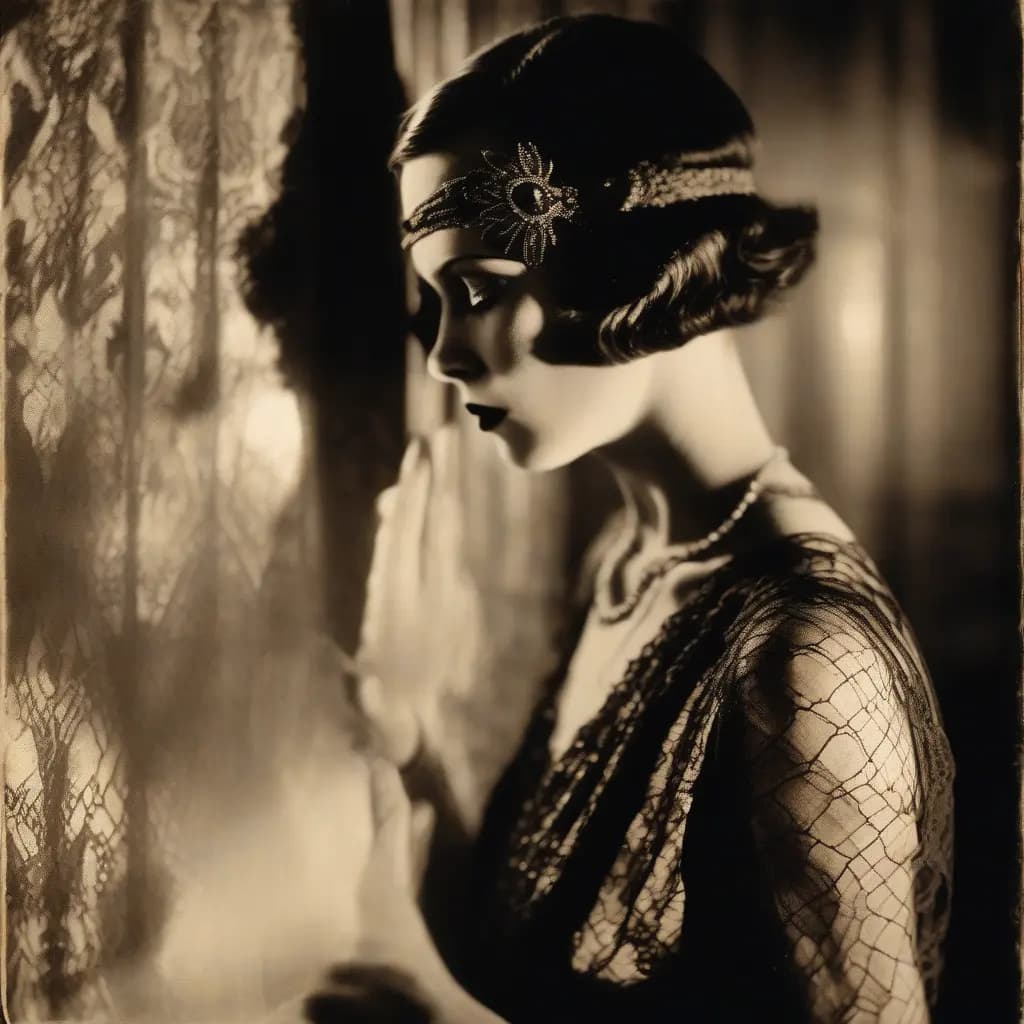
“Explore how the 1910s obsession with hidden identities and secret nuptials created the foundational blueprint for cinema's most enduring cult archetype: the double-lifer.”
There is a specific, shivering thrill in watching a character exist in the knife-edge space between two lives. We see it in the neon-soaked noir of the 1940s and the identity-warping thrillers of the digital age, but the true architecture of the 'masked self' was not built in the sound era. It was forged in the flickering, nitrate shadows of the late 1910s and early 1920s—a period obsessed with the social performance of virtue and the private reality of transgression. This was the era of the secret marriage, the hidden inheritance, and the reformed criminal living in a state of permanent, sweaty-palmed paranoia. These films didn't just tell stories; they established a ritual of viewership that rewards the secret-keeper, birthing the very DNA of what we now recognize as cult devotion.
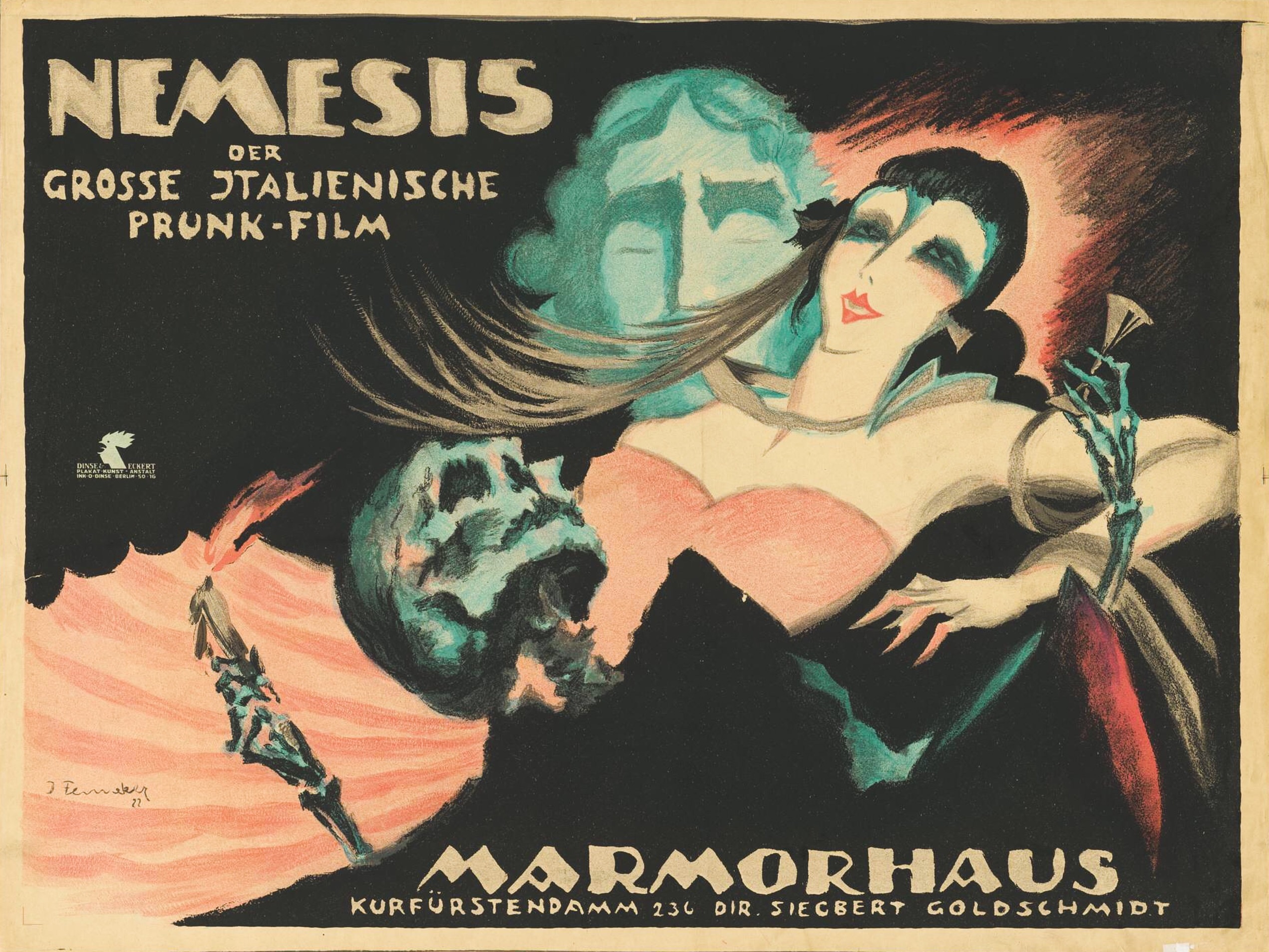
To understand the cult of the double life, one must look at the social pressures of the time. The transition from the Victorian moral lockstep to the chaotic freedom of the Jazz Age left a generation of filmmakers and audiences fascinated by the 'clandestine.' The screen became an altar for characters who were forced to lie to survive, creating a profound empathy for the marginalized, the deceptive, and the damned. When we watch a film like Nemesis (1920), we aren't just watching a melodrama about a young duchess; we are witnessing the birth of a thematic obsession with the 'Secret Sacrament.'
The Inheritance of Silence: Marriage as a Clandestine Trap
In the 1920 film Nemesis, the stakes of the secret life are laid bare with surgical precision. A young duchess, widowed and trapped by the terms of a conditional inheritance, finds herself in a romantic vacuum. When she marries a military captain, she does so in the shadows, keeping the union hidden to maintain her property and status. This isn't merely a plot device; it is a visceral exploration of the 'masked self.' The duchess must perform the role of the grieving, solitary aristocrat while privately indulging in the passion of her new marriage. This duality creates a tension that modern cult cinema thrives upon—the idea that the 'real' person only exists when the world isn't looking.
This theme of the 'conditional life' recurs throughout the era's fringe masterpieces. The audience is invited into a conspiratorial relationship with the protagonist. We are the only ones who know the truth, making us accomplices in their deception. This voyeuristic intimacy is the primary fuel for cult obsession. It transforms the viewer from a passive observer into a silent partner in a social crime. The duchess’s struggle in Nemesis mirrors the modern cult hero—the individual who must subvert a rigid, uncaring system through a series of increasingly dangerous lies.
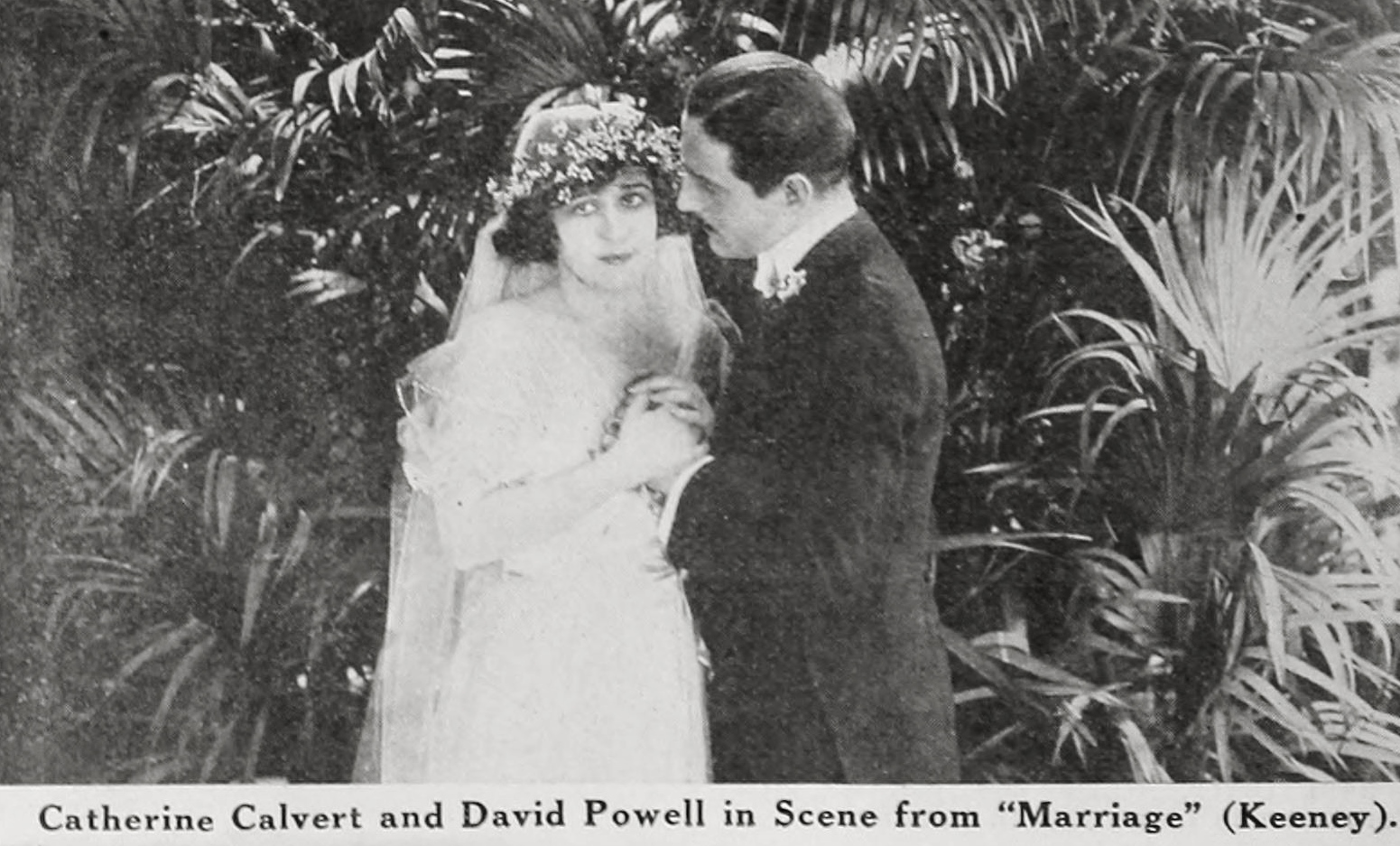
The silent screen was the first medium to truly understand that a secret is more than a plot point; it is a visual state of being.
The Criminal Masquerade: Redemption in the Shadows
While the aristocracy hid marriages, the lower rungs of the cinematic underworld were hiding something far more volatile: a past. The 'reformed crook' trope became a cornerstone of early transgressive cinema, most notably in The False Road (1920). Here, Roger Moran emerges from a two-year prison stint with a vow to go straight, only to find that the 'straight' world has no room for a man with a scarred reputation. The tension in The False Road is not just about whether Roger will return to crime, but about the exhausting labor of maintaining a facade of respectability while being hunted by his former gang leader, Mike Wilson.
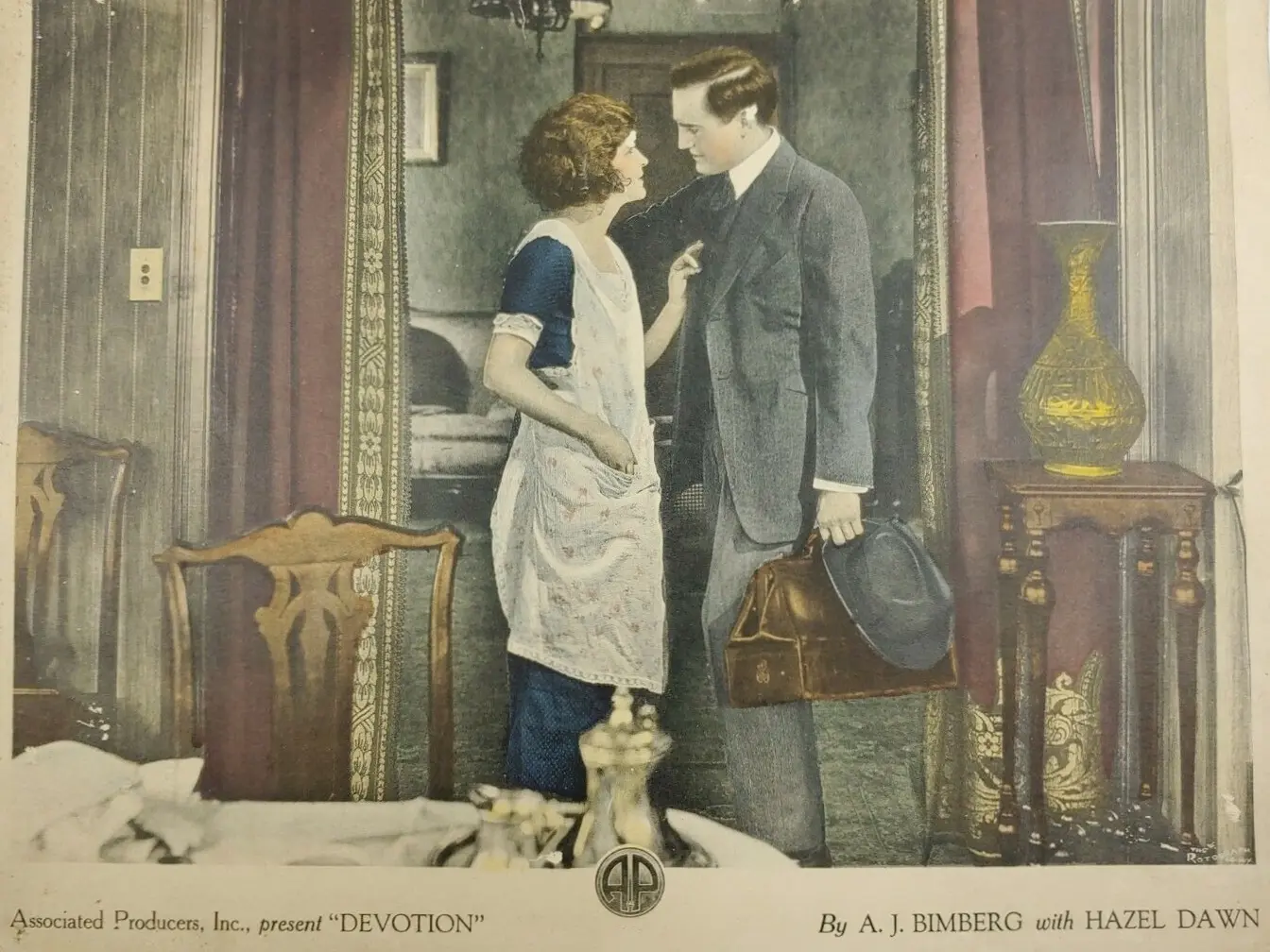
This narrative of the 'hunted man' trying to live a quiet life is the precursor to everything from *A History of Violence* to *John Wick*. It taps into a primal anxiety about the inescapability of the self. In The Closing Net (1915), we see a similar dynamic with Frank Clamart, an illegitimate son who flees to Paris and joins a gang of 'society crooks.' The term 'society crook' itself is a beautiful oxymoron that defines the era—the ability to move through the highest circles of power while harboring a predatory, underworld intent. These characters are the ultimate chameleons, and their ability to 'play the part' is what makes them such compelling cult figures. They are the original masters of the double-cross, navigating a world where every handshake is a potential trap.
The Weight of the 'Mark of Cain'
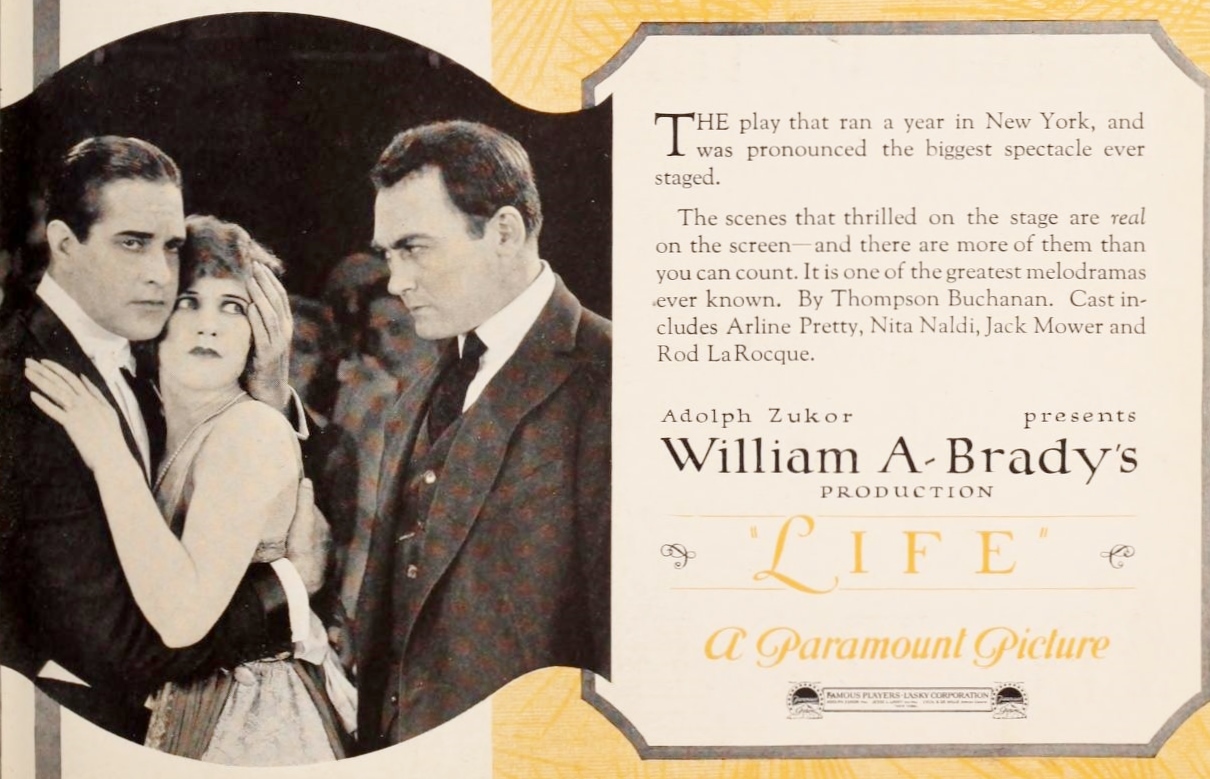
The psychological toll of these secrets is perhaps best captured in The Mark of Cain (1916). When Dick Temple takes the blame for his father’s robbery, he isn't just sacrificing his freedom; he is accepting a permanent social stain. The 'Mark' is not just a biblical reference; it's a cinematic brand. It represents the moment a character becomes 'othered' from society. This sense of being marked—of carrying an invisible burden that the rest of the world can sense but not see—is the hallmark of the cult protagonist. They are the sainted pariahs, the individuals who suffer in silence for a 'higher' secret truth.
The Feminine Double-Agent: Lila Despard and the Art of the Escape
If the men of the silent era were hiding from their crimes, the women were often hiding from their owners. The 'temptress' archetype was frequently subverted in these early films, revealing a desperate need for reinvention. In As in a Looking Glass (1916), Lila Despard is a 'scandalous European temptress' who flees to America to escape her criminal lover. Her journey is one of total identity erasure. She isn't just moving; she is attempting to become a different person entirely, eventually crossing paths with senators and naval planners.
Lila Despard is a foundational figure for the 'femme fatale' who is actually a 'femme fugitive.' Her power comes from her ability to reflect whatever the men around her want to see—hence the title's mirror metaphor. This performative femininity is a survival tactic. We see a more literal version of this in The Humming Bird (1924), where a pickpocket disguises herself as a boy to follow her lover to war. The act of 'passing'—whether as a different class, a different gender, or a different moral entity—is the central ritual of these films. It speaks to a deep-seated cultural desire to shed the skin of our circumstances and emerge as someone entirely new, even if that new self is a lie.
- The use of mirrors and reflective surfaces to symbolize the split psyche.
- The 'anonymous benefactor' trope, as seen in Daddy-Long-Legs (1919), where identity is a currency of power.
- The recurring motif of the 'lost child' or orphan, who must invent a lineage to find a place in the world.
The Moral Freefall: Infatuation and Debasement
What happens when the secret life isn't a choice, but a descent? Love Madness (1920) provides a grim answer. When the 'respectable' Lloyd Norwood becomes infatuated with a moll, he doesn't just enter a relationship; he enters a 'life of debasement.' The film chronicles the systematic dismantling of a public persona. It is the 'breaking bad' of the 1920s. The horror here isn't just the crime (murder), but the speed with which a respectable life can be exchanged for a sordid one.
This 'infatuation as infection' is a key element of the transgressive cult. It suggests that our 'true' self is not the one we present at the dinner table, but the one that is willing to kill or die for a forbidden desire. Films like Love Madness and The Hunted Woman (1916) explore the claustrophobia of social expectation. In the latter, Joanne is forced into a marriage by her dying father, creating a life that is essentially a prison of duty. The 'secret' in these films is often the character's internal rebellion—the silent scream for a life that isn't dictated by dead fathers or social codes.
The Architecture of the Mask: Visualizing the Unseen
The silent era had to develop a specific visual grammar to communicate these internal secrets without the benefit of dialogue. They used shadows not just for mood, but as a literal representation of the hidden self. In Midnight Madness (1918), the robbery of rare jewels is framed through wounds and overheard hotel room conversations—a sensory-deprived way of experiencing a crime that emphasizes the 'hidden' nature of the act. The characters are often framed through doorways, behind curtains, or in the soft, hazy focus of a 'dream' sequence, suggesting that they are never fully present in the world they inhabit.
Even the comedies of the era, such as Falling for Fanny (1917) or Their First Vacation (1922), play with the anxiety of being caught. The 'secret' in these shorts is often trivial—an ex-girlfriend, a misunderstanding—but the panic is real. It’s the same panic that drives the protagonist of The False Road. This universal fear of exposure is what makes these films eternally relevant. We all have a 'secret marriage' or a 'criminal past' in our minds—a part of ourselves we fear would destroy our lives if brought into the light.
Conclusion: The Eternal Return of the Mask
The silent era's obsession with the clandestine was more than just a genre trend; it was the birth of a cinematic philosophy. By centering stories on the tension between the public and the private, these early filmmakers created a template for the cult of the outsider. Whether it’s the duchess in Nemesis or the pickpocket in The Humming Bird, these characters represent the fractured nature of modern identity. They remind us that the most interesting part of any person is the part they are trying to hide. As we continue to worship at the altar of the anti-hero and the double-agent, we are simply continuing the ritual that began over a century ago, in the flicker of a nitrate mask.
Community
Comments
Log in to comment.
Loading comments…