
Film History
The Narcotic Lens: How Silent Era Vice and Forbidden Rituals Invented the Cult Mindset
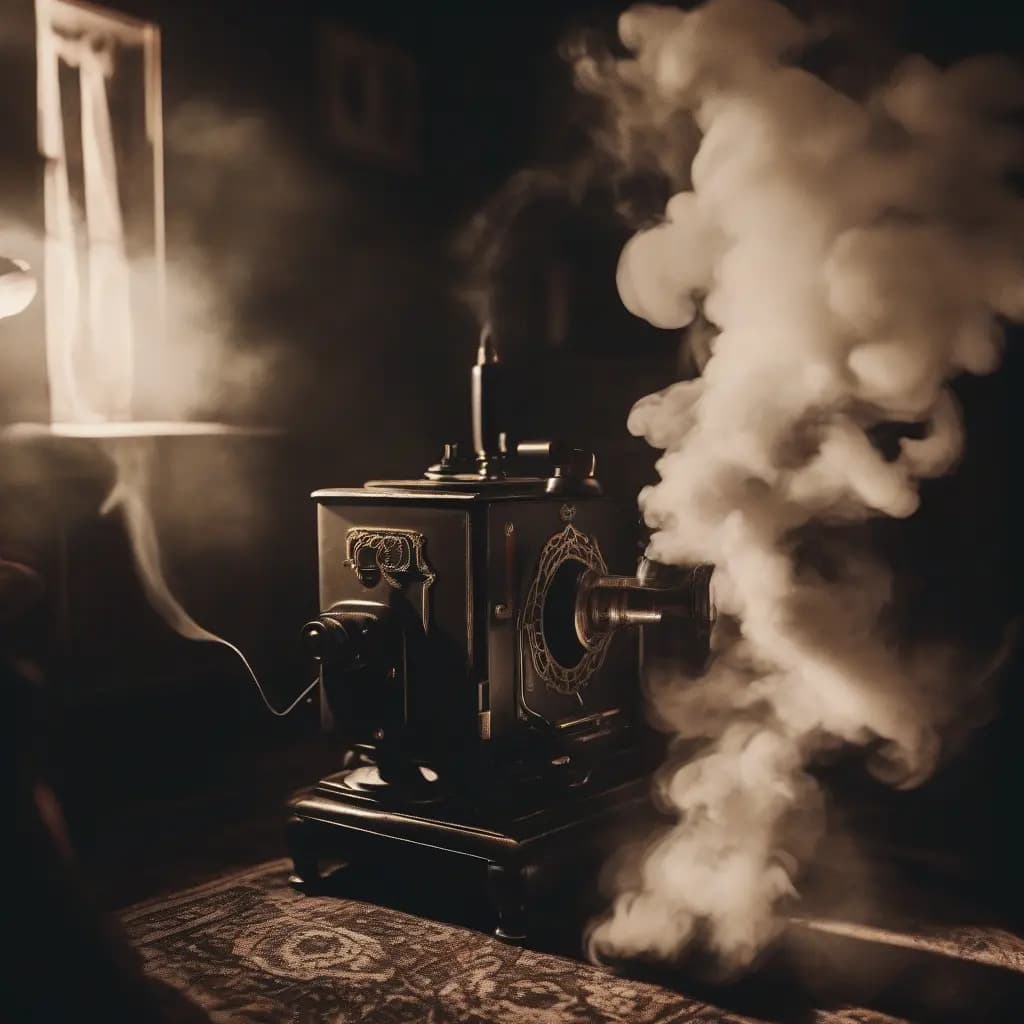
“Long before the midnight movie era, the silent screen was already obsessed with opium dens, mad scientists, and the transgressive thrill of the forbidden.”
We often speak of cult cinema as a child of the 1970s—a byproduct of the midnight movie circuit, the grinding gears of 42nd Street, and the sticky floors of the Elgin Theater. But to understand the true DNA of the cinematic outlier, we have to travel further back, into the era of nitrate and silence, where the very concept of the 'forbidden' was first codified. The silent era wasn't just a period of technical experimentation; it was a wild frontier of moral insolvency where filmmakers realized that the most potent way to capture an audience was to show them exactly what the censors said they shouldn't see. This was the birth of the narcotic lens, a way of seeing that prioritized the visceral, the strange, and the transgressive over the polite narratives of the mainstream.
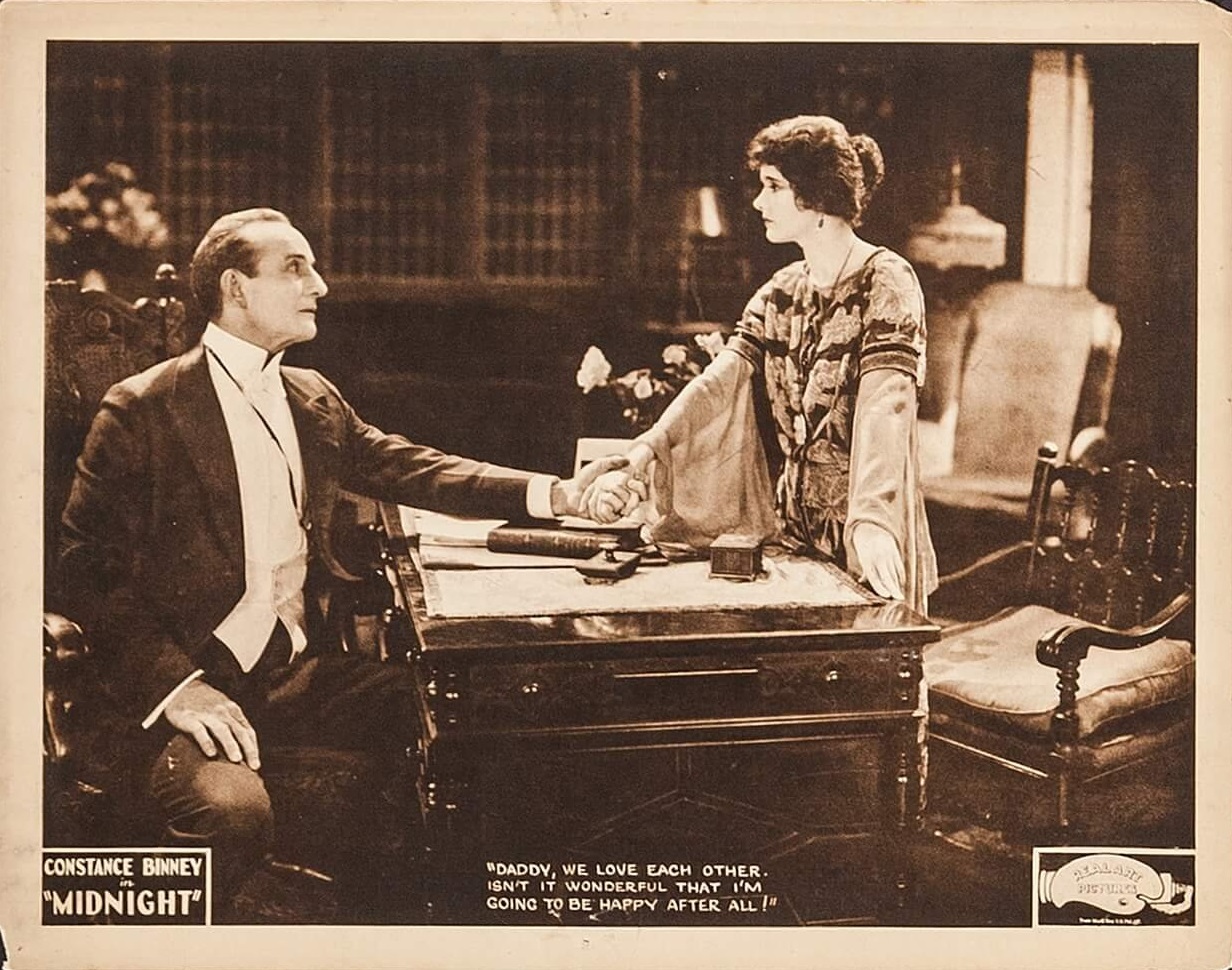
The roots of cult devotion lie in the friction between the screen and the society that attempts to police it. In the 1910s and 20s, this friction produced a wave of 'vice' films and 'social hygiene' dramas that functioned as the first true exploitation cinema. These weren't just movies; they were rituals of the taboo. Whether it was the smoky haze of an opium den or the electrical crackle of a mad scientist’s laboratory, these early works established the tropes that would eventually define everything from the psychedelic 60s to the body horror of the 80s. They taught us how to worship the misfit, the outcast, and the deviant.
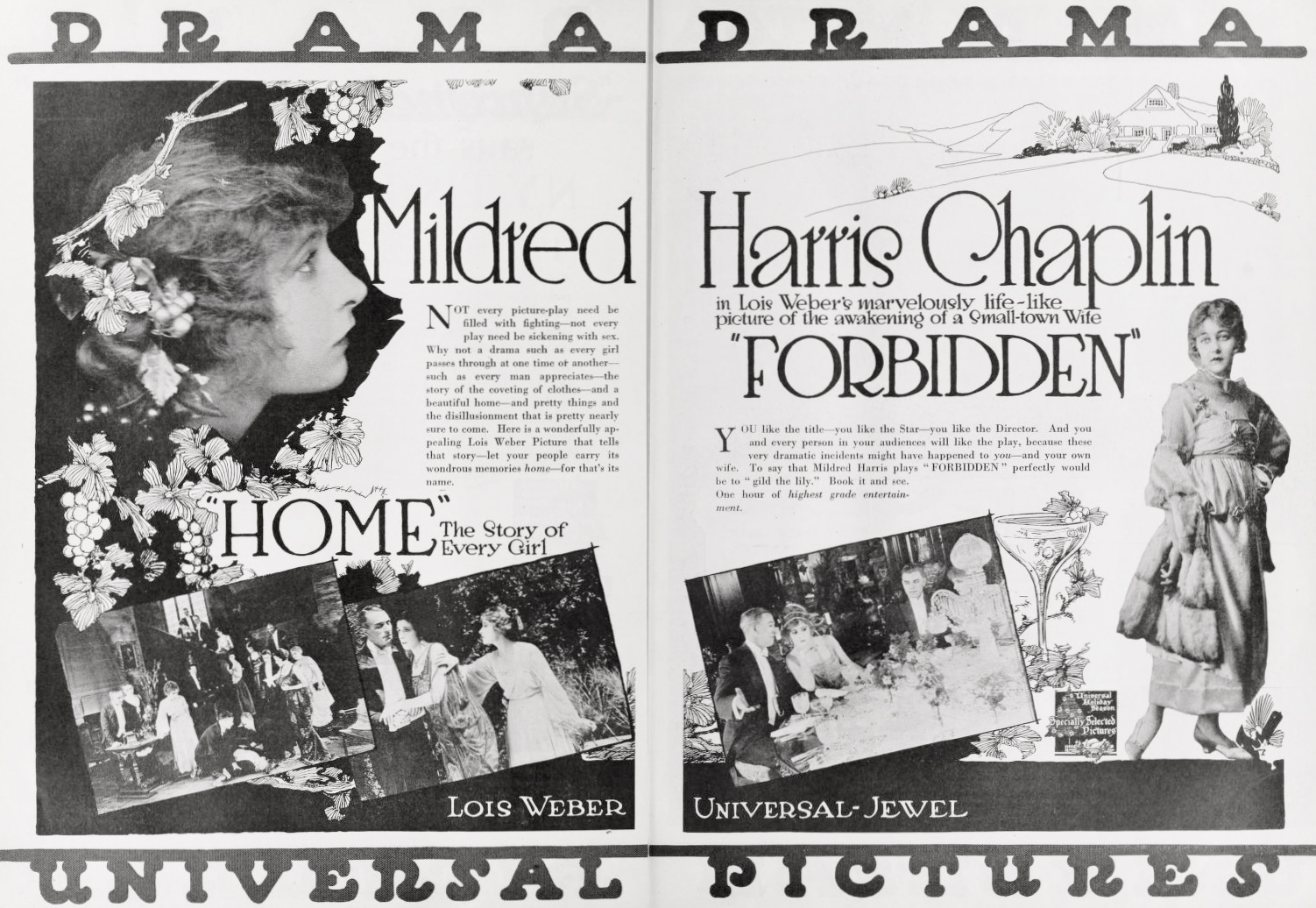
The Opium Den and the Architecture of the Forbidden
If there is a ground zero for the cult aesthetic, it is the underworld procedural. Consider The Tong Man (1919). On the surface, it’s a story of the Chinese Mafia and an opium smuggler marked for death. But beneath the plot beats lies a fascination with the 'other'—a subterranean world with its own laws, aesthetics, and codes of conduct. This is the same impulse that drives modern fans to seek out the neon-soaked alleys of cyberpunk or the grime of 70s crime thrillers. The film uses the 'secret society' as a narrative engine, creating a space where the viewer is an initiate into a hidden reality.
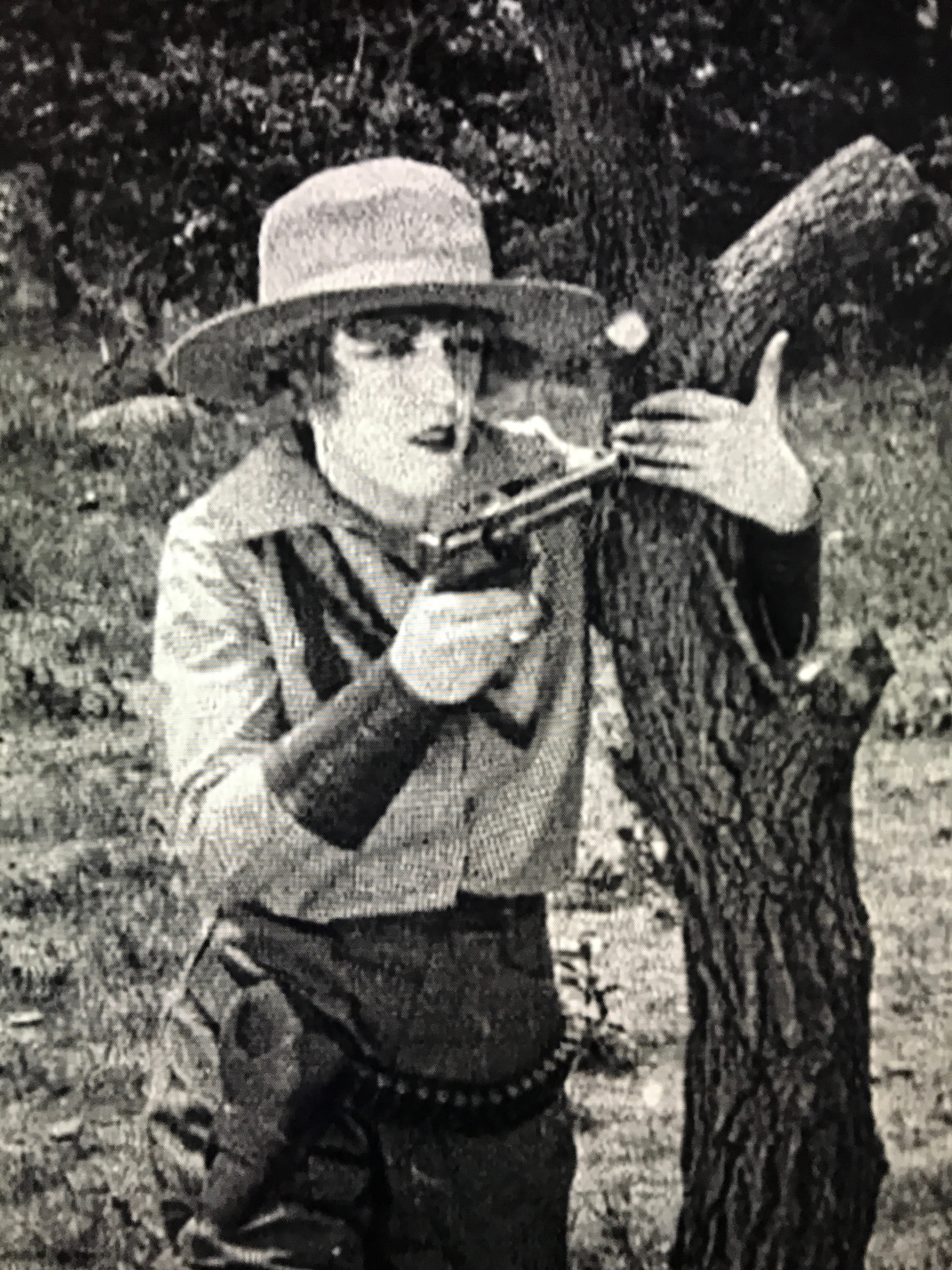
The portrayal of addiction in this era was rarely about empathy; it was about the spectacle of the fall. The 'narcotic' wasn't just a plot point; it was a visual style. The swirling smoke, the heavy-lidded gazes, and the claustrophobic interiors of these films created a sensory experience that felt dangerously close to the substances they depicted. In films like The Inner Struggle, we see the professional man—the doctor in a leper colony—pitted against the dissipated 'society man.' This dichotomy between the disciplined self and the surrendered self is the cornerstone of the cult protagonist. We don't root for the doctor; we are fascinated by the wreckage of the addict.

The silent screen didn't just mirror reality; it distorted it through the haze of moral panic, turning the 'vice' of the city into a dark, irresistible liturgy.
The 'Social Hygiene' Trojan Horse: Exploitation’s First Shield
The most brilliant trick in the history of cult cinema was invented by the early purveyors of 'educational' films. By framing transgressive content as a 'warning' to the public, filmmakers could bypass censors and show scenes of debauchery that would otherwise be banned. This is the 'Social Hygiene' movement, and its DNA is all over films like Does the Jazz Lead to Destruction?. These films were the first to understand that the audience’s primary desire was to see the 'destruction' itself, not the lecture that followed.
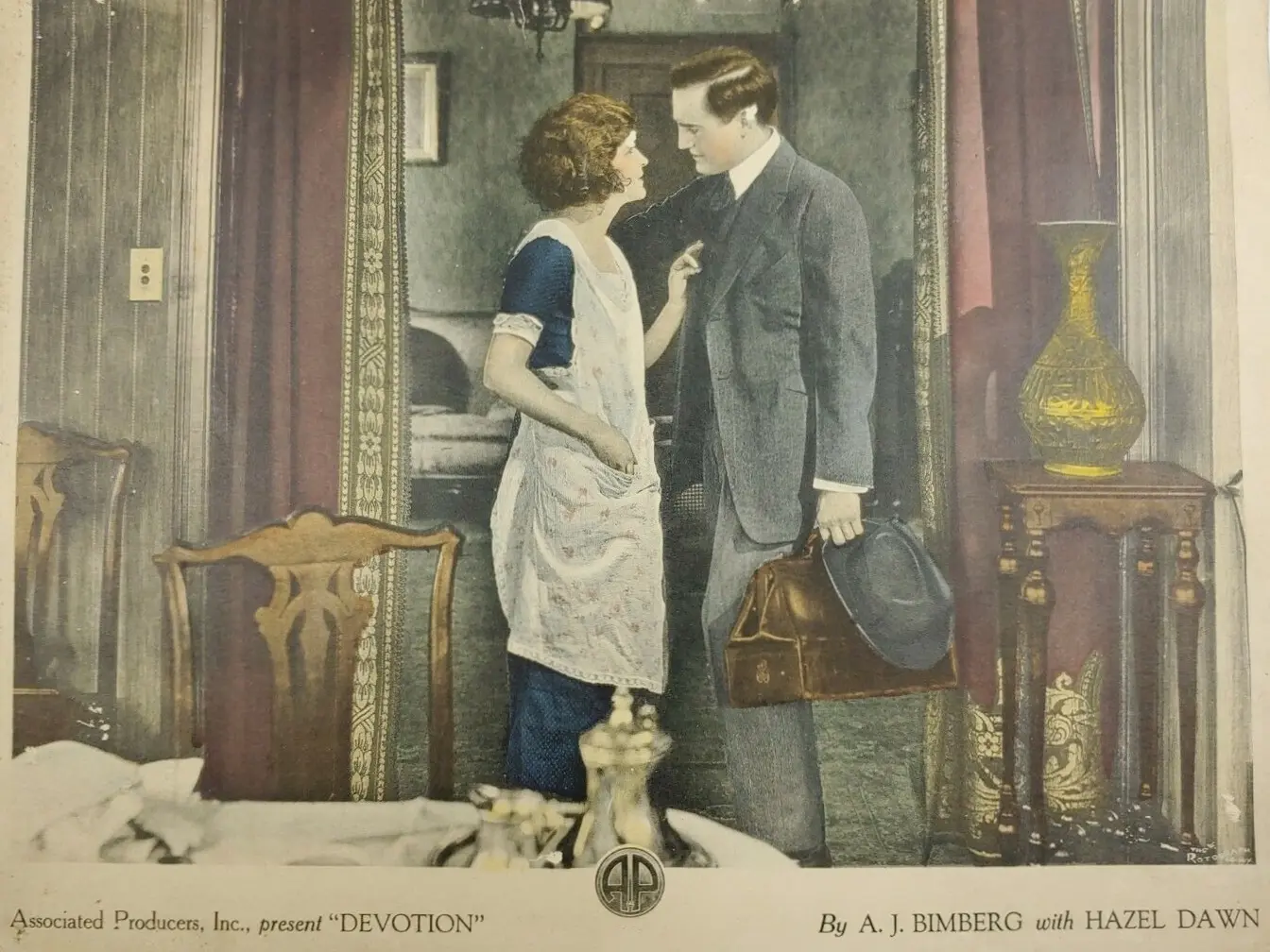
This cynical but effective approach birthed the 'cautionary tale' as a genre of its own. In Warning! The S.O.S. Call of Humanity, the title itself screams with the histrionics of a modern grindhouse trailer. These films tapped into a primal voyeurism. They were the ancestors of the 'mondo' film and the 'shockumentary.' They functioned on a logic of 'see it before it’s banned,' a marketing hook that remains the lifeblood of cult distribution to this day. The hypocrisy of the era—preaching virtue while profiting from vice—is what gave these films their transgressive energy. They felt like something you weren't supposed to see, which is the ultimate prerequisite for any film to achieve cult status.

The Fallen Woman and the Cult of the Martyr
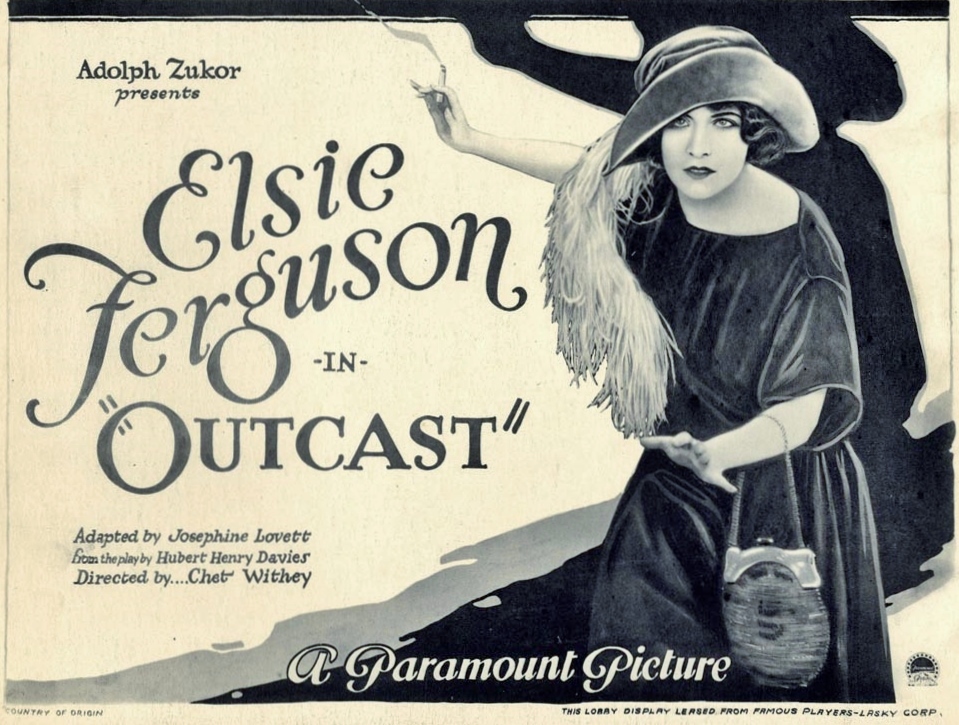
Central to this moral theater was the figure of the 'Fallen Woman.' In Sadounah, we see a mother trying to shield her daughter from the 'worldly perils' she herself has endured. This narrative of the 'sinner-turned-saint' or the 'pariah-as-protector' creates a complex, fractured protagonist that the mainstream audience of the time might have pitied, but the cult audience of the future would canonize. We see this again in La morte che assolve, where the duality of the mother and daughter roles highlights the cyclical nature of social trauma. These aren't just melodramas; they are explorations of identity and the weight of the past, themes that would later be picked up by the likes of Fassbinder or Waters.
The Mad Scientist and the Radio-Wave Anarchy
While the vice films explored the rot of the soul, the early science-fiction serials explored the rot of the world. The 1920s were obsessed with the invisible power of technology, and no film captures this better than the 10-chapter serial The Radio King. Here, we have the classic cult conflict: a brilliant detective versus a 'criminal of science' whose 'warped mind' seeks to overthrow society. This is the 'mad scientist' archetype in its purest form—a figure who rejects the natural order in favor of a synthetic, controlled reality.
The 'Radio King' represents the fear of the invisible. In an era when radio was still a miracle, the idea that a single man could manipulate the airwaves was terrifying. This obsession with the 'unseen tremor' and the 'psychic predator' is a direct line to the paranoid thrillers of the Cold War and the mind-control cults of modern sci-fi. Even in the pulpier, more action-oriented The $1,000,000 Reward, the sense of a world governed by secret forces and high-stakes conspiracies is palpable. These serials were the 'binge-watching' of their day, creating a dedicated, obsessive fanbase that would return week after week to see how the hero would escape the next impossible trap—like the 'giant mould spores' in The Fungi Cellars episode of the Fu-Manchu series.
Captivity and the Gothic Haunting of the Silent Screen
Cult cinema has always been a sanctuary for the Gothic—the stories of the dead haunting the living, of ancient curses, and of physical captivity. The Eyes of the Mummy (1922) is a masterclass in this aesthetic. A girl is kidnapped and held in an Egyptian temple, only to find that her captor haunts her even after she escapes to England. This is the 'unseen stalker' trope that would eventually evolve into the slasher film. The 'mummy' here is not just a monster; it is a psychological weight, a manifestation of a trauma that cannot be outrun.
We see a similar thread of 'haunted identity' in Kaksen på Øverland, where the desire to be an artist (a fiddle player) is set against the crushing expectations of a rich father, whose subsequent death casts a literal and figurative shadow over the protagonist. The 'haunted house' of the mind is a recurring motif in these early films. In Rafaela, we encounter a woman 'without anyone understanding who she really is,' leading to a crushing, existential loneliness. This is the 'inner struggle' made manifest—a silent scream that resonates with the cult audience’s own sense of alienation.
- The use of high-contrast lighting to signify moral ambiguity.
- The recurring motif of the 'double' or the 'stolen identity' (as seen in The Kinsman).
- The fetishization of the 'exotic' as a site of danger and desire (Tangier in The Exiles).
- The 'impossible test' of the sufferer (the leper colony in The Inner Struggle).
The Social Pariah as the Original Cult Protagonist
At its heart, cult cinema is the cinema of the loser. It is the sanctuary of the character who doesn't fit, the one who is despised by the 'purity' of the town. Life's Shadows gives us Martin Bradley, a heavy drinker who is hated by his community but remains the only one willing to help those even more marginalized than himself. This is the archetype of the 'holy fool' or the 'noble outcast'—the same figure we see in the films of John Waters or the Coen Brothers.
These characters represent a rebellion against the 'Society Snobs' and the 'Spendthrifts' of the world. They are the 'Unclaimed Goods' (as in the 1918 film of the same name), literally shipped across the country like freight, denied their humanity by a system that only values them as property. When we watch these early films, we aren't just seeing history; we are seeing the birth of the 'rebel without a cause.' Whether it’s the mountain boy in Then I'll Come Back to You who loves to fight, or the interior decorator in The Decorator who destroys everything he touches, these characters are agents of chaos. They are the first 'punks' of the silver screen.
The Nitrate Shadow and the Birth of the Devotee
The silent era ended not because it was 'primitive,' but because it became too dangerous, too weird, and too difficult to control. The arrival of the Hays Code was a direct response to the 'vice' and 'anarchy' we see in these films. But the shadows they cast were too long to be erased. The cult mindset—the desire to seek out the fringe, to find beauty in the 'distorted,' and to find truth in the 'forbidden'—was forged in the flicker of these nitrate reels.
When we watch Dante's Inferno (1911), we are seeing the first full-length feature film, and it is a journey through hell. It is a film of suffering, of visual excess, and of transgressive imagery. It is the ultimate ancestor of the 'extreme' cinema we discuss today. The silent era taught us that the screen is a mirror, but one that can be tilted to show us the parts of ourselves we are taught to hide. It taught us to love the outlaw, the addict, and the madman. It taught us that the most interesting stories are the ones that happen in the dark, just before the credits roll and the lights come up. That is the true legacy of the narcotic lens, and it is why we still worship at the altar of the cult film today.
Community
Comments
Log in to comment.
Loading comments…