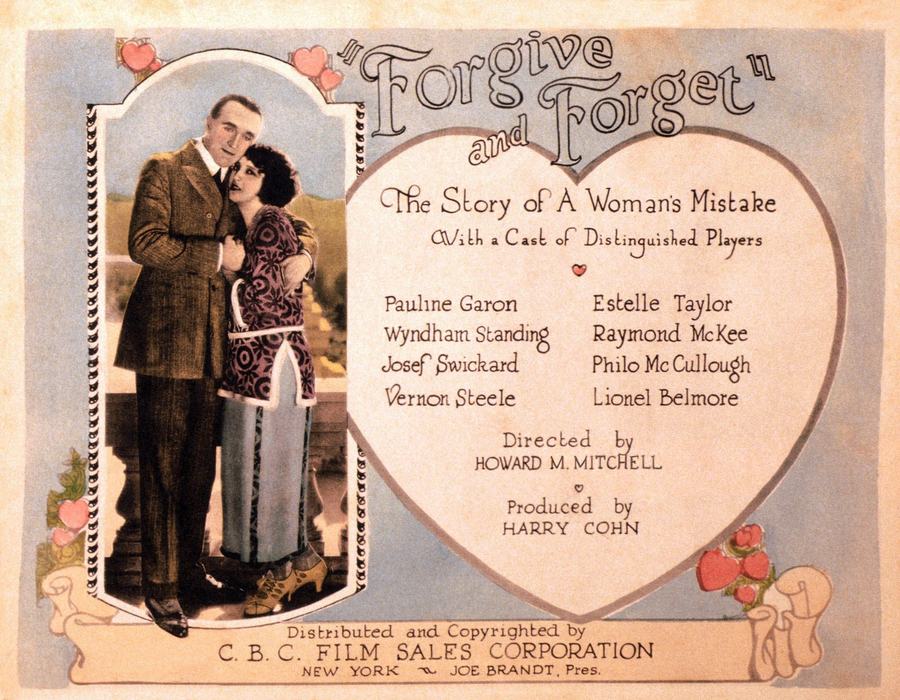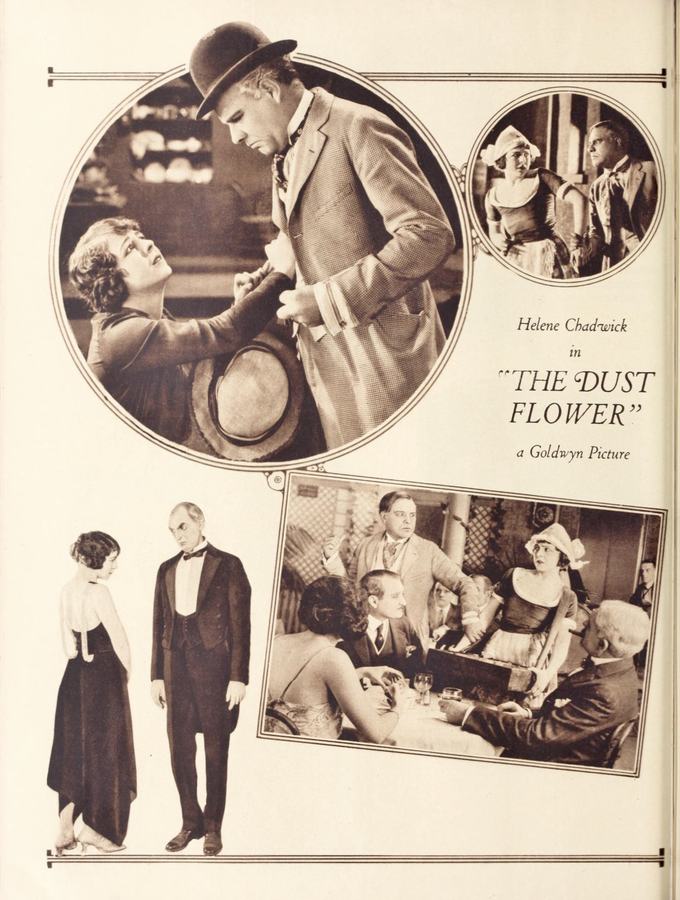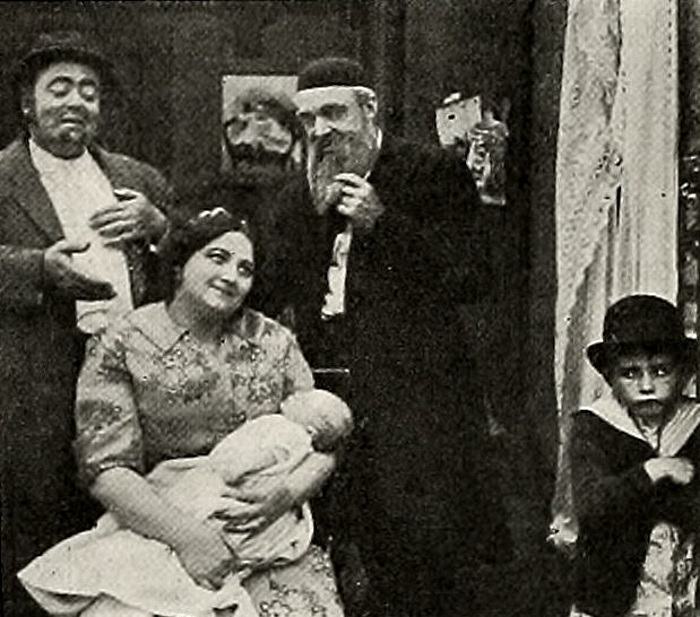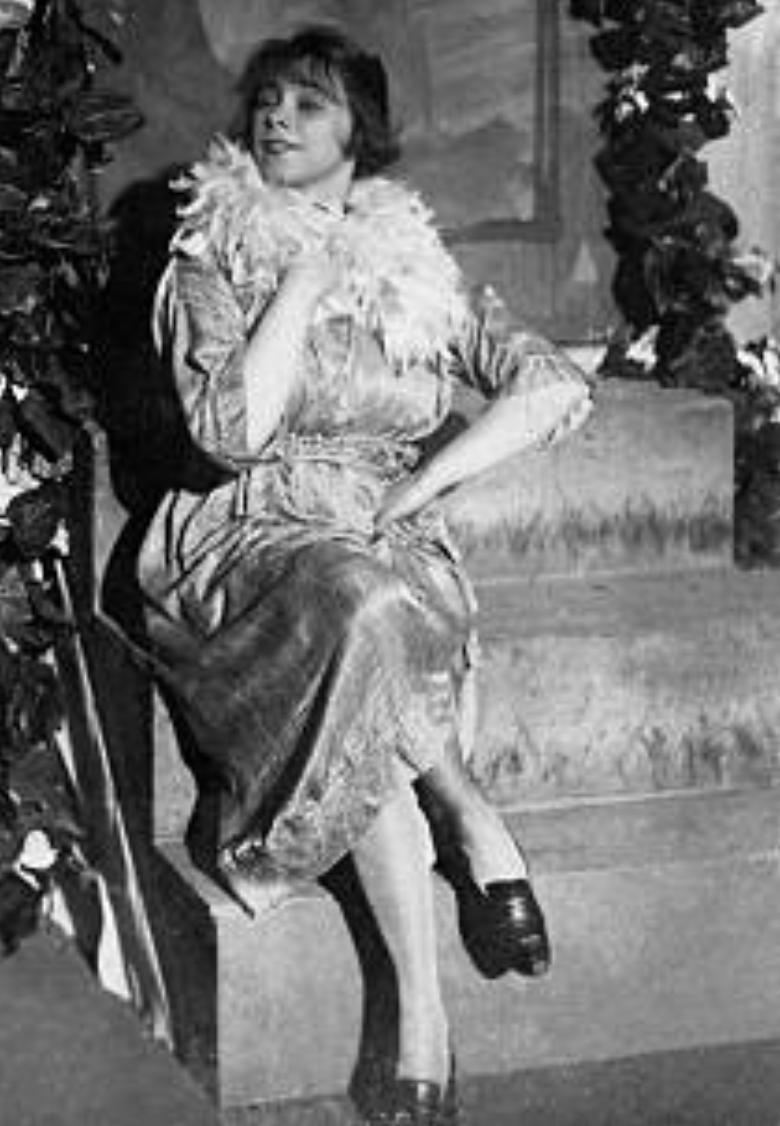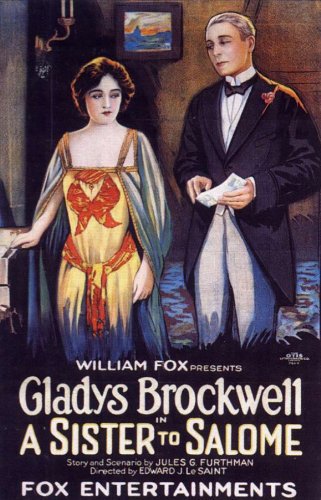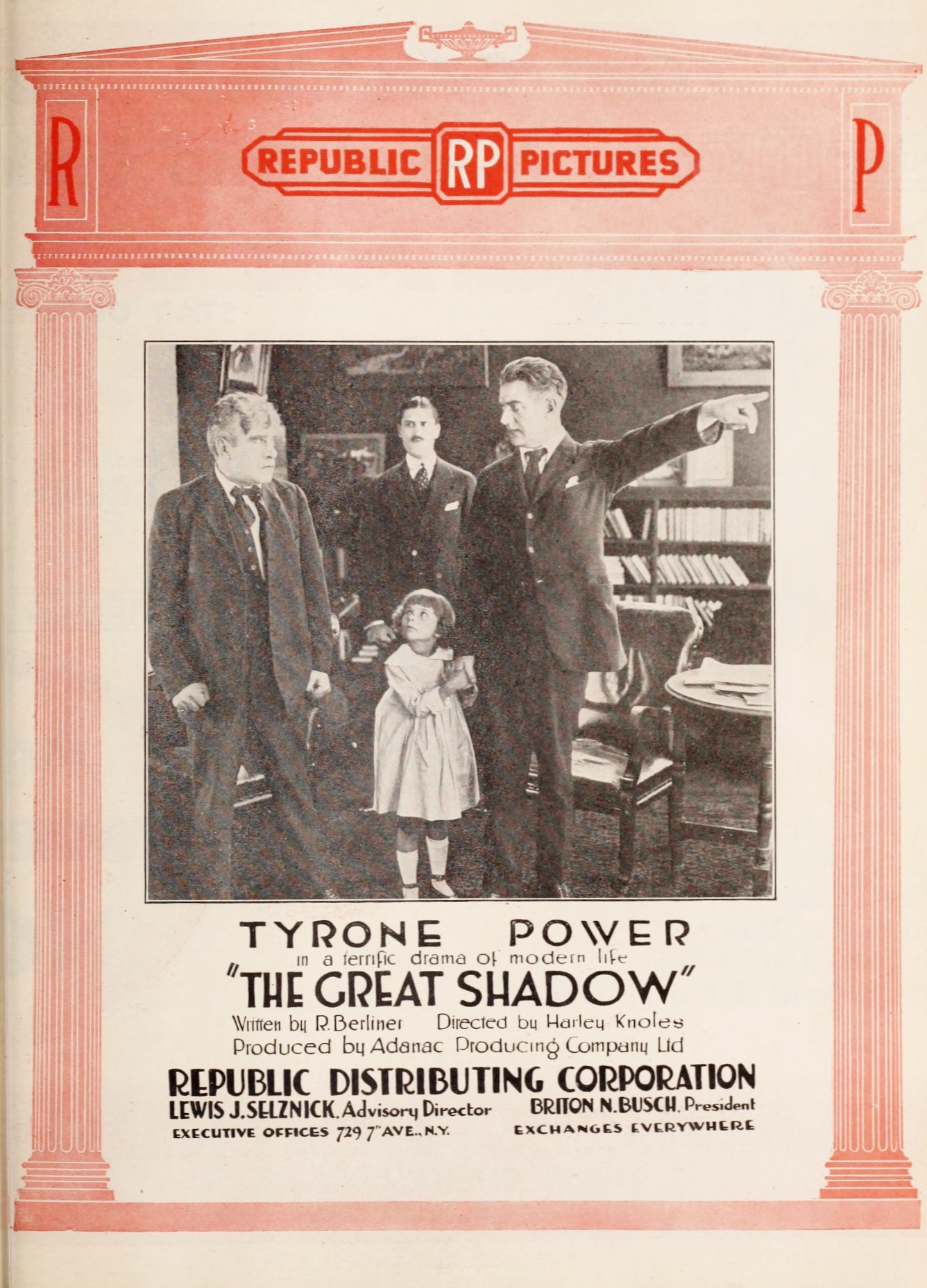
Society children Madalyn Harlan and Bob Elkins separate the day they are to be married. Madalyn marries her chauffeur, Jerry, while Bob falls in love with unsophisticated Ruth Cassell and, after careful consideration, marries her.
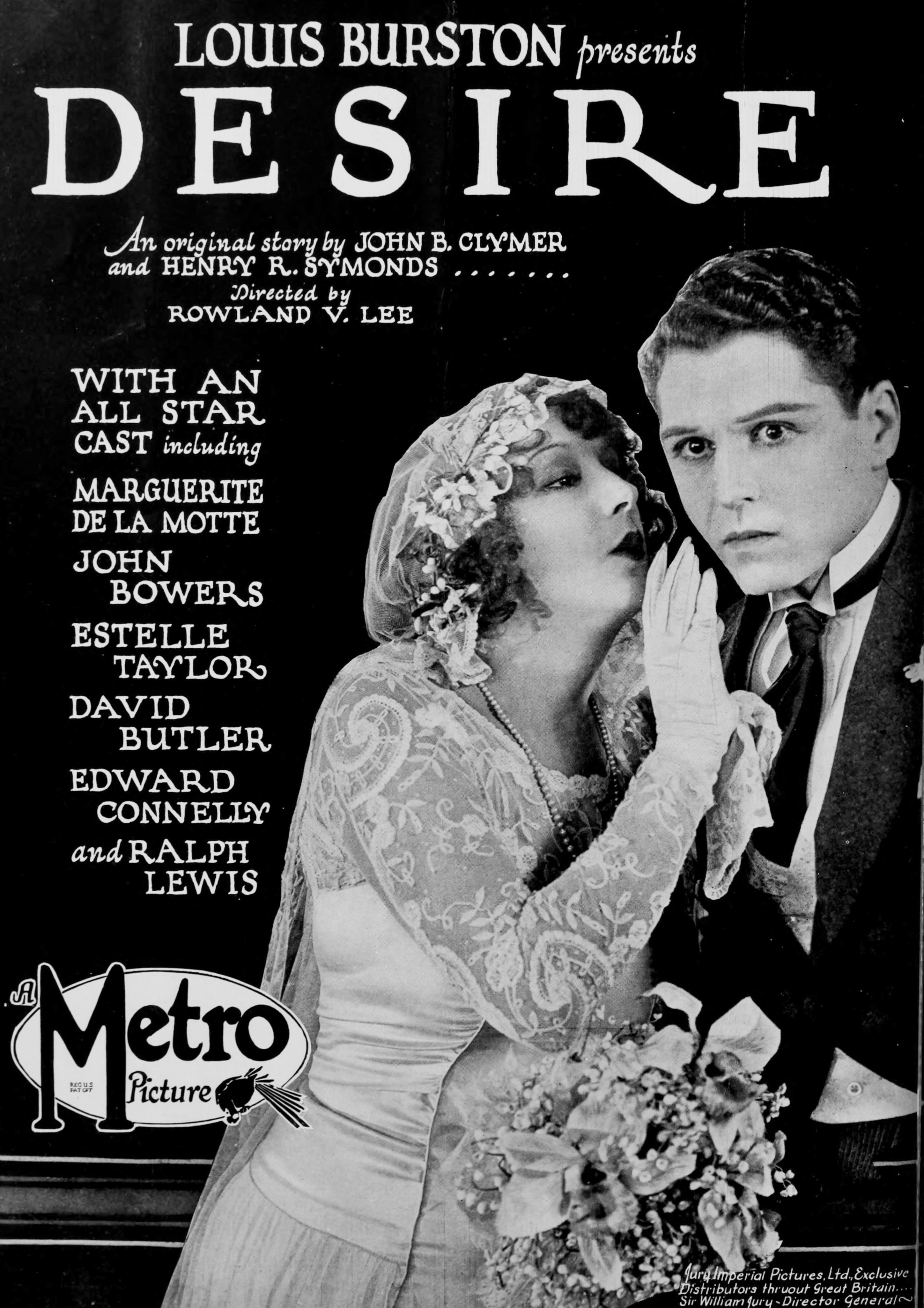
The year 1923 stood as a precipice in American cinema, a moment where the naive moralism of the previous decade began to curdle into the sophisticated cynicism of the mid-silent era. Within this volatile artistic climate, Desire (1923) emerged as a harrowing indictment of the American Dream, or more accurately, the A...
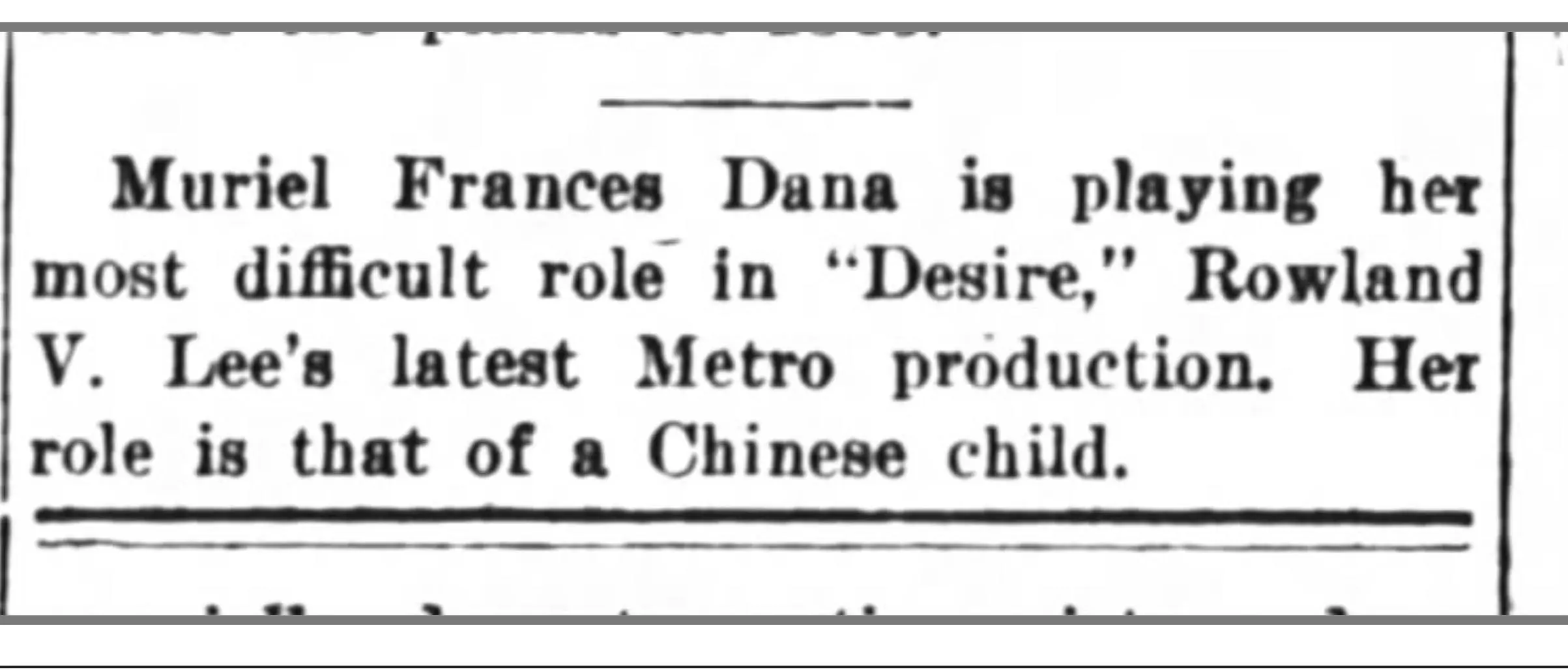
publicity
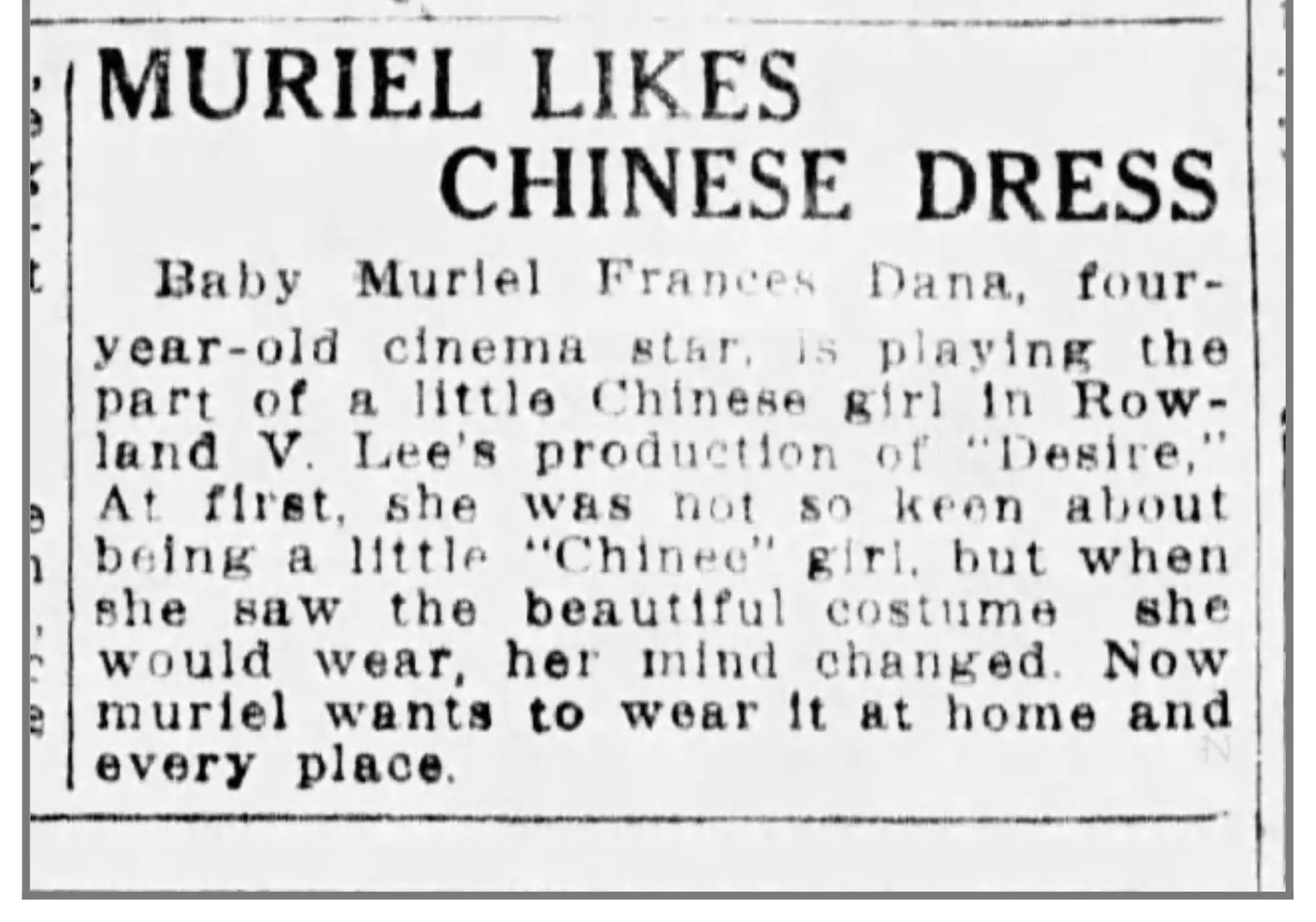
publicity
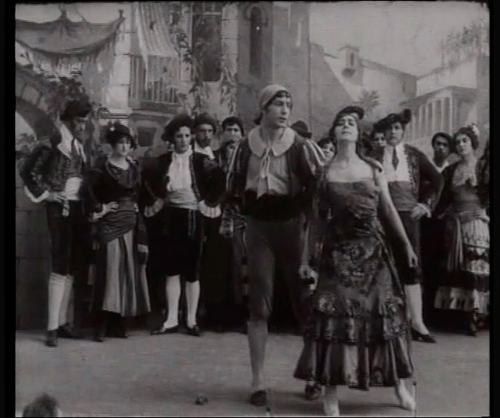
Comparing the cinematic DNA and archive impact of two defining moments in cult history.
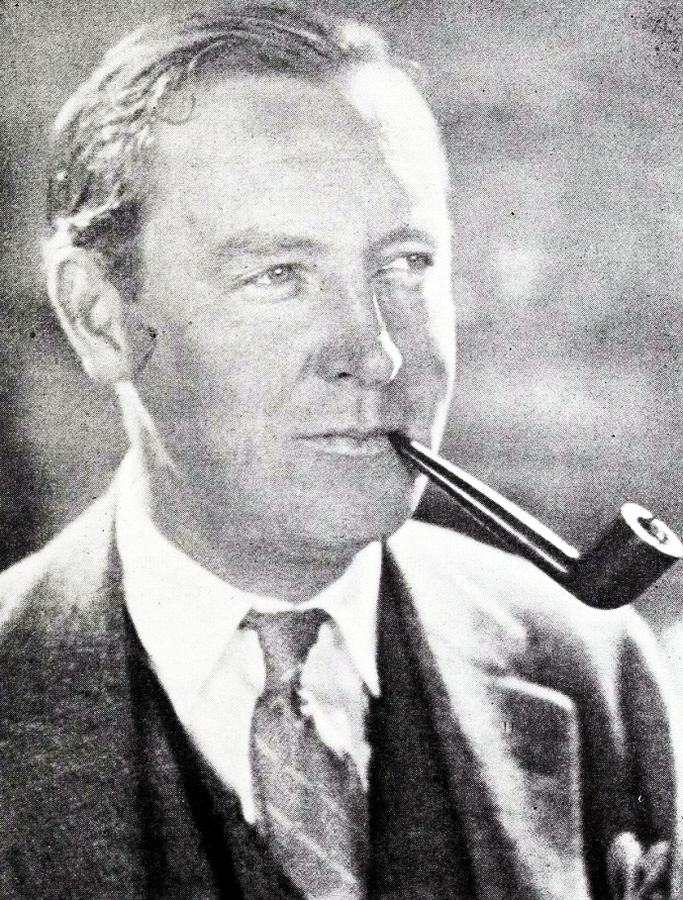
Rowland V. Lee
Eduardo Notari
Community
Log in to comment.
" The year 1923 stood as a precipice in American cinema, a moment where the naive moralism of the previous decade began to curdle into the sophisticated cynicism of the mid-silent era. Within this volatile artistic climate, Desire (1923) emerged as a harrowing indictment of the American Dream, or more accurately, the American Caste. Directed with a surprisingly modern sense of dread by Henry Roberts Symonds and scripted by John B. Clymer, the film eschews the typical romantic escapism of its con..."
Lucille Hutton
Henry Roberts Symonds, John B. Clymer
United States