
Film History
The Celluloid Penitent: How Early Cinema’s Obsession with Sin and Redemption Scripted the DNA of the Transgressive Cult
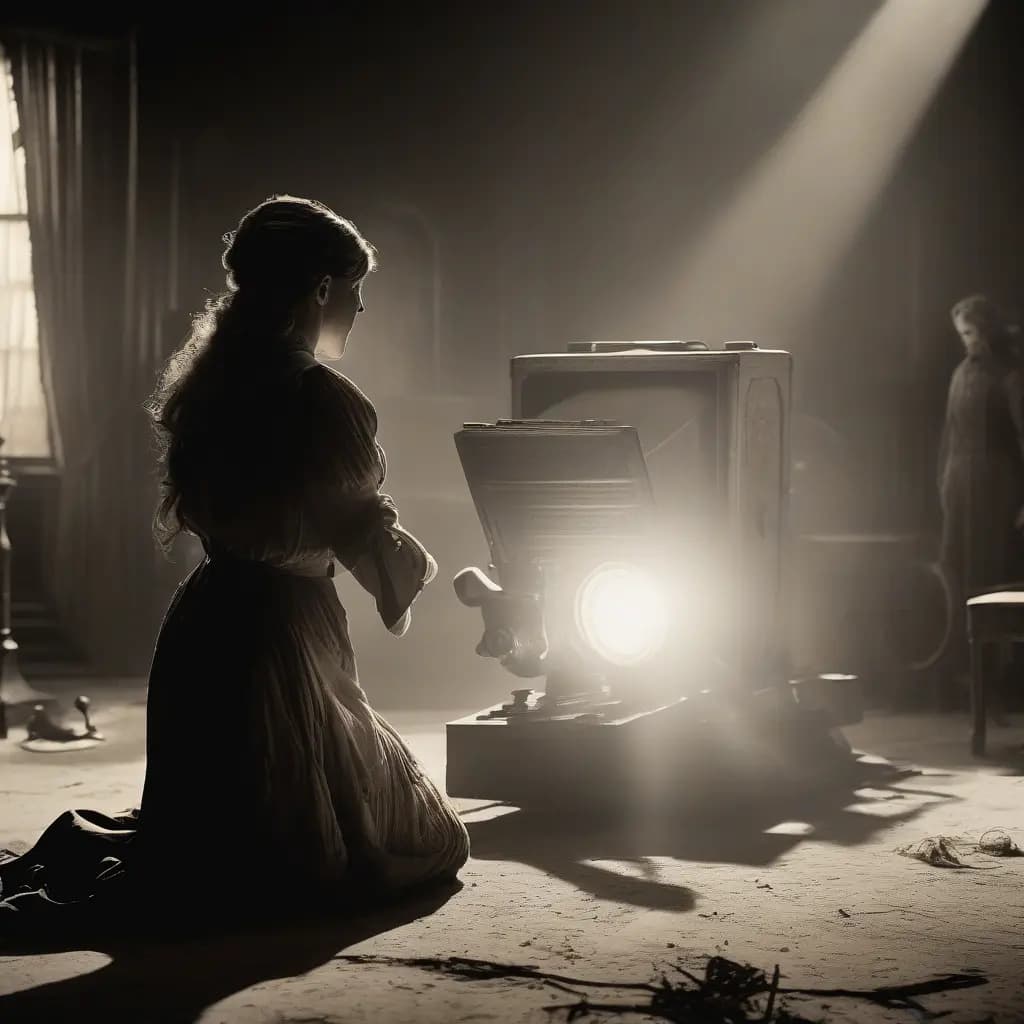
“Long before the midnight movies of the 70s, the silent era used 'moral education' as a mask to explore the dark, the deviant, and the forbidden.”
To understand the modern obsession with transgressive cinema, one must first recognize that the 'cult' experience was not born in a 1970s New York grindhouse. It was born in the flickering, ozone-scented shadows of the 1910s, where the camera first learned to lie with a straight face. We often view the silent era through a lens of sepia-toned innocence, but that is a historical fallacy. The pioneers of early film were not just storytellers; they were architects of the forbidden. They realized, with a cynical brilliance that would make a modern exploitation producer blush, that the easiest way to show the public something truly scandalous was to frame it as a warning. This was the 'Alibi of Virtue'—a strategic masquerade where sin was the spectacle and redemption was merely the fine print.
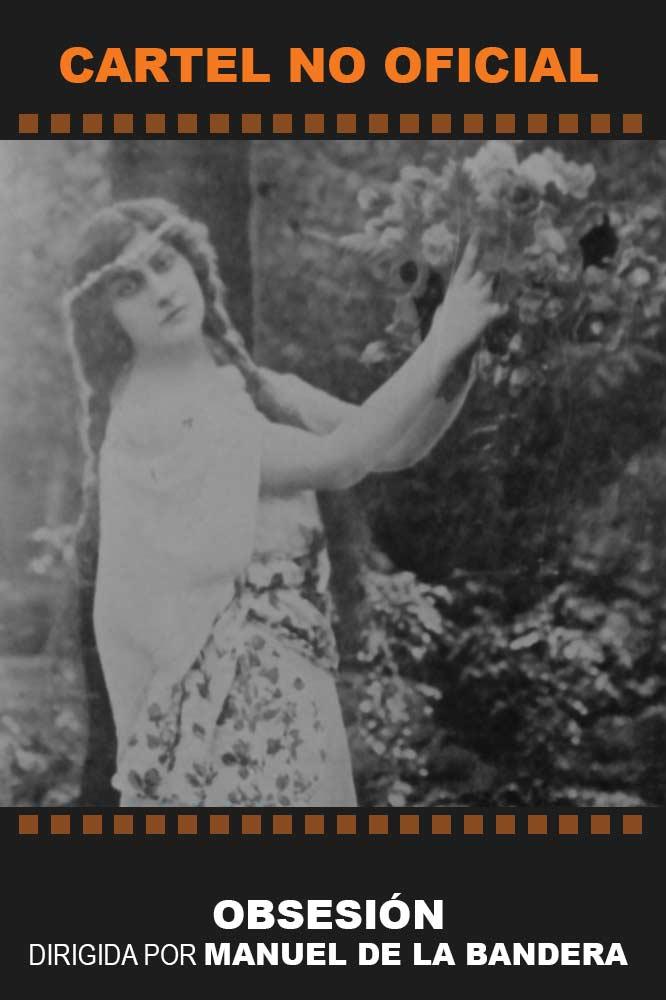
This wasn't just about entertainment; it was about the birth of a specific kind of viewership. The cult audience is defined by their desire to see what is hidden, to engage with the 'other,' and to find truth in the margins. When we look at films like Revelation (1918) or the raw, confrontational power of Within Our Gates (1920), we aren't just looking at antiques. We are looking at the blueprints for every 'forbidden' film that followed. These were works that dared to stare into the abyss of social rot, racial violence, and personal degradation, all while holding a Bible or a social hygiene pamphlet as a shield against the censors.
The Sacred Shield: Using the Divine to Frame the Deviant
In the early days of the medium, the most effective way to bypass the moralizing gaze of local 'decency' committees was to invoke the divine. If a film depicted the life of a saint or the suffering of a martyr, the camera was granted a certain degree of voyeuristic latitude. The Life and Passion of Jesus Christ is often cited as a milestone for its technical ambition, but for the burgeoning cult sensibility, its importance lies in its 'colossal' dynamism. It proved that spectacle—even religious spectacle—could be visceral. It allowed audiences to witness torture and agony under the guise of spiritual reflection.
However, the real subversion happened when filmmakers began to tackle contemporary morality. Consider The Martyrdom of Philip Strong. When the protagonist is told, 'Man, you are a living lie,' it isn't just a critique of a fictional pastor; it is a direct assault on the hypocrisy of the Gilded Age. The film uses the church as a backdrop to explore the rot of luxury and the failure of social empathy. This is the same impulse that drives modern cult cinema: the desire to peel back the wallpaper of 'polite society' to reveal the mold underneath. By placing a man of God in a position of 'primordial ferocity'—a term often used to describe the era’s more aggressive protagonists—filmmakers were able to explore the darker corners of the human psyche without being shut down by the law.

The 'cult' experience was born in the flickering shadows of the 1910s, where the camera first learned to lie with a straight face.
The Social Hygiene Racket: The Birth of Exploitation
If religion was the shield, 'education' was the sword. The 1910s saw the rise of the 'Social Hygiene' film, a genre that ostensibly existed to warn the public about the dangers of vice, drink, and 'social diseases.' But for the audience, the draw wasn't the warning; it was the vice itself. A film like Prohibition (1915) was marketed as a convincing argument for the abstainer, but its true power lay in its graphic depiction of the 'evils of drink.' To show the cure, you had to show the disease, and the disease was always more cinematic.
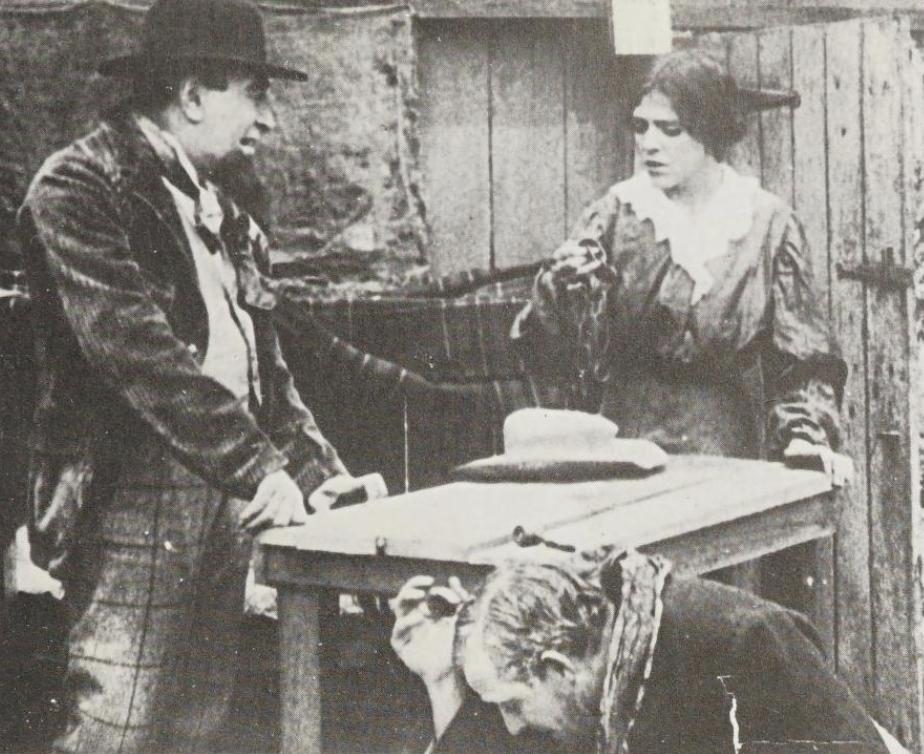
This era birthed the trope of the 'Fallen Woman,' a figure who would become a staple of cult narratives. In Revelation (1918), we meet Joline, a 'Daughter of Joy.' The very title of her profession is a euphemism designed to titillate while maintaining a veneer of tragedy. Her transformation from a sinner to a model for religious canvases is the classic 'redemption arc' that allowed audiences to spend sixty minutes in a brothel as long as the last five minutes were spent in a church. This cynical structure is the direct ancestor of the 'Sexploitation' films of the 1960s. The audience wasn't there for the sermon; they were there for the sin.
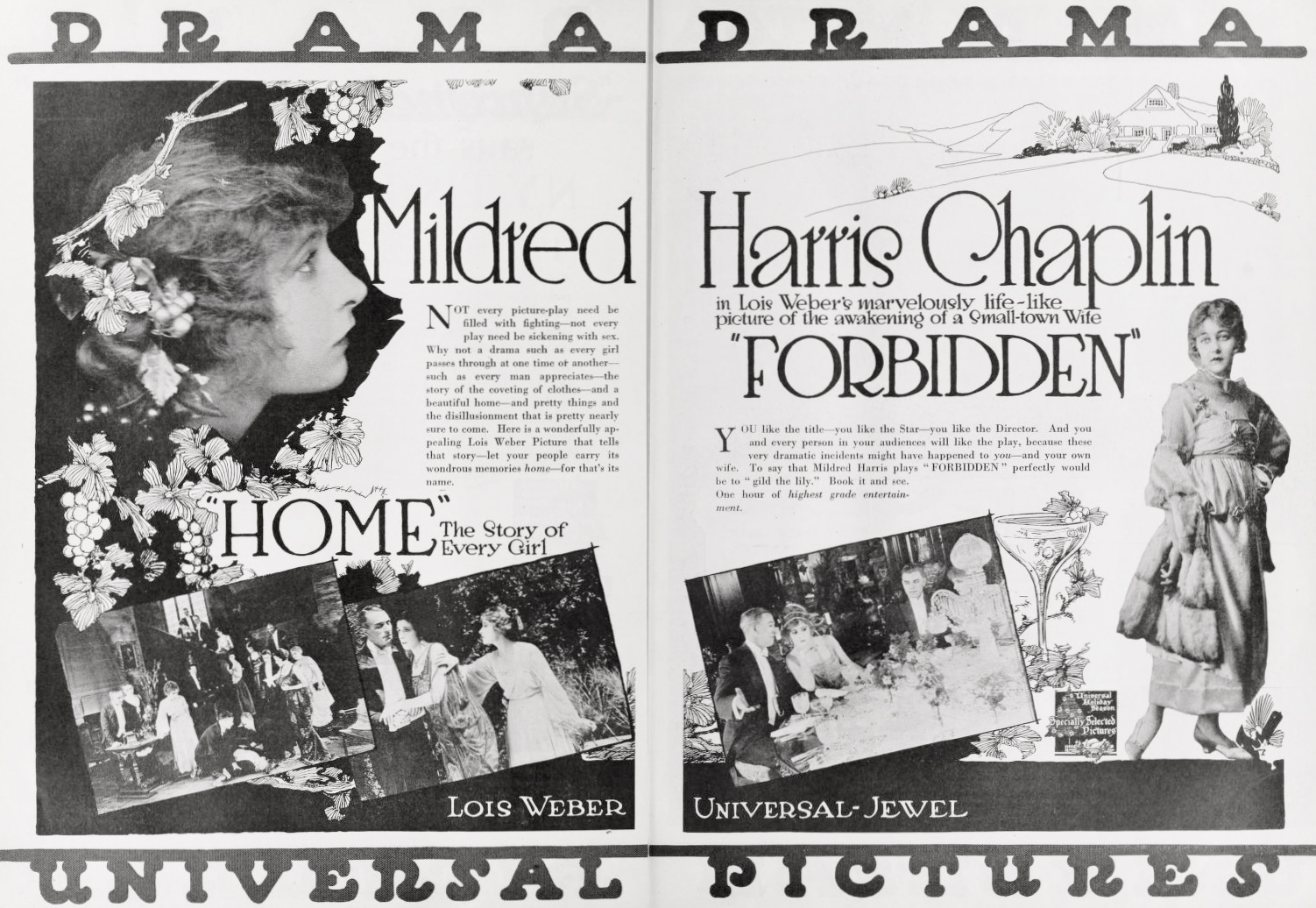
The Architecture of the 'Other'
This period also saw the rise of the 'urban nightmare' as a setting for moral decay. The House That Jazz Built serves as a perfect example of how the transition from the 'modest suburban bungalow' to the 'city rot' was used to create a sense of mounting dread. The city wasn't just a place; it was a character—a corrupting force that turned efficient housekeepers into victims of the jazz age. This fear of the urban landscape, of the loss of identity in the crowd, is a recurring theme in cult cinema, from the noir-drenched streets of the 40s to the neon-soaked dystopias of the 80s.
Within Our Gates: The Radical Soul of the Silent Fringe
While many films used the moral alibi to sell tickets, some used it to wage war. Oscar Micheaux’s Within Our Gates (1920) is perhaps the most vital 'cult' ancestor in American history. Created as a direct rebuttal to the racist propaganda of *The Birth of a Nation*, Micheaux’s film didn't just depict 'social problems'; it depicted the visceral reality of lynching and systemic rape. It was transgressive in the truest sense of the word—it crossed lines that the mainstream industry refused to acknowledge.
Micheaux’s work represents the 'rebel DNA' of cult cinema. He operated outside the studio system, touring his films to segregated audiences, often in makeshift theaters. This is the origin of the 'midnight movie' circuit—a clandestine network of viewers seeking a truth that was being denied to them by the cultural gatekeepers. Within Our Gates isn't just a historical document; it is a masterclass in using the medium to confront the audience with their own complicity. It used the framework of a 'social drama' to deliver a blow to the solar plexus of the American psyche.
The Cult of the Damned Artist and the Fragmented Self
Another pillar of the cult mindset is the romanticization of the suffering or 'damned' creator. We see this in Home, Sweet Home, where John Howard Payne is depicted at his most miserable point, writing a song that inspires others while he remains in agony. This idea—that great art must come from great suffering—is a central myth in the cult of the auteur. It suggests that the creator is a kind of sacrificial lamb for the audience’s emotional catharsis.
Similarly, The Game's Up explores the 'struggling young painter' who must resort to deception to maintain a facade of success. This obsession with the 'fluid self' and the masks we wear to survive in a capitalist society is a direct precursor to the identity-horror of the later 20th century. When we see these characters hire people to play roles in their lives, we are seeing the first flickers of the 'reality distortion' that would become a hallmark of cult narratives. The silent era understood that the self is a performance, and that performance is often a tragedy.
- The Illusion of Choice: Characters in films like The Root of Evil are trapped by their economic circumstances, driving them to 'rebel against their poverty' through moral compromise.
- The Spectacle of the Body: Early films like Samson (1915) utilized the physical presence of the 'dock laborer' to explore themes of class rage and 'primordial ferocity.'
- The Mystery of the Domestic: Mystery films like Chains of Evidence turned the family unit into a site of crime and hidden pasts, a theme that would later define the gothic cult genre.
Conclusion: The Enduring Shadow of the Silent Alibi
We are still living in the shadow of the silent era’s moral masquerade. Every time a modern horror film claims to be 'based on a true story' to justify its brutality, or a documentary uses 'awareness' to sell a voyeuristic look at trauma, they are using the same tactics developed by the pioneers of the 1910s. The 'Celluloid Penitent' is a figure that never truly left our screens; they just changed their clothes. They are the sinners who offer us a front-row seat to their transgressions, provided we agree to call it a lesson.
The true legacy of these films is not found in their 'messages,' but in their willingness to be weird, to be confrontational, and to be unashamedly focused on the margins of experience. From the 'hobo poet' of Sundown Slim to the 'tomboyish' rebellion of Nugget Nell, the silent era was a playground for the misfits and the outliers. It was a time when the rules of cinema were still being written, and those who wrote them knew that the most enduring stories are the ones that make us feel like we’re seeing something we shouldn’t. That is the heartbeat of cult cinema, and it began beating long before the first midnight bell rang.
Community
Comments
Log in to comment.
Loading comments…