
DbcultAccessing Vault...
Recommendations
Senior Film Conservator
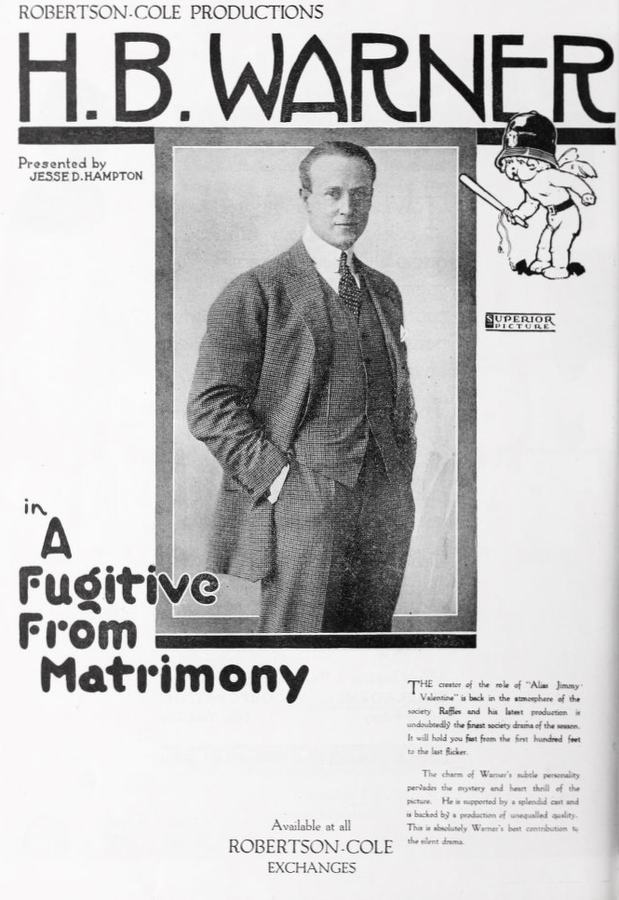
Exploring the artistic bravery in A Fugitive from Matrimony is a journey into United States cinema, the thematic layers of this 1919 classic invite a wider exploration of the genre. If the cast impressed you, these next recommendations will too.
With Henry King at the helm, A Fugitive from Matrimony became to reinvent the tropes of cult cinema for a global audience.
The Riggs family, newly wealthy from Oklahoma oil, move to an estate in Ossining, New York, adjoining that of eligible bachelor Stephen Van Courtlandt, who wants to avoid marriage. Mrs. Riggs, anxious to break into society, wants her daughter Barbara to marry Stephen. While Stephen is fishing, an escaped convict from Sing Sing, Chimmy the Cricket, convinces him to exchange clothes so that he can escape the pursuing guards. Pursued, Stephen climbs into Barbara's bedroom window and Barbara, excited to be able to reform a criminal, gives Stephen her butler's clothes to wear. When Mrs. Riggs enters and Stephen explains who he is, she says that they must announce their engagement immediately to protect Barbara's reputation, which they do, although Barbara still believes that Stephen is a convict. After Stephen is suspected of stealing Mrs. Rigg's jewels, the Cricket helps Stephen expose the real thief, and Barbara and Stephen, who have fallen in love, prepare to marry.
Based on the unique artistic bravery of A Fugitive from Matrimony, our vault has identified these titles as the most compelling follow-up experiences for fans of cult cinema:
Dir: Henry King
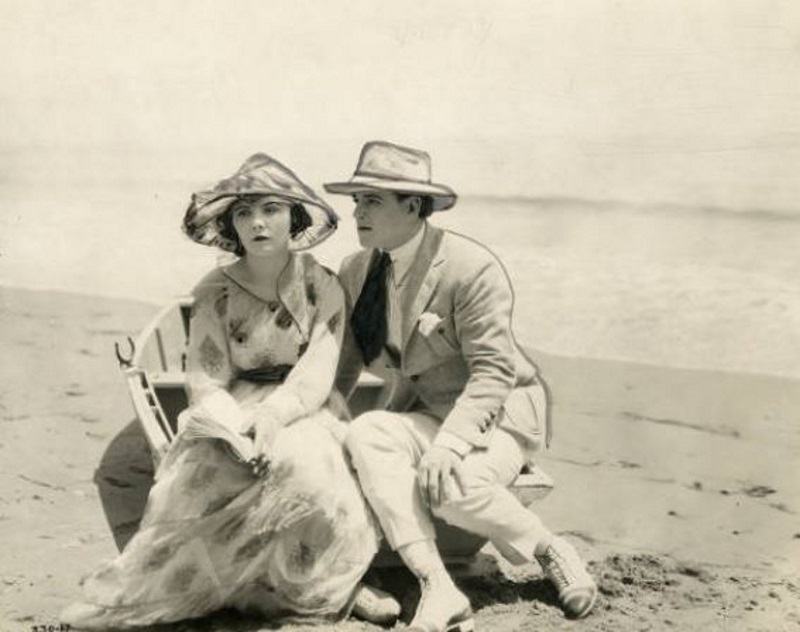
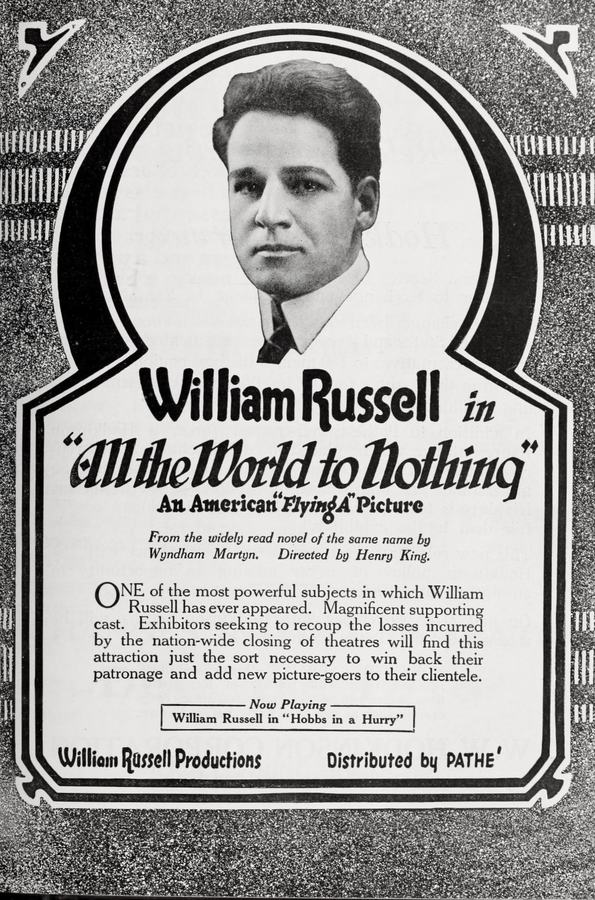
Richard Chester, a bachelor who has lost everything in a poker game, blunders into the apartment of Nora Ellis, who has just inherited a fortune under the stipulation that she marry immediately. Assuming the name Chester Dick, Richard marries Nora and leaves. Unaware of this marriage of convenience, Charles Renalls, Nora's suitor, later assumes that her wealth is the only impediment to their union and conspires to ruin her on the market. Upon learning of his scheme, Richard ruins Charles. Nora falls in love with Richard, not recognizing her benefactor as her husband of an evening. Hoping to spoil Richard's chances with Nora, Charles tells her that Richard is already married and that he carries his wife's picture in his pocket. To her surprise and delight, Nora discovers that the incriminating picture is her own photograph and that Richard is already her husband.
View Details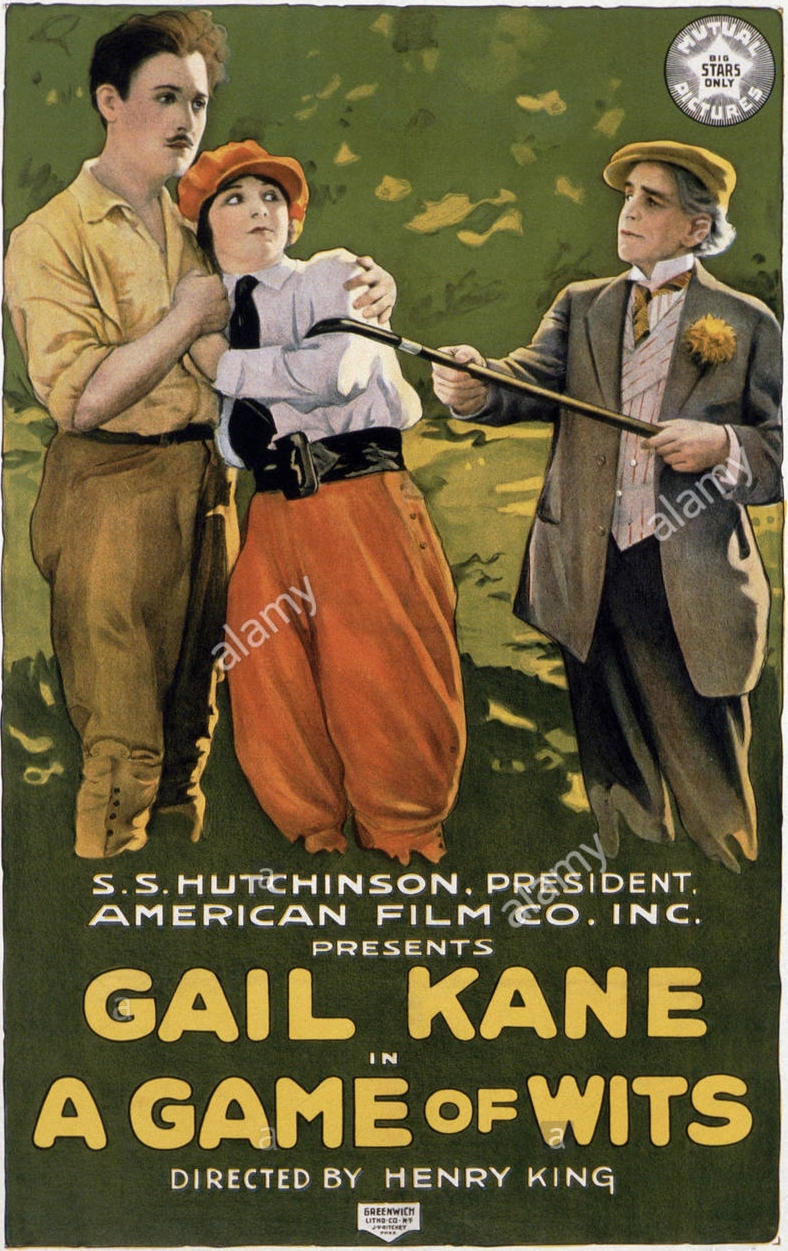
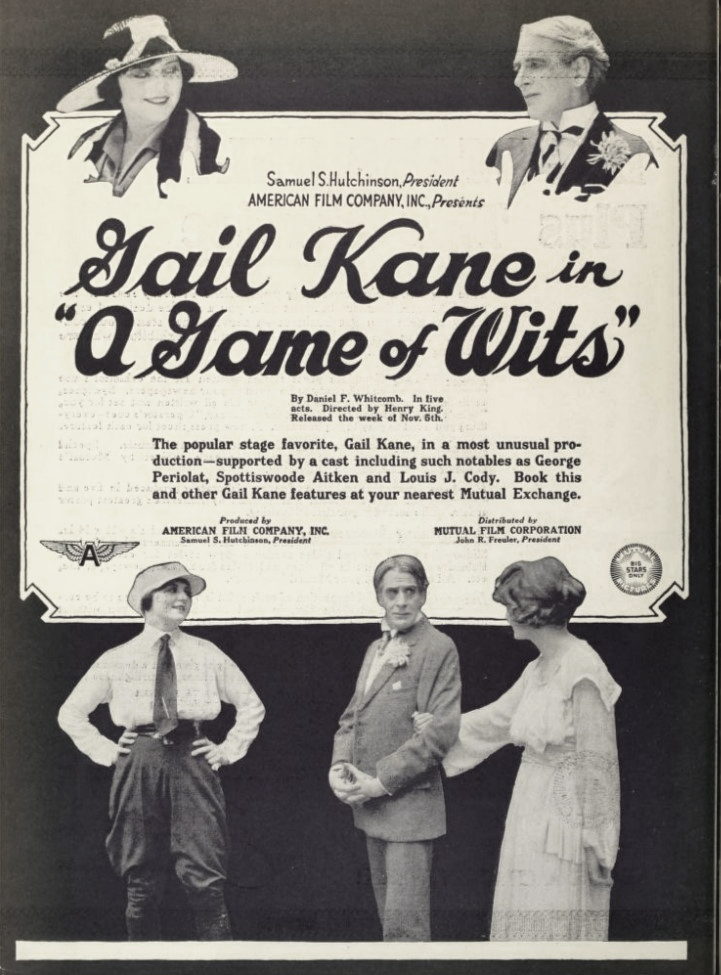
Dir: Henry King
Jeanette Browning overhears Silas Stone, an aged Wall Street wolf, demanding her as his wife in payment for saving her father from financial ruin. Upon her acceptance of Stone's proposal, her father receives a check to cover his shortage. She then conceives of a plan to make Stone break their engagement so that she can sue him for breach of promise. Stone is invited to the mountains to visit the Brownings, and Jeanette pairs her youthful strength against the old man's advanced age. After tiring him out with dances, midnight suppers, swims and horseback riding, Jeanette plays her trump card when she introduces Stone to her brother Larry, the shame of the family because of his insanity which she claims to have inherited as well. Horrified, Stone attempts to steal away but is caught by Larry. Jeanette feigns despair at the loss of his love and threatens to sue for breach of promise. After Stone patches her broken heart with a check for $100,000, Jeanette confesses to her father that "brother Larry" is actually her sweetheart whom she pressed into service to frustrate the crafty old man.
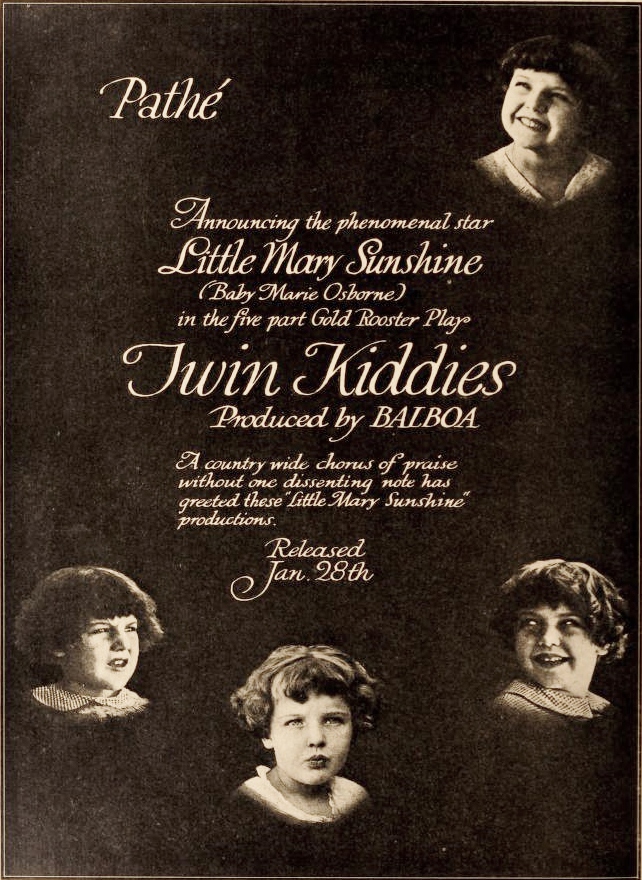
Dir: Henry King
No one seems to understand or love Fay, the little spoiled granddaughter of William Van Loan, a hard-hearted capitalist, but the old family butler, who tells her fairy stories. In Powhatan, a mining town controlled by Van Loan, Bessie, a sweet motherless child of Jasper Hunt, a mine foreman, lives with their housekeeper, Mrs. Flannigan. The mining company raises the price of food stuffs at the only store; the men resent this, and failing to get increased pay, strike. Van Loan refuses to yield and decides to use scab labor. Scenes of violence follow and, compelled to go to Powhatan, Van Loan takes Fay with him. Fay meets and plays with Bessie and for fun they change dresses. Separated, the unusual likeness deceives the Van Loan governess, who supposes Bessie to be Fay and whisks her away. Mrs. Flannigan finds and takes Fay, sick from exposure, to the Hunt home. Business hurriedly recalls Van Loan and mistaken for a changed Fay, Bessie revolutionizes the Van Loan household by her sweetness. Hunt, the real leader of the striking men, is summoned to meet Van Loan. During the unsuccessful arbitration meeting, Bessie comes in to bid her "grandfather" good night and, seeing her father, rushes to his arms. Hunt, busy with the strike, supposes her to be ill at home. They are all dumbfounded. Bessie tells them how she and Fay changed clothes. Looking up the family trees, the likeness of the "twin" kiddies is explained, and, completely won over, Van Loan yields to the men and Hunt is made mine superintendent. Years of dread follow, and just as a report of the other's death reaches him, his foe appears, immensely wealthy and wreaks the vengeance in a spectacular manner.
View Details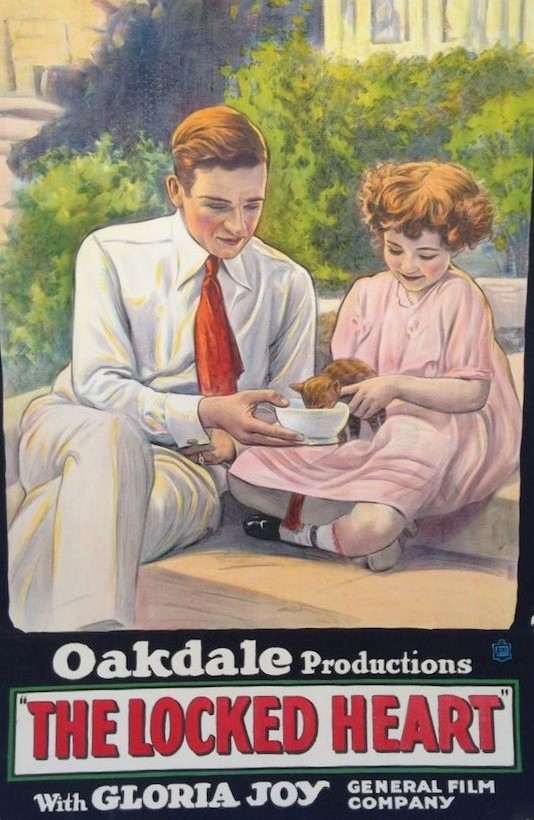
Dir: Henry King
Harry Mason is called home by wire, but when he arrives, he finds that his wife Ruth has just died in childbirth. Thoroughly shaken, Harry refuses to look at the baby, and after locking the door to the room that Ruth had prepared as the nursery, he departs for Europe, leaving little Martha in the care of her grandfather, Colonel Mason. In an attempt to escape his grief, Harry travels throughout the world, but the spirit of his wife continually distracts him, and he finally decides to return home. Unaware of her father's identity, Martha, now a charming and spirited little girl, befriends Harry and soon convinces him to unlock the nursery door. On the bureau, he finds the letter his wife had left him years earlier, requesting that he care for their child in the event of her death. Realizing his blindness, Harry takes Martha to his heart.
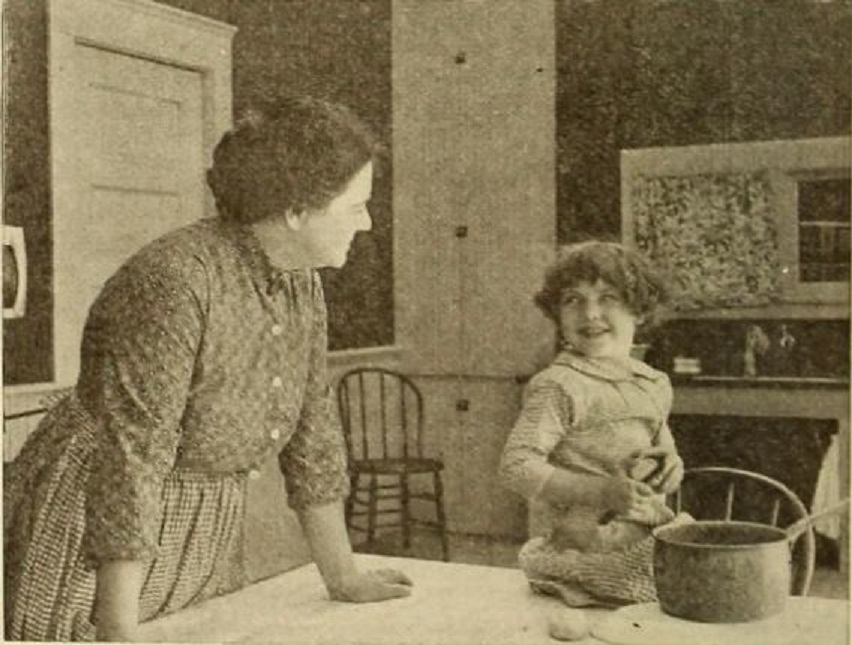
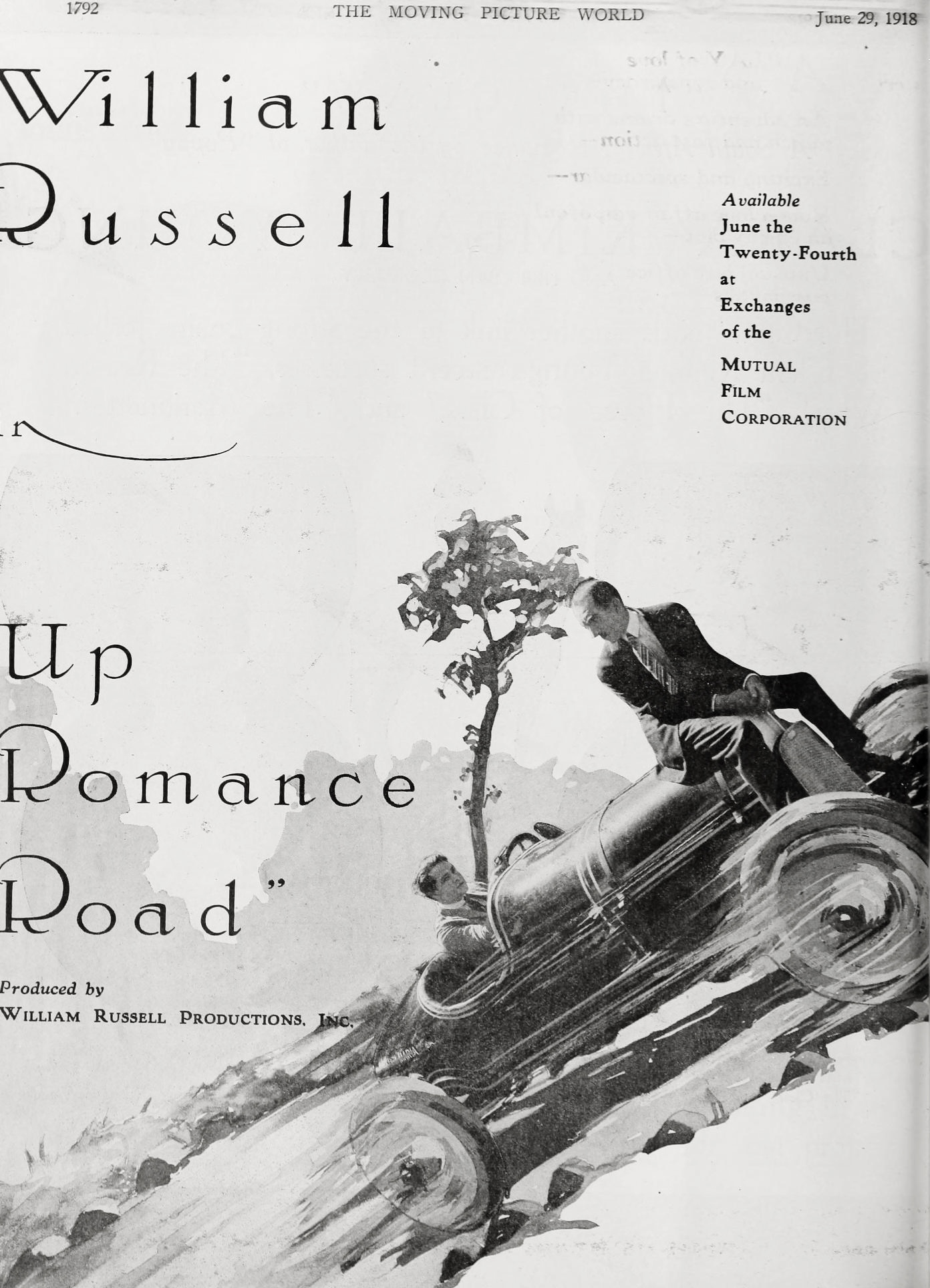
Dir: Henry King
Gregory Thorne and Marta Milbanke are engaged. Their fathers are millionaire ship owners. Gregory's efforts to inject a little excitement into their engagement life are fruitless, but when Mr. Milbanke receives an anonymous letter which threatens disaster to his home and fortune if he permits a shipload of supplies for the Allies to leave the docks the young man sees an opportunity for creating what he longs for and tells Mr. Milbanke that he knows who has written the letter but that he will not divulge the man's identity. Gregory, who suspects Count Hilgar Eckstrom, is told that he must terminate his engagement with Marta. But this is what Gregory wants, so he plans to abduct his sweetheart. Gregory's men clash with Eckstrom's gang, who has also come to kidnap Marta, and the disturbance results in the arrival of the police. Marta by mistake, allows herself to be carried off by Eckstrom's men and is taken a prisoner. Gregory, following, is also made a captive, and the young people are held as hostages. How Gregory outwits Eckstrom and places him and his gang in the hands of the law brings about a startling climax.
View Details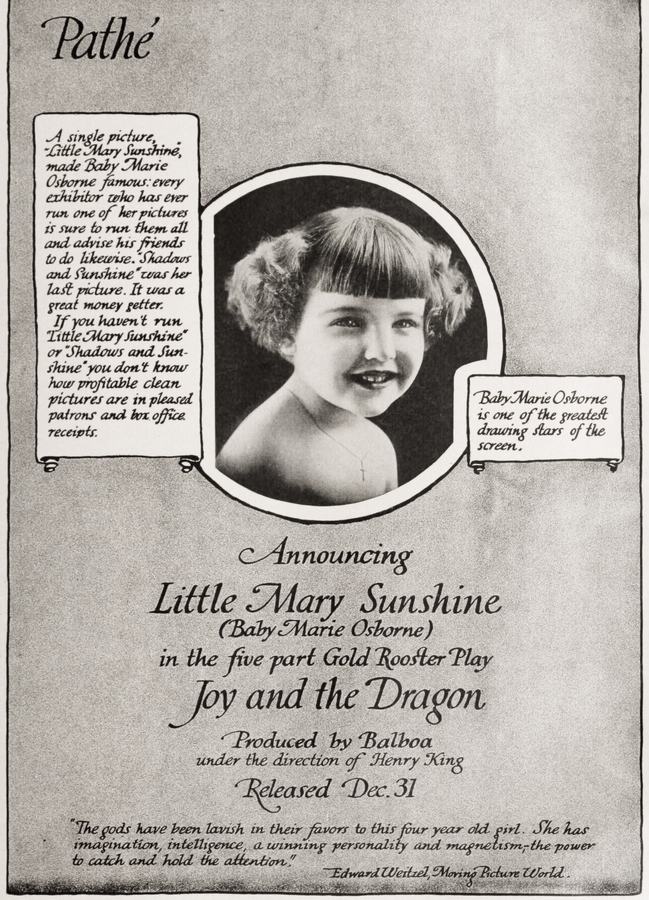
Dir: Henry King
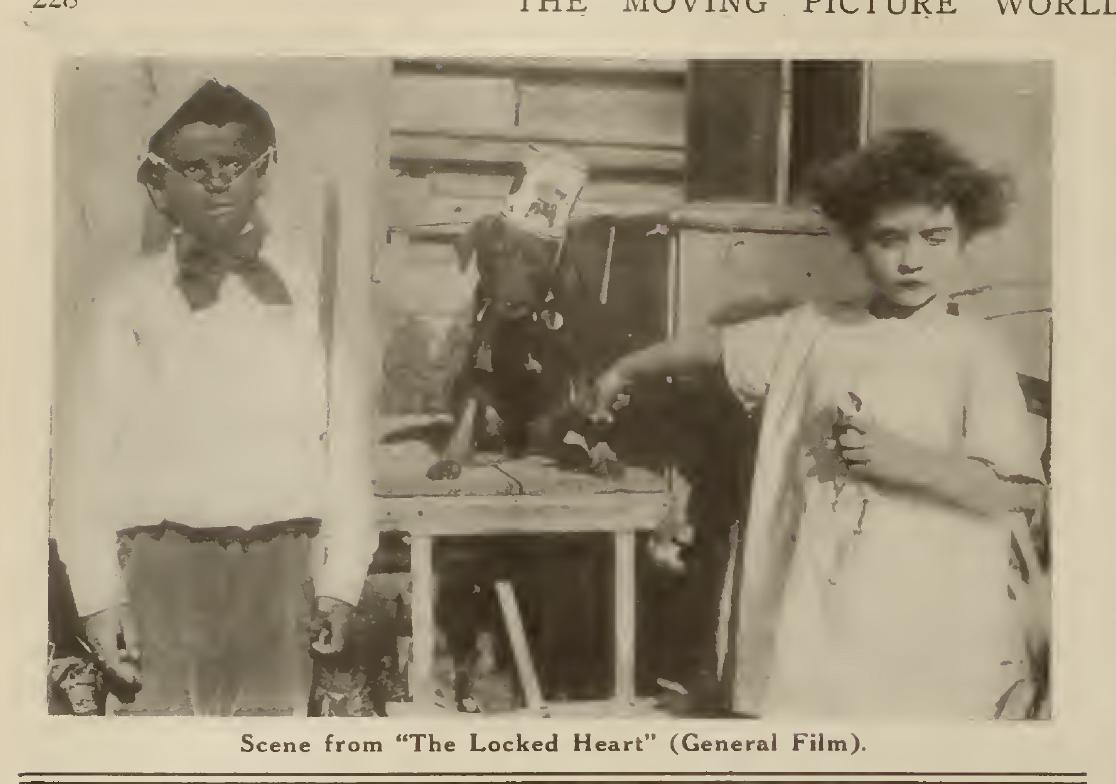
Young Joy ( Baby Marie Osborne ), the sole survivor of a shipwreck that killed her parents, is rescued by fishermen and then placed in an orphanage. Although reputable on the surface, the home really functions as a front for some crooks who want to keep Joy there because she carries with her all of her mother's jewelry. Joy manages to escape, but without the jewels, and then stows away on a train heading out West. After arriving, she meets Hal Lewis ( Henry King ), who has been made an outcast by his upper crust Eastern family. Hal soon adopts the little girl and, becoming stronger and more serious through the responsibilities of parenthood, he returns home with Joy. Then, after receiving his father's forgiveness, Hal breaks up the orphanage gang and retrieves Joy's jewels.
Dir: Henry King
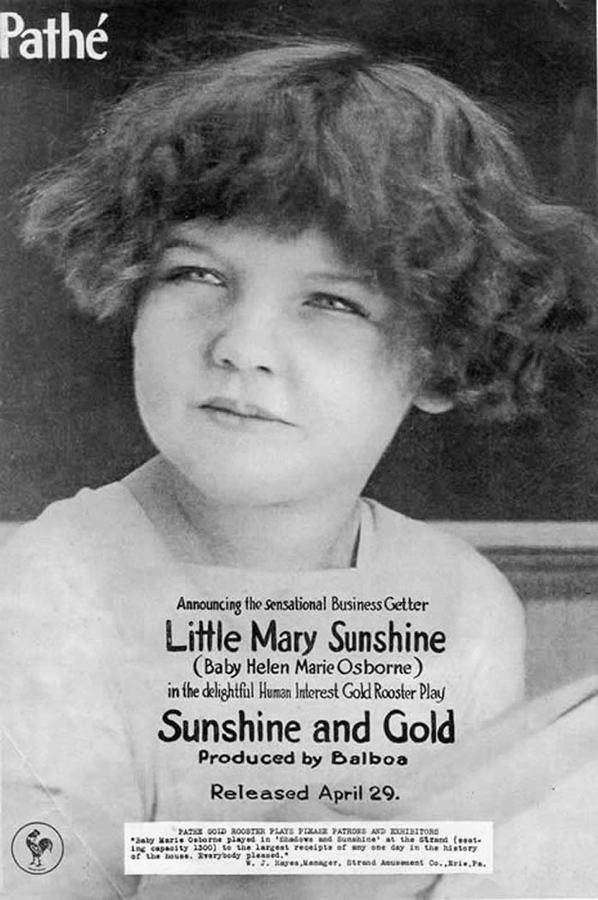
Shouts of joy and the clapping of many tiny hands welcomed the arrival of the big birthday cake. For this was Little Mary's birthday. To celebrate all Mary's little friends had been invited and the big event which preceded the supper and the cutting of the cake was a performance of Cinderella and the affair of the glass slipper. Little Mary forgot to leave at the hour of 12, and when she was called away by the fairy she dropped her glass slipper on the stair. Of course, to every one's amazement, when the Prince went looking for the owner of the slipper, the only one whom it fitted was Little Mary. The party and the excitement was all over, and, as an added help to recuperate from the strain of starring. Little Mary the next day went auto riding with the chauffeur. But fate then took a hand in the story of Mary's life. Captured by Gypsies and later escaping in the midst of a battle royal amongst the tribe she finally made her way to the hut of a crabbed old man, but she finally overcame his crabbedness by her cute and winning smile. Unknown to Little Mary, her benefactor was in reality her grandfather, James Andrews, who had taken his money to this backwoods place because of his son, Dr. Andrews, who had married against his wishes. The chauffeur, wild with anxiety, finally located Little Mary in the cellar, where she had gone to help the old man, who had fallen while miserly counting his money. Would they be able to reach the city in time? They faced a hard task, but Little Mary had known harder work when she had starred in Cinderella.
View Details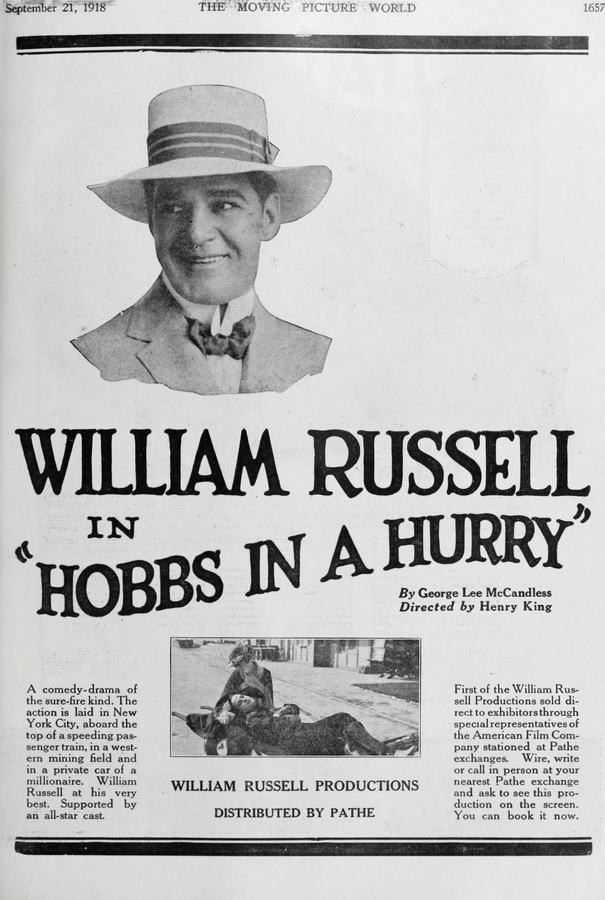
Dir: Henry King
Millionaire J. Warren Hobbs, Sr., sends his lively young son to New Mexico to buy back a mine he previously had thought worthless but since has discovered is rich in tungsten deposits. Lord Willoughby, the mine owner's twin brother, suggests to Hobbs's business rival, Rufus Renshaw, that he buy the mine, after which Willoughby, Renshaw and Renshaw's daughter Helen, the sweetheart of Hobbs, Jr., catch a westbound train. Angered when Helen scorns his advances, Lord Willoughby disguises himself as his brother and sells Renshaw the mine; meanwhile, Hobbs, Jr. purchases it from its real owner, Louis Willoughby. Soon after Renshaw discovers that Lord Willoughby tricked him, Hobbs, Jr. learns that the mine is worthless after all and sells it to Renshaw in return for the old man's permission to marry Helen. Having successfully tricked the whole party, Hobbs and his fiancée make a quick exit.
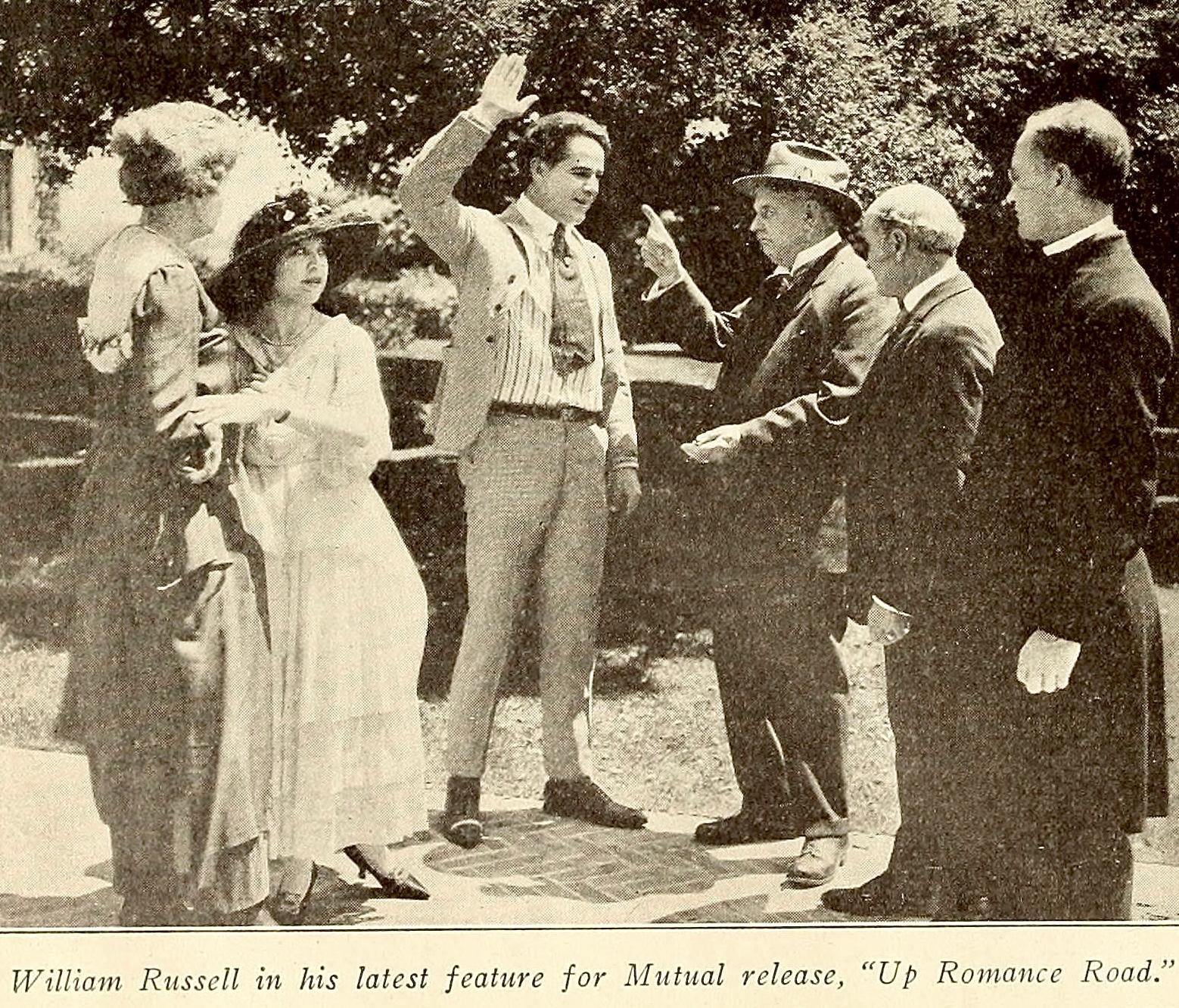
Dir: Henry King
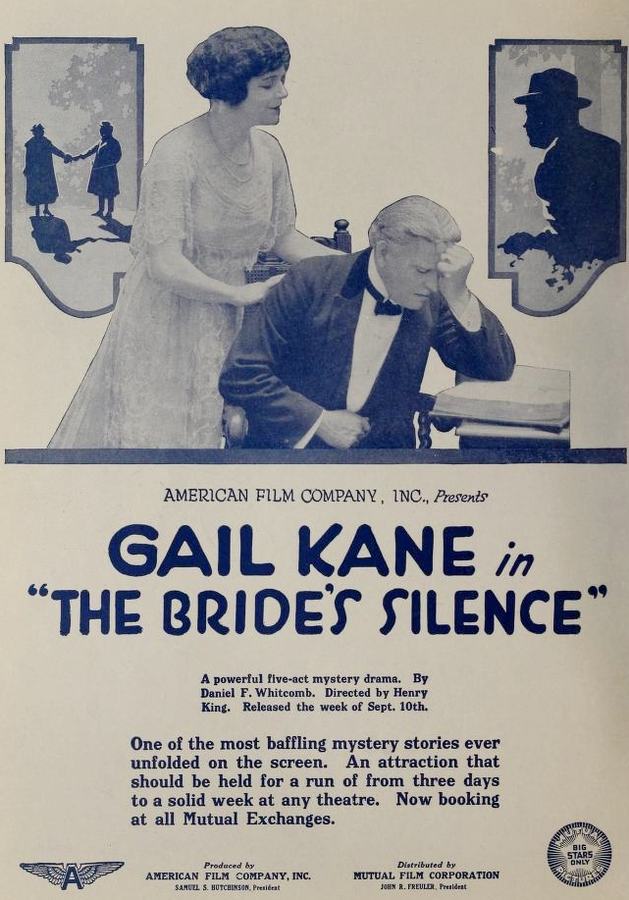
Clutching a dagger, a woman enters a room through velvet portieres and murders Nathan Standish, the scion of a distinguished family. Nathan's sister Sylvia hides the knife, and when the butler Bobbins--whose hatred of Nathan was well-known--is arrested, Sylvia remains silent. To please her father, Sylvia marries the prosecuting attorney Paul Wagner. When she secretly tries to help free Bobbins, detective Bull Ziegler, who believes that Bobbins is innocent, suspects Sylvia. After Sylvia's hysterical speech during sleep leads Wagner to suspect her, she becomes insane. Wagner and her father take her to a mountain retreat where she recovers her sanity without regaining her memory. Just as Ziegler is about to have Sylvia arrested, a telegram arrives informing them that Sylvia's cousin committed suicide and left a note stating that she killed Nathan in revenge for being betrayed by him. Sylvia, who tried to protect the family name, recovers her memory when she learns of the suicide.
View DetailsAnalysis relative to A Fugitive from Matrimony
| Film Title | Atmosphere | Complexity | Similarity |
|---|---|---|---|
| All the World to Nothing | Gothic | Dense | 96% Match |
| A Game of Wits | Surreal | Linear | 94% Match |
| Twin Kiddies | Gothic | Layered | 90% Match |
| The Locked Heart | Gritty | Dense | 87% Match |
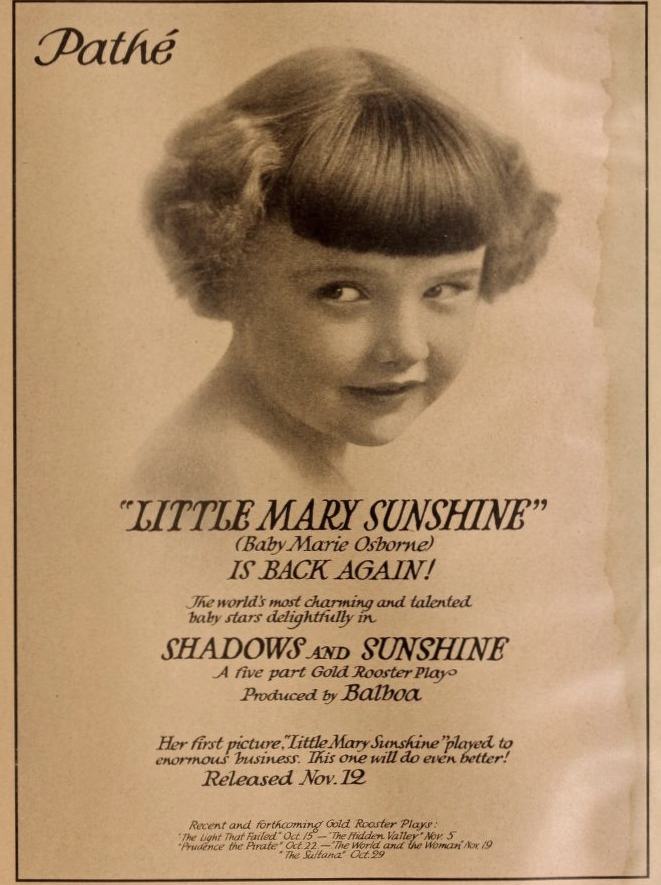
| Up Romance Road | Gothic | Abstract | 90% Match |
This guide was algorithmically generated using the cinematic metadata of Henry King's archive. Last updated: 8/16/2026.
Back to A Fugitive from Matrimony Details →