
DbcultAccessing Vault...
Recommendations
Senior Film Conservator

If the cinematic excellence of Holger-Madsen's work in A Trip to Mars left an impression, the juxtaposition of cinematic excellence and narrative makes it a cult outlier. Experience the Denmark influence in these recommendations that echo A Trip to Mars.
By merging cinematic excellence with cult tropes, it to elevate cult to the level of high art.
A group of researchers from Earth travel in a spaceship to Mars, where, to big surprise, they find a peaceful vegetarian and pacifist civilization.
Based on the unique cinematic excellence of A Trip to Mars, our vault has identified these titles as the most compelling follow-up experiences for fans of cult cinema:
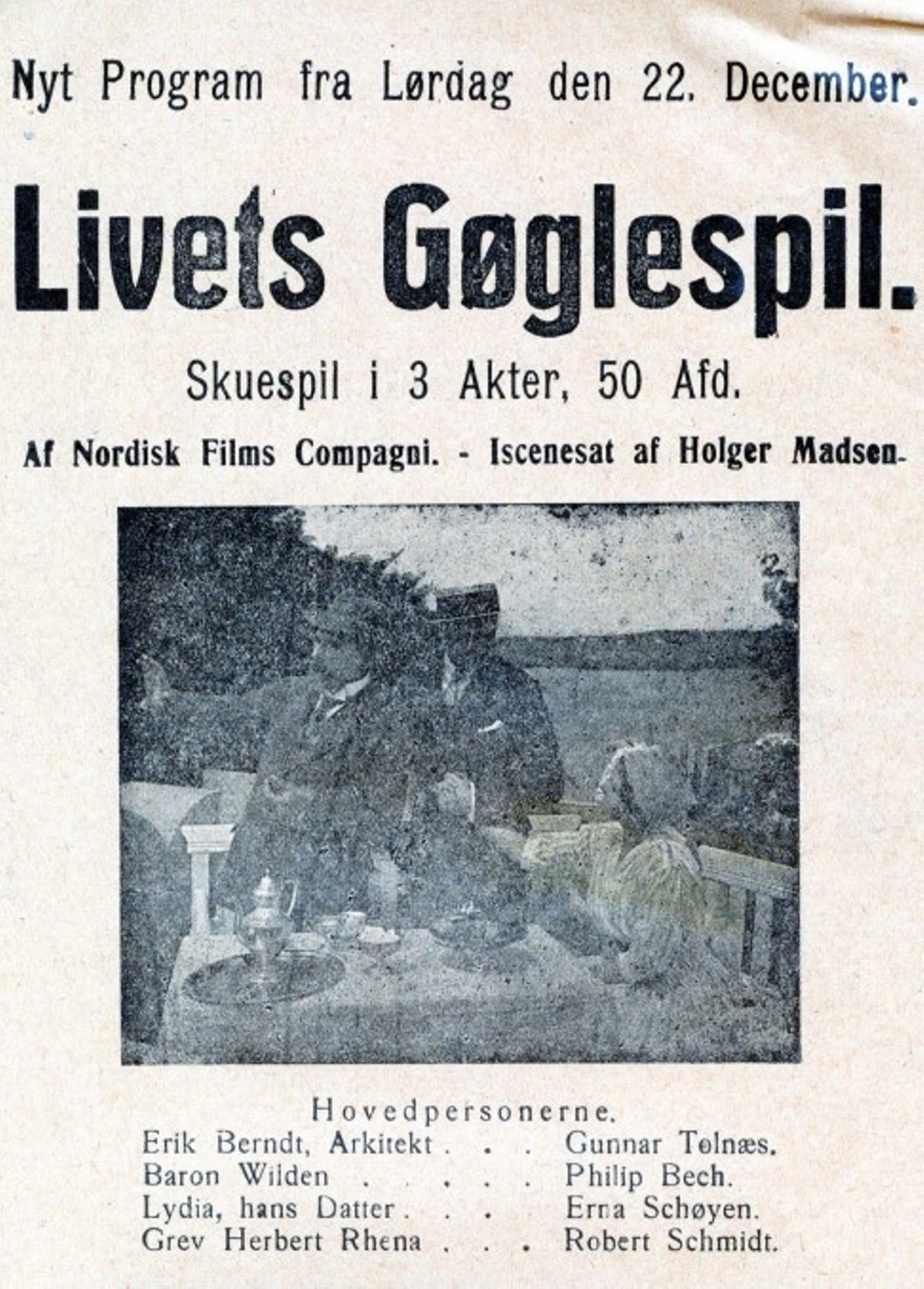
Dir: Holger-Madsen
A young architect is restoring a castle but falls in love with the baron's daughter, and when the baron discovers the affair, they have to flee together to make their dream of a marriage come true.
View Details
Dir: Holger-Madsen
A peace-loving prince and his followers dream of eternal peace. So far, they have been successful only within the realm. Is the vision of global peace just a naive dream, or will his followers be able to see it through?

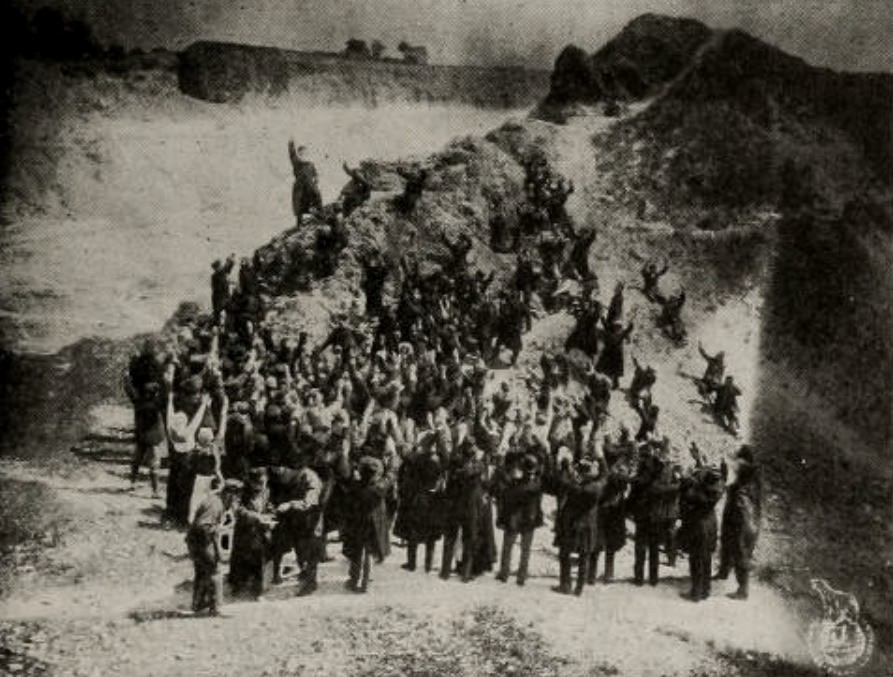
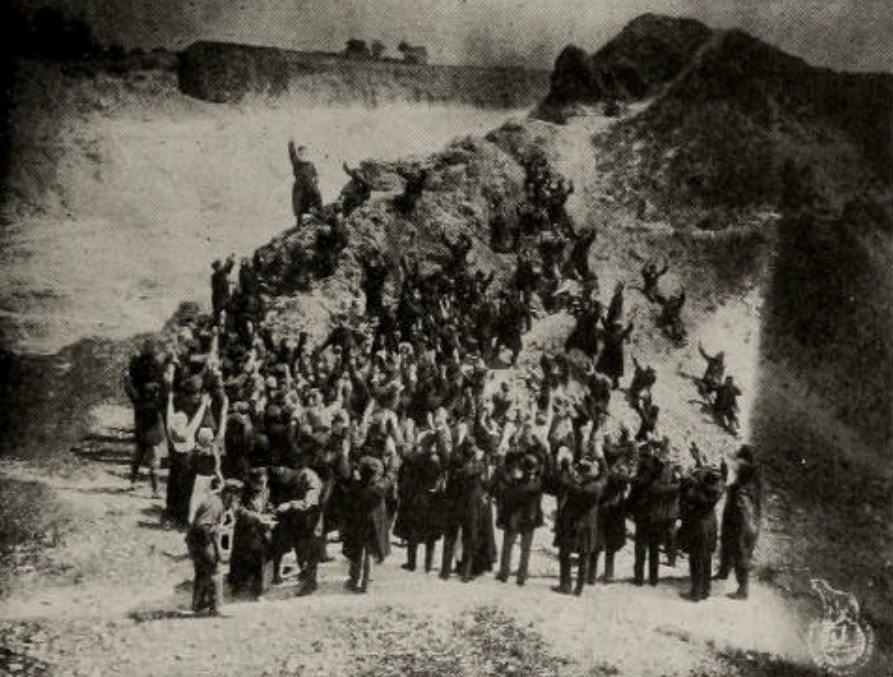
Dir: Holger-Madsen
The members of the "Sidi" sect are informed that the Chancellor of State intends to submit to the Prince a bill calling for their persecution. Judith, the daughter of Samuel Hurst, a wealthy jeweler and member of the sect, is in love with the Prince, but is rebuked by her father for being in love with their persecutor. Gregory, a clerk in the employ of Hurst, whose infatuation with Judith is not reciprocated, discovers a letter from the Chancellor asking Hurst to call to do some work for him, and brands him a traitor at the meeting of the sect. A frenzied mob storms the old man's house, but the Prince himself appears and quickly disperses the crowd. That night, observed only by Gregory, Judith elopes with the Prince. Though ignorant of the fact, Samuel Hurst is denounced, but is promised exoneration if, through his daughter, he can influence the Prince to reject the bill. In this he succeeds and is exonerated. But the Chancellor orders his henchmen to gather all the soldiers they can rely upon. The Prince and Judith, realizing that the joy of life for them is ended, ascend the highest mountain peak, bid "Fare-Well" to the world, and leap to Eternity. The order for the expulsion is put into the effect that night, and as the vast numbers of the sect leave the country, Samuel Hurst comes upon the lifeless bodies of his daughter and her royal sweetheart.
View Details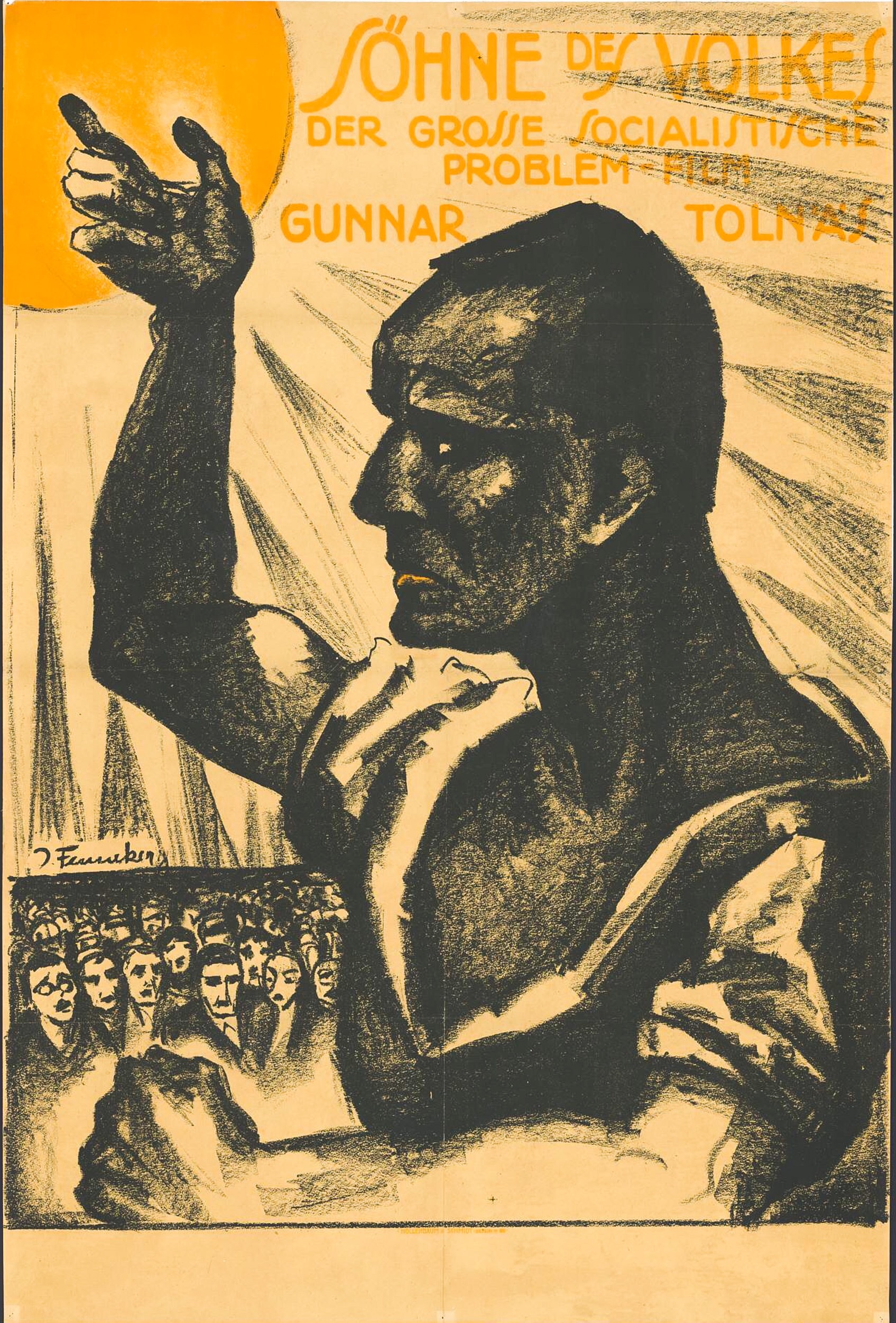
Dir: Holger-Madsen
The social storm after World War I divides the people. In the eye of the storm are three brothers fighting for the lower classes, each in his own way.
Dir: Holger-Madsen
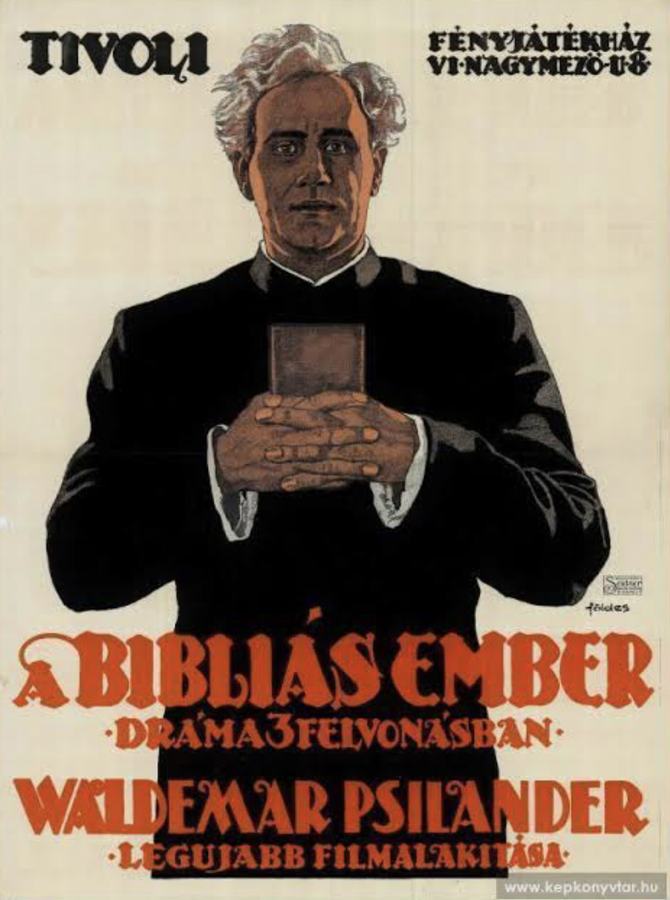
After losing his parents, who died from grief over their son's unjust sentence to jail, John Redmond obtains his release and devotes his life to the uplift and betterment of mankind. After preaching to a crowd one day he is accused of having served a term in jail himself. The leader of a gang and his followers are planning an act of burglary in a saloon. John Redmond happens into the same place, but he is mocked and leaves. One of the gangsters decides to lead an honest life and appeals to John for moral aid. The lay-preacher tells him his story: How in a quarrel one evening his sweetheart was killed by the bullet of a rival suitor, which was meant for him, and for which he was sentenced to jail. Through the intervention of this prison chaplain, however, the case was retried, his innocence was proven and he was set free. His first way was to his ill mother who, shortly after his return, died in his arms. Nellie, the reformed gangster's sweetheart, rejoices over his reformation, and the lay-preacher continues his life's vocation.
View Details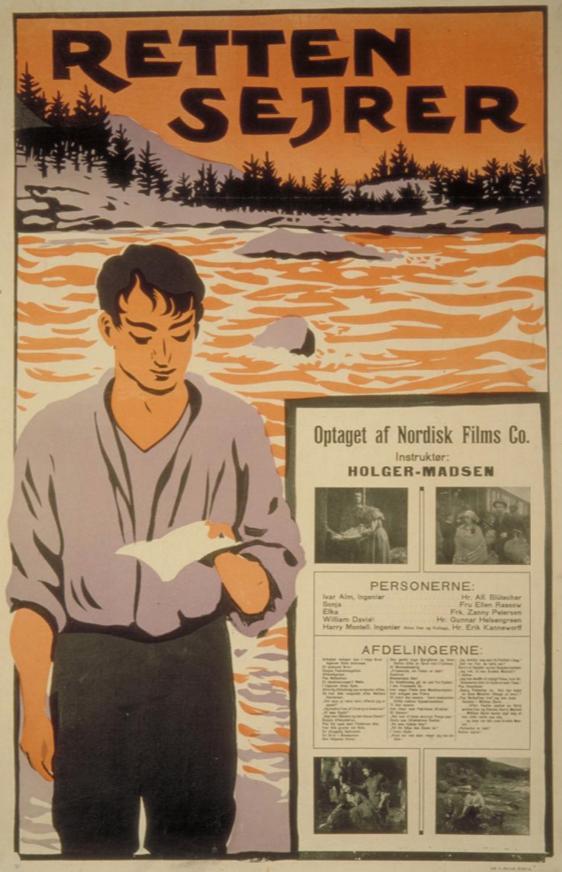
Dir: Holger-Madsen
A man has to choose between two women. One that is bad for him and one that is quite the opposite. Fate says that one tends to choose the wrong one.
Dir: Holger-Madsen
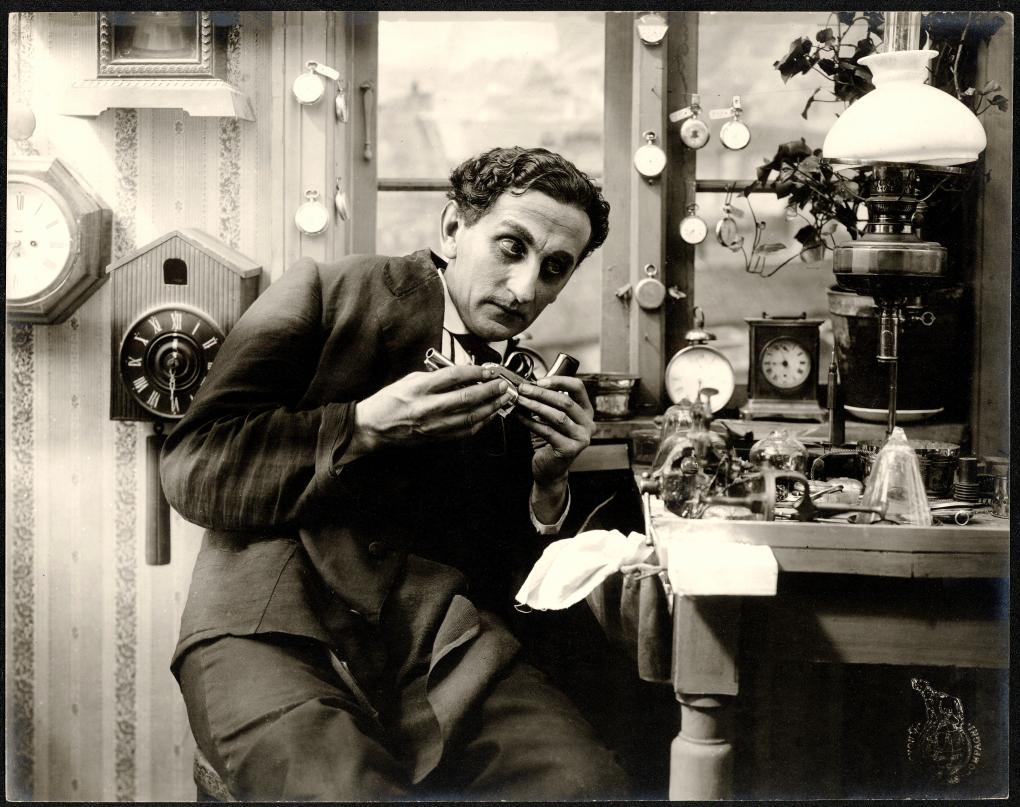
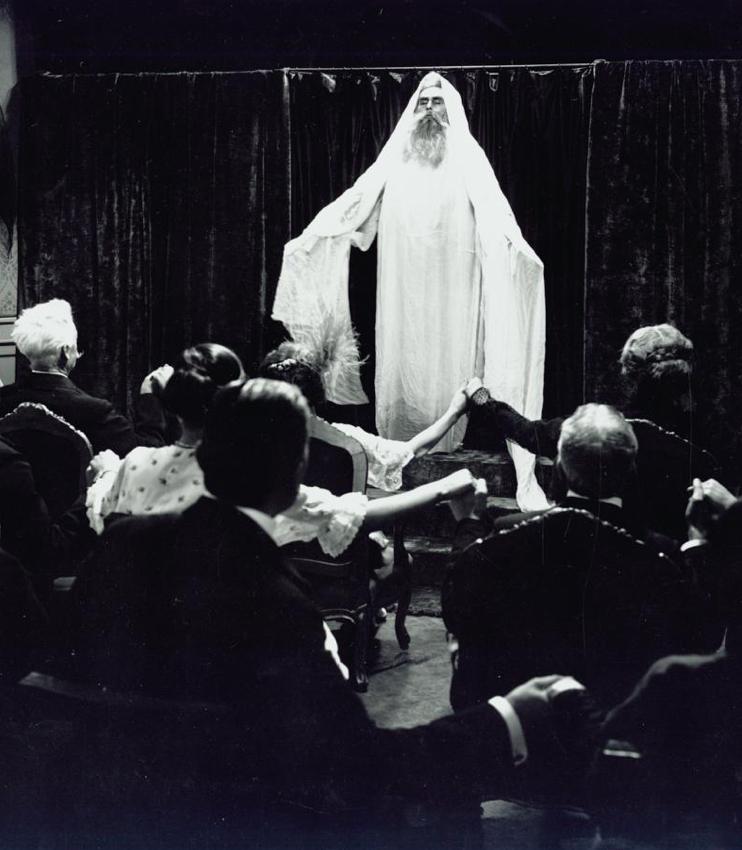
Mrs. Walken is in deep grief after her husbands sudden death. In the paper she reads about a medium Dr. Kinley. Widow Walken decides to have a seance, hoping she will make contact with her dead husband.
View Details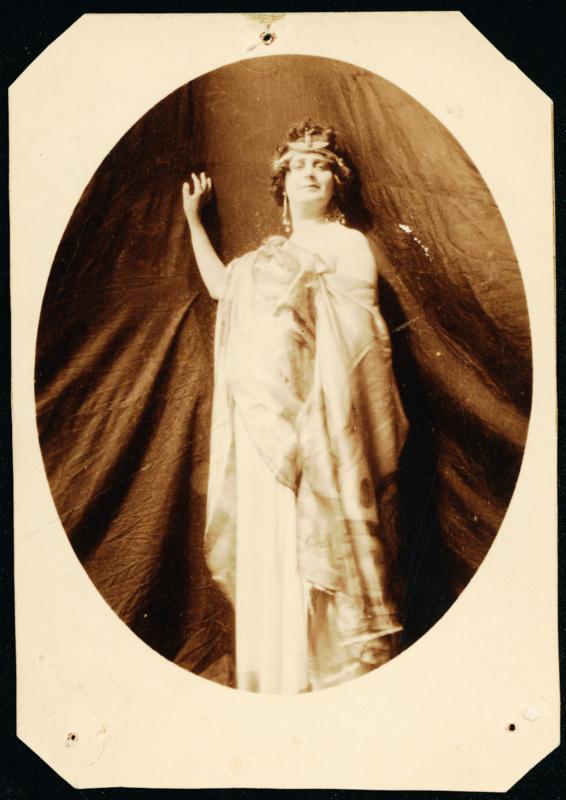
Dir: Holger-Madsen
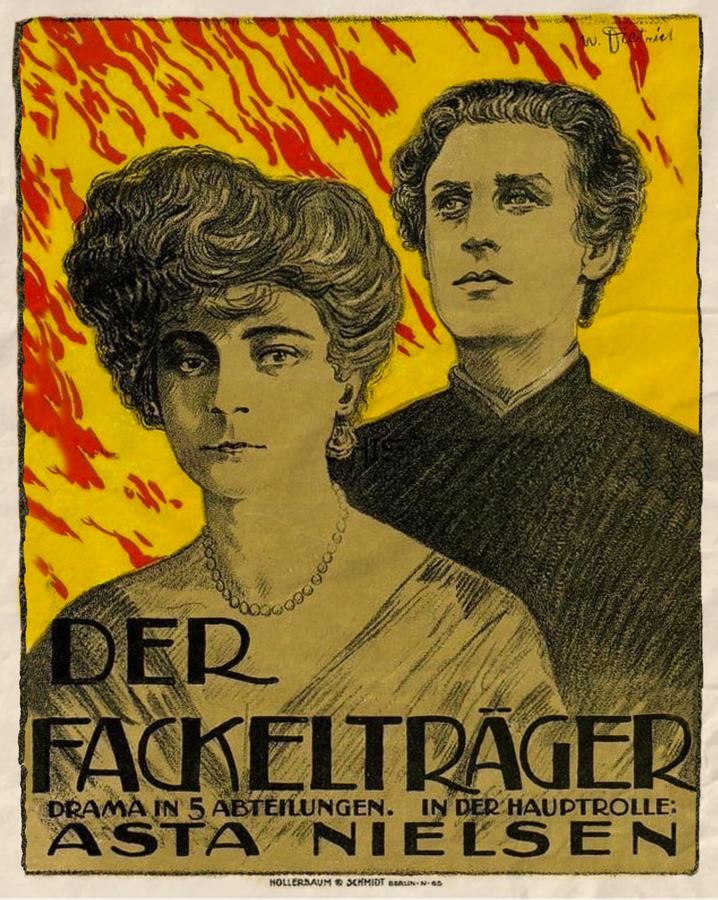
A fascinating piece of cinema that shares thematic elements.

Dir: Holger-Madsen
Spoiled Ysabel marries a man of respectability but he later turns out to a criminal. Consequently, her mother breaks down, and on her deathbed, Ysabel wows to become an evangelist.
View Details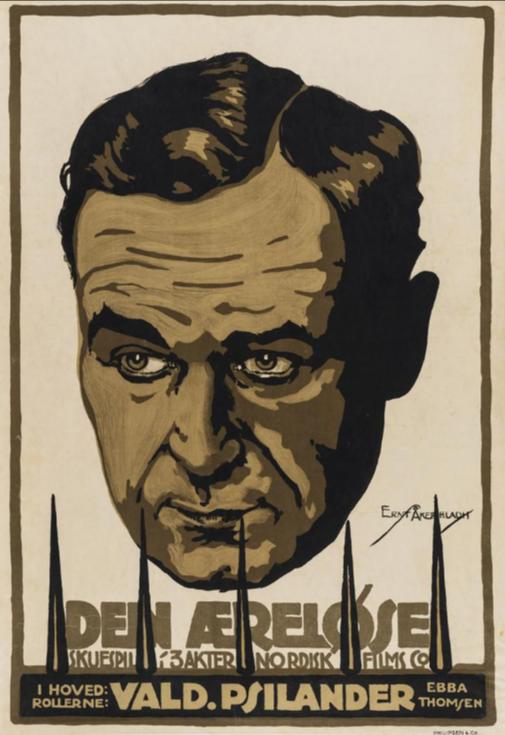
Dir: Holger-Madsen
A fascinating piece of cinema that shares thematic elements.
View DetailsAnalysis relative to A Trip to Mars
| Film Title | Atmosphere | Complexity | Similarity |
|---|---|---|---|
| Livets Gøglespil | Gritty | Dense | 95% Match |
| Peace on Earth | Gothic | Dense | 95% Match |
| Uden Fædreland | Tense | High | 93% Match |
| A Friend of the People | Surreal | Layered | 92% Match |
| John Redmond, the Evangelist | Gothic | Linear | 86% Match |
This guide was algorithmically generated using the cinematic metadata of Holger-Madsen's archive. Last updated: 8/17/2026.
Back to A Trip to Mars Details →