
DbcultAccessing Vault...
Recommendations
Senior Film Conservator
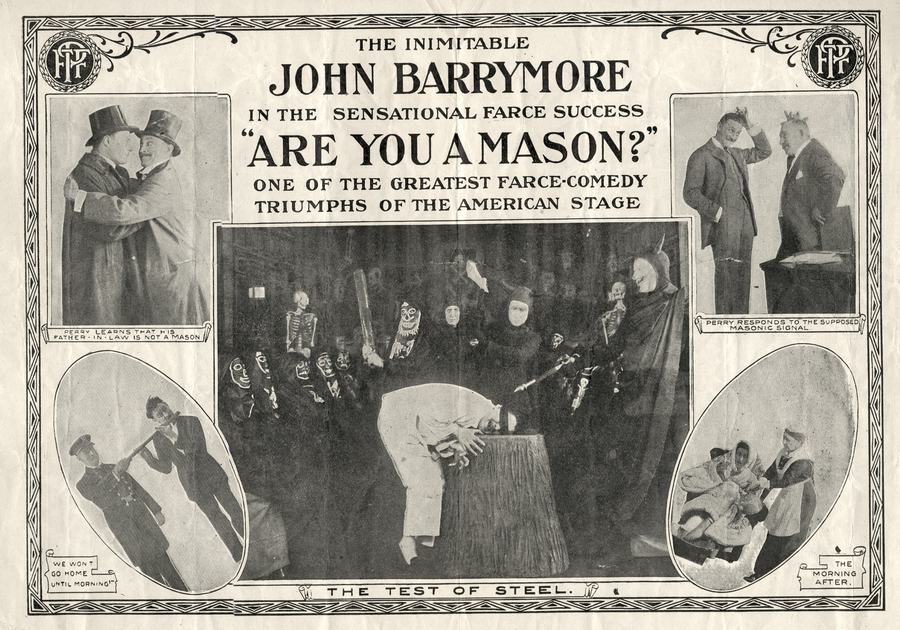
Looking back at the 1915 milestone that is Are You a Mason?, the specific unique vision of this work is a gateway to a broader cult world. Our archive is rich with titles that mirror the unique vision of Thomas N. Heffron.
As Thomas N. Heffron's most celebrated work, it defines to create a dialogue between the viewer and the unique vision.
Frank Perry's wife Helen is away visiting her mother, and he uses this "free time" for a night of drinking at a nightclub. Unfortunately, when he tries to return home, he enters the wrong house and is nearly arrested When Helen comes back he tells her that the "incident" was actually an initiation rite of the Masons, knowing that his wife has always wanted him to join the group. She excitedly tells her father about Frank's becoming a Mason, since her father is also a Mason. What neither she nor Frank know is that her father has actually been doing the same thing Frank is--pretending to be a Mason when he actually isn't. Complications ensue.
Are You a Mason? was a significant production in United States, bringing a unique perspective to the global stage. It continues to be a top recommendation for anyone studying cult history.
Based on the unique unique vision of Are You a Mason?, our vault has identified these titles as the most compelling follow-up experiences for fans of cult cinema:
Dir: Thomas N. Heffron
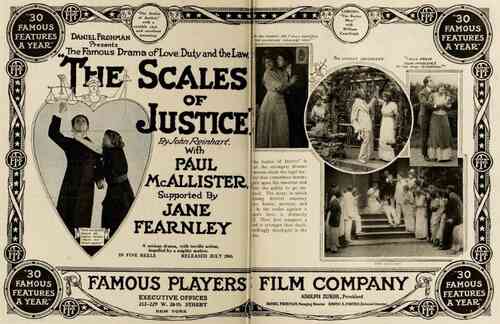
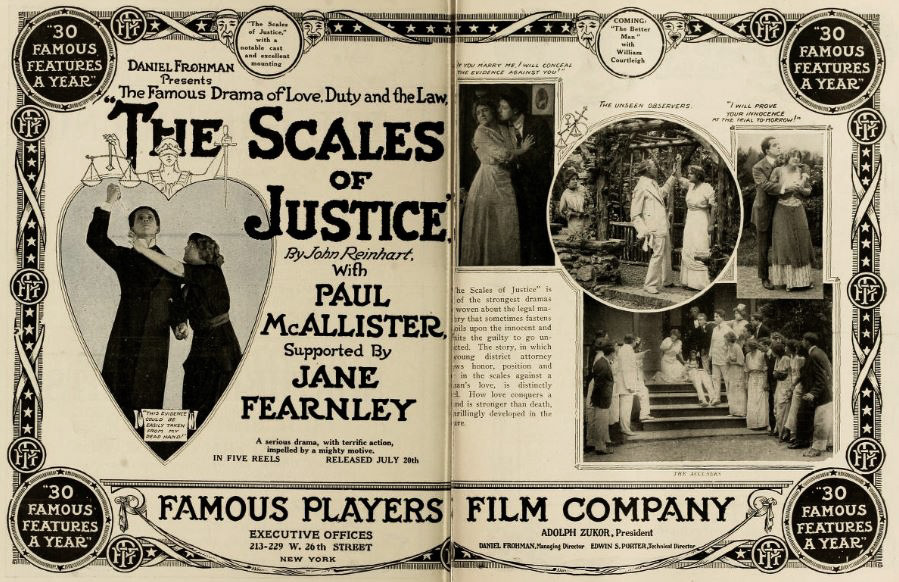
District attorney Robert Darrow is in love with young widow Edith Russell Dexter. Her wealthy grandfather, Judge Philip Russell, wants her to marry his business manager, Walter Elliot, who has actually been embezzling from Russell's company. During a garden party, Edith and the judge fight over her attentions to Robert, Elliot and a maid mistakenly thinks that Edith is threatening him. That night, the judge is murdered and Edith is the prime suspect until old horse thief Bill Crump is found hiding on the property. Later, when Edith rejects Elliot, he hires a private detective to plant false evidence against her. While Edith is in jail, Bill is befriended by Edith's little daughter Alice. During the trial, when Robert breaks down and cannot cross-examine Edith, Bill comes forward to say that he saw the real murderer during a robbery. In the end, Bill willingly goes to jail, and Robert and Edith are free to marry.
View Details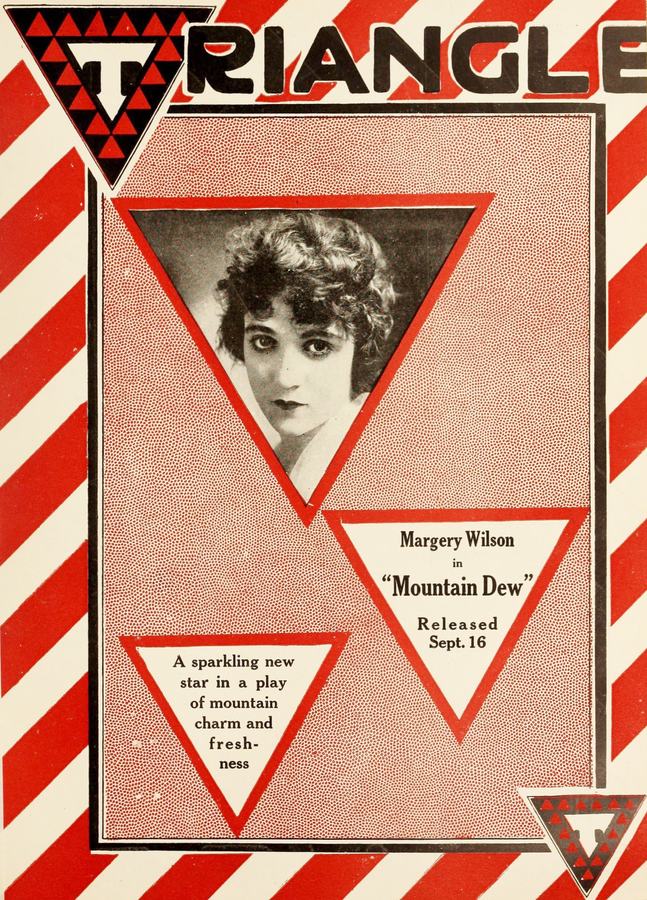
Dir: Thomas N. Heffron
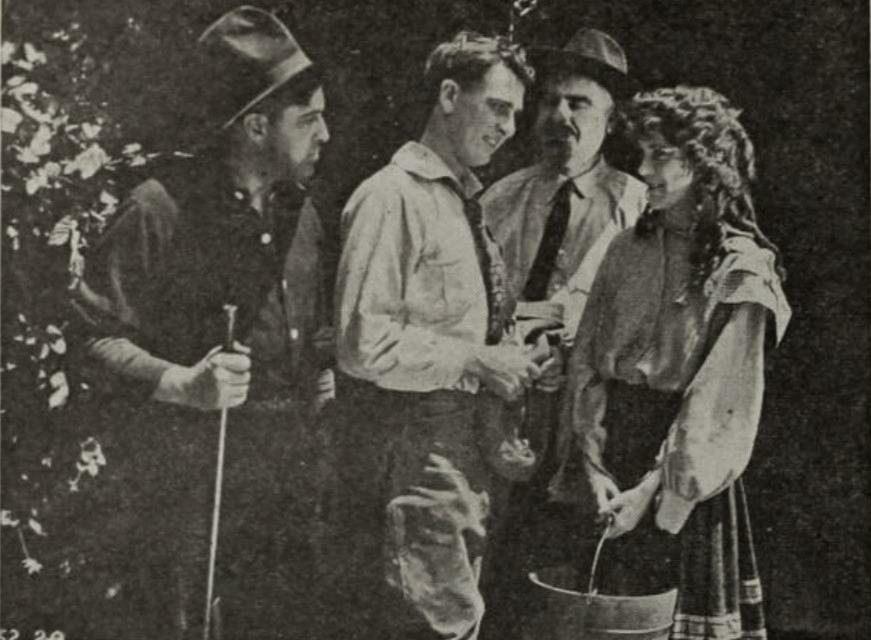
Magazine writer J. Hamilton Vance travels to the mountains of Kentucky to get local color for his stories, and falls in love with Roxie Bradley, the daughter of a moonshiner. Regarded at first with suspicion by the mountaineers, Vance finally wins their confidence and is appointed teacher in the little log school house. The former teacher, resentful at the intrusion, attempts to shoot Vance through the schoolhouse window, but Roxie intercepts the bullet. Vance nurses her back to health, engendering the jealousy of Lily Bud Raines, who starts a rumor that Vance is a federal agent spying on the moonshiners. As the mountaineers plot to extract vengeance on Vance, Roxie and he are married, and when his antagonists discover that Vance is now one of them, they accept him as part of the mountain community.
View Details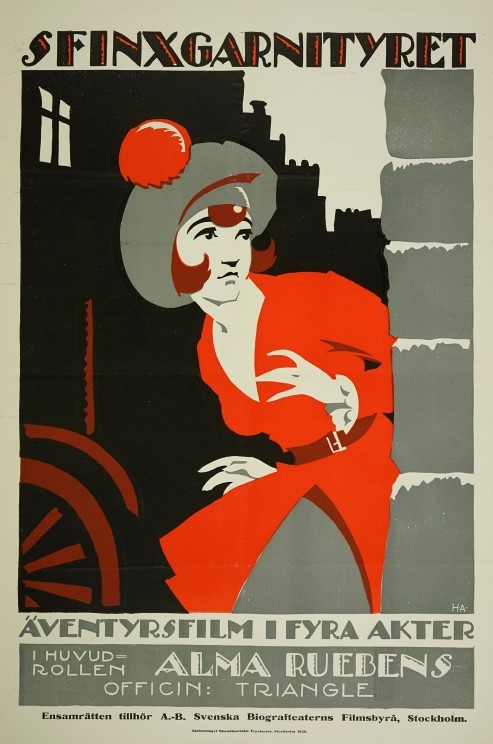
Dir: Thomas N. Heffron
Disgusted when the police department fails to apprehend the murderer of her guardian, Henri Du Bois, Celeste decides to track down the criminal herself. Her only clue is a cuff link dropped near the scene of the crime on which a sphinx is engraved, and with it, she wanders through Paris' tough Moulin Noir district. When she notices a young man wearing a tie pin of identical design, she cultivates his acquaintance and eventually asks him to visit her in her home. His suspicious behavior there convinces Celeste that he is the guilty party, and although she has fallen in love with him, she has him arrested, whereupon she learns that he is Du Bois' missing son, Andre. Further detective work reveals that the real murderer is Celeste's rejected suitor, Raoul Laverne. Upon his confession, Andre is released and eventually marries Celeste.
View Details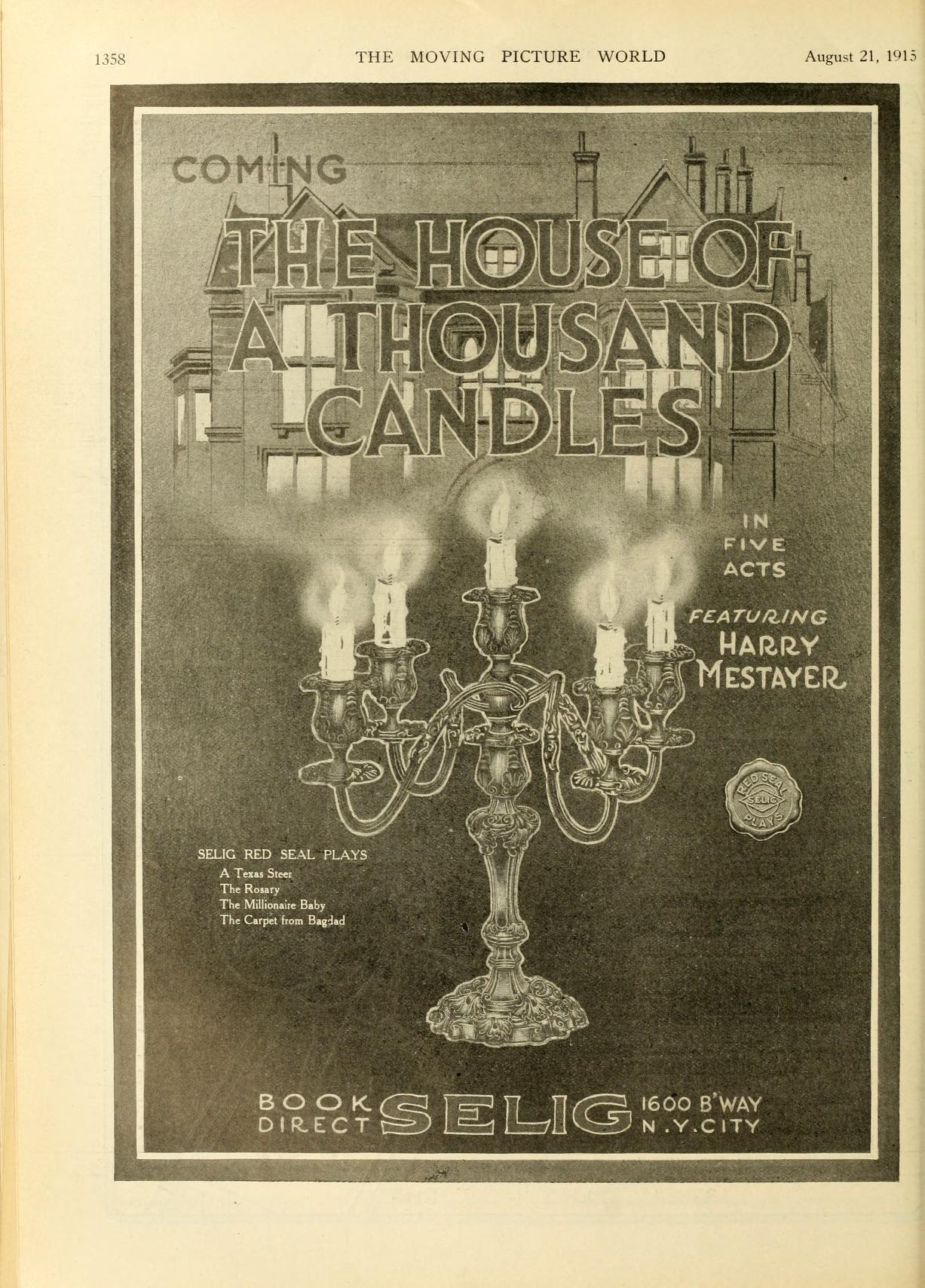
Dir: Thomas N. Heffron
A fascinating piece of cinema that shares thematic elements.
View Details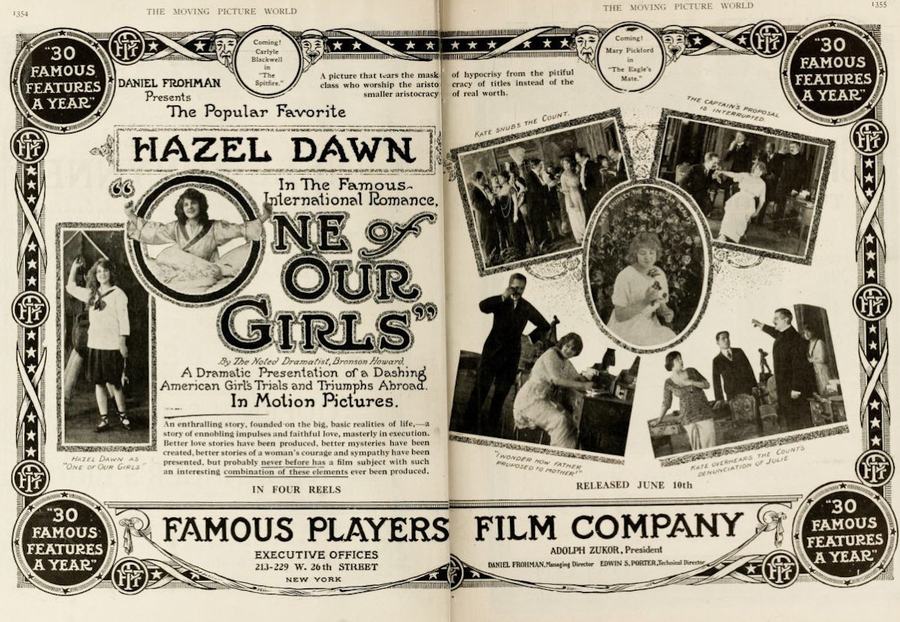
Dir: Thomas N. Heffron
American heiress Kate Shipley crosses the Atlantic to attend the wedding of her little cousin Julie in France, little knowing what Fate holds in store when she leaves her Fifth Avenue home for the Foublanques' chateau. Julie marries the profligate Comte de Crebillon, though she loves her cousin Henri, and Kate grieves to see her little cousin grow sadder and paler every day through the realization of her grave mistake. A great happiness, however, comes to the American girl, for she is loved by Capt. John Gregory, a dashing British officer, no less noble than he is brave and handsome, to whom she is soon betrothed. The Comte de Crebillon conceals a secret in his past, a broken and beautiful woman, who suddenly appears one night at the chateau and confronts him, after which she is never seen alive again. Old Dr. Girodet, the family physician, dislikes the Comte. Hearing a woman's scream on the fatal night, and being told of a mysterious, haggard face that had peered through the window of the chateau, he notices the Comte's nervousness and fear, and begins investigations which end in the finding of the woman's body in the old wishing-well in the garden of the estate. Suicide is the verdict given in the woman's death, and the Comte breathes freely for a time. He is harsh, suspicious and cruel to his girl-wife, and poor little Julie, driven desperate by his treatment and her love for Henri, decides to leave France with her sweetheart cousin. Julie writes Kate she is eloping, and the impulsive and generous American girl goes to Henri's room to save Julie from her folly. There she is discovered by the Comte and her own betrothed, Capt. Gregory. To shield her cousin from the Comte's fury, Kate conceals Julie's presence in Henri's room, and takes the awful situation upon her own shoulders, at the risk of her good name and her fiancé's faith and love. The development of the play thrillingly portrays a series of dramatic situations that culminate in the triumph of Kate over the insulting Comte, and the revelation of his mysterious and sinful past, which sets Julie free to marry Henri. Kate is made doubly happy by her gallant captain's faith through all her trying experiences, and "one of our girls'' at last weds one of England's bravest officers.
View Details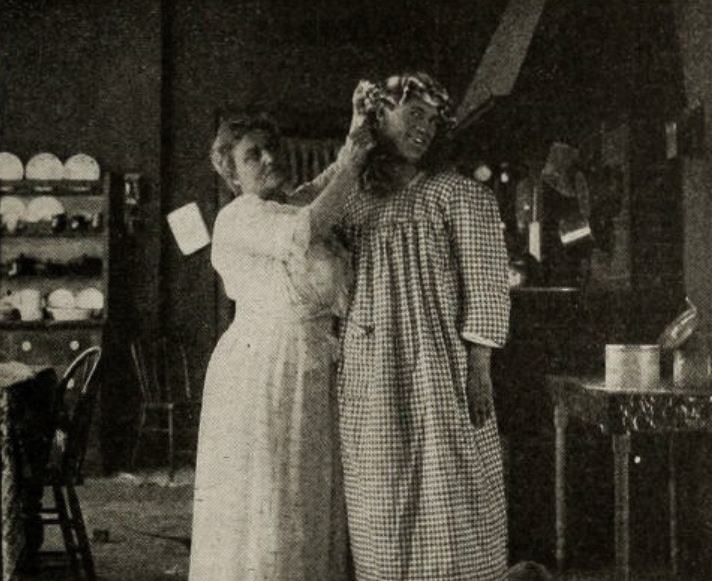
Dir: Thomas N. Heffron
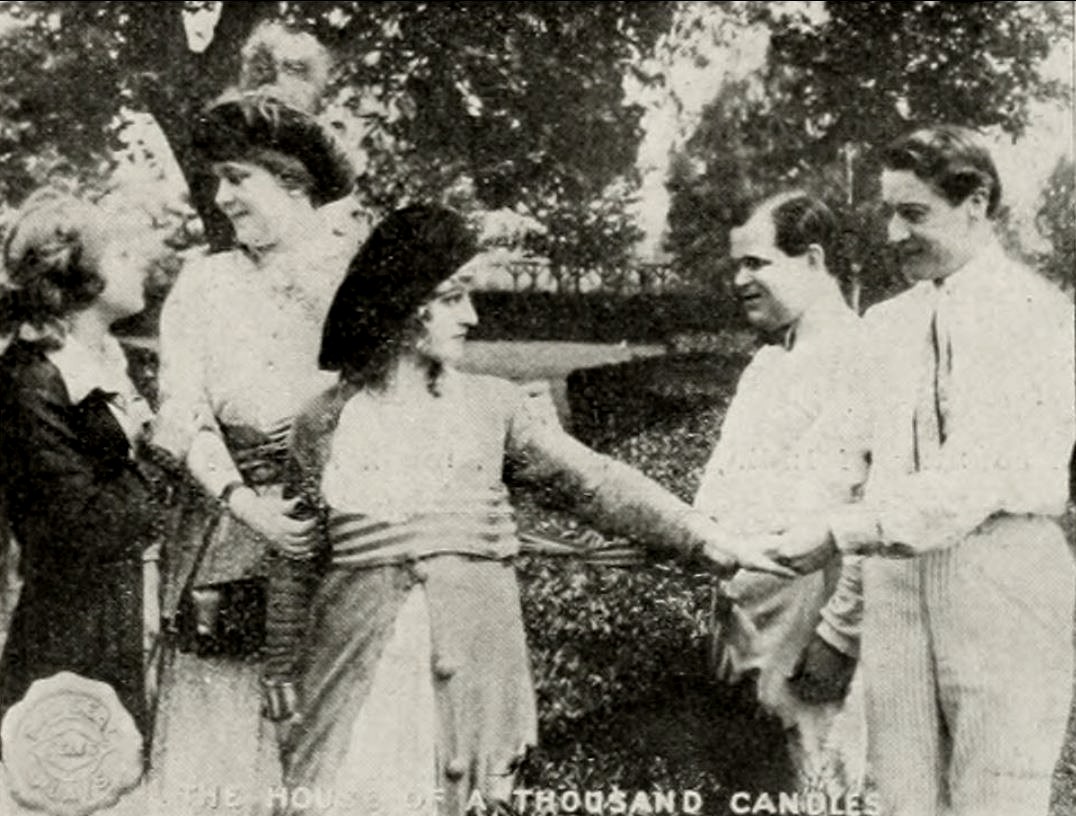
Mrs. Black, formerly a plump, good-natured widow, tells Professor Black, her new husband whom she adores and fears, that she is 29 instead of 36, neatly knocking off 7 years. To further convince him of her youth, she also tells him that her son "Little Johnny," whom he has never met, is 10--in reality, John is a husky 17-year-old fellow in school in England, fully 6 feet tall, broad-shouldered, and quite up-to-date, even to his Irish valet Larry McManus. Not being able to tell the Professor this, Mrs. Black invents a mythical "Aunt Prue," living in New England, with whom Johnny is supposed to be staying. The professor must curb his impatience to see his new son, for whom he has, with great care, been buying toys. So does the Professor's class of gushing young girls, who look forward with equal eagerness to seeing "Professor's Little Johnny." To regain the slimness of her youth, Mrs. Black takes reducing exercises from physical-culture teacher Tom Larkey, but loses more money and patience than flesh. As John writes that he needs money and wants to come home, she takes the $400 due Larkey and sends it to her beloved offspring, telling him he must stay in England and finish his college course. His professor decides that he needs building-up and sends for an instructor to teach him the proper exercises. The instructor proves to be Larkey, who adds to Mrs. Black's troubles by hounding her for the debt due him. Meanwhile her son has promptly lost the money sent him in poker, and gives a Spaniard an I.O.U. for $400 on the back of an envelope addressed to his mother, Mrs. Black. Pedro, the Spaniard, is going to America and decides to look up Mrs. Black; finding her, he demands the $400 her son owes him, so all her ingenuity is taxed to dodge the two creditors and keep her husband away from them until she shall find some means of obtaining the money due. John falls in love with a pretty girl in England and follows her to America, telegraphing his mother on his arrival in New York that he will soon be with her. And Mrs. Black has just learned from her dignified husband that he never forgives a liar. Then things begin to happen, with Mrs. Black as the prime factor. Jack and his valet arrive; the valet is presented as "Aunt Prue's" husband; and Jack masquerades first as the gas man and finally as Lizzie, the new cook. Of course the fatal truth at last comes out, and the penitent Mrs. Black leaps into an auto, about which she understands nothing, and runs away. Her frantic husband sees the machine smash, and when, after believing her gone from him forever, he learns that she escaped injury, he is so glad to find "Mrs. Black is Back," that he readily forgives her deception and welcomes son John.
View Details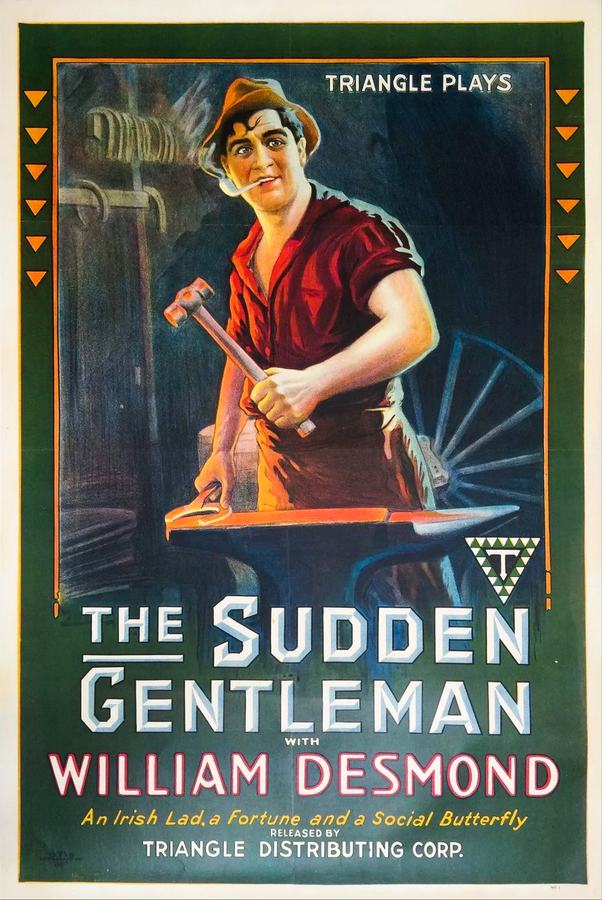
Dir: Thomas N. Heffron
Garry Garrity, an Irish blacksmith, receives word from America that he has fallen heir to his uncle's millions. Arriving in Chicago to take charge of his estate, Garry's awkward ways incur the enmity of his cousin and ward, Louise Evans, but after Louise sees through the rough surface to Garry's sterling qualities, the two fall in love. This disturbs Count Caminetti, who had designs on both Louise and the fortune. The count schemes with Mrs. Hawtry, who has visions of becoming a wealthy countess, to frame Garry in a compromising situation, thus forcing him to marry Mrs. Hawtry, who would then divorce him and sue for alimony. When Louise hears the scandalous rumors generated by the count, she insists that Garry marry Mrs. Hawtry until an innkeeper admits that it has been a frame-up. Garry rushes to confront the count and as he is choking a confession from him, Louise enters. After overhearing everything, Louise begs Garry's forgiveness.
View Details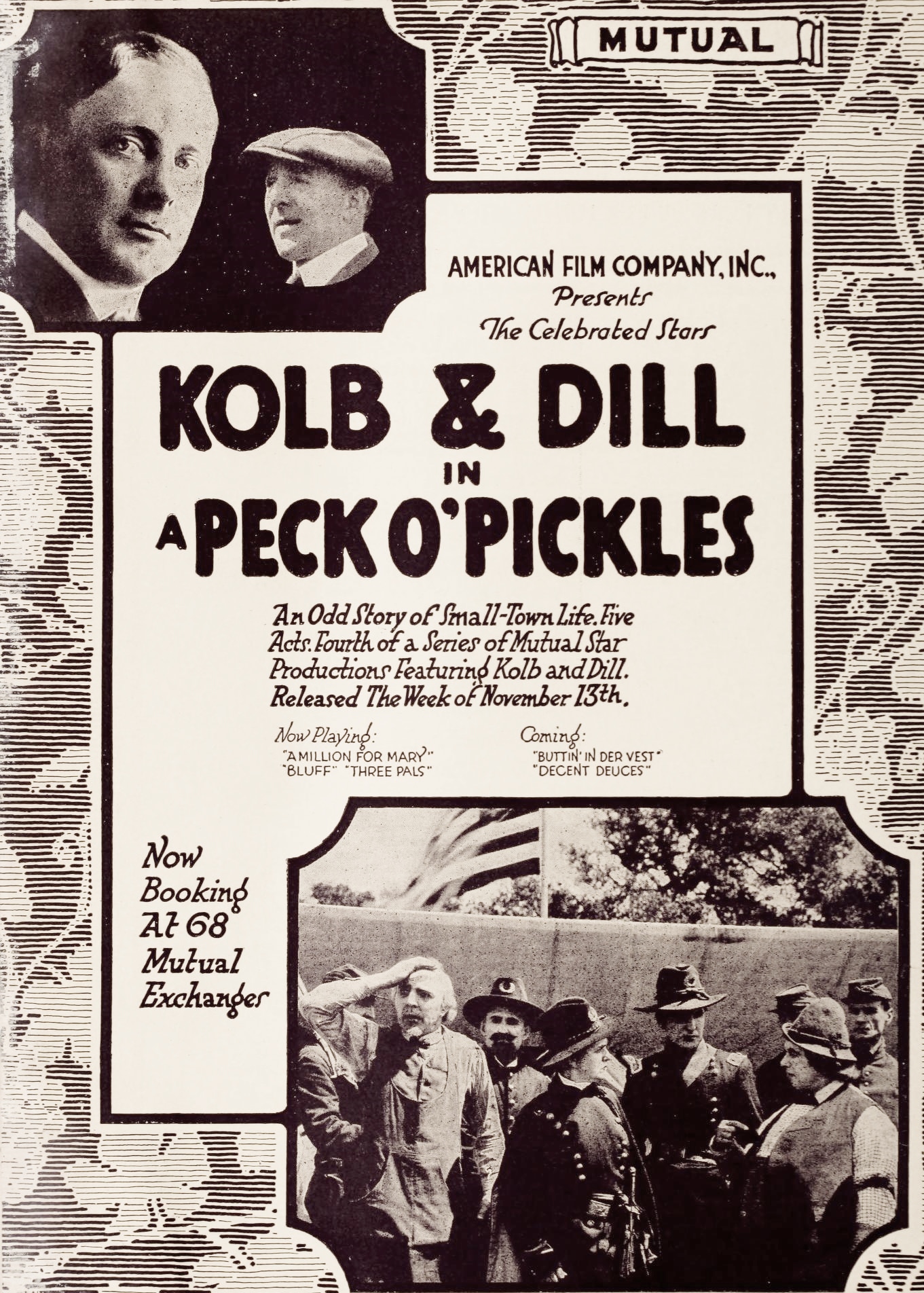
Dir: Thomas N. Heffron
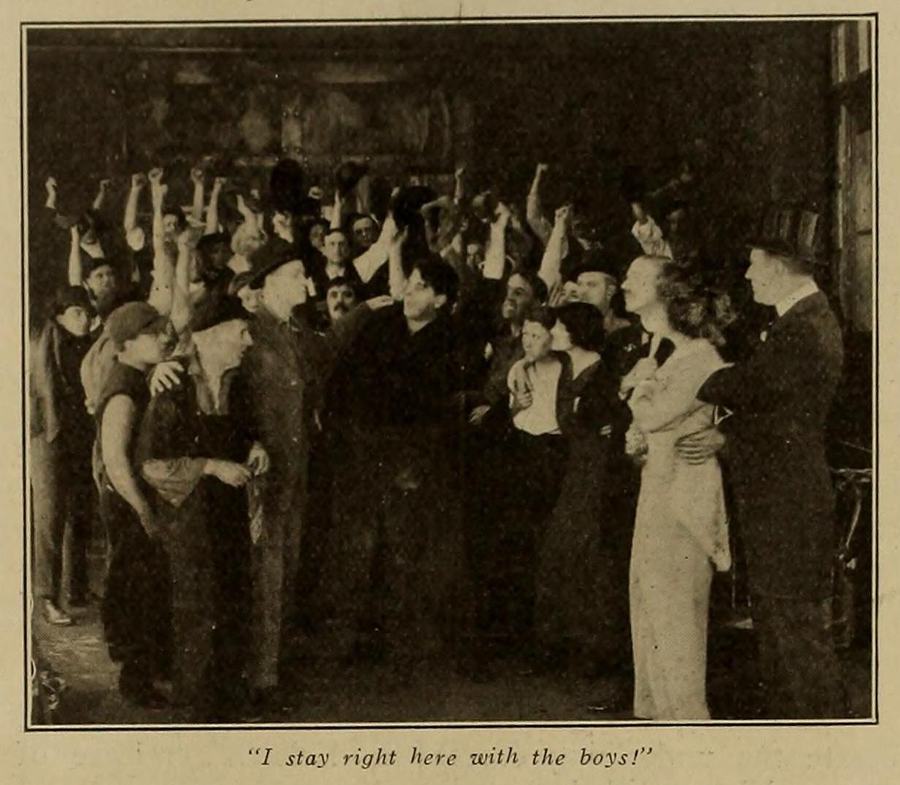
Rudolph Schlitz, a cobbler, finds a lottery ticket in a shoe he is repairing and, determined to make some money from it, he sells an interest in the ticket to his friend, Adolph Busch. Then, fed up with the way temperance leader Caroline Pickett rails against the evils of alcohol, Bobbie Bennett spikes the cider at Caroline's picnic. All of the villagers in attendance get drunk, including Rudolph and Adolph, who then dream that they have arrived in Washington to claim their lottery winnings. Besides being transported to the nation's capital, however, they also have been transported through time back to the Civil War and barely escape from the fighting alive. Rudolph and Adolph then wake up from their shared nightmare, and remembering the link between gambling and Gettysburg, they swear off lotteries and other games of chance forever.
View Details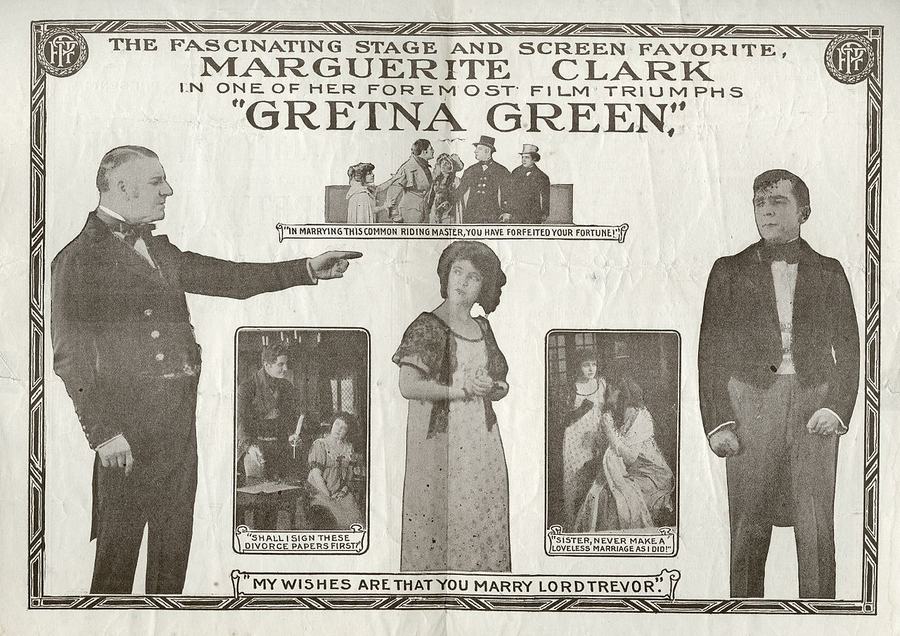
Dir: Thomas N. Heffron
Apparently, it's a romantic movie about this city in Scotland where all weddings are Legal and people have traveled from all over the world to elope since the 1700's.
View Details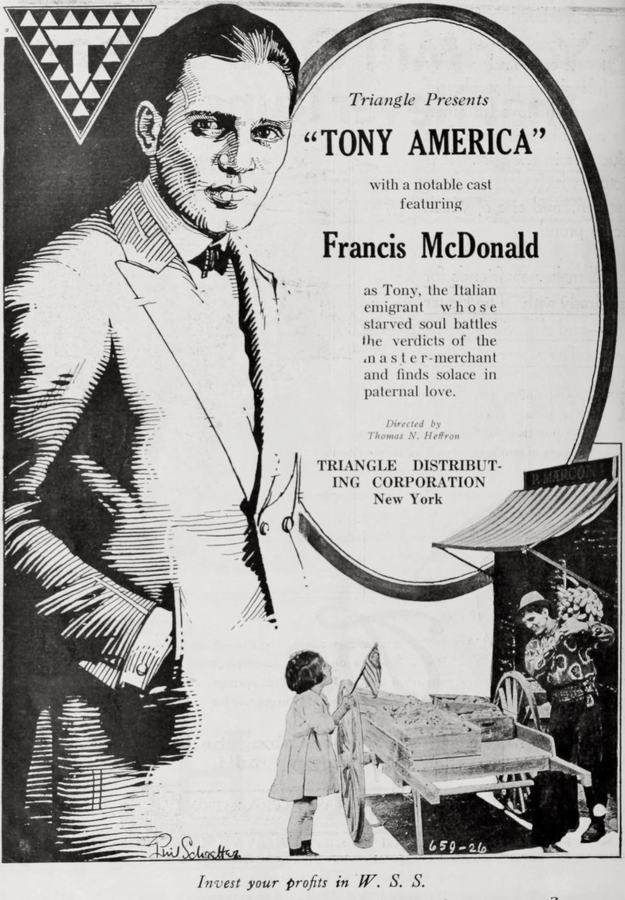
Dir: Thomas N. Heffron
Tony comes to America virtually the slave of his padrone, who holds him in debt for his passage money. But Rosa Picciano marries him to escape parental discipline and Tony hopes for freedom at last, but Rosa makes it plain that she does not love him. When the bambina comes, he lavishes all his love on little Giulia and is heartbroken when Rosa divorces him on a trumped-up charge and gains possession of the child. But Tony wins her back from her heartless mother and has her to thank that his hands are not stained with blood.
View DetailsAnalysis relative to Are You a Mason?
| Film Title | Atmosphere | Complexity | Similarity |
|---|---|---|---|
| The Scales of Justice | Gritty | Abstract | 87% Match |
| Mountain Dew | Ethereal | Abstract | 94% Match |
| Madame Sphinx | Gritty | High | 92% Match |
| The House of a Thousand Candles | Ethereal | Dense | 90% Match |
| One of Our Girls | Ethereal | Dense | 85% Match |
This guide was algorithmically generated using the cinematic metadata of Thomas N. Heffron's archive. Last updated: 8/17/2026.
Back to Are You a Mason? Details →