
DbcultAccessing Vault...
Recommendations
Senior Film Conservator
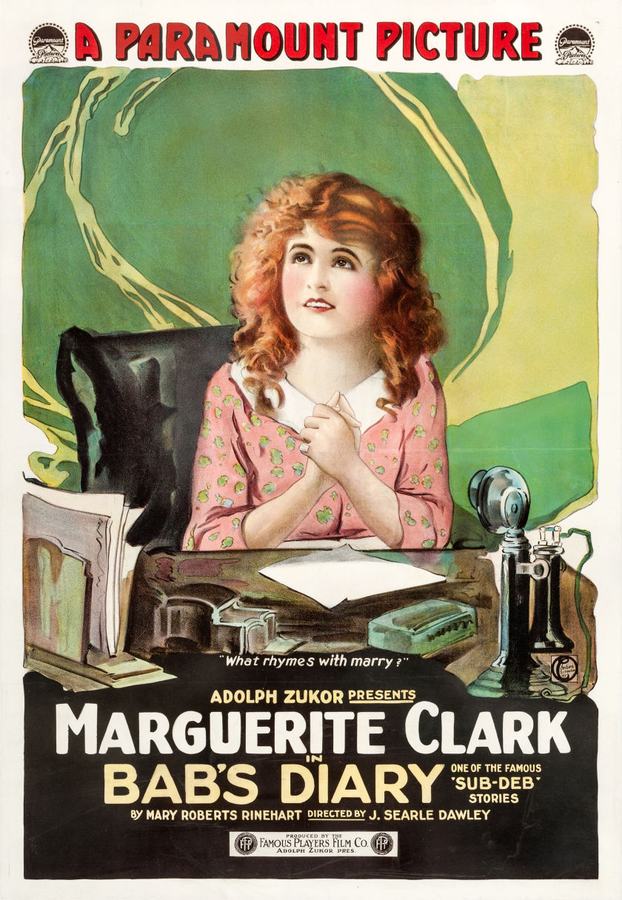
The 1917 release of Bab's Diary redefined the parameters of cult storytelling, the visual language established by J. Searle Dawley is something many try to emulate. Explore the following titles to broaden your appreciation for cult excellence.
Historically, Bab's Diary represents to synthesize diverse influences into a singular artistic statement.
Returning home from boarding school for the Christmas holidays, Bab finds herself treated as a little girl while the family concentrates upon the impending wedding of her older sister Leila to Carter Brooks. To remedy the situation, Bab seizes upon a photograph of a matinee idol and invents her own suitor, Harold Valentine. Brook recognizes the photo and induces the actor to present himself to Bab as Harold Valentine. When he appears at her door during a party being thrown in her honor, Bab, bewildered and frightened, decides that her sole means of deliverance lies in the recovery of her letters from the actor's apartment. Leaving the party, Bab blunders into his apartment, sets off a burglar alarm and is arrested. She is taken home and after learning her lesson, is promptly sent back to boarding school.
Critics widely regard Bab's Diary as a cult-favorite piece of cult cinema. Its stylistic flair is frequently cited as its strongest asset, solidifying its place in United States's film legacy.

Based on the unique stylistic flair of Bab's Diary, our vault has identified these titles as the most compelling follow-up experiences for fans of cult cinema:

Dir: J. Searle Dawley
Leah's father taught her from early childhood to steal. Attempting to commit a robbery at the home of Paul Sylvaine, she's caught by Sylvaine; instead of treating her as a thief and turning her over to the police, he has an extraordinary interview with her. Sylvaine has faith in the innate goodness of human nature, and this faith is strengthened by Leah's confession that her father has taught her to steal and that she wants to go somewhere to forget the past and begin life anew. An adroit complication is here introduced that increases the suspense: The brother of the girl that Sylvaine is to marry, returning from a drunken spree, enters Sylvaine's apartments and steals the jewels that Leah was to have taken. Sylvaine believes that he was duped by Leah, who after all his kindness and forbearance, fulfilled her job before she left. But eventually Sylvaine learns that the theft was committed by his fiancée's brother. Leah is exonerated, and just to help sentimental matters along, the engagement between Sylvaine and his fiancée is suddenly terminated. Sylvaine seeks Leah and finds her living far from Paris, a redeemed and regenerated woman. Ha asks her to marry him; she consents, and the jewels that brought her into Sylvaine's home and into contact with his refining influence are bestowed upon her as a wedding gift.
View Details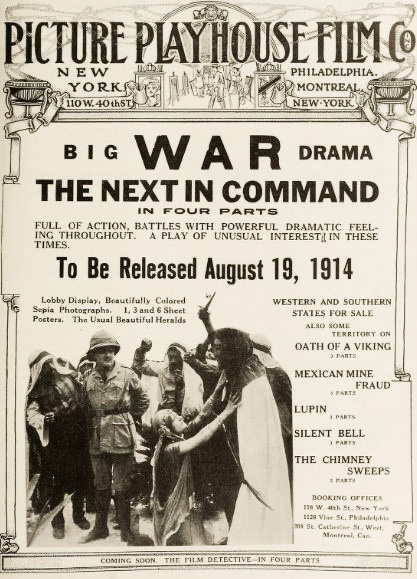
Dir: J. Searle Dawley
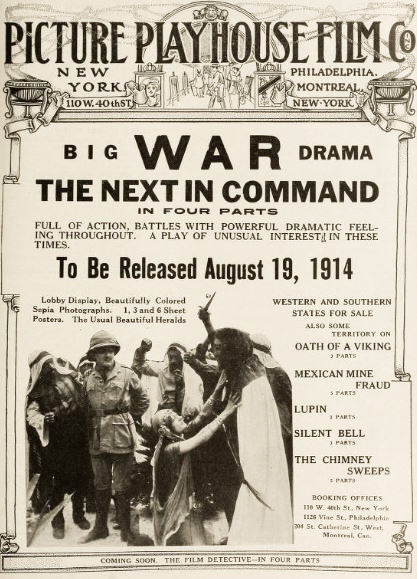
A fascinating piece of cinema that shares thematic elements.
View Details
Dir: J. Searle Dawley
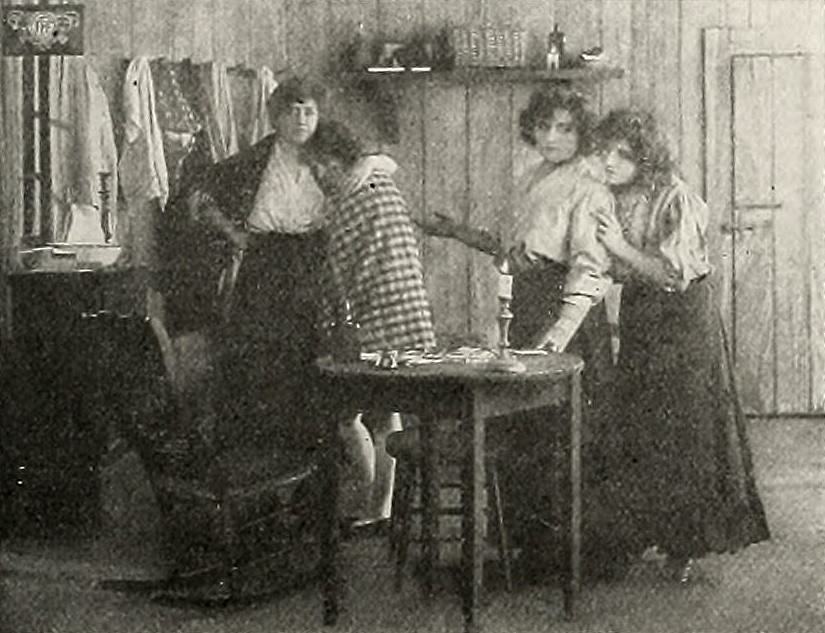
A peasant girl sent to make a claim on her family's ancestral home in England's Wessex is seduced and left with child by its current owner.
View Details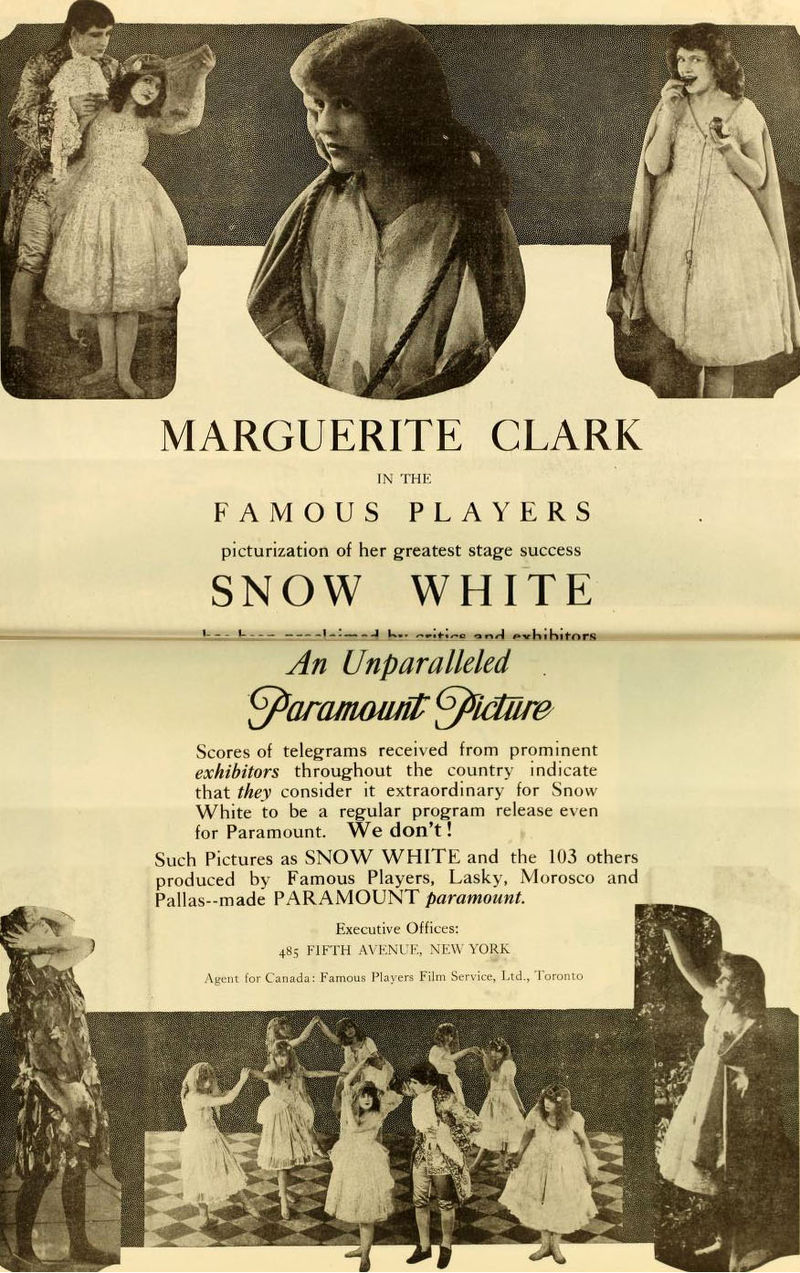
Dir: J. Searle Dawley
Snow White, a beautiful girl, is despised by a wicked queen who tries to destroy her. With the aid of dwarves in the woods, Snow White overcomes the queen.
View Details
Dir: J. Searle Dawley
Four-year-old Dorothy, the daughter of rich lawyer Winfred North, is inconsolable over her mother's recent death. Her father, too absorbed with business to pay attention to his daughter and her problems, marries Helen Stillwell, a widow with her own two children. Helen ignores Dorothy while taking care of her own children, treating Dorothy as if she's always "in the way". Finally Dorothy can take no more and runs away. She is found by the Goodwins, a married missionary couple, but when they bring her home, Helen Stillwell denies knowing Dorothy at all, seeing a chance for her own children to inherit Winfred's wealth and cut Dorothy out of the picture altogether. The Goodwins take Dorothy to Africa with them to bring Christianity to the natives, but matters don't work out quite as well as they expected.
View Details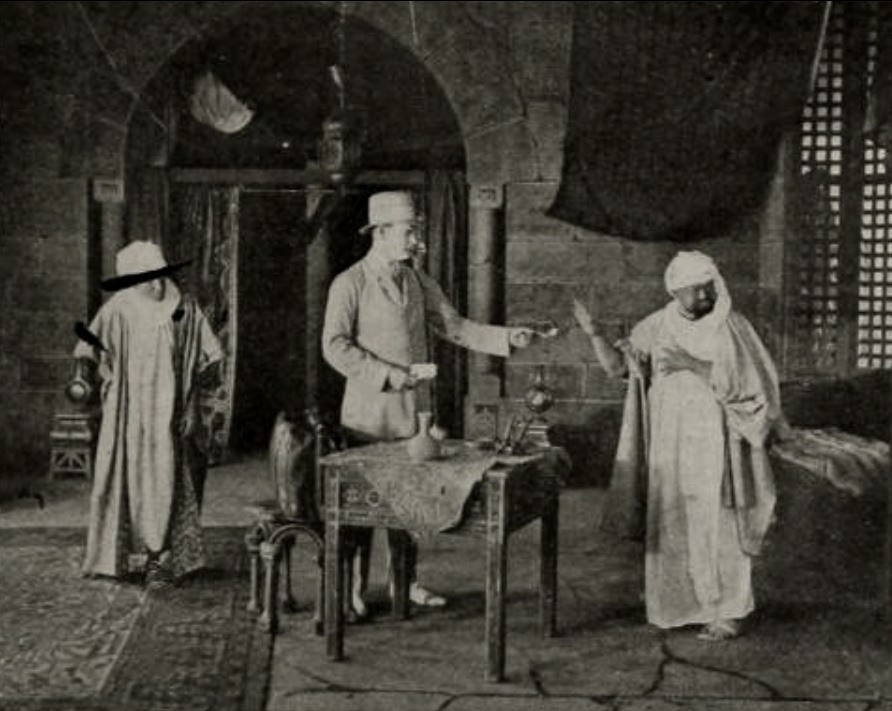
Dir: J. Searle Dawley
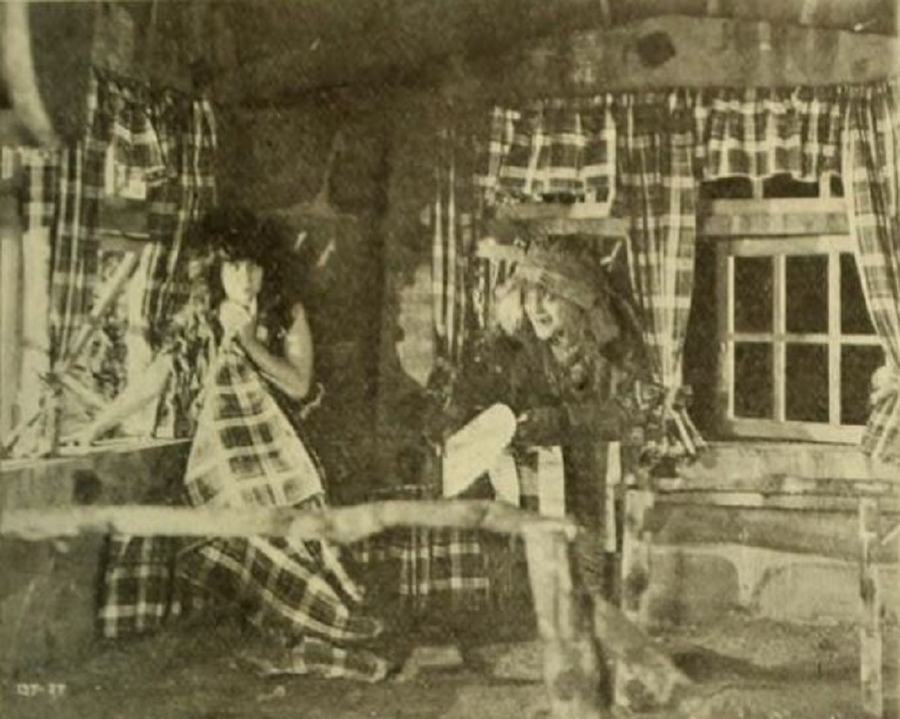
The story opens at General Feversham's residence at the annual dinner that he gives to the ones who are left of the Crimea officers. At this dinner, Harry Feversham, the General's only son, a boy of fourteen, is a guest. After the dinner is finished they tell stories of what happened in the Crimea, and Harry listens intently. The story is carried ahead about ten years when Harry is a captain in the army, showing him with his friend, Captain Durrance. They are both in love with the same girl, Ethne Eustace, and Harry and the girl after a time become engaged. Harry gives a dinner to his brother officers, Captain French, Lt. Willoughby and Captain Castleton, to announce his engagement. During the dinner Harry receives a telegram saying the regiment is ordered on regular service. Harry does not show his fellow officers the telegram as he should have done. They see him throw it into the fire. After they have gone, Harry determines to give up his commission, fearing that when put to the test he will be a coward. To preclude such a possibility he sends in his resignation. His fellow officers have, in the meantime, found out that they are ordered on active service, and next day they see that Harry Feversham has resigned his commission. They decide to send him three white feathers. While a ball is going on at Ethne's home a small package comes addressed to Captain Harry Feversham. He opens it in front of the girl and she asks him what he has done and he tells her. When she brands him as a coward, and striking a white feather from her fan, gives it to him. After this Harry Feversham's father will have nothing to do with him, and he consults his mother's old friend, Lieutenant Sutch, and announces to him that he is going to try and retrieve himself. He sails for Egypt in the hope of being able to do something and make the senders take back their feathers. After a long wandering at last he gets his chance and after many trials and tortures by the Arabs and a thrilling rescue he makes his fellow officers take back their feathers. In the meantime Durrance has been with his regiment in the Sudan and has been struck blind by the glare of the sun. Ethne, taking pity on him, has become engaged to him. Harry returns home to find that Ethne is engaged to another man. One day Durrance overhears them talking and decides for the sake of both of them to give up the girl, thus making Ethne and Harry both happy, and go back to the desert he loved so well.
View Details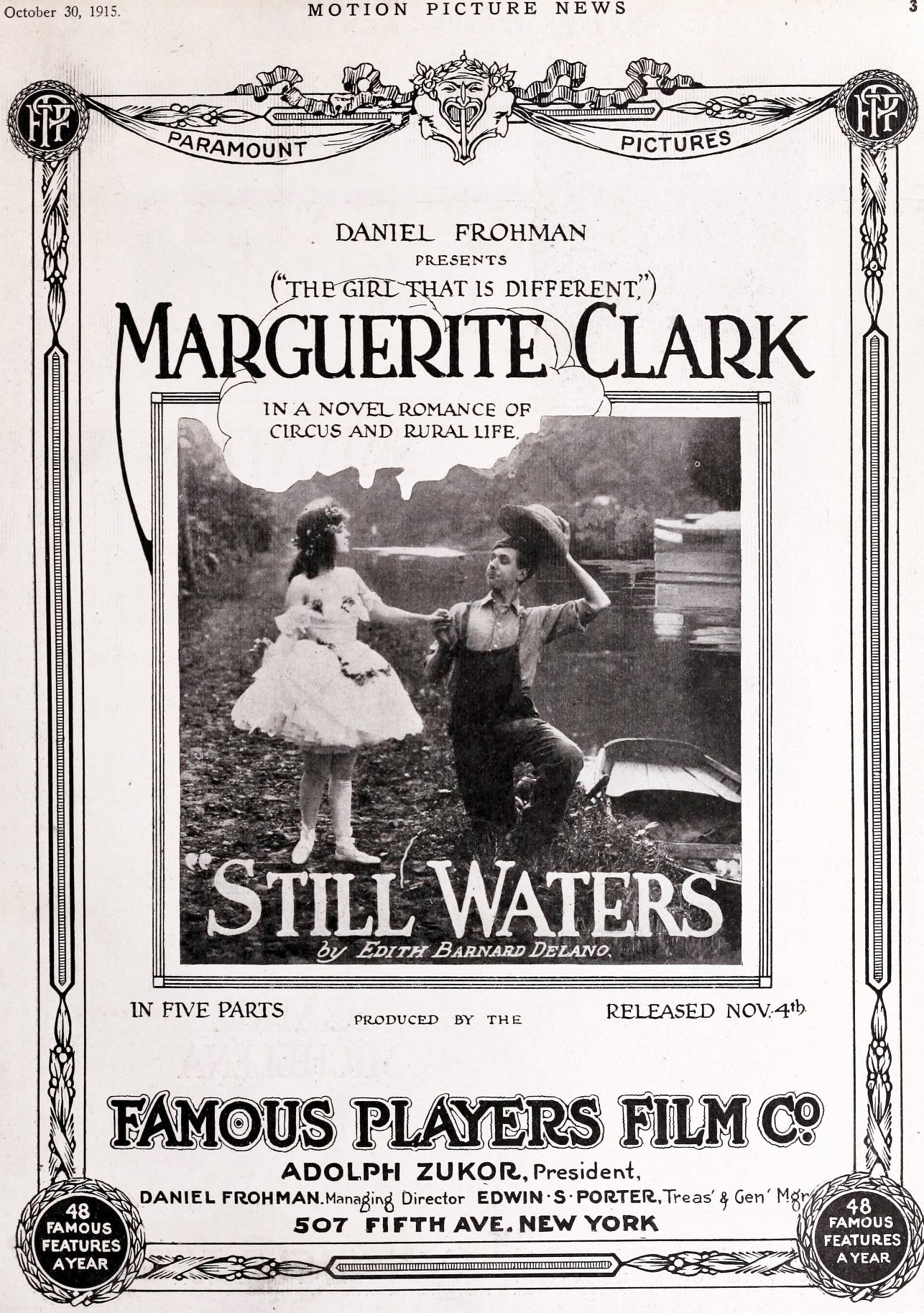
Dir: J. Searle Dawley
A canal boat captain disowns his daughter when she marries a circus performer. Years later he is reunited with the granddaughter he never knew.
View Details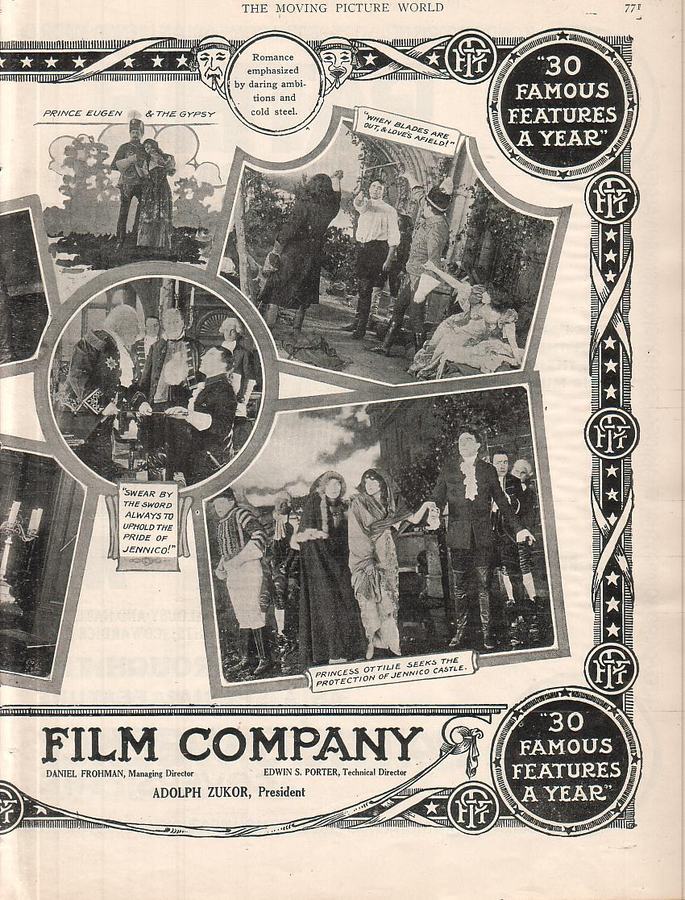
Dir: J. Searle Dawley
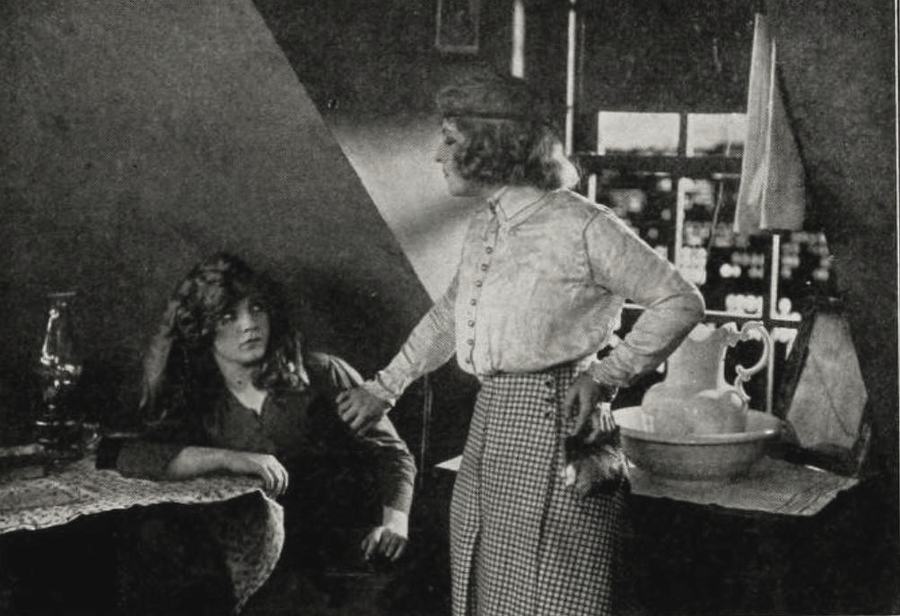
In the days of romance when fortune and glory were carved by the sword, Basil Jennico, the descendant of a proud and haughty house, walking among the old ancestral chambers, dreams of his gallant forebears and their daring deeds performed for the smile of a lady fair. Inspired by his lofty heritage and the atmosphere of nobility and bravery in which he has been reared, Basil longs for love and adventure. At this romantic period of Basil's life, his aged uncle, the lineal head of his house, dies, and makes Basil swear by the sword that he will always uphold the pride of Jennico. Basil becomes Lord of Tollendhall and master of the broad acres of the Duchy of Lausitz, but titles, estates and splendor do not compensate for the absence of love. Princess Ottilie, a beautiful, whimsical maiden, is urged by her guardian, the Earl of Dornheim, to marry Prince Eugen, a worthless rogue, whom Ottilie fears and loathes. To avoid marrying Eugen, the Princess affects her escape from the castle in the guise of her maid, Marie, who follows after her mistress. The two are overtaken by a storm and seek the shelter of Jennico Castle. Marie is introduced to Jennico as the Princess, but Jennico falls madly in love with Ottilie, whom he believes to be the maid. Love and pride struggle for supremacy. Jennico is heart-broken, because his sworn duty to maintain the dignity of his house prohibits his marriage to the maid. The willful, fascinating maid intimates to Jennico that the Princess admires him, and, repressing love for duty, he courts the "princess." The marriage is arranged. Princess Ottilie and her maid confer and arrange to change places at the altar. Jennico greets his bride, heavily veiled, but when at last he looks upon her face he sees the piquant, mocking Ottilie and thinks he has married the maid. Love bids him accept his happiness, but his pride asserts itself and he resents the supposed deception. Ottilie, noticing his anger and piqued because he is not content with her, regardless of her apparent low rank, leaves him. Desperate for the love of the absent and tantalizing beauty, he seeks the supposed maid, encounters the bitter enmity and jealousy of the defeated Prince Eugen and his trusted force; but, despite all opposition and against all odds, he wins his way to Ottilie's heart at his sword's point, to find that valor has not only won him a heart of gold, but a title that adds luster to the pride of Jennico.
View Details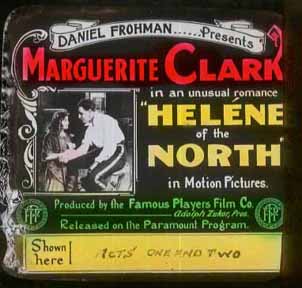
Dir: J. Searle Dawley
While waiting for the detained Lord Traverse, the guest of honor at an English society party, the guests play a game wherein each must tell a complete story before a cigarette burns out. Heléne Dearing relates that her proud father John left England after being exposed as a card cheat and became a whiskey runner near a Canadian lumber camp. John and his partner Pierre escape jail, and with Heléne, are pursued by Ralph Connell, a young Canadian Mounted Policeman, whom Heléne loves. John, wounded before they can reach the border, gives Pierre permission to marry Heléne, but a sympathetic curate reads the ceremony in Latin and has Ralph, as the witness, take the groom's marriage vows. After Pierre is captured and Heléne learns the truth about the marriage, Ralph leaves on a secret government mission. Heléne, who has since inherited a fortune, confides to the guests that she never saw Ralph again. After Lord Traverse arrives and turns out to be Ralph, he and Heléne leave the party to begin their belated honeymoon.
View Details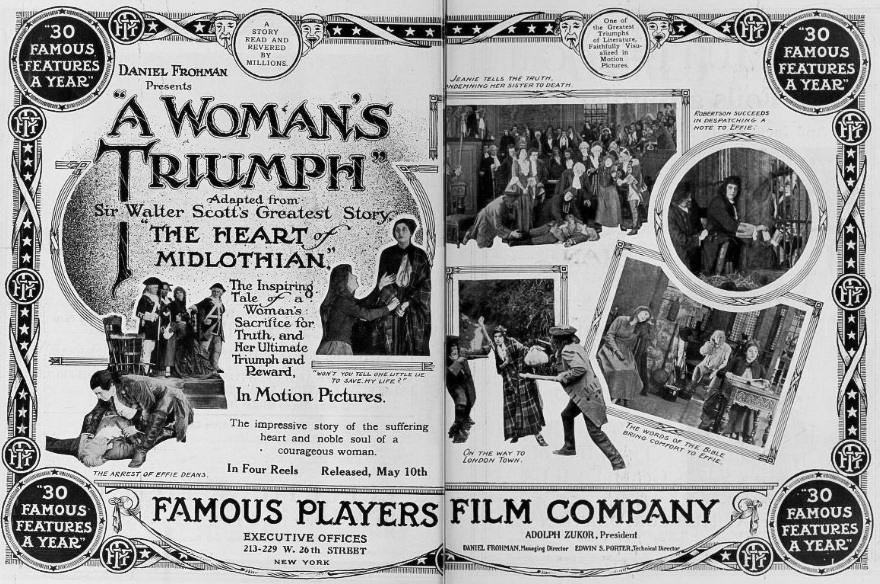
Dir: J. Searle Dawley
Beanie and Effie Deans are the two daughters of old David Deans, a thrifty Scotchman and strict church member, living near Edinburgh. David has reared his daughters in accordance with his rigid and austere ideas of life. The two sisters are as different in appearance and mind as two people could possibly be. Jeanie is steady, calm, noble and unaffected in dress and manner, while little Effie is gay and flighty, fond of finery and flirtations. Arriving at womanhood, Effie falls in love with young Georgie Robertson, the profligate son of a rich minister. Georgie has wandered far from his father's home and fold, and in his love for adventure becomes entangled with a band of smugglers. Under promise of marriage, Georgie often meets Effie secretly and gains her love and trust, but on his way to their prospective marriage is waylaid and arrested, in company with the leader of the smugglers, and thrown into prison. Effie has kept her family in ignorance of her love and betrothal, and has withheld from Jeanie even a greater secret, that she is to become a mother. Crushed by her misfortune, little Effie manages to secure a position in Edinburgh, and there receives word from Georgie, in prison, to go in her hour of trouble to friends of his who will care for her. She goes to these people, Madge Wildfire and her mother, a strange, eccentric pair, the mother a wicked old hag, the daughter demented through grief over her dead babe. They shelter Effie while her own little one is born, but the crazed Madge steals the young infant, leaving it alone by the roadside. The child is rescued by strangers, but is lost to Effie, who finally returns home, still guarding her sad secret. And there, for a time, she finds peace and quiet. But the old hag, fearing lest Effie accuse Madge of stealing the child, determines to accuse Effie of killing her own babe. Effie is torn from her dazed and grief-stricken family and thrust into prison, awaiting trial. During this lapse of time Robertson has escaped from prison, and incited a riot to rescue the smuggler-leader, who is popular among the town folks. Learning that Effie, too, is in the prison, Robertson also strives to effect her release. To his alarm and surprise, Effie refuses to leave the prison until her innocence is proved, and he is forced to leave without her. Desperate, he remembers the old Scotch law to the effect that if the accused has told any of her family that she is to become a mother, the statement is accepted as an evidence that she does not intend the death of her child. Robertson therefore writes Jeanie, begging her to meet him at midnight at an old church, and bidding her tell no one why he wishes to see her. This note he gives to Mr. Butler, a young minister, who loves Jeanie and is loved by her. Butler bears the note to Jeanie, demanding to know the reason for this appointment, but she steadfastly refuses to tell him, causing an estrangement between them. Jeanie meets Robertson, and he pleads with her to lie in court and thus save her sister. Meanwhile, Butler has been questioned by the authorities, on the occasion of a visit to Effie, as to his acquaintance with the escaped prisoner, Robertson, and is forced to reveal the contents of the note he bore to Jeanie. A searching party goes in pursuit of Robertson, led by Madge Wildfire, who knows the district better than the others. Madge divines the men mean danger to Robertson, whom she admires, and warns him with a wild song, so that he escapes in time, but without having secured Jeanie's promise. Jeanie visits Effie in prison, and is again begged to tell one little lie to save her sister's life, but she cannot escape her slavery to truth and honor, and refuses. At the trial Effie is condemned to die. Jeanie then goes barefoot to London and begs the Queen for her sister's life, telling her all. Though they offer the pardon in exchange for Robertson's hiding place, she staunchly refuses to reveal it. Her loyalty and strength appeal to the Queen's sympathies, and she grants the pardon. Stopping for nothing, she hastens back to the prison, and reaches the place of execution just in time. And so Jeanie saves her sister's life without the blight of having told a lie.
View DetailsAnalysis relative to Bab's Diary
| Film Title | Atmosphere | Complexity | Similarity |
|---|---|---|---|
| Leah Kleschna | Gothic | Dense | 98% Match |
| The Next in Command | Tense | Linear | 97% Match |
| Tess of the D'Urbervilles | Gothic | Linear | 85% Match |
| Snow White | Tense | Abstract | 85% Match |
| Always in the Way | Gritty | Dense | 91% Match |
This guide was algorithmically generated using the cinematic metadata of J. Searle Dawley's archive. Last updated: 6/27/2026.
Back to Bab's Diary Details →