
DbcultAccessing Vault...
Recommendations
Senior Film Conservator
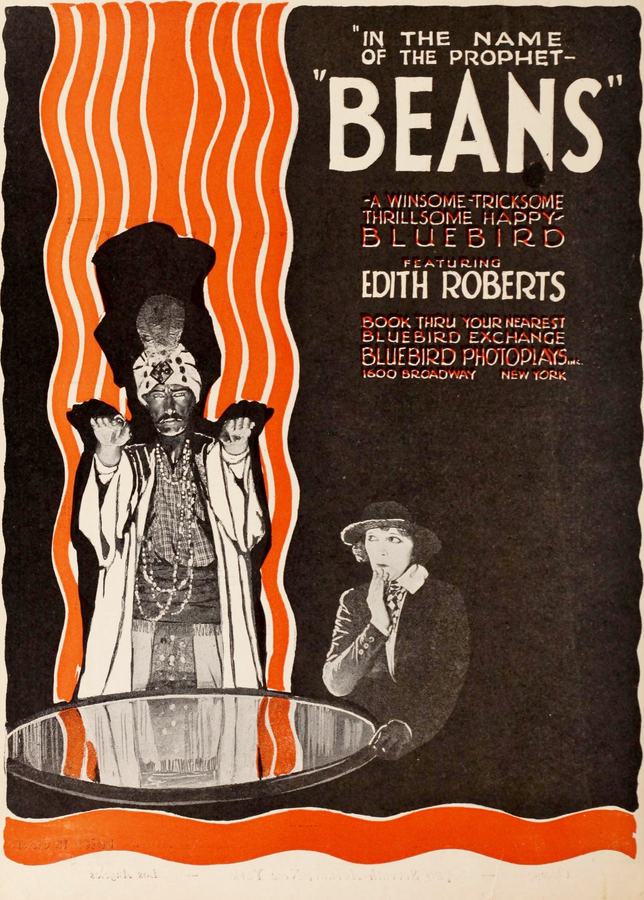
The United States-born brilliance of Beans offers a unique cult status, the profound questions raised in 1918 still require cinematic answers today. Our curated selection of recommendations echoes the very essence of Beans.
In the Pantheon of cult cinema, Beans to provide a definitive example of John Francis Dillon's stylistic genius.
Brewster, the bean king, has an option of renewal on a certain bean canning plant owned by Ellis. Ellis does not desire to renew and hires Wingate, a shyster lawyer, to help him. Brewster has to send Betty to renew the contract. Later he sends his lawyer to help her and Ellis' man persuades her that he is a plotter. There follows plot and counter-plot, but all-innocently Betty carries the day.
Beans was a significant production in United States, bringing a unique perspective to the global stage. It continues to be a top recommendation for anyone studying cult history.
Based on the unique cult status of Beans, our vault has identified these titles as the most compelling follow-up experiences for fans of cult cinema:
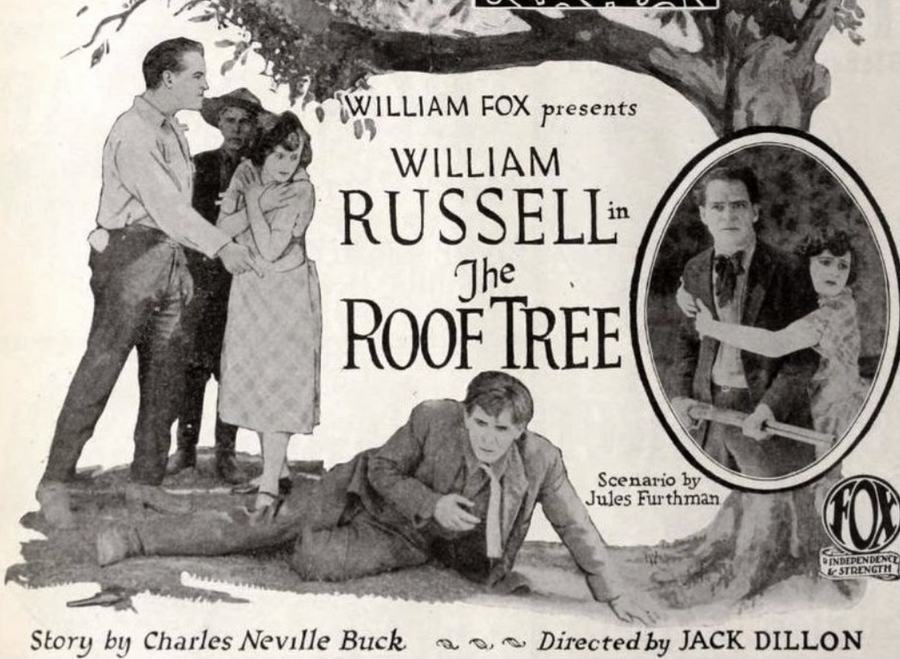
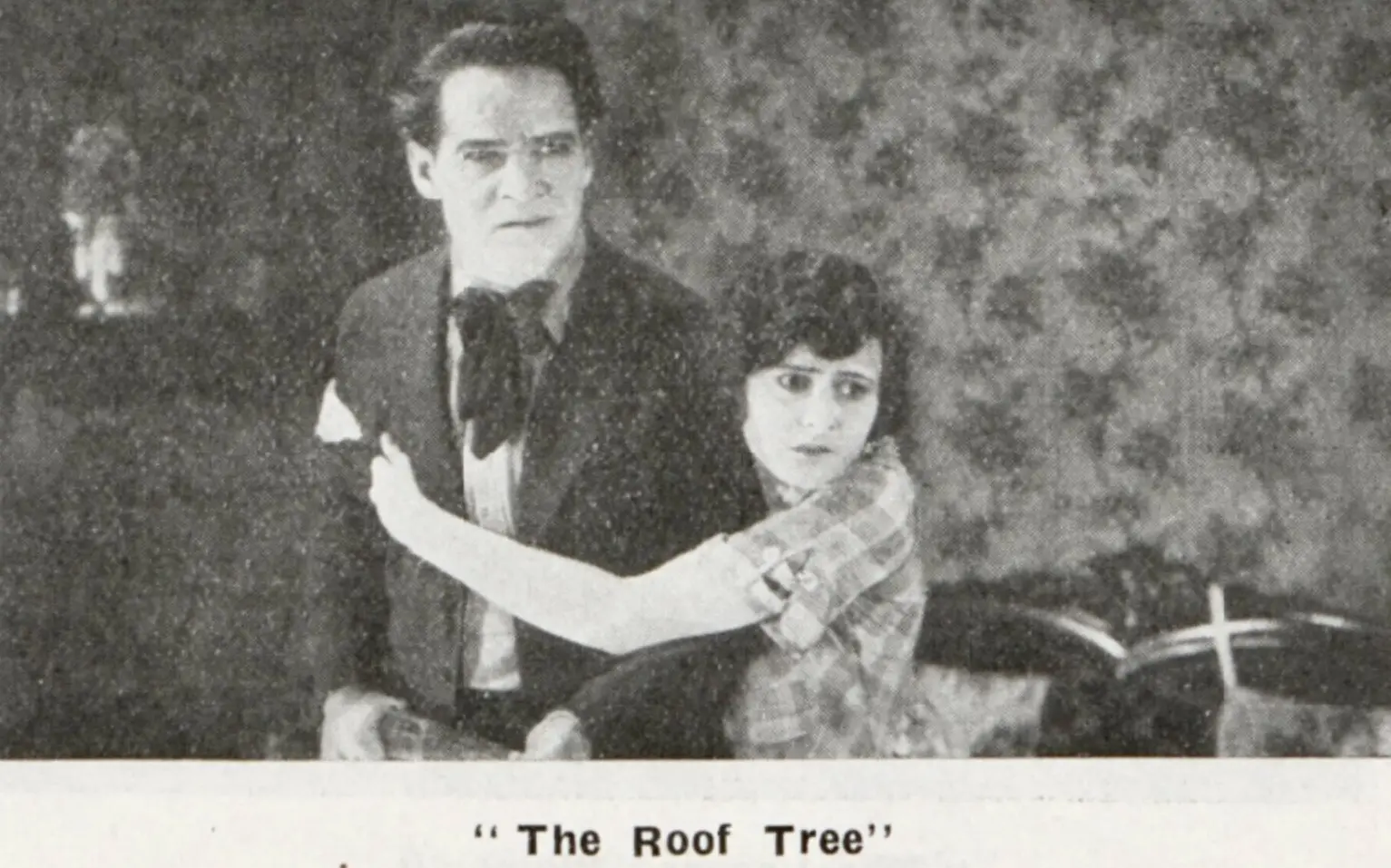
Dir: John Francis Dillon
When Sally McTurk's husband is murdered, her brother Ken Thornton goes into hiding and winds up in a small mountain community, using a phony name. He's taken in by a local family, the Harpers. A mutual attraction soon develops between Thornton and the family's daughter, Dorothy, but a local bully who has designs of his own on Dorothy sets out to have Ken killed. He survives the attempt, but his past comes back to haunt him.
View Details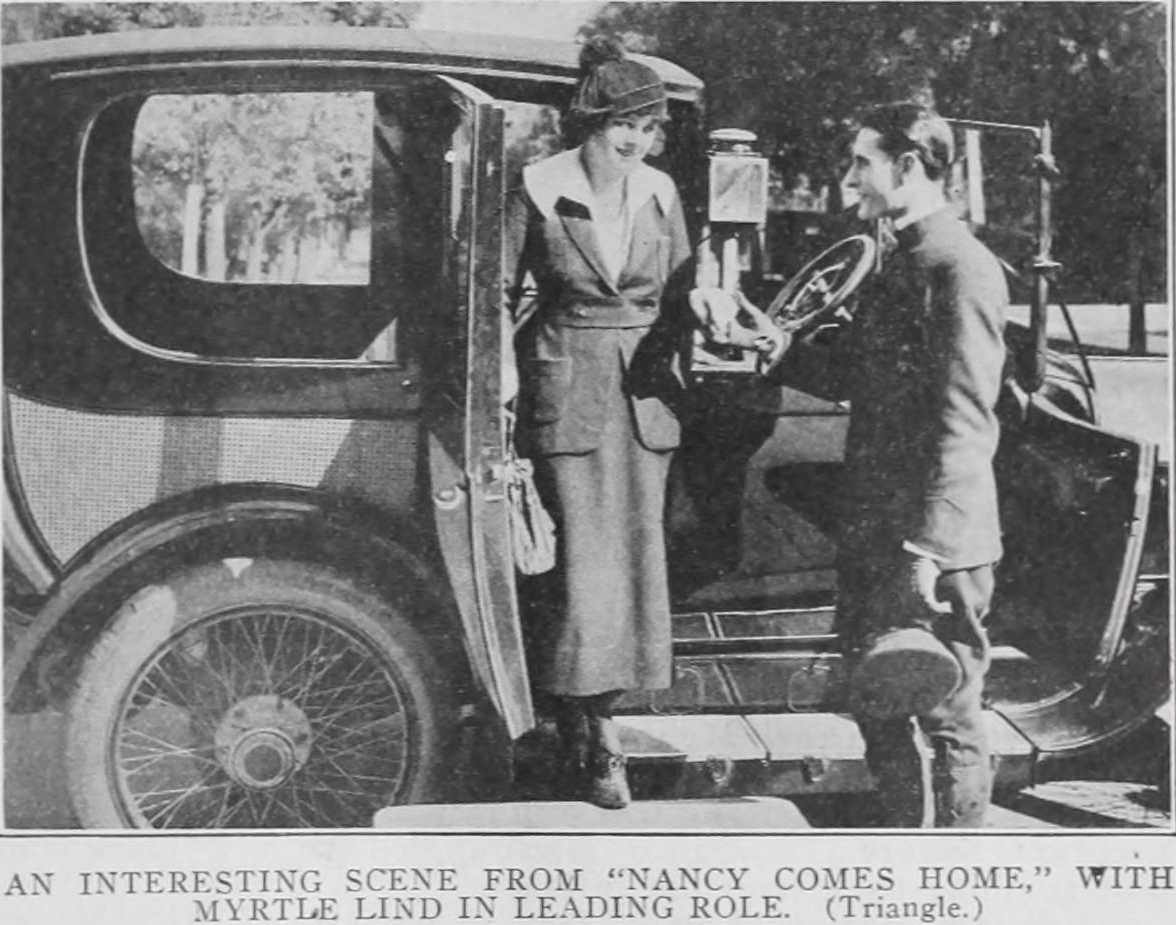
Dir: John Francis Dillon
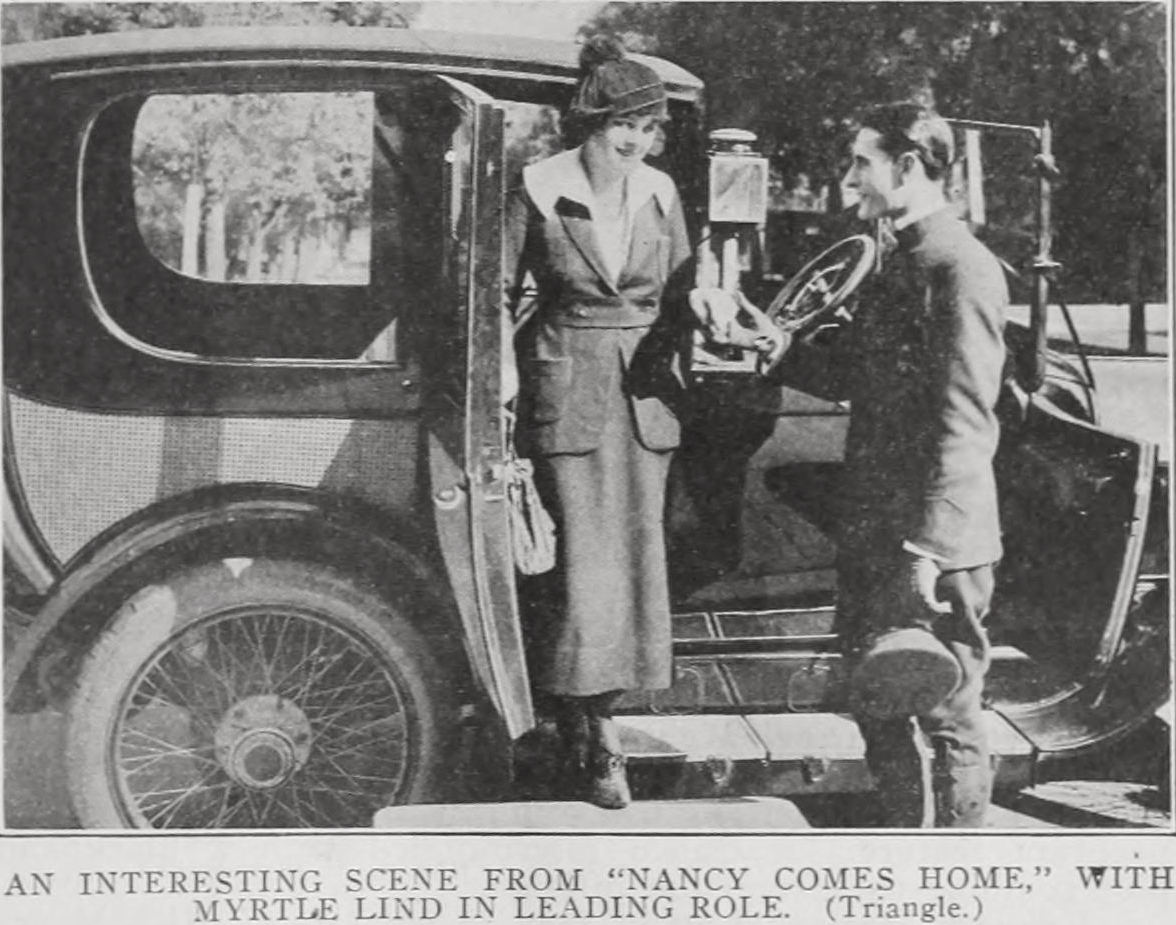
Nancy Worthing, who comes home from boarding school to find that her parents have no time for her, pawns some of her mother's jewels to buy the clothes necessary for entering society. She persuades her father's chauffeur, Phil Ballou, to take her to a notorious cabaret, where a shooting occurs. In the confusion, Phil is arrested as the assailant, and when Nancy's parents learn of the missing jewels, they bring further charges against him. At the trial, Phil reveals that he is the son of wealthy parents who simply wished to earn his own living, and Nancy clears his name by confessing all. Phil and Nancy, united by their ordeals, begin a romance.
View Details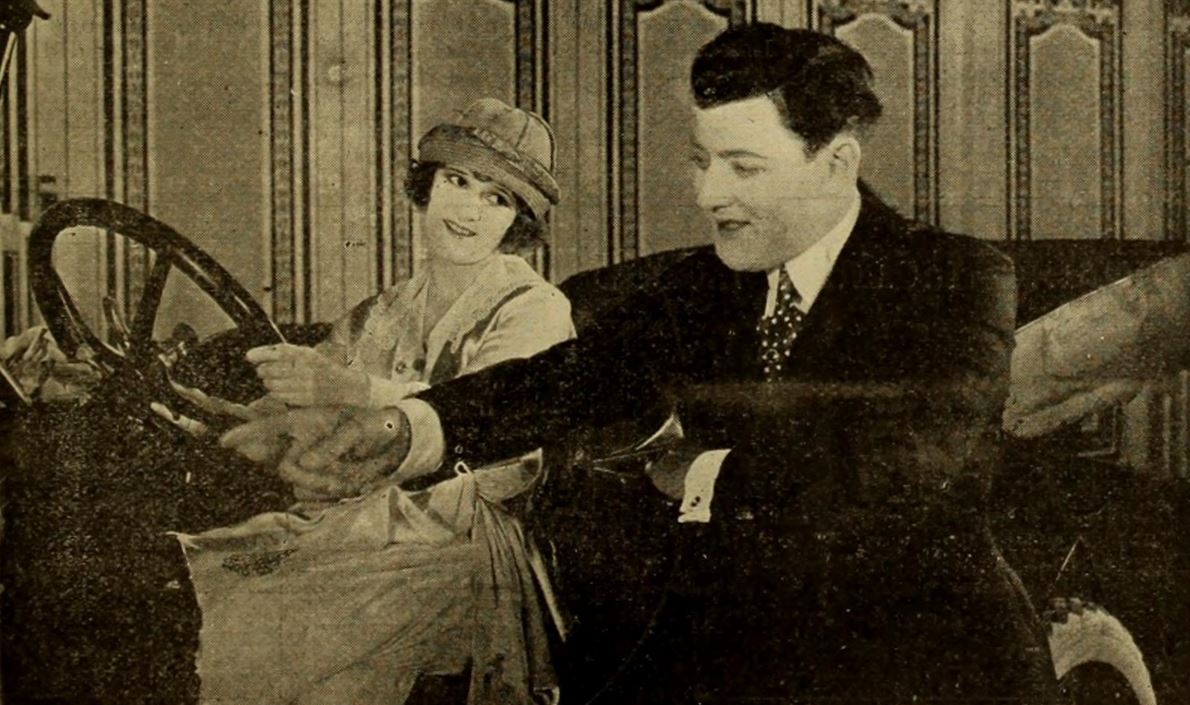
Dir: John Francis Dillon
Diana Rosson, a wealthy and beautiful woman, drives to her country home to escape the unwelcome attentions of her many suitors, particularly Trotwell, her guardian's favorite. Arriving in the middle of a raging storm, Diana rushes into the house only to be attacked by robbers. Passing by the house, Dick Webster hears her cries and rescues her, and the two quickly become friends. Diana falls in love with Dick, but his hatred of the rich prevents him from returning her affections. Anxious to win him, Diana tells Dick that she has a twin sister who insists on earning her own living. Dick agrees to deliver a message to the sister and promptly falls in love with the demure young woman, unaware that she actually is Diana. They marry, but when Horace Sciven falsely accuses Diana of stealing a violin, she is taken to the police station, where her husband discovers her true identity. Realizing that her deception was prompted by love, Dick forgives his young wife.
View Details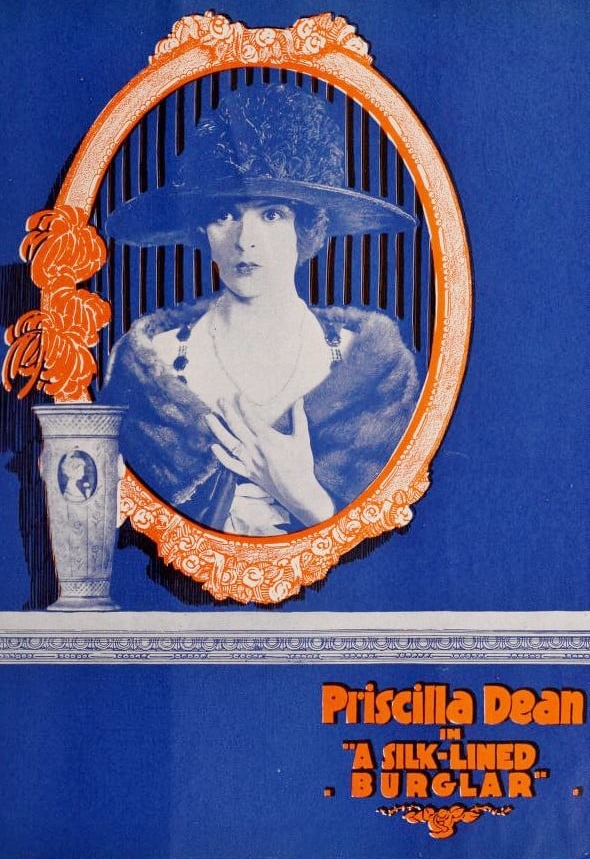
Dir: John Francis Dillon
Gentleman crook Boston Blackie answers a want ad for an expert safe cracker placed by Doris Macon, who claims a moral right to the safe's contents. She hires Blackie, and they break into the house where the safe is kept. Blackie blows up the safe just as owner Captain von Hoffmeier returns home. Doris disappears with papers from inside the safe, while Blackie takes phonograph records, which, when played with a special needle, reveal secrets that implicate von Hoffmeier as a German political spy. Doris is actually the girl friend of a secret service man who has followed them to the house. Blackie's talents are praised, and he goes to work for the government.
View Details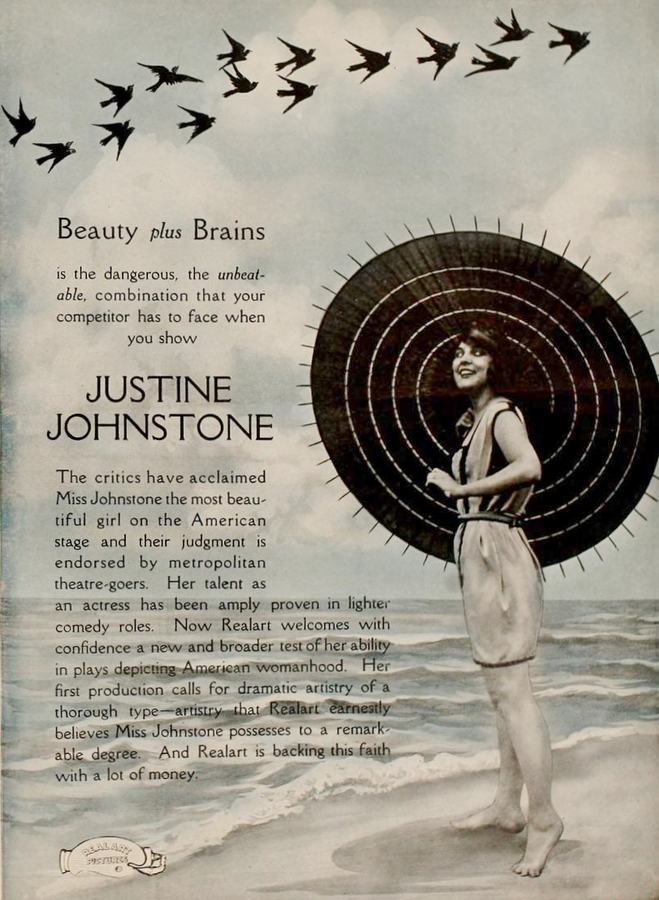
Dir: John Francis Dillon
Adventuress Leonie Sobatsky falls in love with a young man named Nevil Trask, and he with her. Trask doesn't know that Leonie is actually the head of an international smuggling ring--and Leonie doesn't know that Trask is an undercover Secret Service agent assigned to break up the ring and capture its head.
View Details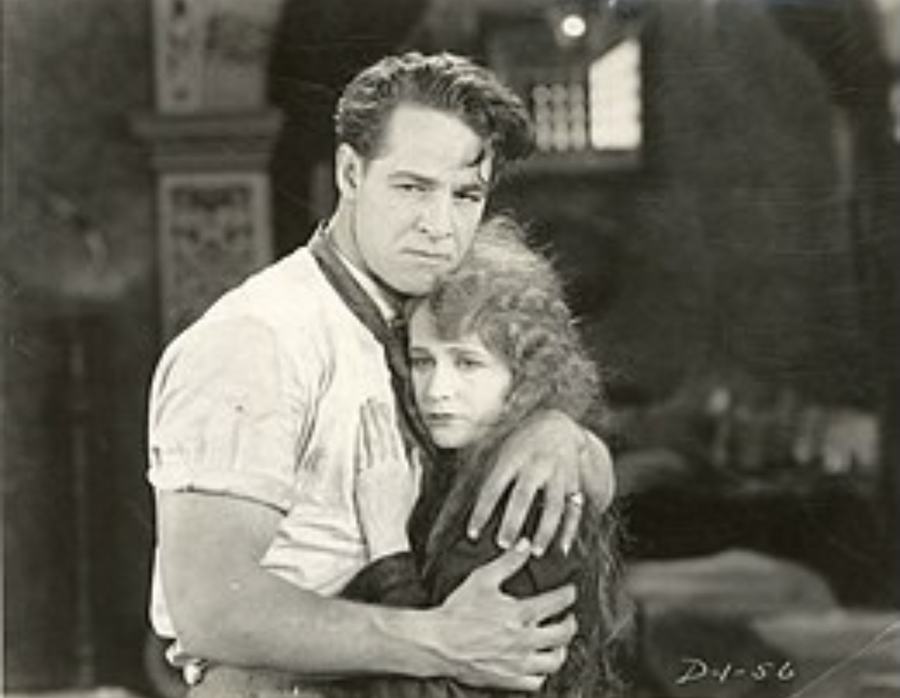
Dir: John Francis Dillon
Jerrold Jarvis Jones, a lowly shipping clerk, falls asleep on his office stool and has a dream: He is an aggressive, carefully groomed man of the world who welcomes adventure when an attractive girl addresses him as Tourvaine and takes him on an automobile ride. He is taken to a meeting of a secret criminal society known as "Children of the Night" and is mistaken for a new leader who was to arrive from abroad, a role he assumes until exposed. In a series of fights with the crooks, he rescues Sylvia (in real life a secretary in his office) and mingles in the world of high society. Awakening from his dream, he is fired with ambition and astonishes everyone by walking out with the stenographer.
View Details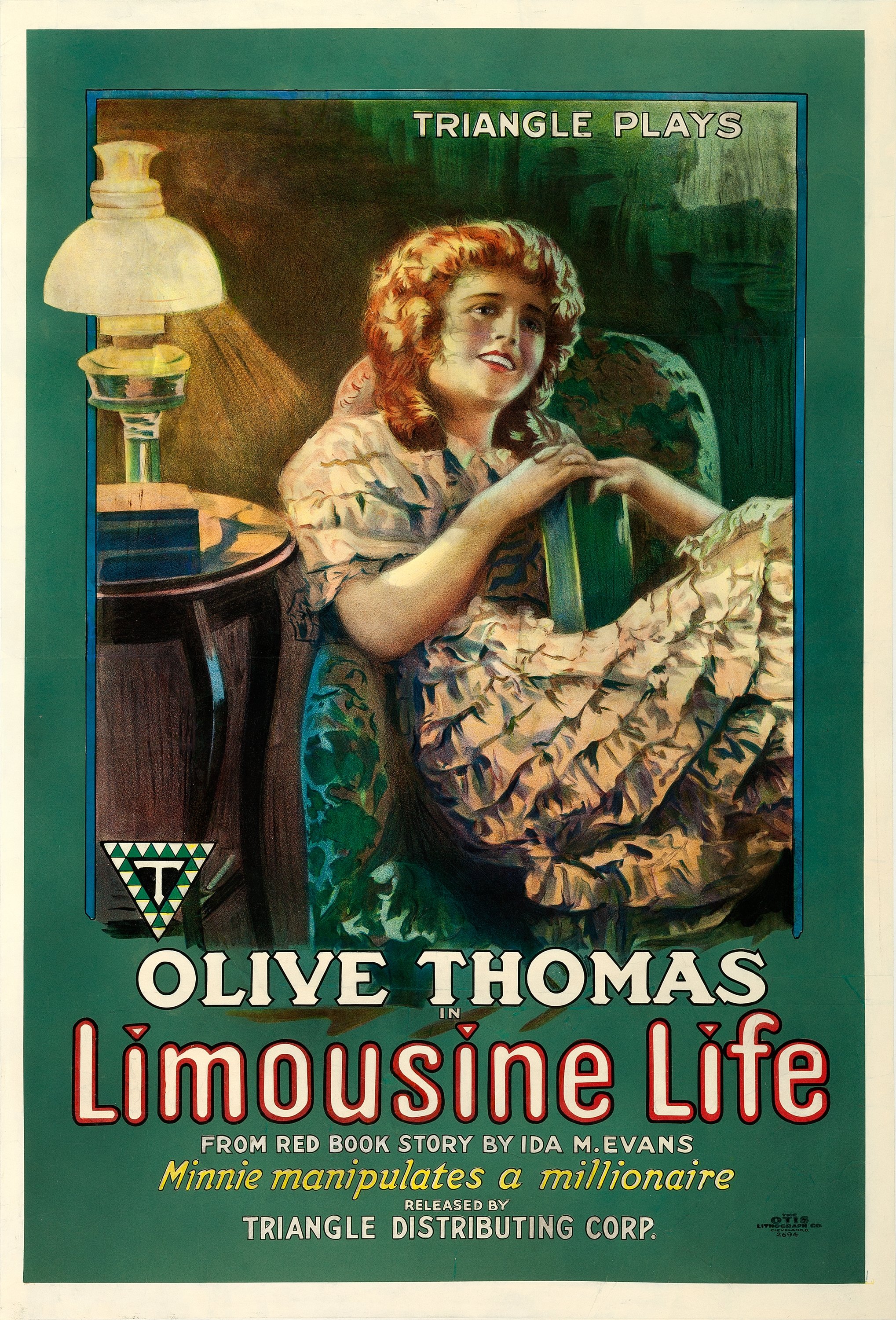
Dir: John Francis Dillon
An amusing satire on the simple village maiden who comes to the great city and falls a victim to its alluring temptations.
View Details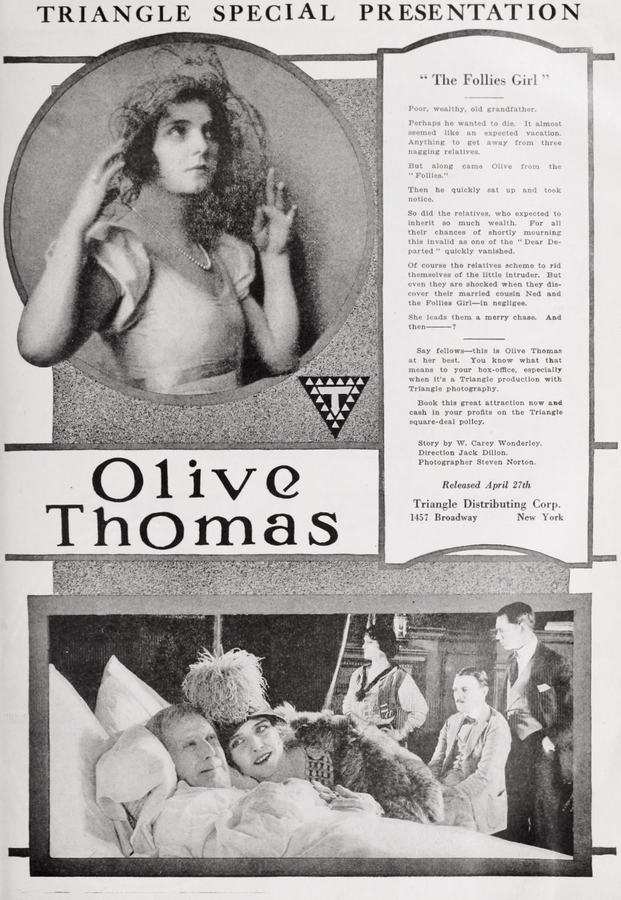
Dir: John Francis Dillon
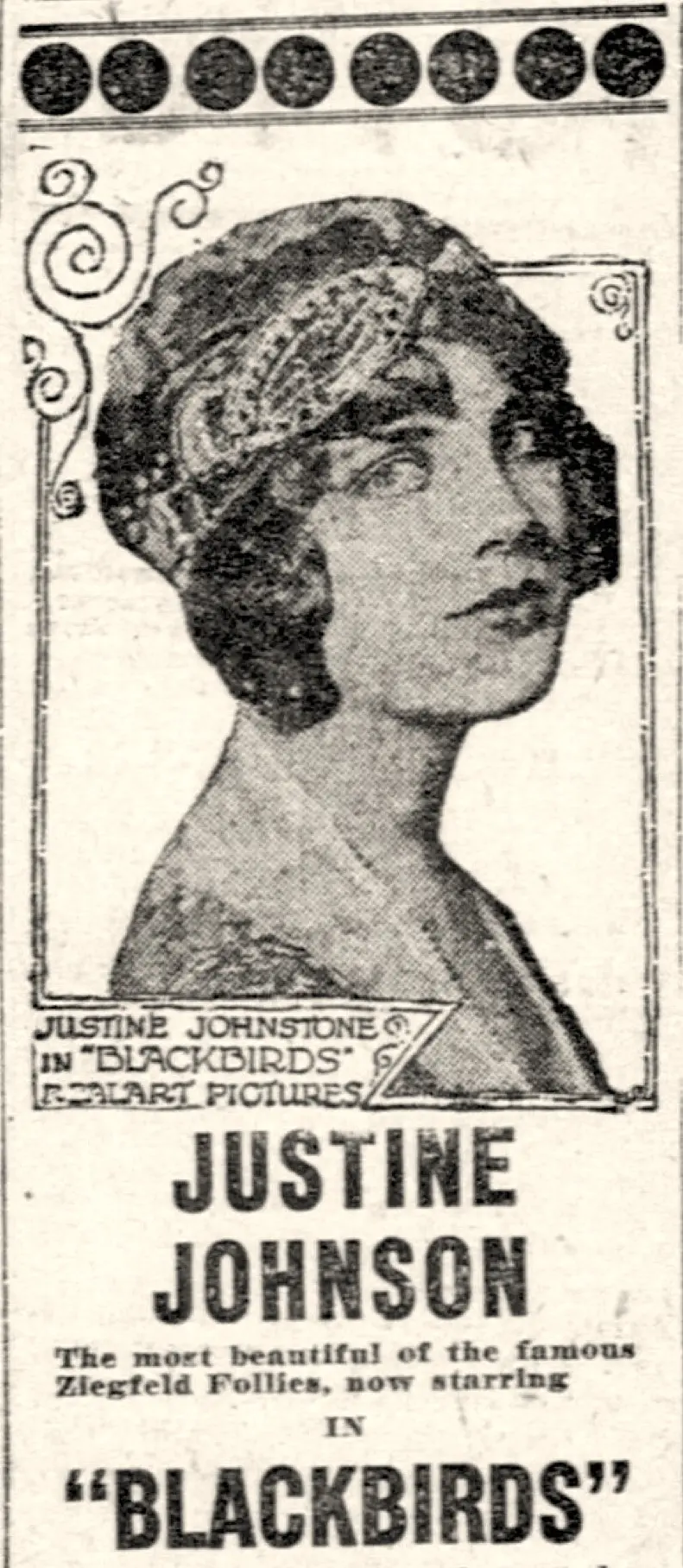
The relatives of dying Edward Woodruff, Nina Leffingwell, her brother Frederic, and her cousin Basil, whom she wants to marry, scheme to inherit Woodruff's wealth. Since Woodruff continually calls for an imagined granddaughter, the child of his daughter who died before they could patch up a quarrel which estranged them, Nina gets Doll, a Follies girl, to impersonate the granddaughter, try to endear herself to Woodruff, and thus inherit the money. Doll would then be paid off and the relatives would get the inheritance. When Doll's administrations cause Woodruff to recover, Nina sends for Woodruff's grandson Ned, whom he disowned for marrying beneath him, hoping that Ned will send Doll away. When Ned seems to fall in love with Doll, Nina tells Woodruff that Ned and Doll are secretly meeting in the estate lodge. Woodruff investigates and finds that Doll and Ned are married and have a baby boy. Delighted, Woodruff forgives Ned.
View Details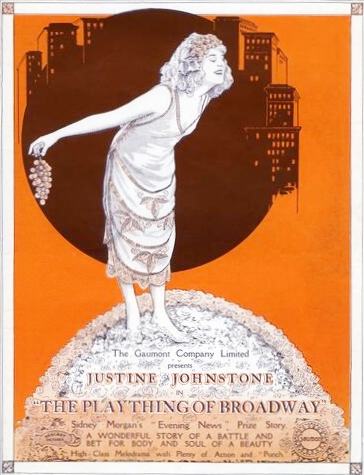
Dir: John Francis Dillon
A beautiful young girl, Lola, is a dancer at a private club for wealthy men in New York City. Some of the club members make a bet that Lola can't seduce a young doctor, Jennings. Her attempt fails, and in order to find out why she follows him around and discovers that he runs a clinic on the city's poor Lower East Side. She begins to see the young doctor in a new light, and sets out to help him build the emergency hospital he's always wanted.
View Details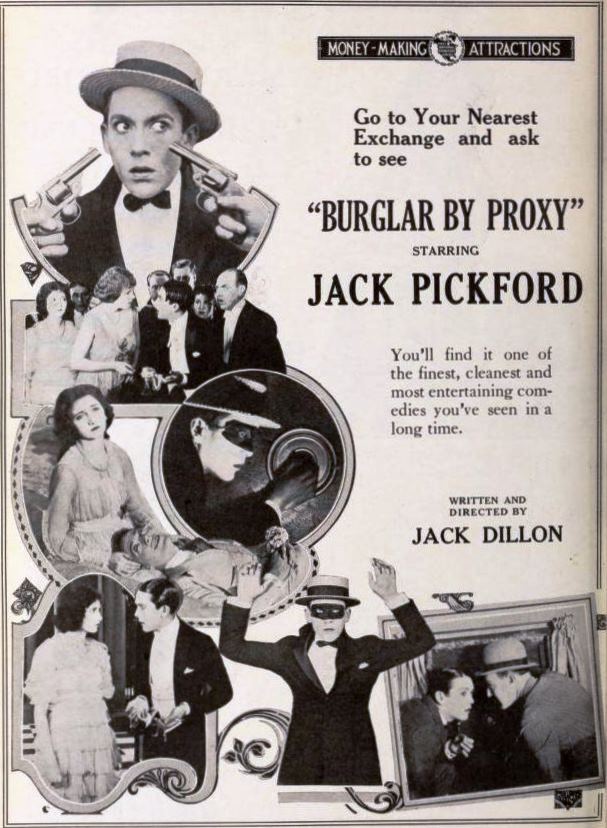
Dir: John Francis Dillon
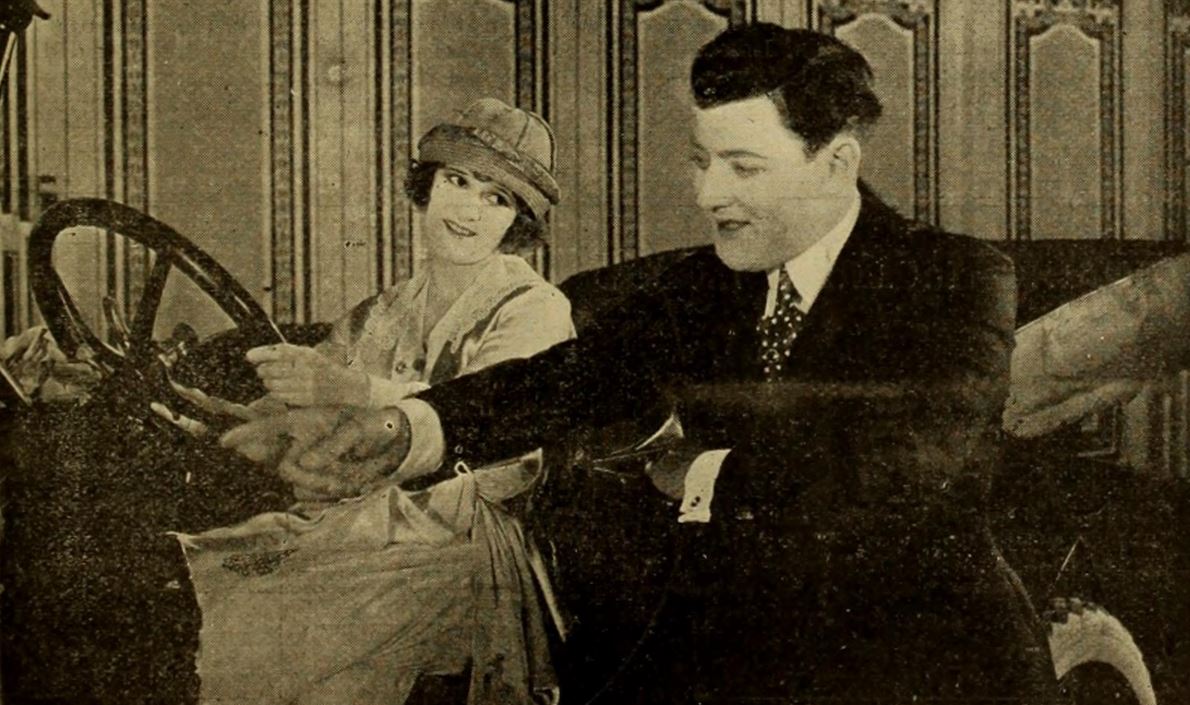
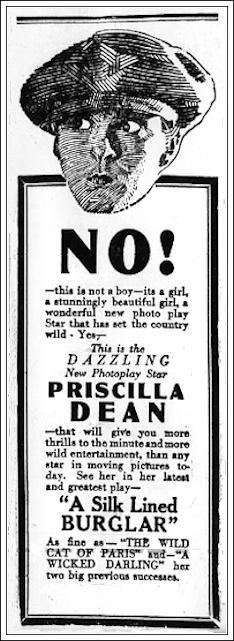
A terrible toothache causes Jack Robin to stop his automobile in front of the home of Dorothy Mason. Noticing a flat tire, Jack attaches his automatic pump and forgets about it as he listens enthralled to Dorothy's singing. When the sound of the burst tire brings Dorothy running out, Jack feigns injury so he can be nursed by her. After he leaves the house, and Dorothy's father discovers some important invention plans missing, Harlan Graves, Dorothy's suitor, suggests that Jack stole them. Jack, suspecting Graves, breaks into Graves' home to clear himself and meets a real burglar, "Spider" Kelly, who adopts Jack as his guide. They blow up a safe at a house party where Jack suspects the plans to be hidden. The papers are found, Graves is arrested and Spider, disappointed that Jack made such a mess in blowing the safe, goes off, leaving Dorothy and Jack happily alone.
View DetailsAnalysis relative to Beans
| Film Title | Atmosphere | Complexity | Similarity |
|---|---|---|---|
| The Roof Tree | Surreal | Dense | 91% Match |
| Nancy Comes Home | Ethereal | Dense | 89% Match |
| The Love Swindle | Gritty | Layered | 95% Match |
| The Silk-Lined Burglar | Gothic | High | 90% Match |
| Blackbirds | Gritty | Layered | 90% Match |
This guide was algorithmically generated using the cinematic metadata of John Francis Dillon's archive. Last updated: 6/15/2026.
Back to Beans Details →