
DbcultAccessing Vault...
Recommendations
Senior Film Conservator
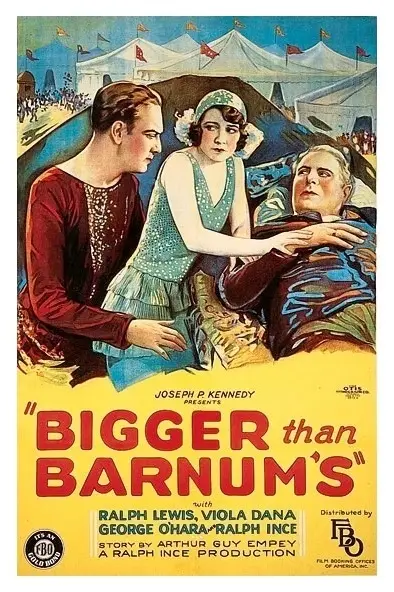
For cinephiles who admire the character-driven intensity within Bigger Than Barnum's, its lasting impact ensures that its spirit lives on in modern recommendations. Each of these movies shares a piece of the character-driven intensity that made Bigger Than Barnum's so special.
At its core, Bigger Than Barnum's is a study in to provoke thought and inspire awe in equal measure.
To enliven business, a circus manager orders a tightrope troupe, consisting of Peter Blandin, his son Robert, and Juanita Calles, to work without safety nets. When Peter becomes too ill to perform, his son refuses to take his place, not wishing to endanger the life of Juanita, with whom he is in love. The father performs in spite of his illness and is seriously injured by a fall; Robert, branded a coward, leaves and becomes a vagrant, while Carl Ravelle, an arrogant wire walker, takes Blandin's place and forces his attentions on Juanita. When Blandin's hotel catches on fire, Robert, breaking through the firelines, walks across a telegraph wire and rescues his father from the burning building, thus proving his courage and winning the respect and love of Juanita.
Bigger Than Barnum's was a significant production in United States, showcasing the immense talent of William Knight, George O'Hara, Viola Dana. It continues to be a top recommendation for anyone studying Drama history.
Based on the unique character-driven intensity of Bigger Than Barnum's, our vault has identified these titles as the most compelling follow-up experiences for fans of Drama cinema:
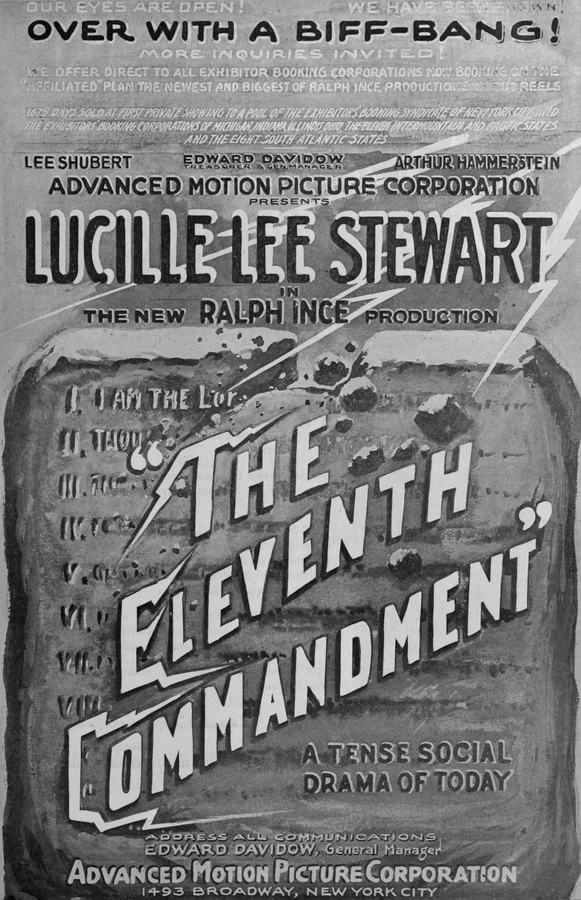
Dir: Ralph Ince
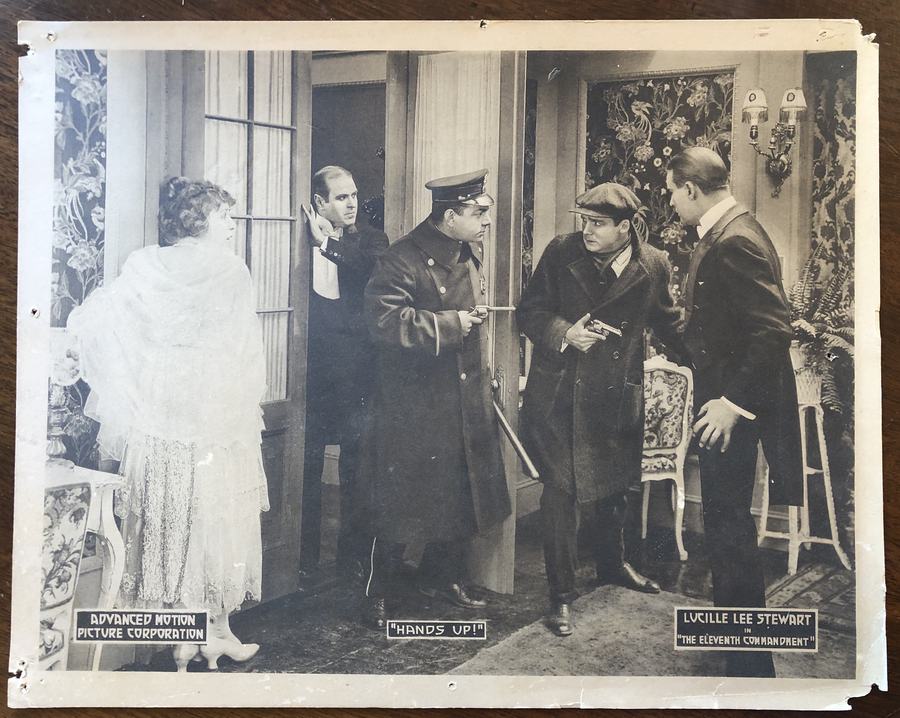
Dora Chester violates the Eleventh Commandment -- "Thou Shalt Marry None but the Man Thou Lovest" -- when she rejects her sweetheart, Robert Stanton, and becomes engaged to the wealthy Kenneth Royce. Royce is actually a stock gambler, and after he goes broke, he forces Dora to give him a sum of money that has been placed in her charge by her employer. Royce loses the money and runs away, but Dora refuses to implicate him in the crime and is sent to prison for a year. After her release, Dora meets and marries Robert, who knows nothing of the affair, but when Royce appears and threatens to blackmail her, she confesses everything. A policeman arrives and shoots Royce, who exonerates Dora just before his death.
View Details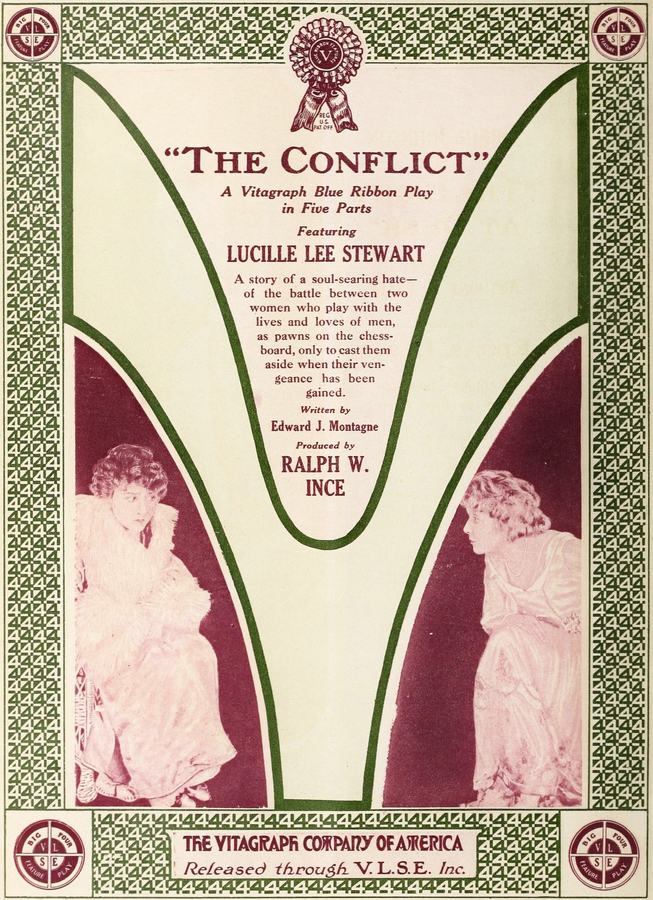
Dir: Ralph Ince
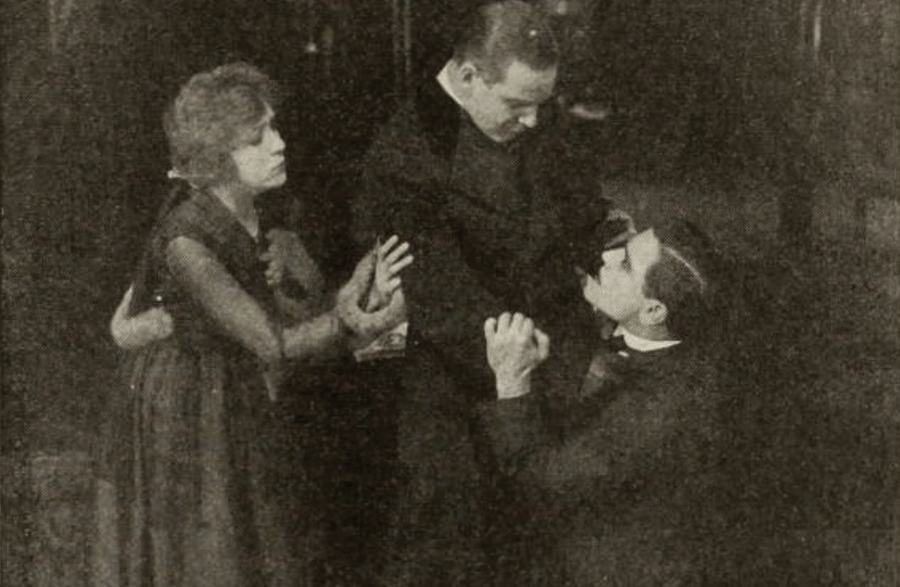
Two women crave the love of the same man; one is pretty, proud, spirited, and poor; she offers him love. The other is equally pretty, proud, and spirited, but rich; she offers him everything money can buy. The rich one wins. This was not really the beginning of the rivalry of Madeleine and Jeanette; they had had petty differences in their home town when Madeleine, the poor girl, had refused to bend the knee to the other. But with this victory in love is born a new hatred, which Jeanette proceeds to intensify by having the other girl's father discharged from his position, thus forcing her to leave school and work for sustenance. Madeleine goes on the stage, and years later she is a popular actress. Jeanette, meanwhile, has discarded Paul, in favor of Henry Mortimer, a rising young lawyer to whom she has become attached. Mortimer becomes enamored of Madeleine, who considers him just another of her army of admirers and leads him on as is her custom. Jeanette sees that her rival is trifling with the affections of the man she loves. She goes to Madeleine and beseeches her to send him away or she will ruin two lives. Madeleine consents to her request, but then comes recognition all the old hatred returns. She retracts her promise and determines to marry Henry, though she does not love him, to strike at the heart of the woman who had caused her so much pain. After the marriage she is cold to the affection he showers upon her. Then her path crosses Paul's once more and her old love for him is rekindled. Henry learns of their association and orders Paul never to enter his house again. A new love is born in Madeleine's breast, the love for her husband. But there is a wide breach between them now caused by her associations with Paul and her gambling habits of which Henry disapproves. He refuses to pay her debts. When Paul calls on Madeleine for a loan, she refuses him and he rifles Henry's safe. That night, Henry notices the deficit and thinking his wife has taken the money to pay her debts, he accuses her of theft and leaves her. Rumors come to his ears that Paul is with his wife, and placing a revolver in his pocket, he starts for the house, intent on settling the affair. Paul, meanwhile, is trying, with small success, to regain Madeleine's love. When his attentions begin to get offensive, she threatens him with a revolver to keep his distance. Under the influence of liquor, Paul advances toward her, and stumbles over a chair, bruising his head. Madeleine rushes out to the kitchen to get some water, and, while there she hears a shot and returns to find Paul dead and Henry standing over the body. Each believes the other guilty and takes the responsibility for the crime. Henry is taken into custody; Madeleine's story is not believed. At the trial Henry is saved from dying for another's crime when Jeanette breaks down and confesses that she had been hiding in Madeleine's room on the day of the murder, and when the latter had gone for water she had grasped the opportunity to shoot Paul who, she said, had been planning to tell the truth in regard to the robbery. Knowing that this would bring about a reconciliation between Henry and his wife and that she would never be able to win his love, she had shot Paul and is now willing to suffer for her crime. Out of sorrow and suffering, come faith and love forged anew for Henry and Madeleine.
View Details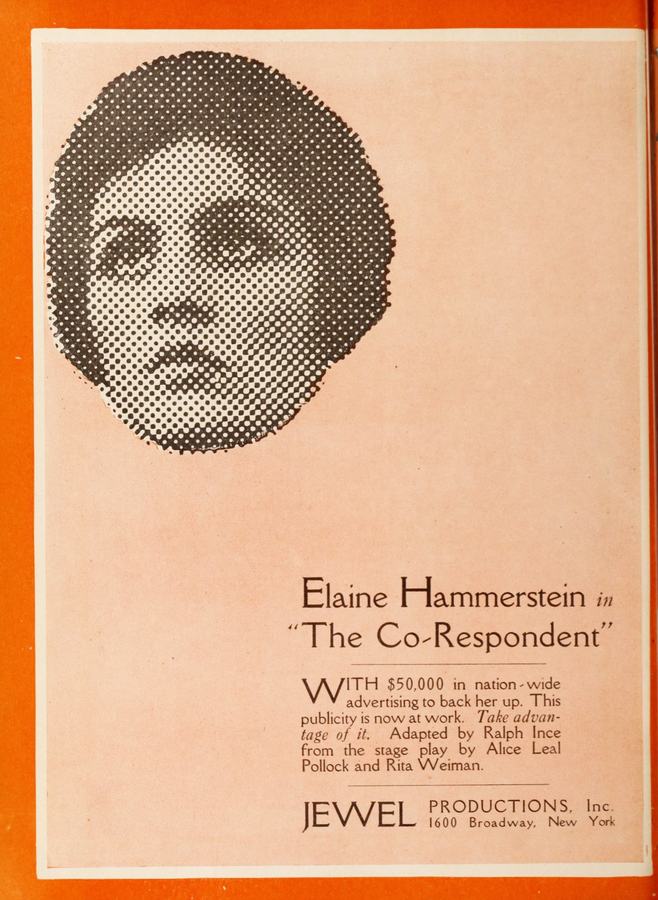
Dir: Ralph Ince
Ann Gray annoys her narrow-minded New England aunt by writing stories on an old typewriter her father left her, and selling them to the "New York Ledger." Longing for attractions available only outside her small town, Ann elopes with visiting dissolute multi-millionaire Howard Van Kreel, who identifies himself as Robert Gordon, but she leaves when detectives from his wife interrupt their mock marriage ceremony. In New York, Ann distinguishes herself as a reporter for the "Ledger" and falls in love with managing editor Richard Manning. After the paper publishes a rumor about the Van Kreels' approaching divorce suit involving an unnamed co-respondent, Van Kreel threatens to sue for libel and ruin Manning's career unless the co-respondent is named. Manning sends Ann to investigate, and she discovers that she is the co-respondent. After some deliberation, Ann tells Manning the truth. Although he does not want to print the story, Ann, who reminds him of his record of publishing the truth, writes it. After Manning thrashes Van Kreel and makes him apologize to Ann, Manning has his assistant prepare an announcement of his upcoming marriage to Ann.
View Details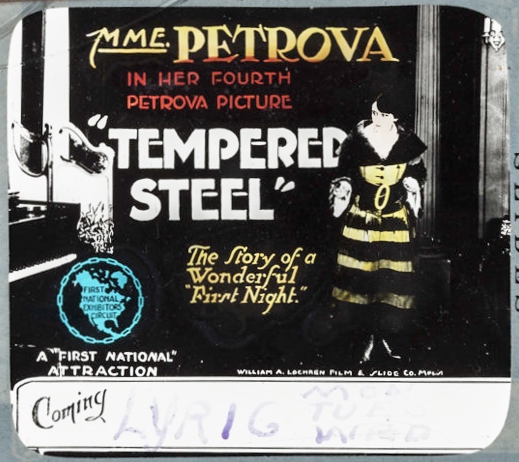
Dir: Ralph Ince
Lucille Caruthers travels from her home in the South to New York, hoping for a career on the stage. She is aided in her dream by the theatre star Serge Ratakin, and she becomes a star in her own right. But Ratakin is jealous and possessive and attempts to sabotage her. After a violent conflict with Ratakin, Lucille believes she has killed him. But has she?
View Details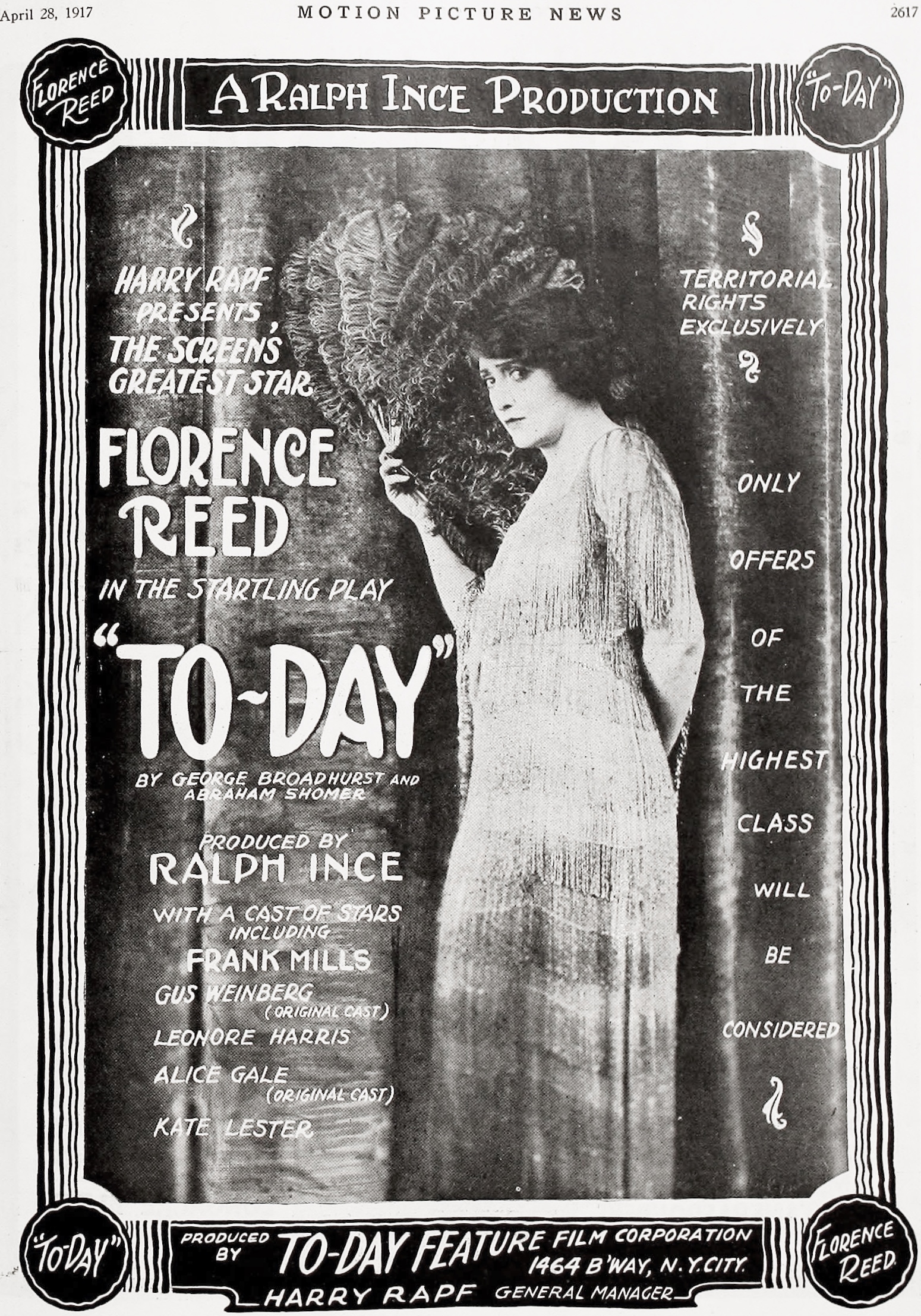
Dir: Ralph Ince
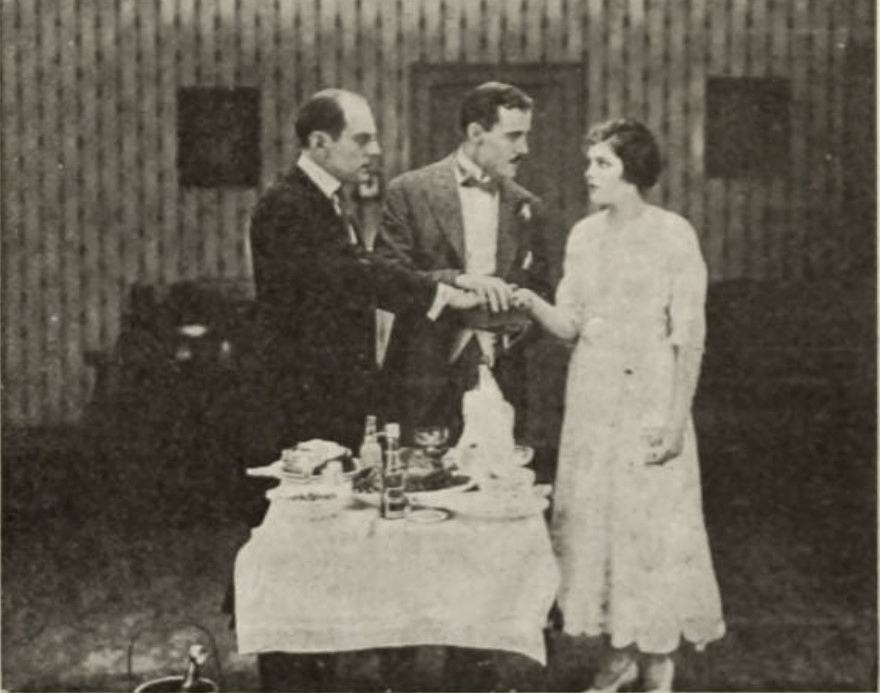
When her husband Fred goes bankrupt, Lily Morton is forced to give up the trappings of wealth and move into a humble home while Fred attempts to fight his way back to prosperity. Resentful of her modest circumstances, Lily accepts her friend Marion Garland's offer to introduce her to Mrs. Farington, a woman who will pay handsomely for Lily's escort services. Lily goes to work for Mrs. Farington while her unsuspecting husband struggles to regain his former wealth. While managing an apartment house for one of his wealthy clients, Fred visits Mrs. Farington, a tenant, and, noticing a framed picture of Lily, asks to be introduced to the girl. Mrs. Farington arranges the rendezvous, and when Lily arrives, she is confronted by her enraged husband who chokes her to death. At this moment, Lily awakens from her nightmare, and chastened for her superficiality, begs Fred for forgiveness.
View Details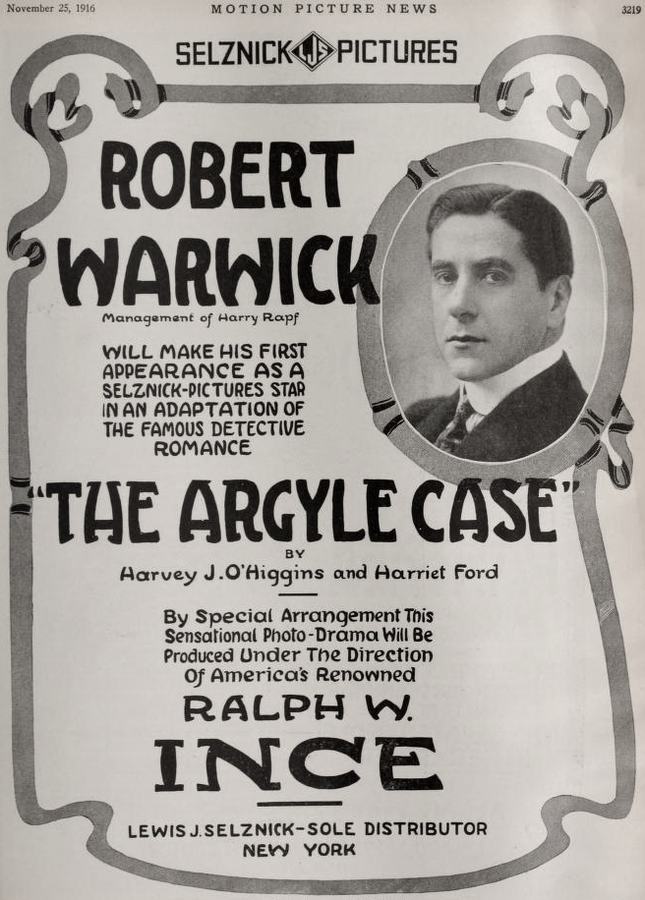
Dir: Ralph Ince
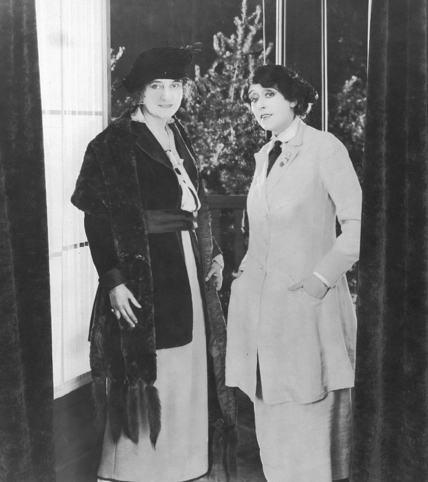
The story is that of the mysterious murder of John Argyle, a multi-millionaire, in the library of his home. Circumstances point toward Argyle's adopted daughter Mary, who is the beneficiary under his will, Argyle having quarreled with his son Bruce. Just as the case begins to look black for Mary, Asche Kayton, a great private detective, is called in by Bruce and takes hold of the investigation. His methods are scientific and swift and the trail leads to a den of counterfeiters, where, by use of the dictograph and other modern devices, the real murderer is run to his lair. Kayton falls in love with Mary, who is finally vindicated. Kayton's reward is the girl.
View Details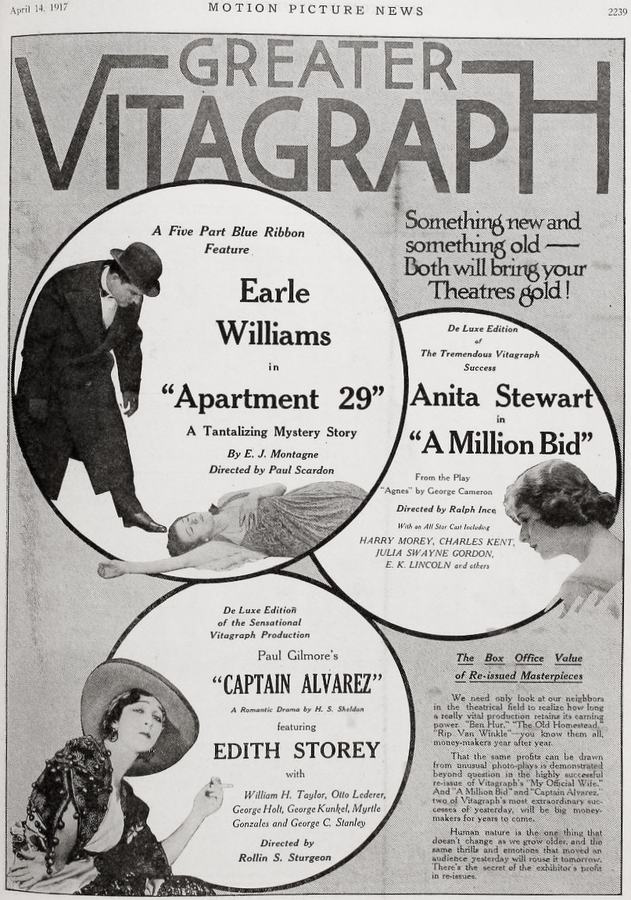
Dir: Ralph Ince
The story concerns a mercenary and managing mother and her daughter, Agnes. The young lady loves a youthful doctor, but a match is frustrated by the mother, who seeks to marry the daughter to the highest bidder. The mother's extravagance ruins the father, who, being in ill health, succumbs to heart failure. With poverty staring them in the face, the mother takes Agnes abroad, finally forcing her into a marriage with an Australian millionaire. To do so, the mother intercepts all letters between Agnes and the young doctor, with the result that each feels that the other has ceased to care. The millionaire and his young wife, while on their honeymoon on his yacht, are shipwrecked. He is dealt a terrible blow on the head, and it completely destroys his memory. The young wife is saved and returns to America, while her husband is picked up by a French fisherman. His memory gone, he does not recall his previous existence in America. Agnes and the doctor renew their love affair and finally marry, excellent proof having been furnished that her former husband had drowned in the shipwreck. There is no opposition to the marriage now, as the mother also had perished in the catastrophe. Five years later, the young doctor has become a famous brain specialist. To him, Agnes' former husband comes for an operation in the hope of restoring his lost memory. The two men, never having met, fail to learn they are both married to the same woman. She discovers it, however, and with her happiness at stake, does not tell her surgeon-husband the truth, but attempts to dissuade him from operating on her first husband, fearful that the operation will prove successful and her first husband regain his lost memory and recognize her as his wife. The humanity in the surgeon surmounts his wife's pleas, but the patient fails to withstand the operation and Agnes' happiness is assured, despite the terrible situations which confronted her.
View Details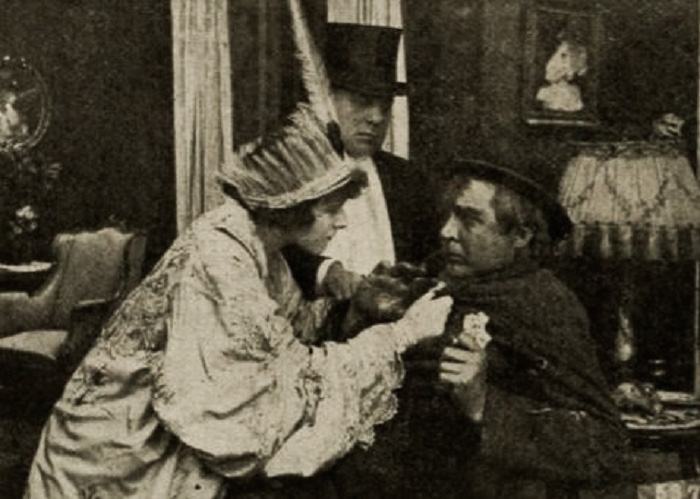
Dir: Ralph Ince
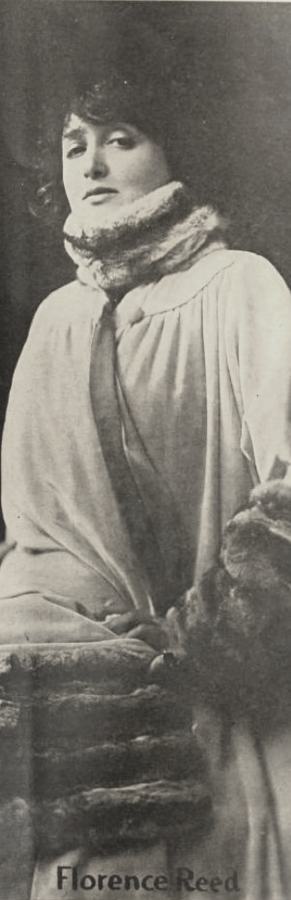
By one of those strange mistakes of nature, a child is born to Elois, an actress. The advent of the child, Yvette. arouses in Elois the one fine trait in her nature, a tremendous mother-love. To keep the child clean and to protect it from the influence of her life and that of its dissolute father, becomes the one passion of her soul. The moment comes when it is borne upon her forcibly that the child must be sent away. She sends Yvette to a fashionable boarding school, instilling in the child's mind that she is a lady and the daughter of a wealthy widow, travelling extensively. From her life at boarding school, Yvette dreads her visits home where she has to suffer the passionate, suffocating embrace and dreary companionship of a perfumed woman, her mother. On one of these visits she meets her father, under conditions so strange that she was gradually led to believe they were dreams, as her mother said, and the scar her mother carried across her eye, came to her in a fall. Her schooling over, Yvette, on the threshold of the world, returns home. Her mother leaves her alone the first night and her father, deep in his cups, pays her a visit and, in his maudlin drunkenness, discloses the fact that her mother is an actress. Yvette, unbelieving, rushes to the theater, and from a seat in the balcony, sees her posing in the semi-nude. The veneer that has been added to Yvette in years of training, lays bare the coarse, primal grain. Without letting her mother know, she becomes a burlesque queen. Her mother returns one night to find her husband there and her daughter missing. In the midst of a terrific scene, in which she tries to make him tell where the girl is, Yvette enters, now a member of the painted world. The mother realizes that her daughter is gone, and does the inevitable, saves the girl's soul at the cost of her body; lays a double crime to the man who has caused all her misery, and the tragedy ends in his being cornered, powerless to explain.
View Details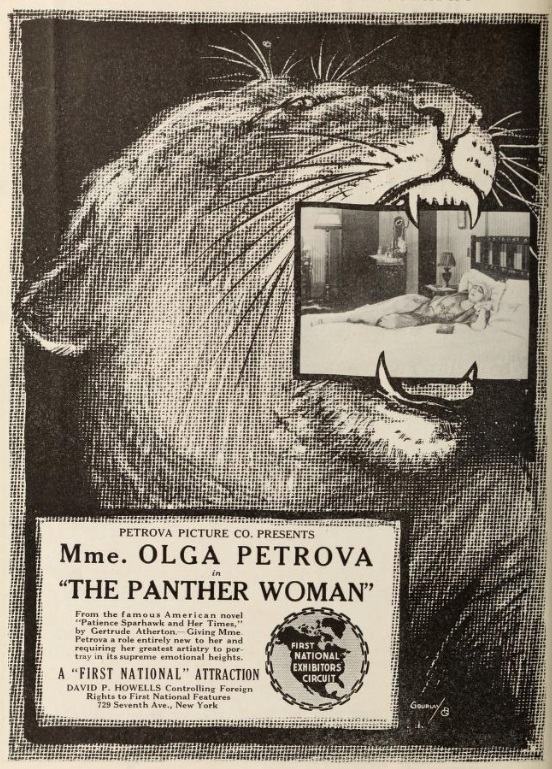
Dir: Ralph Ince
Following his wife's death, John Sparhawk takes his daughter Patience out West to a small mining town, where he meets and marries a dance hall girl. Patience's stepmother attempts to force the beautiful young woman to work in the dance hall, but on the advice of visiting criminal lawyer Garon Bourke, Patience refuses and returns to the East. Eventually she marries Beverly Peale, and when he is found poisoned, Patience is arrested for murder and sentenced to die. Through Garon's efforts, however, Patience ultimately escapes the electric chair.
View Details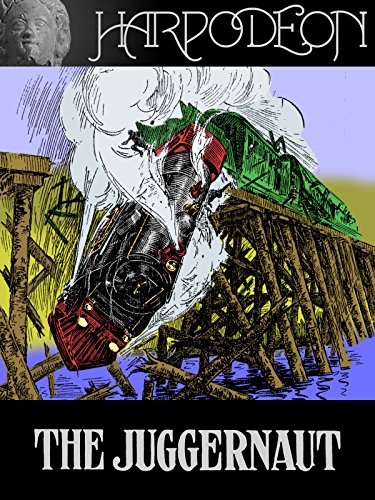
Dir: Ralph Ince
This silent film presents drama to prevent a train from falling from a damaged railroad bridge.
View DetailsAnalysis relative to Bigger Than Barnum's
| Film Title | Atmosphere | Complexity | Similarity |
|---|---|---|---|
| The Eleventh Commandment | Ethereal | Linear | 97% Match |
| The Conflict | Tense | Dense | 88% Match |
| The Co-respondent | Tense | Dense | 89% Match |
| Tempered Steel | Ethereal | High | 98% Match |
| To-Day | Surreal | Abstract | 92% Match |
This guide was algorithmically generated using the cinematic metadata of Ralph Ince's archive. Last updated: 6/24/2026.
Back to Bigger Than Barnum's Details →