
DbcultAccessing Vault...
Recommendations
Senior Film Conservator

For cinephiles who admire the cult status within Blue Grass, its lasting impact ensures that its spirit lives on in modern recommendations. Each of these movies shares a piece of the cult status that made Blue Grass so special.
At its core, Blue Grass is a study in to provoke thought and inspire awe in equal measure.
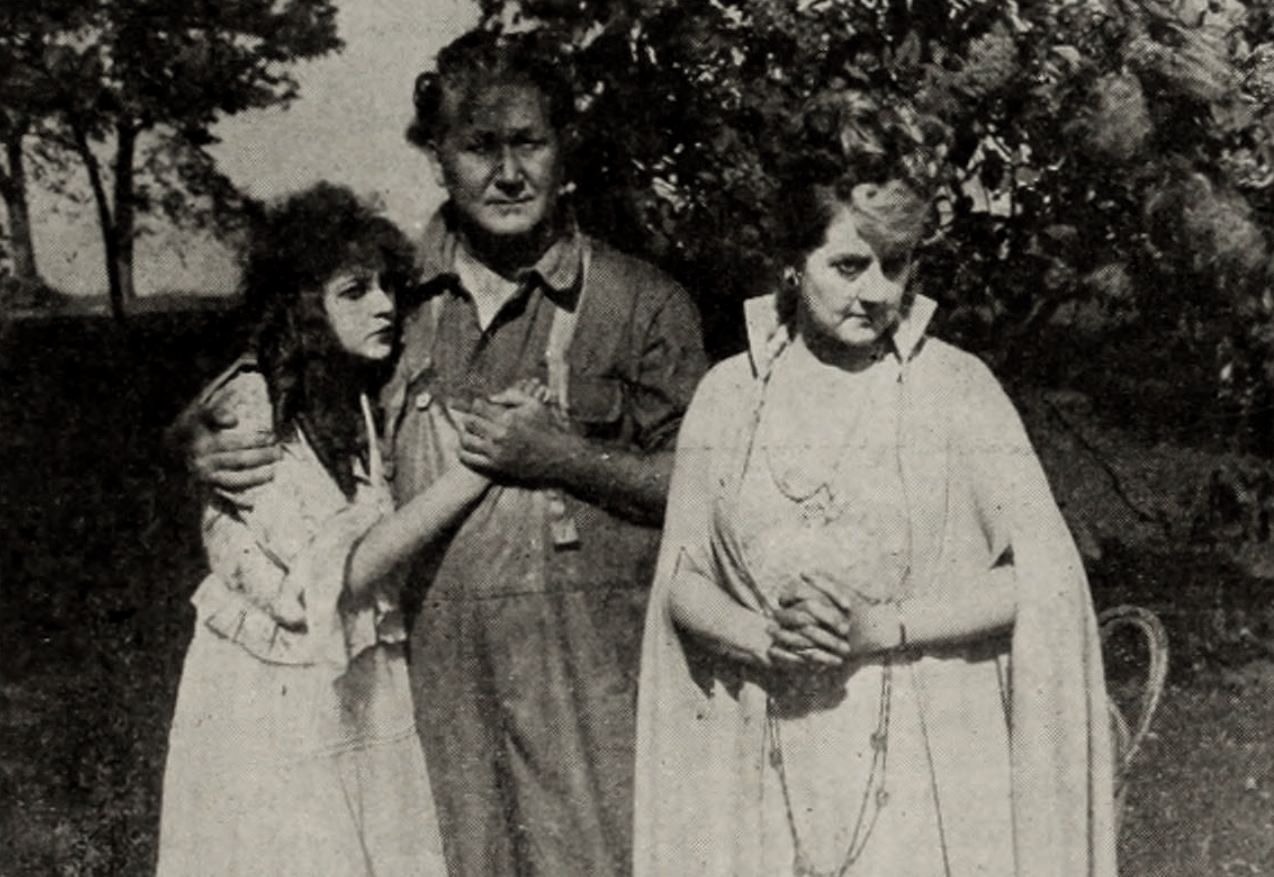
At a race, My Lady, a horse belonging to Colonel Taylor, wins, but is injured so seriously that she will be unable to run again. Wilfred Warren wagers a large sum on the mare, but is cheated out of his winnings by Kelley, an unscrupulous character of the track. The next year, Colonel Taylor, being in straitened circumstances, breeds My Lady, and Blue Grass, a striking colt, is born. Another year and the Colonel starts to break and train Blue Grass. Another colt is born. Finances become tighter. In the meantime Warren meets Virginia, the Colonel's daughter, a love affair resulting. The Colonel, compelled to sacrifice the second colt, sends his son, Morgan, who, forced to accept a much smaller sum than expected, stakes the money on a "sure tip" and loses. In his anger the Colonel casts him off, ordering him out of the house. Kelley, in an effort to buy My Lady, meets Virginia and determines to get her, as he determines to get the mare. Just before the race in which Blue Grass is entered, the Colonel, badly in need of money, sells the mare to Kelley upon the latter's promise to sell her back, in the event of Blue Grass winning the race. The Colonel uses the money received for a side bet on his horse, and Kelley frames the race against him. Morgan, now Kelley's cashier, meets Warren, who. on learning Morgan's identity, brings about a meeting between him and Virginia, and caught red-handed by the Colonel, is forbidden to see Virginia again. On learning Kelley's intentions, Morgan quits Kelley. In the race, Blue Grass is left flat-footed by the bribed starter, but starts after the rest and wins. Warren, learning of Kelley's plot to steal My Lady, evens up old scores, bringing about a reconciliation and all ends as it should.
Based on the unique cult status of Blue Grass, our vault has identified these titles as the most compelling follow-up experiences for fans of cult cinema:
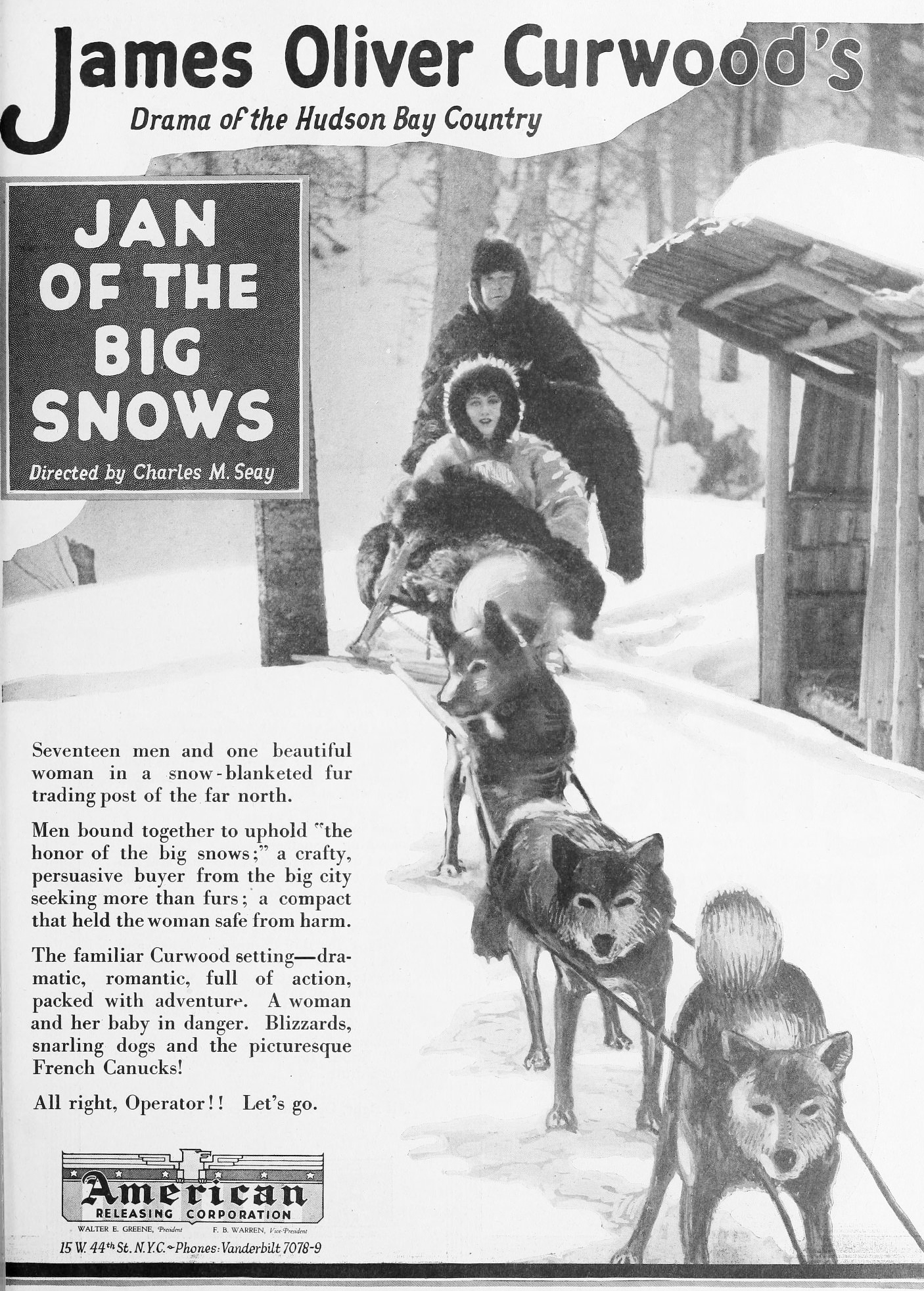
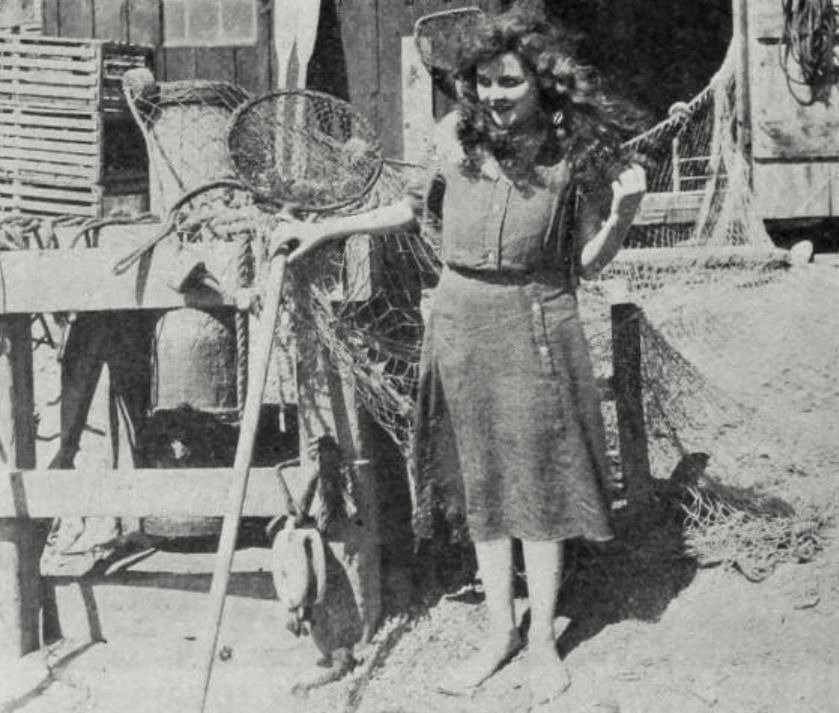
Dir: Charles M. Seay
Margot, the motherless daughter of a New England fisherman, reads society magazines and dreams of a better life. She falls in love with a photograph of Jack Rutledge, a wealthy heir residing on the other side of the cove. For rescuing her from a burning launch, Jack's mother takes in Margot, a situation that provokes the jealousy of Jack's sister Adele. Enamored of the guileless Margot, Jack proposes marriage, but Mrs. Rutledge intervenes, forcing her son to court a woman of equal social standing. Dejected, Margot begs to go home, but her father insists that because her mother was of high birth, she is worthy of Jack's attentions. Margot learns of Adele's affair with a married man, Alexander Gibson, and warns her against continuing the romance. Believing Margot to be interested in Gibson herself, Adele flies into a jealous rage, and the lover is accidentally shot in the struggle. Margot is accused of the murder and nobly accepts the guilty verdict, but Adele finally vindicates her and she is able to marry Jack.
Dir: Charles M. Seay
Fred Cummings brings his young wife to an isolated northern trading post on the Hudson Bay, where she becomes the idol of the 17 inhabitants. She is particularly idolized by Jan Allaire, a young man inexperienced with women, who sees in Nancy the girl of his dreams. Blanding, a New York fur trader, arrives at the post, and his advances toward Nancy are noticed by Jan and his friends. According to their code of honor, they swear to protect her against Blanding. Nancy's husband disappears while on a trapping mission, and Jan discovers his frozen body but tells Nancy he is only injured. Blanding attempts an attack upon Nancy but is thrashed and sent from the post by Jan and his friends. Forcing the truth from Jan, Nancy takes her child and returns to the United States, but Jan remains hopeful that someday she will return to him.
Dir: Charles M. Seay
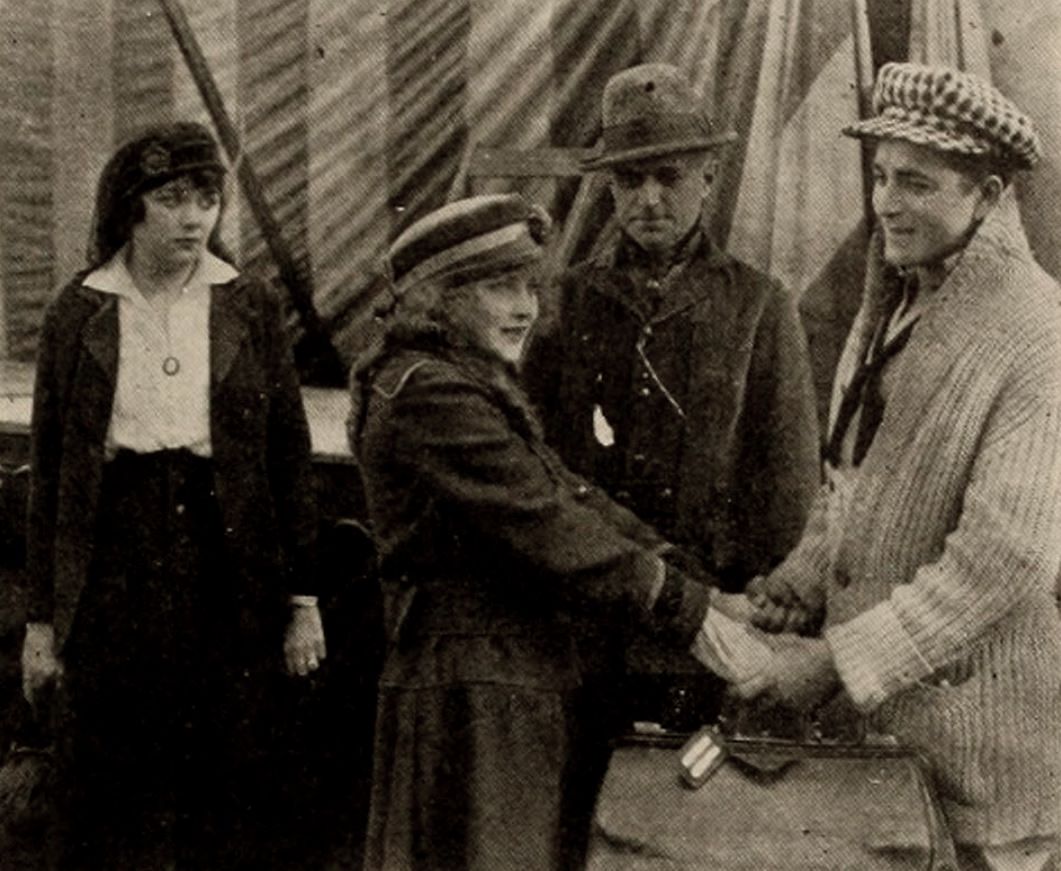
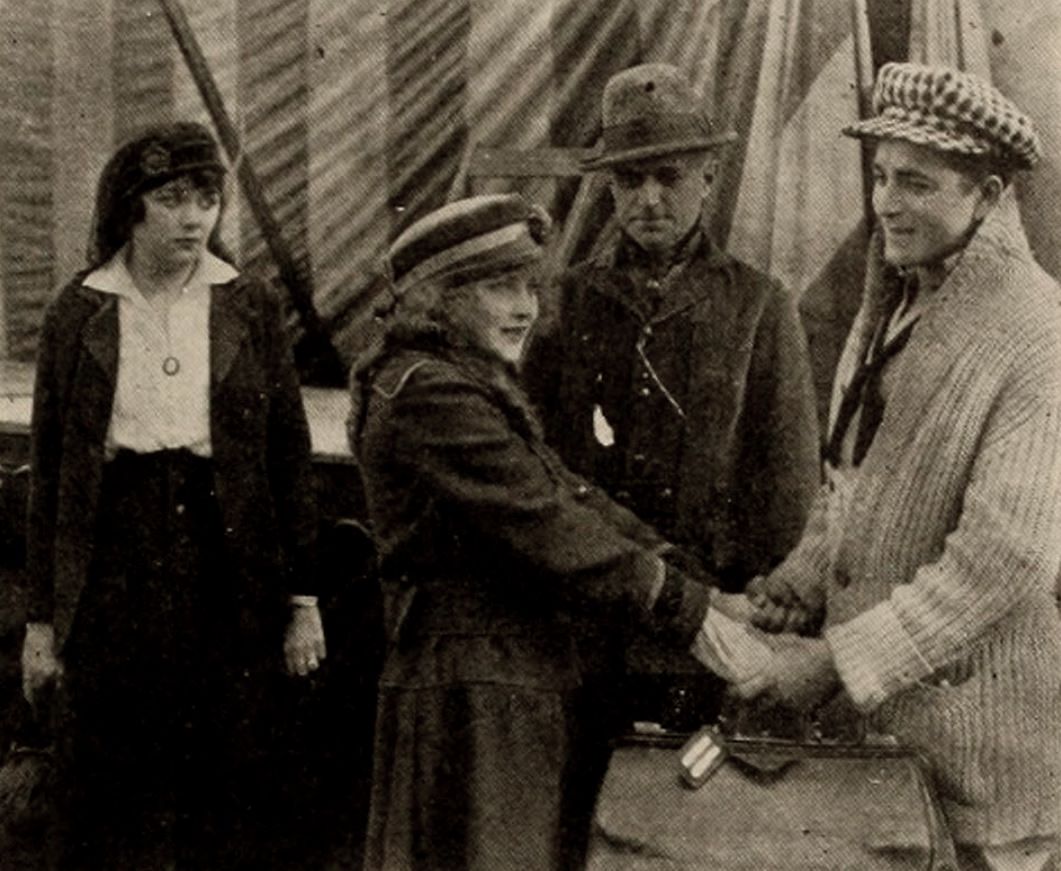
Circus dancer Babette learns from Zaidee, her fortune-teller mother, that her father is the respected businessman Ezra Butterworth, who had deserted Zaidee years before and then remarried. After Zaidee dies, Babette goes to live with Ezra, but he is so fearful that his second wife, as well as the townspeople, will learn of his less-than-upright past that he takes her in as his ward and forbids her to mention their real relationship. Still, gossip begins, and Ezra is forced to tell the whole story to his wife, who forgives him. Disgusted by the intolerant townspeople, Babette returns to the circus, as well as to her sweetheart Petey. In the end, Ezra publicly acknowledges her as his daughter and presents Babette and Petey with a farm as a wedding present.
Dir: Charles M. Seay
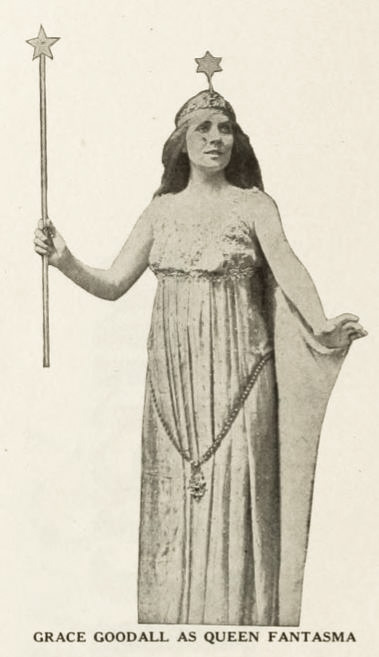
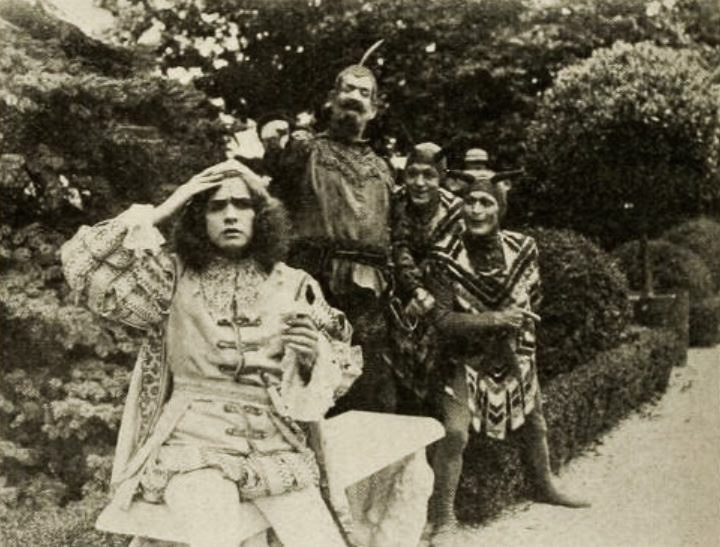
A prince loves a princess, but an evil force also desires her. A fairy queen helps the prince overcome underwater trials to rescue the princess with help from a creation and a goat. Good triumphs, and the lovers happily sail away.
View DetailsAnalysis relative to Blue Grass
| Film Title | Atmosphere | Complexity | Similarity |
|---|---|---|---|
| A Daughter of the Sea | Tense | Layered | 86% Match |
| Jan of the Big Snows | Tense | Layered | 91% Match |
| A Circus Romance | Gritty | Abstract | 93% Match |
| Fantasma | Ethereal | Dense | 85% Match |
This guide was algorithmically generated using the cinematic metadata of Charles M. Seay's archive. Last updated: 6/25/2026.
Back to Blue Grass Details →