Summary
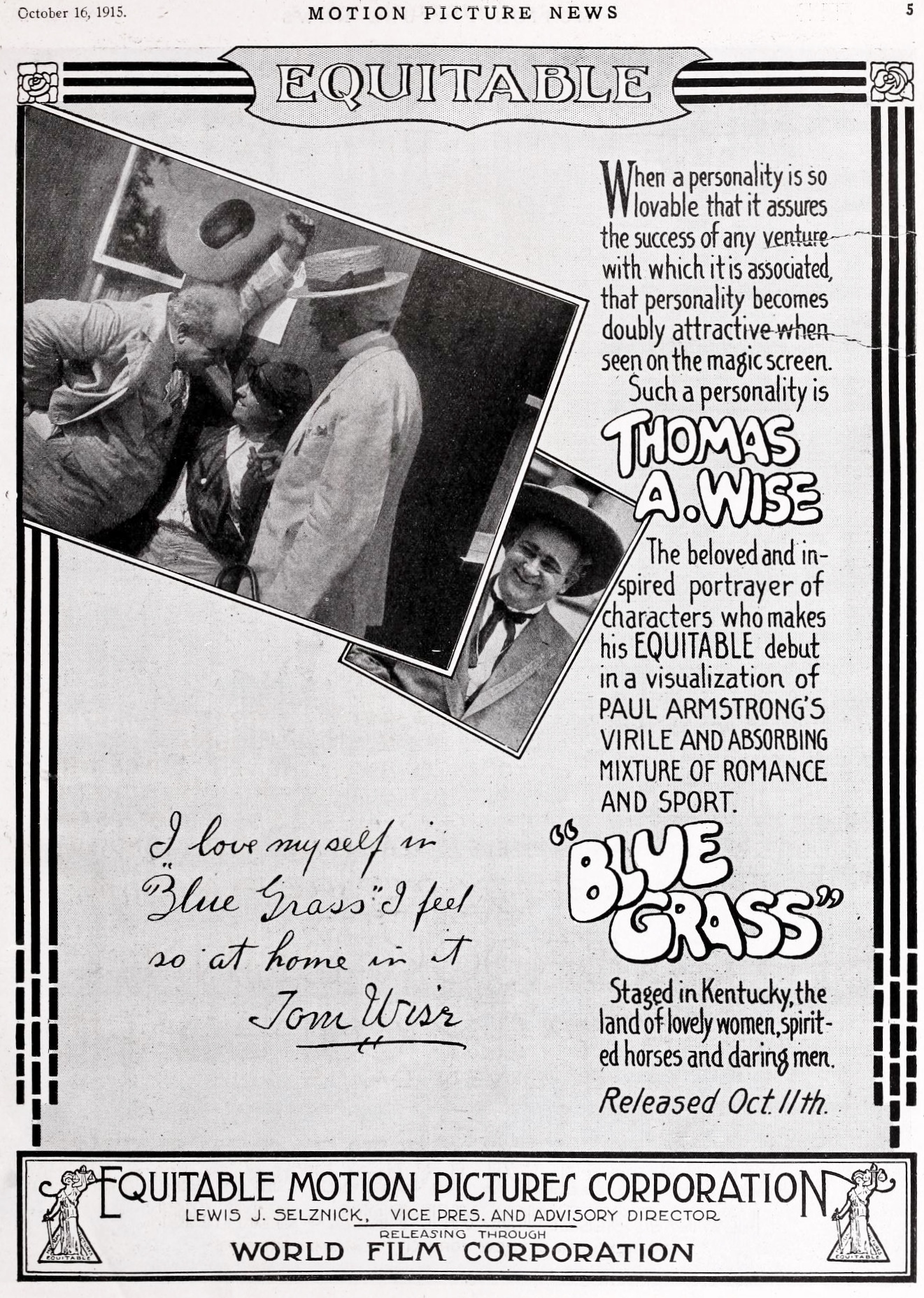
A thunderclap of hooves on a rain-slick track opens this 1915 pastoral fever-dream: My Lady, the Colonel’s obsidian mare, surges past the post in a blur of moonlit muscle, then collapses like a toppled cathedral, her cannon bone snapping with the crisp finality of a champagne flute thrown into a fireplace. The crowd’s roar curdles into a collective gasp; the animal’s racing life ends in a single, cruel heartbeat, yet her legend has barely begun. One year later, the Colonel—his starched collar now limp with debt—stands in a frost-bitten paddock while My Lady’s newborn colt, Blue Grass, staggers upright on trembling legs, coat flashing the iridescent blue of a gun barrel held to lamplight. Around him, the family estate rots like an overripe pear; creditors circle like crows. Wilfred Warren, a gentleman gambler with eyes the color of oxidized copper, once wagered a fortune on My Lady’s last, fatal victory; Kelley, a trackside Mephistopheles in a bowler tilted just enough to hide the scar splitting his eyebrow, palmed the winnings with sleight-of-hand worthy of a cardsharp saint. Love and debt intertwine: Warren courts Virginia, the Colonel’s daughter whose laughter sounds like ice cracking on a winter pond, while Kelley covets both girl and mare, desiring possession with the same wet-lipped hunger. The second foal, a lesser star, is sold for a pittance; Morgan, the Colonel’s pride-stung son, splurges the cash on a “sure thing” that evaporates faster than morning mist, and is banished into the limbo of prodigals. Kelley’s offer arrives like a poisoned apple: My Lady for ready money, conditional on Blue Grass winning the forthcoming stakes. The Colonel, desperate, stakes everything on his azure-coated miracle, but Kelley’s starter pockets a bribe, leaving Blue Grass flat-footed at the gate. Yet the colt, possessed of mythic fire, claws back the lost ground, nostrils flaring crimson, and thunders home in an impossible surge. In the aftermath, Warren exposes Kelley’s ledger of sins, reclaims honor, and reunites fractured hearts beneath the low-slung Kentucky sky.
Synopsis
At a race, My Lady, a horse belonging to Colonel Taylor, wins, but is injured so seriously that she will be unable to run again. Wilfred Warren wagers a large sum on the mare, but is cheated out of his winnings by Kelley, an unscrupulous character of the track. The next year, Colonel Taylor, being in straitened circumstances, breeds My Lady, and Blue Grass, a striking colt, is born. Another year and the Colonel starts to break and train Blue Grass. Another colt is born. Finances become tighter. In the meantime Warren meets Virginia, the Colonel's daughter, a love affair resulting. The Colonel, compelled to sacrifice the second colt, sends his son, Morgan, who, forced to accept a much smaller sum than expected, stakes the money on a "sure tip" and loses. In his anger the Colonel casts him off, ordering him out of the house. Kelley, in an effort to buy My Lady, meets Virginia and determines to get her, as he determines to get the mare. Just before the race in which Blue Grass is entered, the Colonel, badly in need of money, sells the mare to Kelley upon the latter's promise to sell her back, in the event of Blue Grass winning the race. The Colonel uses the money received for a side bet on his horse, and Kelley frames the race against him. Morgan, now Kelley's cashier, meets Warren, who. on learning Morgan's identity, brings about a meeting between him and Virginia, and caught red-handed by the Colonel, is forbidden to see Virginia again. On learning Kelley's intentions, Morgan quits Kelley. In the race, Blue Grass is left flat-footed by the bribed starter, but starts after the rest and wins. Warren, learning of Kelley's plot to steal My Lady, evens up old scores, bringing about a reconciliation and all ends as it should.
Review Excerpt
"
The first glimpse of Blue Grass feels like stepping on a loose floorboard in an abandoned ante-bellum mansion: you expect dust, but instead a rush of cold air knocks the breath out of you. Director George Soule Spencer—better remembered for helming vaudeville skits than celluloid—somehow wrangled Kentucky’s fabled limestone bluegrass into a character of its own, letting dawn fog roll across the track like a gambler’s last cigarette exhale. Cinematographer Ray Tuckerman shot the 1915 winter in ..."