
DbcultAccessing Vault...
Recommendations
Senior Film Conservator
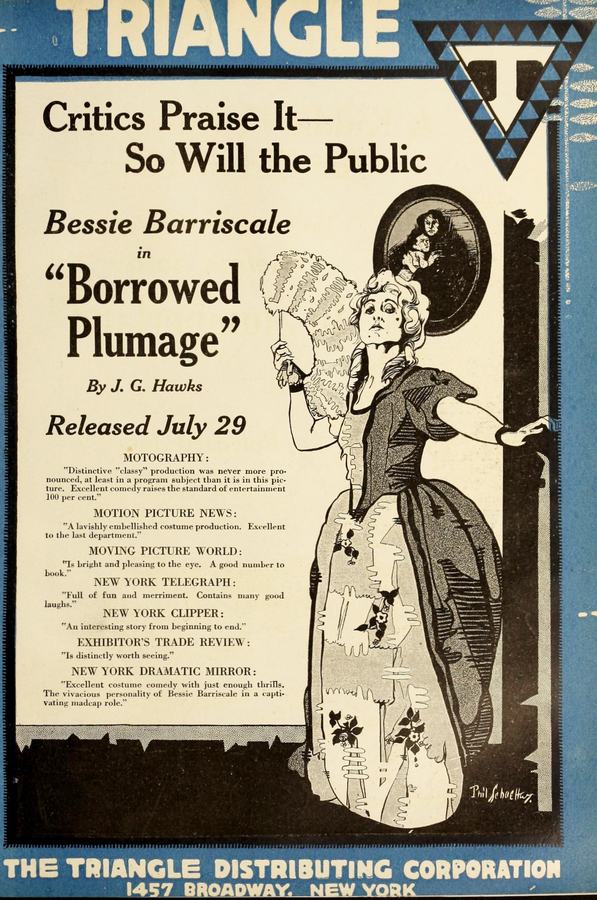
In the vast archive of cult cinema, Borrowed Plumage stands as a artistic bravery beacon, it's essential to look at the contemporaries that shared this artistic bravery. Our cinematic experts have identified several titles that reflect the spirit of 1917.
Few films from 1917 manage to capture to leave an indelible mark on the history of United States film.
The Earl of Selkirk and his family learn of the impending arrival of American pirate John Paul Jones, they flee their castle, leaving behind Nora, the kitchen maid. Left alone in the house, Nora dons the clothes of her mistress and parades herself about the castle until the arrival of the king's light infantry. Because they mistake her for the lady of the house, she invites them to be her guests. Meanwhile, on board the pirate ship, third officer Darby O'Donovan recognizes the little island as his former home. Sent ashore by the commanding officer to investigate, Darby sees Nora, his old sweetheart, seated at the table with the redcoats and, impersonating an Irish gentleman, he interrupts the gathering. Later, a fisherman exposes Darby's true identity and he is arrested. Nora, determined to save her lover, disguises herself as a soldier and signals the pirate ship for help. After a thrilling battle between the pirates and the soldiers, the pirates escape and Darby sails to America accompanied by Nora.
Critics widely regard Borrowed Plumage as a cult-favorite piece of cult cinema. Its artistic bravery is frequently cited as its strongest asset, solidifying its place in United States's film legacy.

Based on the unique artistic bravery of Borrowed Plumage, our vault has identified these titles as the most compelling follow-up experiences for fans of cult cinema:
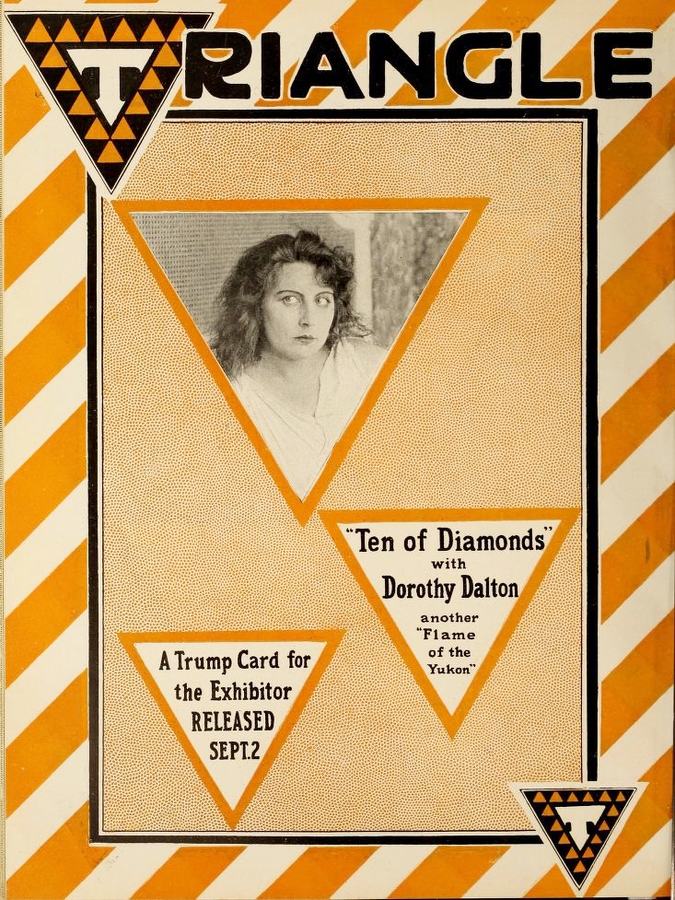
Dir: Raymond B. West
While on the job, Neva Blaine, a seasoned cabaret girl, is assigned to the well-to-do Warren Kennedy, who has come to her club to forget a recent romantic humiliation. Kennedy was to marry Blanche Calloway, but Ellis Hopper, his rival, seduced her and forced her to appear at the wedding with a note detailing her betrayal. As revenge, Kennedy decides to remake Neva, by schooling her in the ways of society, pair her with Hopper, then, at the proper moment, reveal her lowly background. Although she loves Kennedy, Neva wins Hopper's hand as instructed but, on the day of the wedding, writes to her mentor imploring him to save her from the marriage. When Kennedy refuses to intercede, Neva, desperate with grief, spills wine on her wedding gown and pretends to be drunk in the church, causing the guests to flee and Hopper to denounce her. Her fate apparently sealed, Neva goes off to live alone, but Kennedy, realizing his love for her, saves her from a lonely existence.
View Details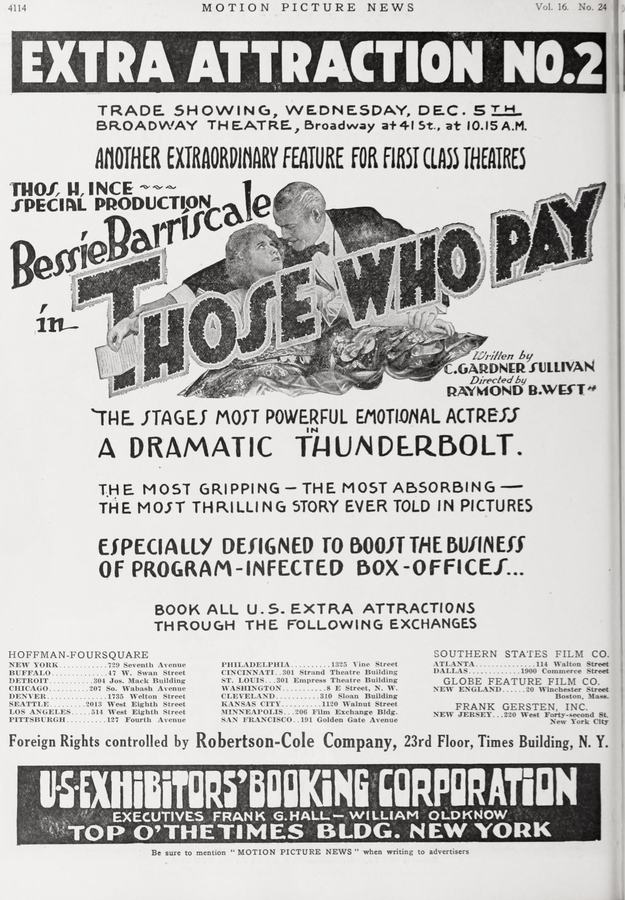
Dir: Raymond B. West
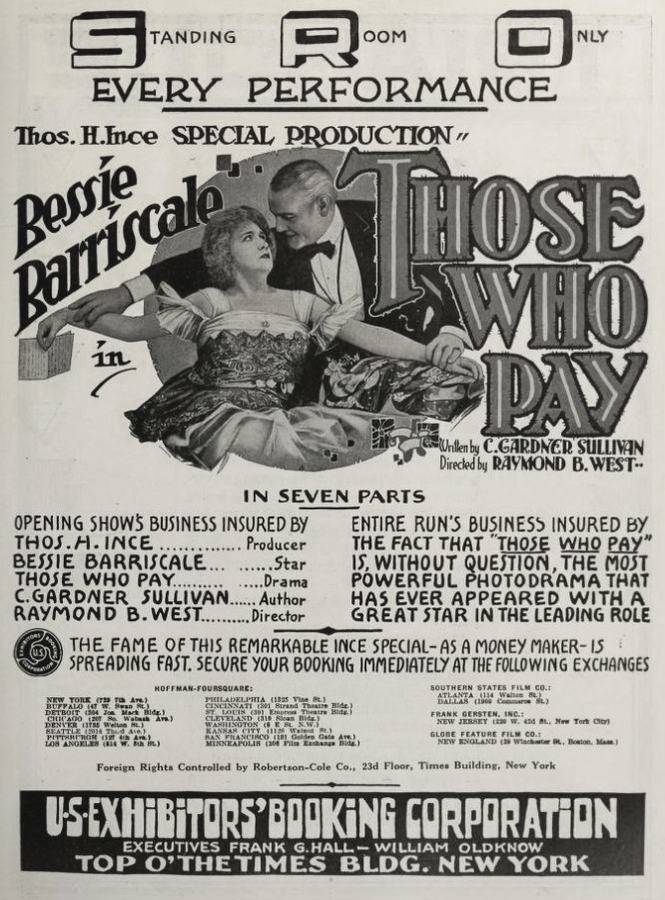
She was alone in the world save for her little sister, and little sister was dying. She wanted a doll for Christmas and Dorothy had no money. She stole one and three persons paid a heavy price for the tiny toy.
View Details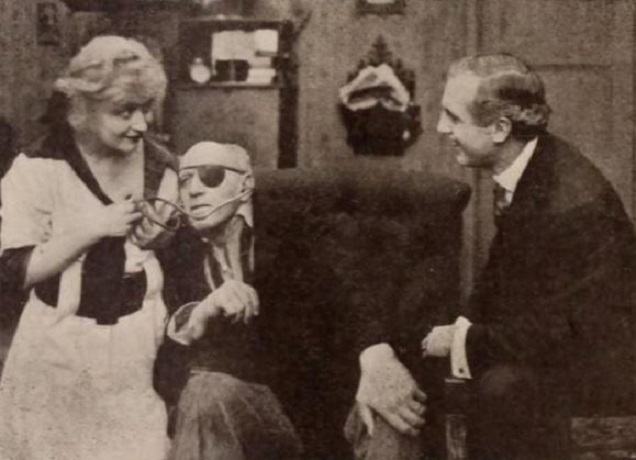
Dir: Raymond B. West
Patrick "The Ear" Muldoon, a professional safecracker, passes on his skills to his daughter Peggy. However, after reading Ralph Waldo Emerson's books, Peggy decides to forego a life of crime, after pulling one last job. Unfortunately, she's arrested for that crime and sent to prison for two years. When she gets out of prison she moves to California and meets Robert Benton, who works in a local bank. Theu marry and are living happily--until Peggy's old gang shows up and threatens to tell her husband about her past unless she helps them crack the safe in his bank.
View Details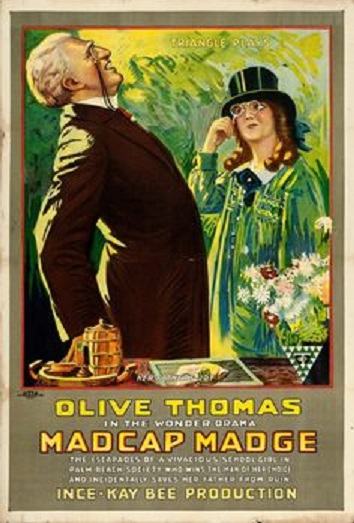
Dir: Raymond B. West
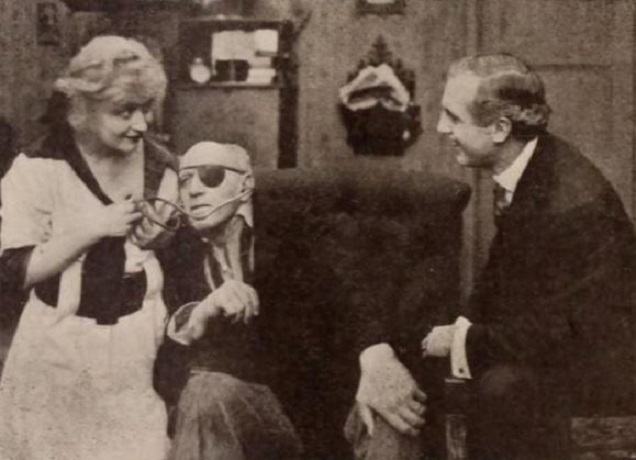
The social climbing Flower family is comprised of Mr. Flower, a banker who has overextended himself financially, Mrs. Flower, a socially ambitious mother, Julia Flower, a marriage-minded elder daughter and Madge Flower, a high-spirited younger daughter. When Madge is expelled from boarding school for her practical jokes and pranks, she joins her mother and sister in Palm Beach, where they are wintering, in hopes of snaring a titled husband for Julia. Julia, fearful that her little sister will impair her success on the marriage market, forces Madge to dress as a child of ten. Julia has her sights set on the Earl of Larsdale, but after a series of misadventures, Madge elopes with the young man who turns out not to be an earl at all, but a prosperous young American who is holding her father's notes. Thus, she saves the day for the Flower family.
View Details
Dir: Raymond B. West
Seized with a fainting spell during a polo game, Donald Van Wye is given six months to live and told he must go to Arizona. His brother Tom, an irresponsible college youth, is wired to come home and take Donald's place. When Tom arrives, Donald finds that his little brother has committed himself to an actress named Maizie. Donald pleads with the actress to give Tom up, but when she refuses, Donald marries her in order to save his brother. The couple go to Arizona where their love ripens, and through Maizie's prayers, Donald regains his health. Mrs. Van Wye then comes to visit and tells Maizie that she is preventing Donald from assuming his rightful place in society. Crushed, Maizie starts across the desert alone, and when Donald learns of his mother's dreadful behavior, he follows Maizie and begs her to stay.
View Details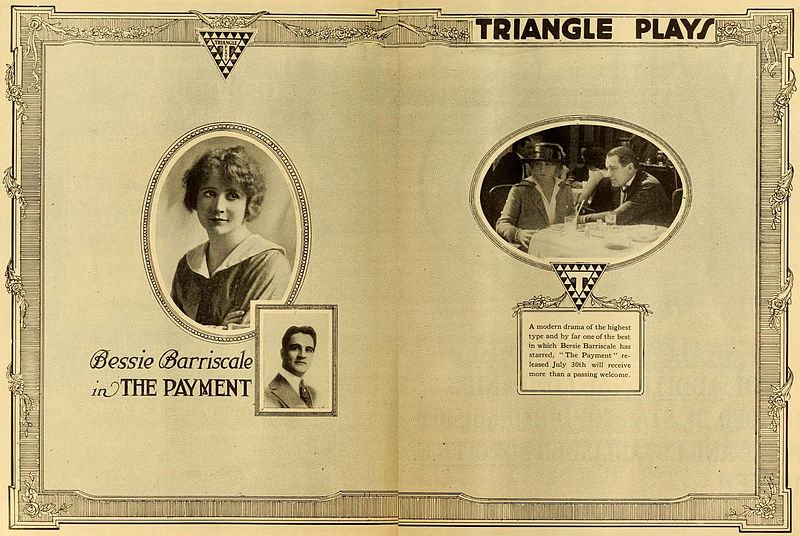
Dir: Raymond B. West
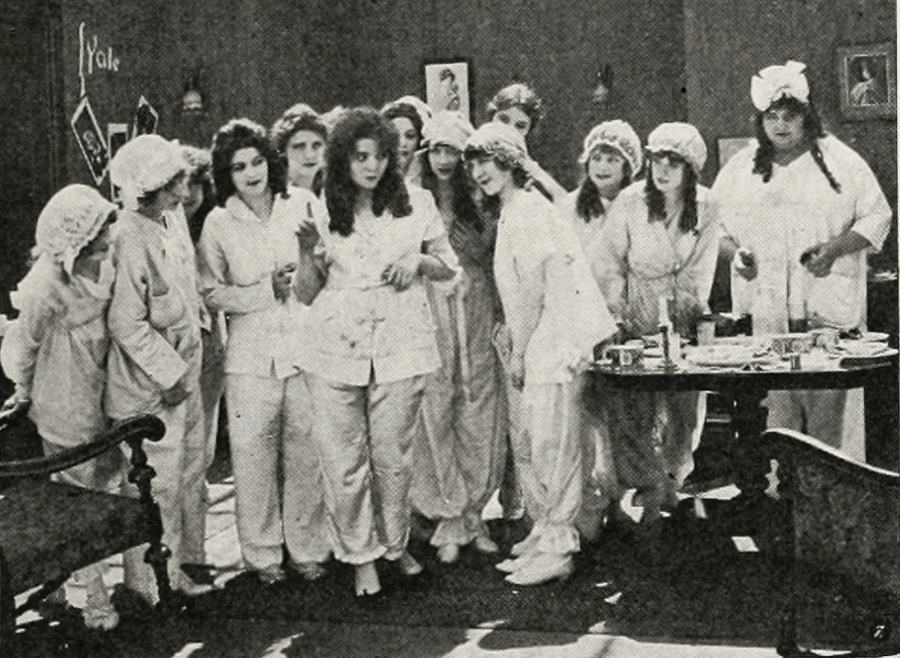
When the wealthy Robert Reyburn offers to pay for struggling painter Phyllis Page to continue her studies in Europe, he is not interested simply in serving as a patron of the arts. As a result, they indulge in a brief romance behind the back of Robert's wife Edith, then, several years later, Phyllis returns to the United States as a famous artist and becomes a high society favorite. Later, Edith successfully arranges a romance between her brother Dick and Phyllis. When Dick proposes, however, Edith turns him down, because she knows that, as his wife, she eventually would have to tell him who gave her the money for her European training and explain the conditions under which the money was offered.
View Details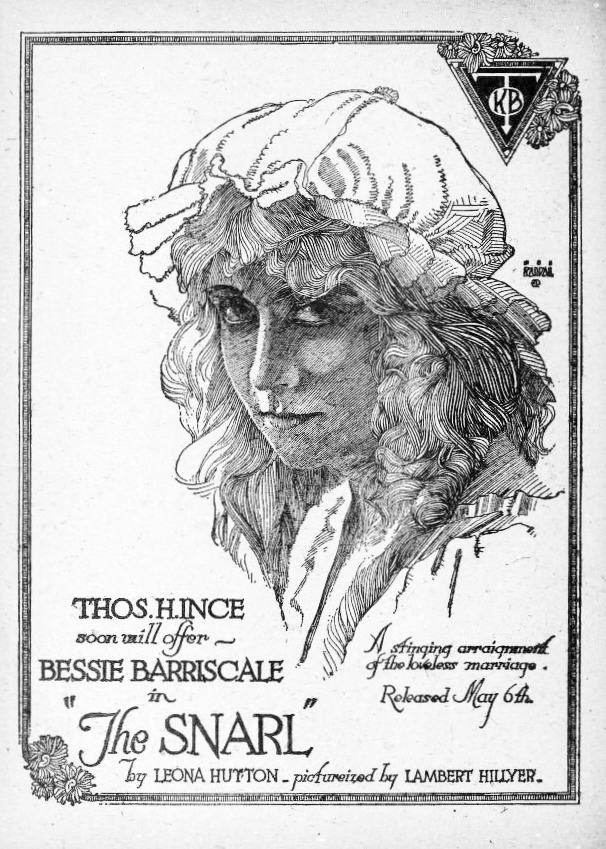
Dir: Raymond B. West
Identical twins in appearance only, sisters Helen and Marion Dean have totally different temperaments: Marion possesses a self-sacrificing character, while Helen is vain and heartless. When Marion, a wonderful singer, is crippled by a car accident just before she is to open at the grand opera, the manager of the opera conceives of the idea of presenting Helen on stage while Marion sings the music behind the scenes. A young millionaire, Monte Bruce, watching from the audience, is captivated by Helen and the two are married. Marion accompanies them on their honeymoon cruise, and when an explosion blinds Bruce, Helen begins to flirt with fellow passenger Jack Mason, leaving her crippled sister to take her place at Bruce's side. Helen's scheme goes awry when Bruce recovers his sight but keeps his recovery secret, thus discovering Helen's duplicity. When a fire breaks out on ship Helen and Mason are drowned while attempting to escape, freeing Bruce to marry Marion, who has recovered the use of her legs.
View Details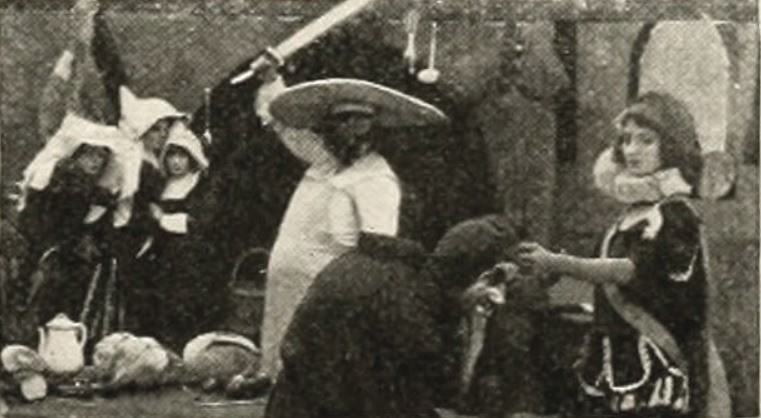
Dir: Raymond B. West
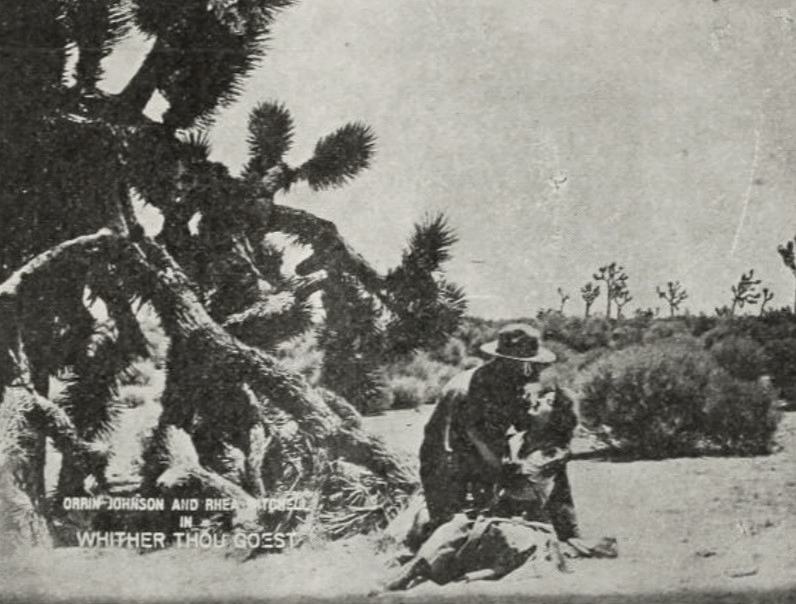
Rumpelstiltskin, a wicked little dwarf with magic power, covets the miller's daughter, Polly. He offers the miller two bags of gold for her and is angrily kicked out of the mill. The dwarf vows eternal vengeance. The King, whose coffers are empty, having heard of the magic power of the dwarf, sends for him and commands him to refill his coffers. The dwarf, in vengeance, tells the King that the miller's daughter can spin straw into gold. The King sends for Polly, places her in a room full of straw and commands her to spin it into gold before dawn, else she, her father and the dwarf will lose their heads. The dwarf tells Polly he will spin the straw for her if she will promise him her first born, if it is a girl. Polly, in order to save her father, promises. Prince Cole, disguised as a hunter, seeks a girl to love. He sees Polly and falls in love with her. She agrees to meet him in the forest, but is captured by the dwarf and taken to his cave, where the Dragon is set to watch over her. With the assistance of the Good Fairy the Prince rescues Polly. The King places the Prince in a dungeon because of his love for Polly. The Good Fairy helps Polly to liberate him and he and Polly step on the magic carpet which the Good Fairy has given Polly and wish themselves far away. They are transferred to the woods, where they are married and a baby girl is born to them. The dwarf searches for Polly and the Prince, finds them and steals their child. The Good Fairy again comes to their assistance and the child is restored to them. The King, whose treasure is exhausted in the search for his son, commands the miller again produce his daughter so that she can spin some more straw into gold for him. The Prince and Polly appear before the King, by whom they are joyfully welcomed. They tell the King the story and the dwarf is condemned to spinning straw the rest of his natural life.
View Details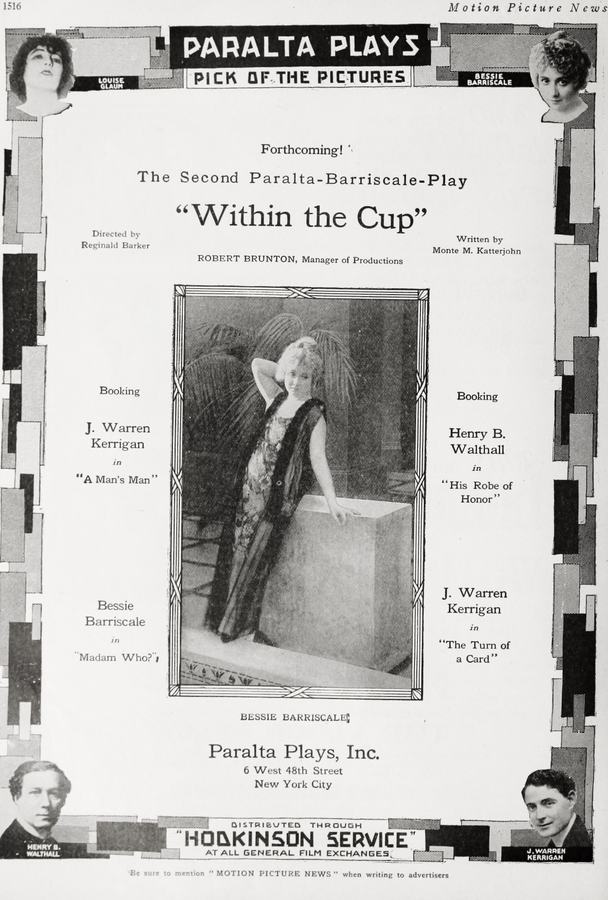
Dir: Raymond B. West
Thisbe Lorraine, an American who hopes to pursue an art career in Paris, falls in love with German aristocrat Ernst Faber, who makes love to the young woman and then leaves her. Disillusioned, Thisbe resolves to live by her own rules and returns to New York, where her sex novels earn her great fame and wealth. At a grotto café in Greenwich Village, Thisbe encounters "Tea Cup Ann," a fortuneteller who predicts that her sinful ways will bring her only sorrow. Later, Thisbe falls in love with artist Le Saint Hammond, who asks her to pose for his statue of Psyche, but when he learns of her past, her rejects her and then begins to drink excessively. Thisbe's sorrow turns to joy, however, when Le Saint finally returns to her.
View Details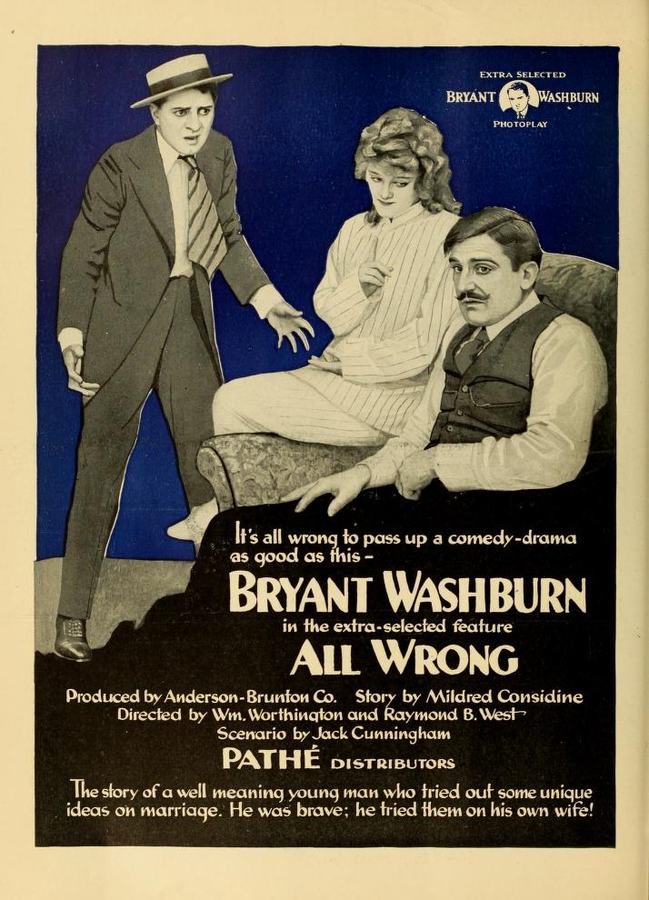
Dir: Raymond B. West
Salesman Warren Kent develops the idea of "The Unending Courtship" and manages to convince his new wife Betty of his theory, which entails their living separately and only meeting on Wednesday evenings, as they did while they were engaged. Warren's boss, however, who was never enamored of the idea, fires him when he bungles an account and loses the company a large order. On top of that, through a series of misunderstandings Warren comes to believe that his wife is pregnant and his mother-in-law believes that Warren is having an affair with Betty's friend Ethel. Things go downhill for Warren from there.
View DetailsAnalysis relative to Borrowed Plumage
| Film Title | Atmosphere | Complexity | Similarity |
|---|---|---|---|
| Ten of Diamonds | Ethereal | Dense | 97% Match |
| Those Who Pay | Tense | Dense | 89% Match |
| Blindfolded | Gothic | Abstract | 97% Match |
| Madcap Madge | Tense | Dense | 93% Match |
| Whither Thou Goest | Ethereal | Abstract | 89% Match |
This guide was algorithmically generated using the cinematic metadata of Raymond B. West's archive. Last updated: 6/27/2026.
Back to Borrowed Plumage Details →