
DbcultAccessing Vault...
Recommendations
Senior Film Conservator
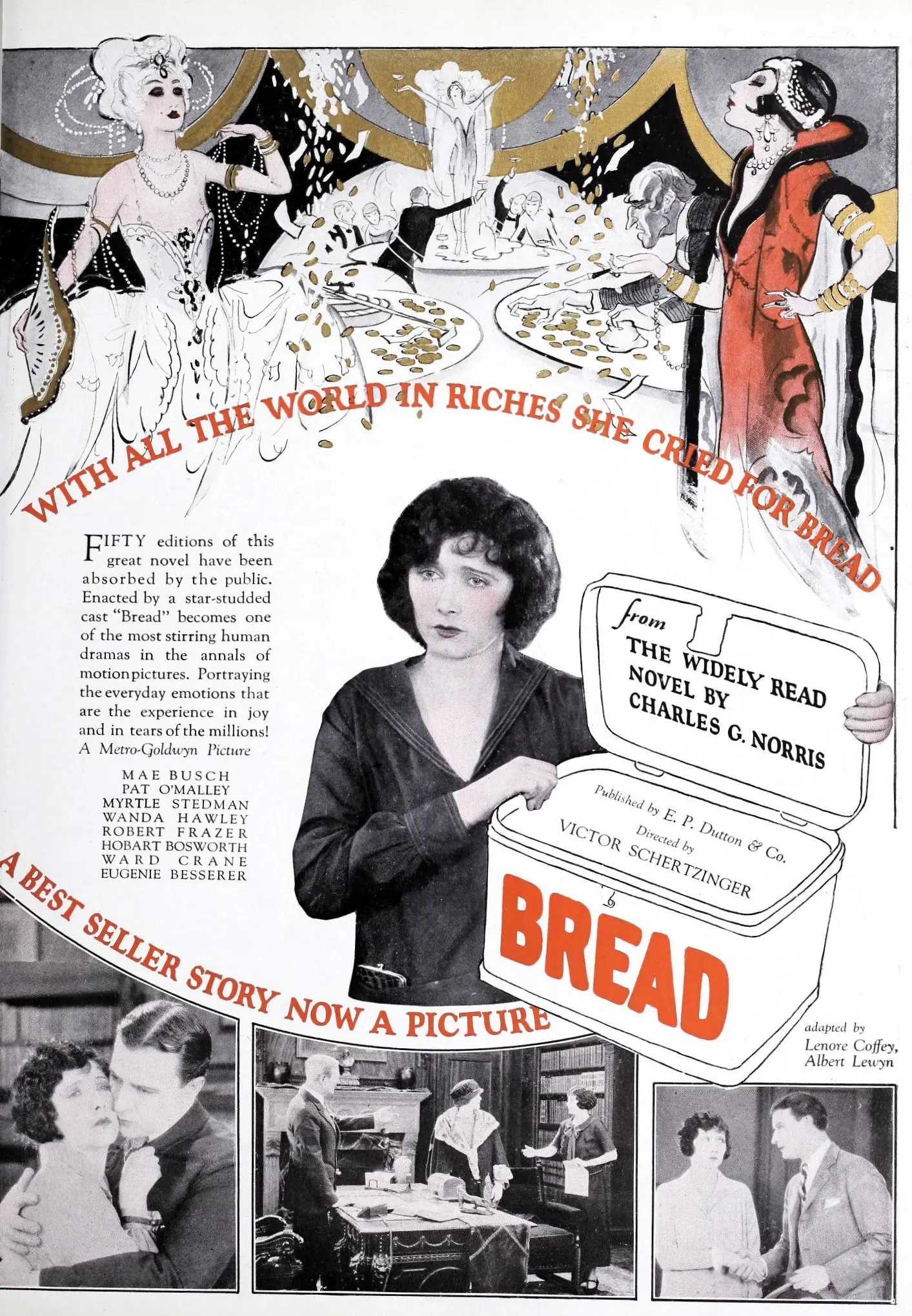
If the character-driven intensity of Victor Schertzinger's work in Bread left an impression, the cinematic shorthand used by Victor Schertzinger is both ancient and revolutionary. We've prioritized films that capture the 1924 aesthetic with similar precision.
By merging character-driven intensity with Drama tropes, it to articulate the unspoken anxieties of United States's 1924 era.
To relieve the burden placed on their mother, Alice Sturgis (Wanda Hawley) marries and has several children, while her independent sister, Jeanette (Mae Busch), goes to work as a stenographer. Eventually, she is forced to marry a persistent salesman to avoid a scandal. Becoming disillusioned with married life, Jeanette leaves the salesman, but after 3 years' separation she realizes her need for a family and returns to him.
Bread was a significant production in United States, showcasing the immense talent of Hobart Bosworth, Valentine Black, Myrtle Stedman. It continues to be a top recommendation for anyone studying Drama history.
Based on the unique character-driven intensity of Bread, our vault has identified these titles as the most compelling follow-up experiences for fans of Drama cinema:
Dir: Victor Schertzinger
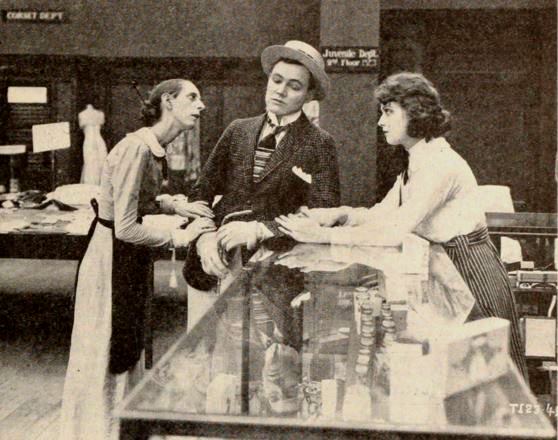
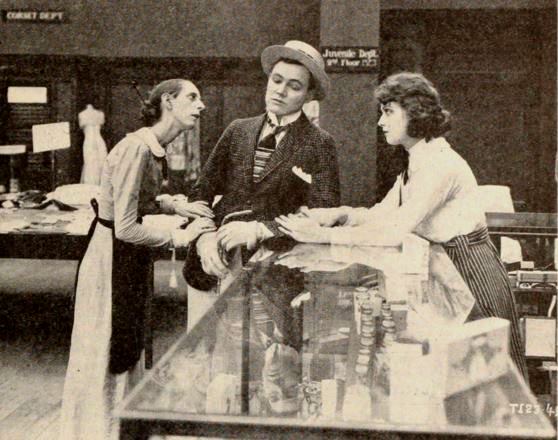
David Clary runs a sleepy little dry-goods store in a sleepy little town. A vamp from the big city shows up, intent on taking Clary for everything he's worth by a combination of seduction and blackmail. But the day is saved by the ingenuity of David's corset model.
View Details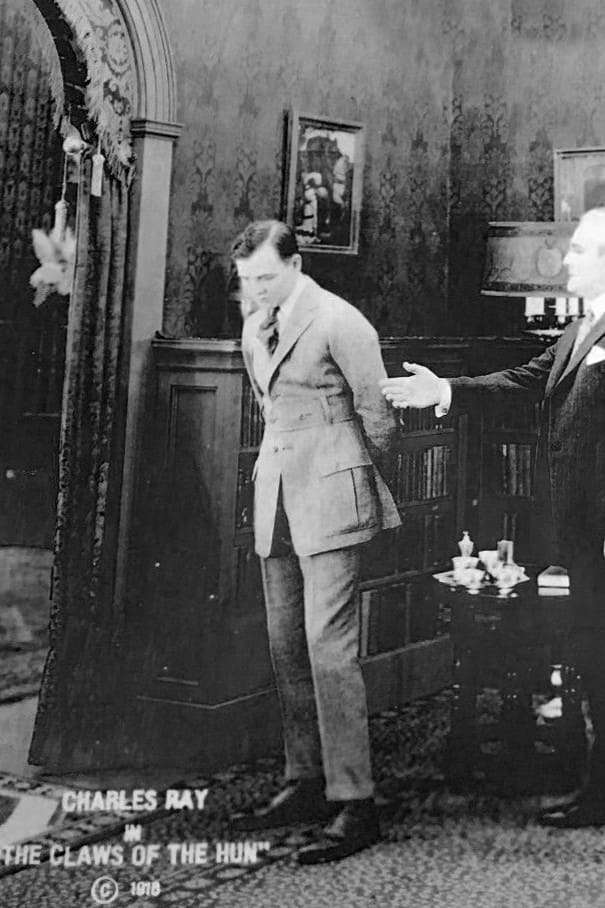
Dir: Victor Schertzinger
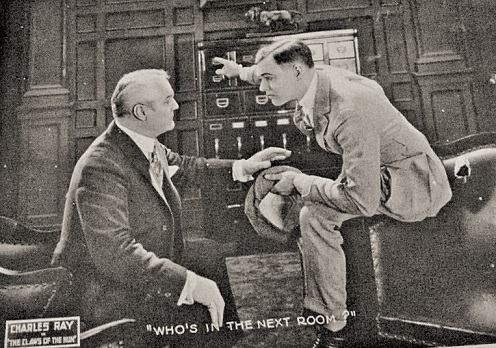
An American munitions manufacturer and his son become ensnarled with enemy agents from Germany during the First World War.
View Details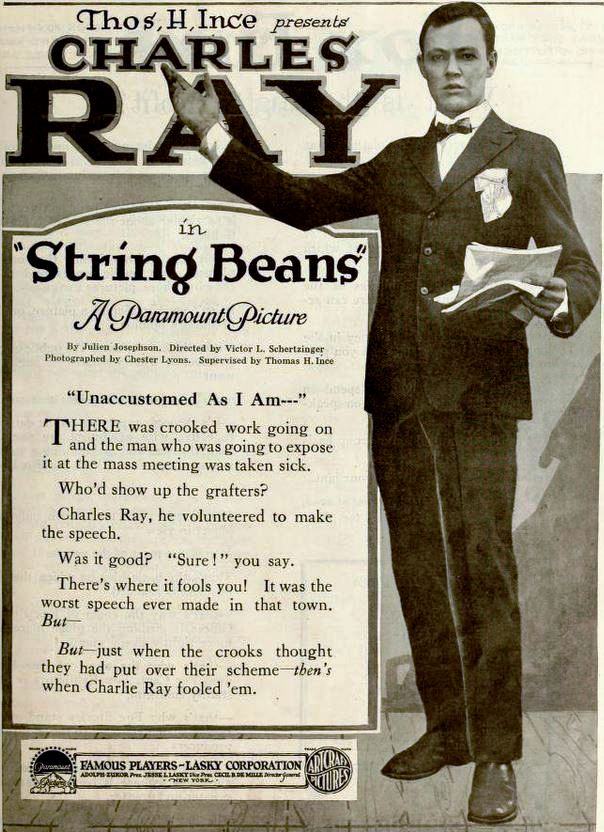
Dir: Victor Schertzinger
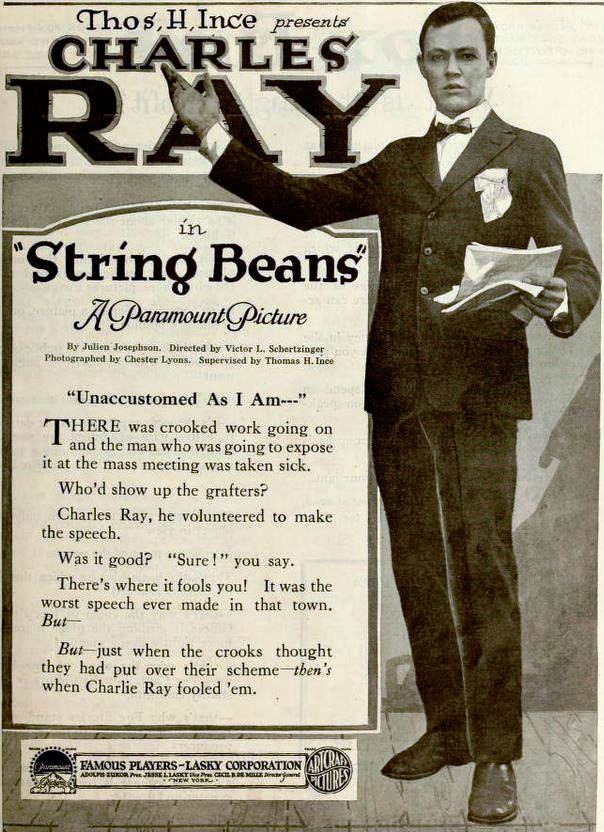
Farmer Toby Watkinsm whose fanciful poetry does not impress his exasperated uncle, leaves the farm to become a subscription solicitor for the "Sawbert Weekly Clarion." In Sawbert, Toby meets Mayor Lot Morris' daughter Jean, and the shy young people fall in love. Crooked stock promoter Kendall Reeves arrives in town and unveils his plan to open a string-bean cannery. While the venture receives the mayor's support, "Clarion" editor Zachary Bartrum, Morris' political enemy, suspects Reeves and decides to block the scheme. On the night Reeves presents his plan to the citizens, Bartrum falls ill and asks Toby to deliver his opposing speech, but seeing Jean in the audience, he loses his courage and dashes from the hall. The next day, Toby overhears Joe Farley, Reeves' former partner, demanding a share of the profits. Farley learns of this and warns Reeves, who goes to the mayor's home and, gun in hand, demands $5,000. Toby arrives and defeats the crook in a fight, after which the grateful mayor becomes reconciled to Bartrum and bestows his blessing on his daughter's romance with Toby.
View Details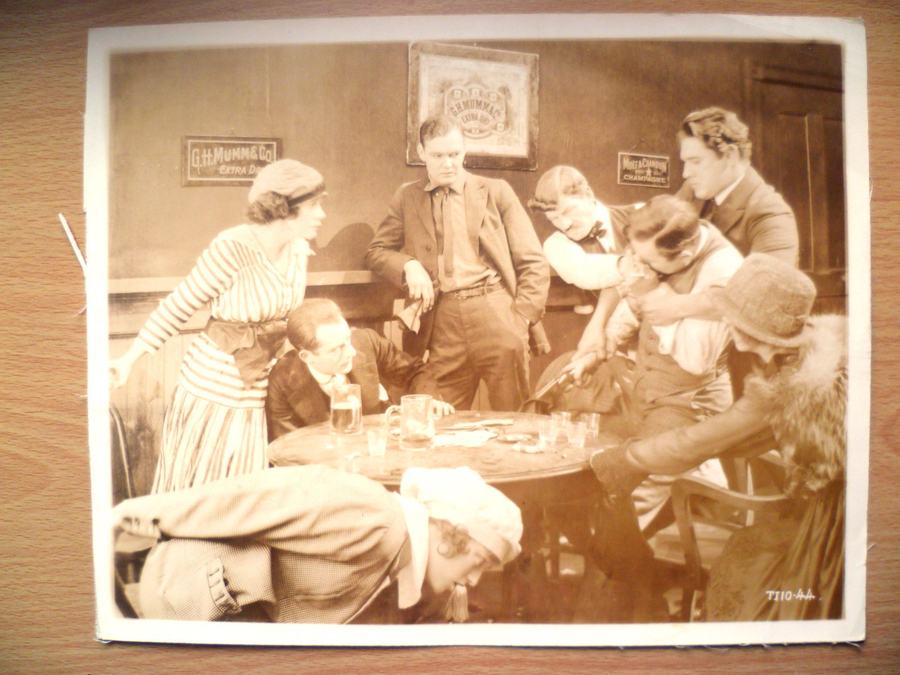
Dir: Victor Schertzinger
Jimmy Duncan, the son of the well-respected Reverend Duncan, takes over his local newspaper as manager. He takes on the criminal element in town with great vigor, until he realizes that his own father is in league with those devils.
View Details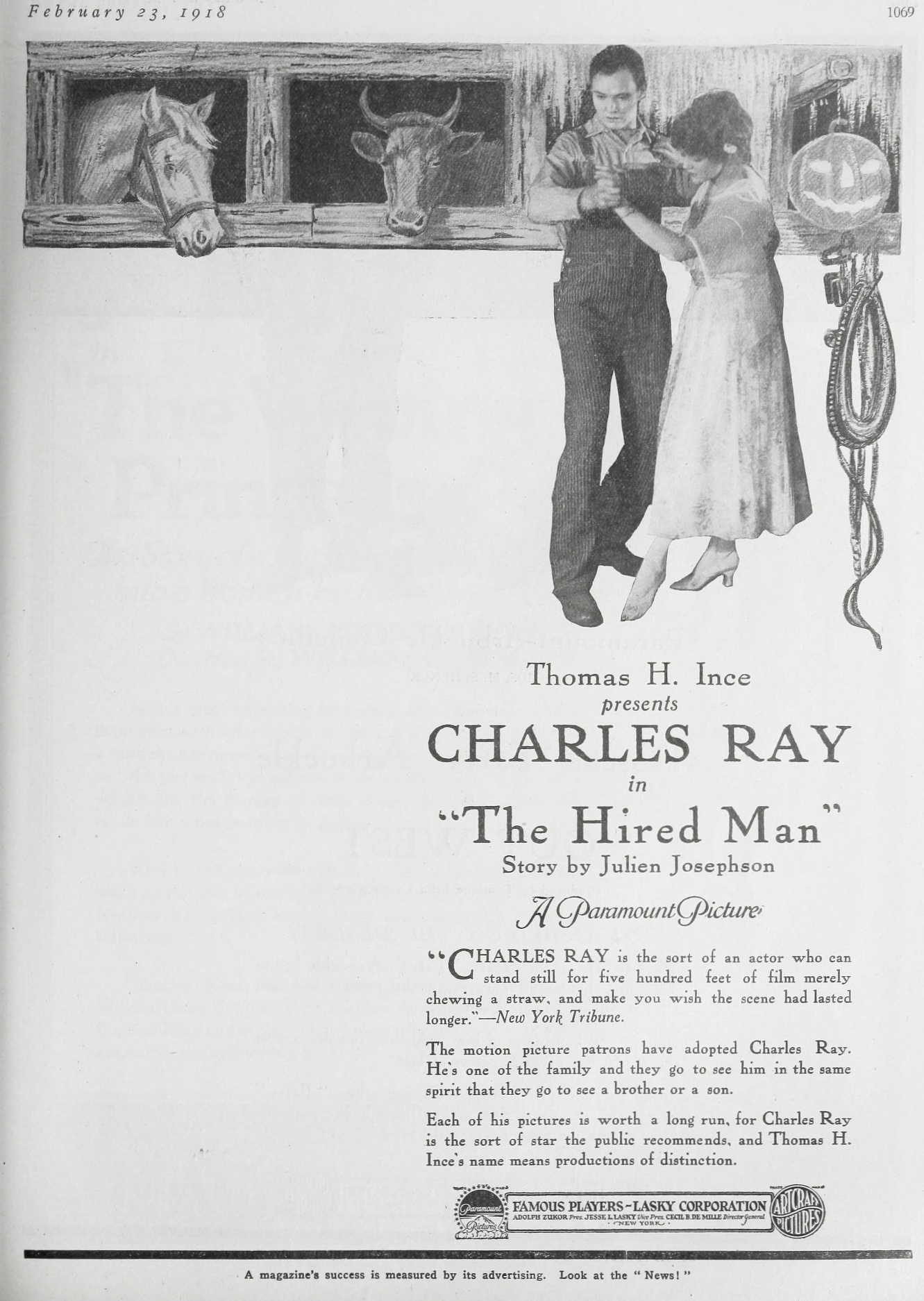
Dir: Victor Schertzinger
Ezra Hollins, though a hired man, is ambitious because he loves Ruth Endicott, his employer's daughter. Ruth, not knowing of his love, helps him with his studies, though secretly, because she knows her father would not approve. Ezra passes his entrance examination, but at the last moment gives his tuition money to save the brother of the girl he loves from the results of his speculations from the bank. His failure to go to college is misunderstood, but in the end his name is cleared and Caleb is proud of his chosen son-in-law.
View Details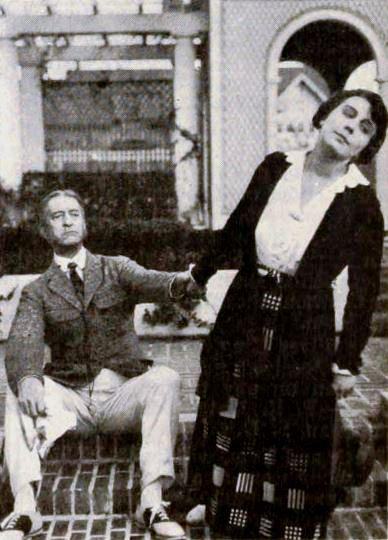
Dir: Victor Schertzinger
Traveling saleswoman Mary Marbury thrashes a masher on a train when he tries to kiss a young girl in a tunnel. After the man and his female companion are escorted from the train, Mary encounters them again in New York City, where they attempt to marry the children of her wealthy employer, Jonas Abbott, then pose as cubist art instructors Fernando Poyntier and his sister, Marcia. Jonas worries that his son and Mary's fiancé, Raymond, is leading a frivolous life in the city's Bohemian community. Mary plots to incur the boy's jealousy by posing as an adventuress leading Jonas astray. When the Poyntiers suspect that the Abbott fortune could go to Mary instead of to them, they rob Jonas's safe and hide the money on his yacht, on which they plan to escape. Exhausted from dancing the fox-trot, Mary and Abbott rest on the yacht, and she discovers the money. When the crooks are captured, Raymond, realizing his love for Mary, proposes.
View Details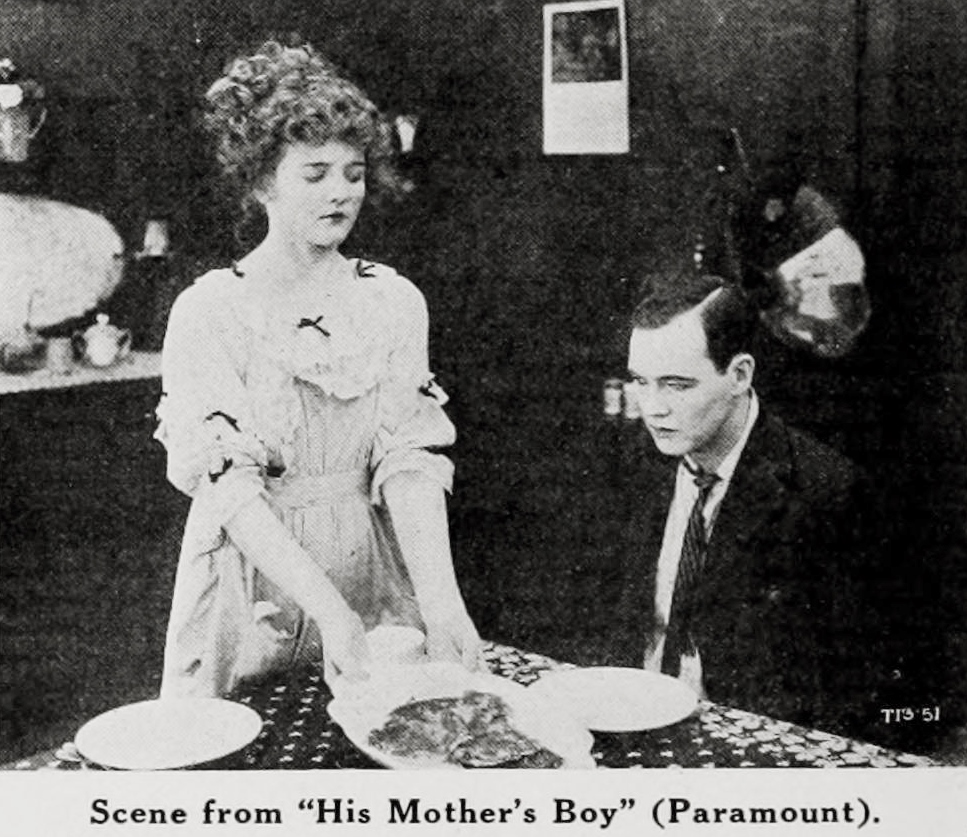
Dir: Victor Schertzinger
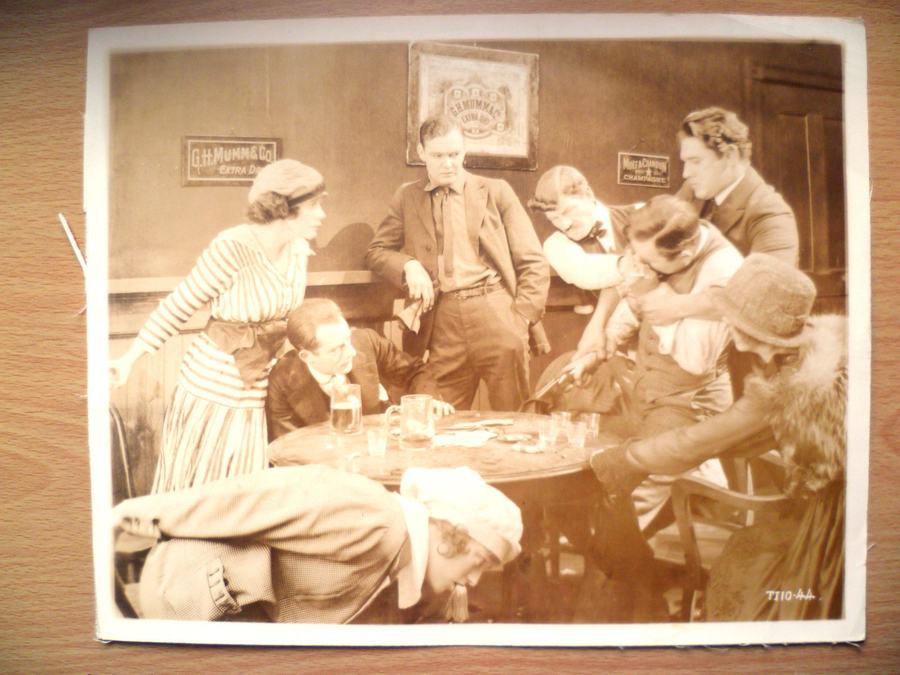
Matthew Denton is a product of a New England village. His father was a prominent business man who, during the latter part of his life, had encouraged a number of his fellow-townsmen to invest in the Centipede Company, owners of Texas oil property. Matthew lives with his widowed mother. She showers a wealth of motherly care on him, and refuses to permit him to mingle with the other lads of the town, with the result that he grows up tied to her apron strings and is known as "his mother's boy." The purchasers of the Centipede stock receive notice that there will be no dividend, that the stock gives every indication of becoming worthless because of a loss in the wells' producing capacity. A delegation of townspeople call on Matthew's mother and denounce her late husband for having induced them to purchase the stock. Matthew overhears the tirade, comes to his mother's assistance, and declares that none shall lose a penny through this investment, for he will go to Texas, work in the oil fields himself, and eventually pay off the investors. The story shifts from the quaint New England village to a bustling town in Texas, a typical oil town with its hordes of workers, its rudely constructed hotel and ever-present bar, and its town drunkard, who has a wife and a pretty daughter. Matthew begins his career as a workman in one of the oil wells, lives at Mrs. Glenny's boardinghouse, and meets her daughter daughter Mabel. , and lives at the boarding house of Mrs. Glenny, where he meets her daughter, Mabel. To procure liquor money, town drunk Tom Glenny has been tapping the line of the Centipede Company and diverting the flow into another concern. Most of the workers live at the Glenny home, among them Banty Jones, the town bully, who paid Tom Glenny to tap the Centipede line. Banty wants to marry Mabel Glenny, but Matthew wins her love, and the girl proudly displays an engagement ring, Jones gives Matthew 24 hours in which to leave town, with the alternative of being the target for Jones' gun. Matthew's innate timidity makes him cower at Jones' verbal attacks, much to Mabel's disgust; she returns the ring and announces that the engagement is off. Meanwhile, Matthew has discovered the parallel pipe lines, and that night sees Tom Glenny about to tap the Centipede line. He hurries to the telegraph office and notifies the president of the Centipede Company of his discovery. Later, Matthew overhears Jones denounce Tom Glenny for failing to tap the line, and, as he realizes the father of the girl he loves has only been the tool of the bully, the hitherto timid and shrinking boy suddenly turns into a ferocious being. When Jones attempts to assault him he returns his blows with such effectiveness that the battle is soon over, and in Matthew's favor. Then follow a series of exciting episodes, the story ending happily.
View Details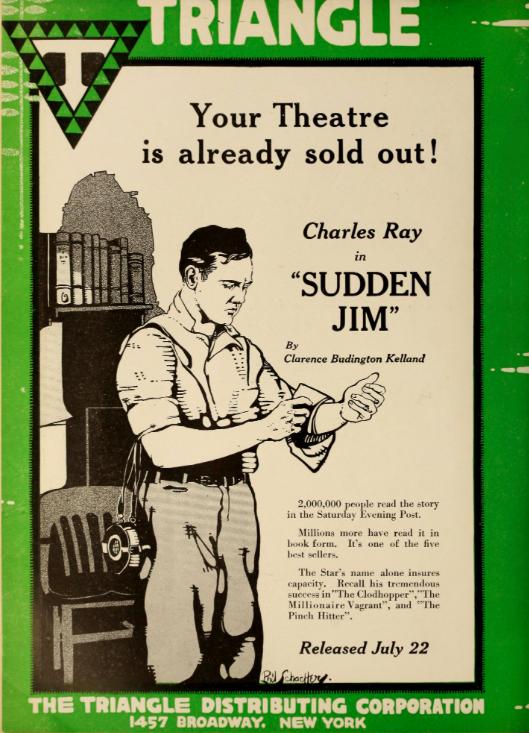
Dir: Victor Schertzinger
James Ashe sends his son James Jr. off to manage a family-owned logging mill. While attending to his duties, James Jr. falls in love with a beautiful girl.
View Details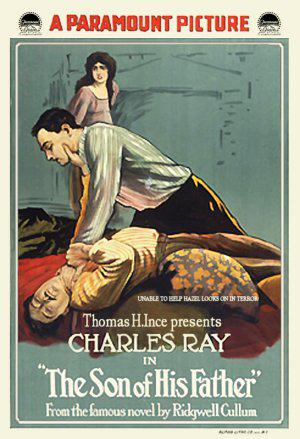
Dir: Victor Schertzinger
A young man with little ambition is given an opportunity to set himself up in business by means of financial support from his father. But the young man becomes involved in a shady railroad deal which threatens to destroy his own father.
View Details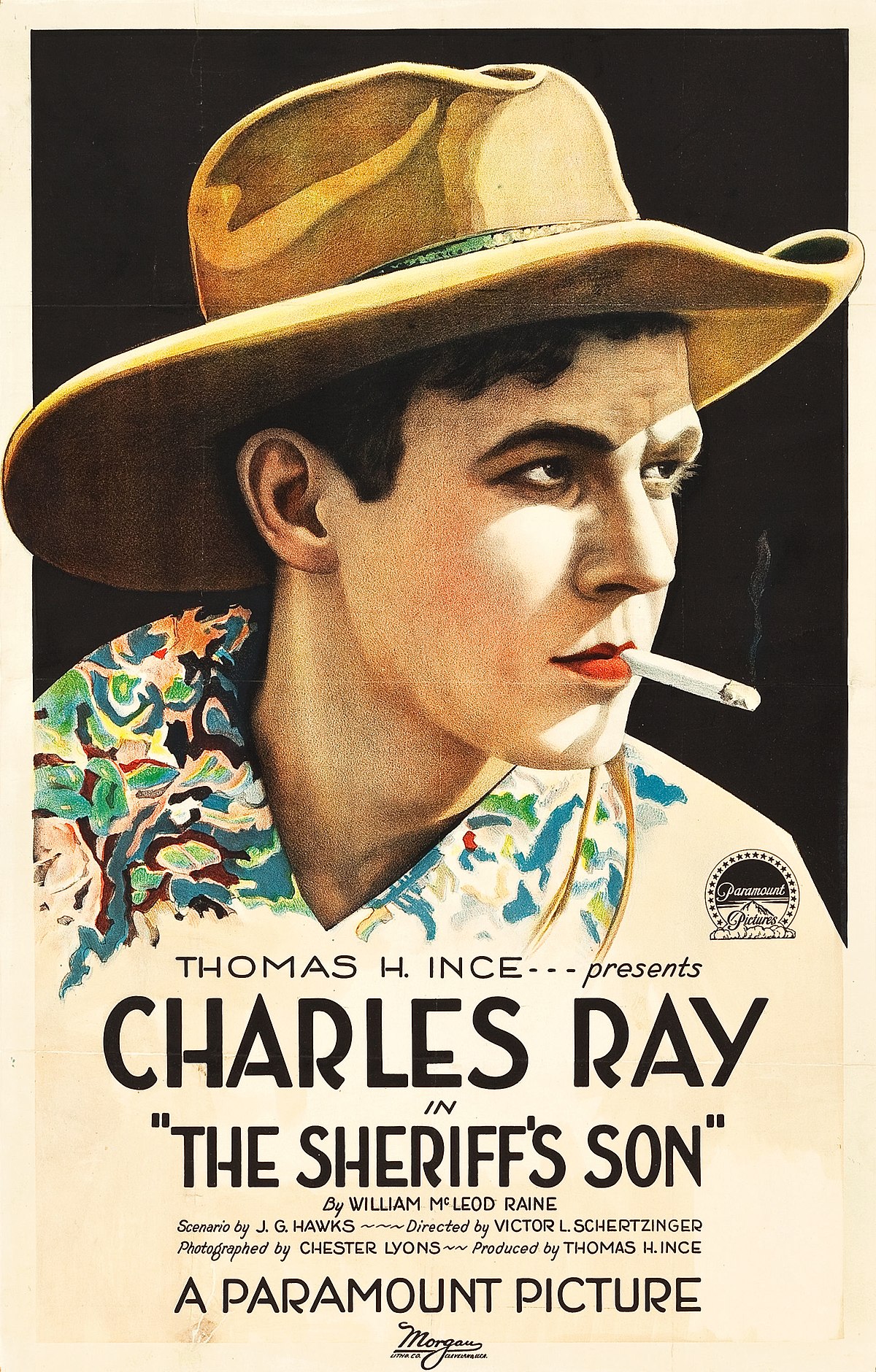
Dir: Victor Schertzinger
Sheriff's son Royal Beaudry is thought a coward, even by the young woman he has his heart set on. But he disproves cowardice when he rescues his father's friend from kidnappers.
View DetailsAnalysis relative to Bread
| Film Title | Atmosphere | Complexity | Similarity |
|---|---|---|---|
| A Nine O'Clock Town | Ethereal | Abstract | 95% Match |
| The Claws of the Hun | Ethereal | High | 88% Match |
| String Beans | Gritty | Linear | 95% Match |
| His Own Home Town | Surreal | Linear | 96% Match |
| The Hired Man | Gothic | High | 87% Match |
This guide was algorithmically generated using the cinematic metadata of Victor Schertzinger's archive. Last updated: 8/17/2026.
Back to Bread Details →