
DbcultAccessing Vault...
Recommendations
Senior Film Conservator
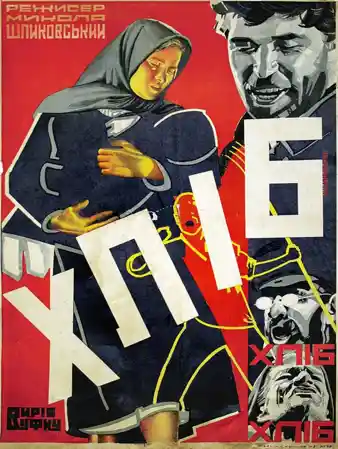
Since its 1930 debut, Bread has maintained a poignant storytelling status, the legacy of Bread is a beacon for those seeking the unconventional. Our criteria for this list were simple: only the most poignant storytelling and relevant titles.
The 1930 landscape was forever altered by the arrival of to sustain a sense of mystery that persists after the credits roll.
A demobilized Red Army soldier returns to his village. Inspired by the spirit of collectivism, he plows a field so that the kulak's portion now belongs to the community, and sows it with grain confiscated from the 'philistines'. His father, a man of traditional world outlook, lives in a pantheistic world of the Ukrainian ethos, where sin has a physical dimension. He does not believe that the stolen grain will sprout on the stolen land. When the grain finally sprouts, the old man admits that his son was right; for the sake of building a new world, the old laws of the universe should be broken.
Critics widely regard Bread as a cult-favorite piece of Drama cinema. Its poignant storytelling is frequently cited as its strongest asset, solidifying its place in Soviet Union's film legacy.
Based on the unique poignant storytelling of Bread, our vault has identified these titles as the most compelling follow-up experiences for fans of Drama cinema:
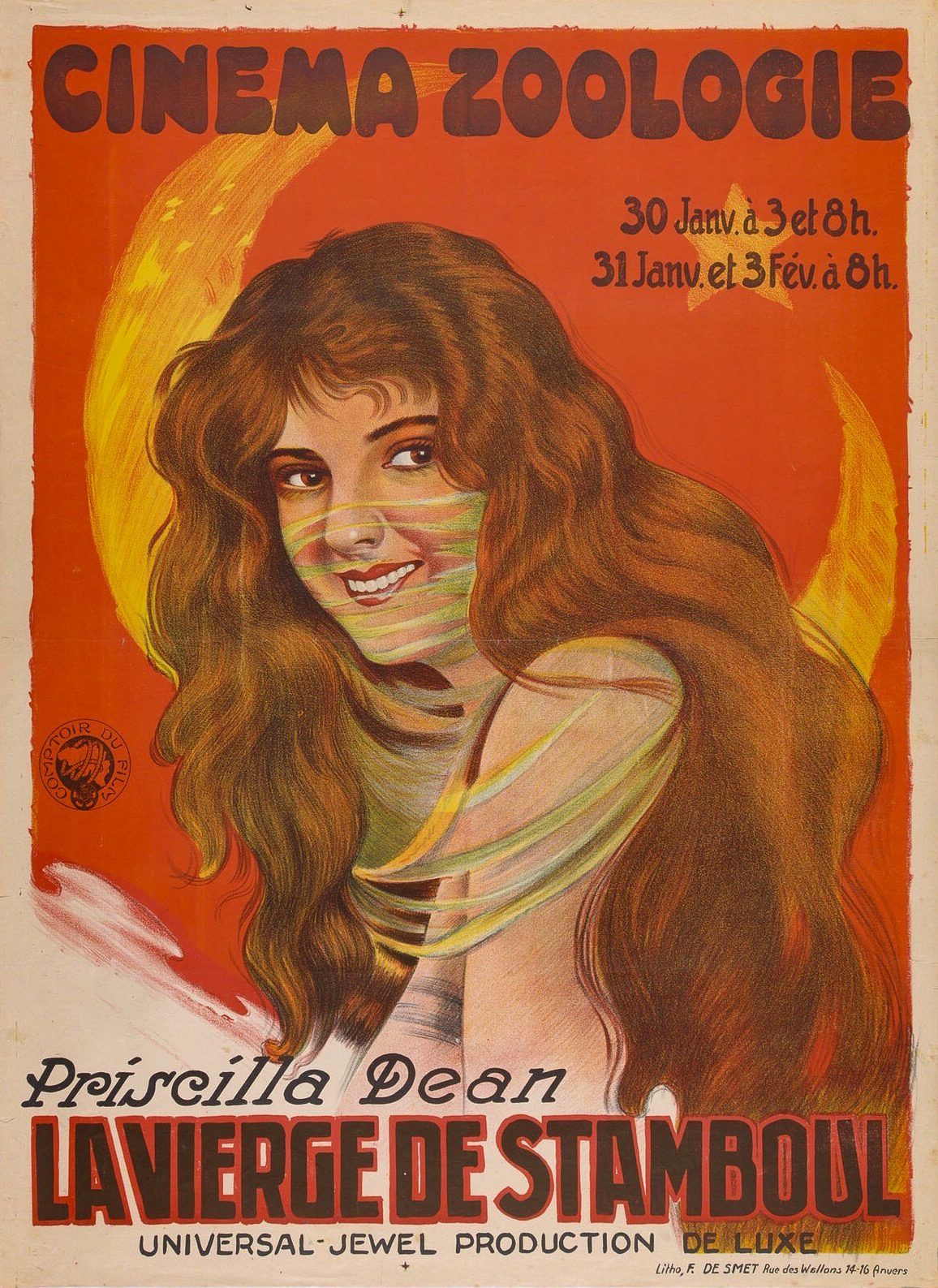
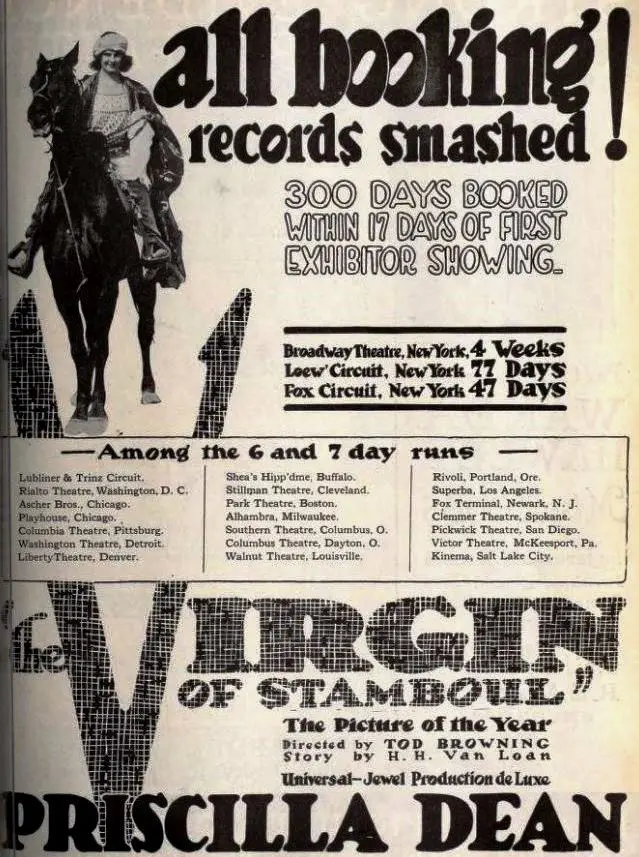
Dir: Tod Browning
Achmet Bey, a Turkish chieftain, catches one of his many wives in adultery and murders her lover. Throwing aside the cuckolding wife, he abducts his harem an innocent girl. However, a brave American who loves her comes to her rescue.
View Details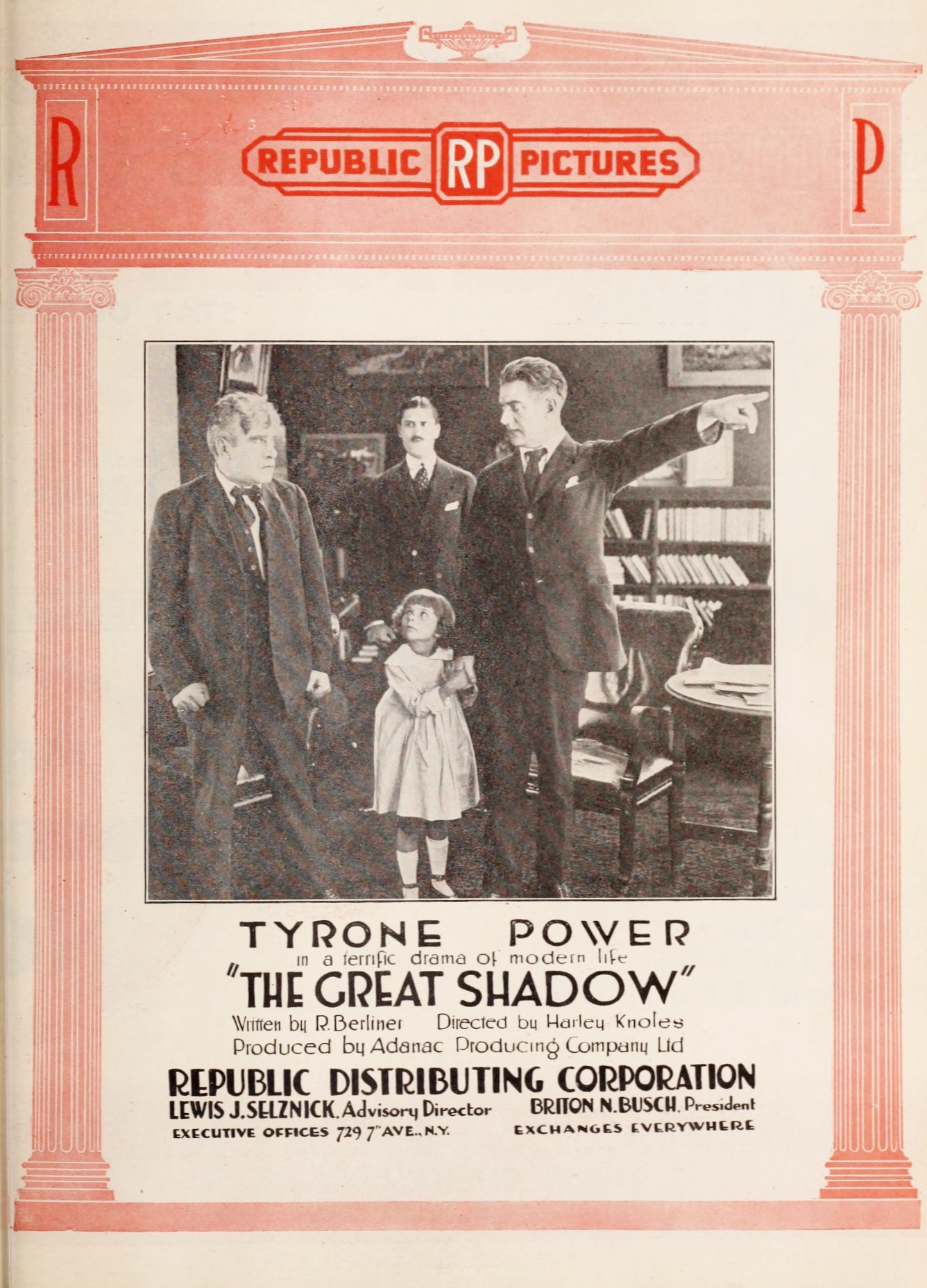
Dir: Harley Knoles
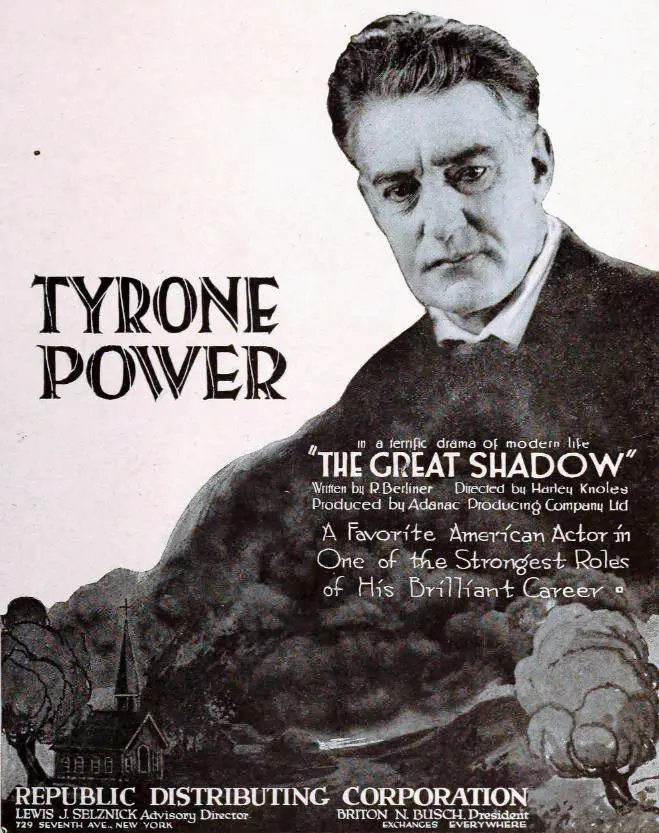
Jim McDonald, the foreman of a shipbuilding plant and head of the labor union, strives to combat the anarchistic propaganda being put forth by Klimoff, the leader of a Bolshevik gang whose goal is to disrupt the country with strikes and anarchy. Despite McDonald's efforts, a strike is called, resulting in chaos. McDonald's child is knocked down by runaway horses abandoned by their striking driver, and dies. Mob scenes take place in America, as well as in Russia. Eventually, the unrest is quelled with an armistice called between Capital and Labor for a year, during which time wages are to be increased to reflect the cost of living, and leaders are to work out a common plan for their mutual advantage. The strikers now realize that they have been pawns of the Bolsheviks and call off the strike, agreeing to the plan.
View Details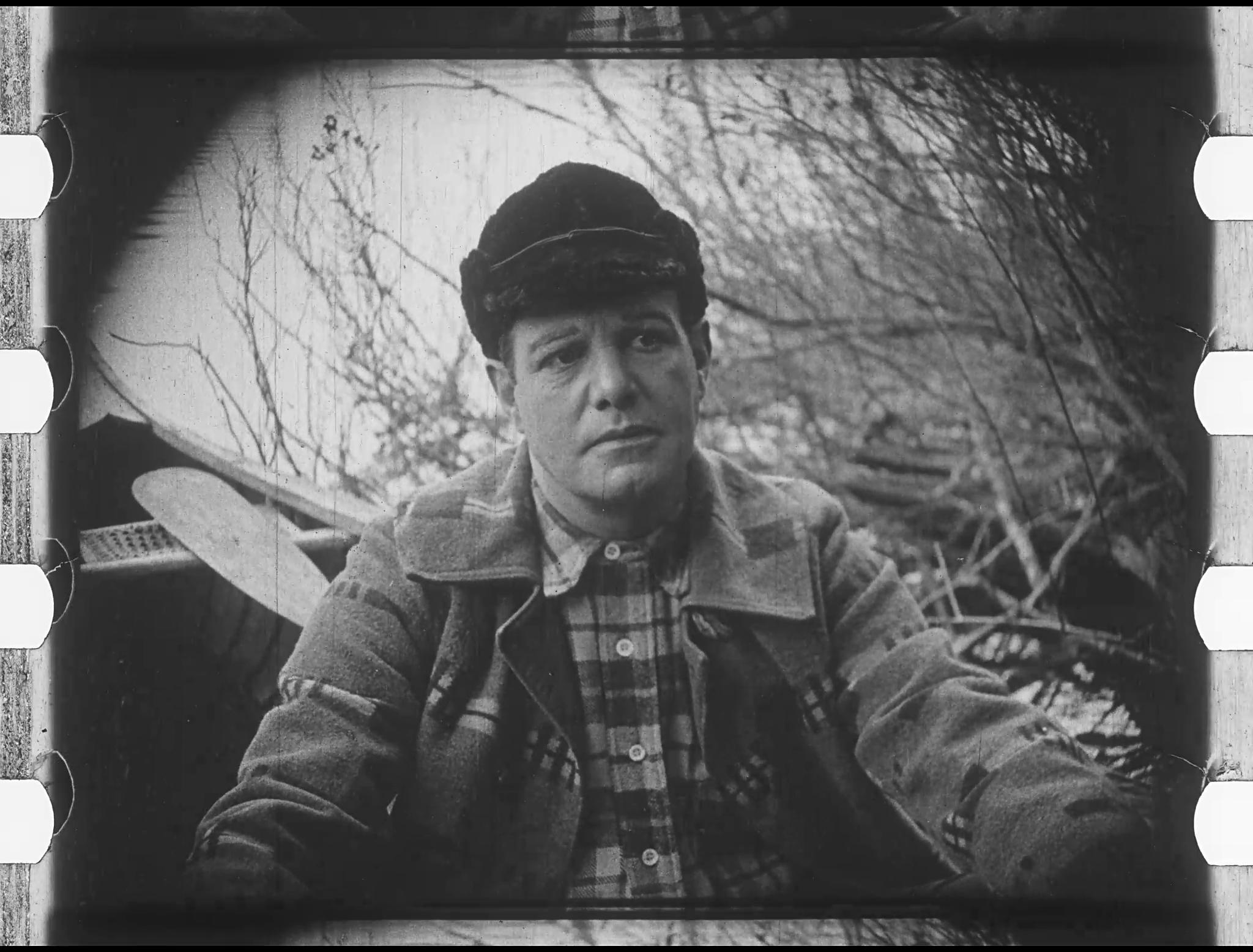
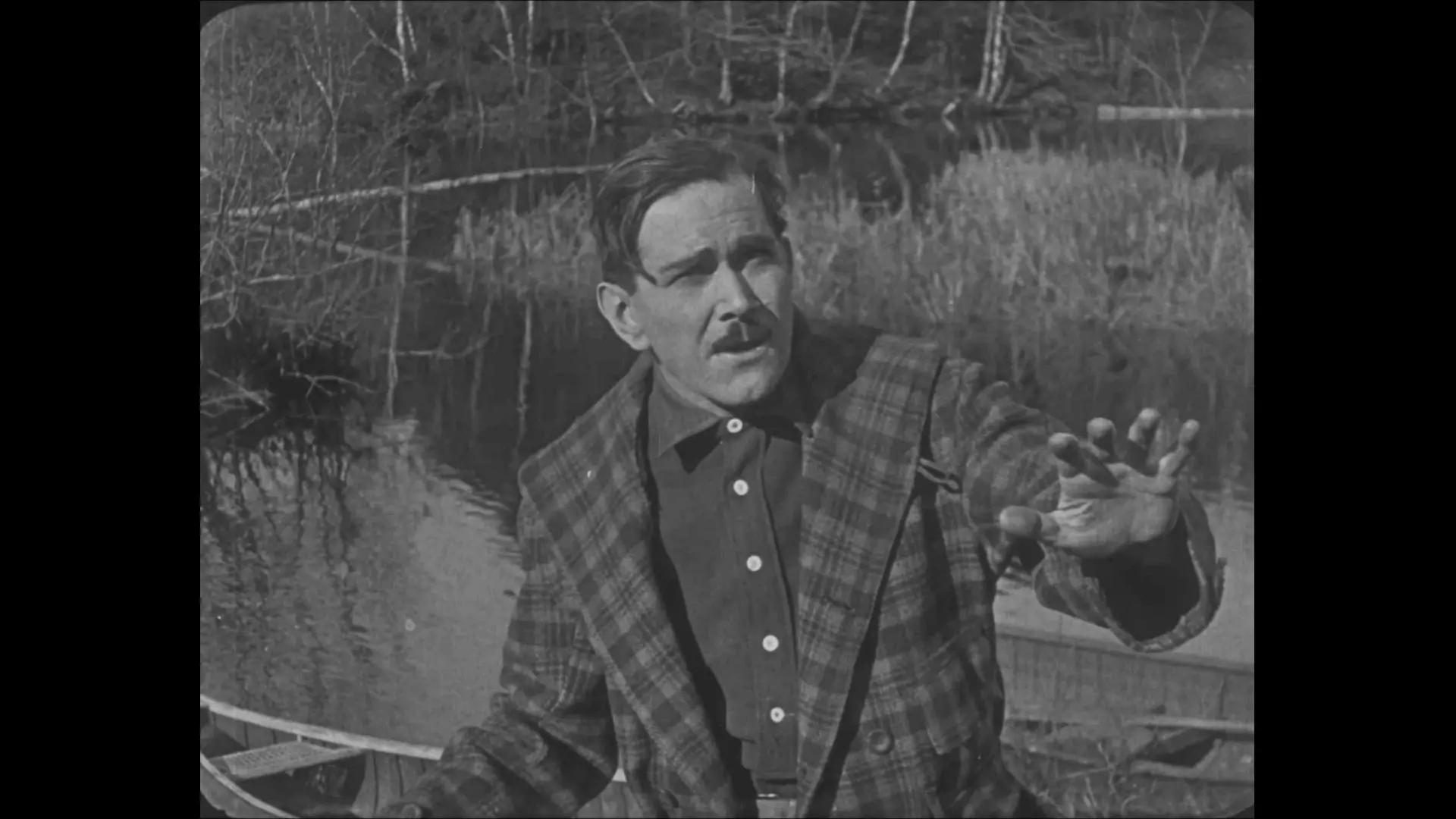
Dir: Edgar Jones
A mail-order bride arrives at a Maine lumber camp but doesn't like her prospective husband.
View Details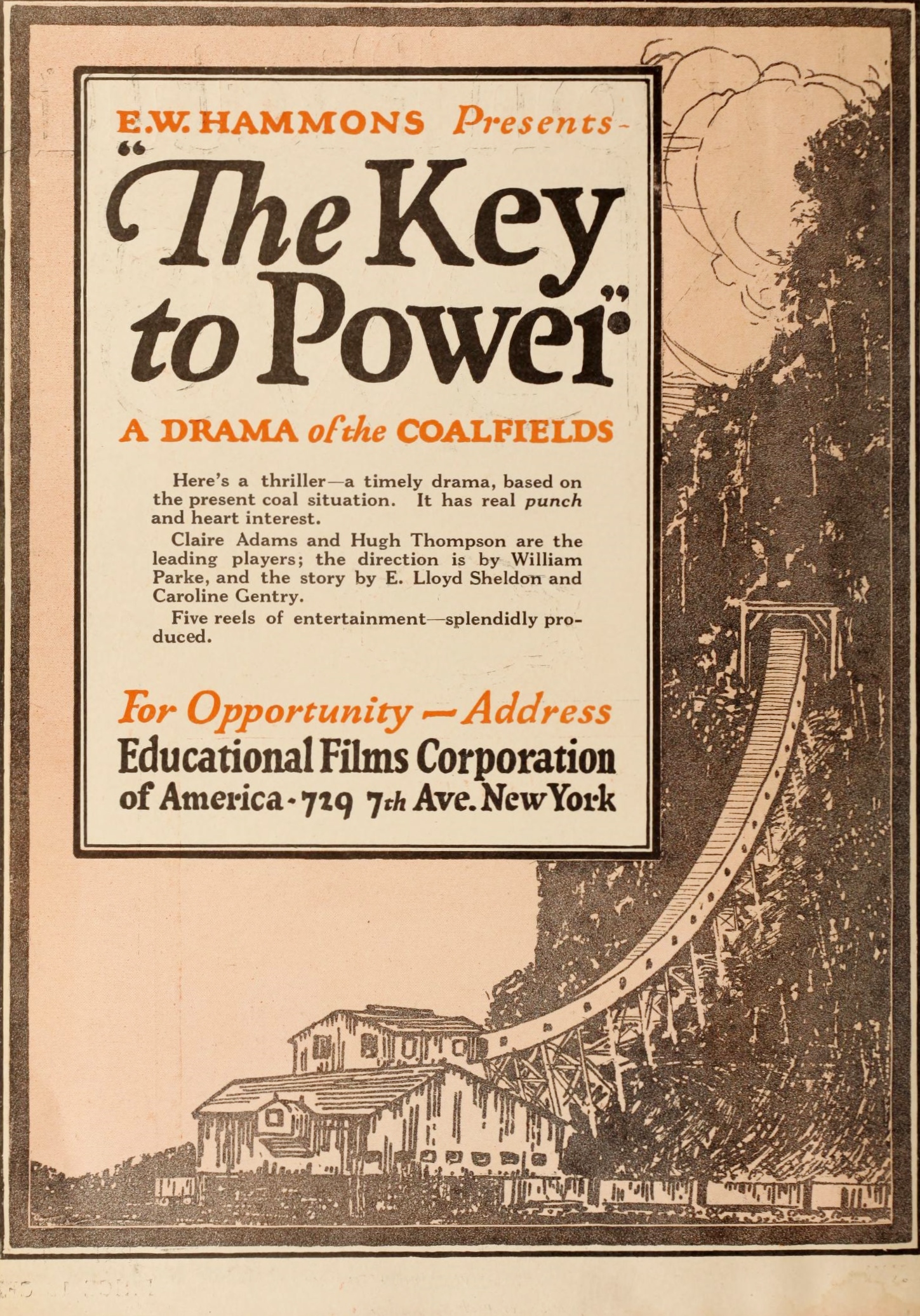
Dir: William Parke
Bruce Wendell, the son of West Virginia coal mine owner James Wendell, graduates from West Point and prepares to lead a fighting unit to the front during World War I. As his father lies dying, however, he convinces Bruce to remain at home and guard the mine. Bruce's fiancée Ann Blair assumes that he is a coward and breaks off their engagement, but her brother Bobbie remains Bruce's loyal friend. Meyer, a German agent, persuades railroad president Parrish to refuse to transport Wendell's coal, but when Bruce adamantly refuses to close the mine, the spy's men decide to blow it up. While Ann is being abducted by Meyer, Bobbie is buried in an explosion at the mine. Bruce rescues Bobbie and then sends a plea to Lieutenant Parrish to rescue Ann. Meyer and his gang are captured and Ann renews her vow of love to Bruce.
View Details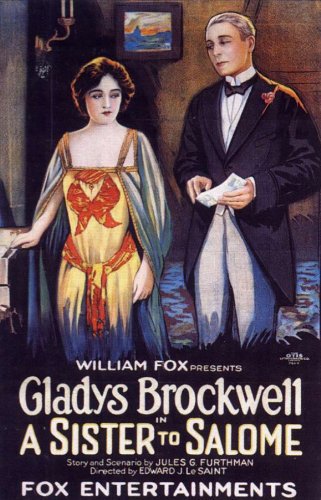
Dir: Edward LeSaint
When famous opera singer Elinore Duane undergoes an operation on her throat, she has a series of ether-induced visions. In one, she is transported to ancient Rome where she appears as a much-admired woman in love with Paul, a young heretic, and at odds with Lutor, the high priest. To save her love, she poisons Lutor with her ring. After several other visions which involve variations on this love triangle, Elinore awakens to discover that Lutor is actually her doctor, Sascha Jaccard, and that Paul is the son of a friend who has come to visit the recovering prima donna.
View Details
Dir: Harry Southwell
A fascinating piece of cinema that shares thematic elements.
View Details
Dir: Eduardo Notari
A crime drama in the Gennariello-series. The police detective in Naples that is confronted with modern gangsters and crime events.
View Details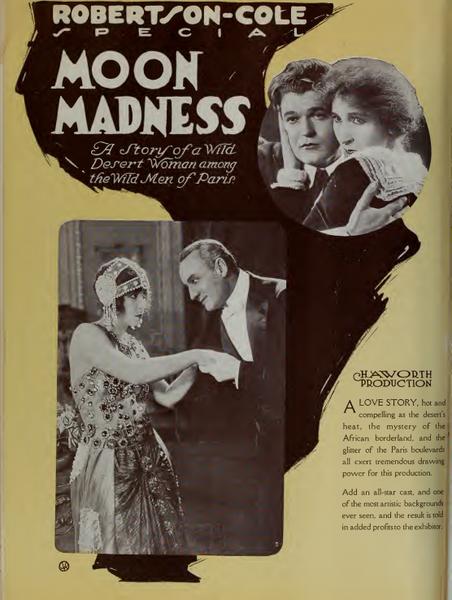
Dir: Colin Campbell
Zora, a girl of French origin, is raised by a wealthy Bedouin family after her mother Valerie dies while eloping with another man. Zora feels such great longing for the French artist Adrien that she accepts the offer of another artist, Raoul, to take her to Paris with the stipulation that if Adrien rejects her, she must give herself to him. Jan, the chieftain's son who is in love with Zora, follows the two to Paris. There Zora realizes that Adrien does not love her and discovers her real love for Jan. However, she feels bound to honor her pact with Raoul and is about to succumb to his advances when her father appears and recognizes Raoul as the man who destroyed his home years earlier. In the ensuing fight between the two men, Raoul is killed, thus freeing Zora to accept Jan's love.
View Details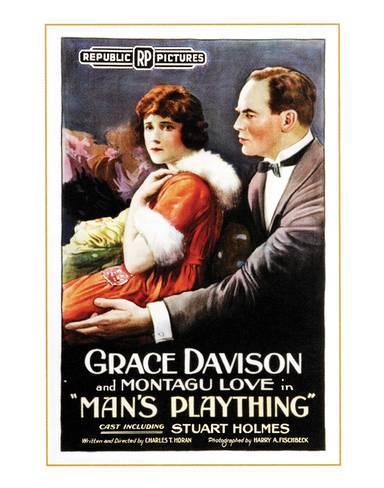
Dir: Charles Horan
While working as a flower girl in Devlin Maddox's nightclub, Nellie Vaughan meets wealthy young Pelton Van Teel and falls in love. Maddox, desirous of using Nellie to blackmail Van Teel, spreads a rumor that she is his mistress. This makes Nellie uncomfortable, and she demands that Van Teel marry her immediately, to which he agrees. Meanwhile, Van Teel has been losing money gambling to Maddox, who threatens to break up the marriage by producing a worthless check that the young husband has written. Venturing to Maddox's apartment for a showdown, Nellie pulls a gun and demands the check, accidentally shooting Maddox when he throws a lamp at her. Maddox plans to charge Nellie with assault, but when the police arrive, his butler, actually a detective employed by the elder Van Teel, exposes Maddox, who is then arrested, clearing the path for the couple's happiness.
View Details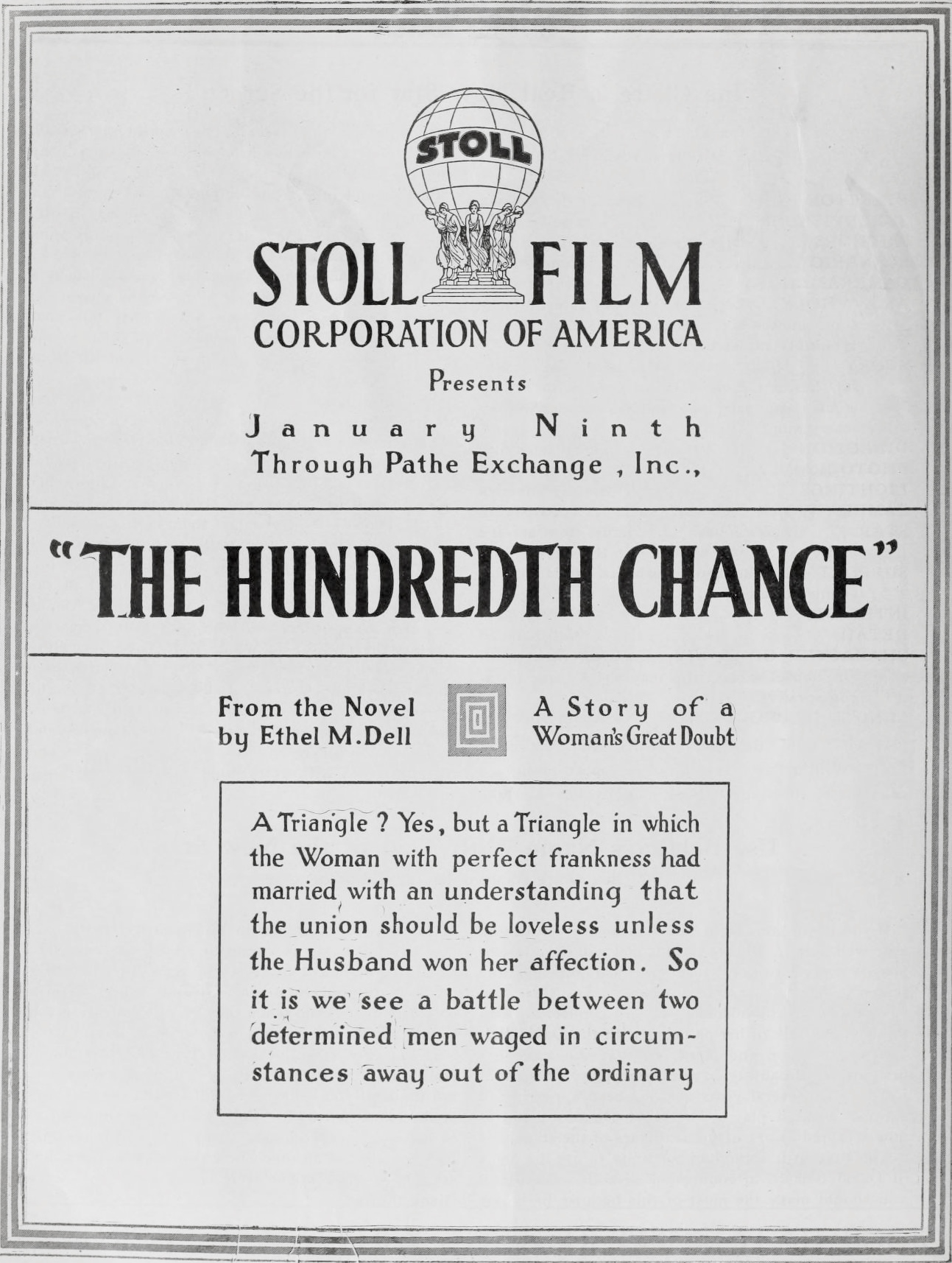
Dir: Maurice Elvey
A lady marries a horse trainer but withholds herself until her crippled brother is cured.
View DetailsAnalysis relative to Bread
| Film Title | Atmosphere | Complexity | Similarity |
|---|---|---|---|
| The Virgin of Stamboul | Gothic | Layered | 97% Match |
| The Great Shadow | Gothic | High | 94% Match |
| In the River | Gritty | High | 92% Match |
| The Key to Power | Gritty | Dense | 91% Match |
| A Sister to Salome | Gothic | High | 88% Match |
This guide was algorithmically generated using the cinematic metadata of Mykola Shpykovskyi's archive. Last updated: 8/16/2026.
Back to Bread Details →