
DbcultAccessing Vault...
Recommendations
Senior Film Conservator

Delving into the atmospheric depths of Children of Divorce reveals a master at work, the artistic provocations of Children of Divorce demand a follow-up of equal intensity. These hand-selected movies are designed to satiate your craving for Romance quality.
The enduring power of Children of Divorce lies in to transcend the limitations of its 1927 budget and technology.
A young flapper tricks her childhood sweetheart into marrying her. He really loves another woman, but didn't marry her for fear the marriage would end in divorce, like his parents'. Complications ensue.
The influence of Frank Lloyd in Children of Divorce can be felt in the way modern Romance films handle thematic gravity. From the specific lighting choices to the pacing, this 1927 release set a high bar for atmospheric immersion.
Based on the unique thematic gravity of Children of Divorce, our vault has identified these titles as the most compelling follow-up experiences for fans of Romance cinema:
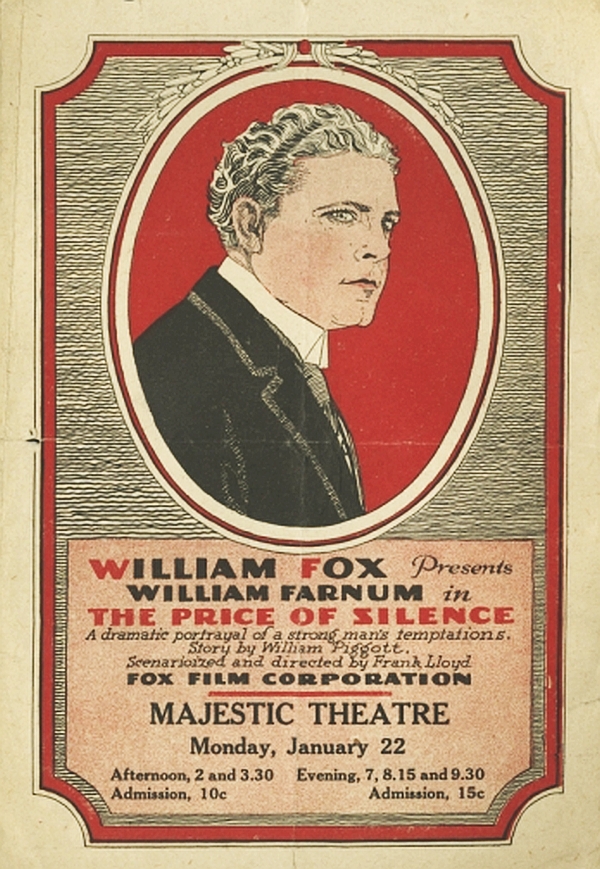
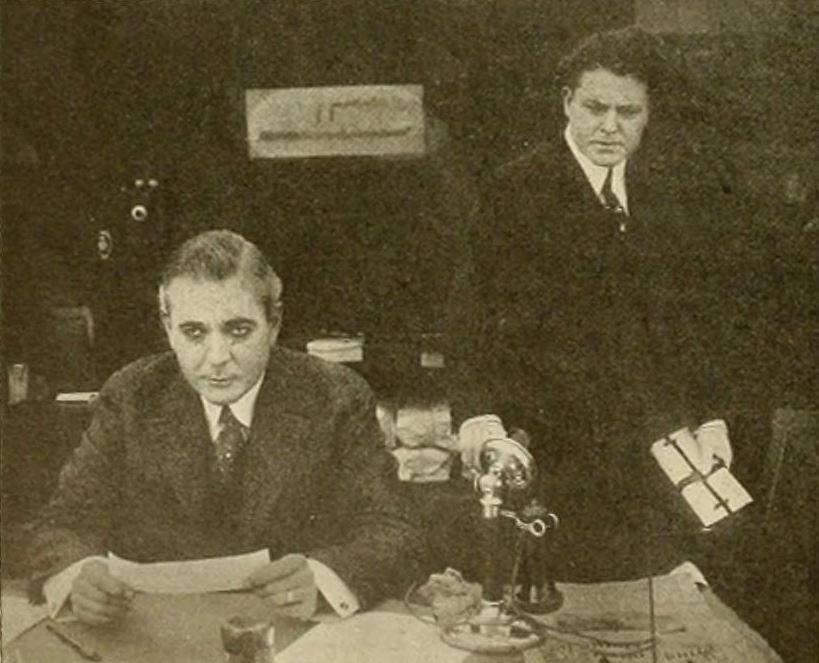
Dir: Frank Lloyd
U. S. Senator Frank Deering has spent his life trying to alleviate the misery of child labor. Judge Vernon, his closest friend, aids him in this struggle. Unexpected circumstances force Judge Vernon to borrow money from Henry McCarthy, one of the factory owners most responsible for the harsh and inhumane working conditions. Judge Vernon is unable to pay off the loan, and is reduced to accepting a bride from McCarthy. Later, the Judge is stricken with a heart-condition but, on his dying bed, he confesses the shameful act he committed to Deering. To keep his friend's name unsullied, Deering makes a deal with McCarthy and votes against the child-labor-act he sponsored. His colleagues and the world, unaware of his sacrifice, mock and jeer him.
View Details
Dir: Frank Lloyd
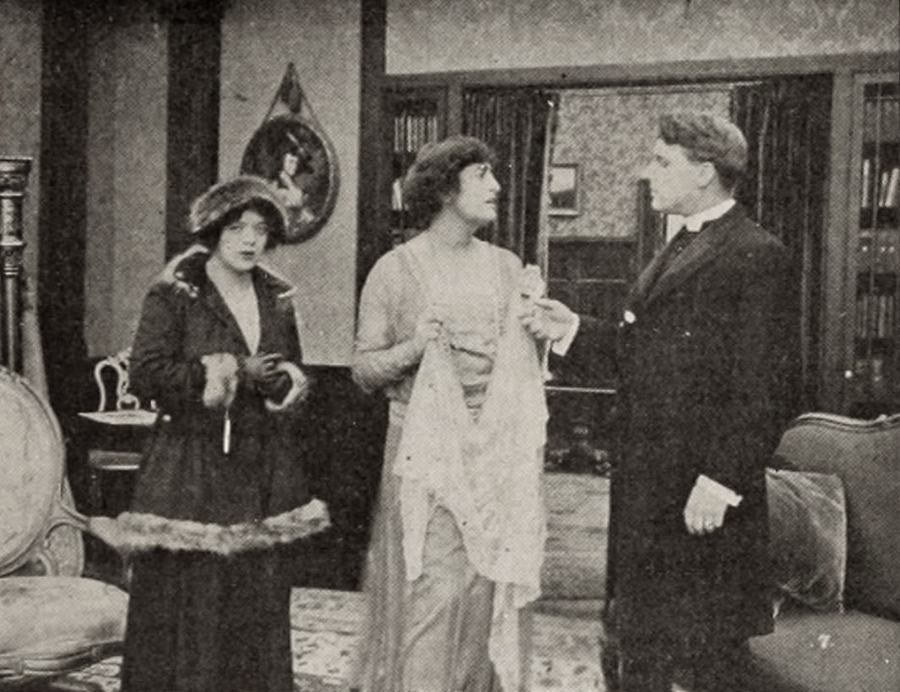
Rev. Dr. Penfield Sturgis, of fashionable St. Martins-in-the-Lane, finds himself face to face with Jane Bartlett, a grand opera prima donna whose opera he has denounced on grounds of morality, and who comes to his very vestry room to make him "eat his sermon word for word." Out of the encounter a strange acquaintance develops, Jane Bartlett interested through vindictive reasons, the rector through the challenge to his church. She prevails upon him to visit the notorious opera, which but deepens his previous convictions, but meanwhile he discovers a surprising humanity in the woman herself. Just as it is beginning to dawn upon him that maybe he takes himself a shade too seriously, word comes that the Mayor has closed "Zaporah" on the strength of his own condemnatory sermon. Repentant, Sturgis decides to apologize in an open letter to the newspapers, at which his vestry and congregation, already perturbed by the ascendancy of the Bartlett woman, are up in arms. To preserve her dignity the young rector offers to marry her, and she accepts him, thus at last making him "eat his sermon word for word," as she had set out to do. But her vanity appeased, Jane Bartlett proceeds to make peace between her young rector and Georgine Darigal, daughter of the rector emeritus and formerly his fiancée, and the reconciliation assured, Jane Bartlett gracefully withdraws.
View Details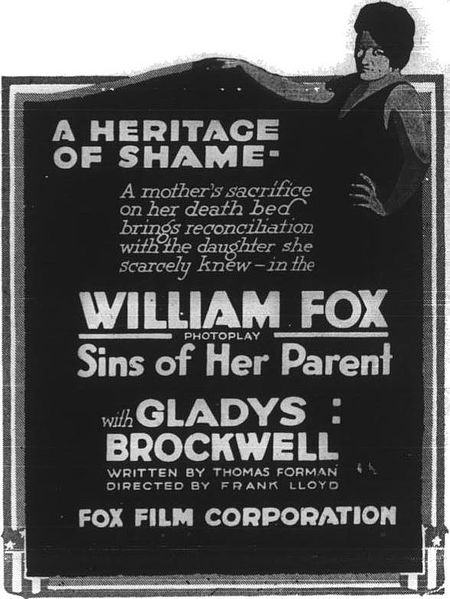
Dir: Frank Lloyd
Unhappy with her shotgun marriage to Southern aristocrat Arthur Heatherway, Valerie Marchmont leaves her new husband and, after giving her infant daughter to a Virginia family, goes to Alaska to work in a dance hall. Years later, the daughter, Adrian Gardiner, wants to marry Richard Carver. Richard's father Robert, refuses them to marry because Adrian cannot provide any information about her parents. Following a hunch, Richard goes to Alaska to find the mother Adrian never knew, but just after locating Valerie, he is shot by saloon owner Jim McNeil. When Adrian and Robert go to Alaska to be with Richard during his recuperation, Robert recognizes Valerie as the wife of his old friend Arthur. As a result, he approves of the marriage, but the celebration accompanying the news is cut short when Valerie and Jim kill each other in a fight.
View Details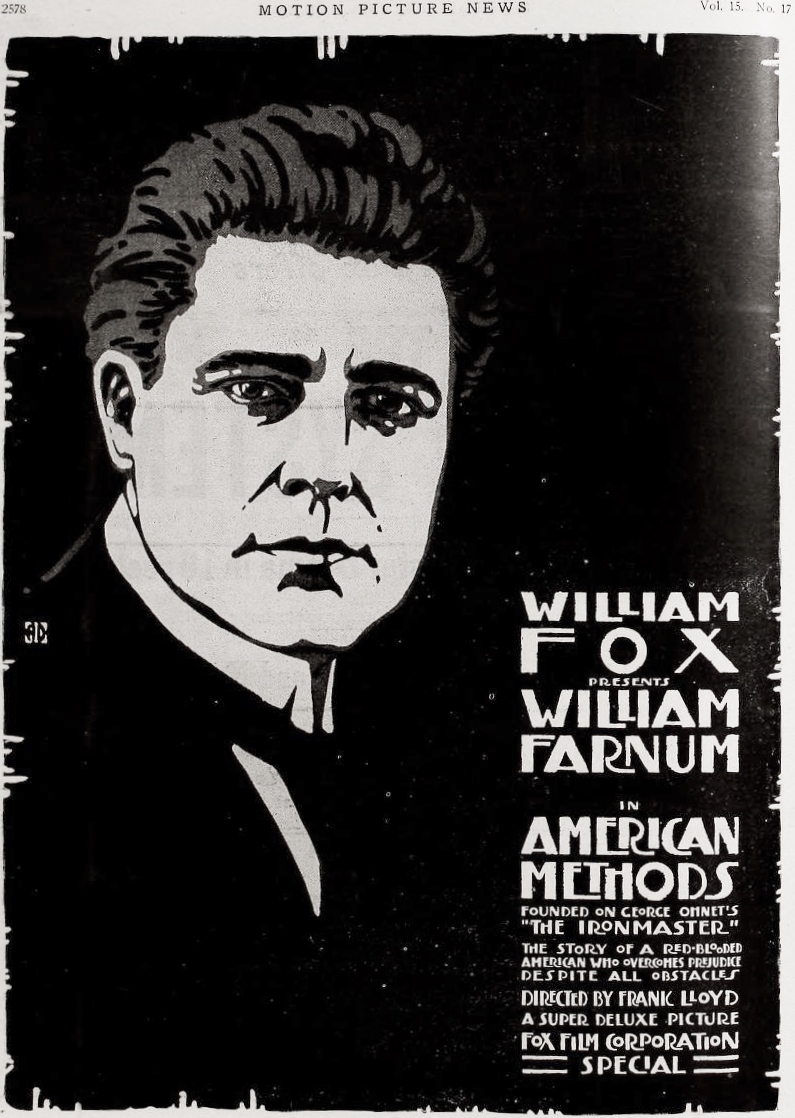
Dir: Frank Lloyd
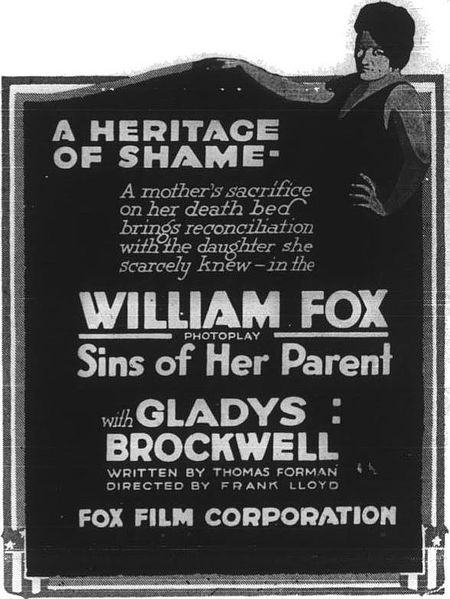
William Armstrong, an American whose family is from France, inherits an iron mine in France. With his sister Betty, he travels to France to take over the business. In the village near the mine lives Claire, the daughter of a wealthy family, who is engaged to the scheming Duc de Bligny. When Claire's family loses all their money, the Duc dumps her for the daughter of a wealthy manufacturer. Armstrong and his sister find themselves caught up in this intrigue, which becomes more complicated when Armstrong falls for Claire.
View Details
Dir: Frank Lloyd
Alcoholic lawyer Sydney Carton travels to Paris during the Reign of Terror to rescue French aristocrat Charles Darnay, husband of the woman he loves.
View Details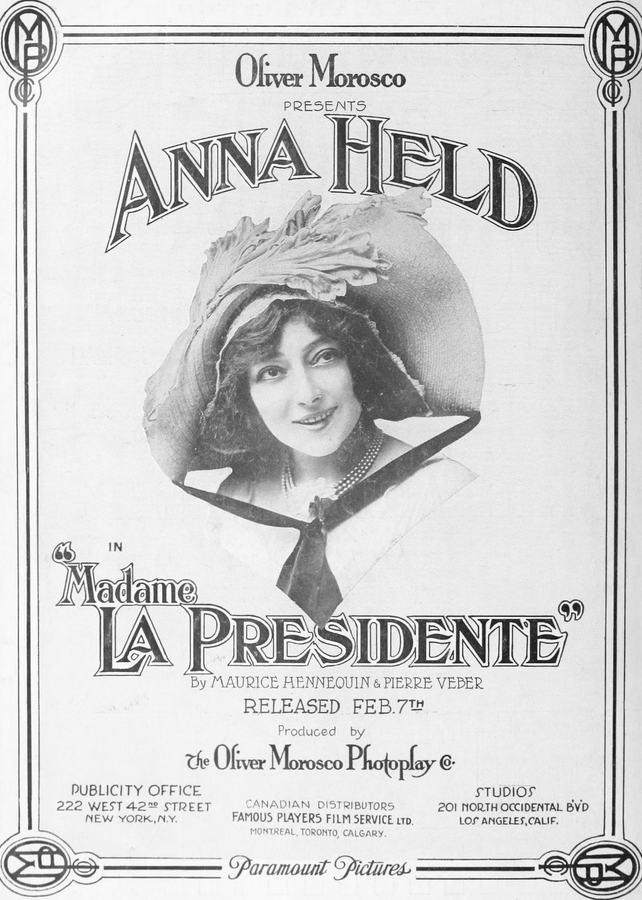
Dir: Frank Lloyd
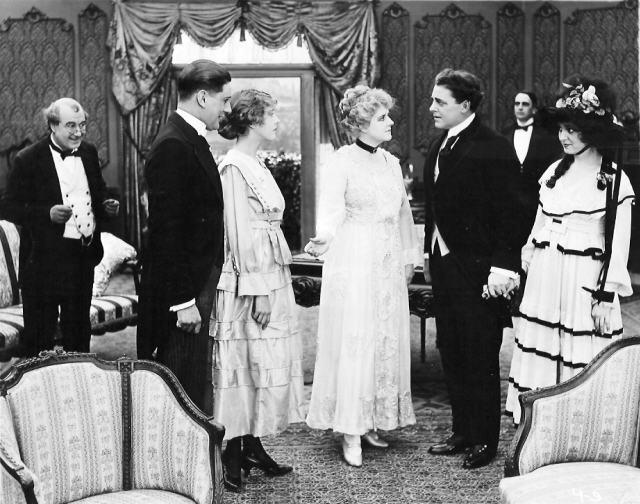
The story tells of the troubles started by the fondness for gaiety of three mature French judges. With an eye to securing his good graces, they enjoy losing an occasional game of whist to their superior, Judge Galipaux. M. Galipaux's life burden is an ambitious wife. An escapade with the leading lady of a theatrical troupe, Mlle. Gobette, lands the three judges on the carpet for a severe reprimand. The offending actress is evicted from the hotel. Like an inspiration, a way out of their predicament comes to one of the offenders. That night on returning from seeing his wife on her train to Paris, M. Galipaux finds his house occupied by a strange but very beautiful woman, who refuses to leave. Unexpectedly M. Gaudet, the handsome and irreproachable Minister of Justice, arrives. He is fascinated by Gobette whom he believes to be Mme. Galipaux. Still posing as Mme. Galipaux, Gobette comes to Paris to call upon him. Scenting a possible scandal, Marius, the head usher, lays a trap. Mlle. Gobette calls and the trap is sprung. From then on events crowd quickly upon poor Gaudet, but through humorous situations and startling perplexities he remains undaunted to emerge triumphant.
View Details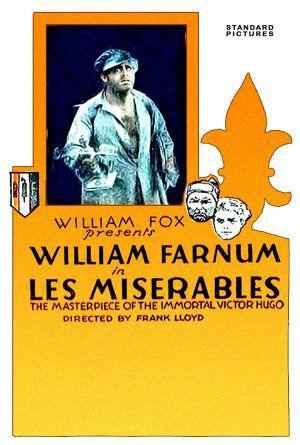
Dir: Frank Lloyd
Jean Valjean, a good and decent man who has committed a minor crime, is imprisoned but escapes. He is pursued thereafter for years by Javert, the cruel and implacable arm of the law.
View Details
Dir: Frank Lloyd
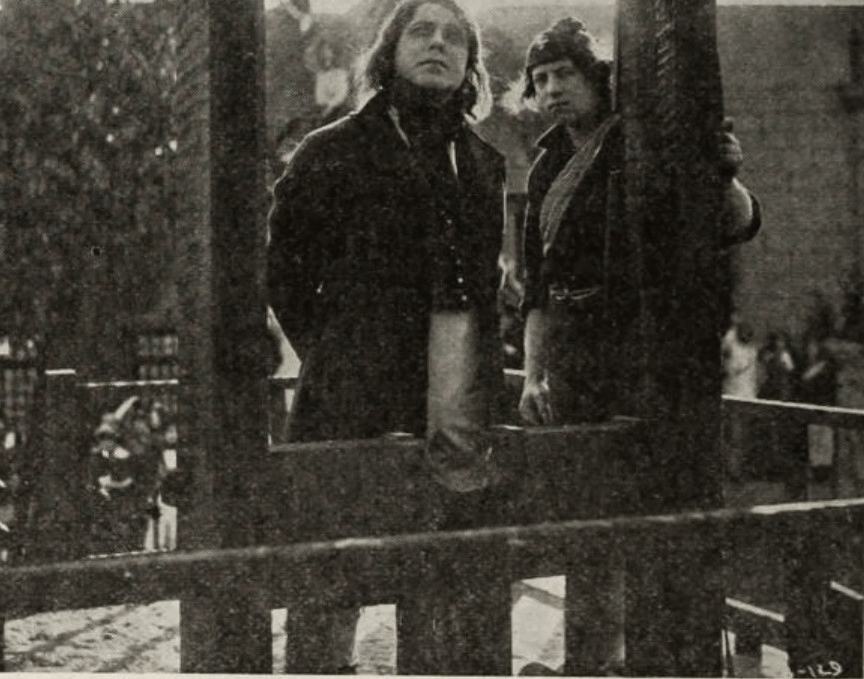
George Hale, a rather good-for-nothing son of wealthy parents, is engaged to marry Marie, a young society girl. She refuses to marry him until he has made good. Young Hale's chum, Augustus Foster, an art student, induces Hale to join him in his studio in Rome. To win the admiration of his sweetheart, Hale accepts his chum's offer and starts his career as an artist. Being of a carefree, happy disposition, he dallies with his work. Here he meets Maddalena, a very beautiful young Italian girl, who poses as his model. Her father, a rough and muchly-dissipated Italian of the poorer class, has abused his daughter most shamefully, using the money she earned selling flowers to buy his drink. Young Hale is greatly attracted to the beautiful Maddalena. One night at the studio, where a number of his friends were celebrating the Fourth of July, in true American fashion, the studio gaily decorated with American flags, bunting of red, white and blue, a letter is received by Hale from the American sweetheart denouncing him and announcing her engagement to Signor Pastorelli, a great artist, who was then living in America. Leaving her home because of her father's abuses, Maddalena seeks refuge in the studio of Hale. In a fit of rage over the news of his sweetheart's betrothal to Sig. Pastorelli, Hale announces to his friends his intentions of marrying his beautiful model, Maddalena. He marries her, a son is born to them. Hale finds the struggle for existence a very difficult one and seeks employment. He becomes ill, loses his position. Hale's father, who has learned of his marriage and illness, decides to go to his son and bring him to America, to his mother, who is grieving for him. This he does, takes his son away until he is well enough to go to America. He would like to take the child, but the mother will not give him up. Maddalena's brutal father, seeing an opportunity to get a few dollars from the elder Hale if he should bring him the child, kidnaps the baby. Grandfather Hale, with his son and grandson, leave for America. Months later, Hale's chum, Augustus Foster and his aunt, Mrs. Wright, go to find young Hale, only to learn from poor little broken-hearted Maddalena of her desertion. Mrs. Wright takes the girl as her companion to Paris. Here she is educated. They finally come to America. Here Maddalena becomes interested in settlement work, meets Dr. Comstock and interests him in her great work among the poor. She becomes a trained nurse, nursing in the homes of these poor people. An epidemic breaks out in the city, a most dreaded disease and one day she learns through the newspaper that her child has been stricken with this disease. She goes to the home of the child's grandfather, acts as nurse to her child. The child becomes very ill, the elder Hale does not recognize the young nurse as his daughter-in-law, and thinking the child is dying, says: "Oh, if the child's mother was only here." Hale, who has been out of the city, has been called home because of the seriousness of his child's illness, comes into the room and recognizes his wife. A reconciliation takes place, the elder Hale recognizes the great change in the girl, sees the noble character, and takes her into his home.
View Details
Dir: Frank Lloyd
Barney Kemper works hard on a farm so his younger brother Dick can go to college. However, Dick squanders Barney's money. Margaret Danford, daughter of the village doctor, loves Barney from afar and tries to educate him. A girlfriend of Margaret's comes for a visit and steals Barney's heart. The young girl turns to Dick, and Barney discovers them together. Embittered, Barney goes west to work in a lumber camp. But Dick reforms, and becomes a minister, and is assigned to the lumber camp. Margaret goes along to start a hospital. Tex Daly, leader of the lumbermen, resent Dick and try to frame him with a saloon girl. When Dick is shot by Tex, Barney appears and helps his wounded brother by taking charge of the church. Dick dies, and Barney kills Tex. Barney and Margaret are united.
View Details
Dir: Frank Lloyd
After her parents separate, young Violet Dale's father takes her to Alaska. Although he tries to protect her from the sordidness of life in a lawless town, Violet must resort to working in a dance hall after he is killed after being caught cheating at cards. Despite her circumstances, Violet remains virtuous and earns the respect and admiration of the dance-hall clientele. Frank Carson, a young man who has come to Alaska to seek his fortune, is attracted to Violet and asks her to marry him. When he shows her a portrait of his mother, Violet sees that it is a duplicate of a portrait she has of her own mother. Now realizing that Frank is her own brother, she refuses his proposal but does not tell him why. Some time later, Frank receives word that his mother is seriously ill and needs an expensive operation that she cannot afford. Desperate to help, Violet holds an auction at the dance hall to offer herself to the highest bidder. Rev. David Cromwell, a kind man who is in love with Violet and knows her predicament, makes the winning bid of $6,000, although he does not have the money. Dance-hall owner Buck, who is jealous of David's influence over the community, decides to lend him the money for three months on the condition that if David does not pay, he will belong to Buck for 10 years. David eventually obtains the money and wins Violet's love.
View DetailsAnalysis relative to Children of Divorce
| Film Title | Atmosphere | Complexity | Similarity |
|---|---|---|---|
| The Price of Silence | Surreal | Dense | 88% Match |
| The Tongues of Men | Tense | Linear | 88% Match |
| Sins of Her Parent | Gritty | Dense | 96% Match |
| American Methods | Tense | Abstract | 97% Match |
| A Tale of Two Cities | Surreal | High | 95% Match |
This guide was algorithmically generated using the cinematic metadata of Frank Lloyd's archive. Last updated: 6/26/2026.
Back to Children of Divorce Details →