
DbcultAccessing Vault...
Recommendations
Senior Film Conservator
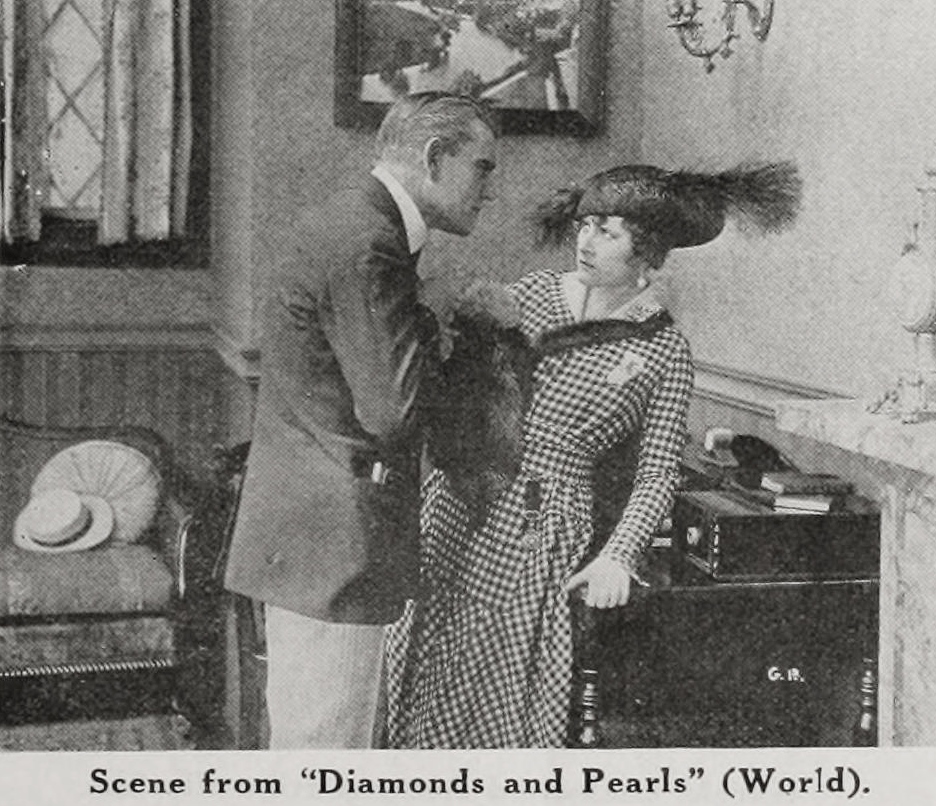
Witnessing the stylistic evolution of George Archainbaud through Diamonds and Pearls is profound, audiences who connected with its message often look for similar thematic gravity. Each of these movies shares a piece of the cult status that made Diamonds and Pearls so special.
The synthesis of form and function in Diamonds and Pearls to establish George Archainbaud as a true visionary of the 1917s.
Violetta D'Arcy turns down the proposal of Jack Harrington, whom she believes to be poor, and instead marries the wealthy Robert Van Ellstrom. Her husband's fortune, however, is not sufficient to cover her gambling debts, so she pawns her sister-in-law's jewels and accepts money from Jack's father, who wishes to be introduced into society. When Harrington, Sr. makes improper advances towards Violetta, Robert fights him, and in the struggle, Harrington, Sr. shoots Jack in the arm. Believing that he has killed his son, Harrington commits suicide. Despondent and ashamed, Violetta tries to drown herself, but Robert intercedes and takes her in his arms.
Diamonds and Pearls was a significant production in United States, bringing a unique perspective to the global stage. It continues to be a top recommendation for anyone studying cult history.
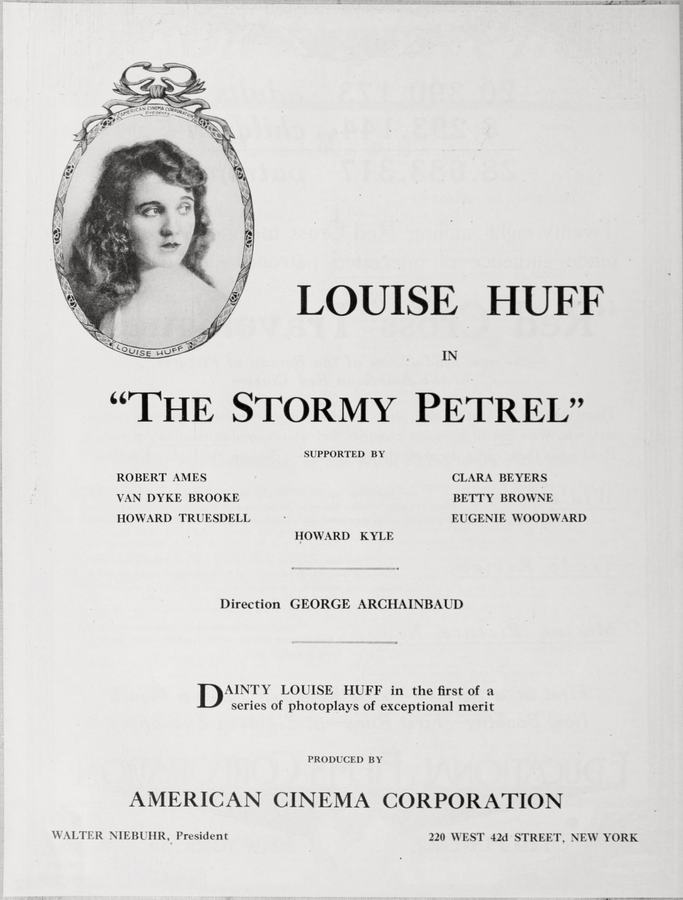
Based on the unique cult status of Diamonds and Pearls, our vault has identified these titles as the most compelling follow-up experiences for fans of cult cinema:
Dir: George Archainbaud
A fascinating piece of cinema that shares thematic elements.
View Details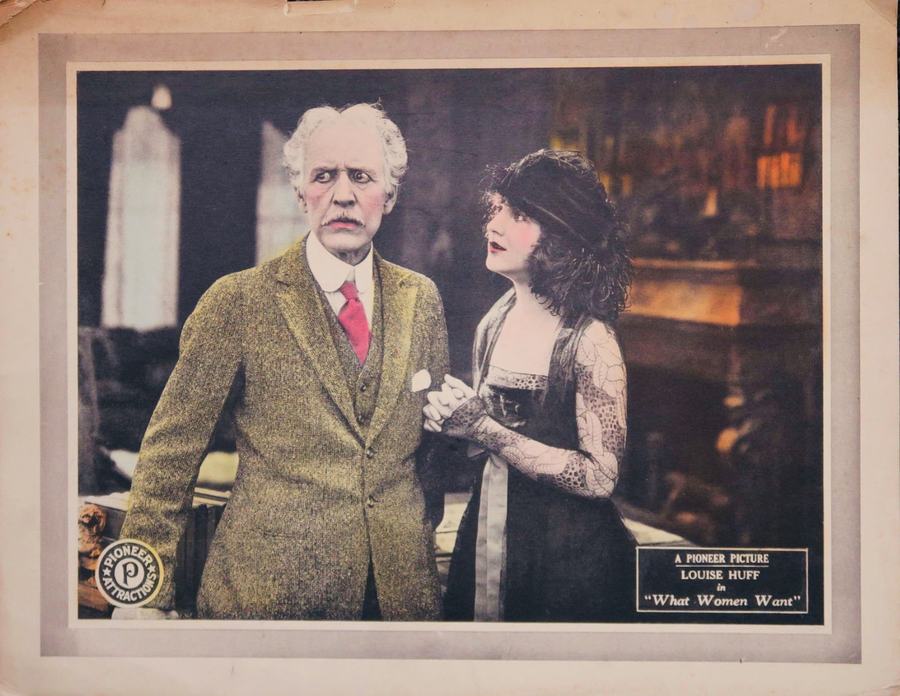
Dir: George Archainbaud
During World War I, young Frenchwoman Francine D'Espard meets U.S. Army officer William Holliday at the front, and they become engaged. Returning to America, William finds his father at the mercy of his business rival, Ezekiel Bates. Shortly after, when Francine arrives in America to marry her fiancé, she is informed that her lover is about to marry Bates' daughter Susan. Her love now turning to hate, Francine devotes herself to the task of destroying her former suitor. Through her connections with the U.S. Secret Service, the two are involved in many adventures, and just as Francine is about to avenge herself, she discovers that Holliday has been true to her the whole time. Upon finding evidence that Bates, in addition to being the cause of all their troubles, has also defrauded the government, Francine has him arrested and finally reunites with her lover.
View Details
Dir: George Archainbaud
Mavis Cole defies her grandfather and runs away with Herbert Whitman, a man of high social standing but poor character. Herbert plants a stolen necklace on Mavis and attempts to have her arrested when he comes under suspicion. Mavis seeks refuge in a hunting lodge with young Jimmy Ryder, and she claims to be Mrs. Ryder, Jimmy agrees to make the title legal. Meanwhile, Herbert bribes ex-convict Steve La Marche to steal a jewel from Dorothy Grosscup. Jimmy captures the thief, who at first refuses to confess. Dorothy accuses Mavis of the theft, but she is cleared by Steve, resulting in Herbert's arrest.
View Details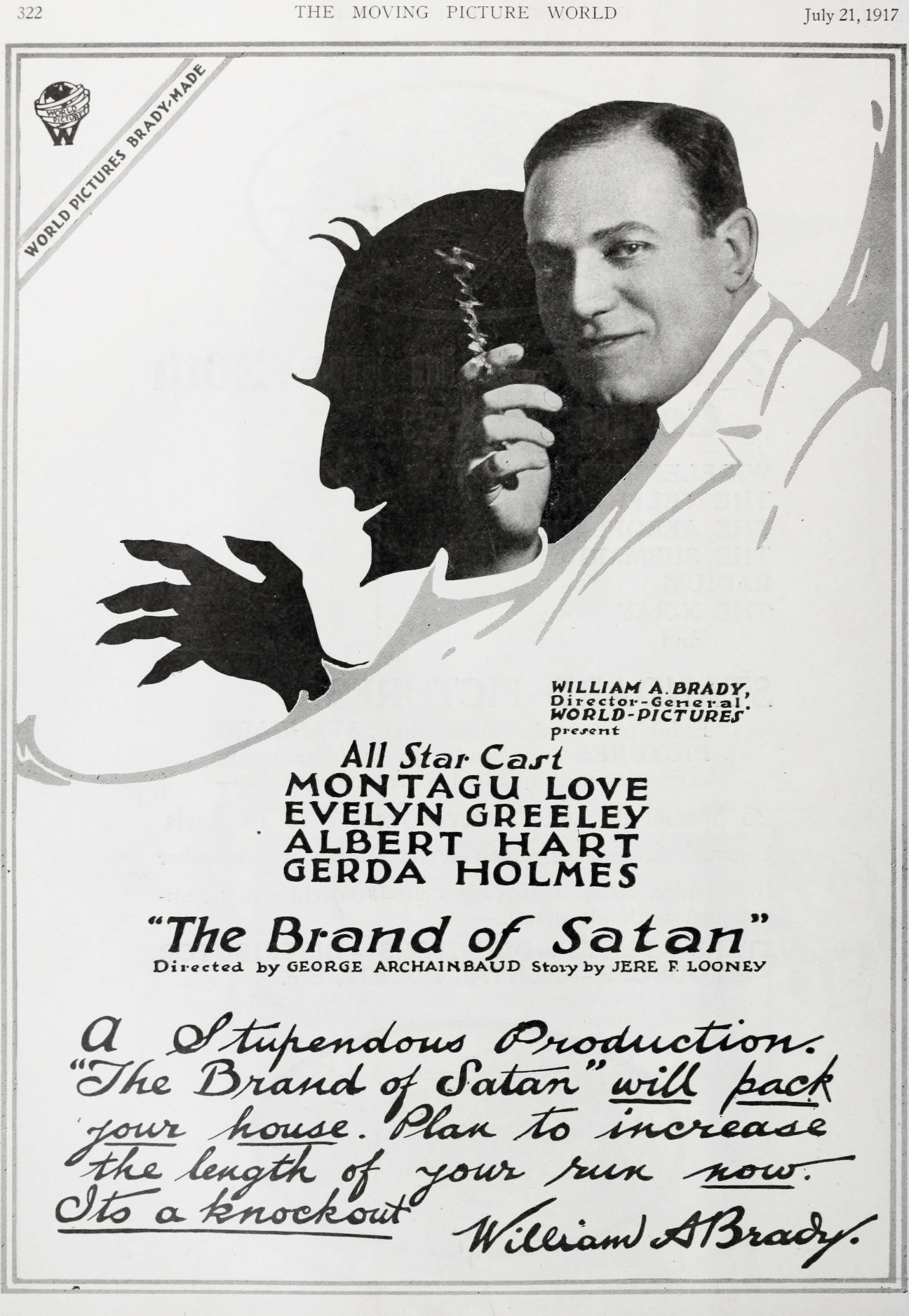
Dir: George Archainbaud
A man discovers that he has two personalities--and one of them is a notorious strangler.
View Details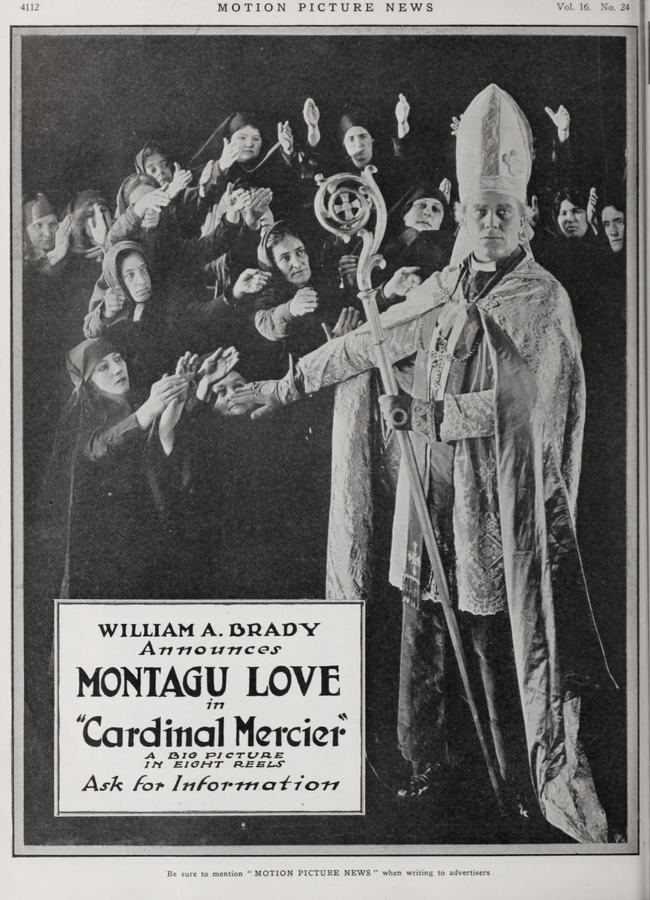
Dir: George Archainbaud
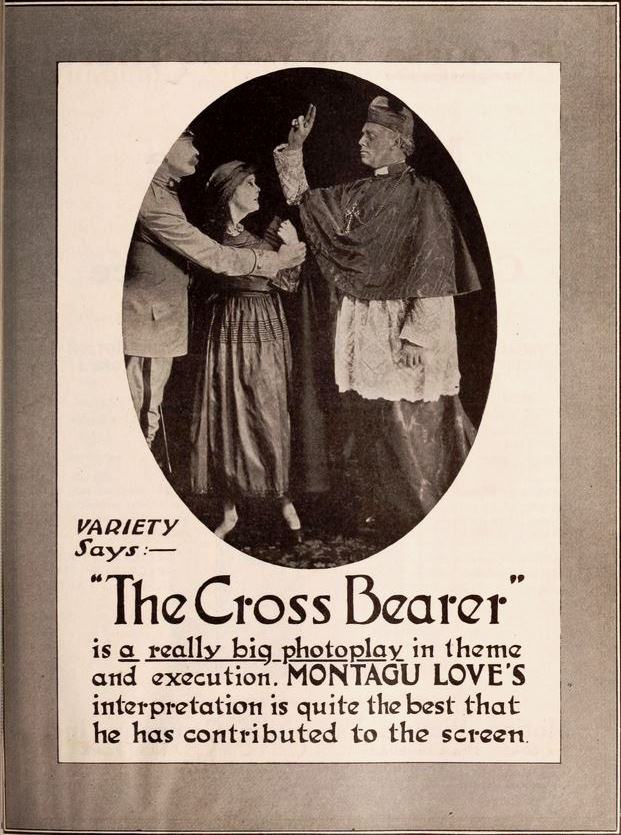
Cardinal Mercier protects the altar of his church from desecration when German forces invade the Belgian city of Louvain during World War I. Although the soldiers commit widespread atrocities, the cardinal does his best to protect the townspeople. Cardinal Mercier's young ward, Liane de Merode, is betrothed to Belgian officer Maurice Lambeaux, but the German governor general tries to gain possession of her against the cardinal's will. Despite the plotting of the governor general, Maurice breaks through the German lines in a disguise. Secretly the cardinal marries the young couple and smuggles them across the border to France.
View Details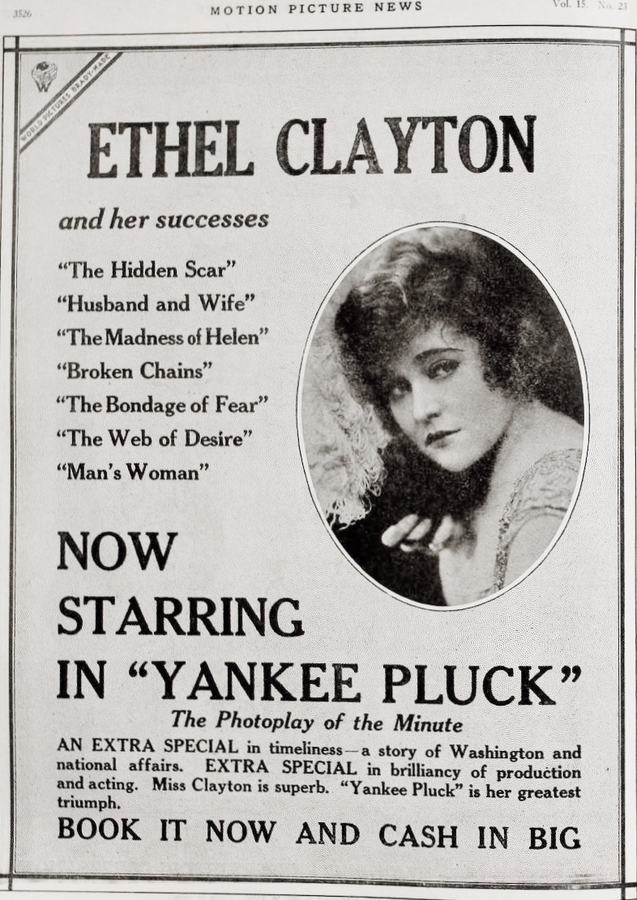
Dir: George Archainbaud
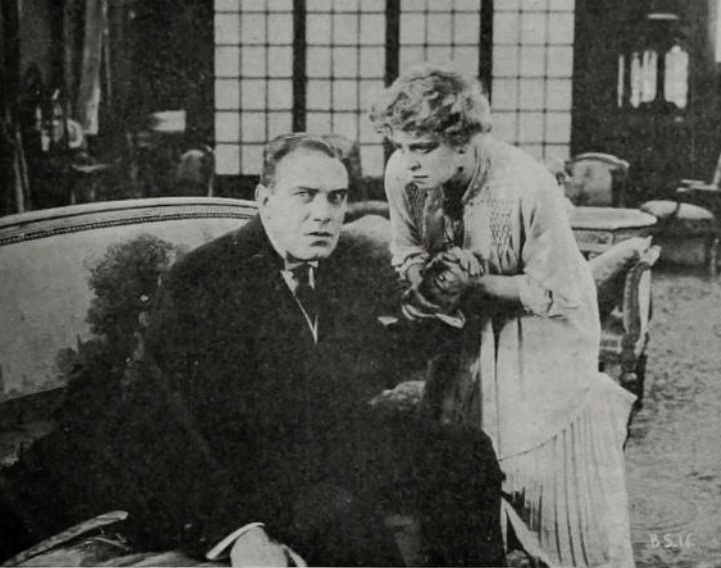
Once a wealthy man, John Pollard now resides in reduced circumstances in Washington, D.C. with his pretty daughter Polly. Despite the poor conditions, Polly manages to move in good social circles and meets multimillionaire George Singleton and Lieutenant Richard Travers, at the home of Mrs. Madison Derwent. Also at the Derwent mansion is Baron Wootchi, a Japanese diplomat trying to obtain valuable plans that are in Travers' possession. Old Pollard owes Singleton money and tries to persuade his daughter to marry the millionaire. Polly refuses and accepts Travers' proposal instead, until her father informs her that Singleton can seize their house unless Polly pays off the debt by becoming his wife. Meanwhile the Baron offers Pollard $50,000 to produce the documents in Travers' keeping. Pollard steals the papers and goes to a roadhouse to turn them over to the Baron. Discovering the theft, Polly follows and confronts the Baron at gunpoint. Finally, Travers learns the truth of the affair, pays Pollard's debt to Singleton and wins Polly.
View Details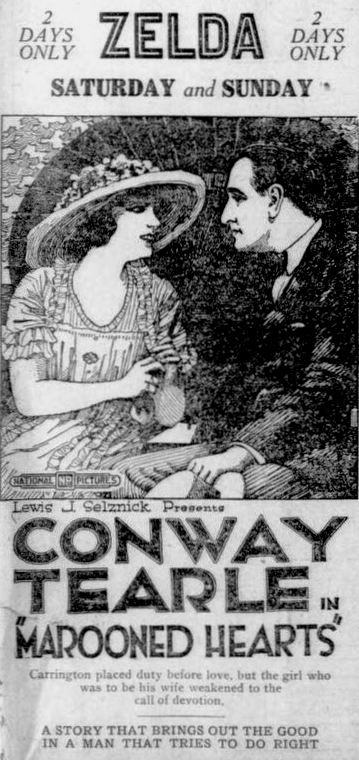
Dir: George Archainbaud
Spoiled Marion Ainsworth resents the fact that her fiancé, Dr. Paul Carrington, a young surgeon rising rapidly in his profession, devotes more time to his work than to her. Consequently, when an emergency call from the hospital threatens to disrupt their picnic, Marion intercepts the message, causing Carrington to be late for a critical operation, thus ruining his career. On the advice of his friend Dr. Matthews, Carrington breaks his engagement and voyages to a South Sea island where he intends to carry on his research. Carrington is reported lost at sea, and a year later, Marion and her new suitor, Cyrus Carter, undertake a cruise to verify the doctor's death. En route, their yacht explodes, and Marion is washed ashore on the island where Carrington is now living. After a series of misadventures, Carrington forgives her and the couple returns to civilization together.
View Details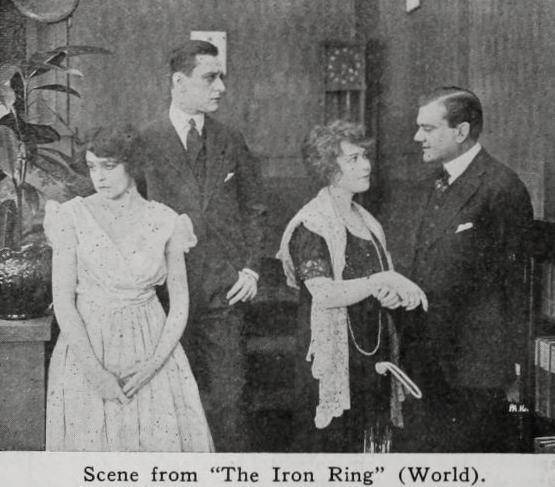
Dir: George Archainbaud
Bess Hulette is disappointed and feels ignored when her husband Aleck accepts a partnership in an ad agency owned by Stephen Graves. She tells her neighbor, Mrs. Leonard, about her predicament. One day a young woman, Dorothy Delamore, is injured in a car accident just outside the Hulettes' home. Bess meets Dorothy's brother, Jack, who is attracted to her. Noticing his attraction, Mrs. Leonard--who is cheating on her own husband--urges Bess to take up with Jack. Still feeling ignored by her husband, Bess accepts an invitation to a party at Jack's house, but finds out that things aren't exactly what they seem.
View Details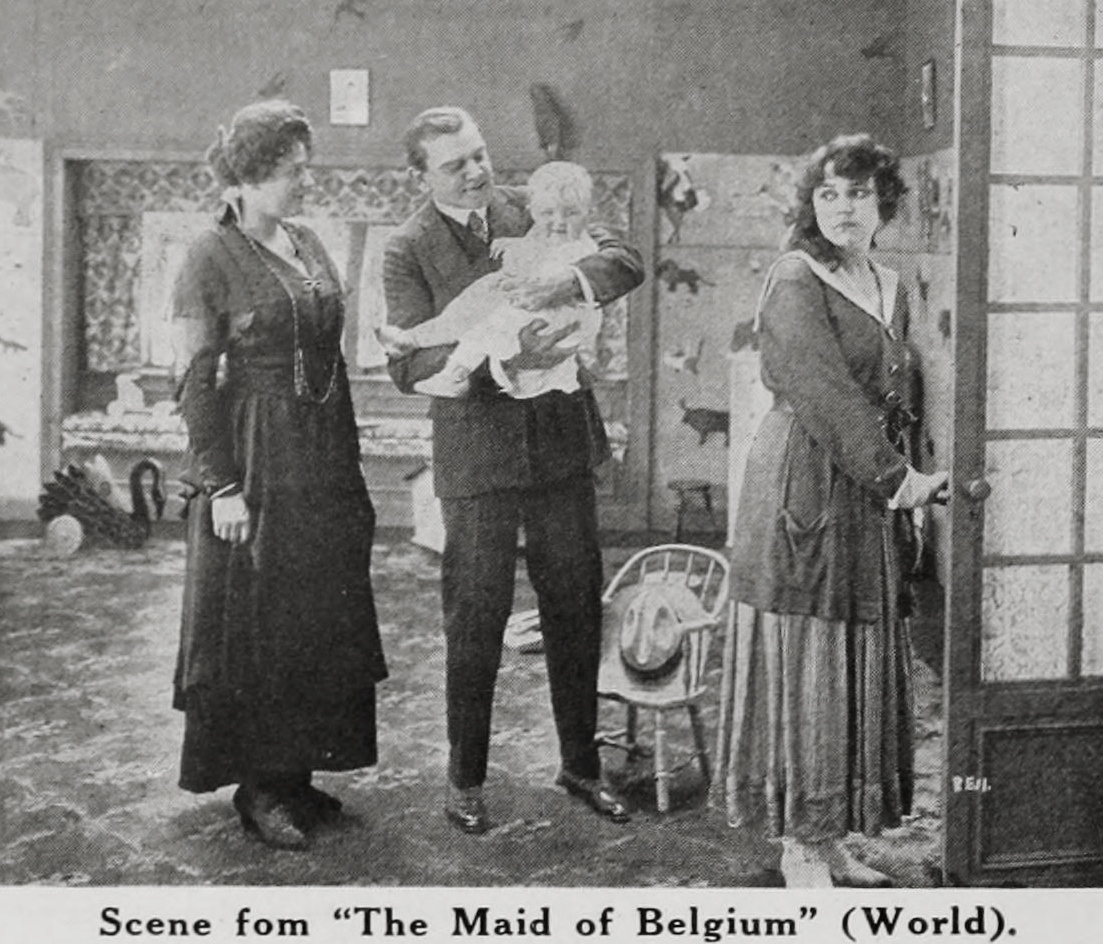
Dir: George Archainbaud
Adoree, a young Belgian girl, half-mad by the war horrors that she has experienced,is found by the Hudsons, a wealthy American couple who take the amnesia-stricken girl back to the United States with them. Soon after, Roger Hudson is called away to business in South America, and when his wife Claire discovers that Adoree is pregnant, she convinces the girl to allow the Hudsons to claim the child as theirs. The child is born and Dr. Thorn cables Hudson to come home because his wife has given birth. Meanwhile, Adoree, longing for her baby, steals the infant and disappears. Finding the girl's coat near a lake, Hudson assumes that she has drowned and dynamites the lake in order to locate her body. The explosions restore Adoree's memory, and she recalls her marriage to the Vicomte Jean de Michelet, who happens to be in town raising money for Belgian relief. The vicomte is brought to his wife and the family is happily reunited.
View Details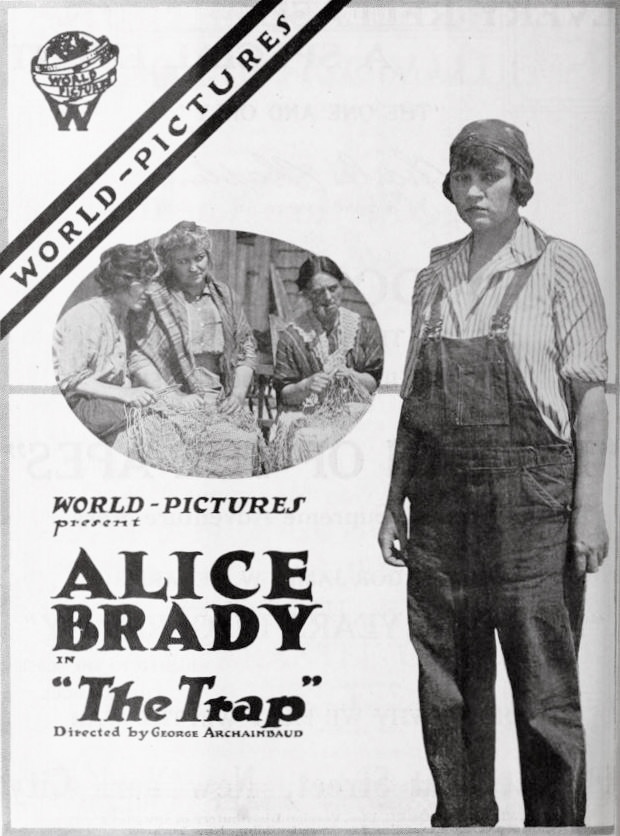
Dir: George Archainbaud
Doris is driven from her small New England fishing village when a jealous admirer implies that her mild flirtation with visiting artist Stuart Kendall was an intimate love affair. Arriving in New York, alone and penniless, Doris finds employment in a Greenwich Village café, where she again meets Stuart and agrees to become his model. Unaware of his true intentions, Doris lives at Stuart's expense and innocently evades his advances. Out West, rancher Jack Masterson sees Doris' face on a poster and journeys East to propose to her. Doris returns his affections, which so angers Stuart that he resolves to prevent the marriage. On the eve of the wedding, Stuart throws a party for Doris, and when the celebration becomes an orgy, he telephones Jack, who arrives and denounces his fiancée. Realizing Stuart's trick, Doris, in turn, denounces him, but Jack overhears their conversation, and the wedding takes place as planned.
View DetailsAnalysis relative to Diamonds and Pearls
| Film Title | Atmosphere | Complexity | Similarity |
|---|---|---|---|
| The Stormy Petrel | Tense | Dense | 97% Match |
| What Women Want | Tense | High | 94% Match |
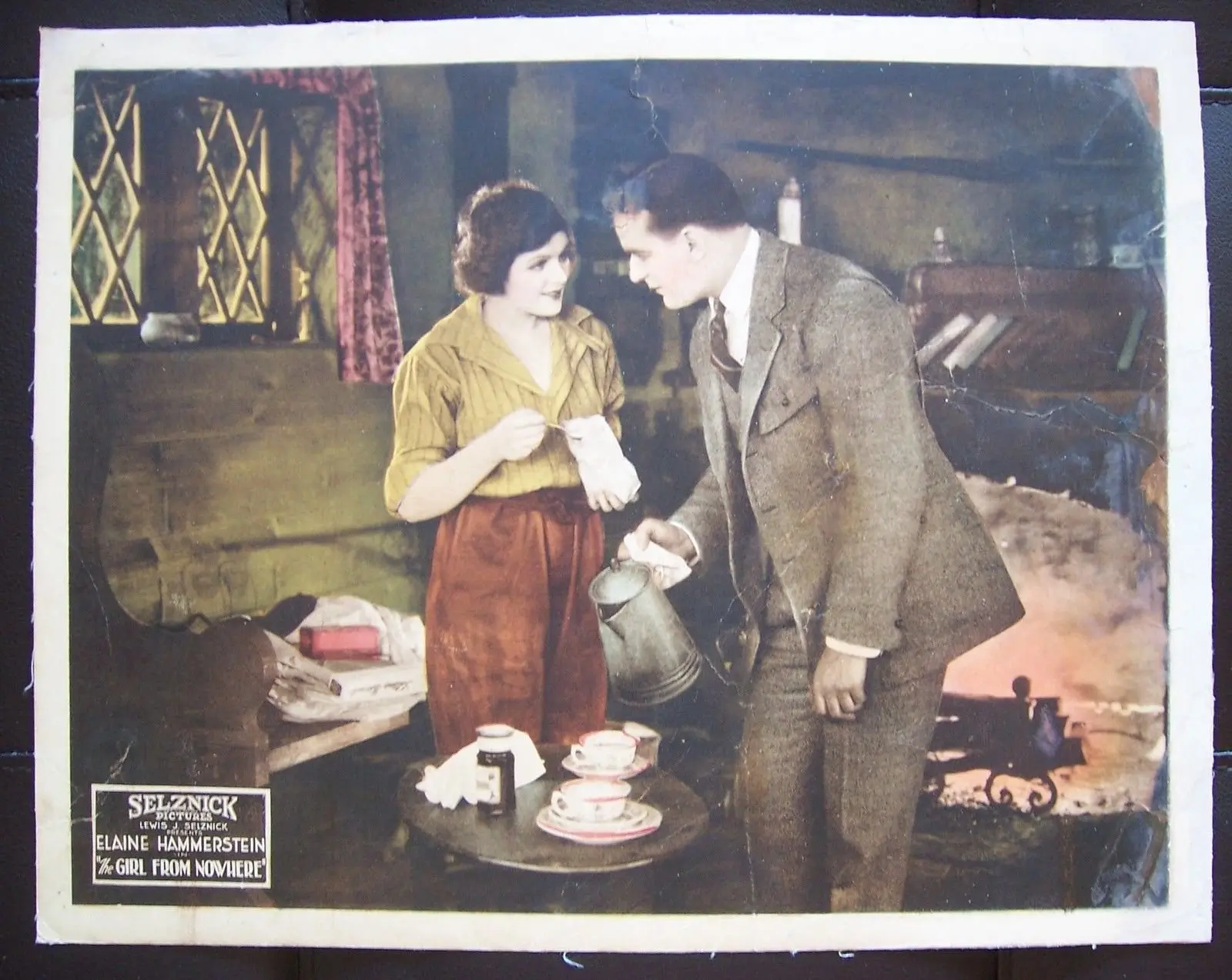
| The Girl from Nowhere | Ethereal | Abstract | 90% Match |
| The Brand of Satan | Gothic | High | 93% Match |
| The Cross Bearer | Gothic | Layered | 92% Match |
This guide was algorithmically generated using the cinematic metadata of George Archainbaud's archive. Last updated: 8/16/2026.
Back to Diamonds and Pearls Details →