
DbcultAccessing Vault...
Recommendations
Senior Film Conservator

Ever since Die Rothausgasse hit screens in 1928, fans have sought that same stylistic flair, it's essential to look at the contemporaries that shared this stylistic flair. Prepare to discover your next favorite movie in our hand-picked collection.
Whether it's the stylistic flair or the thematic depth, this film to leave an indelible mark on the history of Germany film.
Milada grew up in a brothel on Rothausgasse, but has not yet become a whore herself. Resigned to fate, she has always followed her mother Katherina, an aging whore who was unable to escape this milieu herself. Now this mother is dying and makes her daughter, who is now 17 years old and working as a chambermaid in Mrs. Goldscheider's new "salon", promise to do everything possible to escape from this environment.
Critics widely regard Die Rothausgasse as a cult-favorite piece of cult cinema. Its stylistic flair is frequently cited as its strongest asset, solidifying its place in Germany's film legacy.
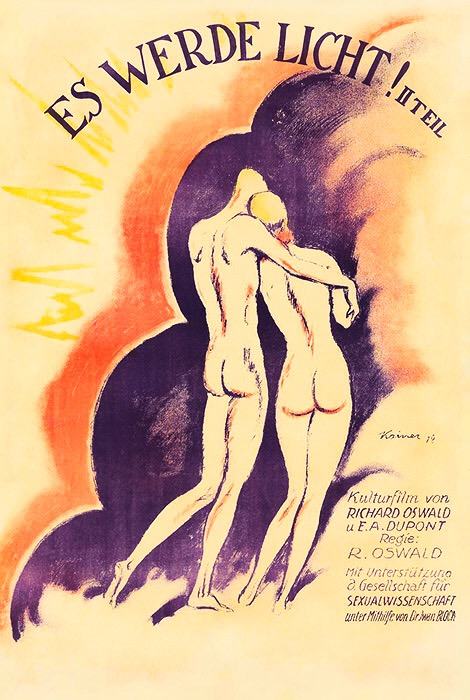
Based on the unique stylistic flair of Die Rothausgasse, our vault has identified these titles as the most compelling follow-up experiences for fans of cult cinema:
Dir: Richard Oswald
The second syphilis film poses the moral question: namely how far an illness should be considered a human disgrace. The protagonist of this story, a young doctor, believes that only characterless people can contract the disease through reprehensible actions. At a meeting in honor of a venereologist, a violent dispute erupts between the doctor who applies moral categories and a colleague who argues more objectively. Two events make the dogmatic young doctor think: his sister marries a syphilitic who has not yet been completely healed, and he himself falls ill as a result of a kiss from a young woman who also suffers from syphilis. But the doctor is healed and reconsiders his previous attitude.
View Details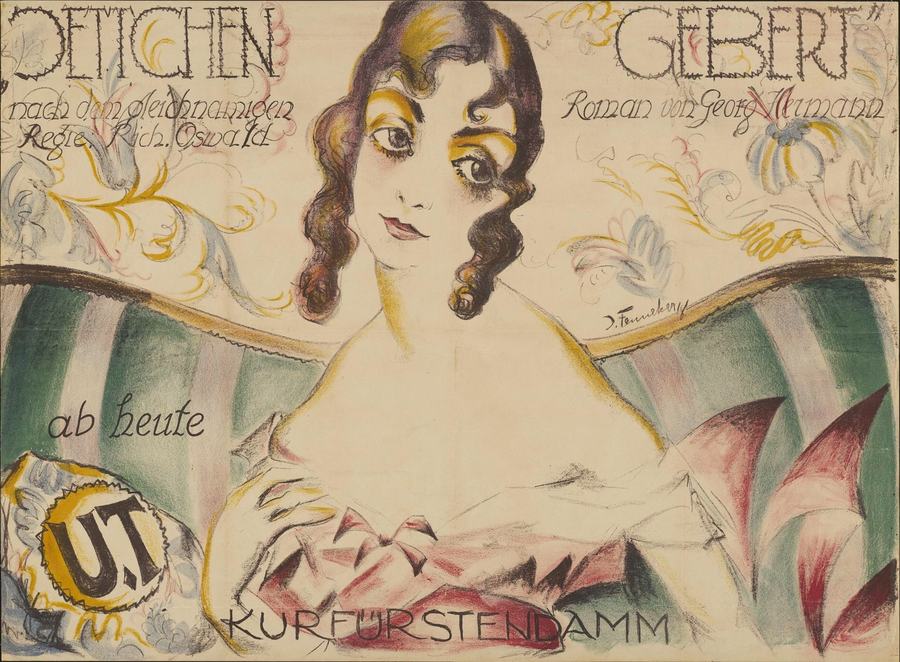
Dir: Richard Oswald
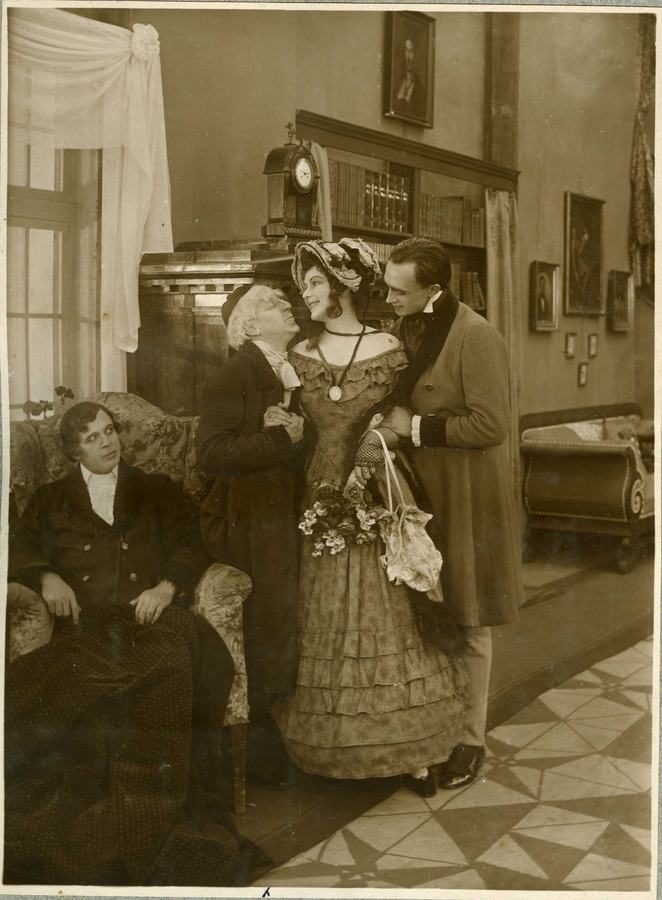
A fascinating piece of cinema that shares thematic elements.
View Details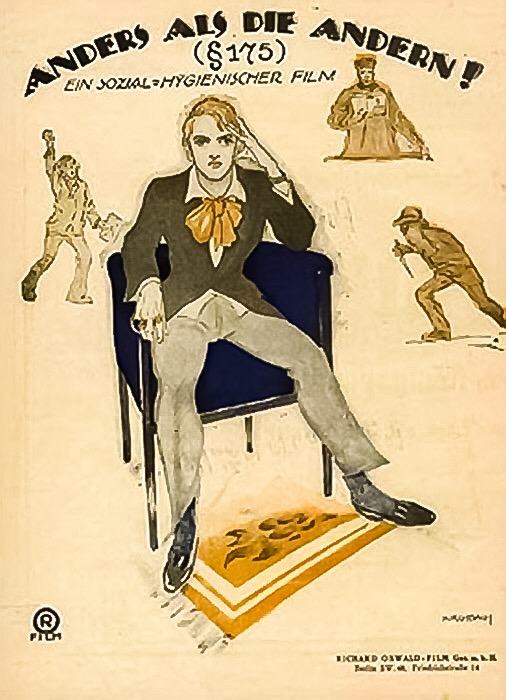
Dir: Richard Oswald
Two male musicians fall in love, but blackmail and scandal makes the affair take a tragic turn.
View Details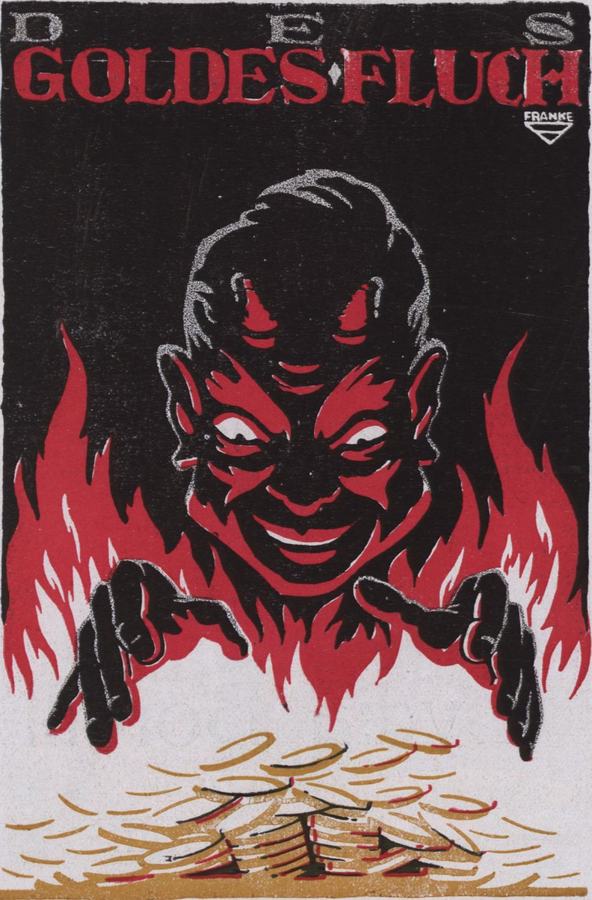
Dir: Richard Oswald

A fascinating piece of cinema that shares thematic elements.
View Details
Dir: Richard Oswald
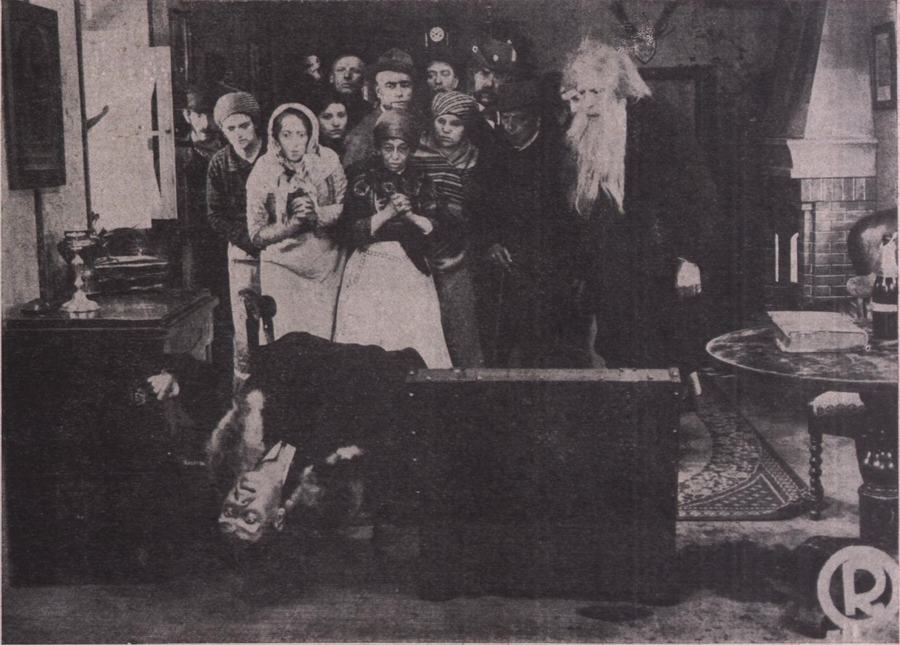
In ancient, Tsarist Russia. Fyodor Protasov's marriage to his wife Lisa is over. However, the Russian Orthodox Church does not approve of a divorce, and so Protasov fakes his own suicide, before Lisa move in with her lover Viktor Karenin. Fyodor himself becomes a "living corpse".
View Details
Dir: Richard Oswald
A fascinating piece of cinema that shares thematic elements.
View Details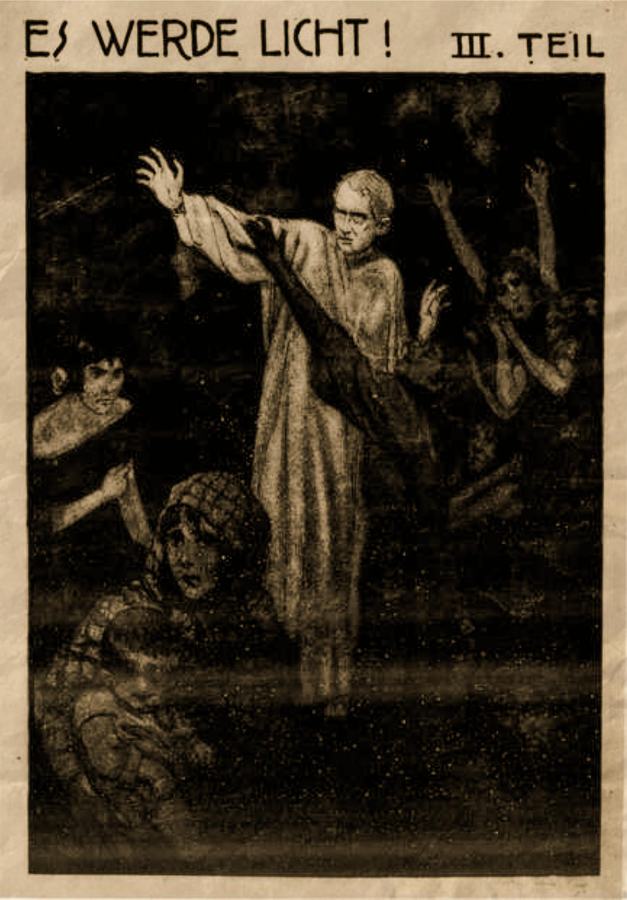
Dir: Richard Oswald
In the third part syphilis is also at the center of the action. This time a landowner falls ill. He proves to be a real fiend, tyrannizes his wife and seduces the daughter of the forester he employs. When the young woman thinks she can't find a way out, she seeks suicide. Finally, the despot also dies and, post mortem, takes his son with him into the misfortune. The latter believes that he too is suffering from syphilis and is soon obsessed with this delusion.
View Details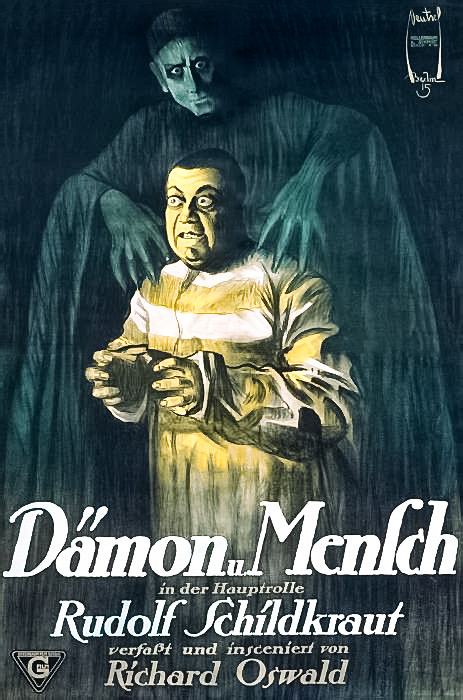
Dir: Richard Oswald
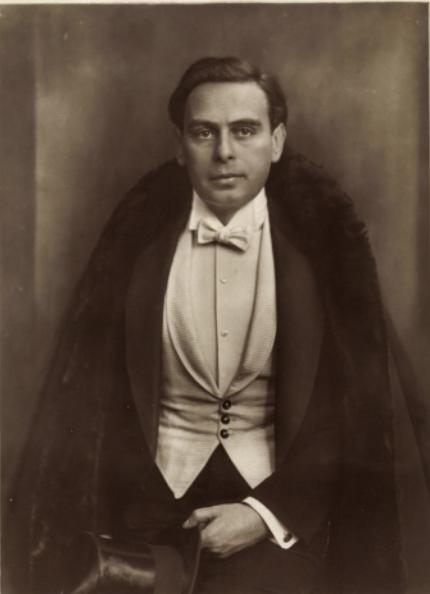
Philanthropist attempts to awaken in the good side in criminals.
View Details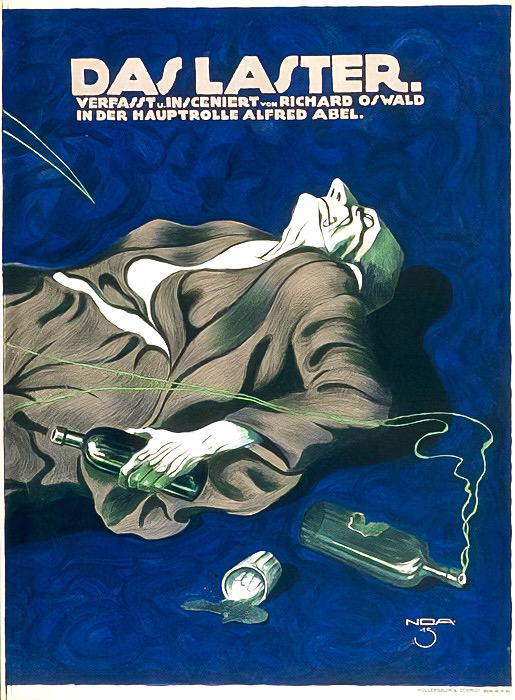
Dir: Richard Oswald
About alcoholism, which can develop into a terrible family tradition. Paul is the son of a drinker. One day his father is killed in an inn. Despite the bad example set by his father, Paul is also unable to give up alcohol.
View Details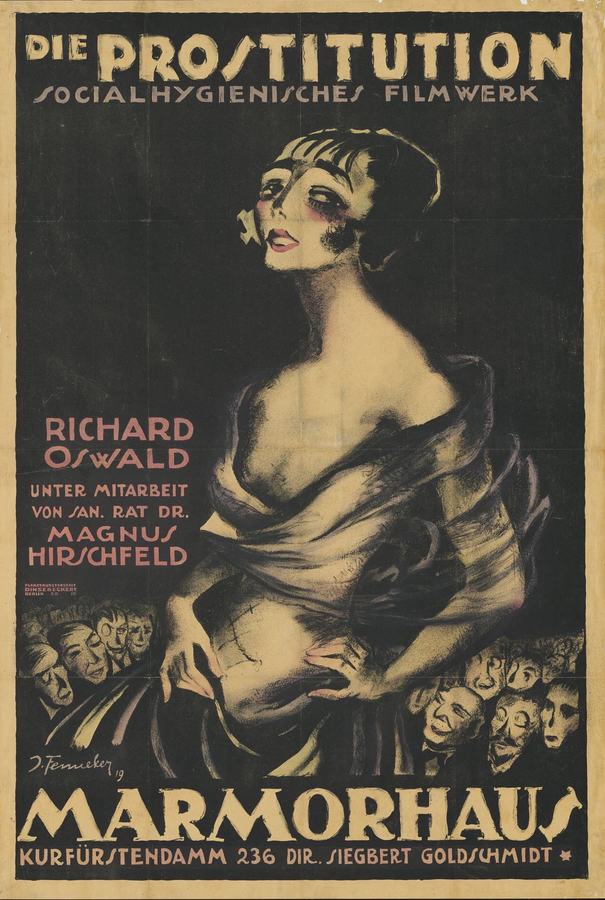
Dir: Richard Oswald
A scholar defends prostitution before the World Court.
View DetailsAnalysis relative to Die Rothausgasse
| Film Title | Atmosphere | Complexity | Similarity |
|---|---|---|---|
| Es werde Licht! 2. Teil | Surreal | Dense | 97% Match |
| Jettchen Gebert's Story | Ethereal | Layered | 92% Match |
| Different from the Others | Surreal | Linear | 94% Match |
| Des Goldes Fluch | Surreal | High | 90% Match |
| Der lebende Leichnam | Ethereal | Layered | 97% Match |
This guide was algorithmically generated using the cinematic metadata of Richard Oswald's archive. Last updated: 8/17/2026.
Back to Die Rothausgasse Details →