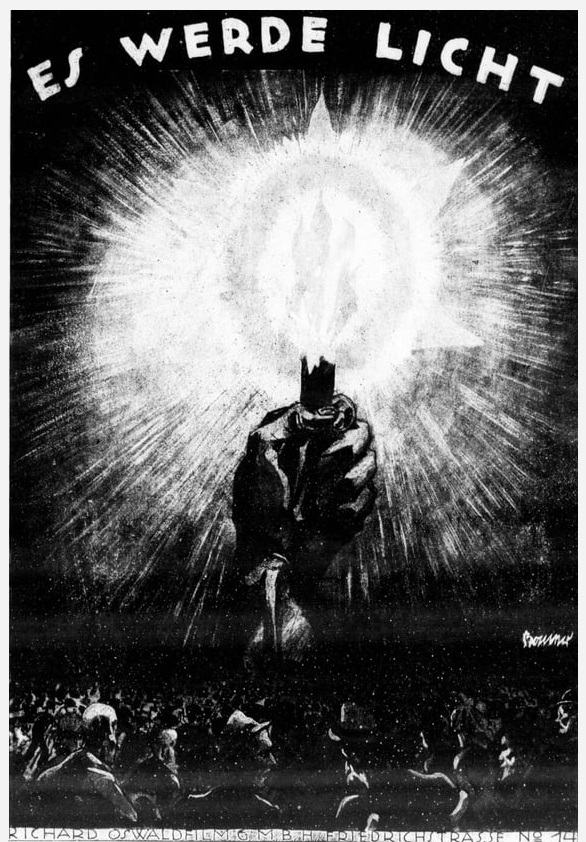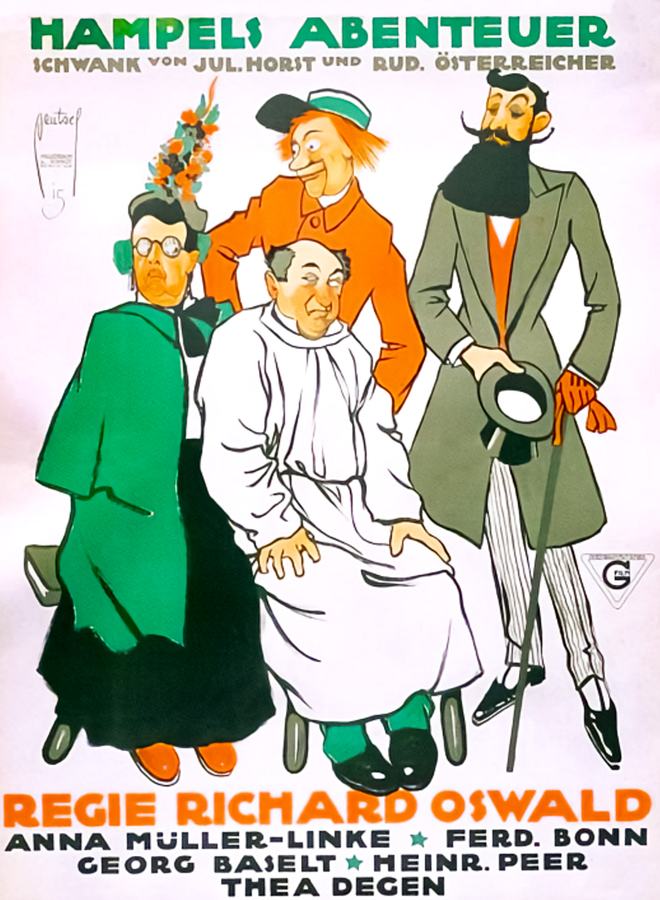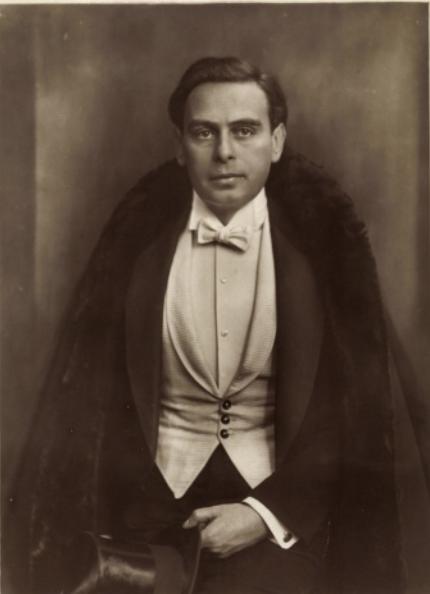
In ancient, Tsarist Russia. Fyodor Protasov's marriage to his wife Lisa is over.
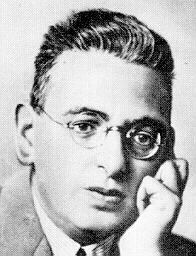
Richard Oswald, Lev Tolstoy
Germany
There are films that narrate a story, and then there are films that exhale a contagion—Der lebende Leichnam belongs to the latter tribe. Richard Oswald’s 1918 adaptation of Tolstoy’s once-banned novella doesn’t merely depict a marriage asphyxiated by dogma; it weaponizes the very texture of celluloid, turning each fr...
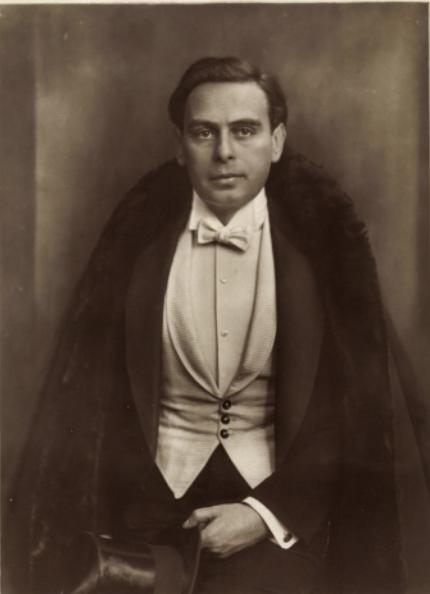
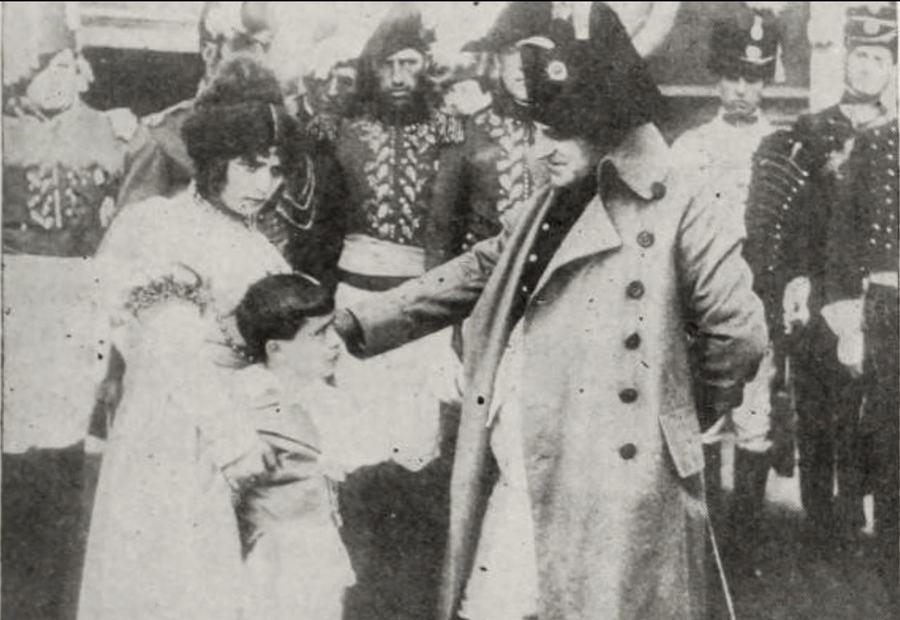
still_frame
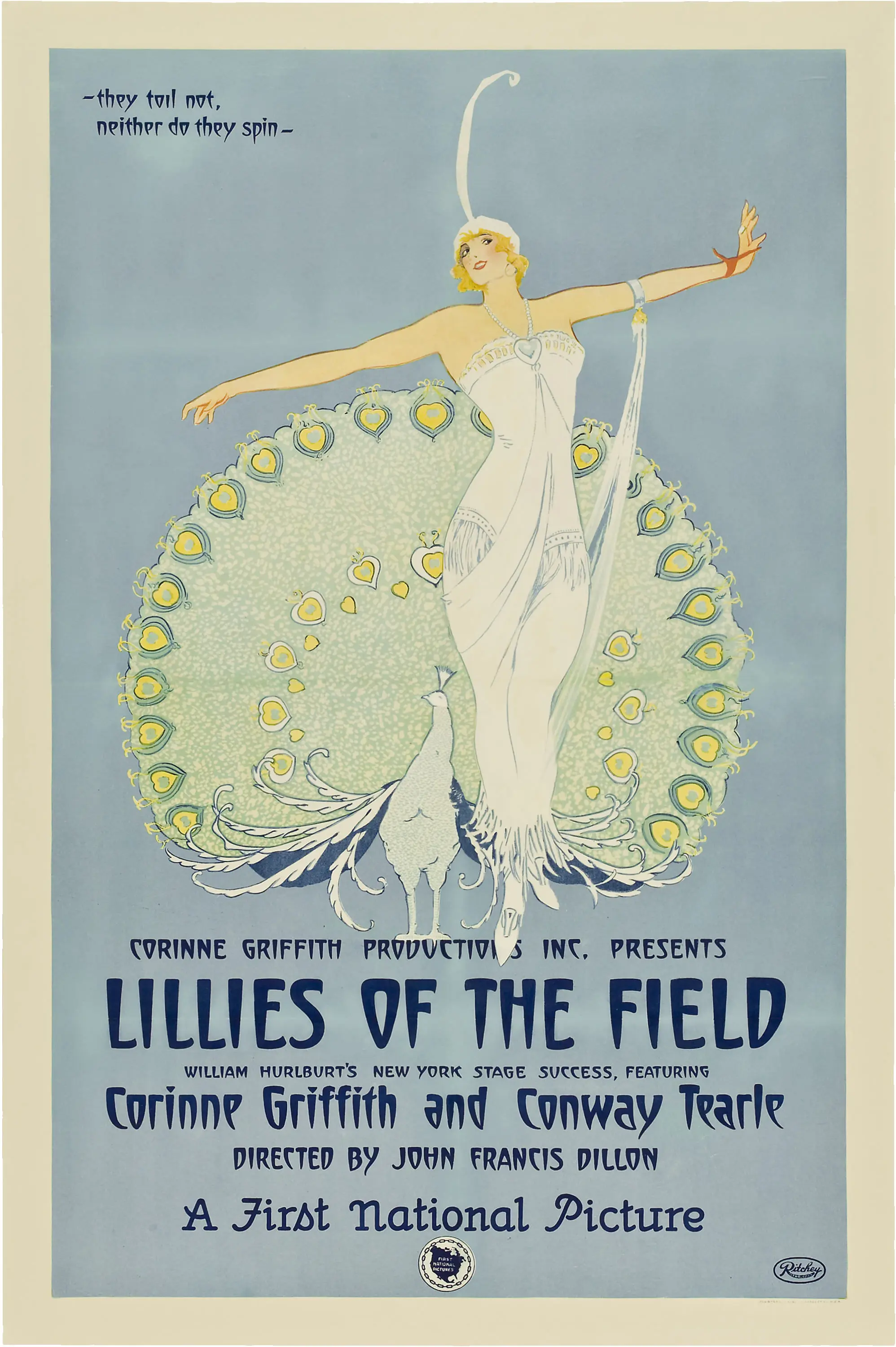
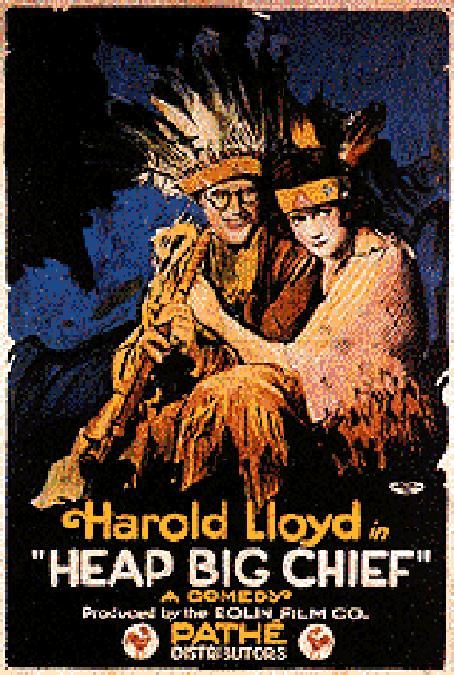
Comparing the cinematic DNA and archive impact of two defining moments in cult history.
Richard Oswald
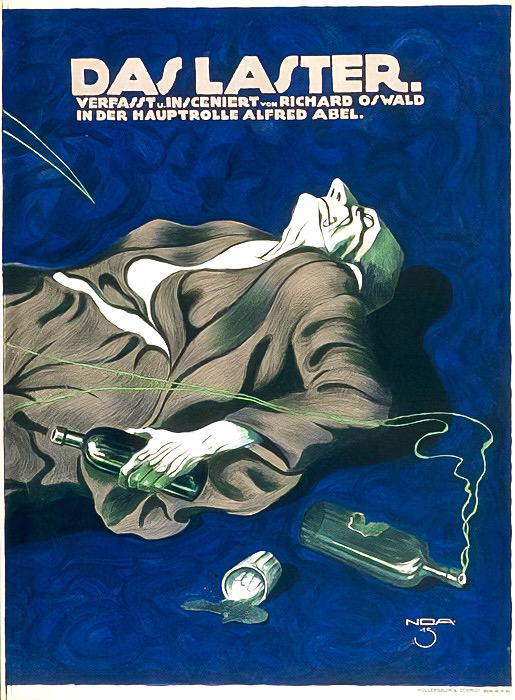
Richard Oswald
Community
Log in to comment.
" There are films that narrate a story, and then there are films that exhale a contagion—Der lebende Leichnam belongs to the latter tribe. Richard Oswald’s 1918 adaptation of Tolstoy’s once-banned novella doesn’t merely depict a marriage asphyxiated by dogma; it weaponizes the very texture of celluloid, turning each frame into a splinter of ice lodged beneath the viewer’s fingernail. Shot in the dying embers of WWI Berlin yet set against the onion-domed opulence of Romanov Saint Petersburg, the..."
Deep dive into the cult classic
Discover similar cinematic experiences
A Directorial Spotlight on Richard Oswald