
DbcultAccessing Vault...
Recommendations
Senior Film Conservator
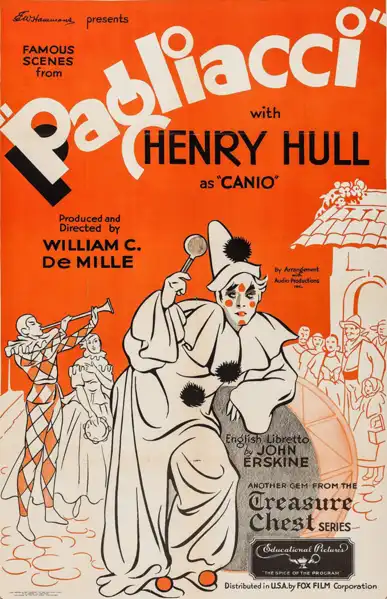
Navigating the complex narrative architecture of Famous Scenes from Pagliacci is a artistic bravery experience, the emotional payoff of the 1934 classic is what fans crave in similar titles. The following gems are essential viewing for anyone captivated by Famous Scenes from Pagliacci.
The artistic audacity of Famous Scenes from Pagliacci ensures it to define the very concept of artistic bravery in modern film.
Scenes from Ruggero Leoncavallo's opera with Canio, the clown, introducing actors who are seen in pantomime while the operatic voices are heard off-screen. Canio discovers his wife has been unfaithful but carries on with his performance.
The influence of William C. de Mille in Famous Scenes from Pagliacci can be felt in the way modern Musical films handle artistic bravery. From the specific lighting choices to the pacing, this 1934 release set a high bar for atmospheric immersion.
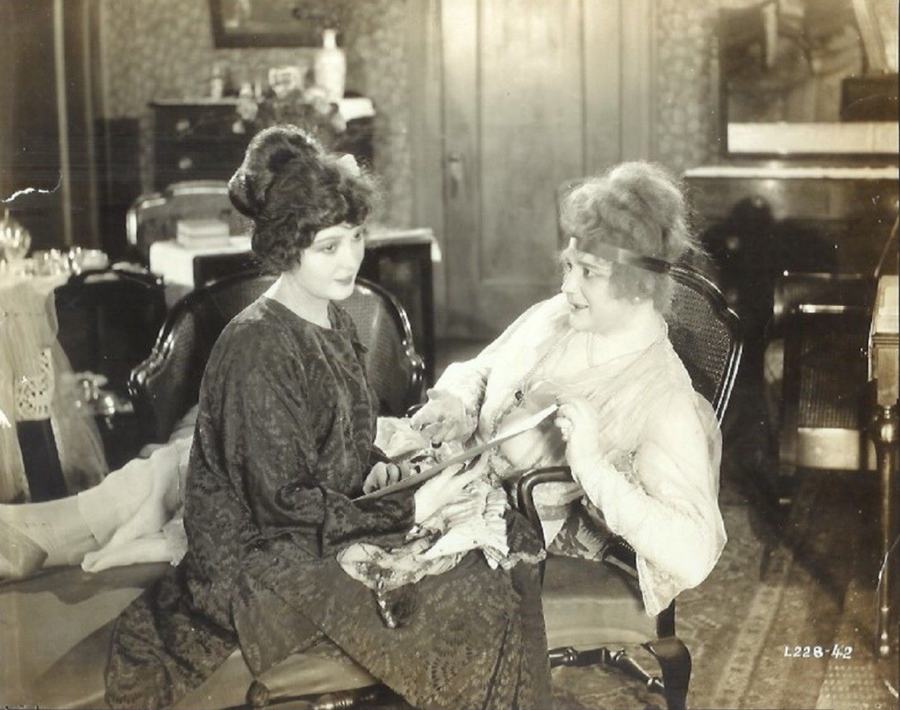
Based on the unique artistic bravery of Famous Scenes from Pagliacci, our vault has identified these titles as the most compelling follow-up experiences for fans of Musical cinema:
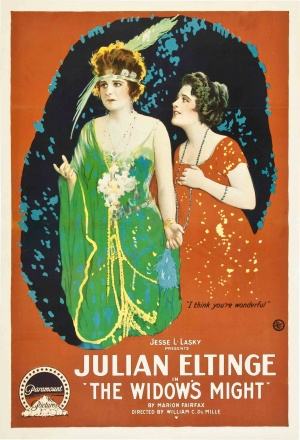
Dir: William C. de Mille
Deciding that there is money in cows, young New Yorker Dick Tavis buys a Western ranch; when the novelty has worn off he decides that there is also monotony. Then he falls in love with a girl on a calendar and takes a new interest in life, particularly after he discovers who the girl is. The fact that her uncle swindled him on the ranch does not matter. He figures he can take care of the uncle, and he does, but not until he has been forced to masquerade as a woman and have half the men at a fashionable resort fall in love with him.
View Details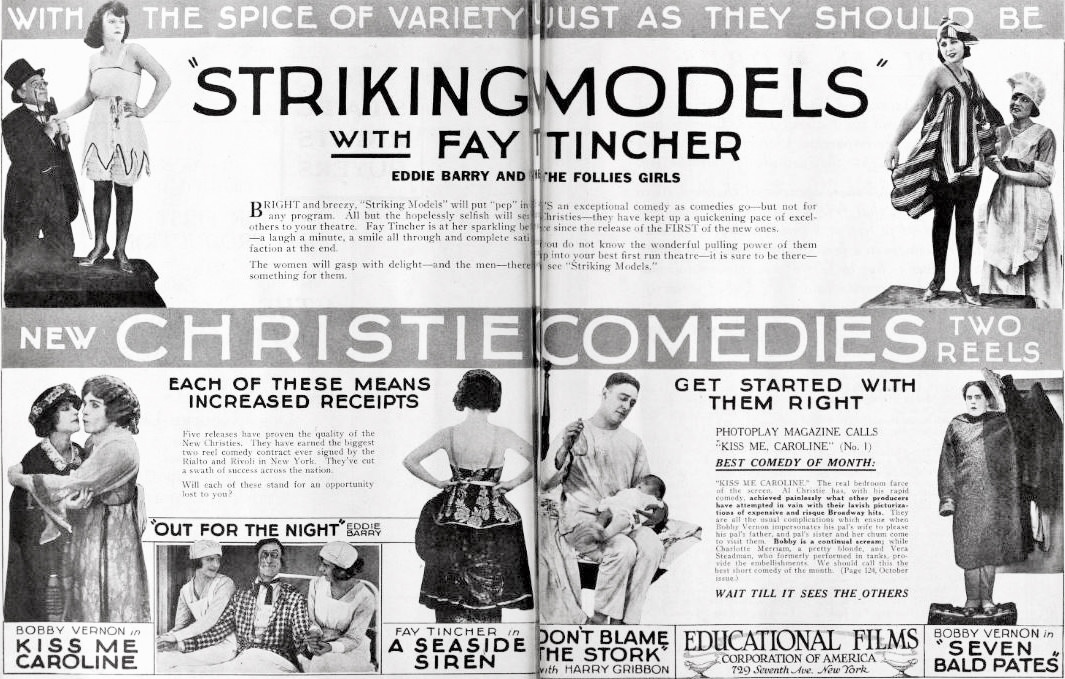
Dir: Reggie Morris
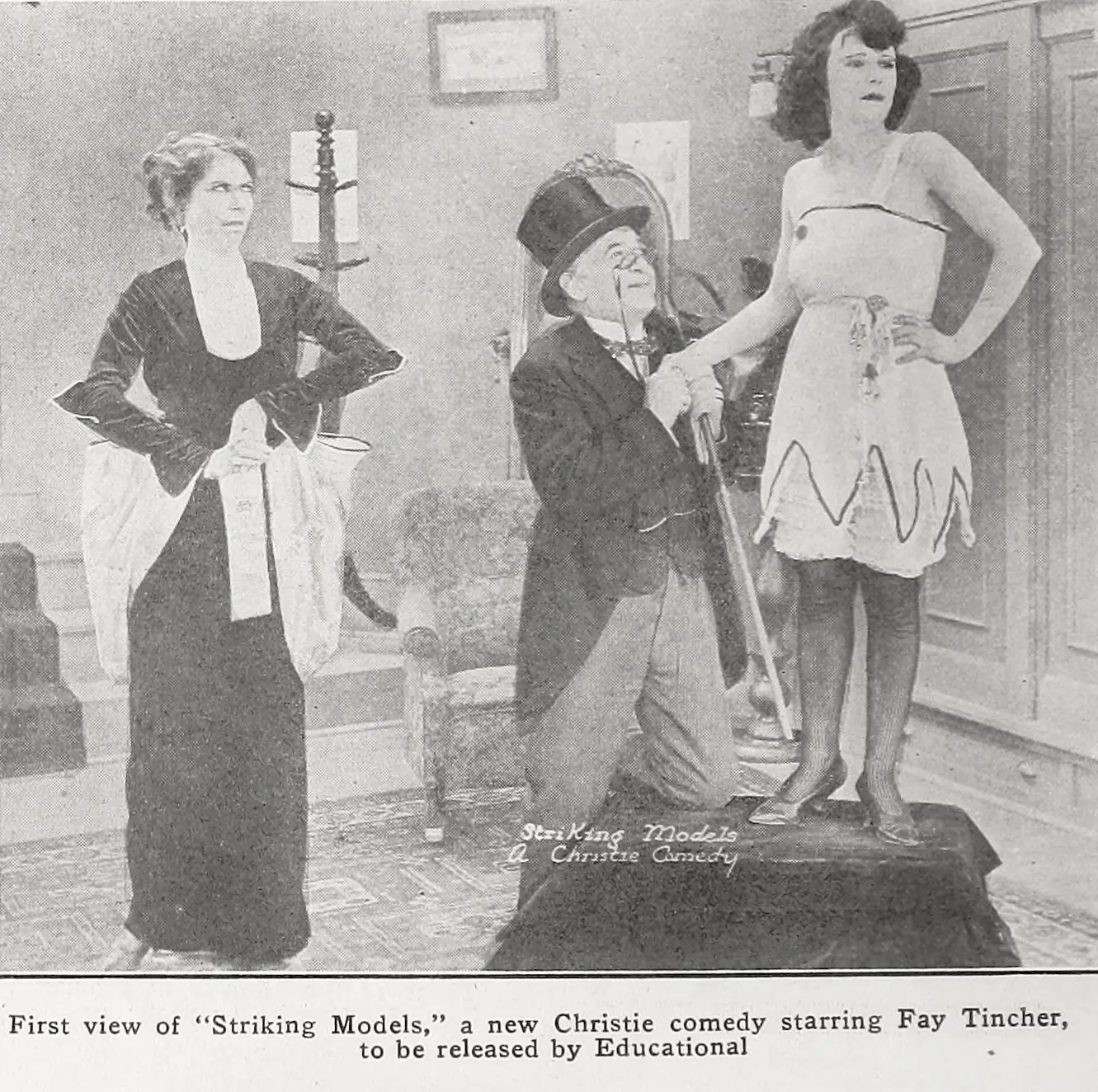
A fascinating piece of cinema that shares thematic elements.
View Details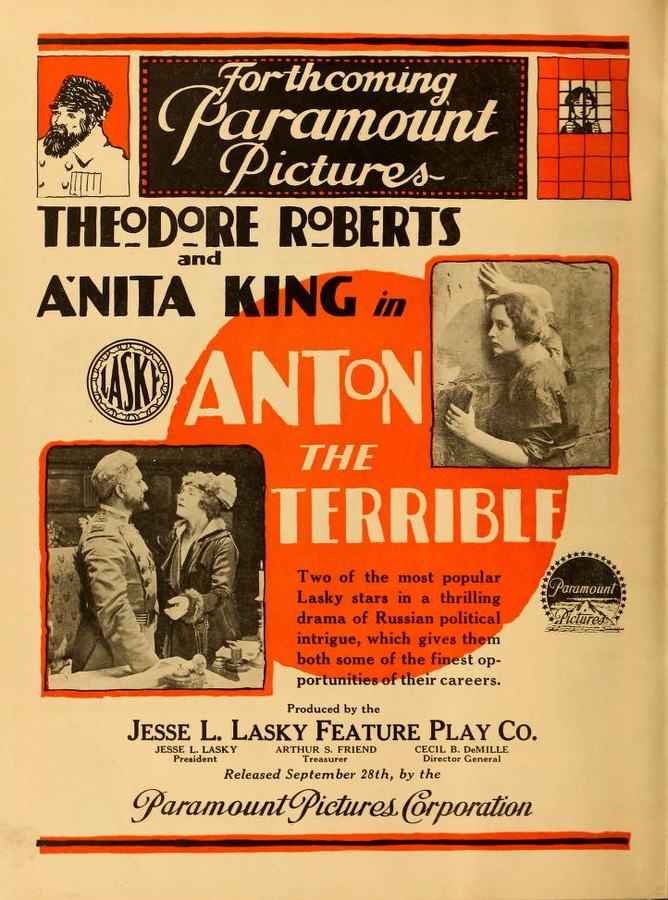
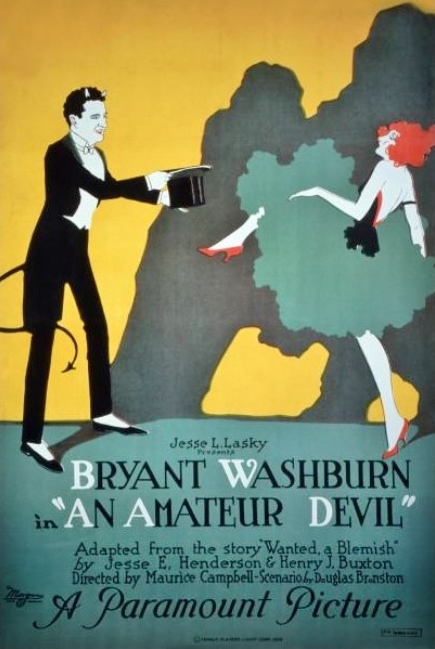
Dir: Maurice Campbell
Carver Endicott, a young sophisticate, is rejected by his fiancée for being too foppish and dull. When she feigns an interest in his father, Carver attempts to disgrace his family name by working as a farmhand and later as a busboy in a hotel. However, the newspapers only praise him for his self-sacrificing principles; and finding that he cannot bring shame to the family through menial labor, he takes up with a notorious actress. But when this maneuver also fails, he returns to his former fiancée, who has no further complaint about his being an inexperienced dullard.
View Details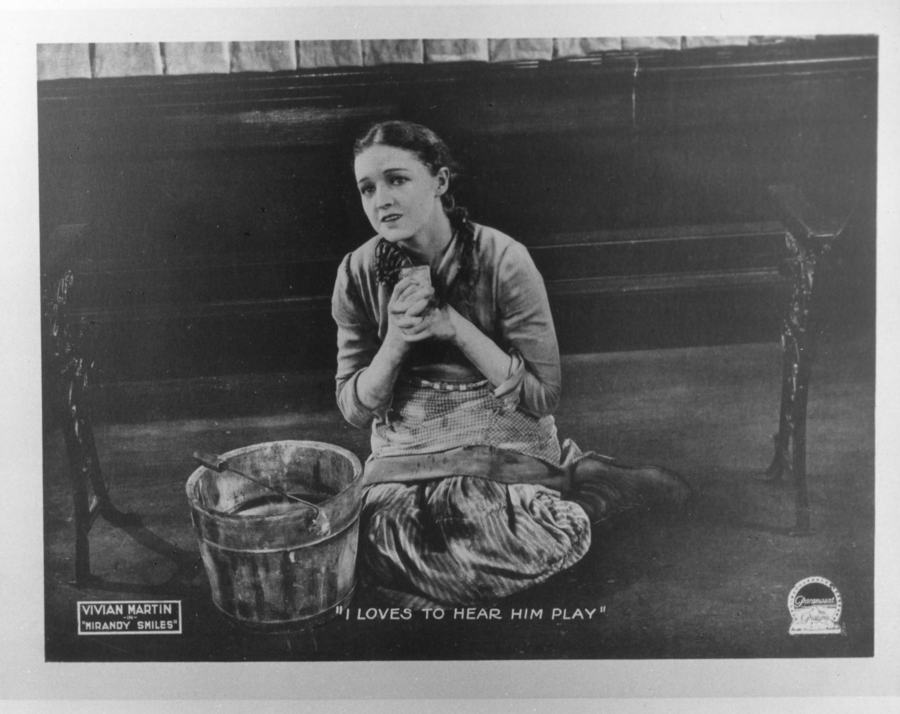
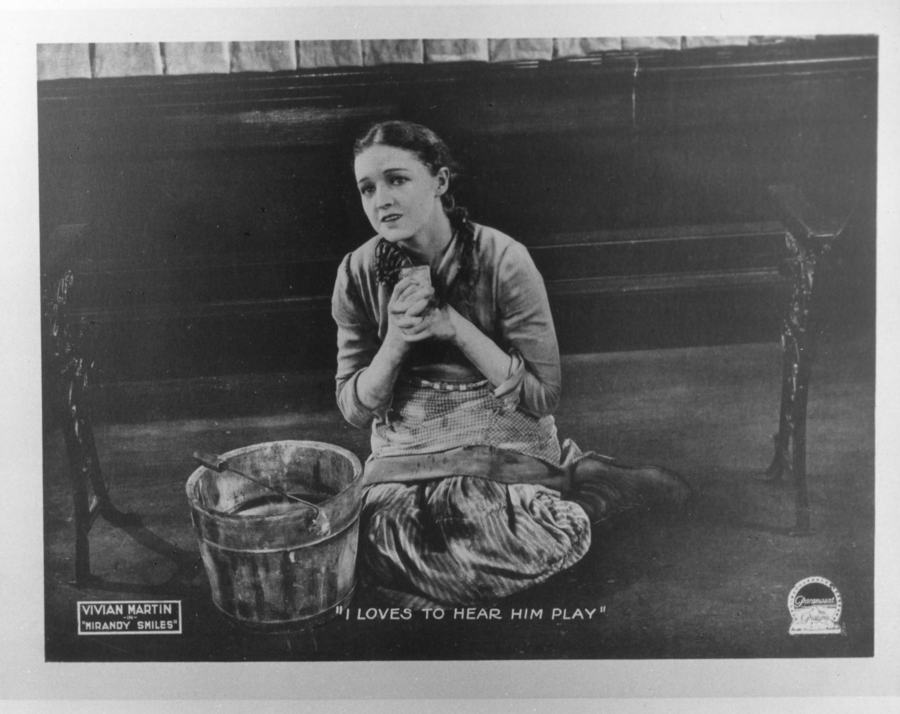
Dir: William C. de Mille
Mirandy, the daughter of a laundress, scrubs floors in an opera house. Before she can marry the handsome organist for the opera, she decides she must improve her social standing.
View Details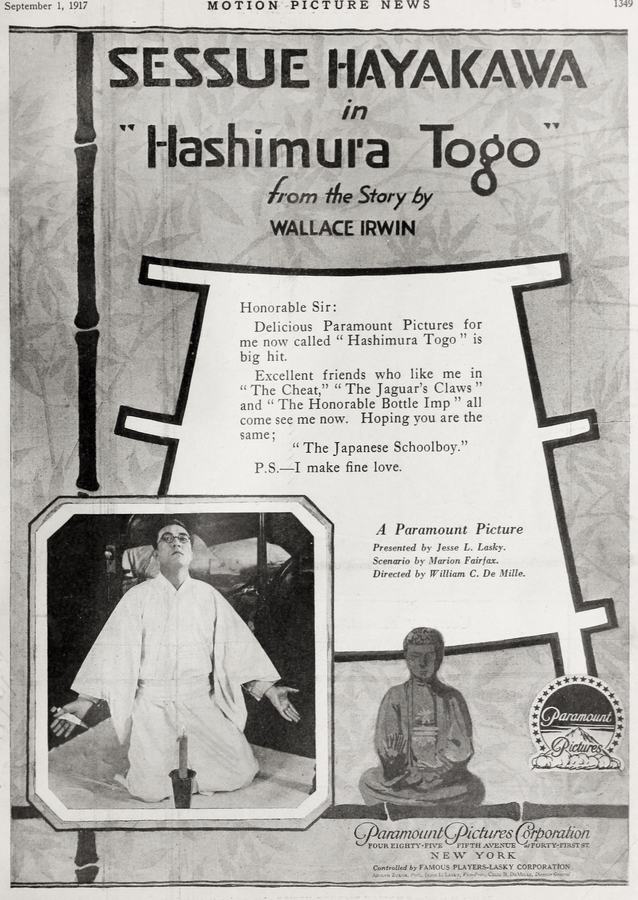
Dir: William C. de Mille
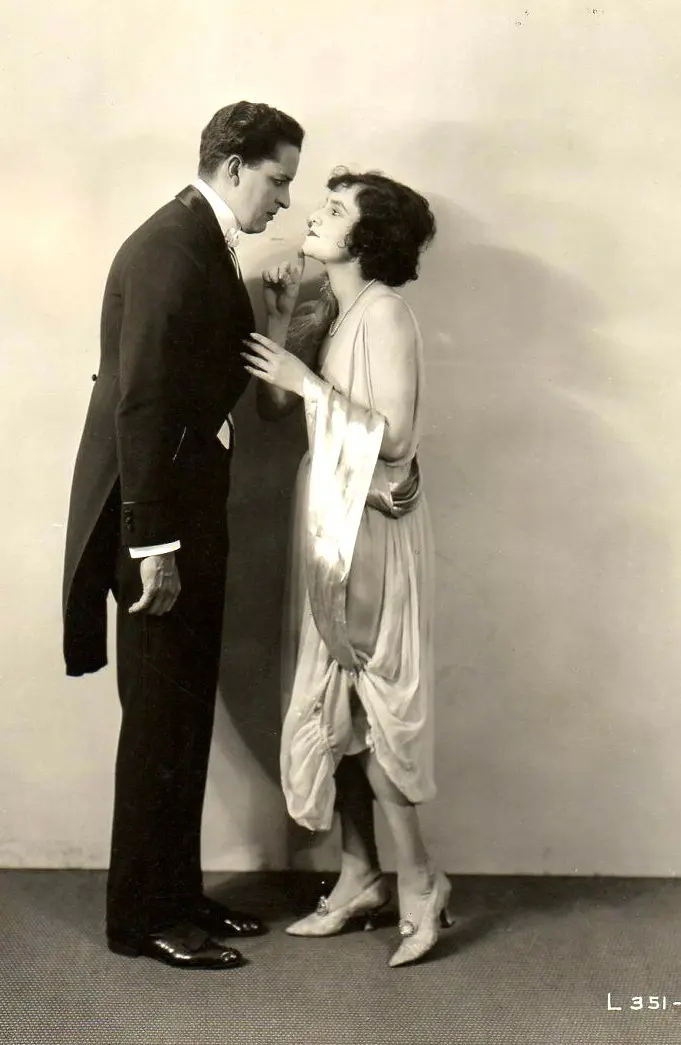
After an accusation of a breach of diplomacy committed by his brother, Hashimura Togo bears the burden and leaves Japan in disgrace for the United States where he enters the employ of Mrs. Reynolds as a butler. Togo discovers that Mrs. Reynolds' daughter Corinne is in love with Dr. Garland but is being coerced into marrying Carlos Anthony who, having seized all of her deceased father's funds, now promises to save the family from financial ruin in return for Corinne's hand in marriage. Enlisting the aid of a reporter, Hashimura succeeds in proving Anthony's deception in time to stop the marriage, freeing Corinne to marry Garland. After a series of misadventures, his name is cleared and Hashimura returns to his sweetheart in Japan.
View Details
Dir: William C. de Mille
We start with the birth of two children "the whole wide world apart," one in a swell house in Washington Square, the other in the slums of New York. We see them on their third birthday; Bob, the rich little boy, surrounded by the presence of love and care ; Jenny, the poor little girl, stealing an apple from a fruit stand. We see them getting their education^ Bob, under the care of a private tutor and Jenny learning to read through stolen glances at the Police Gazette. When they are grown up, Bob Van Dyke and his sister, Beth, now orphaned, are caught in the whirl of a gay social life and are spending the fortune left them by their parents. Jenny, left alone in the world, has been adopted by Dugan, an old crook, who stands in the place of a father to her, and who makes use of her in his illegal calling. The young cracks-man, Kelly, suggests to Dugan that they burglarize a house in Washington Square by putting Jenny through the basement window and have her open the front door for them. Jenny is captured by Bob and is about to turn her over to the police but in questioning her, sees through her girlish beauty, a soul struggling for expression and he determines to try to save her. Jenny, never having heard of right and wrong, is fascinated by the rich young man and when he leaves his money on the table and says that he will go upstairs "until he hears the front door close behind her", she realizes that she has found someone in the world who will trust her. She is about to go when she sees Bob's photograph on the table. She is tempted to steal it but hesitates and leaves fifty cents, her whole fortune, in place of the picture. She then goes out and shuts the door and facing her crook companions, announces that she is going to live straight. Back in the tenement home, she packs her small bundle of clothes and leaves. Two years pass, during which time Jenny has succeeded in making herself an expert dressmaker. She lives alone in a little room and, inspired by Bob's photograph and the memories it recalls, has grown to worship the young man who trusted her, although she has not seen him since. A strike is called in the dress factory and Jenny is let out of work. She saves a little newsboy who has stolen money and who is being pursued by the police and is able to reform him. Penniless, Jenny is finally thrown into the street with her goods and chattels. In the meantime, Bob and Beth have speculated with what is left of their fortune and while down town to pawn some of his sister's jewels, Bob finds Jenny and takes her to his home to have her make clothes for his sister. While there the love of the two young people grows and the difference in their stations is apparently insurmountable. Bob's speculations go wrong and he is tempted to use money belonging to their old nurse. Jenny overhears their plan to use the money and pleads with Bob^not to do this thing for if the speculation goes wrong, he will be a thief. Bob is deaf to her entreaties and puts the money in the safe. Jenny sees her ideal tottering and induces Kelly to enter the house and open the safe for her. She then takes the money and hides it. The next morning the loss is discovered. Detectives find Jenny's finger-prints on the safe and she is arrested but will not tell where the money is, preferring to go to jail rather than let Bob do anything dishonest. Bob realizes this and promises to go straight. Jenny steals away as Bob awaits the impending smash. Bob and Beth are forced to live in a small Harlem flat and Beth marries her wealthy young lover from the smart set . Bob realizes that he had happiness in his hand and let it go and hunts up Jenny. He sees that class does not count and, in spite of Jenny's protests, takes her in his arms.
View Details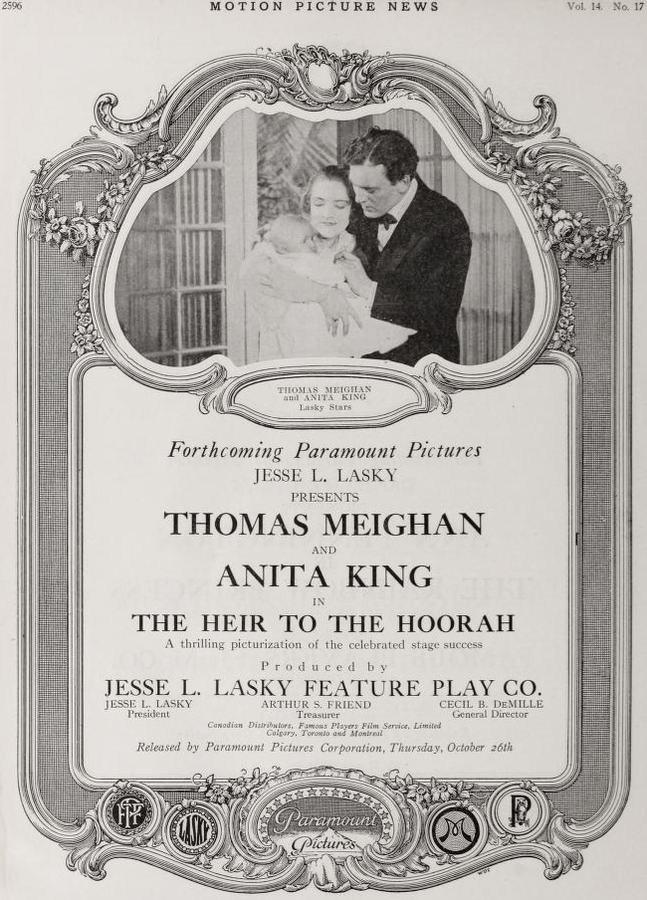
Dir: William C. de Mille
The Hoorah, richest mine in California, has made millionaires of its three bachelor owners, Joe, Bud, and Dill. It occurs to the two latter men that this wealth, representing the labor and sacrifices of many long years, must, in the event of their death, revert to strangers. They decide that Joe, the most eligible partner, should marry and give them an heir. This Joe refuses to do. However, Bud and Bill set about to find a suitable wife for him. Their efforts are unrewarded, and Joe, in disgust, leaves town. Geraldine Kent, daughter of a poor but aspiring society woman, accepts the invitation of a friend to take a western trip. The mother, of her own invitation, accompanies them. Arriving at the hotel, they discover Joe in an undignified position on the floor playing with a youngster of five. The mother is shocked, but when she learns that Joe is wealthy, she is attentive to him, and persuades Geraldine to accept his proposal of marriage. Joe's lack of polish is such a source of constant embarrassment to him and his wife that his suggestion to Geraldine that they run away from it all is gladly accepted. Discovered by her mother just as they are about to leave, Joe is enlightened by Mrs. Kent's expression of her sorrow at forcing Geraldine to marry such a boor because they were so sadly in need of money. Heartbroken, Joe gives them the money and departs. At the end of a year, Geraldine sues for divorce. Bud and Bill leave Hoorah City for a trip to see Joe's baby. Not until Joe reads in the paper an account of the divorce proceedings does he know that he has a son. He also starts out to see the baby, and the three men meet. Both Bud and Bill claim the right to be the namesake of what they consider a "partnership baby," but learning the little one is a girl, they order at once baby wardrobes by the carload. Joe realizes the mother-in-law's responsibility for his unhappiness and sends her east by the first train. Geraldine has learned that Joe's greatest desire was for a child, and when he accuses her of marrying him for his money, she meets it with a statement that he married her for the baby. He suggests that she take the money and he the baby, but as the little one starts to cry, he is frightened, and hands it to the mother. As they look at the baby, and then at each other, they realize how foolish they have been, and Joe takes both mother and child into his arms.
View Details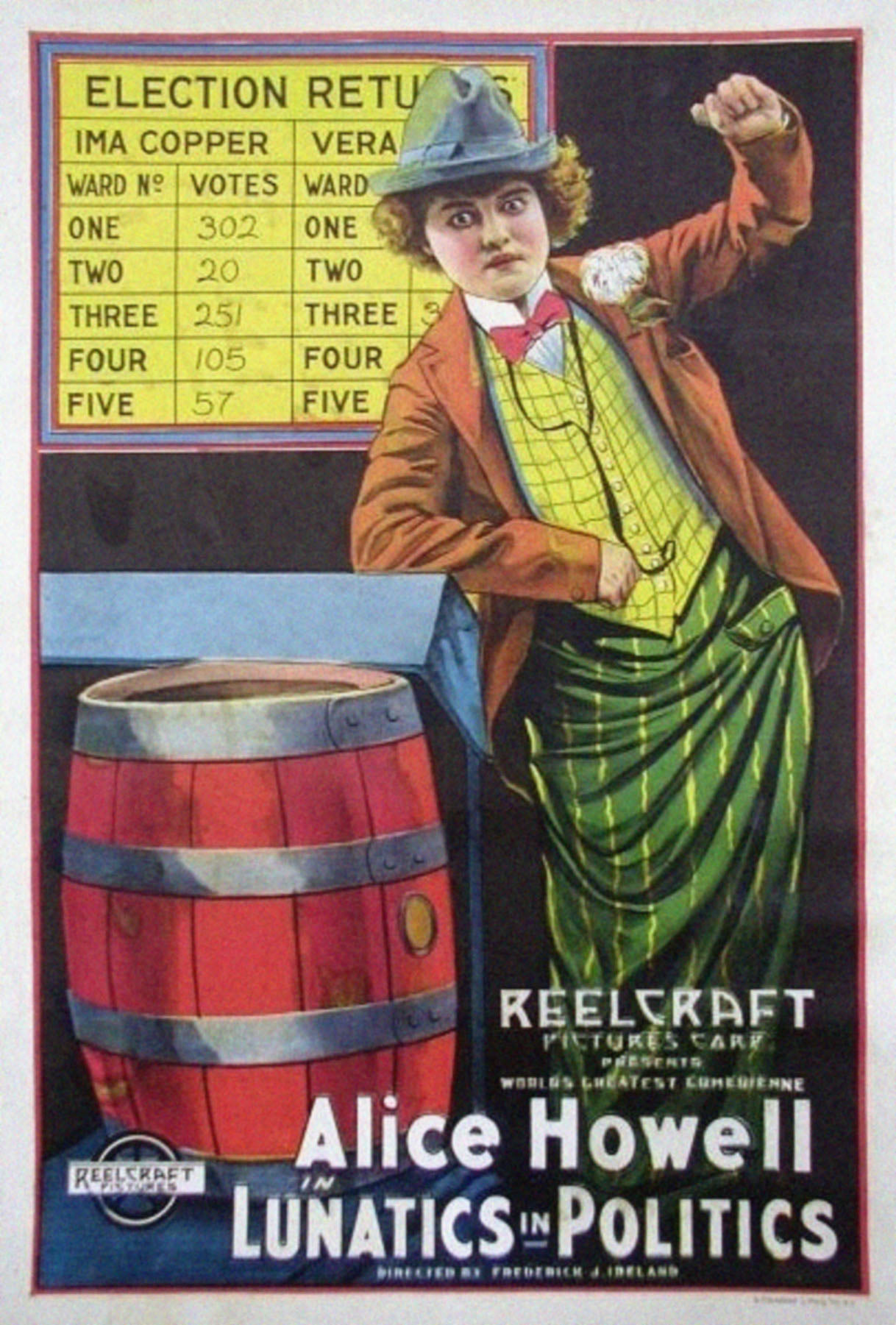
Dir: Richard Smith
Two female candidates for Chief of Police live across the hall from each other, and their political rivalry follows them home, leading to plenty of hi-jinks.
View Details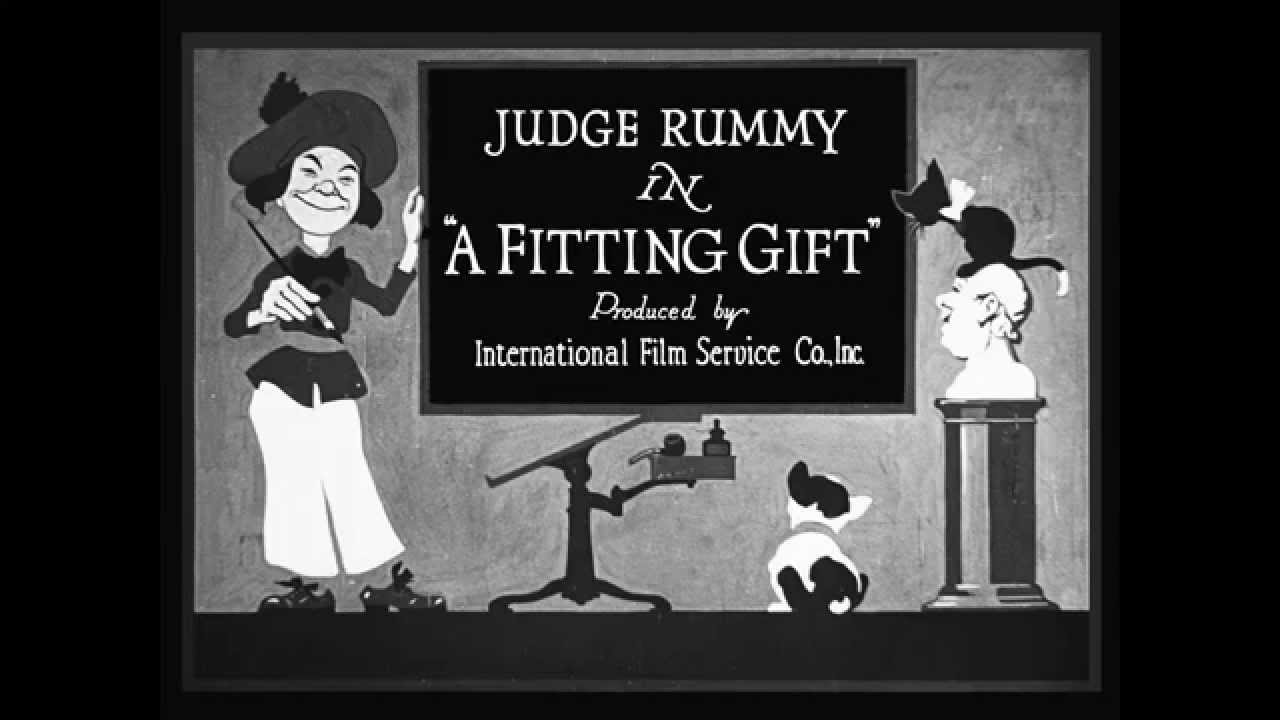
Dir: Unknown Director
The Judge needs a present for his wife's birthday, so Harry suggests a new corset. They go to the shop, but he's so embarrassed to ask the saleslady he hides in a phone booth.Harry goes in, but finds a GUY wearing one, and runs out.They both dress as women to get back in, but Mrs. Rummy gets there and chases him out.
View DetailsAnalysis relative to Famous Scenes from Pagliacci
| Film Title | Atmosphere | Complexity | Similarity |
|---|---|---|---|
| The Widow's Might | Gothic | Abstract | 97% Match |
| Striking Models | Tense | High | 96% Match |
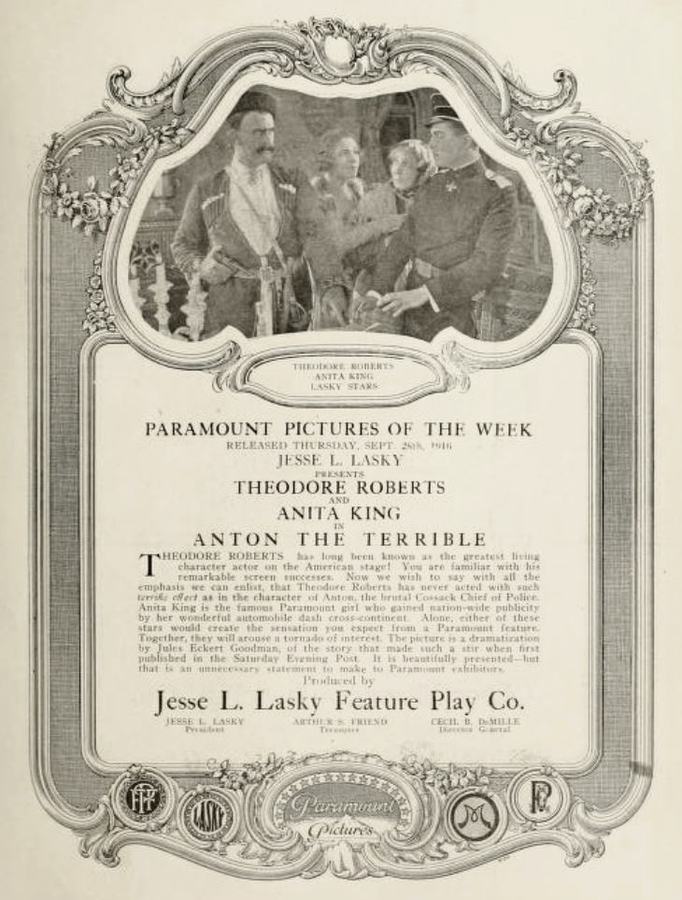
| Anton the Terrible | Gritty | Dense | 88% Match |
| An Amateur Devil | Tense | Linear | 98% Match |
| Mirandy Smiles | Surreal | Dense | 90% Match |
This guide was algorithmically generated using the cinematic metadata of William C. de Mille's archive. Last updated: 8/16/2026.
Back to Famous Scenes from Pagliacci Details →