
DbcultAccessing Vault...
Recommendations
Senior Film Conservator
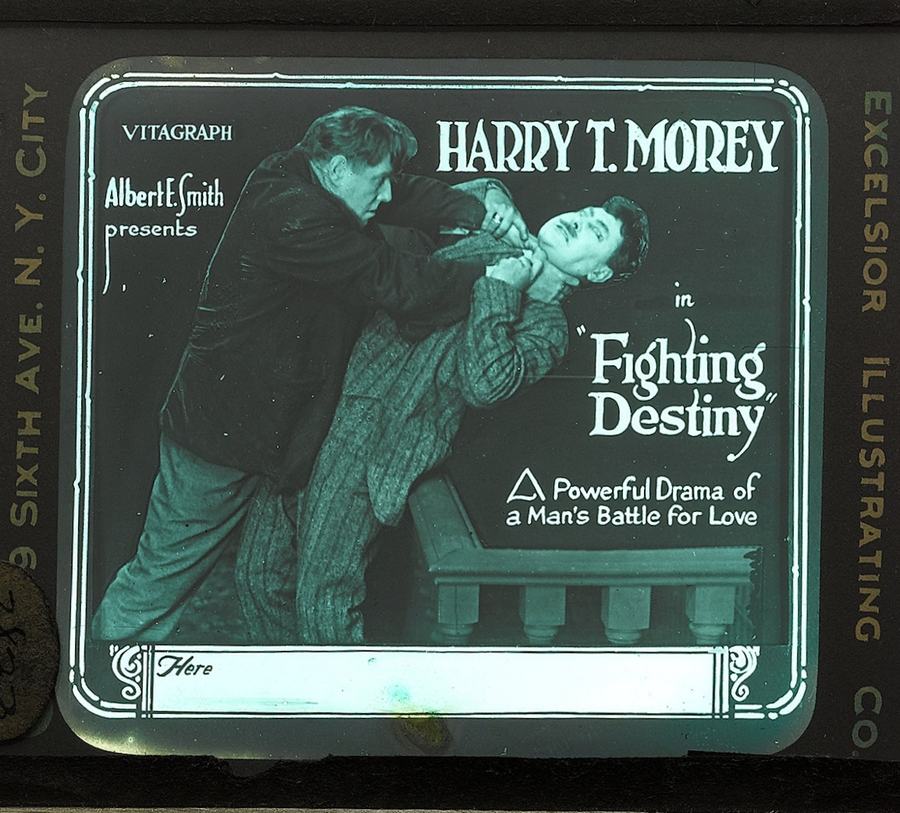
For cinephiles who admire the unique vision within Fighting Destiny, the specific unique vision of this work is a gateway to a broader cult world. We've prioritized films that capture the 1919 aesthetic with similar precision.
At its core, Fighting Destiny is a study in to create a dialogue between the viewer and the unique vision.
On the eve of his wedding, reform politician Larry Cavendish sees his fiancée, Caryl Rundlege, emerge from a wrecked automobile and disappear with notorious one-armed political crook Dan Levarro. That night, Larry receives a note from Caryl canceling the wedding because she has a higher duty to perform. With a little help from the police, Larry disguises himself and locates Levarro and Caryl at a beggar's lodge. During a chase along the rooftops, Caryl is shot dead by a stray bullet and Larry pushes Levarro to the pavement. Larry carries Caryl's body through the underworld until he is captured in a Chinatown opium den. When the police arrive and save him, Larry discovers that the dead girl was Caryl's twin sister, an opium addict whom Caryl was trying to help. The couple are reunited and the criminals are arrested.
Based on the unique unique vision of Fighting Destiny, our vault has identified these titles as the most compelling follow-up experiences for fans of cult cinema:
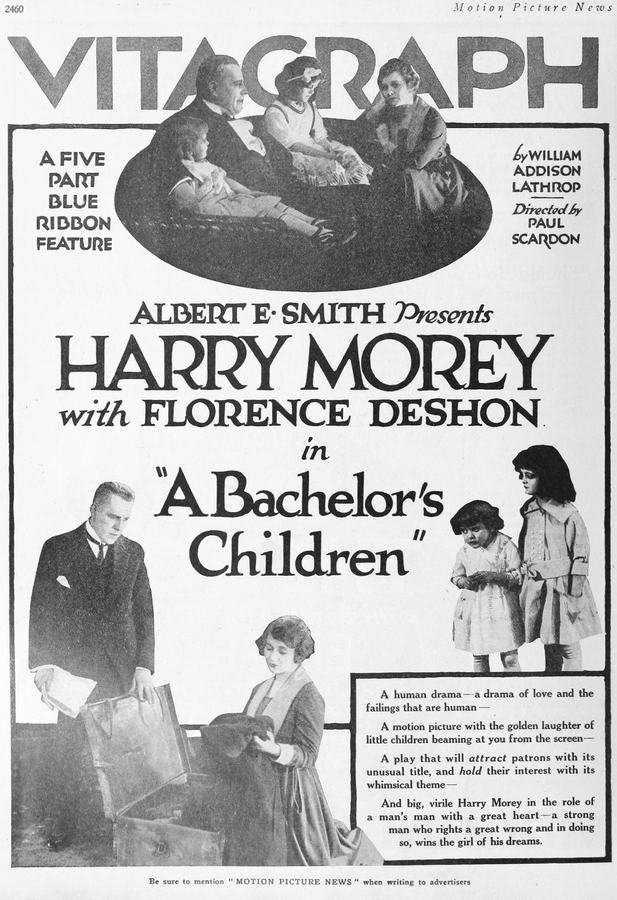
Dir: Paul Scardon
Young Hugh Jordan, the nephew of the man who robbed the Winthrop children, is earning his living out west when he comes into the millions of his thieving old uncle. Hugh goes east and settles down to a life of ease and enjoyment. He is entertaining a stag party at his home when the butler announces the arrival of the Misses Winthrop. A letter left by their father told them to go to Hugh Jordon, as he held a mining claim in trust for them. Penelope, the oldest girl, shows the letter to Hugh and he invites the orphans to remain until he has investigated the matter. It is all plain sailing after that, and Hugh marries Penelope and the fortune is kept in the family. There is a slight underplot involving a handsome widow, who tries to capture Hugh, and a most despicable specimen of the wealthy class who tries to ruin Penelope.
View Details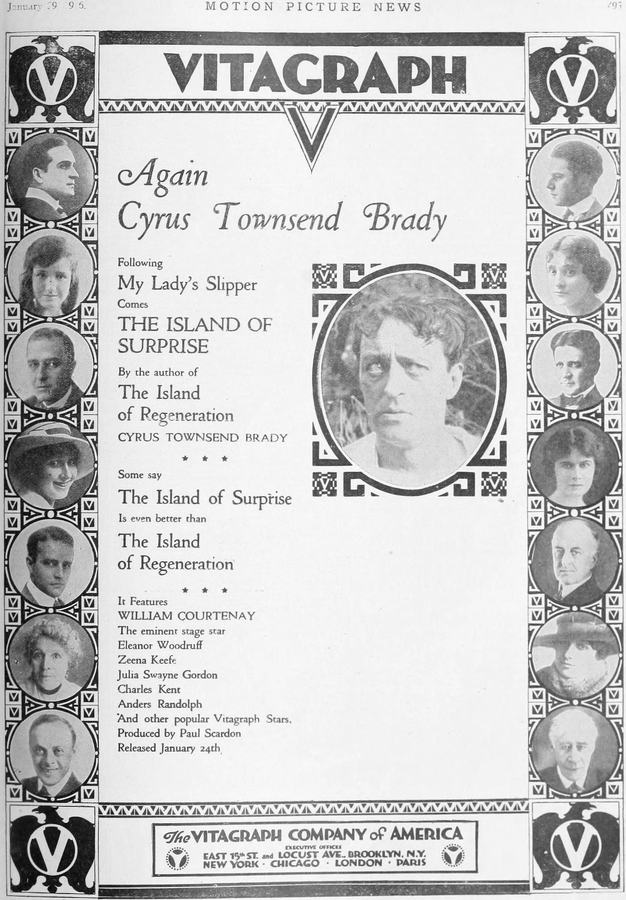
Dir: Paul Scardon
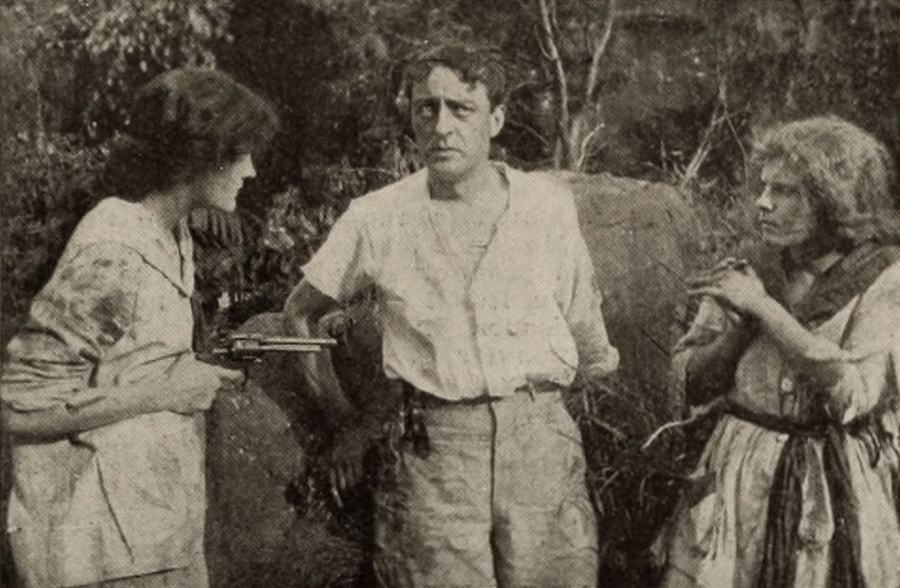
Dorothy Arden is private secretary to Godfrey Lovell, known as the Croesus of Wall Street. His Western partner is Daniel Casselis, who has a daughter named Dorothy. Lovell has a son, Robert, and the two financiers are trying to arrange a match between their children. But Robert falls in love with his father's secretary and marries her, but on returning home to tell dad, he finds that Lovell is ill and has gone on a long sea voyage to recuperate. Bob is sent to Chicago to see Casselis and invite him and his daughter to come on the cruise with Lovell, and Dorothy is greatly distressed at this turn of events. Bob reassures her, however, and still they do not tell his father. Bob meets Miss Casselis on the Limited as she is returning from an Eastern trip and they become friends. Meanwhile, Dorothy has determined to go on the yachting trip, so when the whole party arrive at Frisco Bob finds his wife awaiting them. Many amusing complications occur during the voyage and jealousies are aroused. The yacht anchors off a lonely island in the Pacific and Bob, with the two Dorothys, goes ashore. The yacht is driven out to sea by a terrible storm, leaving the three stranded on the Island of Surprise. Bob is hurt in a terrific landslide and the blow causes him to lose his memory. Dorothy tries in vain to call to mind his marriage to her, and Miss Casselis, thinking Dorothy is merely bluffing, is not to be outdone and claims Bob is her husband. Bob finally settles an uncomfortable situation by telling the women he will simply remain their friend and protector. Meanwhile, the yacht has had to send out a boat for the nearest land, owing to engine trouble, and a man-of-war is met. She is directed to the island, and arrives just in time to drop a shrapnel among a horde of island savages who are attacking the three castaways and just about to annihilate them. Rescued by the navy men, the three castaways are reunited with their party. Bob recovers consciousness and recognizes his wife, and all ends in forgiveness and happiness.
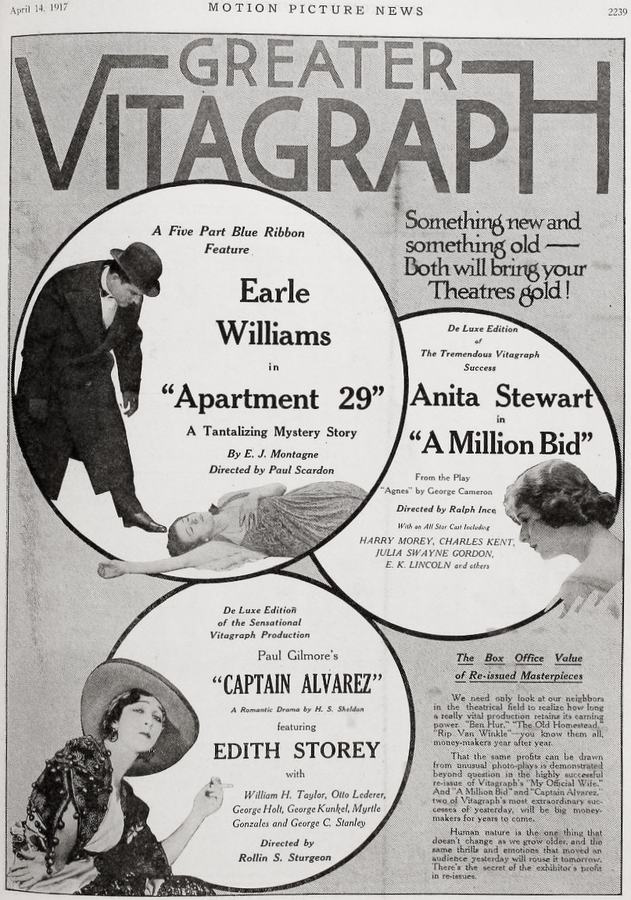
Dir: Paul Scardon
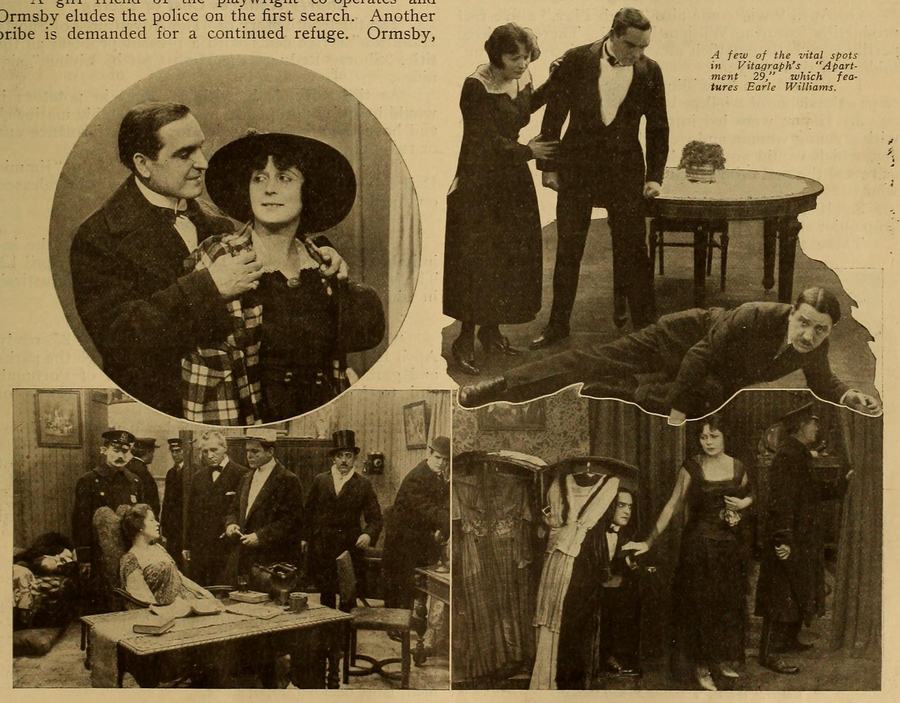
Stanley Ormsby, a dramatic critic, runs foul of an author and dramatic company who have just put on a new play which he announces as "rotten." On his way home from the play, after waiving aside the author's pleas for a merciful criticism, his adventures begin. He interferes between a couple quarreling on the street and is rebuffed. Later he gets an assignment from his editor to go to a certain apartment house to interview a singer. Entering the place he is diverted from his mission by a woman falling apparently dead at his feet, before the door of Apartment 29. Carrying her inside he finds her to be the woman of the quarrel, and there finds also her husband shot. There alone, he realizes suddenly that circumstances are against him and wishes to flee. The playwright, who lives in the same building, offers refuge, but in return asks a large sum of money, which Ormsby is only too glad to give. A girl in the playwright's apartment hides him while the police search the place. He has a dozen hairbreadth escapes and is finally shocked as the playwright demands a bribe to keep him hidden. Finally Ormsby escapes from the house with the girl, only to run into a nest of thugs, who attack him. He is then rescued by the very police, who then charge him with murder, after which...well, it winds up all right, but it was a hair-raising experience, mates.
View Details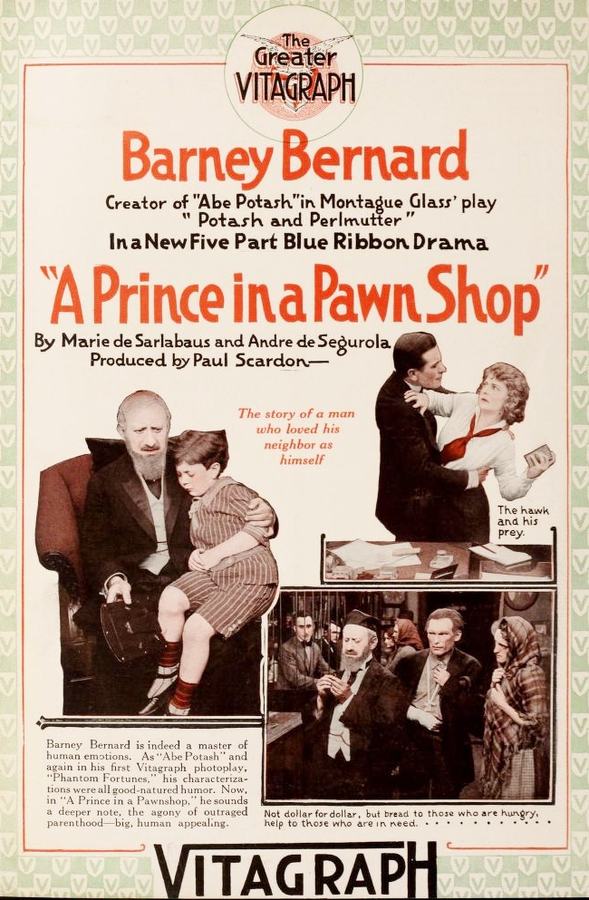
Dir: Paul Scardon
David Solomon, a wealthy banker, is merciless in his dealings with his rich clients, from whom he exacts the highest interest. He aids the poor as much as possible. To facilitate his kindness among the people of the Ghetto, he runs there a pawnshop, unlike all others, for to the needy he measures out money, not according to the value of the articles they offer, but according to their needs. David's son, Maurice, is given to high living. It grieves his father, who is, however, consoled by the fact that his daughter, Ethel, seconds her father's charities by maintaining a day nursery for the children of the poor. One day David sees a young girl fall unconscious in the street. He takes her to the hospital where the doctor tells him that the girl, Mary, is suffering from exhaustion. David's heart is touched and he resolves to make Mary's future his own care. When she has regained her strength he finds her a position as a model in a dress house of a friend, Silver. Ethel visits the dress house to buy gowns, bringing Maurice with her. He sees Mary for the second time, having noticed her upon the street. Maurice arranges to meet Mary under an assumed name, and pursues his courtship with all seeming love. She so learns to worship Maurice that she gives him all, not stopping to count the cost, nor to demand the wedding ring. For a brief while Mary tastes of a great happiness, but Stevins, the man for whom she once worked, and who, because she would not encourage his advances, drove her from every honest position, naming her as a thief, visits the dress house to get gowns for "The Bunch of Flowers," a set of girls so termed by Maurice who has been much in their company. He recognizes Mary, repeats the accusation, and her employer discharges her. Mary returns to the little flat supported by Maurice, where she tells her story. Maurice has begun to tire of her. He seeks Stevins, who tells a seemingly truthful story. Maurice believes it and leaves Mary, writing to this effect. He, however, does not know that the girl he has wronged is about to become a mother. Six years elapse, and we find Mary and her little son, living in poverty. Again she is rescued by David Soloman, who has called to see a deserving case next door to Mary, the object of his charity being Mrs. Payne, the landlady who drove Mary from her door, and who is now a paralytic. Mary tells David her story, showing him the letter from her lover. He recognizes the writing of his own son. He takes his grandson home with him where the child is seen by Maurice, who is conscience stricken. Heinstitutes a search for Mary. Stevins, the man who hounded Mary, needs a further extension of his loan from David. But David, having learned what he has done, Mary forces him to the wall and ruins him. Goldstein, who has been a faithful secretary to David, resigns. He loves the daughter of David, but being a poor man does not declare his love and so decides to leave for other parts of the country. David has watched the love which has existed between Ethel and Goldstein, and gives Goldstein a check for a large amount, quite sufficient to start them on their honeymoon. David informs Maurice by telegraph, not signing his name, where Mary may he found. He then goes to her with her little son. Maurice arrives, and makes reparation by marrying Mary.
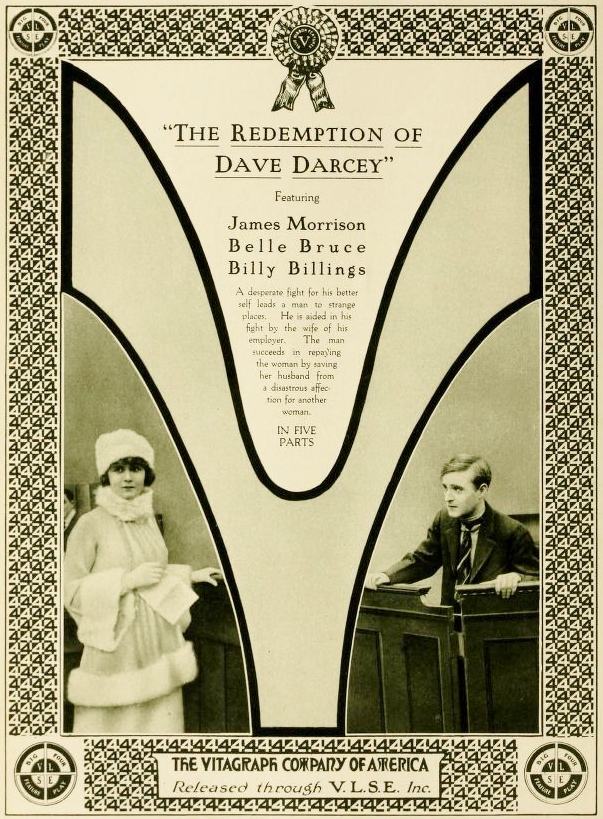
Dir: Paul Scardon
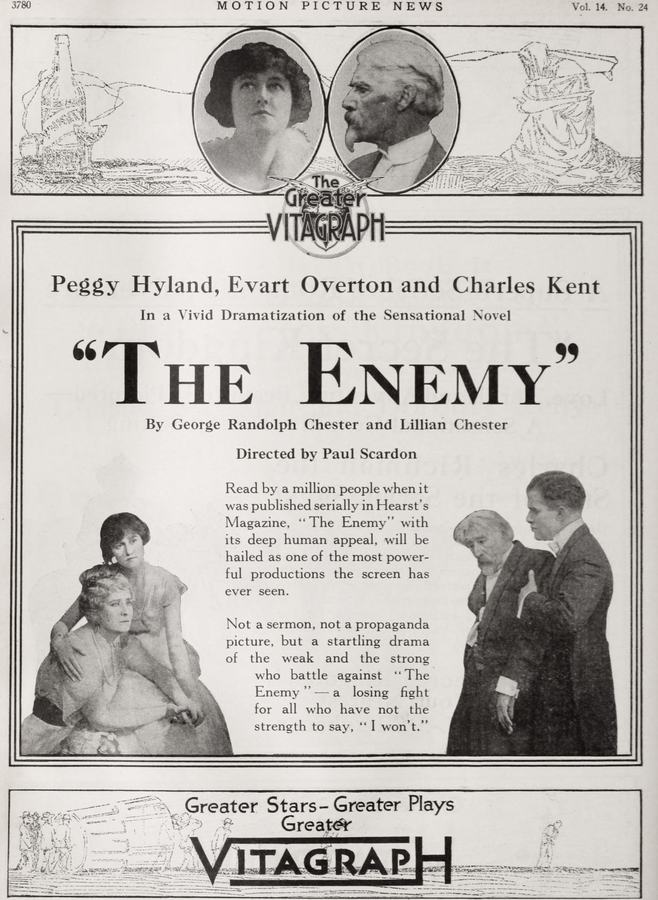
After landing a big "haul," Dave Darcey, a crook, decides to spend part of his booty by holding a dance for his followers. Paddy Burns, leader of a rival faction, decides to settle an old score with Dave by breaking up the affair. On the night of the dance he goes at the head of his gang with the avowed intention to "get" Dave. In the struggle, Dave shoots Paddy and makes good his escape. He is seen by Phillip Brenton, the son of the owner of the steel works, who thinks he is there to rob the house and demands an explanation, Dave explains the whole affair to him, and Phillip gives him a chance to make good by giving him a job in the steel plant. Phillip's father is not so sure of Dave's reformation, and tests him by leaving a large roll of bills exposed. Dave sees the money and a struggle with his other self follows. The new Dave comes out the winner and he returns the money. The Baroness Von Ehrenstein, a secret agent for a foreign government, learns that the Benton Steel Works have accepted a huge war order for a nation hostile to her own. She gets permission from Phillip to visit the plant on the pretext of getting local color for a novel she is writing. Phillip personally guides her and her accomplices through the plant and they make a thorough study of the place. Phillip has become greatly interested in the Baroness and is neglecting his fiancée, Grace. The latter notices his continued absence and asks Dave the cause. The latter, in order to protect Phillip, tells her that it is business. Dave, suspicious of the Baroness, warns Phillip of her and his young employer resents his interference and discharges him. While Phillip is in a drunken stupor, the Baroness steals his office keys from him and gives them to her confederates who hasten to the steel works. Suspicious of their actions, Dave follows them and sees them plant bombs in the factory. He tries to foil them and a fight follows. Dave is finally subdued and is left, bound hand and foot, by the burning bombs. He rolls himself over to a saw and works frantically till he severs his bonds. He then starts to stamp out the fuses of the bombs, but one of them explodes and he is caught in the wreckage. The watchman, having seen part of the struggle, follows the conspirators. The police arrive at the scene and are closely followed by Phillip and his father. The latter accuses Dave of attempting to destroy his plant, and also charges him with the murder of Paddy Burns. The watchman returns with the real culprits and tells the true story, thus clearing Dave of guilt. One of the policemen then tell Dave that he need not fear of trial for murder, as Paddy is still alive, having been only slightly injured by the shot. Dave is acquitted of the charge of assault which he had to answer to for the shooting and returns to a better job with the Benton Steel Works. Phillip and Grace are reunited.
View Details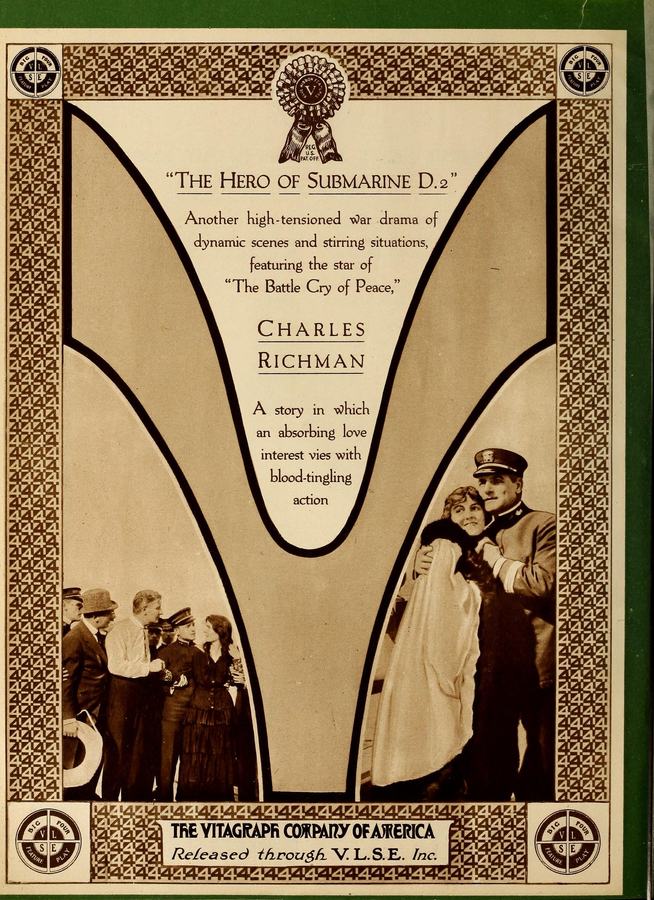
Dir: Paul Scardon
Lieutenant Commander Colton, U.S.N., is in love with Caroline Austen, daughter of a prominent political power in Washington. Colton has a rival in James Archer, a journalist of prominence, unscrupulous and secretly in league with the Ruanian Ambassador, who is endeavoring to obtain for his country inside information as to the United States naval resources. Gilman Austen, Caroline's brother, receives an appointment to the Naval Academy. He is much in love with Ethel McMasters, daughter of a superintendent, and pays so much attention to her that his term marks in navigation are so low as to preclude his passing the semi-annual examination. He is told of this by Captain McMasters, and Colton, Caroline Austen and Ethel McMasters then get busy in Oilman's behalf, Caroline working with Colton, who is in love with her. and Ethel attempting to influence her father, but these two officers absolutely refuse to exercise any influence in Oilman's favor. Mr. Austen, Sr., then takes a hand in the game, but finds naval men a different proposition from politicians, and as a result Gilman is forced to leave the Academy. Mr. Austen uses his power and has Colton transferred to the command of a collier. Gilman Austen, however, grits his teeth and 'lists in the navy as an apprentice, and here we see him carried through all his training experiences. Colton being of an inventive turn of mind and realizing the weakness of the submarines is in the battery, invents a new battery. Archer hears of this and informs the Ruanian Ambassador, who offers the traitorous journalist almost any sum to secure these plans. Archer is prevented from securing them by Gilman Austen, who is now a full-fledged able seaman, serving under the name of Roger Brown. The Ambassador then determines upon a big coup. He directs Archer, who now is completely in his power, to have a Ruanian merchant ship lay a series of mines in the channel through which the warships must pass. Colton has been placed in command of the submarine flotilla, and Gilman Austen is on duty with the D-2. Through Caroline Austen, Colton learns of the plot, and as the ships are due to arrive that night, Colton takes command of the D-2, goes out and submerges his boat. Time is precious, and Colton realizes that he cannot take the D-2 through the mines, so he has himself shot out of a torpedo tube and swims through the mines, goes on board the merchant ship and blows up the mines just before the fleet comes in. Colton is badly wounded and is rescued by Gilman Austen and the submarine crew. For his work in this action, as well as his general reputation and good character, Gilman Austen is sent back to the Naval Academy. Colton marries Caroline.
Dir: Paul Scardon
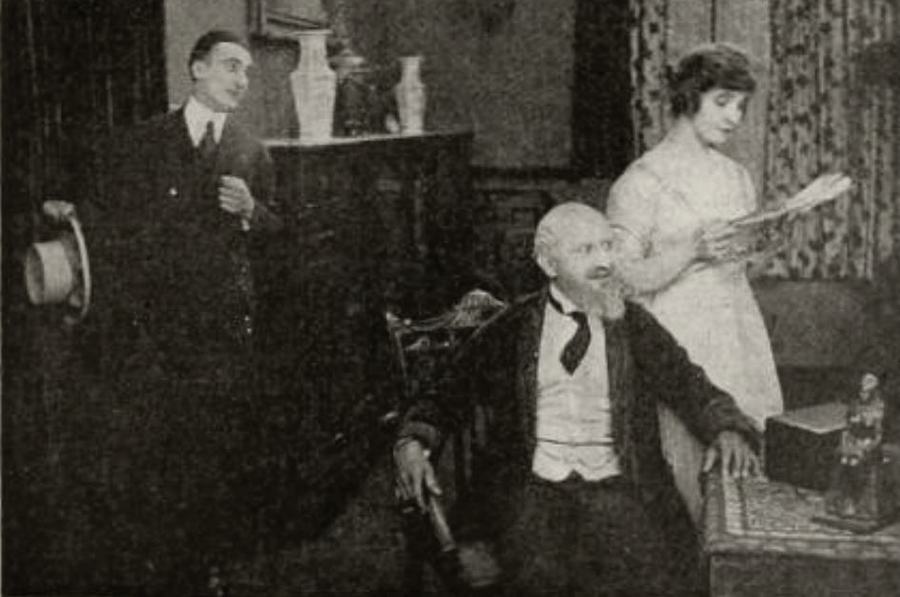
Famous architect Harrison Stuart is taken over with alcoholism and begins living in flop houses, he is saved by Billy Lane, a young architect who has always admired the older man. Lane reunites Harrison with his family and falls in love with Harrison's daughter. After announcing his engagement to her, however, Lane himself becomes an alcoholic when another woman, jealous of his fiancée, spikes his punch and tricks him into heavy drinking. Then Harrison gives in to his old habit but before submitting completely, he kills himself. The suicide brings Lane to his senses; he swears off drinking and returns to Harrison's daughter.
View Details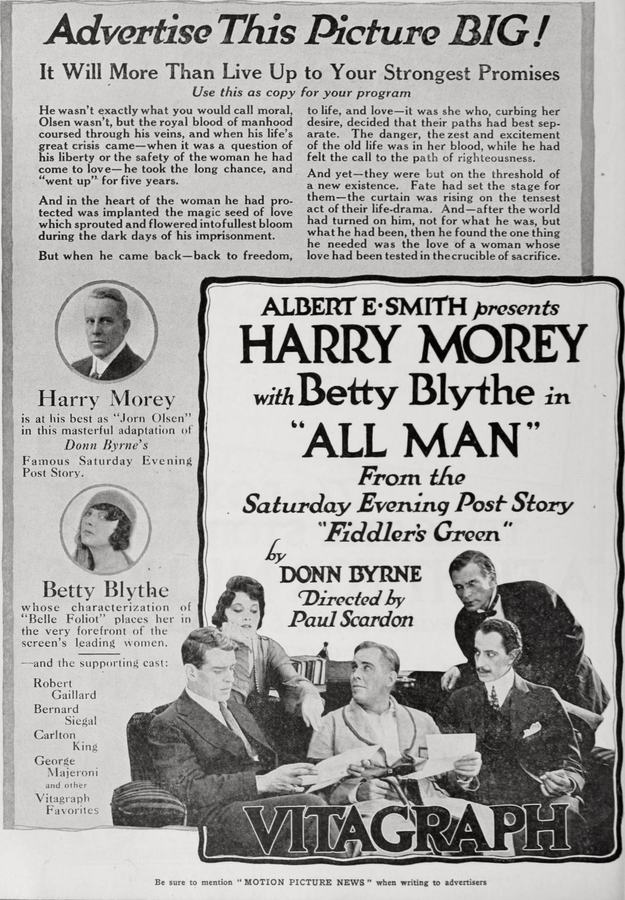
Dir: Paul Scardon
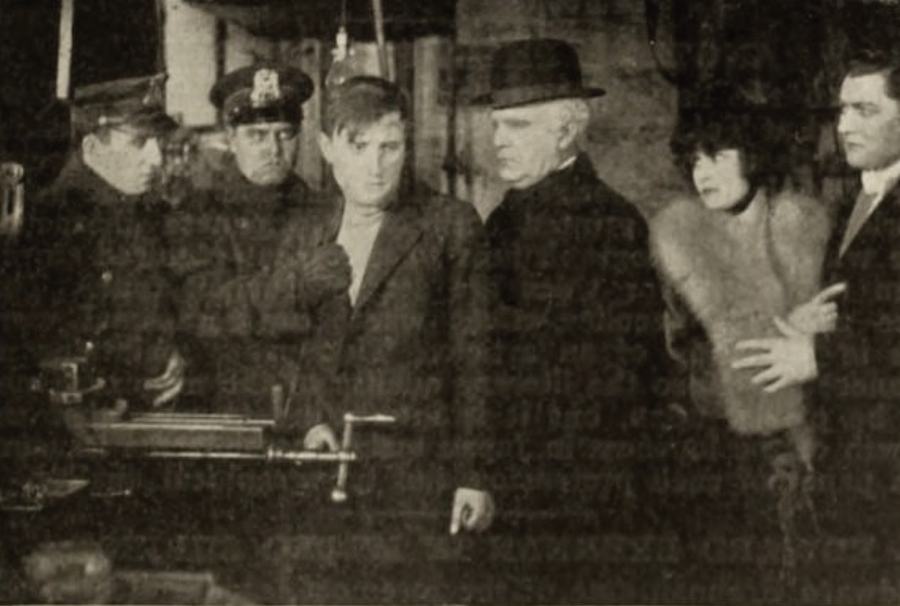
John Olsen, the foreman in an iron foundry, is persuaded by two of the workmen to rob the company safe, an operation so successful that the three decide to embark on a career of safe cracking. While pulling a job, John breaks his leg and is forced to take refuge in the home of Belle Foliot, whose husband is serving a life sentence. As she tends John's injured leg, Belle falls in love with him and decides to join the gang, and when she becomes trapped during a robbery, John remains at the scene of the crime so that she can escape. Following his five year prison term, John declares that he is going straight, whereupon Belle leaves him. John marries and buys a farm, but one day his arresting officer, Lieut. Reilly, appears and reveals his past to his wife and the townspeople. As a result, the farmers shun him and his wife divorces him. He is about to break into the bank when Belle and Reilly arrive. Promising to go straight, Belle accompanies John out West to a new life.
Dir: Paul Scardon
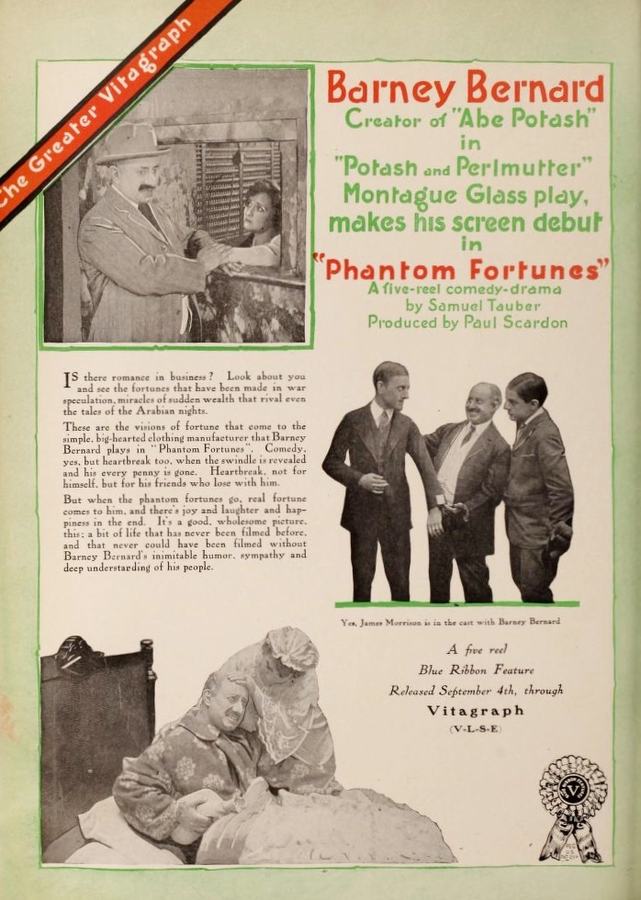
Bob Deering on his way to business meets his sweetheart, Molly Sherman. He arrives at Milliken and Co., stockbrokers, his place of employment, just in time to save Herman, Zalmon Pinsker's 14-year-old son, from a very rough engagement with the other messengers in the office. For this act Herman takes him to his father's shop and obtains a suit at wholesale, and it is here that Bob meets Ike Mandell, who is in love with Dora, the daughter of Pinsker. Previous to this meeting Pinsker re-engaged Mandell after having hired and fired him at least ten times, and also just previous to Bob's arrival with Herman, Moses Hecht and Israel Classman had an argument with Mandell, who, trying to look after Pinsker's business, tried to force them to pay certain notes which had been endorsed by Pinsker. Mrs. Pinsker and Dora arrive and realize that if Pinsker keeps up this pace of unorganized charity they will have little if any chance of obtaining the new dresses for which they came. Later the stock market closes on account of the war, and both Herman and Bob are out of a job. Bob calls upon Molly, who is a telephone operator in a hotel. There he meets "Red" Dorgan, who interests him in war orders. Clothing, sweaters, and shirts are needed for the allied armies, so Bob goes to Pinsker and agrees to get him a contract that will at once make him a rich man. Pinsker is overjoyed. Bob returns to Dorgan, and it is arranged that the manufacturer shall meet the commission. Ike Mandell has a cousin, Abie Lefkowitz, another clothing manufacturer, and he feels that if he can give Pinsker the double cross and get the business for Lefkowitz he will be able to marry Dora. Ike arranges with Dorgan to switch the order to Lefkowitz, who has to give Ike an advance commission of $8,000 for his work. Bob apprises Molly of what he has done for Pinsker, but she has her misgivings about Dorgan. The contestants for the big war order is requested by the commission, which has quarters in the hotel in which Molly is a telephone operator, to have samples of their goods at the commission's offices. The different clothing manufacturers comply, and when each at different times receives most encouraging reply concerning their samples each refuses domestic orders so that all time possible may be devoted to the commission's order. The hotel detective becomes suspicious and after a short conversation with a Scotland Yard man who has been on Dorgan's trail for months, they, with Bob, examine the commission's quarters. They are now firmly convinced that the scheme is a fake, and Bob conveys this information to Pinsker. He is greatly discomfited over the revelation, but Bob gets an idea which will net Pinsker a considerable sum. All the other clothing manufacturers are refusing domestic orders pending advices from the commission, so Bob helps Pinsker to corner the home market. This scheme is successfully executed. Ike Mandell, jealous, is busy instituting a strike among the employees, but his plan is soon frustrated by Bob. Lefkowitz scenting that something is wrong, goes to the hotel, where he is told of the fake affair. The crooks are captured. It is then that Lefkowitz tells of a $6,000 check and that it was made out to Bob. The police now go with Lefkowitz to the shop of Pinsker, where they try to fasten the check upon Bob, but he has given it to Dorgan, and Pinsker agrees that if his is the only signature on it, he, Pinsker, will make good for Bob. Molly goes to Pinsker, who introduces her to his new partner, Bob Deering, and assures her that she need not "hello" any more if she will marry this live businessman. Molly is pleased, and is further glad to know that Mandell has lost out with Dora, who is going to marry Glassman, who is now making his fortune through Bob's methods of wide-awake business.
View Details
Dir: Paul Scardon
Polly Biggs helps care for her younger brother and sisters, while her widowed mother works hard as a seamstress to earn a living. Mayor Hoadley, Mrs. Biggs' brother, a crooked politician, calls to sympathize with her on the death of her husband, and Polly takes a dislike to him. Within a short time Mrs. Biggs dies and for the sake of appearances, Hoadley and his wife take the children to live with them. Oxmore, a reform candidate, opposes Hoadley's re-election. His son John, an artist, meets Polly and calls on her at the Hoadley mansion, where he saves her from the advances of Hawkins, a ward boss who "has something" on Hoadley. Hawkins threatens to "get" John for his interference, and the threat is heard by Hoadley. Polly and the children are treated so badly that they run away to the poorhouse, which later burns; Polly saves the children, and they wander to a bungalow in the woods, John, who owns the bungalow, finds them there, and permits them to stay all night. During the night Hoadley visits Hawkins and kills him in self-defense, using a cane that John has inadvertently left at his house, when John goes to town he is arrested. Polly and the children are his only alibi, and he cannot tell of Polly's presence. The evidence is strong against him, and if he is convicted his father will lose the election. Polly, who has been sent away by Hoadley, returns in time to straighten matters.
View DetailsAnalysis relative to Fighting Destiny
| Film Title | Atmosphere | Complexity | Similarity |
|---|---|---|---|
| A Bachelor's Children | Surreal | Layered | 85% Match |
| The Island of Surprise | Surreal | Dense | 95% Match |
| Apartment 29 | Ethereal | Layered | 88% Match |
| A Prince in a Pawnshop | Ethereal | High | 96% Match |
| The Redemption of Dave Darcey | Surreal | Abstract | 93% Match |
This guide was algorithmically generated using the cinematic metadata of Paul Scardon's archive. Last updated: 6/26/2026.
Back to Fighting Destiny Details →