
DbcultAccessing Vault...
Recommendations
Senior Film Conservator
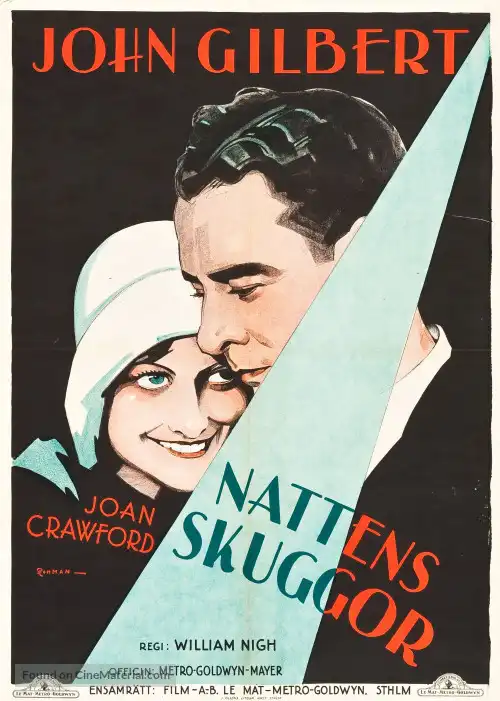
Navigating the complex narrative architecture of Four Walls is a nuanced performance experience, the legacy of Four Walls is a beacon for those seeking the unconventional. Unlock a new level of cinematic understanding with these Drama alternatives.
The artistic audacity of Four Walls ensures it to sustain a sense of mystery that persists after the credits roll.
While Benny is in jail his old henchman Monk takes over the gang and Benny's girl Frieda. Once out Benny wants nothing to do with either. He has reformed and is beloved of his god-fearing mother's good friend Bertha. But Frieda pursues him and, at a party, announces her engagement to Monk in order to make Benny really jealous. A rival gang attacks during the party and Benny takes over, running off with Bertha in his arms. In a chase across the rooftops, Monk falls to his death. Benny is accused and later cleared of Monk's "murder".
Critics widely regard Four Walls as a cult-favorite piece of Drama cinema. Its nuanced performance is frequently cited as its strongest asset, solidifying its place in United States's film legacy.
Based on the unique nuanced performance of Four Walls, our vault has identified these titles as the most compelling follow-up experiences for fans of Drama cinema:
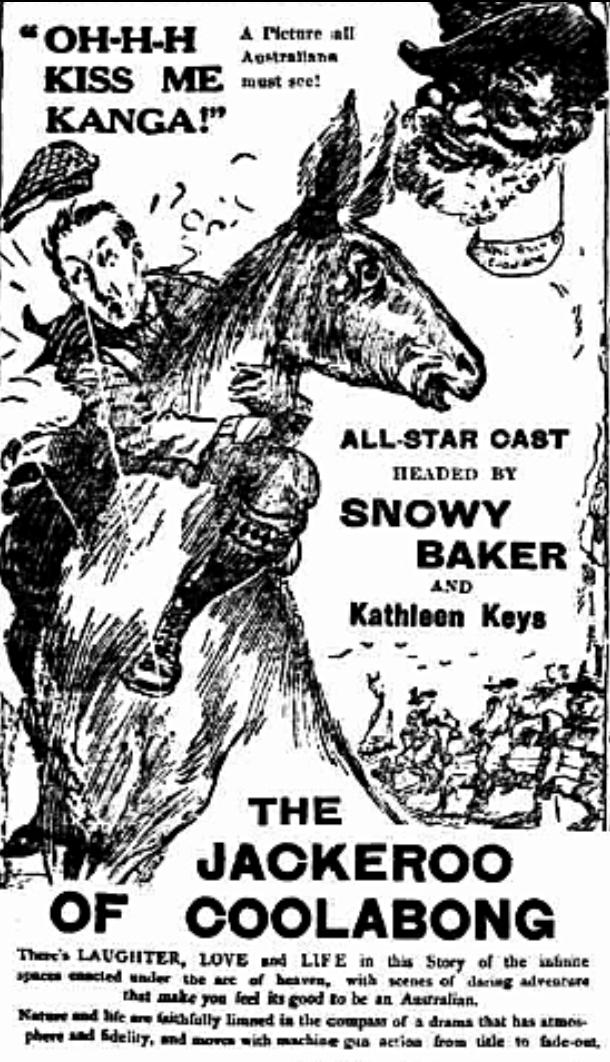
Dir: Wilfred Lucas
Brian O'Farrell (Snowy Baker), is an English 'new chum' who takes a job at an Australian cattle station. He is teased by station hands because of his appearance (including spats and a monocle) but he soon impresses them with his skills at riding and boxing. The station manager, John MacDonald (Wilfred Lucas), takes O'Farrell to Sydney to meet his daughter Edith (Kathleen Key) who is working in the slums. Edith is kidnapped by criminals after witnessing a crime but O'Farrell rescues her. It is later revealed he is the owner of the station.
View Details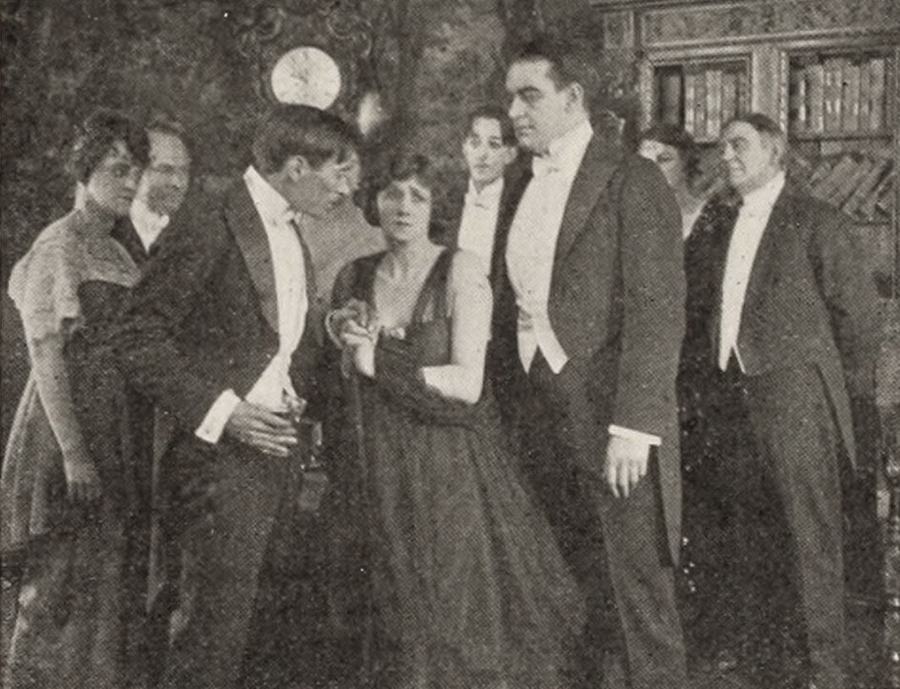
Dir: William Nigh
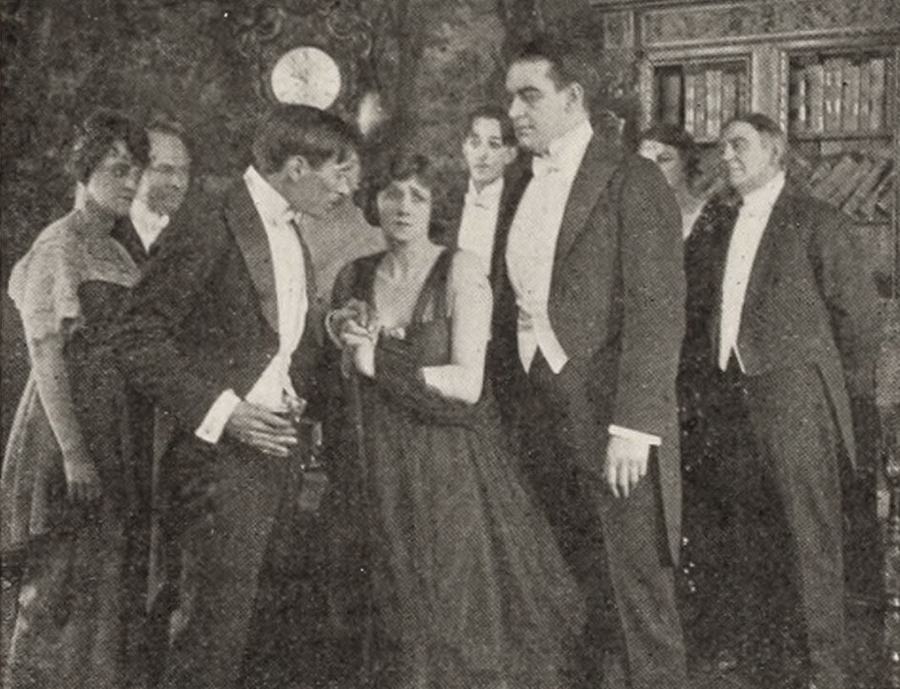
Marian Delmar's architect father has died without an estate, though she thinks he has left her a settlement of some sort. From the time of his death, a member of his profession, Varcoe, has sent her a monthly remittance with enables her to live decently and study painting. Then Varcoe dies, leaving no instructions regarding the remittance and no reason why his son Olin should continue it. John Hartfield, whose father has been a lawyer of doubtful integrity but unquestionable shrewdness, is now the one Marian turns to when her remittance fails to arrive. He subsequently informs her that the remittance seems to have been a matter of charity on the late Varcoe's part; incidentally, his son Olin is dying from his wild dissipation and morbid excesses. Marian's independent nature revolts at having been an object of charity, and against John's pleading she decides to pay the debt by nursing Olin back to health. She offers her services as nurse, and Olin exhibits a wicked joy at engaging her. All repair to the old Varcoe home on the St. Lawrence, where lives Mrs. Varcoe, whom her supposed son has never seen; she has been an invalid for 40 years, faithfully attended by the old family physician in a house with Indian servants, and strange furnishings that must have been the expression of a morbid brain. When Olin meets Mrs. Varcoe, whose son he is supposed to be, he seems to inspire her with fear and misgiving. She is immediately impressed with Marian, whose attentions are now directed to the old lady's health. The aged doctor's jealousy of Marian in her efforts to relieve Mrs. Varcoe creates frequent friction. Through the finding of certain plans in a secret compartment, John finds that Marian's father was the real brains behind the elder Varcoe's success; hence, the remittance by agreement. Olin's morbid nature drives him to take advantage of an Indian girl in his household, and the consequence is the exposure of the secret that he himself is the offspring of such an affair on his father's part. Meanwhile, John constantly tries to dissuade Marian from continuing in this atmosphere, but a strong affection has developed between Marian and the kind old lady that furnishes the incentive for her to remain. Olin is determined to have one more big fling before he passes away, and invites a number of his dissipated city friends to spend the weekend. Olin traps Marian in a secret passage, but another Indian and John rescue her and wound Olin. Olin crawls to the Indian huts on the estate where the remainder of his mother's tribe dwelt, and dies in the arms of his Indian grandfather. Marian and John determine to travel the road of life together, while the old doctor gives evidence that his devotion to his equally-venerable patient was not purely professional interest.
View Details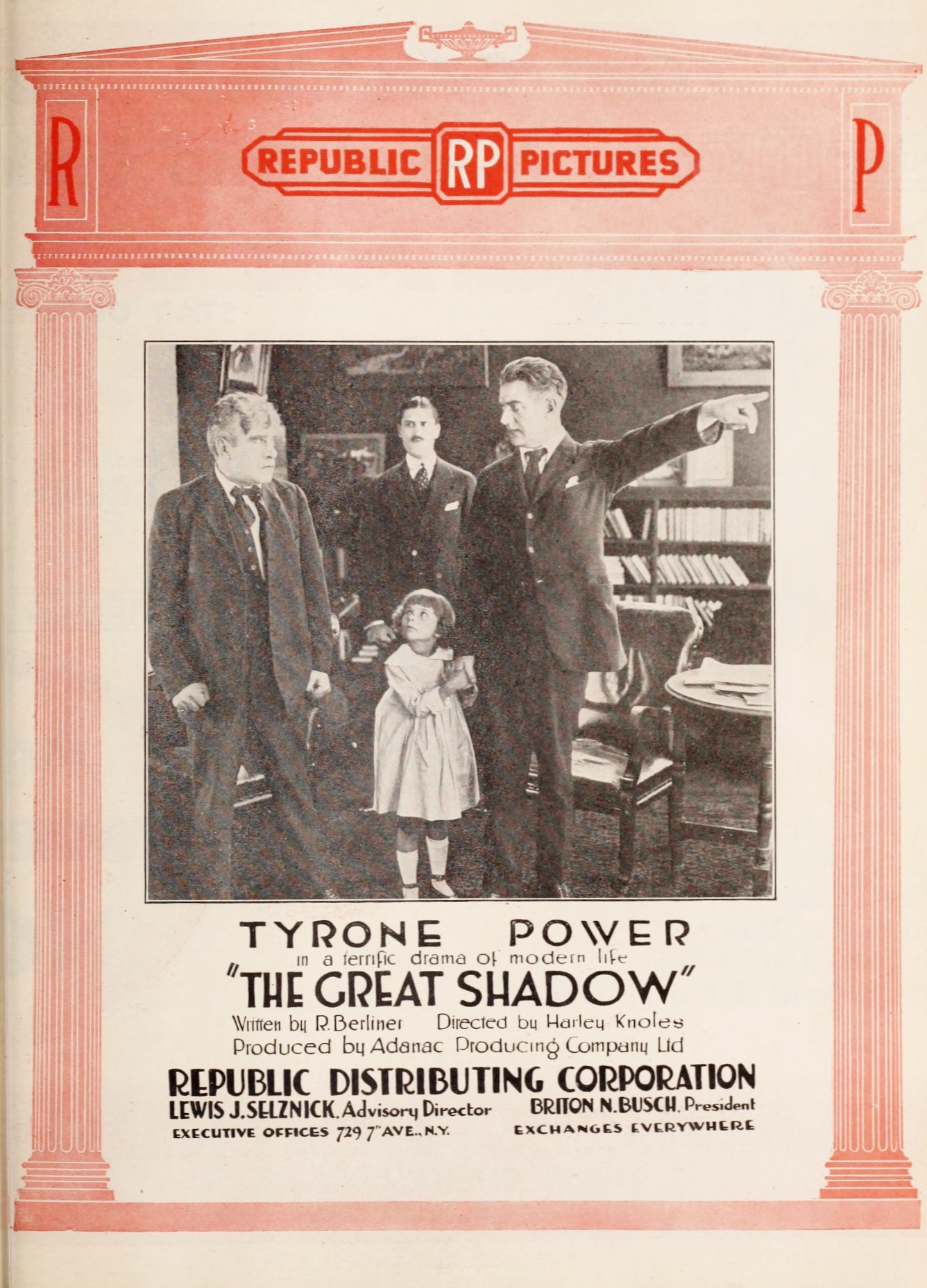
Dir: Harley Knoles
Jim McDonald, the foreman of a shipbuilding plant and head of the labor union, strives to combat the anarchistic propaganda being put forth by Klimoff, the leader of a Bolshevik gang whose goal is to disrupt the country with strikes and anarchy. Despite McDonald's efforts, a strike is called, resulting in chaos. McDonald's child is knocked down by runaway horses abandoned by their striking driver, and dies. Mob scenes take place in America, as well as in Russia. Eventually, the unrest is quelled with an armistice called between Capital and Labor for a year, during which time wages are to be increased to reflect the cost of living, and leaders are to work out a common plan for their mutual advantage. The strikers now realize that they have been pawns of the Bolsheviks and call off the strike, agreeing to the plan.
View Details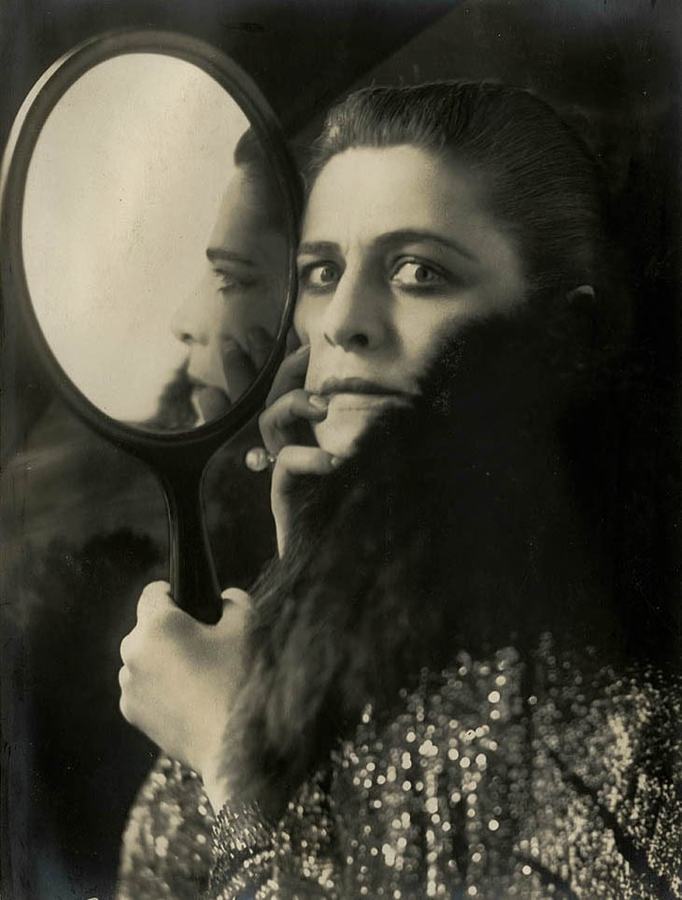
Dir: William Nigh
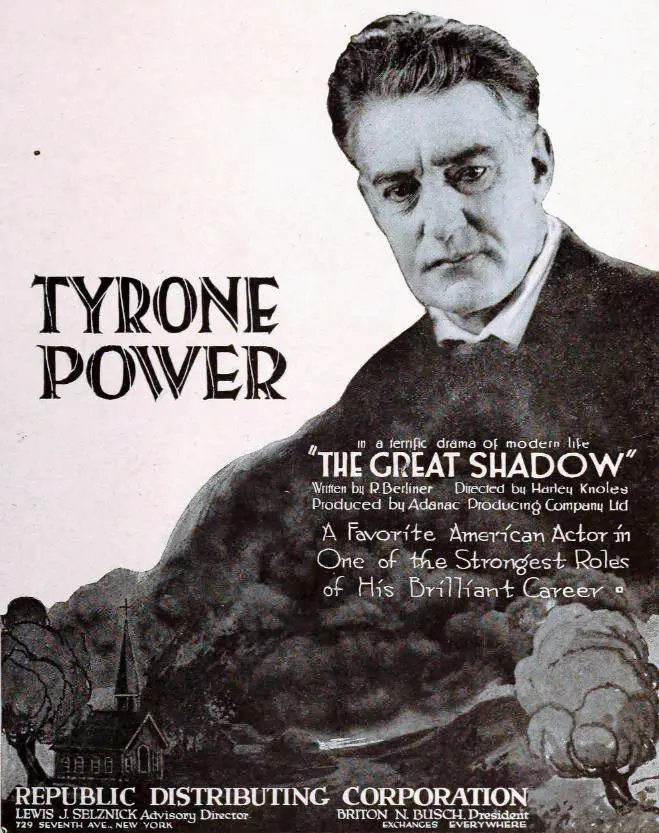
Caroline works at a hair dressing parlor. A wealthy man falls in love with her, takes her home and proposes to her. Caroline has a dream where she marries the man, who turns vicious and keeps her locked up in his mansion. He finally dies, and Caroline starts out having a good time with his money, but she sees the folly of her ways. She wakes up from the dream.
View Details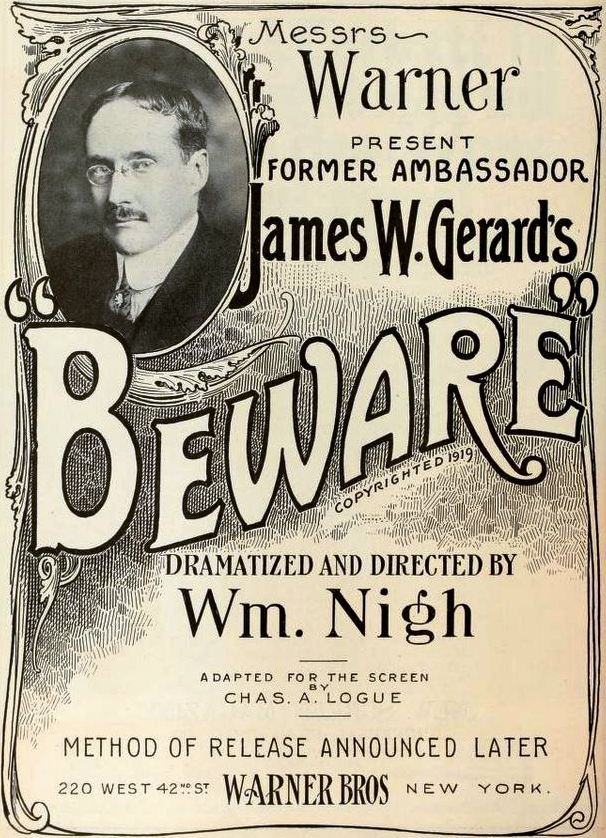
Dir: William Nigh
American ambassador to Germany James W. Gerard warns that Germany will rise again to power and an attempt at world domination unless safeguards are taken, in this documentary-style propaganda drama.
View Details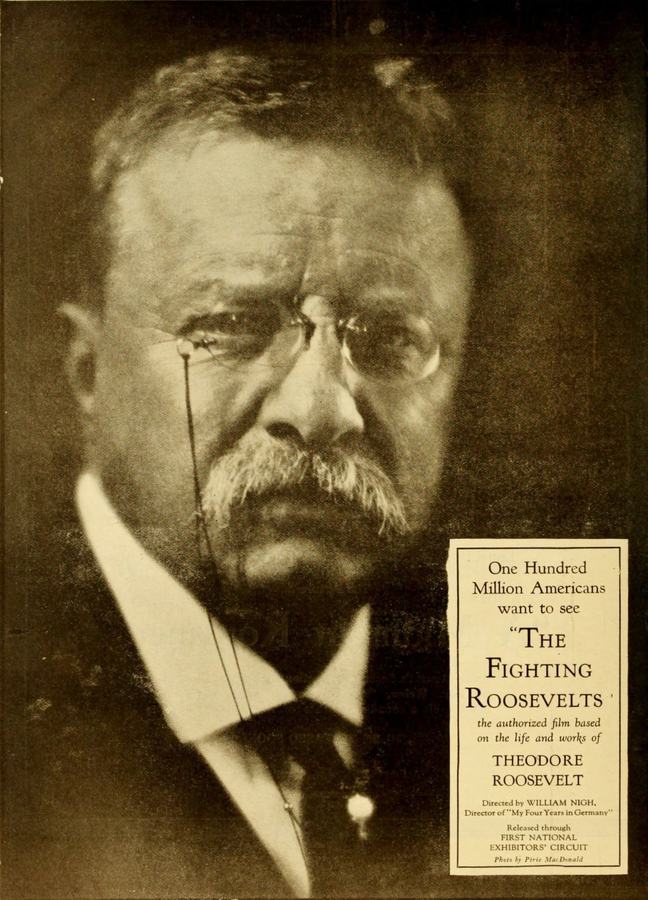
Dir: William Nigh
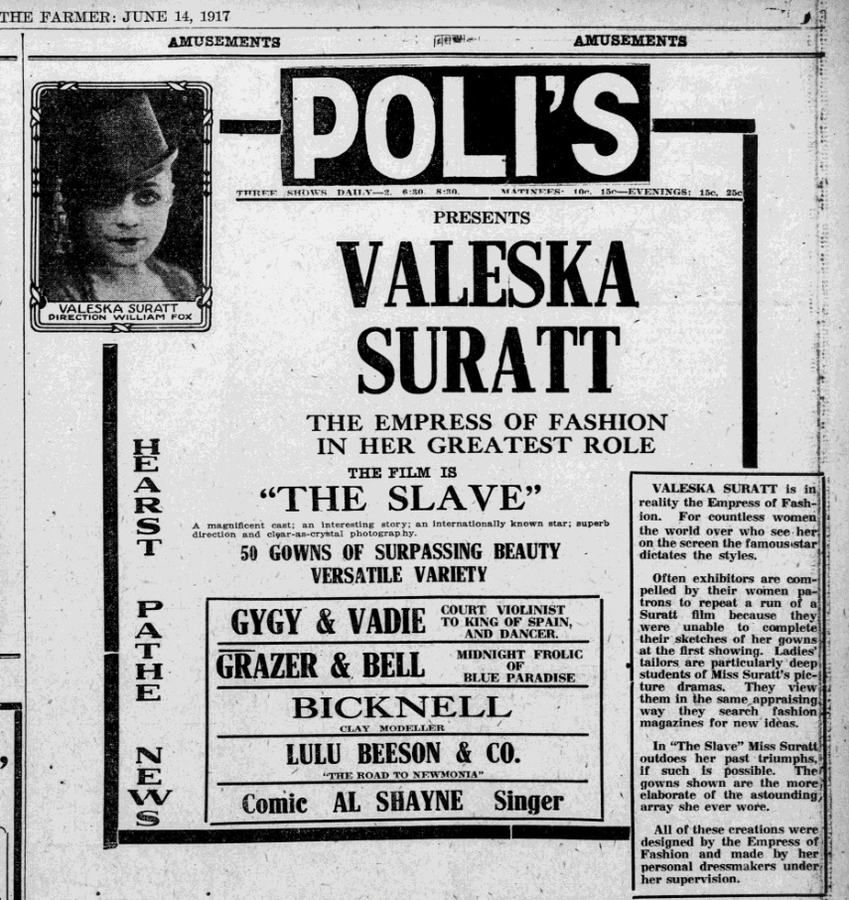
A dramatization of the life of Theodore Roosevelt leading up to his presidency of the United States. Included are depictions of his youth, his membership in the New York State Assembly, his days as a cowboy, police commissioner, Assistant Secretary of the Navy, and leader of the Rough Riders in the Spanish-American War.
View Details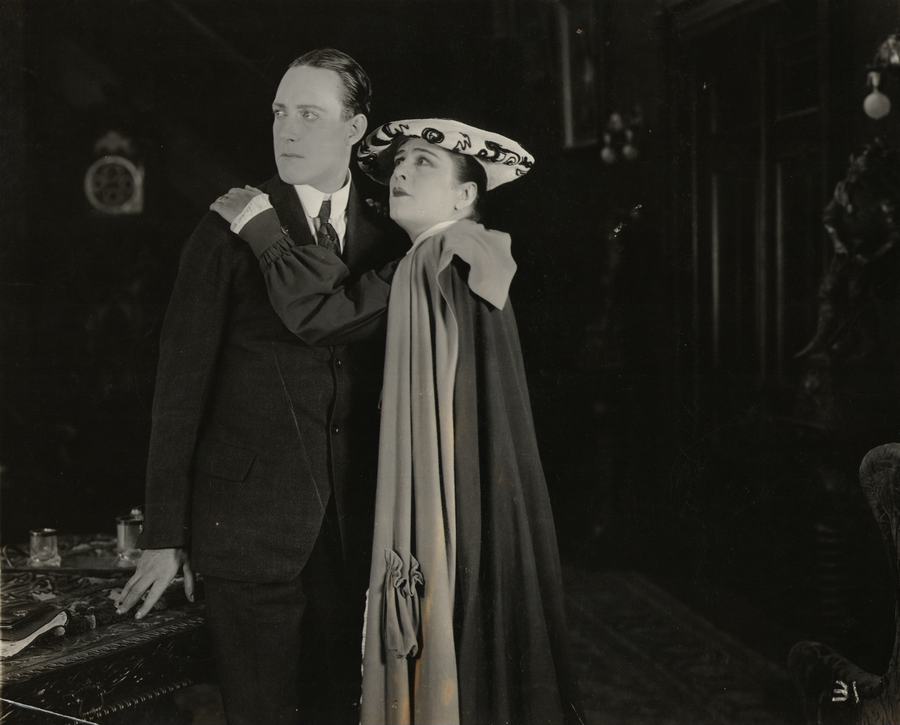
Dir: William Nigh
Bored by her country life and misunderstood by her parents, Emma Rolfe marries Dr. Charles Bovar, an older man whose dedication to his medical practice results in wifely neglect. To alleviate her growing loneliness, Emma enjoys the company of many of the young men from the village and eventually begins an affair with Rudolph Bulwer. Despite his proclaimed love for her, Rudolph deserts Emma on the night of their arranged elopement, and in her despair she steals some acid from her husband's medicine cabinet and goes to the river to commit suicide. While standing by the water, Emma changes her mind and resolves to confess to Charles and beg his forgiveness, but the river bank gives way under her feet and she drowns in the swift current. Although he has discovered Emma's love letters from Rudolph, Charles stoutly defends her honor in front of the townspeople and forgives her in his heart.
View Details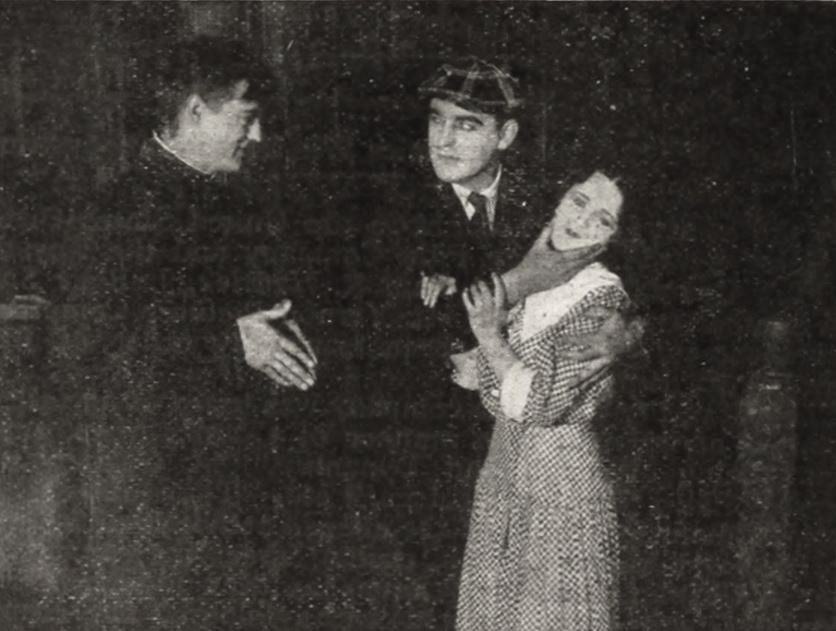
Dir: William Nigh
Barry Dale, the atom, a Wall Street broker, is financially ruined by his perfidious and faithless wife, and her companion, Richard Marvin, another broker, who has posed as Dale's best friend. Disheartened and depressed, Dale goes to his apartment expecting comfort and solace from his wife. Instead he finds her there in the embraces of Marvin. They laugh at him, and Marvin, the stronger of the two men, literally throws Dale out of his own home. He gives him a pistol and tells him the whole affair can best be settled, to every one's satisfaction, if Dale will kill himself. Dale walks aimlessly through the streets with this end in view. Long after midnight he finds himself on the Brooklyn Bridge, where he observes a girl about to leap into the river. A shout from Dale causes her to turn back and flee. They are mere silhouettes in the dim light, and do not see each other's faces. The girl, another atom in the swirl of human life, is Mary Austin, a child of the tenements, who had planned suicide to escape marrying Jack Rader, a gambler, to satisfy a debt her father owed to Rader. After the incident on the bridge Barry indifferently wanders to a railroad station and buys a ticket west, as far as his money will carry him. In the far west Barry brings up in a little mining town. There he falls in with an outlaw, who is being sought by a sheriff's posse. A few days later, in a lonely mountain trail, the posse closes in on the outlaw. He directs Barry to safety, but is killed by the sheriff. A sky-pilot, who had joined them a few hours before, is likewise killed by the posse's bullets. Barry buries them both, and decides to impersonate first one and then the other. Tom Austin, Mary's brother, is addicted to drink, and Mary succeeds in inducing his employers in New York to send him west. Subsequently, arrangements are made for Mary and her father to join Tom in the west. Disguised as the outlaw, Barry holds up the coach that Mary and her father are riding in. Struck by the girl's beauty, and her plea not to rob them, Barry grants the request for a kiss. Afterward, as the sky-pilot, Barry and Mary become well acquainted in the mining town, where she and her father have taken over a small hotel. Jack Rader, the gambler, turns up and compromises Tom Austin in a hold-up. He offers to clear him if Mary will consent to marry him. Mary tells the sky-pilot of her predicament. Barry, disguised as the outlaw, saves Tom and shoots the gambler in a pistol battle. When the sheriff's posse arrives he is disguised as the minister. With renewed strength and ample funds, Barry returns to New York and seeks out Marvin and his wife. He throws Marvin into the street and returns the revolver to him, with the same advice he received a year before. Back west Mary waits for the sky-pilot's return, standing every night on a little bridge that spans a mountain stream. She is about to despair of his return, when she hears his voice. She turns and sees the same silhouette she saw on the Brooklyn Bridge, and for the first time both know they met that night.
View Details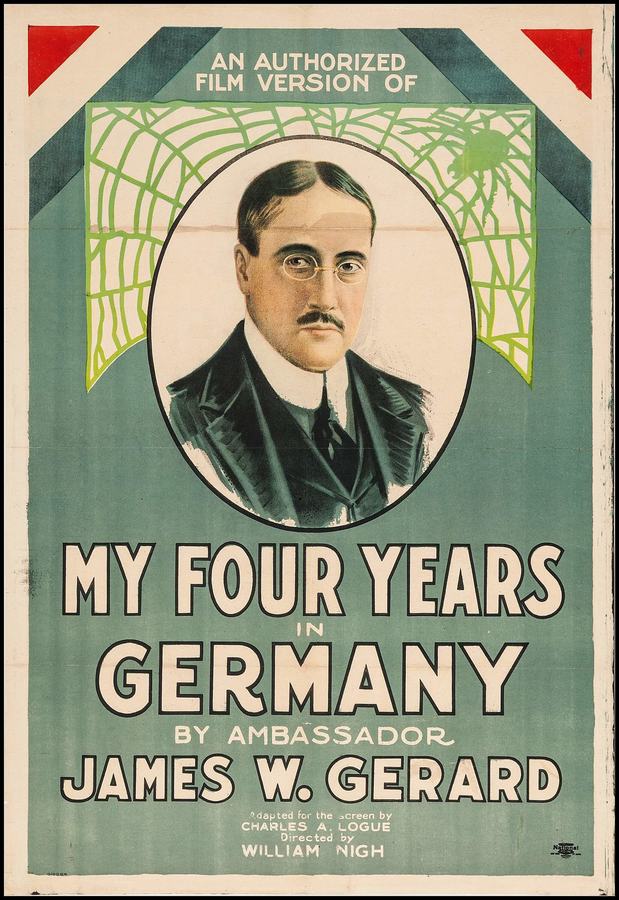
Dir: William Nigh
The experiences of the American ambassador to Germany, James Gerard, are recounted in this semi-documentary.
View Details
Dir: William Nigh
Mary Bruce is wooed by Lord Haverford but loves Roger Benton, her father's secretary. To finalize his marriage proposal, Lord Haverford offers her father a large sum of money and, being low on funds, Mr. Bruce accepts it, then places it in a safe. Horrified by her father's actions, Mary steals the cash from the safe that night, but on her way out is overcome by another thief whose wrist she bites in the ensuing tussle. When the theft is discovered, Mary, Benton and Mr. Bruce are suspected, but Dr. Steele, a detective, convinces Mary that Haverford, or the man who calls himself Haverford, is the actual thief. Steele tells how the phony Haverford attempted to kill the real one, stole his money, assumed his identity and is now extorting cash from Bruce. With the bitten wrist as proof, Steele exposes the impostor, then reveals himself to be the real Lord Haverford, whose sweetheart has been posing as the Bruces' maid. The mystery resolved, Mary and Benton happily reunite.
View DetailsAnalysis relative to Four Walls
| Film Title | Atmosphere | Complexity | Similarity |
|---|---|---|---|
| The Jackeroo of Coolabong | Ethereal | High | 85% Match |
| Her Debt of Honor | Tense | Linear | 98% Match |
| The Great Shadow | Gothic | High | 94% Match |
| The Slave | Ethereal | Layered | 91% Match |
| Beware! | Tense | Abstract | 92% Match |
This guide was algorithmically generated using the cinematic metadata of William Nigh's archive. Last updated: 8/16/2026.
Back to Four Walls Details →