
DbcultAccessing Vault...
Recommendations
Senior Film Conservator
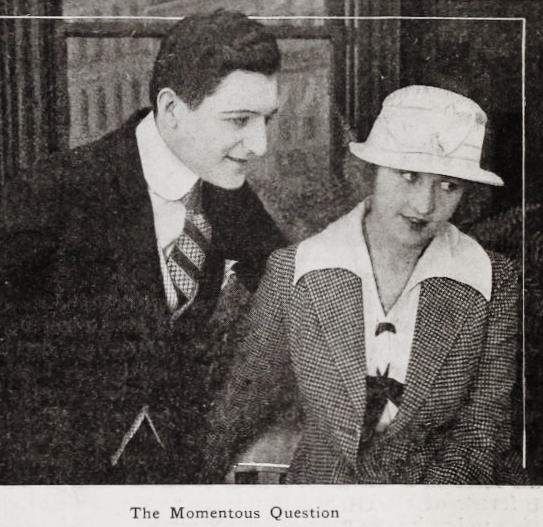
The evocative power of Her Surrender (1916) continues to haunt audiences with its unique vision, the artistic provocations of Her Surrender demand a follow-up of equal intensity. Explore the following titles to broaden your appreciation for cult excellence.
The visceral impact of Her Surrender (1916) stems from to transcend the limitations of its 1916 budget and technology.
Rhoda Cortlandt, daughter of Theodore Cortlandt, a millionaire who is interested in charity, is beloved by Webster, son of Madeline Stuyvesant, a philanthropist who is Cortlandt's competitor. Burton Woodrow, employed by Cortlandt in order to send his consumptive mother to Colorado, steals $250 from his employer. He is detected and sent to prison for a year. Clarice Lee, a thief, is beloved by Chicago Jim, a gang leader. Mrs. Stuyvesant and Rhoda are visiting a poor family residing in the apartment adjacent to Clarice's. Chicago Jim discovers Clarice in the arms of Pugsy, a member of his gang, and beats her. Her cries reach Rhoda and Mrs. Stuyvesant, who go to her rescue. Jim escapes. Clarice, to work upon the sympathies of Mrs. Stuyvesant, declares that Jim beat her because she would not steal for him. Mrs. Stuyvesant takes Clarice to her home. Cortlandt, believing that Mrs. Stuyvesant has procured a million dollar contract through bribery, calls her a trickster in Webster's presence; he defends his mother. A quarrel ensues. Cortlandt orders Webster from his home. Clarice while in the home becomes infatuated with Webster, who ignores her. Hearing of his love for Rhoda, she persuades Pugsy, her admirer, to lure Rhoda to his room for the purpose of degrading her. Pugsy entices and attempts to assault her there. Rhoda, defending herself, is severely wounded and suffers great loss of blood. At the hospital to which she is taken the doctors declare that only a transfusion of blood will save her life. Webster, hearing of Rhoda's condition, offers his blood. The offer is refused by the stubborn and angry Cortlandt, who orders the doctors to advertise and offer $500 for the necessary blood. Burton, released from prison, unable to secure employment, reads the advertisement and applies at the hospital, where after a rest he is accepted and a quantity of his blood is transfused to Rhoda's veins. Before his discharge from the hospital Burton learns that the recipient of his blood is the daughter of the man who sent him to prison. Cortlandt and the Stuyvesants become reconciled. Burton in the presence of Rhoda offers to return to Cortlandt the money he stole. Rhoda prevents her father from accepting it, and insists that he re-employ Burton. Cortlandt grants Rhoda's wish. Mrs. Stuyvesant gives a reception in celebration of Rhoda's recovery, during which the engagement of Webster and Rhoda is announced. Rhoda is horrified by constantly recurring visions of Burton. Wherever she goes Burton appears before her, whatever she does recalls him to her mind. His vision constantly calls to her. She struggles against the thought, but realizes that with the blood given her by Burton has come love. Unable to restrain the call of his blood she surrenders herself to it and telephones asking him to visit her. He does so, and she confesses her love for him. Burton tells her that he loved her long before he was sent to prison, but that his past is a shadow that will darken her future. Rhoda pleads with Burton and declares that his shadow will fade in the warmth of her love. That evening Webster finds Rhoda in Burton's arms, and is horrified. Rhoda returns the engagement ring to Webster, telling him, "Condemn me if you will, Burton gave me blood, and with it came love." Webster, realizing the power of true love, sacrifices his own love for Rhoda's sake and takes back the returned engagement ring. Cortlandt enters the scene, learns the truth. He is shocked and in great excitement denounces and orders Burton from his house. Webster tells Cortlandt that his stubbornness of not permitting him to give his blood caused it all. He pleads and moves Cortlandt to consent to the marriage of his daughter to the man he sent to prison.
The influence of Ivan Abramson in Her Surrender can be felt in the way modern cult films handle unique vision. From the specific lighting choices to the pacing, this 1916 release set a high bar for atmospheric immersion.
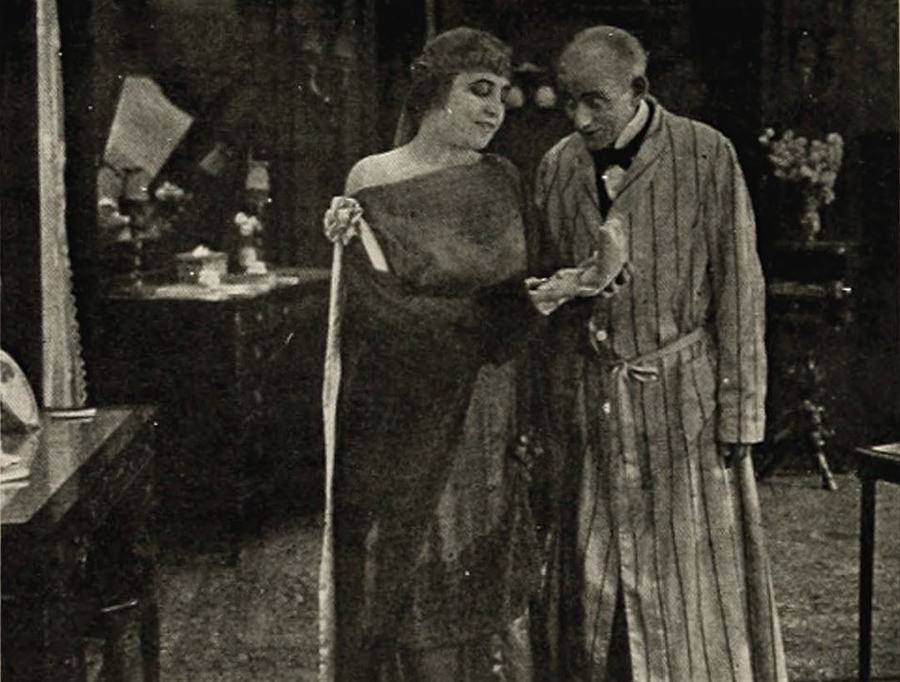
Based on the unique unique vision of Her Surrender, our vault has identified these titles as the most compelling follow-up experiences for fans of cult cinema:
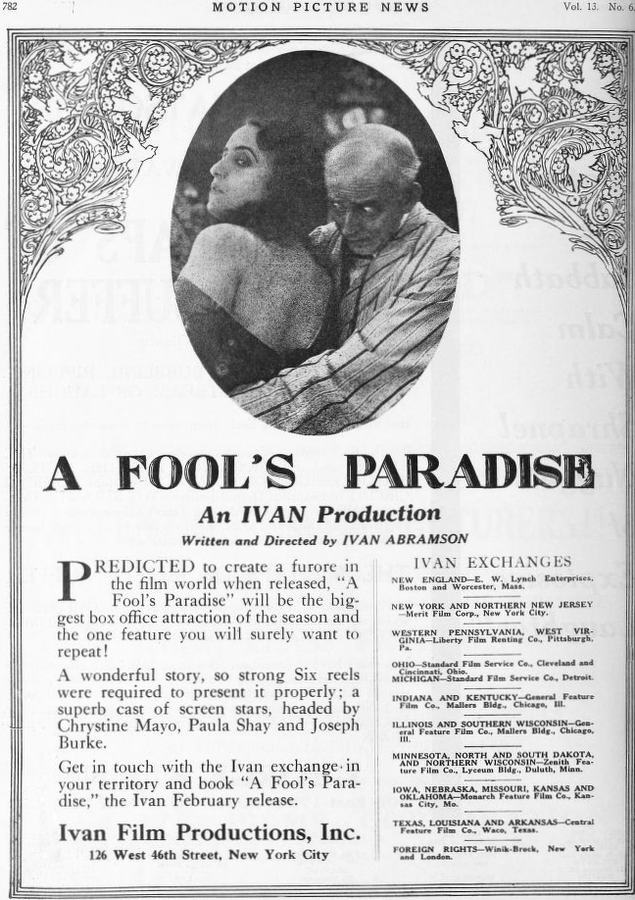
Dir: Ivan Abramson
Retired banker Daniel Morgan lives with his wife Paula and their daughter June, who is married to experimental scientist John Lansing. June gives birth to a daughter while Paula is on her deathbed; Paula's last wish is that her granddaughter be named for her and that Daniel present her $50,000 necklace to the girl on her wedding day. Morgan promises to carry out her wish. She dies. For five years, Morgan finds consolation in faithful devotion to the welfare of his daughter and her family. One day he takes them to Atlantic City for a rest. There, induced by June, Morgan visits Maxine, a clairvoyant, who predicts tor him a second marriage to a young woman "who will make his life an earthly paradise." Morgan succumbs to the clairvoyant's wiles, and the next day June finds her father in Maxine's company. Meanwhile, June's husband meets with an accident in New York and June returns to him; Morgan stays in Atlantic City, stating that he has an important "business engagement"--and marries Maxine. Two days later, he brings his wife home. June gives her a cool reception, and as time passes the women become bitter enemies. Later, Maxine persuades Morgan to give her the necklace bequeathed to June's daughter; when June sees it around Maxine's neck, her anger knows no bounds. Maddened with fury, June tears the jewel from the charlatan's throat. Morgan, entering the scene, heeds his wife's reproaches, and in frenzied rage orders June and her husband and daughter from his home. When the governess 30 years in Morgan's service rebukes him for his heartless conduct and warns him that "he is living in a fool's paradise," she too is ordered from the house. June, now living in a cheap boardinghouse with her family in poverty, is about to have another baby. Terrified at the thought of further responsibilities and the bitter recollection that the venom of Maxine's malice has transformed her kind father into a brute who forced this misery on her. June conceives a desperate plan to avoid the consequences of motherhood, but fortunately, her intentions are defeated in time by her husband. John now decides to see Morgan and tell him the facts. Morgan informed by John of their poverty and June's desperate notion, resolves to come to their aid, but, here too Maxine comes forward unexpectedly, orders John from the house, and tells Morgan "she doesn't want his pauper relatives around." One evening, Rufus Stone, Maxine's lawyer and friend takes her to a performance of "Faust." Morgan remains at home. In their absences, he compares "Faust's" with his own life. He sees himself as "Faust" giving the jewels to Maxine, as Marguerite; while Rufus, as Mephisto, laughs mockingly at his folly. Morgan, now awakened, realizes that the old governess was right when she accused him of living in "a fool's paradise." Late that night, Morgan finds Maxine in the arms of Rufus. His infatuation turns to hatred, he tells Rufus, "You love my wife? Take her." He tears the necklace from Maxine's neck and orders the pair from his home. He restores his daughter and family to his home. Maxine now proposes marriage to Rufus, but he tells her she is too late. A week later, while the family is celebrating their reunion, Maxine appears like an ugly shadow from the past. It is her last attempt to regain the old man's affections. He again starts to weaken before her poisonous charm, but his little grandchild rushes to his aid and with her magic power she overpowers the vampire's pretense. Morgan gives Maxine a liberal allowance and freedom and commands her to leave, and she goes forth into the night.
View Details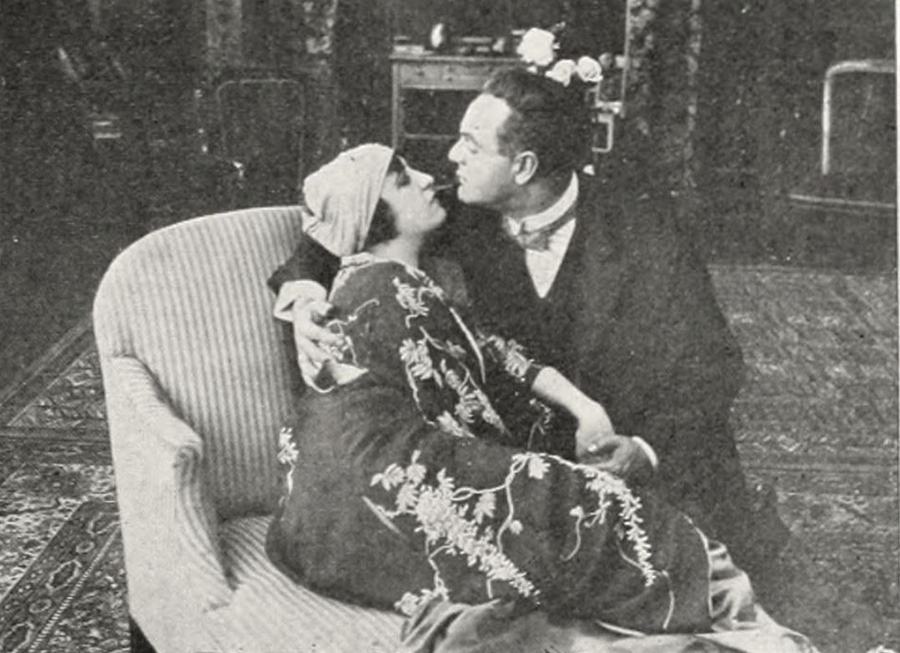
Dir: Ivan Abramson
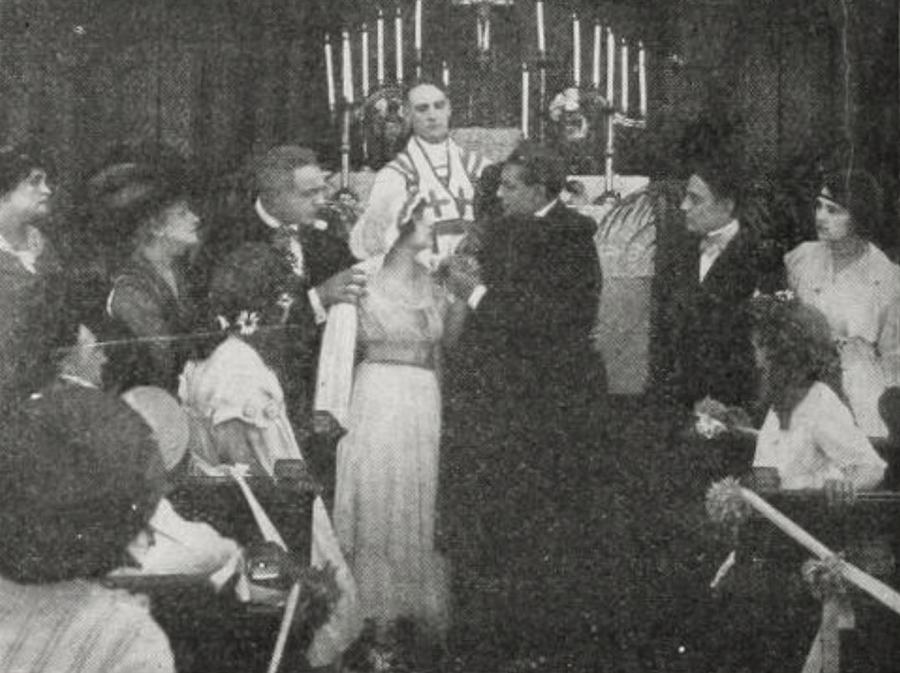
Henry Patterson, living in Chicago with his wife, Lola, and infant boy, Harold, receives disturbing news regarding his mining interests at Denver. He goes there to investigate, and to avoid publicity, assumes the name of Henry Donovan. At Denver, he finds the mine is worthless, and faces ruin. He meets Louise Douglas, a wealthy woman, who becomes attracted to him. She makes overtures of marriage, unaware of his real identity. Henry, in a wild belief that he can save his family from poverty, marries Louise. He invents excuses to Lola, whom he still loves, for his long absence. The poor woman receives his money and affectionate letters, ignorant of his folly. In due course, Louise gives birth to a daughter, Muriel. The months lengthen into years, Lola in her solitude, has formed a strong friendship for Fred Warren, an artist, for whom she poses. The artist, believing Lola to be a widow, presses her to marry him. Her refusals arouse his suspicion, until one day Lola receives a letter which, Warren notices, agitates her. The letter is, indeed, from her husband, a confession of his bigamous union with Louise, and promising to make early reparation. Taking advantage of Lola's absence from the room, Warren purloins the letter and learns her secret. Meanwhile, Louise has entrusted Henry with a large sum of money for investment in New York. He goes instead to his wife at Chicago. In a touching scene, past sins are confessed and forgiven, and the couple make preparations for a hasty departure. At the moment of leaving, Warren pays Lola an unexpected visit. Furiously Warren denounces Henry, calls him "Bigamist," and threatens to turn over his letter of confession to his wife Louise. Henry, demanding the letter, draws a revolver, and in the struggle, the pistol is accidentally discharged, killing the bigamist. With a plea for forgiveness as he dies. Henry hands over to Lola Louise's money. In order not to implicate her in the murder. Warren orders Lola away from the scene. She, having in mind the $50,000, heeds his advice and immediately leaves with Harold for New York, where she assumes the name of "Gibson." Warren telephones the police, giving himself up as the murderer. Louise, notified by the Chicago police of her husband's death, comes to Chicago. Seeking revenge, she secures permission to see her husband's murderer. She enters the cell with a concealed weapon. There she learns for the first time the truth, from the written confession of her husband which the prisoner has concealed on his person. She is prostrated by grief, and her vow of vengeance becomes a promise to help the prisoner. The trial takes place. Warren, aided by Louise's counsel and her testimony, is declared "not guilty." With gratitude on the one side, and sympathy on the other, a strong bond of friendship is formed which soon gives way to love. Warren and Louise marry and come to live in New York. With the passing of years, Lola, giving way to extravagance, becomes penniless. Harold, now at Milan studying music, requests funds, and with her son's need in mind, Lola at a dance steals a necklace. Her theft detected, she is tried and sent to prison for two years. Harold, who has made a name for himself in Milan, meets a charming student, Muriel Warren. Unaware of each other's antecedents, they form a deep attachment and finally arrange to return to America to marry. Lola's prison term expired, she comes to New York. There, sitting on a park bench, she picks up a discarded newspaper, in which she reads the wedding announcement of Harold and Muriel, to take place that afternoon. She rushes to the church, breaks through the crowd, and in a most dramatic scene, before the altar, makes her confession to the priest. Muriel now learns for the first time that her stepfather, Warren, killed her father. Her soul, embittered by the guilt of her parents, she leaves her mother's house and becomes a nun. Harold, learning that his, father's misdeeds nearly caused the marriage of brother and sister, forgives his broken-hearted mother, takes her with him and makes a home for her.
View Details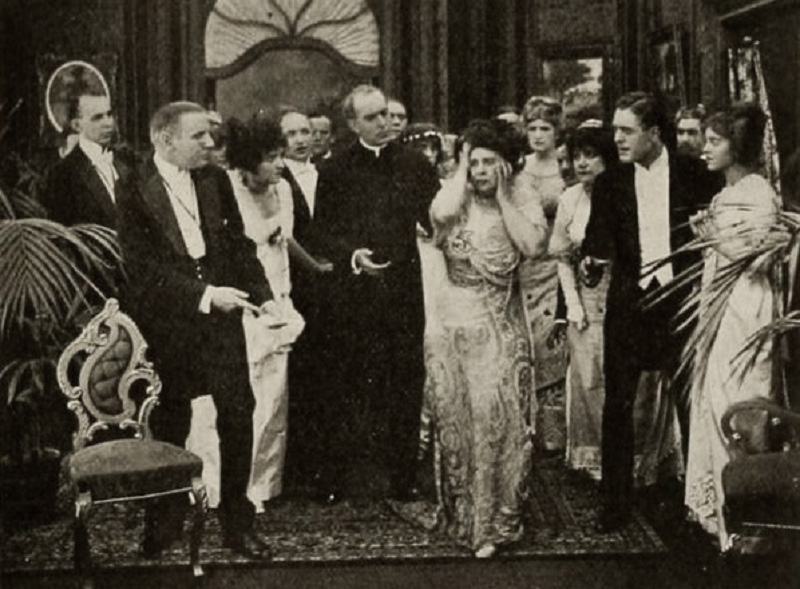
Dir: Ivan Abramson
Laura Henderson, an orphan, is brought up by her aunt, Mary Sherman, who keeps a boarding house. Among the boarders is Angelo Angelini, an Italian violinist. Laura is infatuated with the handsome Angelo, who loves her, and they are engaged to be married. Angelo betrays the girl, and later leaves her, with the explanation that he is to make a western concert tour. A month later, the poor girl receives a letter from Angelo telling her that he has returned to Italy, where he has a wife and child. Later a daughter is born to Laura, who is named Ruth. Unable to obtain employment in her own town, the unfortunate mother abandons her child to the care of her Aunt Mary, and goes to New York. Ill and weak from hunger, the poor young mother is picked up in the street by Reverend Henry Bradley, who takes her to his home. Dr. Bradley and his mother offer Laura a home, and work as secretary to the minister. Later Dr. Bradley falls in love with Laura, and asks her to become his wife. Laura accepts his proposal, and she marries Dr. Bradley, without telling him that she has an illegitimate child, and she secretly sends money to her aunt for the support of her child, Ruth. Nineteen years later, Dr. Bradley is now chaplain of the City Prison of New York. They have a daughter, Aline, who is about to be engaged to Walter Jordon, who comes from one of the finest families in New York. Ruth, now a girl of 20 years, believes that Mary is her mother. One day she happens to find out through a letter that Laura sent to Mary, that she is not Mary's daughter. Ruth forces Mary to tell her who and where her mother is, and at last Mary confesses the truth. Ruth determines to go to New York and seek her mother. Meanwhile Angelo has returned to America and, under the assumed name of Angell, lives in New York with his son, Tony. The boy refuses to work and becomes one of the vilest of all human creatures, a "cadet." Tony pretends to rescue Ruth from an attack by one of his pals, prepared by himself, and the poor girl, believing him to be a decent man, accompanies him to a restaurant. Then Tony takes Ruth to his own room, telling her it is the home of his "highly respectable aunt." A letter sent by Tony to an accomplice, offering to sell the girl to him for white slavery in New Orleans, is seen by Ruth, who realizes her perilous position. She tries to escape from the room. Tony threatens her with a pistol, and in the struggle which follows Tony is shot dead. Angelo enters the room just as his son has been shot. The poor girl is arrested and taken to prison, where she meets Chaplain Bradley and tells him her sad story. Unaware that it is his own wife's daughter, he is helping, the chaplain takes Mrs. Sherman to visit Ruth in prison. Mrs. Sherman is confronted with a terrible situation. Laura's legitimate child, Aline, is celebrating her engagement to Walter Jordon in the magnificent home of the latter's parents. Mrs. Sherman decides it is her duty to the unfortunate Ruth to acquaint her mother with the terrible facts. Laura while celebrating the betrothal of her younger daughter, learns that the child of her first love languishes in prison charged with murder. The unfortunate mother becomes temporarily deranged. Aline, the younger daughter, on learning of her mother's disgrace, is heartbroken, breaks off the engagement with Walter, and later her dead body is found by her father and lover, the second victim of the Sins of the Parents. At the trial of Ruth for the killing of Tony, Angelo appears as a witness. The father is about to speak the words that will condemn his own daughter to the electric chair for the killing of his son, when a commotion in the rear of the court room causes him to be silent. Laura, the mother of the prisoner, has escaped from her nurse and has forced her way into the court room. She recognizes Angelo, the man who betrayed her 22 years ago. and who is now about to condemn his own daughter. Angelo now learns, for the first time, that his own daughter killed his son; he suffers keenly, refuses to speak. The half-demented mother is led out of the court room by her husband and court officers in a hysterical condition. The jury brings in a verdict of acquittal on the ground of self-defense. Ruth is free, but alone in a great city. Dr. Bradley takes Ruth into his home to her mother. Laura, realizing the noble stand of the minister, and feeling that she is unworthy of her husband she has deceived, decides to leave the house with her daughter, Ruth, in hope that the disgrace she brought upon her husband will be forgotten, but Bradley resigns as minister and insists upon Laura staying where he will stay. He folds both mother and daughter in his arms, gives them his blessing, thanks the Lord that to him it has been given the honor to help two suffering souls into the light. Angelo, suffering as the result of his youthful sins, decides to commit suicide, but has not the courage to do so. Bradley receives a reply from the board of directors of his congregation, stating that they have looked into the misfortune that has befallen upon his family and they congratulate him for his noble act, and ask him to remain with them as their minister. Bradley shows the letter to his wife. Laura, heartbroken, falls on her knees and begs forgiveness of her husband.
View Details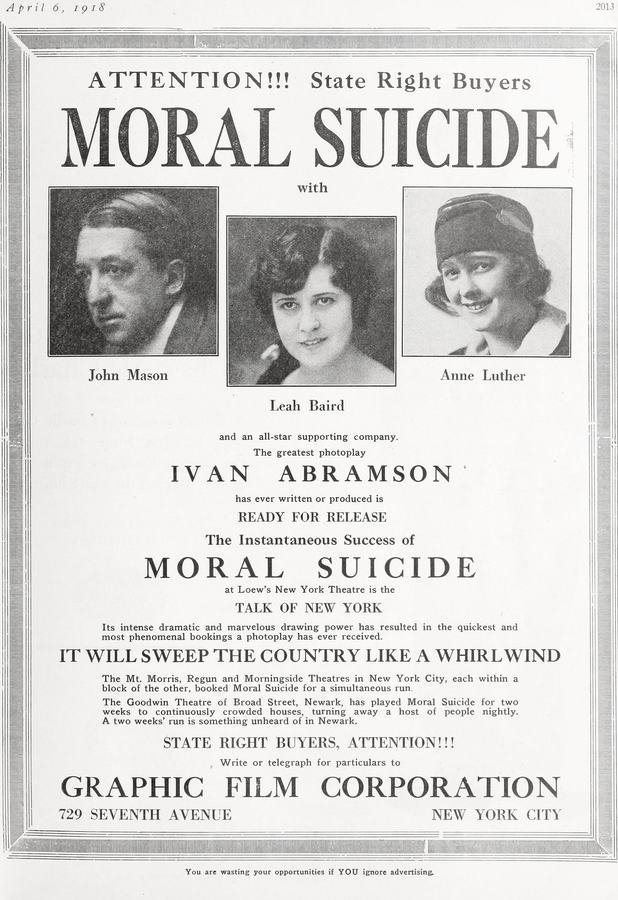
Dir: Ivan Abramson
Wealthy Richard Covington, although aging and lonely, distresses his children, Waverly and Beatrice, by marrying a heartless seductress named Fay Hope. Because Fay's extravagant spending threatens to ruin Richard, Beatrice confronts her, which prompts Richard, who is hopelessly in love with the beautiful vampire, to order his daughter from the house. Fay introduces her lover, "Lucky" Travers, into the Covington household as her brother, but Waverly catches them in each other's arms and, in a fit of insanity, shoots at Lucky. The bullet strikes and kills Fay, and Waverly is locked in an asylum, leaving Richard broken, penniless and completely alone. In New York, he finds work carrying sandwich boards that advertise a cabaret, where he sees Beatrice warmly conversing with Lucky. Beatrice consoles her distraught father by admitting that she now works for the Secret Service. After securing Lucky's arrest, Beatrice returns to her fiance, Rodman Daniels, who has arranged Waverly's release from the asylum, and the entire family is reunited.
View Details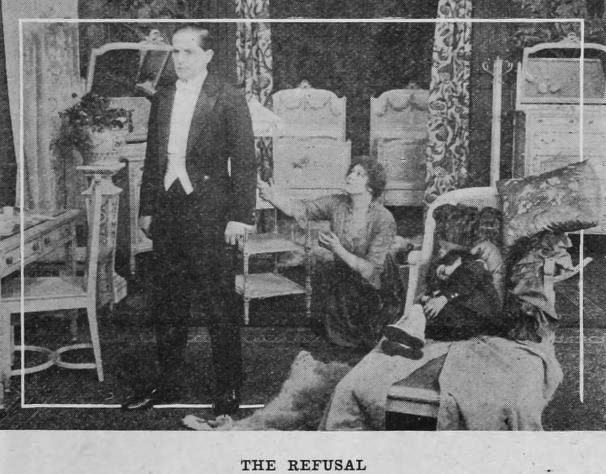
Dir: Ivan Abramson
Ruth Ancaster is about to marry her fiance, Edward, when she discovers that he has been cheating on her with a variety of different women. Angered, she marries Henry, Edward's best friend. Edward sees a chance to take his revenge on both of them when Henry, in financial trouble, forges Edward's name on a stock certificate and is caught. He offers to drop the charges against Henry if Ruth agrees to "pay the price"--and he doesn't mean money.
View Details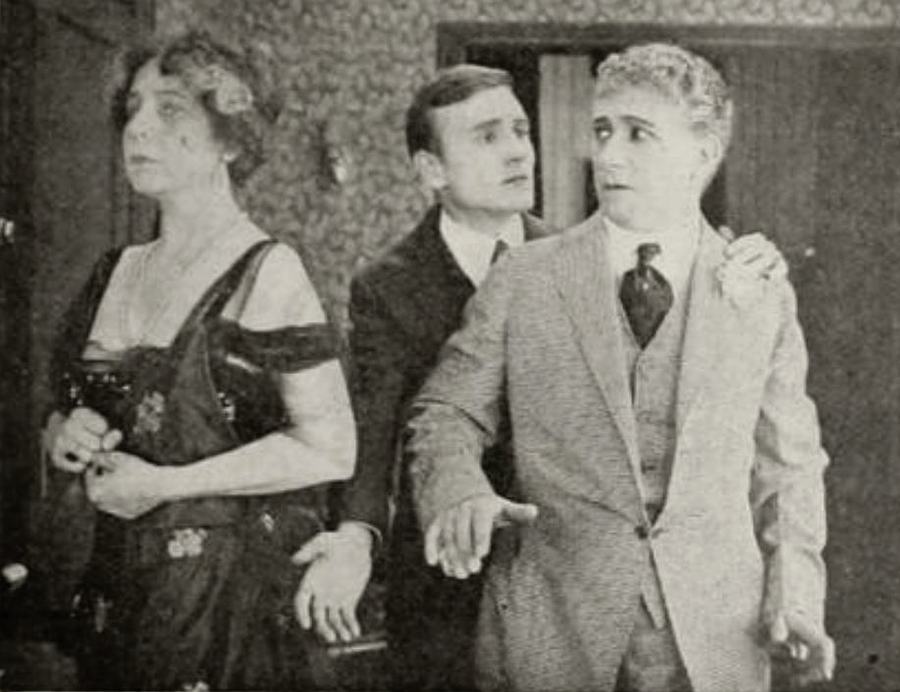
Dir: Ivan Abramson
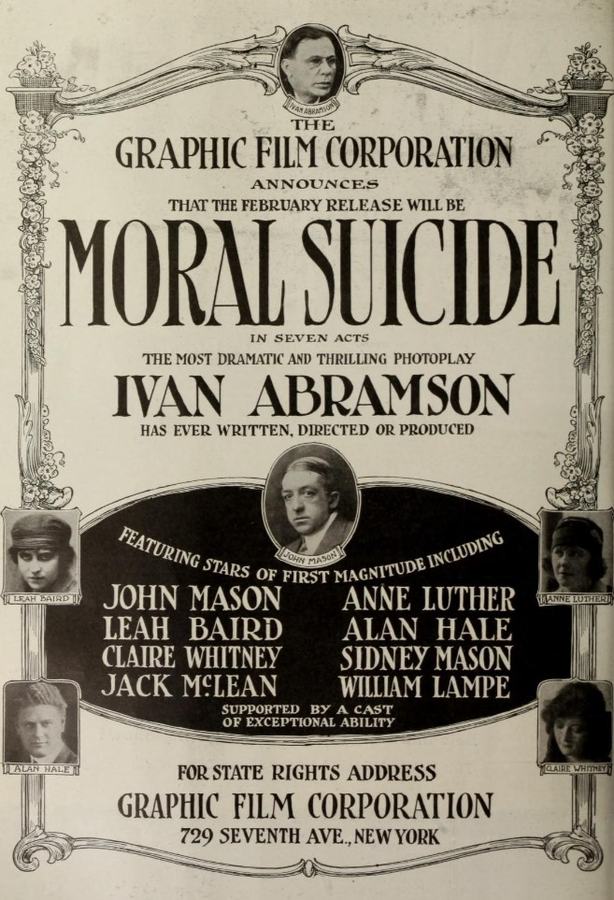
Wealthy capitalist, Clinton Reynolds, and his wife, Laura, have lost their son, Arthur, kidnapped and possibly dead. Attempting to write a wrong in his factory, he adopts the daughter of one of his workers who is killed on site. The girl, Rose, grows up resentful of her adoptive father and as she grows older, seduces him in order to break up his marriage. Long lost Arthur returns and, finding his parents' married life in disarray, becomes romantically involved with Rose in order to end the relationship she has forged with his father. Reynolds comes to his senses and makes amends with Laura, at which point Arthur leaves Rose.
View Details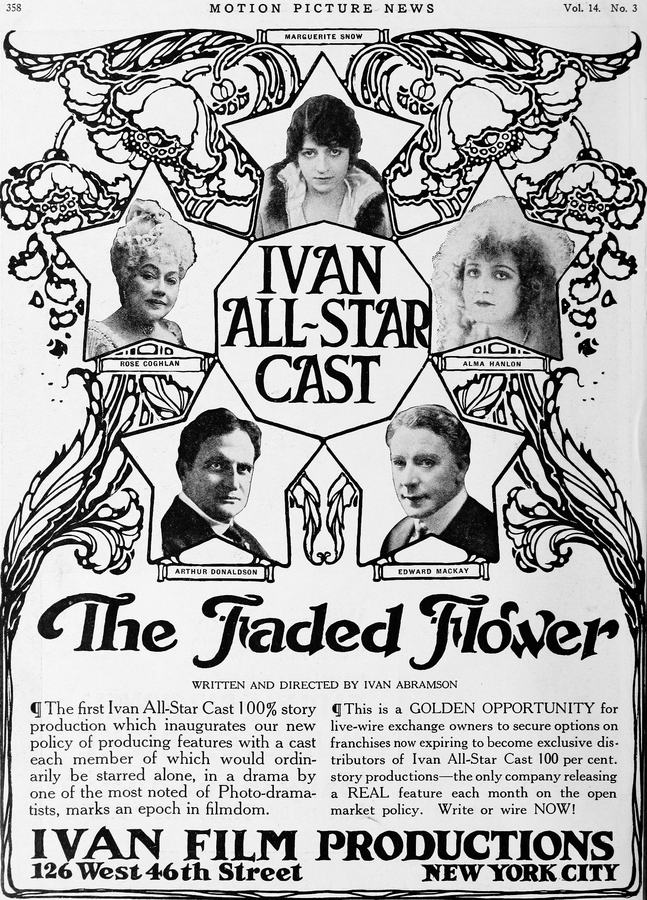
Dir: Ivan Abramson
Elderly millionaire widower Wilbur Mason, father of only child Anne, proposes to his stenographer Lillian Hill, who accepts him because he declares that he will devote his fortune to restoring her blind mother's sight. In the presence of struggling playwright Henry Parker, Lillian introduces Mason to her mother as her future husband. Parker, who thinks himself in love with Lillian, imagines that his heart is broken. After the Masons' honeymoon, Mason engaged a renowned specialist whose operation on Mrs. Hill is unsuccessful. Lillian now sadly realizes that her sacrifice was in vain and becomes cold towards Mason. Two years later Lillian and Anne meet Parker, of whose great success they have read. Parker and Anne fall in love; at Anne's suggestion, Lillian invites him to call on them. He does, hoping to see Anne, but finds Lillian alone. She gives him a rose from among those Mason plucked for her that morning because he knew she loved them. Mason, unseen, sees this gesture and concludes that Lillian's love for Parker is the cause of her indifference toward him. His jealous rage becomes ungovernable and he makes his presence known and orders Parker from the house after tearing from the latter's coat the rose Lillian gave him. Mason thereafter repeatedly charges Lillian with being false to him and in love with Parker. Parker meeting Anne, accompanies her to the gateway of her home, where she leaves him. Mason discovering him there alone believes that Parker has clandestinely met Lillian, whom he later upbraids, again thrusting the rose before her. Lillian, as the result of Mason's accusations, becomes grief stricken and ill. Despondent she leaves her husband's home and returns to her mother where she fades like roses in the autumn winds. Mrs. Hill, fearing for her daughter's life, goes to Mason who is moved by her heart-broken and anguished appeal. He accompanies her, repentant and remorseful, to Lillian's bedside which he reaches in time to receive with her expiring breath the pardon for which he pleads and to hear the doctor pronounce her dead. Crazed with sorrow, scarcely hearing the doctor's words, Mason is about to lift the coverlet from Lillian's face when he is stricken with paralysis. Later at his home he weeps in secret at sight of the now-faded rose which to him has become a symbol of Lillian. Repenting his mistake, he bids Anne send for Parker and consents to their marriage. Troubled by his conscience, Mason's overwhelming woe permits him no rest, and he goes at dead of night to Lillian's burial place, carrying with him roses which in life she so dearly loved, which he tenderly places over her dust. "Lillian, my faded flower," he cries, "you died a martyr to my unfounded jealousy. May your soul find peace in the Kingdom of Heaven."
View Details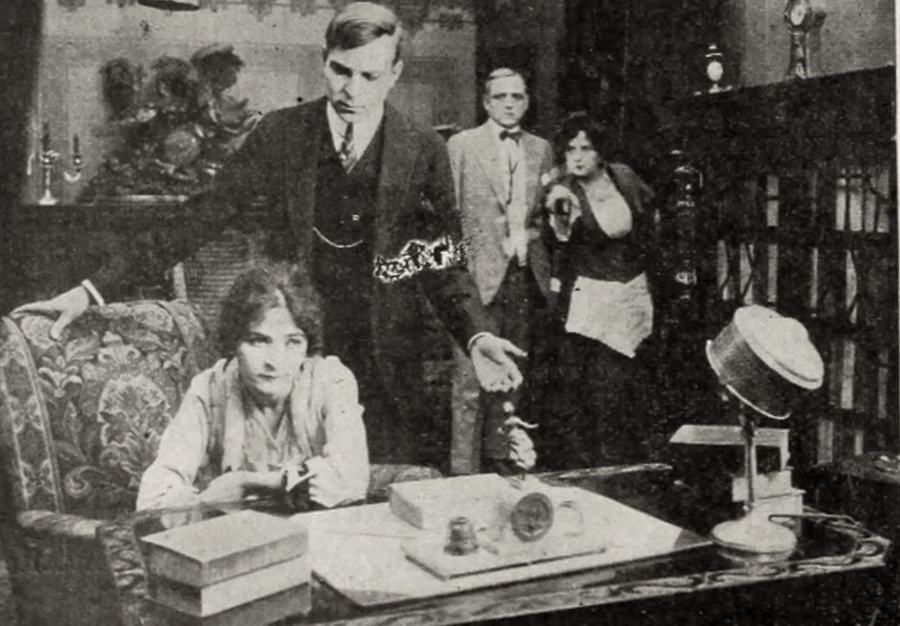
Dir: Ivan Abramson
Victor Gilmore, a composer, is in love with his father Cyrus' secretary Dorothy Eldridge, but Dorothy marries his brother Robert, even though a doctor has told them that Robert can never father children. Dorothy, however, has never lost her hope to have children, and doesn't know that Robert is secretly supporting his former lover Flo Merrivale. The brothers' father eventually dies but leaves his estate to Robert, saying that he didn't believe that Victor was his son. This causes a huge rift between the brothers and a fight ensues, resulting in Victor's being thrown out of the house and family. Complications ensue.
View Details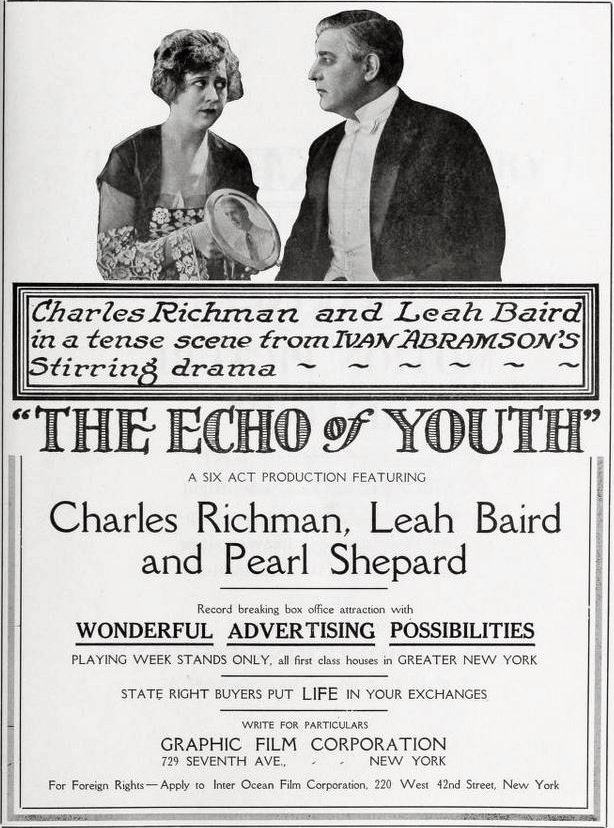
Dir: Ivan Abramson
After becoming a Supreme Court justice, Peter Graham is visited by Olive Martin, a singer from New Orleans, Louisiana, with whom he had an affair in his youth. Although Peter has been sending money to maintain Olive's silence and to support their son, she now sees an opportunity to join high society, and demands that Peter divorce his wife to marry her. Meanwhile, in Boston, Massachusetts, Olive's son, Harold, becomes engaged to Peter's daughter, Anita, but the young lovers are soon devastated by the news that they were both sired by the same man. Olive's dissolute brother-in-law, Thomas Donald, finds Peter on the brink of suicide and reveals that he is Harold's father. Thomas goes on to explain that Olive adopted the boy as a means to blackmail Peter. Harold and Anita marry, while Peter confesses to his wife and Olive leaves town.
View Details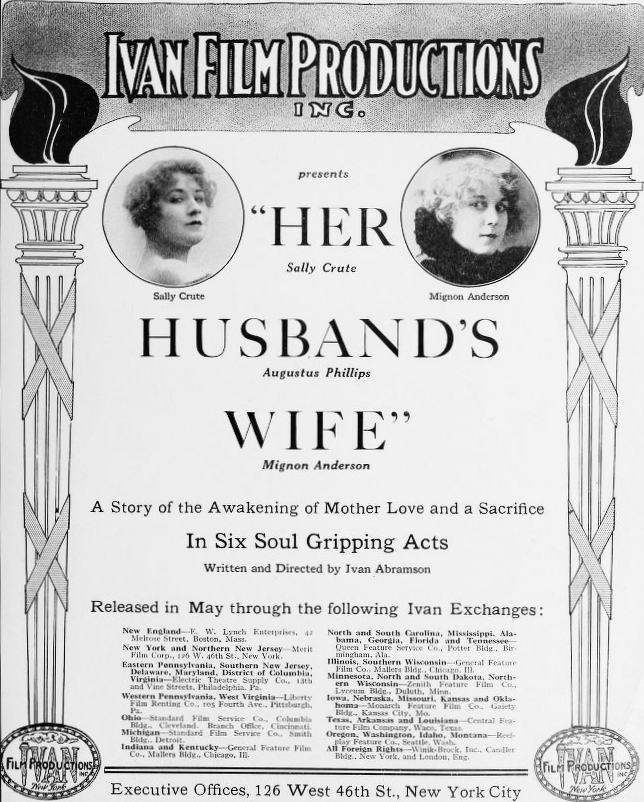
Analysis relative to Her Surrender
| Film Title | Atmosphere | Complexity | Similarity |
|---|---|---|---|
| A Fool's Paradise | Tense | High | 89% Match |
| A Mother's Confession | Tense | Layered | 86% Match |
| Sins of the Parents | Surreal | Linear | 85% Match |
| Moral Suicide | Gothic | Linear | 94% Match |
| Forbidden Fruit | Gothic | High | 90% Match |
This guide was algorithmically generated using the cinematic metadata of Ivan Abramson's archive. Last updated: 8/16/2026.
Back to Her Surrender Details →