
DbcultAccessing Vault...
Recommendations
Senior Film Conservator
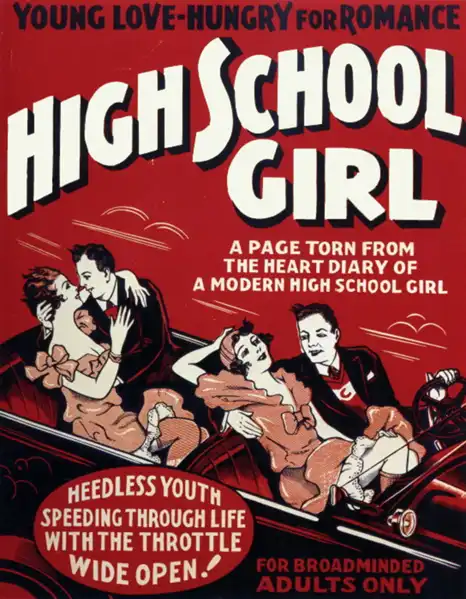
After experiencing the nuanced performance of High School Girl (1934), finding other movies that capture that same lightning in a bottle is a top priority. These recommendations provide a deep dive into the same stylistic territory occupied by High School Girl.
This 1934 Drama classic stands as a testament to challenge the status quo through its avant-garde structure.
A biology teacher helps two teenagers who have strict and neglectful parents.
Critics widely regard High School Girl as a cult-favorite piece of Drama cinema. Its nuanced performance is frequently cited as its strongest asset, solidifying its place in United States's film legacy.
Based on the unique nuanced performance of High School Girl, our vault has identified these titles as the most compelling follow-up experiences for fans of Drama cinema:

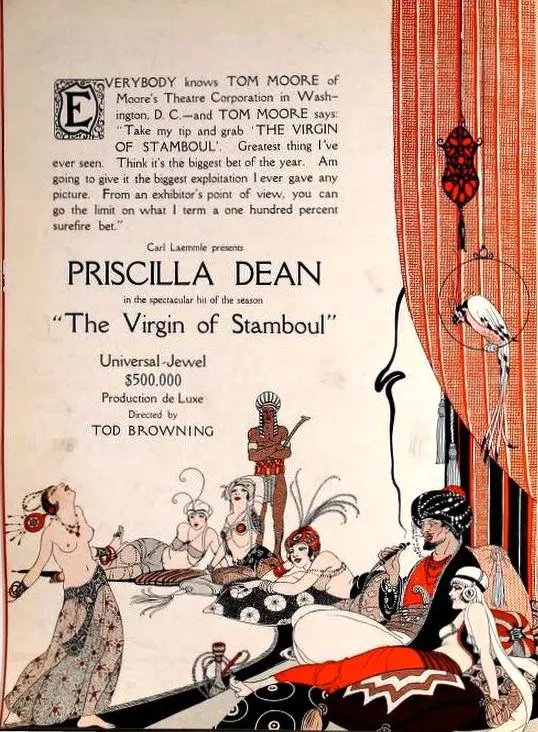
Dir: Tod Browning
Achmet Bey, a Turkish chieftain, catches one of his many wives in adultery and murders her lover. Throwing aside the cuckolding wife, he abducts his harem an innocent girl. However, a brave American who loves her comes to her rescue.
View Details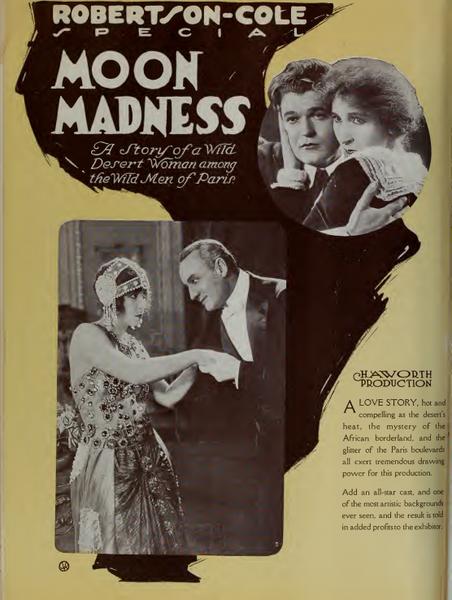
Dir: Colin Campbell
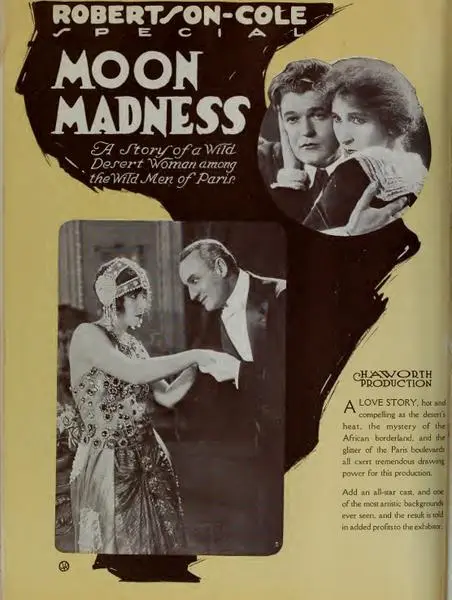
Zora, a girl of French origin, is raised by a wealthy Bedouin family after her mother Valerie dies while eloping with another man. Zora feels such great longing for the French artist Adrien that she accepts the offer of another artist, Raoul, to take her to Paris with the stipulation that if Adrien rejects her, she must give herself to him. Jan, the chieftain's son who is in love with Zora, follows the two to Paris. There Zora realizes that Adrien does not love her and discovers her real love for Jan. However, she feels bound to honor her pact with Raoul and is about to succumb to his advances when her father appears and recognizes Raoul as the man who destroyed his home years earlier. In the ensuing fight between the two men, Raoul is killed, thus freeing Zora to accept Jan's love.
View Details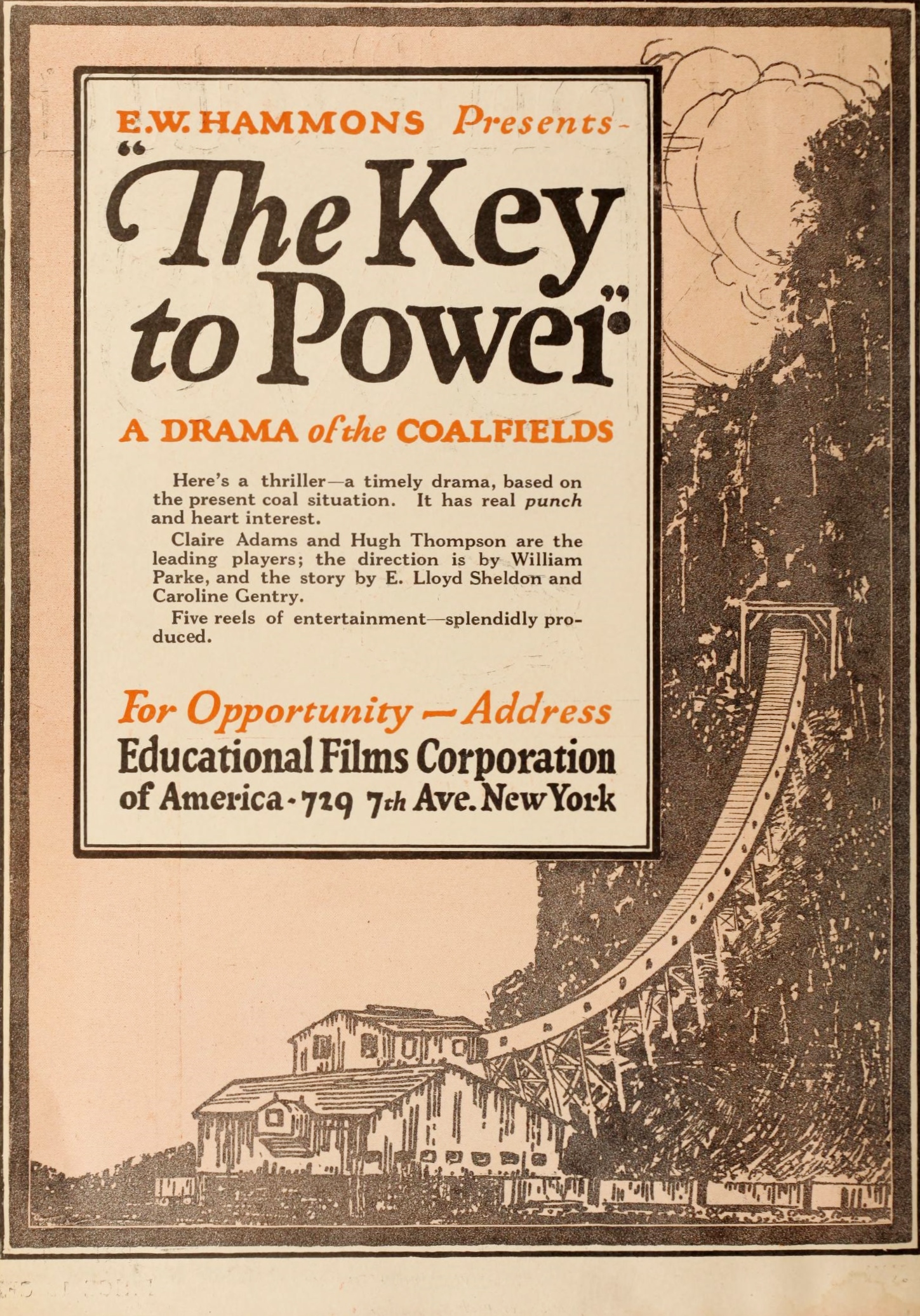
Dir: William Parke
Bruce Wendell, the son of West Virginia coal mine owner James Wendell, graduates from West Point and prepares to lead a fighting unit to the front during World War I. As his father lies dying, however, he convinces Bruce to remain at home and guard the mine. Bruce's fiancée Ann Blair assumes that he is a coward and breaks off their engagement, but her brother Bobbie remains Bruce's loyal friend. Meyer, a German agent, persuades railroad president Parrish to refuse to transport Wendell's coal, but when Bruce adamantly refuses to close the mine, the spy's men decide to blow it up. While Ann is being abducted by Meyer, Bobbie is buried in an explosion at the mine. Bruce rescues Bobbie and then sends a plea to Lieutenant Parrish to rescue Ann. Meyer and his gang are captured and Ann renews her vow of love to Bruce.
View Details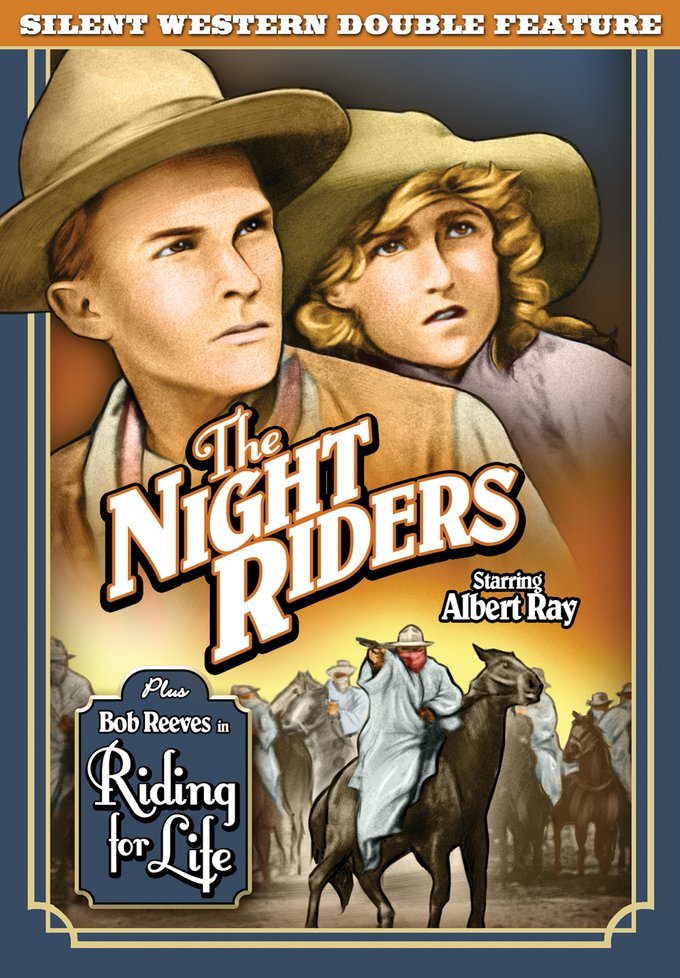
Dir: Alexander Butler
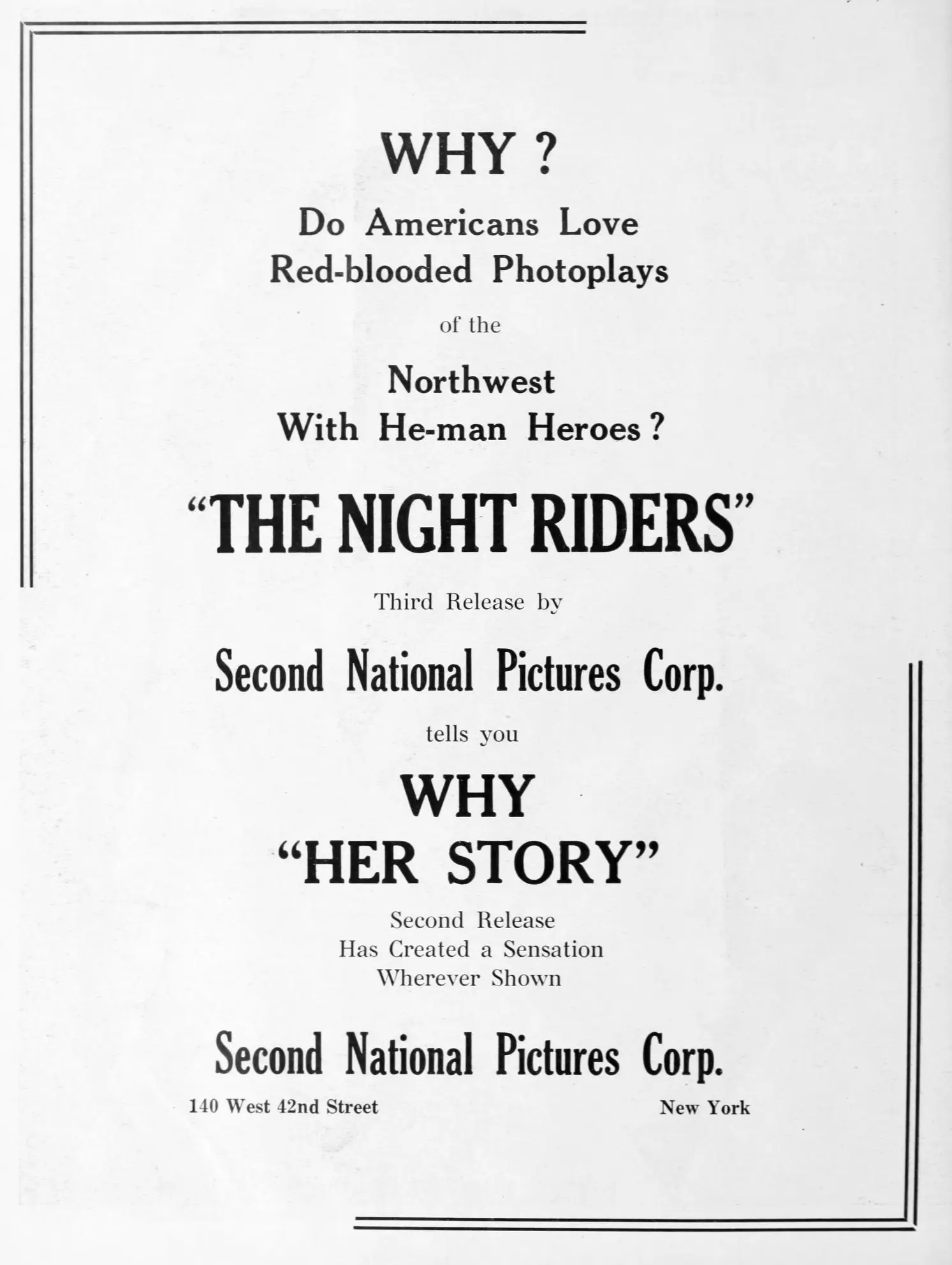
In Alberta, Canada, a Cornish emigrant unmasks a rustler posing as the girl's "blind" father.
View Details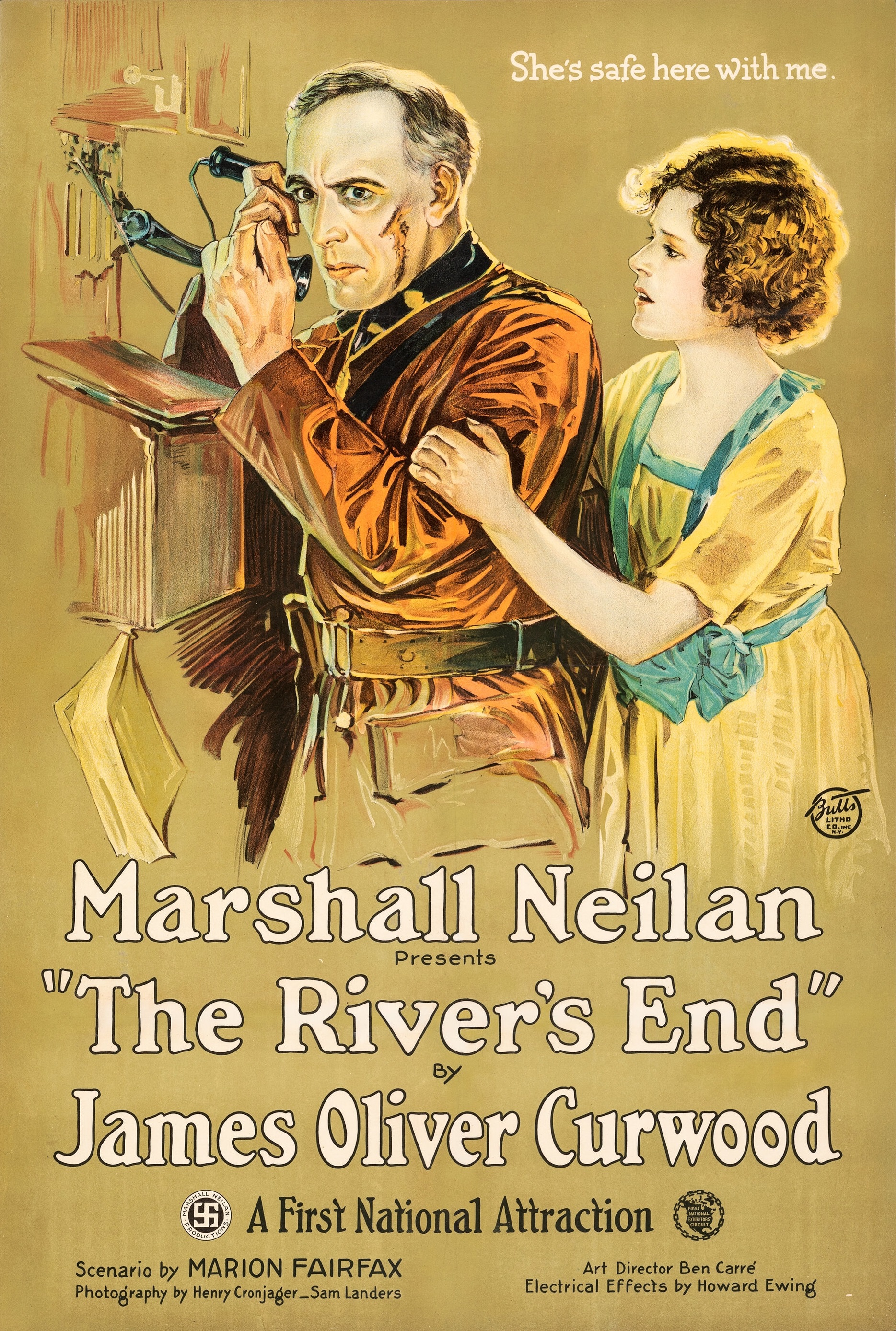
Dir: Victor Heerman
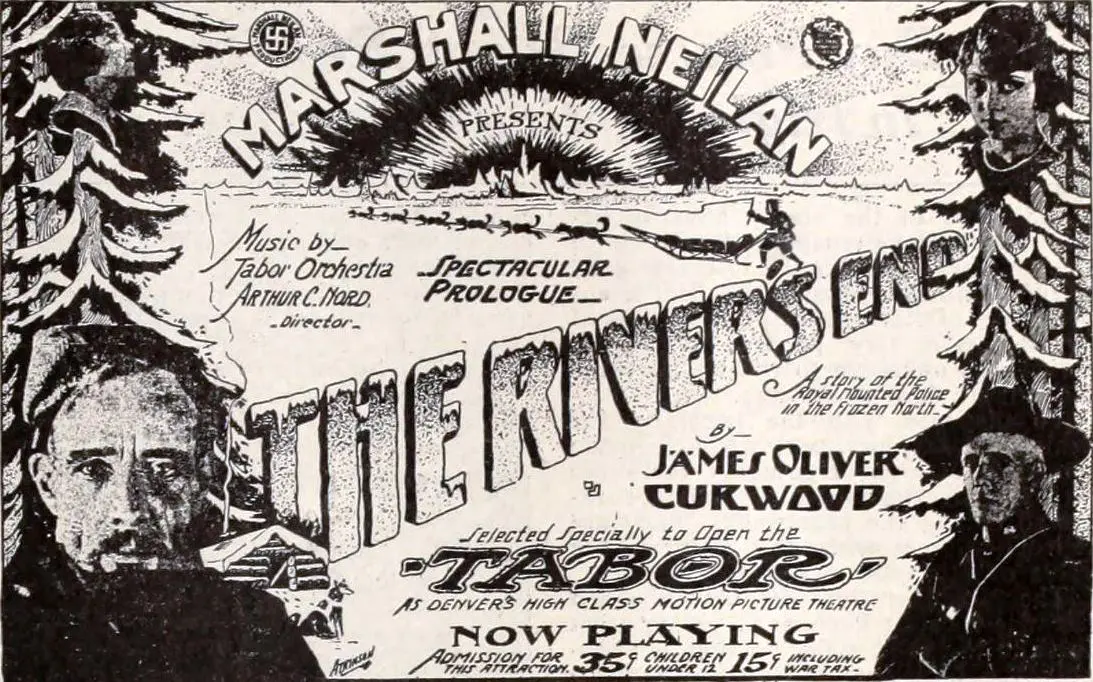
In the gold fields of the Canadian Northwest, a man is falsely accused of a crime and determines that a lookalike is responsible.
View Details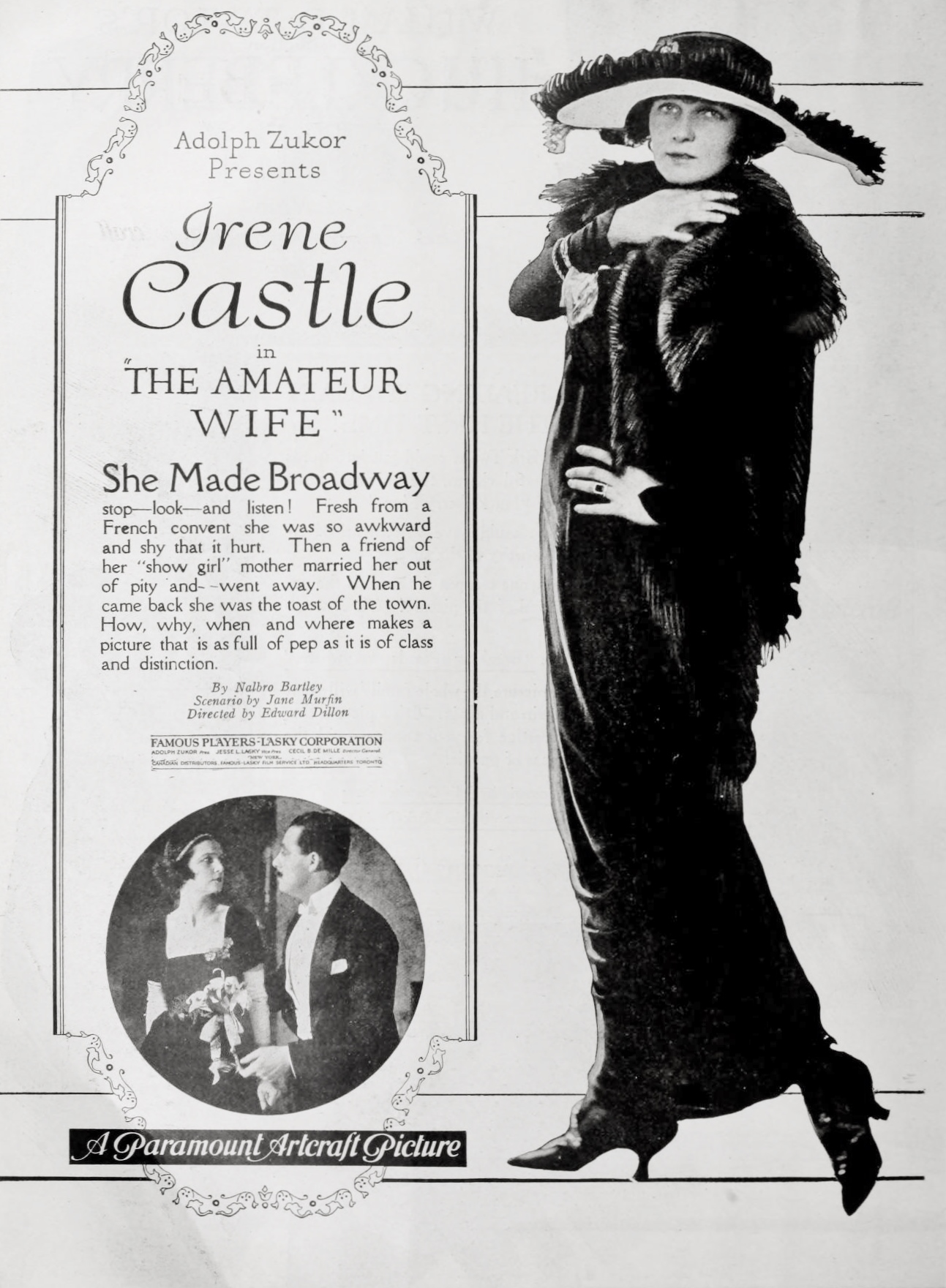
Dir: Edward Dillon
Her education in a French convent school completed, plain Justine Spencer returns to New York. There she is shocked to discover that her mother Dodo is a flamboyant musical comedy actress with many male admirers. Dodo, on the other hand, is dismayed to find Justine priggish and dowdy. One of Dodo's suitors is Billy Ferris, who, in a fit of jealousy, murders her and slays himself. Out of pity, Cosmo Spotiswood, another admirer of Dodo, marries Justine, but soon tires of his platonic marriage and leaves for Europe. Upon his return, Cosmo finds Justine transformed. Under the tutelage of Dodo's maid Loti, she has bobbed her hair and donned fashionable apparel. Thus changed, Justine is surrounded by suitors. Stung by jealousy, Cosmo falls in love with his sophisticated wife.
View Details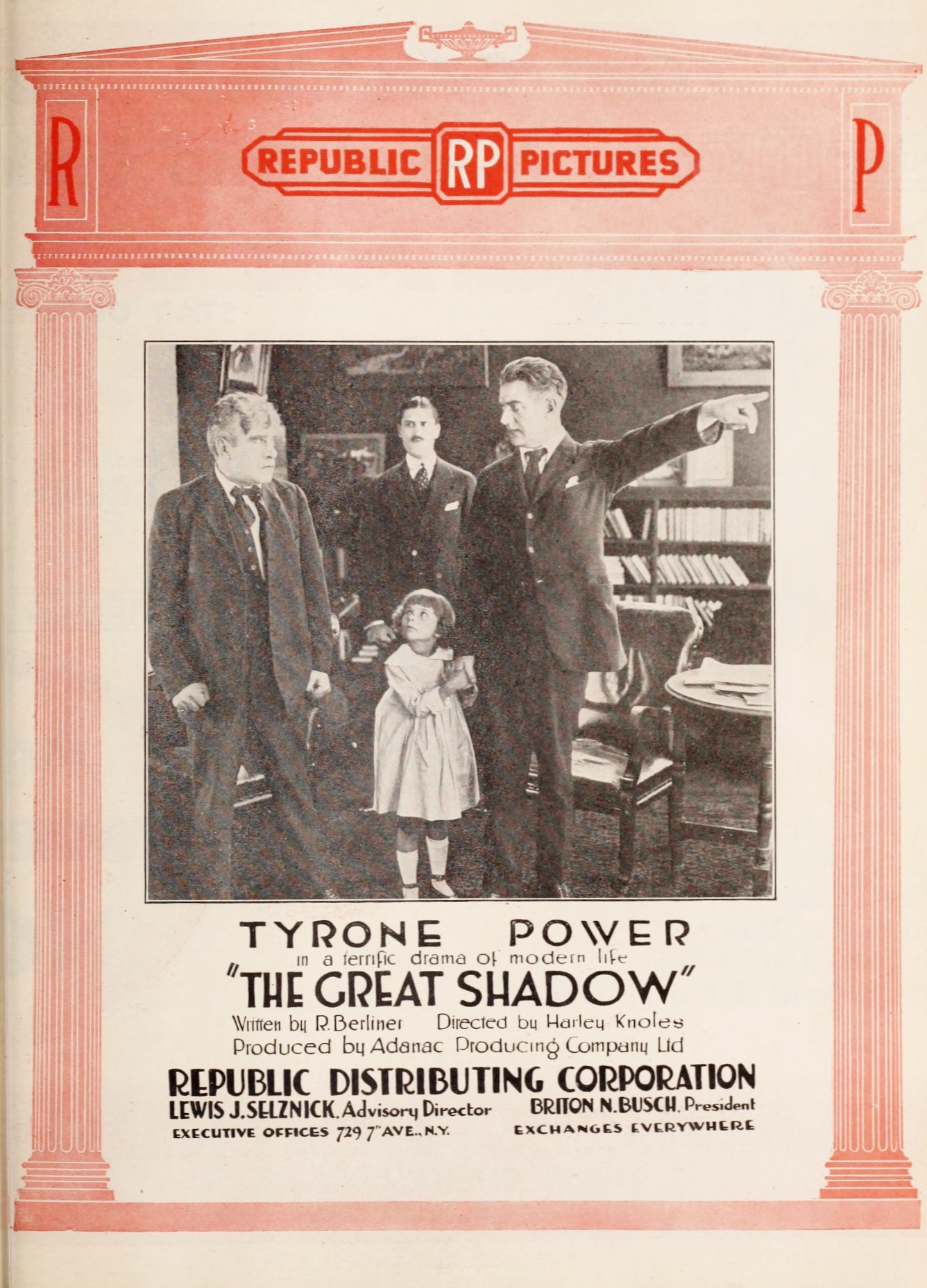
Dir: Harley Knoles
Jim McDonald, the foreman of a shipbuilding plant and head of the labor union, strives to combat the anarchistic propaganda being put forth by Klimoff, the leader of a Bolshevik gang whose goal is to disrupt the country with strikes and anarchy. Despite McDonald's efforts, a strike is called, resulting in chaos. McDonald's child is knocked down by runaway horses abandoned by their striking driver, and dies. Mob scenes take place in America, as well as in Russia. Eventually, the unrest is quelled with an armistice called between Capital and Labor for a year, during which time wages are to be increased to reflect the cost of living, and leaders are to work out a common plan for their mutual advantage. The strikers now realize that they have been pawns of the Bolsheviks and call off the strike, agreeing to the plan.
View Details
Dir: Harry Southwell
A fascinating piece of cinema that shares thematic elements.
View Details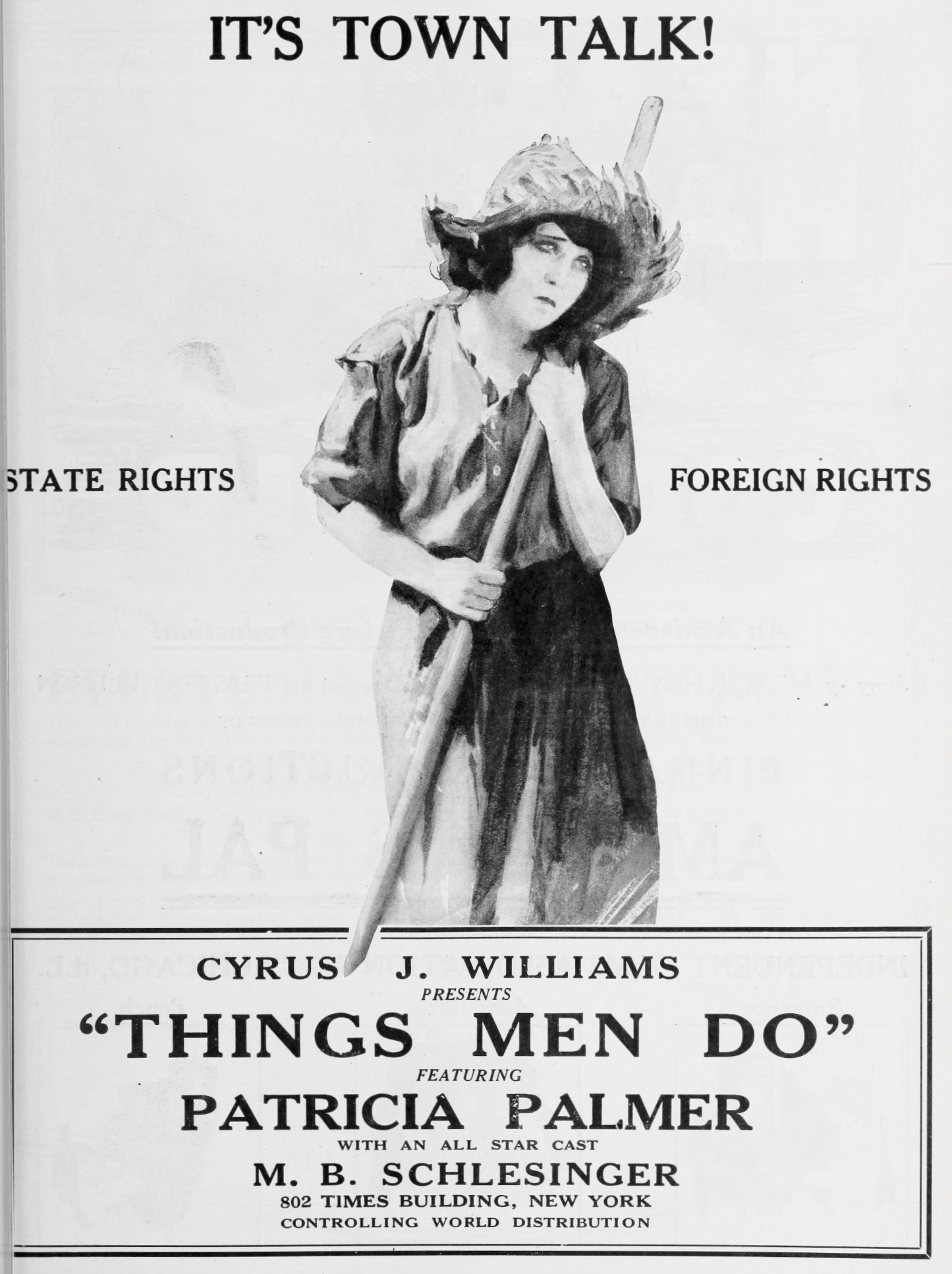
Dir: Robert N. Bradbury
A simple country girl, brutally mistreated by her stepfather, awakens first the sympathy, then the love, of The Boy. The Spider, who lusts after The Girl, makes a bargain with the stepfather and takes her to the city where, kept prisoner, she is soon broken in health and spirit. Cast out and near death, she is taken in by The Boy. Following the demise of The Spider, The Boy takes her to church, where he prays, and after many hours she is restored to health.
View Details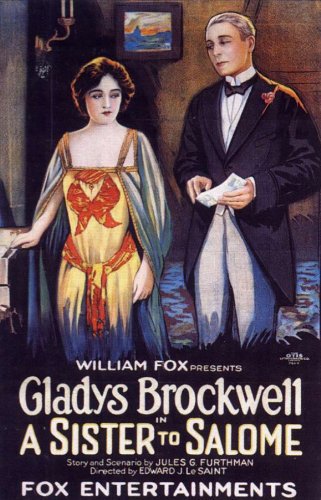
Dir: Edward LeSaint
When famous opera singer Elinore Duane undergoes an operation on her throat, she has a series of ether-induced visions. In one, she is transported to ancient Rome where she appears as a much-admired woman in love with Paul, a young heretic, and at odds with Lutor, the high priest. To save her love, she poisons Lutor with her ring. After several other visions which involve variations on this love triangle, Elinore awakens to discover that Lutor is actually her doctor, Sascha Jaccard, and that Paul is the son of a friend who has come to visit the recovering prima donna.
View DetailsAnalysis relative to High School Girl
| Film Title | Atmosphere | Complexity | Similarity |
|---|---|---|---|
| The Virgin of Stamboul | Gothic | Layered | 97% Match |
| Moon Madness | Surreal | Layered | 95% Match |
| The Key to Power | Gritty | Dense | 91% Match |
| The Night Riders | Ethereal | High | 96% Match |
| The River's End | Gothic | Linear | 91% Match |
This guide was algorithmically generated using the cinematic metadata of Crane Wilbur's archive. Last updated: 6/27/2026.
Back to High School Girl Details →