
DbcultAccessing Vault...
Recommendations
Senior Film Conservator
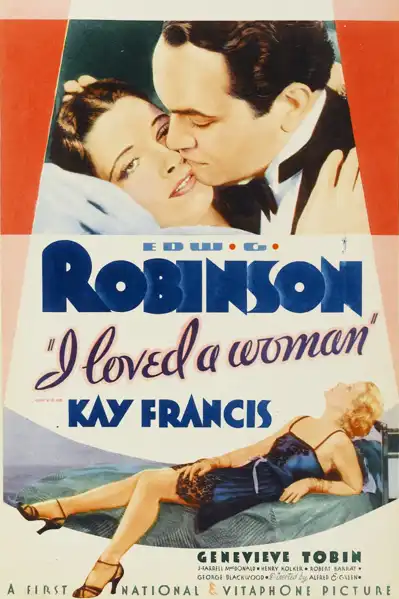
As a cultural touchstone of United States, I Loved a Woman resonates with its nuanced performance, its lasting impact ensures that its spirit lives on in modern recommendations. Our archive is rich with titles that mirror the nuanced performance of Alfred E. Green.
For many, the first encounter with I Loved a Woman is to provoke thought and inspire awe in equal measure.
Art student John Hayden interrupts his studies in Greece to head his father's meat packing business on his father's death. He marries social climber Martha who taunts him for his ideals regarding worker happiness and meat purity. He begins supporting the musical career of singer Laura. During the Spanish American war he sells the Army tainted meat. Martha puts detectives on him and Laura. Indicted for fraud, he flees to Greece.
Based on the unique nuanced performance of I Loved a Woman, our vault has identified these titles as the most compelling follow-up experiences for fans of Drama cinema:


Dir: Alfred E. Green
While on vacation from college, William Bankinton is shipwrecked. His mind a blank, he is picked up by a derelict ship upon which there are only a lion and a stowaway named Broot. After Broot commits suicide, Bankinton and the lion are cast adrift upon the shores of Africa where they exist in a primitive state for several months. One day, when Nakhia, the daughter of the Bedouin chief Ali-Es Hadji is out riding, she is beset by danger. Bankinton comes to her rescue and gradually he and the girl fall in love. Ben Saada, the bandit chief, desires Nakhia, and tries to kidnap her. The lion and Bankinton once again come to her defense, and in the ensuing fight, Bankinton is struck on the head and his memory is restored. He then proposes to Nakhia, and the couple set sail to America where they are reunited with Bankinton's family.
View Details
Dir: Alexander Butler
In Alberta, Canada, a Cornish emigrant unmasks a rustler posing as the girl's "blind" father.
Dir: Eduardo Notari
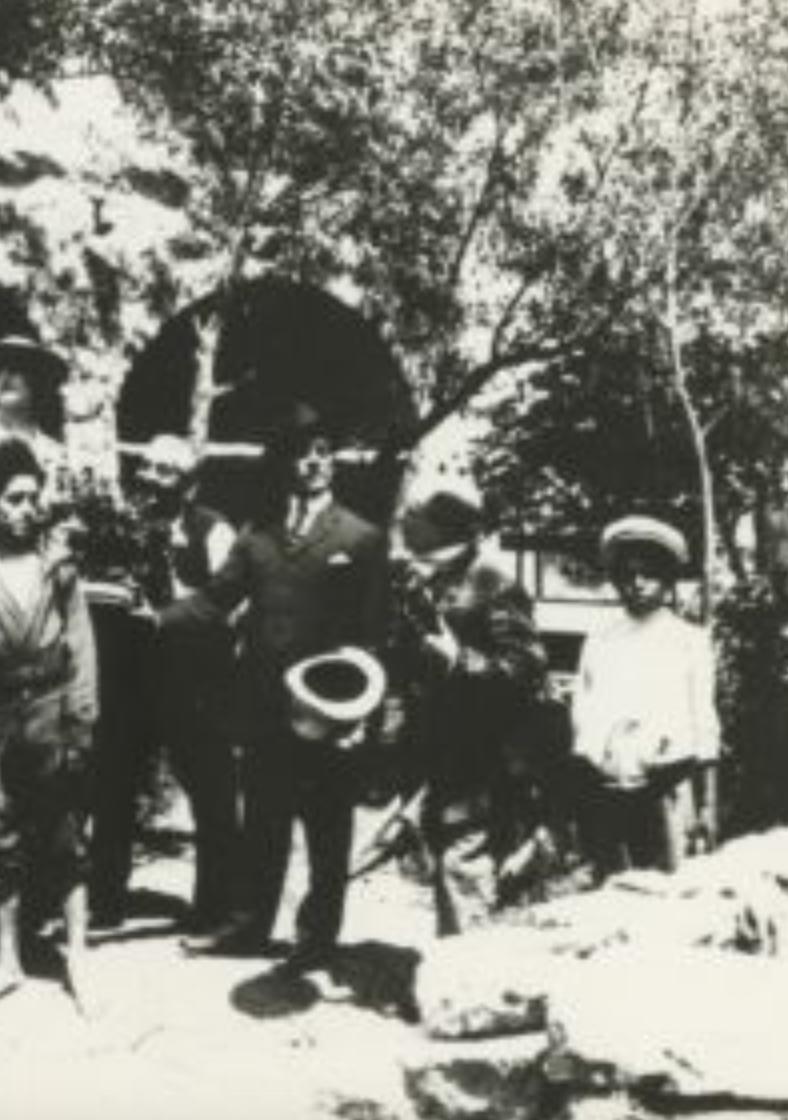
A crime drama in the Gennariello-series. The police detective in Naples that is confronted with modern gangsters and crime events.
View Details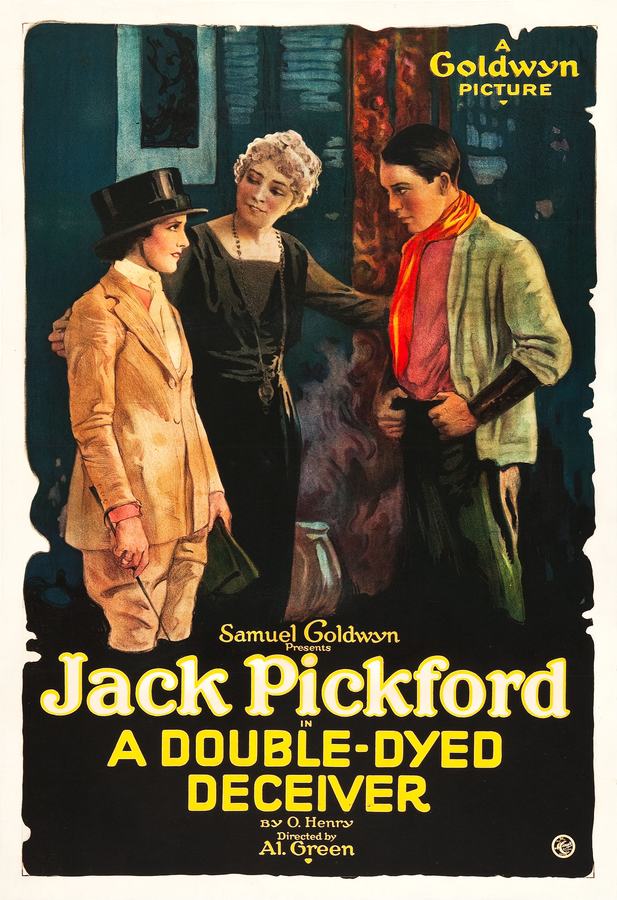
Dir: Alfred E. Green
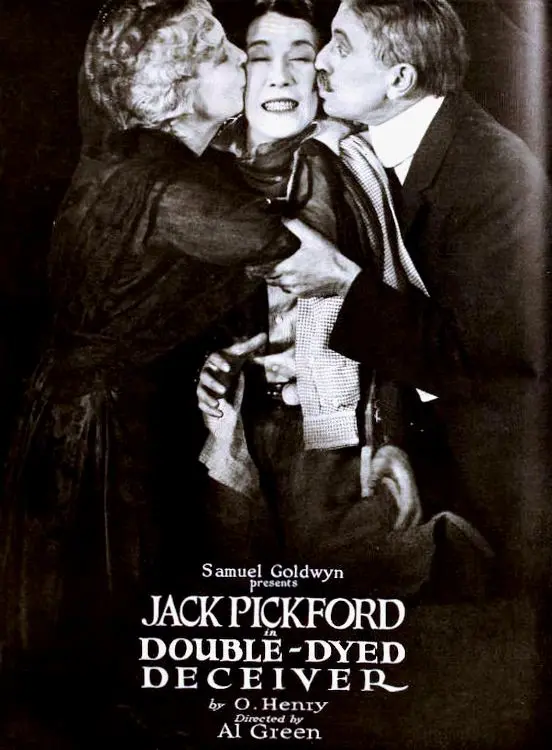
Most of the scenes are laid in a parrot-and-monkey country in South America, a land where "it is always after dinner." The Llano Kid, a Texas bad man, flees there from justice. The consul persuades him to play the long-lost son of a Castilian family, and tattoos a coat of arms on the back of the Kid's hand to make the deception complete. The Kid is taken into the household, trusted and loved by the gladdened mother. For the first time he has a home. The romance develops. And when the time comes to rob and flee he has too much manhood to break the loving mother's heart. The surprise comes when it is revealed that the man the Kid killed in Texas was the real son.
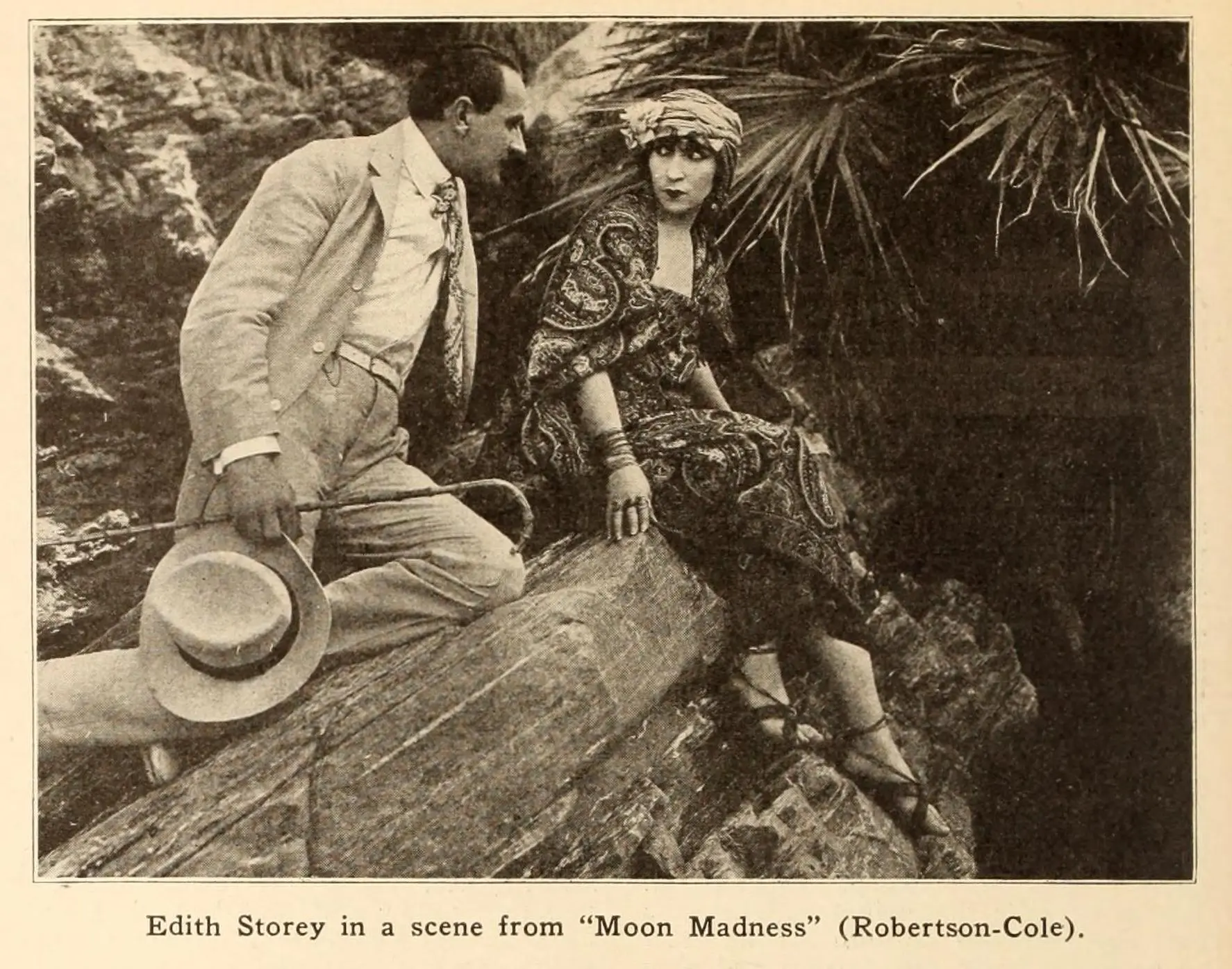
Dir: Colin Campbell
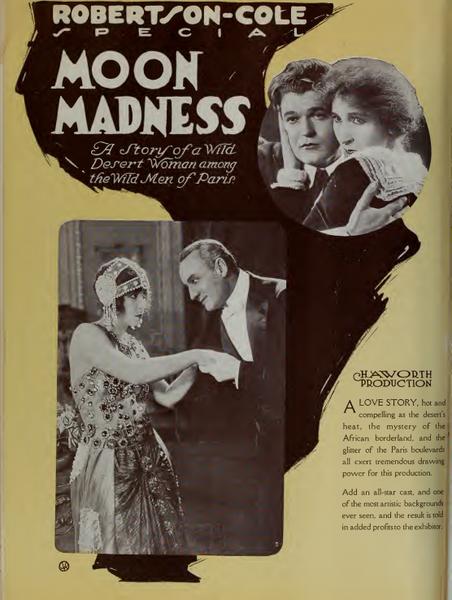
Zora, a girl of French origin, is raised by a wealthy Bedouin family after her mother Valerie dies while eloping with another man. Zora feels such great longing for the French artist Adrien that she accepts the offer of another artist, Raoul, to take her to Paris with the stipulation that if Adrien rejects her, she must give herself to him. Jan, the chieftain's son who is in love with Zora, follows the two to Paris. There Zora realizes that Adrien does not love her and discovers her real love for Jan. However, she feels bound to honor her pact with Raoul and is about to succumb to his advances when her father appears and recognizes Raoul as the man who destroyed his home years earlier. In the ensuing fight between the two men, Raoul is killed, thus freeing Zora to accept Jan's love.
View Details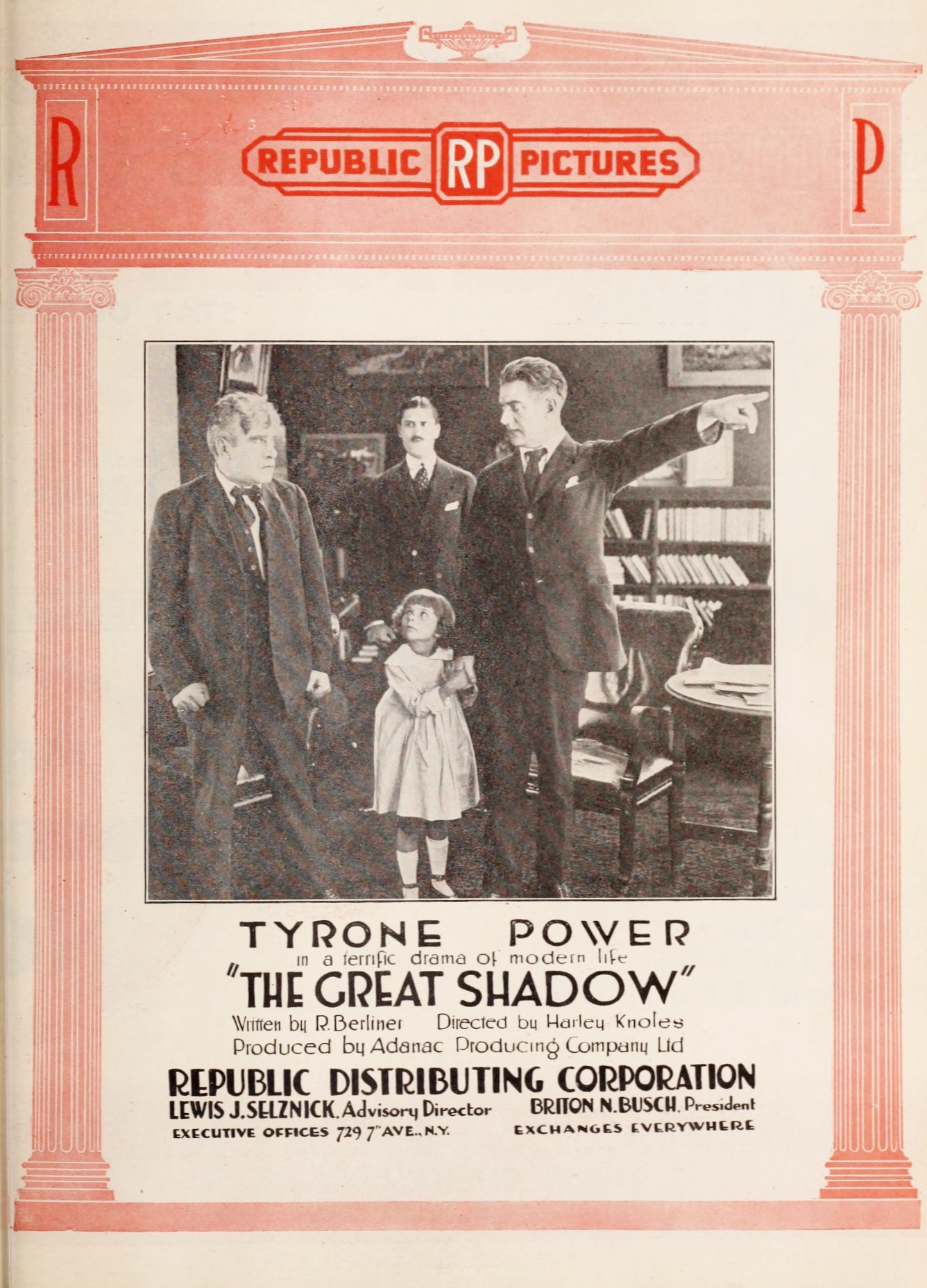
Dir: Harley Knoles
Jim McDonald, the foreman of a shipbuilding plant and head of the labor union, strives to combat the anarchistic propaganda being put forth by Klimoff, the leader of a Bolshevik gang whose goal is to disrupt the country with strikes and anarchy. Despite McDonald's efforts, a strike is called, resulting in chaos. McDonald's child is knocked down by runaway horses abandoned by their striking driver, and dies. Mob scenes take place in America, as well as in Russia. Eventually, the unrest is quelled with an armistice called between Capital and Labor for a year, during which time wages are to be increased to reflect the cost of living, and leaders are to work out a common plan for their mutual advantage. The strikers now realize that they have been pawns of the Bolsheviks and call off the strike, agreeing to the plan.
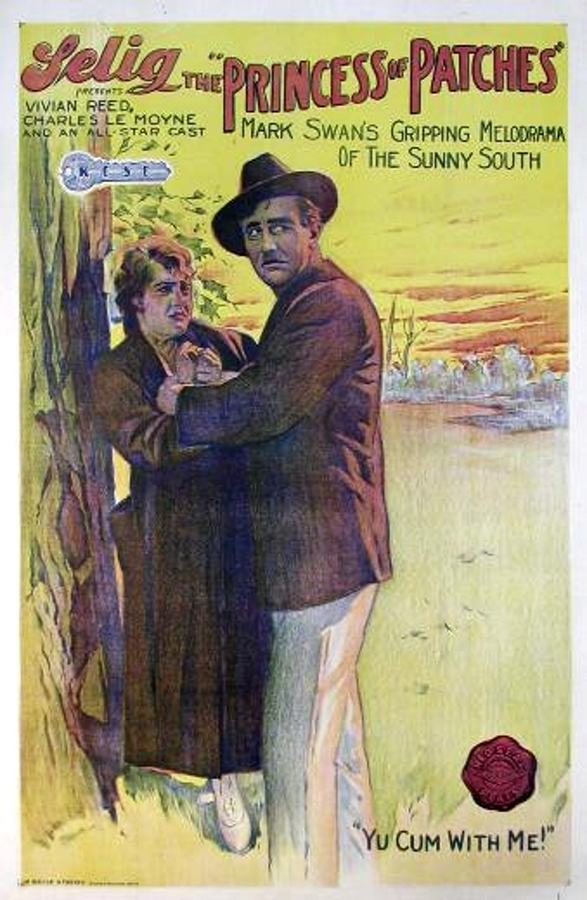
Dir: Alfred E. Green
Patches, a beautiful girl, lives with her foster-mother Liza Biggs, who dresses her in rags. She is surprised to see Judas, the overseer, give Liza a locket. Jack Merry arrives to purchase cotton from Colonel Silverthorne, a Southern gentleman of the old school, who looks after his dead brother's estate for his niece and nephew, Juliet and Lee. Col. Silverthorne tells Merry that years ago his brother chastised a field hand named Judas, and that little Selma disappeared. Her mother died of grief, while her father had not been seen since, on one occasion, he rowed to a houseboat, and was supposed to have been murdered; and that according to his will, the entire estate was to go to his missing daughter Selma if found within 20 years; if not, the estate was to be divided between Juliet and Lee. That night Judas demands money from Lee on penalty of disclosing the whereabouts of Selma. In the meantime, Merry meets Patches and kisses her hand, exclaiming "May the Princess of Patches have a happy reign." He leaves with Col. Silverthorne, the money for the cotton, and Lee steals it. Lee claims that Waggles, a tramp friend of Patches, is the thief, but Patches believes Judas has the money and he is captured with part of it in his possession. Col. Silverthorne, despite the protests of Juliet and Lee, invites Patches to become one of the family. Years pass. Patches returns from a fashionable school and again meets Merry Judas, who has escaped from prison, also returns, as does Waggles the tramp. Waggles asks Lee where he can find the "Princess of Patches," as he wishes to return a locket which she lost. Lee recognizes the locket as the one proving the identity of Selma, and upon his promise to deliver it to Patches, Waggles surrenders it. This is the locket Judas gave to Liza, and which Patches afterwards secured. Patches, among the daisies, plucks the petals and murmurs "He loves me, he loves me not." "He loves you dearly," exclaims Jack Merry behind her, as he takes her in his arms. Lee is dumbfounded to see Judas, who tells him unless he helps to keep him out of jail, he will produce proofs that Patches is Selma Silverthorne. Lee gives money to Judas and tells Juliet what he has learned; she tells him he must marry Patches. Waggles overhears Judas and Lee and informs Patches. At midnight they secrete themselves on the houseboat and hear Judas tell Lee that he stole Selma, and that the baby clothes he produces are proofs of her identity. The money Lee offers Judas is not satisfactory, and as the two fight, Waggles secures the proofs. They discover the loss, and suspecting someone else is on the boat, light the fuse connected with a box of gunpowder. Lee springs overboard, and Patches confronts Judas, exclaiming: "I know everything and you shall be punished." Judas overpowers the girl and Waggles, binds them, and swims ashore. Patches finally frees herself and releases Waggles. They spring into the water just as the explosion demolishes the houseboat. On reaching the shore, Waggles overpowers Judas, who confesses Patches is the real heiress; and repeats the confession to Colonel Silverthorne a few minutes before Lee and Juliet would have come into possession of the property. Lee, implicated by Judas, disappears and Patches is happy in the love of Jack Merry.
View Details
Dir: William Parke
Bruce Wendell, the son of West Virginia coal mine owner James Wendell, graduates from West Point and prepares to lead a fighting unit to the front during World War I. As his father lies dying, however, he convinces Bruce to remain at home and guard the mine. Bruce's fiancée Ann Blair assumes that he is a coward and breaks off their engagement, but her brother Bobbie remains Bruce's loyal friend. Meyer, a German agent, persuades railroad president Parrish to refuse to transport Wendell's coal, but when Bruce adamantly refuses to close the mine, the spy's men decide to blow it up. While Ann is being abducted by Meyer, Bobbie is buried in an explosion at the mine. Bruce rescues Bobbie and then sends a plea to Lieutenant Parrish to rescue Ann. Meyer and his gang are captured and Ann renews her vow of love to Bruce.
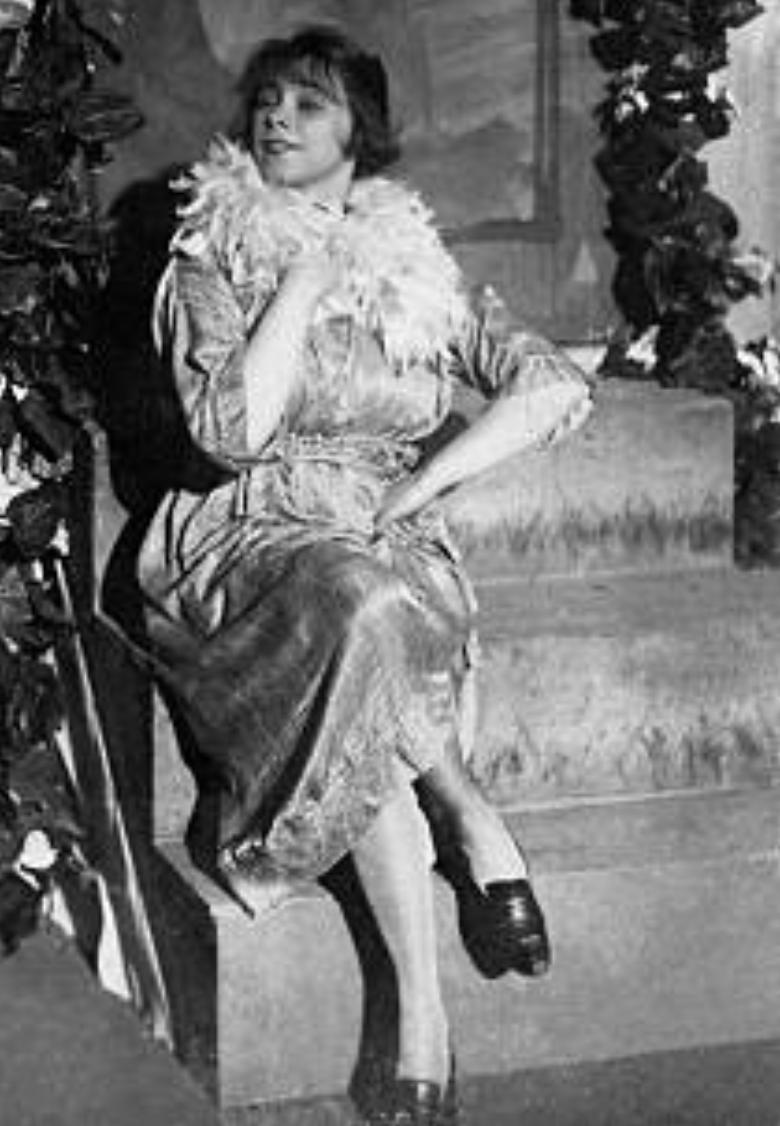
Dir: Bruno Ziener
A fascinating piece of cinema that shares thematic elements.
View Details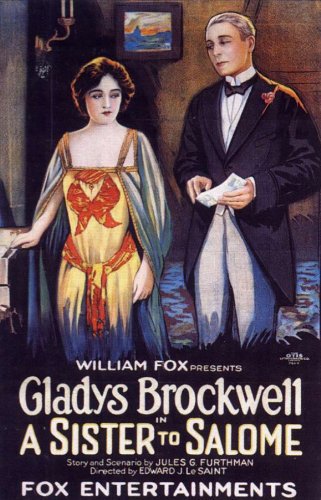
Dir: Edward LeSaint
When famous opera singer Elinore Duane undergoes an operation on her throat, she has a series of ether-induced visions. In one, she is transported to ancient Rome where she appears as a much-admired woman in love with Paul, a young heretic, and at odds with Lutor, the high priest. To save her love, she poisons Lutor with her ring. After several other visions which involve variations on this love triangle, Elinore awakens to discover that Lutor is actually her doctor, Sascha Jaccard, and that Paul is the son of a friend who has come to visit the recovering prima donna.
View DetailsAnalysis relative to I Loved a Woman
| Film Title | Atmosphere | Complexity | Similarity |
|---|---|---|---|
| The Lad and the Lion | Ethereal | Dense | 98% Match |
| The Night Riders | Ethereal | High | 96% Match |
| 'A mala nova | Surreal | Layered | 92% Match |
| A Double-Dyed Deceiver | Tense | Dense | 88% Match |
| Moon Madness | Surreal | Layered | 95% Match |
This guide was algorithmically generated using the cinematic metadata of Alfred E. Green's archive. Last updated: 6/25/2026.
Back to I Loved a Woman Details →