
DbcultAccessing Vault...
Recommendations
Senior Film Conservator
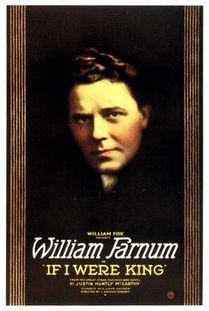
For cinephiles who admire the emotional resonance within If I Were King, the specific emotional resonance of this work is a gateway to a broader Drama world. We've prioritized films that capture the 1920 aesthetic with similar precision.
At its core, If I Were King is a study in to create a dialogue between the viewer and the emotional resonance.
The famed poet and vagabond rogue François Villon is by odd circumstances given the opportunity to rule France for a week. Adventure and intrigue ensue.
If I Were King was a significant production in United States, showcasing the immense talent of Renita Johnson, William Farnum, Harold Clairmont. It continues to be a top recommendation for anyone studying Drama history.
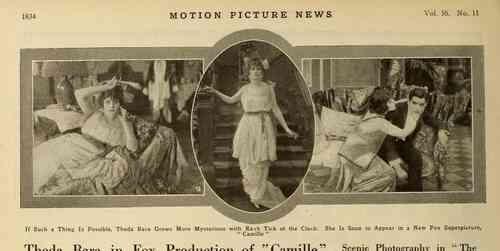
Based on the unique emotional resonance of If I Were King, our vault has identified these titles as the most compelling follow-up experiences for fans of Drama cinema:
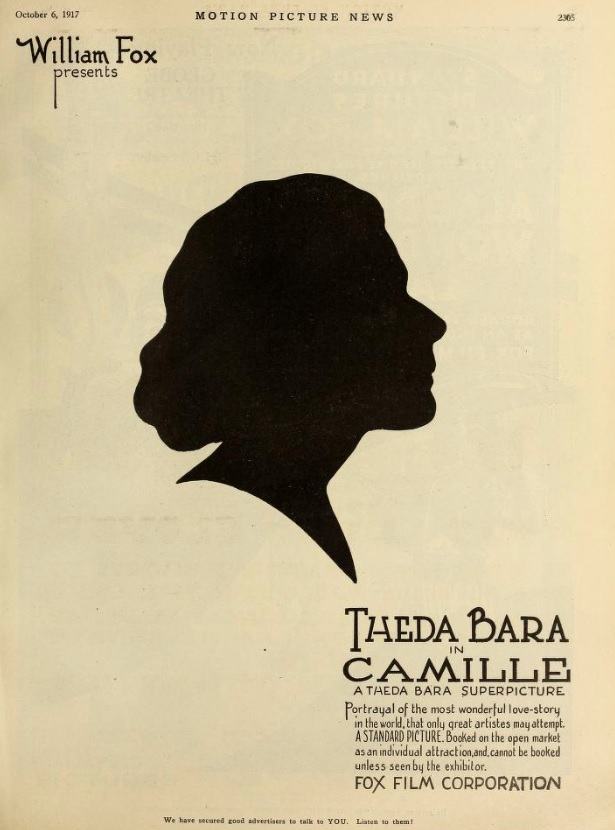
Dir: J. Gordon Edwards
Camille is a courtesan in Paris. She falls deeply in love with a young man of promise, Armand Duval. When Armand's father begs her not to ruin his hopes of a career and position by marrying Armand, she acquiesces and leaves her lover. However, when poverty and terminal illness overwhelm her, Camille discovers that Armand has not lost his love for her.
View Details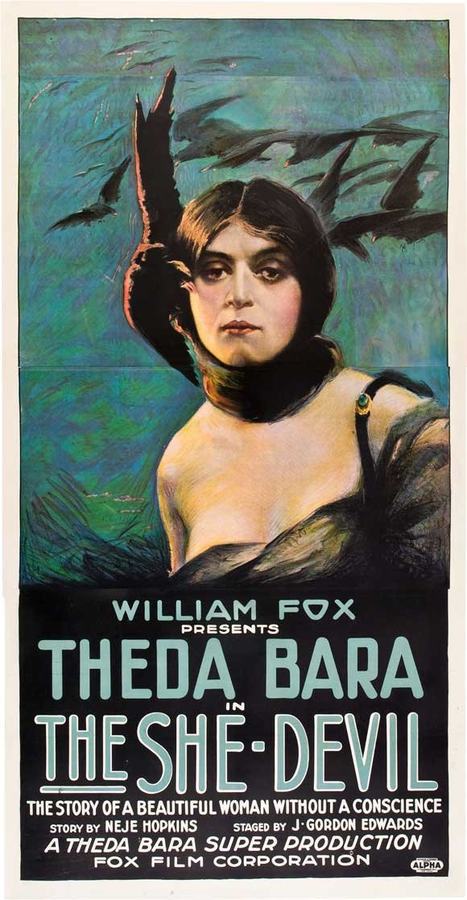
Dir: J. Gordon Edwards
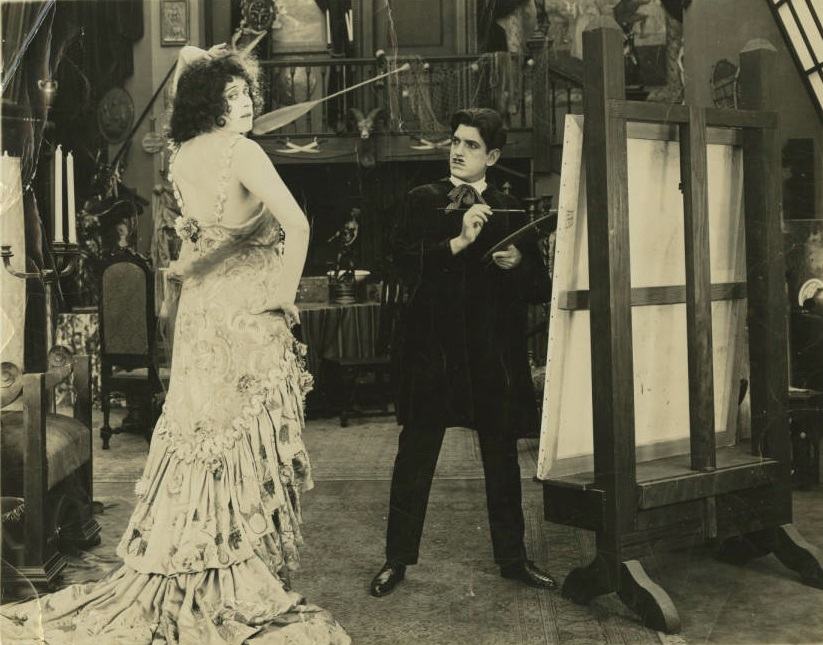
Lolette (Theda Bara), an exotic and spirited peasant girl lives In the small Spanish village of Juanguera. Although ardently courted by the native swains, and particularly a bandit called The Tiger, Lolette prefers Maurice Tabor, a French artist who has come to Juanguera to paint. Because he refuses to take her to Paris, Lolette accepts a gift of stolen jewels from The Tiger and follows Maurice to France. With Lolette as his model, Maurice paints brilliantly, and soon she becomes a Paris sensation. One evening, Lolette performs a Spanish dance on stage, and the next day, she signs contracts with a number of impresarios, accepting advance payment from all of them. Fearing her arrest, Maurice urges her to accompany him back to Spain, but The Tiger attacks their coach and imprisons them. At a feast held in her honor, however, Lolette urges The Tiger to drink, and when he is unconscious, she and Maurice escape.
View Details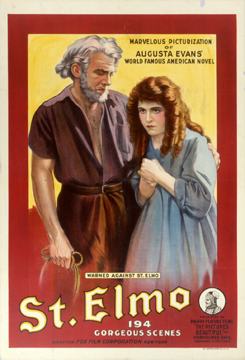
Dir: J. Gordon Edwards
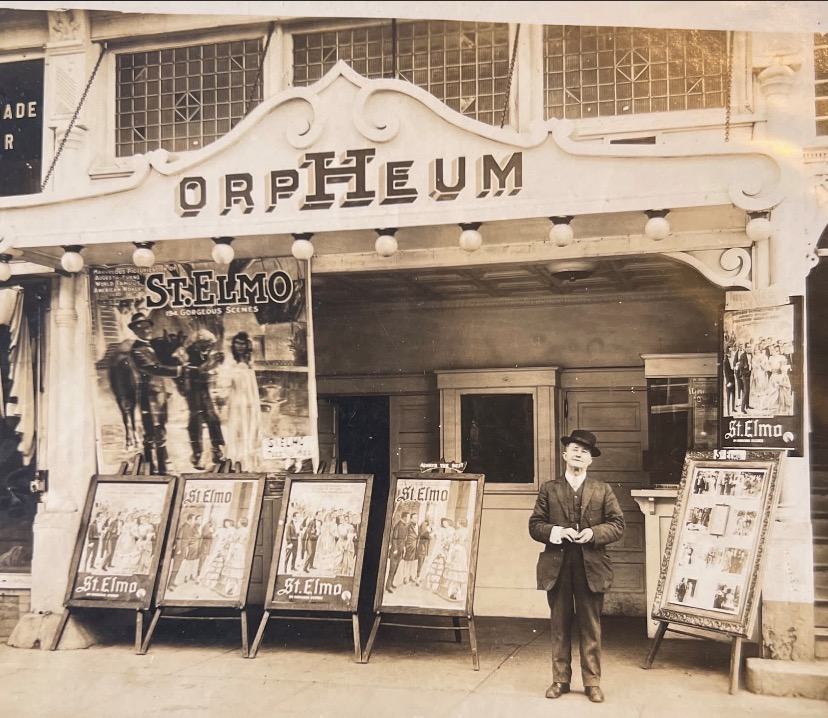
After a love triangle results death, St. Elmo falls from grace and is eventually redeemed in this now lost silent film based on the best selling novel by Augusta Jane Wilson.
View Details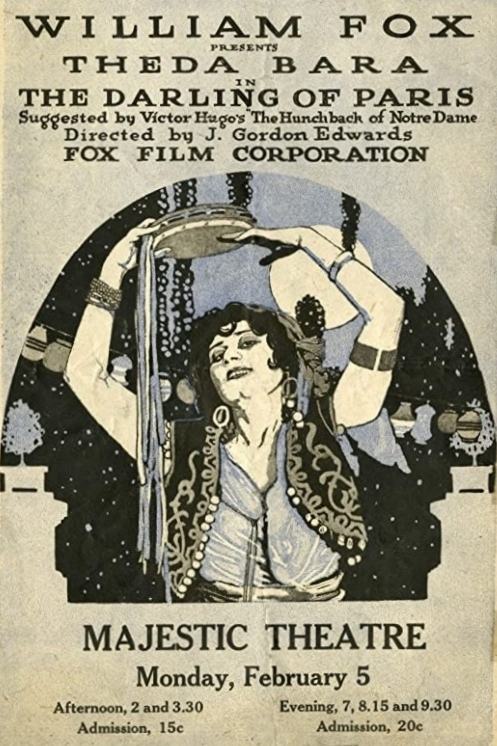
Dir: J. Gordon Edwards
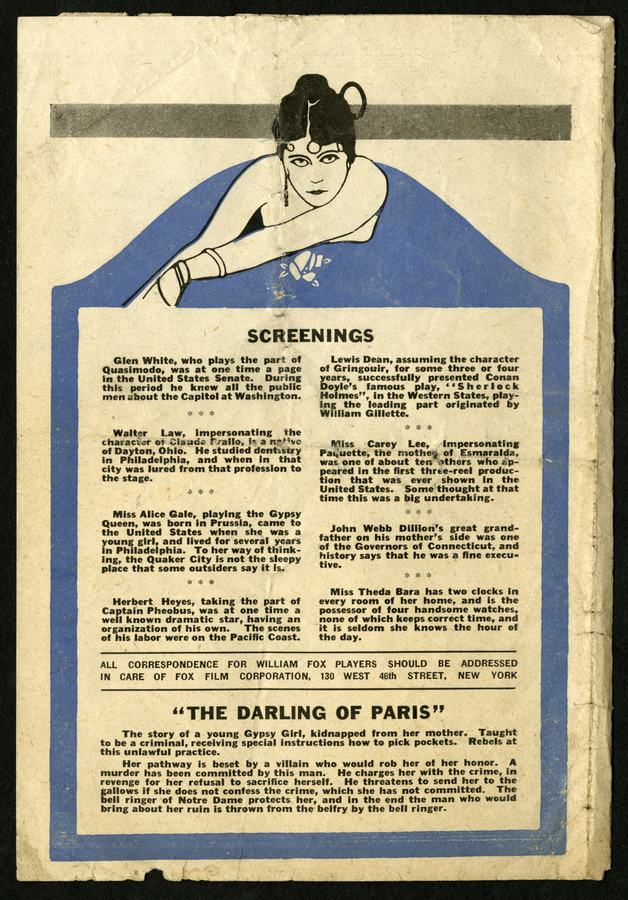
A gypsy girl with her foster-mother arrive in the French Capital where her beauty attracts the attention of the Apaches, and she becomes a member of their band. Her beauty attracts Claude Frallo, a scientist of note. She repulses him, as she has already fallen in love with Captain Phoebus. During a visit of the gypsy girl in the apartment of the handsome captain, Frallo kills the captain and makes his escape. Upon the arrival of the Gendarmes, Esmaralda is placed under arrest charged with the murder. Esmaralda is subjected to torture to make her confess, but is defiant, knowing that she is innocent. The bell ringer of the cathedral, Quasimodo, who secretly worships the Gypsy girl, becomes her protector. When Frallo visits the prisoner the bell ringer interferes. There is a struggle and the former is hurled from a parapet and killed. Again the girl appears before the tribunal. Put on the rack, she admits the murder of the captain. Just as Esmaralda is to be guillotined, the bell ringer gives the true version of the murder, implicating Frallo whom he killed. Quasimodo, the plucky bell ringer, who was Esmaralda's protector, and her liberator, becomes her husband.
View Details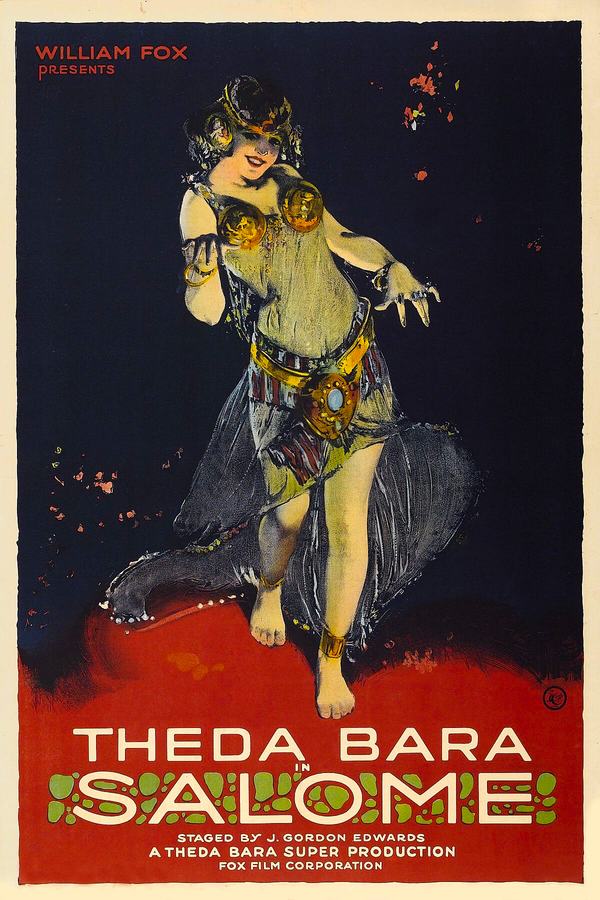
Dir: J. Gordon Edwards
When Herodias divorces her husband and marries his brother Herod Antipas, governor of Judea, the prophet John the Baptist protests and is imprisoned. Salome, daughter of Herodias and both niece and stepdaughter to Herod, dances seductively and wins the prize of anything she asks of Herod. The prize she asks is the head of John the Baptist.
View Details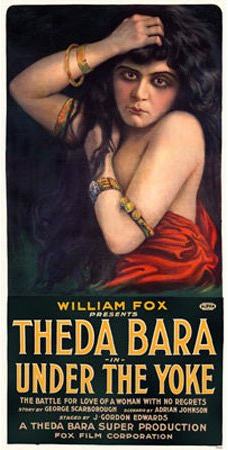
Dir: J. Gordon Edwards
Maria Valverde, a young Spanish woman whose father has settled in the Philippines, arrives home from the convent where she received her education and is soon approached by Diablo Ramirez, a local plantation overseer who hopes to win her heart. Having met the handsome American army captain, Paul Winter, in Manila, Maria scorns Diablo's advances, and later, he is forcefully escorted from the house. Furious, Diablo organizes a group of rebels, who kill Maria's father and hold her a prisoner in her own home. When Captain Winter hears of the revolt, he rushes to Maria's aid but is himself captured. Reinforcements soon arrive from the American army post, and in the fighting, the house is set ablaze. Diablo is about to grab Maria when Captain Winter enters and shoots the rebel down. The Americans finally emerge victorious, and Maria wins her dashing captain.
View Details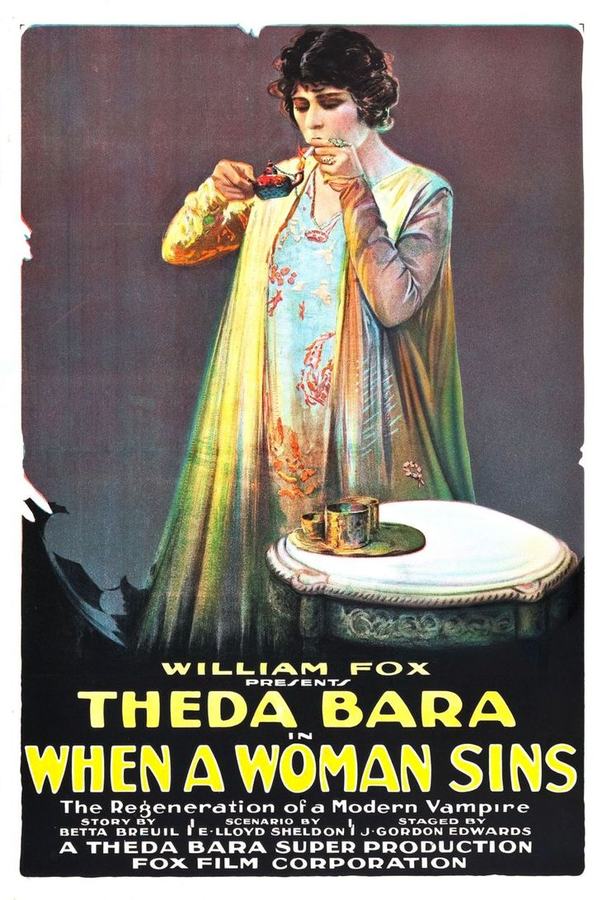
Dir: J. Gordon Edwards
Bara is unusually cast as a nearly virginal nurse and actress. She does manage to get one man to blow his brains out before she reforms and marries an Episcopal priest.
View Details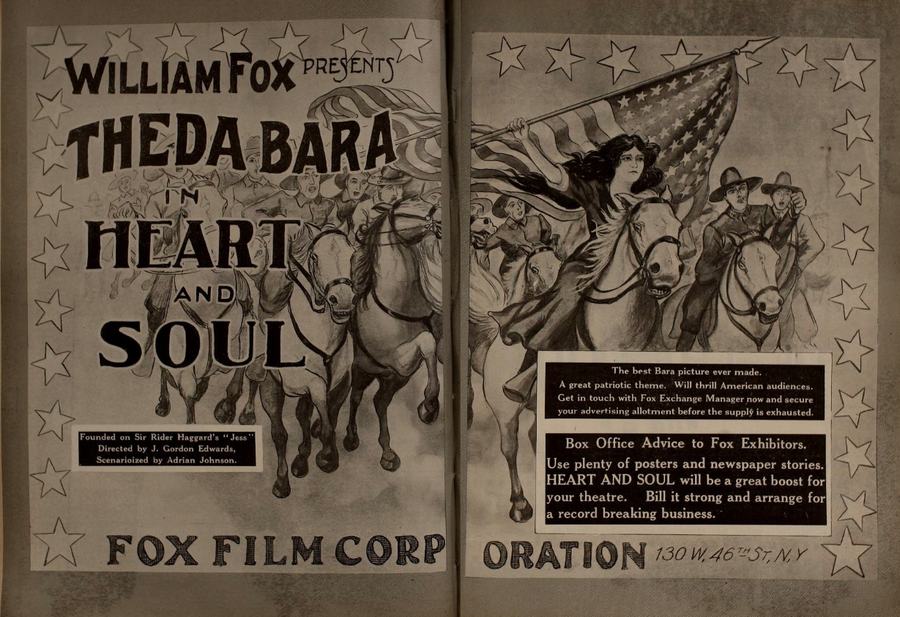
Dir: J. Gordon Edwards

Jess takes care of her younger sister Bess, she has always been her primary consideration, since the death of her mother. Years later, the two sisters are living with their uncle on his plantation in Puerto Rico when they meet John Neil, who immediately falls in love with Jess. Upon realizing that Bess is in love with the same man, Jess sacrifices her own happiness for that of her sister. Soon after, Drummond, a corrupt planter, starts a revolution against the United States government, and in the ensuing war the plantation and all its inhabitants are captured. Jess escapes and rides to the American garrison for aid, but during the fight she is mortally wounded. Her dying words are a blessing upon Neil and her sister Bess.
View Details
Dir: J. Gordon Edwards
Faced with the tragic responsibility of choosing between the happiness of her 16-year-old daughter Pamela or saving the life of an innocent man, Marie Baudin's first impulse is to sacrifice all for her own. But she has second thoughts that bring complications to all.
View Details
Dir: J. Gordon Edwards
Lewis Victor of the French Foreign Legion is actually Bertie Cecil, a British nobleman hiding from dishonour for a crime actually committed by his brother. He is loved by Cigarette, a camp follower, but he only has eyes for another. The commandant hates him, and Victor is constantly placed in danger in war-torn Algeria. Then his brother arrives, and with him, a chance to clear his name.
View DetailsAnalysis relative to If I Were King
| Film Title | Atmosphere | Complexity | Similarity |
|---|---|---|---|
| Camille | Gothic | Linear | 88% Match |
| The She Devil | Surreal | Layered | 89% Match |
| St. Elmo | Ethereal | High | 87% Match |
| The Darling of Paris | Gritty | Abstract | 85% Match |
| Salome | Gritty | High | 87% Match |
This guide was algorithmically generated using the cinematic metadata of J. Gordon Edwards's archive. Last updated: 6/22/2026.
Back to If I Were King Details →