
DbcultAccessing Vault...
Recommendations
Senior Film Conservator
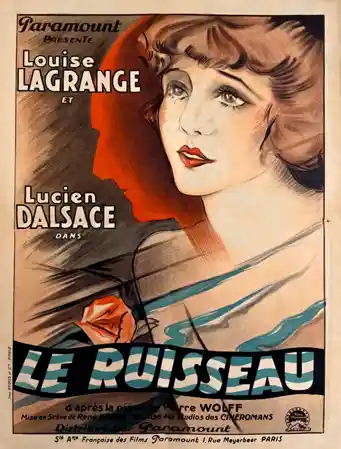
Looking back at the 1930 milestone that is Le ruisseau, the specific cult status of this work is a gateway to a broader cult world. Our archive is rich with titles that mirror the cult status of René Hervil.
As René Hervil's most celebrated work, it defines to create a dialogue between the viewer and the cult status.
A naval officer has to abandon a young girl he has rescued as a stowaway, to the mercies of his sleazy show business mother and her plans.
Based on the unique cult status of Le ruisseau, our vault has identified these titles as the most compelling follow-up experiences for fans of cult cinema:
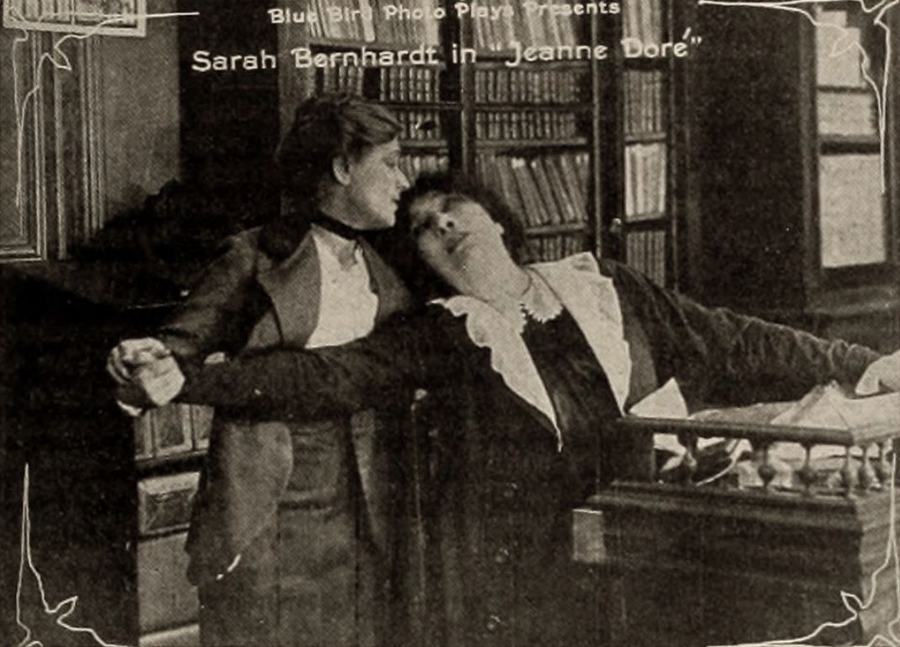
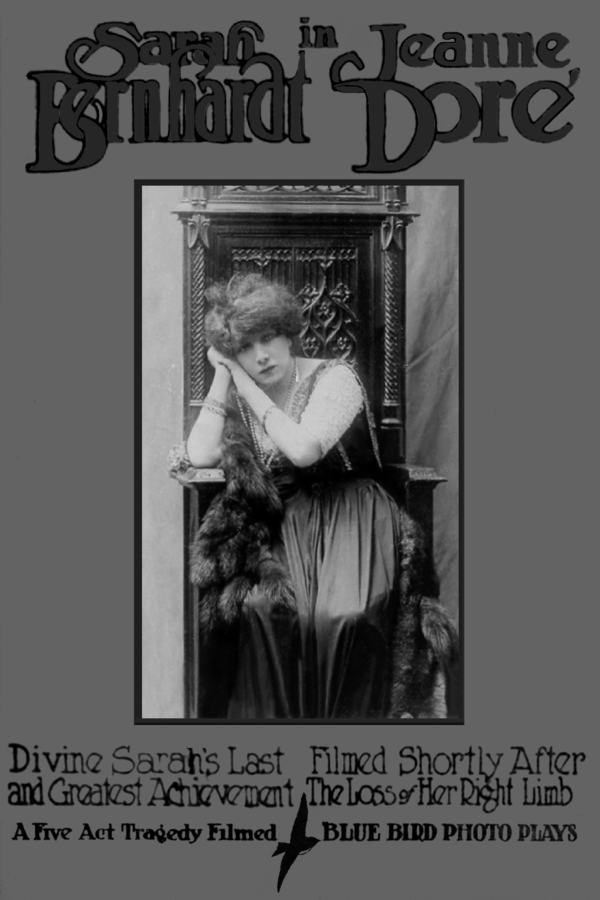
Dir: René Hervil
Jeanne Doré's profligate husband is hopelessly addicted to gambling, and is threatened with expulsion from his club because of his heavy indebtedness to another gambler member. Confessing his disgrace to his wife (Mme. Bernhardt), she offers to save him from disgrace by selling her jewels. With the money thus obtained he goes to his club, determined to pay his debts and live up to the pledge he has made to his wife to gamble no more. However, the lure of the roulette wheel overcomes his resolve; he loses all his money on "just one more turn of the wheel," and rather than face his disgrace, commits suicide. Left with her young son to support, Jeanne Doré is forced to sell her remaining possessions and live as best she can until her husband's uncle takes pity upon her and buys for her a small stationery shop in Paris. Here mother and son prosper until the boy reaches early manhood. One day he falls suddenly and violently in love with a married woman, who comes to his mother's shop to make purchases. An intrigue with the unscrupulous female leads the young man to murder the same uncle who had befriended himself and mother. The youth, with the assistance of Jeanne Doré, makes good his escape. Well clear of immediate capture, the boy comes back to the scene of his crime and succeeds in his efforts to once more affect a liaison with his mistress. By accident he is discovered and captured, thrown into jail, is tried and convicted of the murder and sentenced to the guillotine. Even in these desperate straits he seeks to gain some response to his affection for the woman, who promptly spurned and repudiated him. He prevails upon his devoted mother to become a messenger in his service and her appeals, likewise, fall upon deaf ears. Instead of telling the boy that her quest has been fruitless, Jeanne Doré goes to the prison herself, on the evening before the boy's neck is to be given to the knife, and poses as the woman he had expressed himself, to his own mother, as the one he most wished to see. The boy goes to the guillotine, and the final scene depicts the devoted mother in the extreme agony of watching, from a window across the street, the execution of her son.
View Details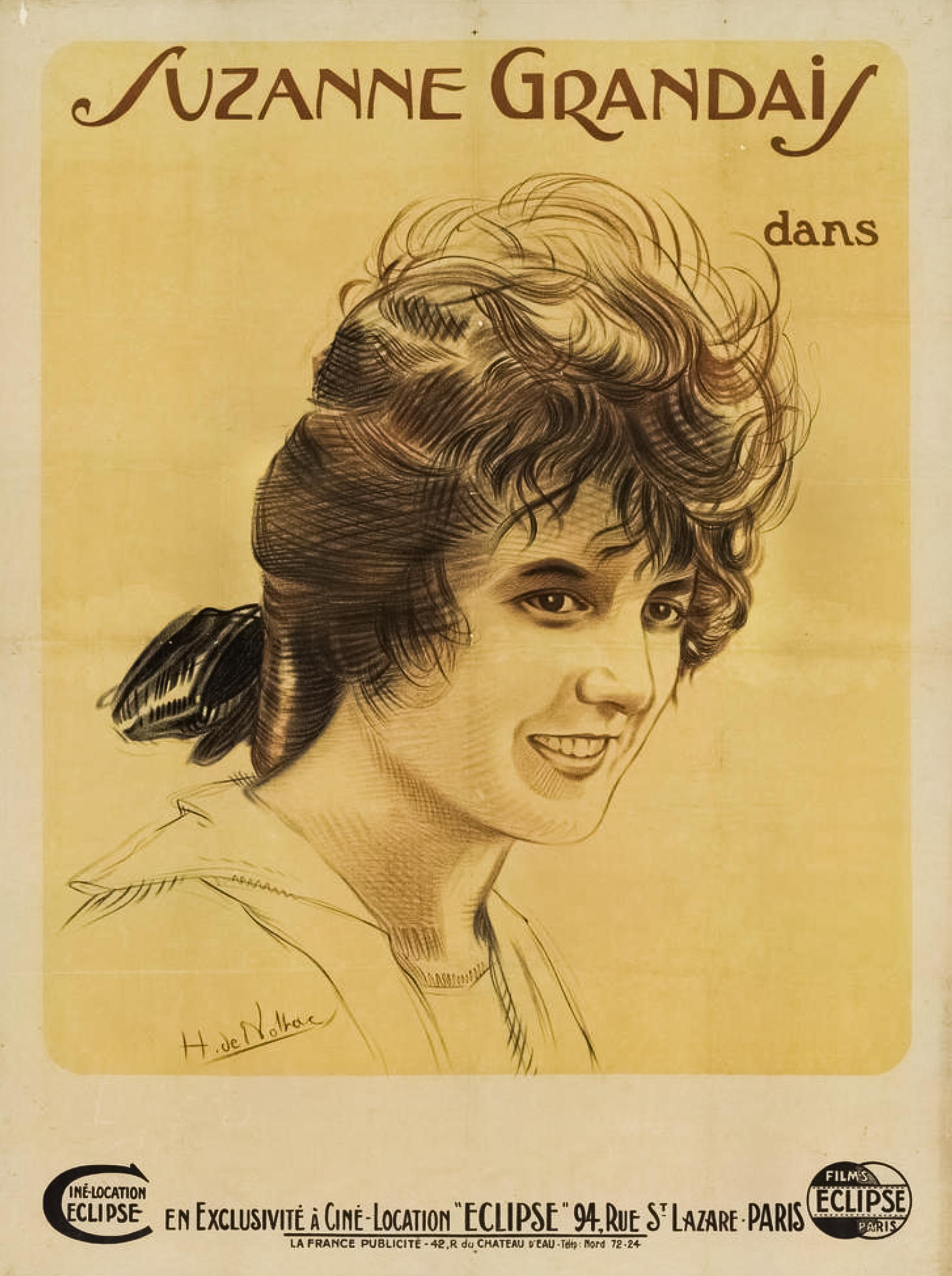
Dir: René Hervil
A fascinating piece of cinema that shares thematic elements.
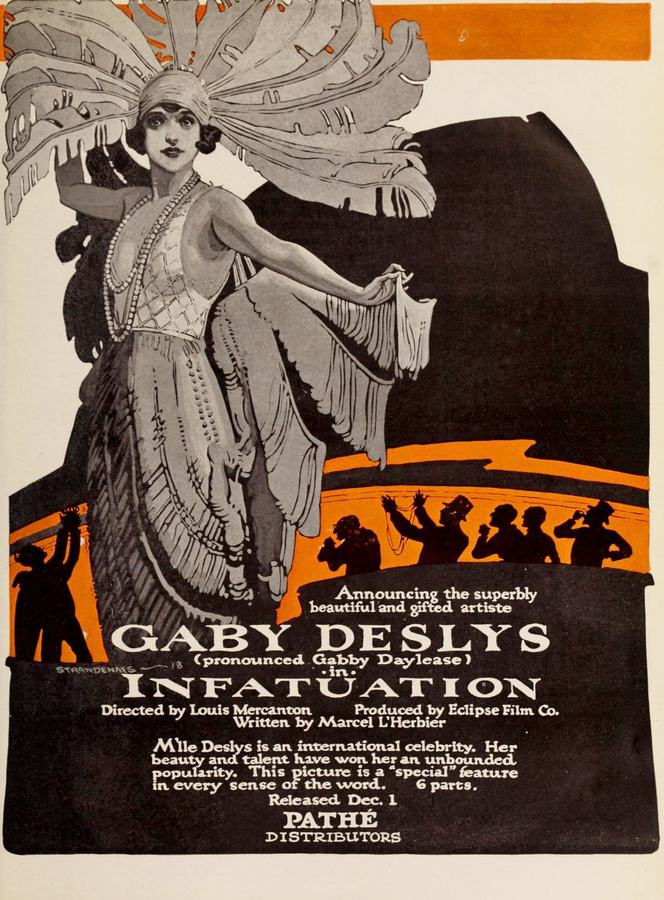
Dir: René Hervil
Flora Nys, a poor flower girl of Paris faces hard times. Her rent overdue, Le Baron, the landlord, oppresses her and puts before her a shady proposition. Indignantly she orders him out of her room. When she takes up her flowers, preparatory to going forth to sell them, she discovers that Le Baron has trampled on them. Tempted by her poverty she steals a fur in a department store. Le Baron sees her and follows her into the street where the girl, conscience-stricken, throws it away. Le Baron picks it up and follows her to the home of Paul Bernard, an actor, who every year gives a Christmas party to certain poor children of Paris. Bernard redeems the fur and, attracted by Flora's loveliness, asks her to become his wife. In time, Flora becomes an expert dancer and leading woman at Bernard's theatre. Gray Stanton, a wealthy rounder, attracts Flora. He endeavors to entice her away from her husband in which task he is assisted by Le Baron, who harbors revenge. On the night of the opening of a new production, Flora deserts the theatre, influenced by a trumped up story regarding Stanton's injury. She discovers the lie and returns to Paris to discover that her husband is suffering from an attack of brain fever occasioned by her flight. She devotes her time in efforts to bring back his memory and finally when another Christmas rolls around she dons her old clothes and sits before the open fire place as she did when Bernard first met her. This has the desired effect. Bernard's memory is restored and he readily forgives the past when he learns the unhappy story of Stanton from his wife's own lips. Motion Picture News, December 14, 1918
View Details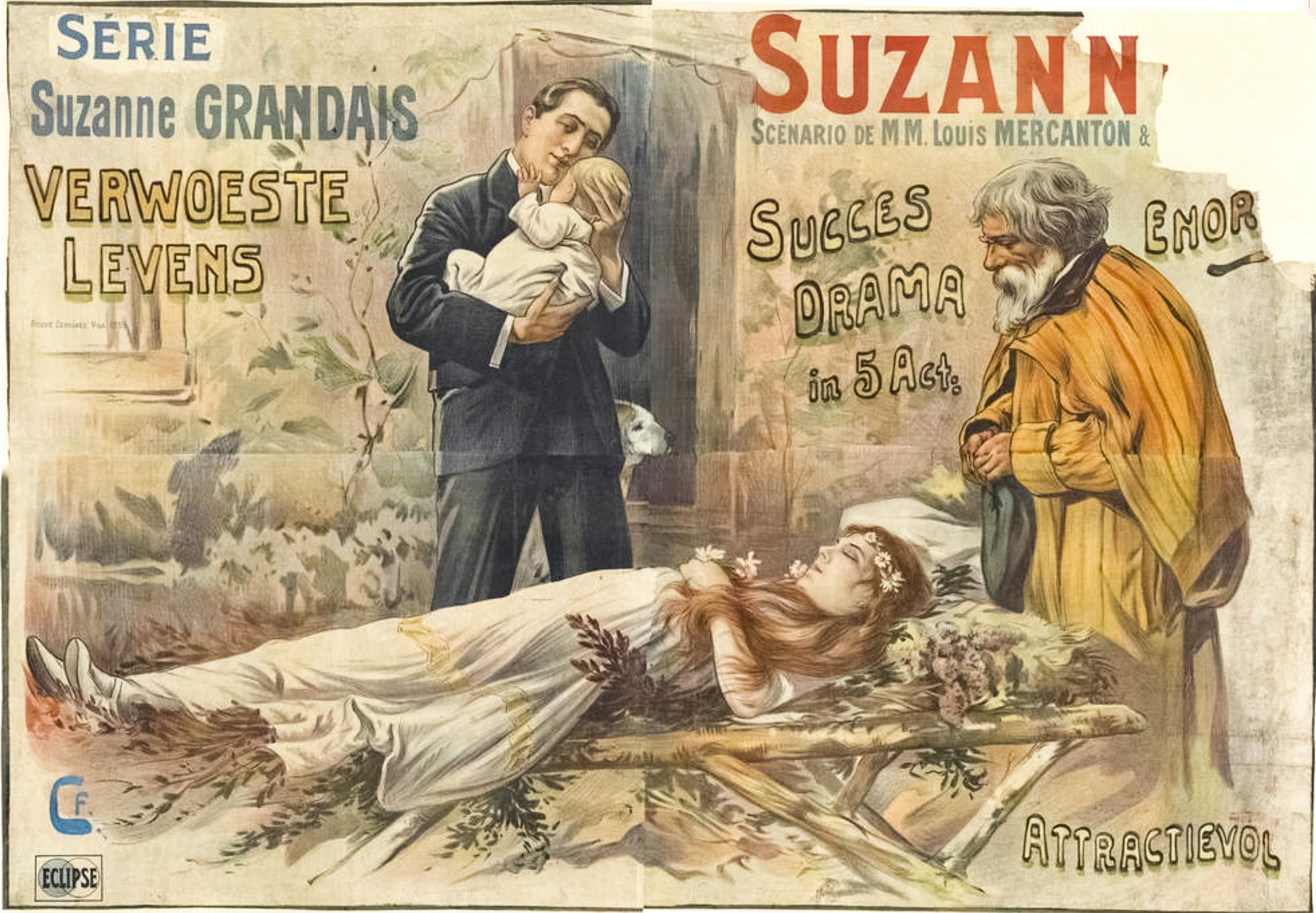
Dir: René Hervil
Suzanne Daubray, whose brother went off to war, is courted by the Prince of Sylvania who is engaged to Princess Sonia.
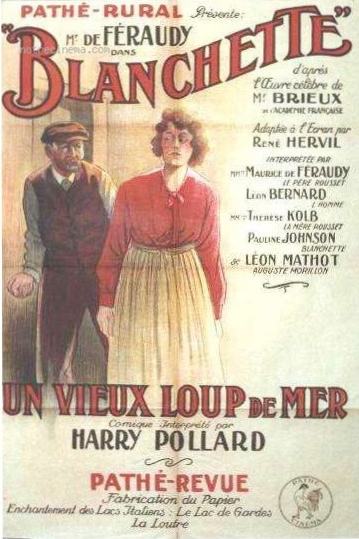
Dir: René Hervil
Blanchette, whose parents have sacrificed to give her an education, has received her teaching diploma, but is unable to find work. A dispute with her father leads to her being throw out of the house, and she goes to Paris to look for work.
View Details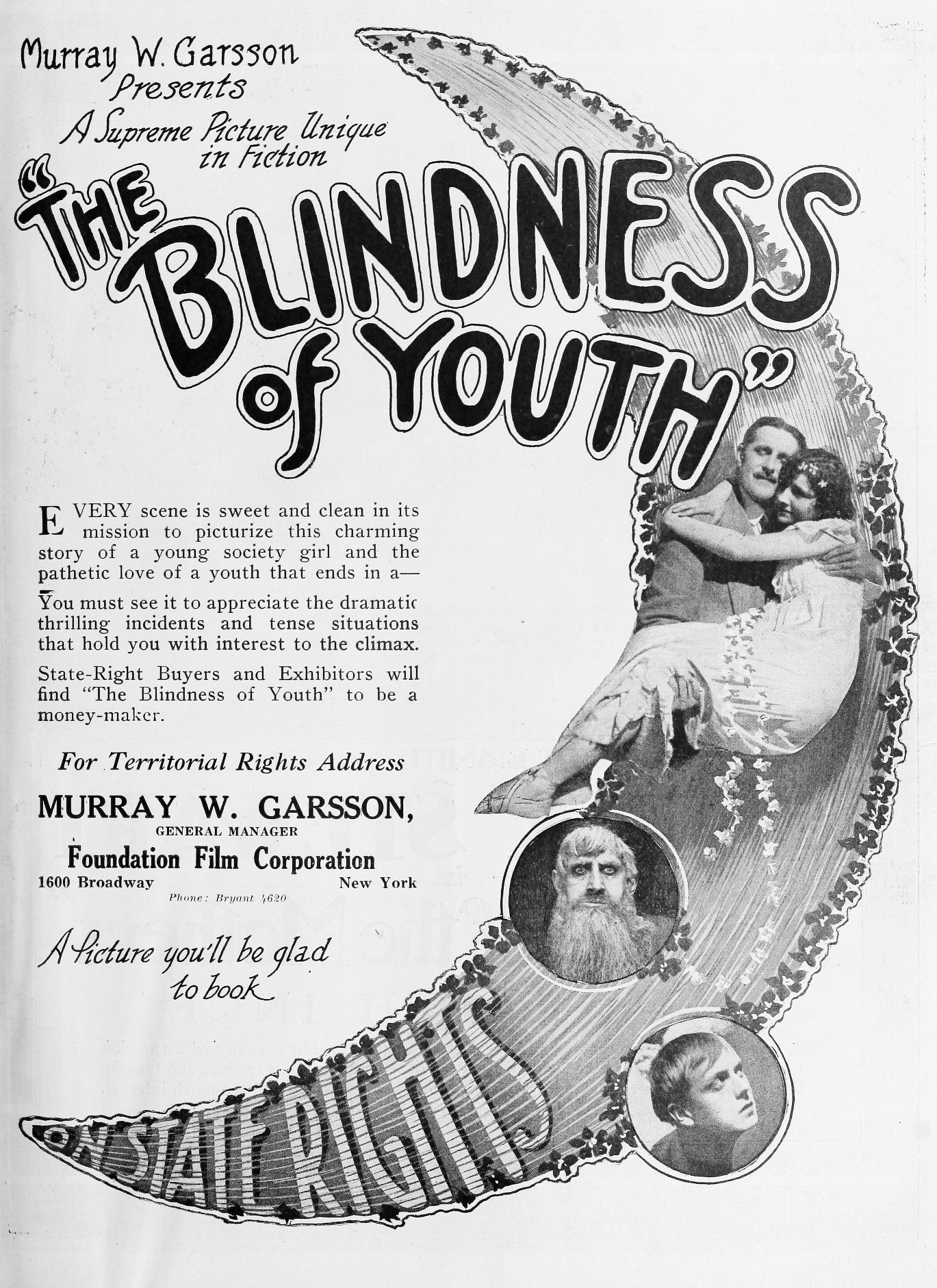
Dir: René Hervil
A fascinating piece of cinema that shares thematic elements.
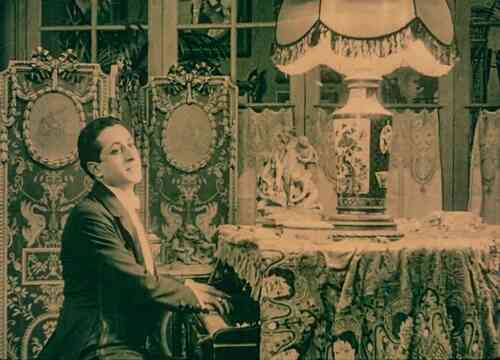
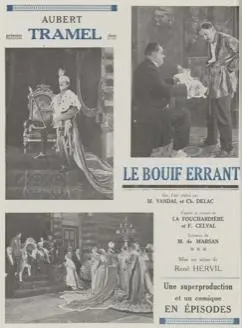
Dir: René Hervil
Bicard nicknamed Le Bouif earns 1,000 francs for lending his body to the experiments conducted by Professor Caligari. Further adventures await him when he encounters Ladislas, a young reveler, who happens to be the crown prince of Corinthia. This one, who favors living it up over his royal duty, commissions Bicard to replace him on the throne...
View Details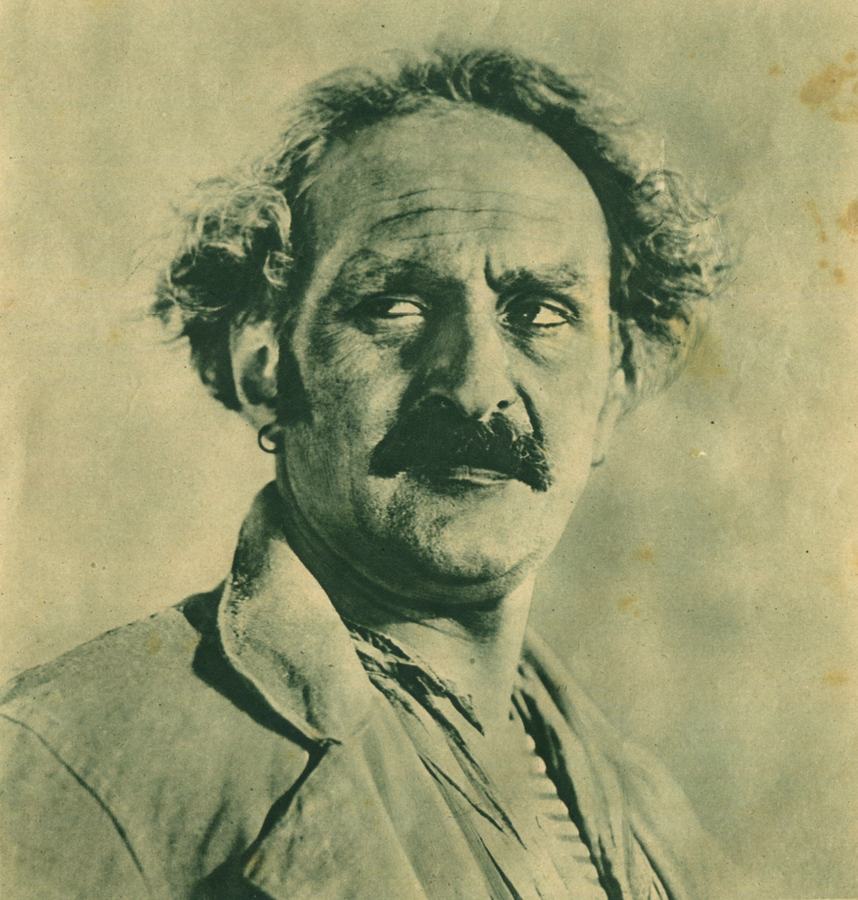
Dir: René Hervil
A fascinating piece of cinema that shares thematic elements.
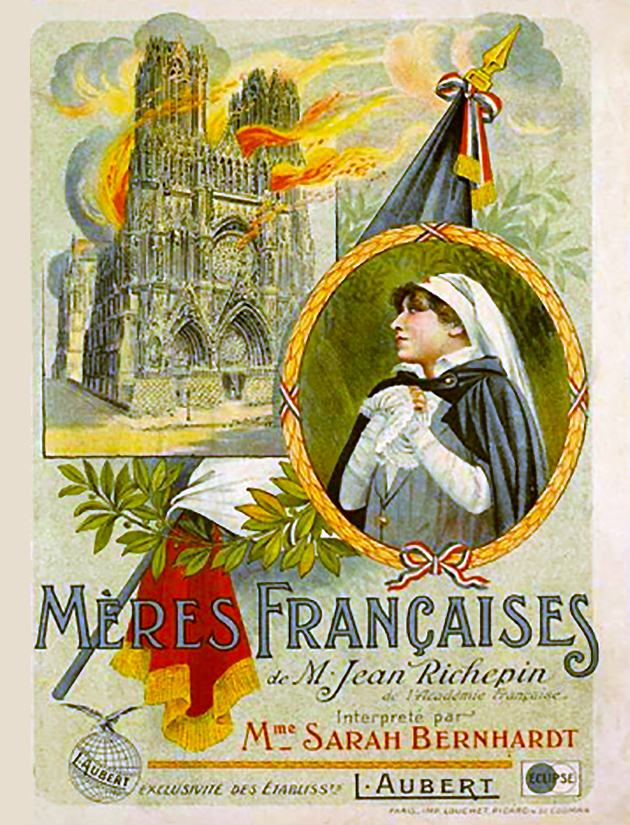
Dir: René Hervil
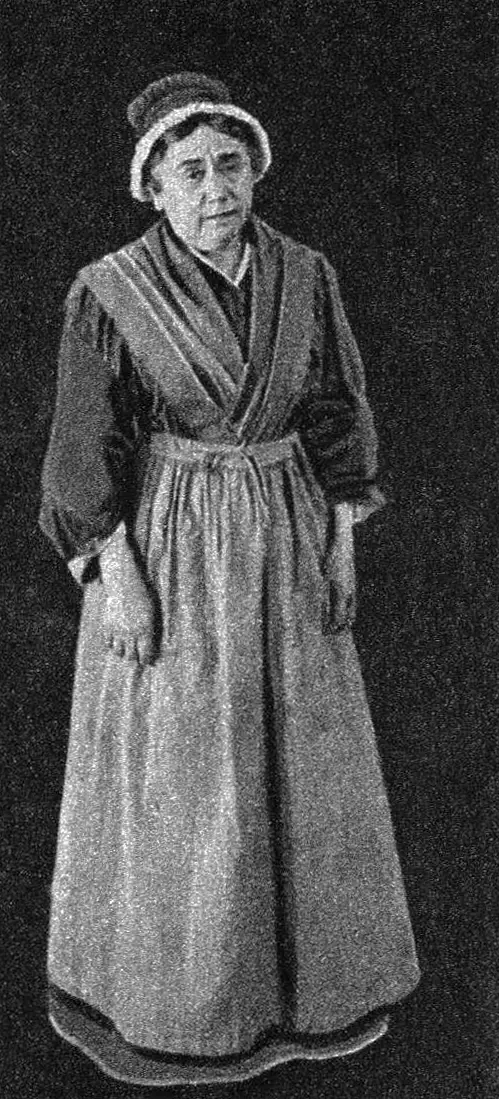
A mother loses first her son and then her husband in the trenches of France during the First World War. She devotes herself to the French cause and to helping those wounded in the war.
View Details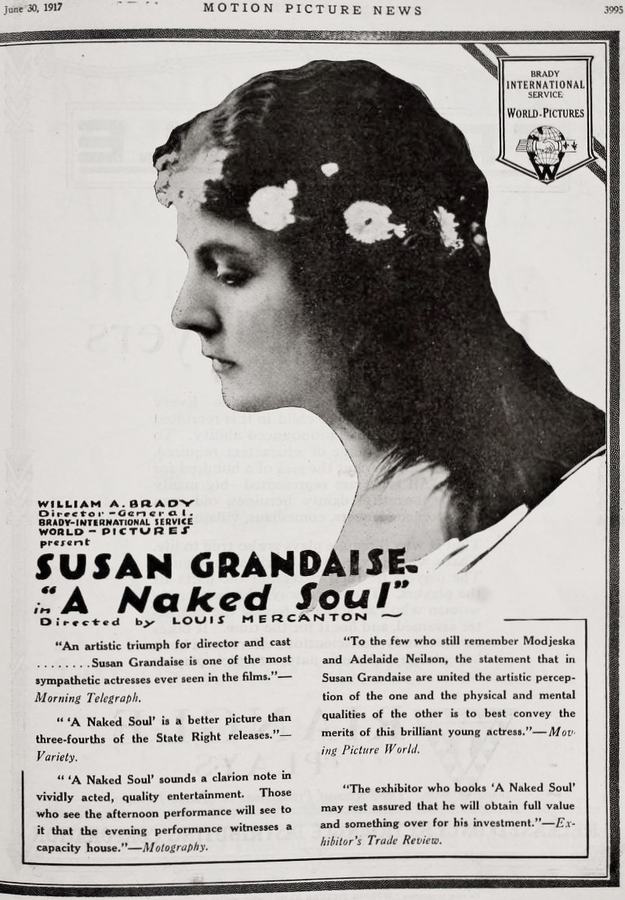
Dir: René Hervil
Susan Daubray's father, a judge, insists upon her reading law. Her brother, Robert, is her only real companion. She has a kind friend in Daddy Dorand, a goatherd on a neighboring island. Prince Michael of Sylvana is visiting the Duke of Valdimere, whose castle is near Susan's home. Susan meets the Prince and they become close friends. The Prince is called to Paris to meet Princess Sonia. He writes to Susan, but his letter is intercepted by the Duke, who disapproves of the acquaintance. Susan, unable to bear the sorrow of the loss of her friend, goes to the Duke's castle to learn the reason why the Prince does not write. While in the castle she faints and a ring which the Prince had given her is taken from her finger by the Duke and returned to its original owner, the Prince. The Prince thinks that Susan has forgotten him and he consents to marry the Princess. A baby is born to Susan and she is told by her father to leave his house. She goes with the goatherd to live. Her brother, who has gone to America, returns and, learning of the Prince's deceit, seeks him out an in a fight and he, the brother, is thrown over a balcony and killed. The Prince then learns of the intercepted letter and finds Susan and they are reconciled. Susan, after the reconciliation, is content to die in her happiness and drowns herself.
View DetailsAnalysis relative to Le ruisseau
| Film Title | Atmosphere | Complexity | Similarity |
|---|---|---|---|
| Jeanne Doré | Tense | Dense | 96% Match |
| Suzanne, professeur de flirt | Ethereal | Linear | 95% Match |
| Infatuation | Gothic | Abstract | 90% Match |
| Suzanne | Gritty | Layered | 96% Match |
| Blanchette | Tense | High | 98% Match |
This guide was algorithmically generated using the cinematic metadata of René Hervil's archive. Last updated: 8/16/2026.
Back to Le ruisseau Details →