
DbcultAccessing Vault...
Recommendations
Senior Film Conservator
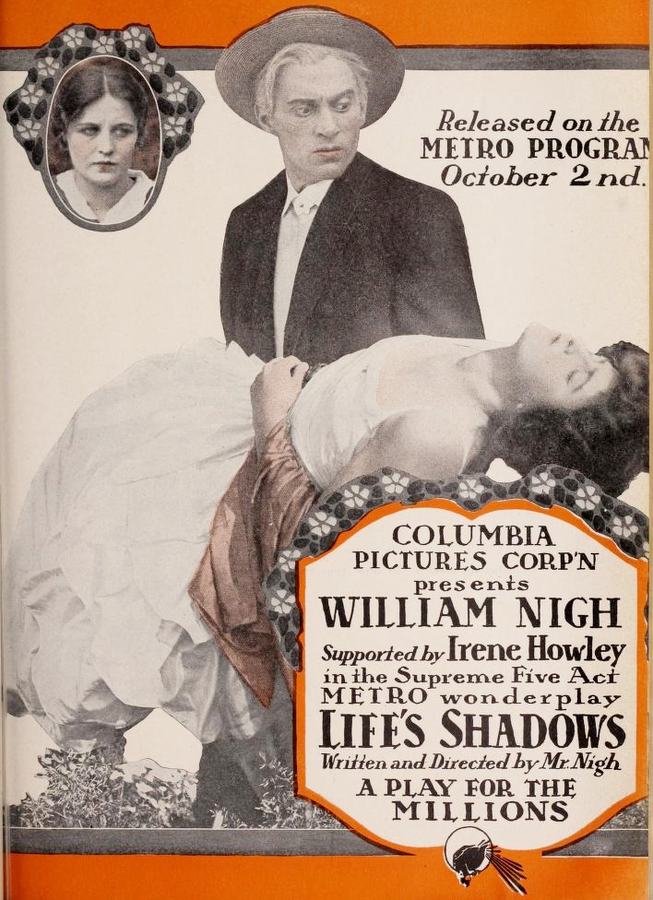
If you found yourself captivated by the unique vision of Life's Shadows (1916), the profound questions raised in 1916 still require cinematic answers today. Experience the United States influence in these recommendations that echo Life's Shadows.
Life's Shadows remains a monumental achievement to provide a definitive example of William Nigh's stylistic genius.
The townspeople of Purity despise Martin Bradley because of his heavy drinking, but he still does his best to make life better for the town. He helps to support two women who have been socially ostracized by the townspeople, and during the election campaign for mayor, exposes the corruption and dirty tricks of candidate James Durkel, resulting in the election of his opponent Chester Thorndyke. However, the voters of Purity insist that Thorndyake disavow his ties to Bradley, whom they regard as disreputable.
Based on the unique unique vision of Life's Shadows, our vault has identified these titles as the most compelling follow-up experiences for fans of cult cinema:
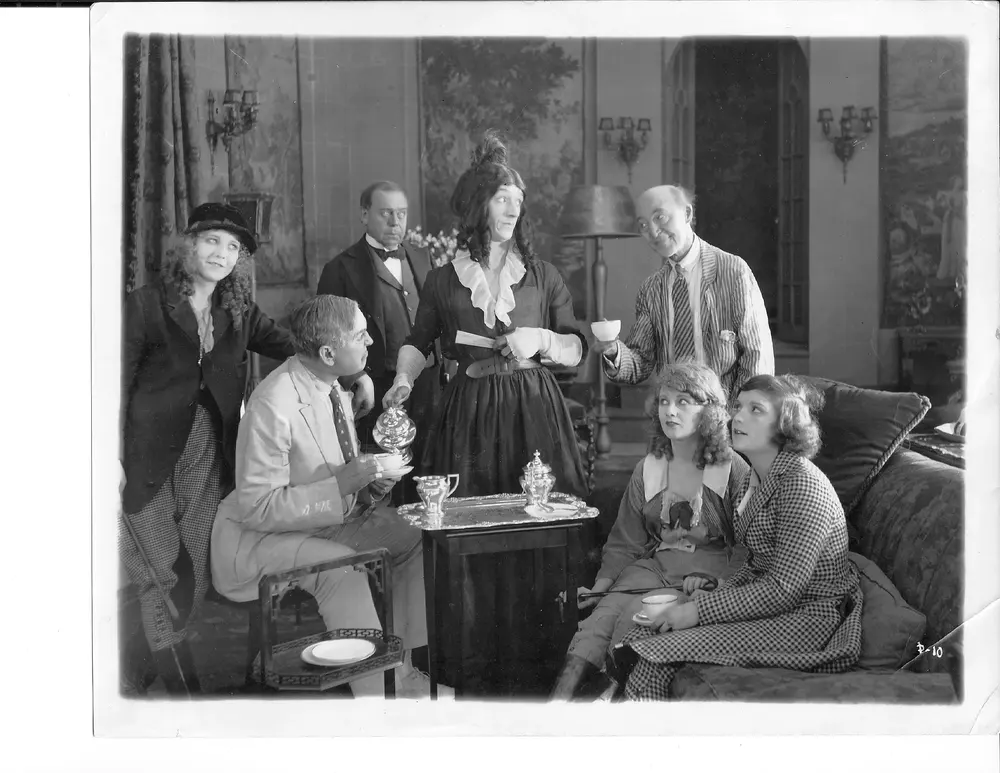
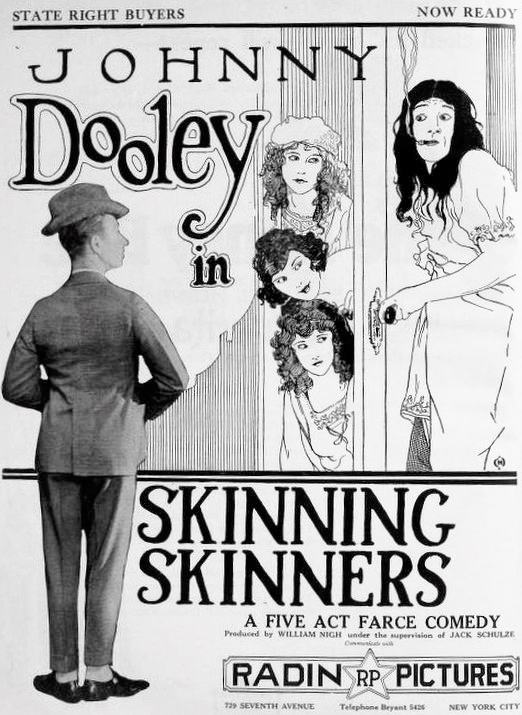
Dir: William Nigh
A fascinating piece of cinema that shares thematic elements.
View Details
Dir: William Nigh
Caroline works at a hair dressing parlor. A wealthy man falls in love with her, takes her home and proposes to her. Caroline has a dream where she marries the man, who turns vicious and keeps her locked up in his mansion. He finally dies, and Caroline starts out having a good time with his money, but she sees the folly of her ways. She wakes up from the dream.
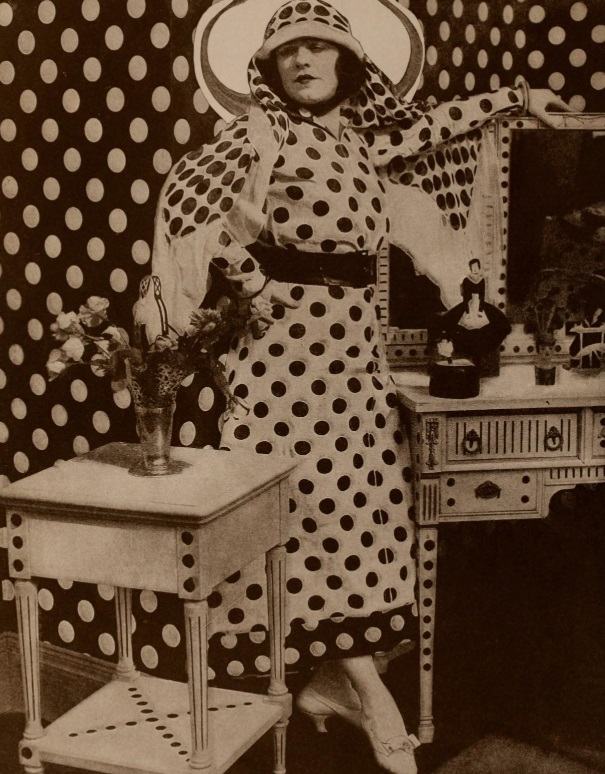
Dir: William Nigh
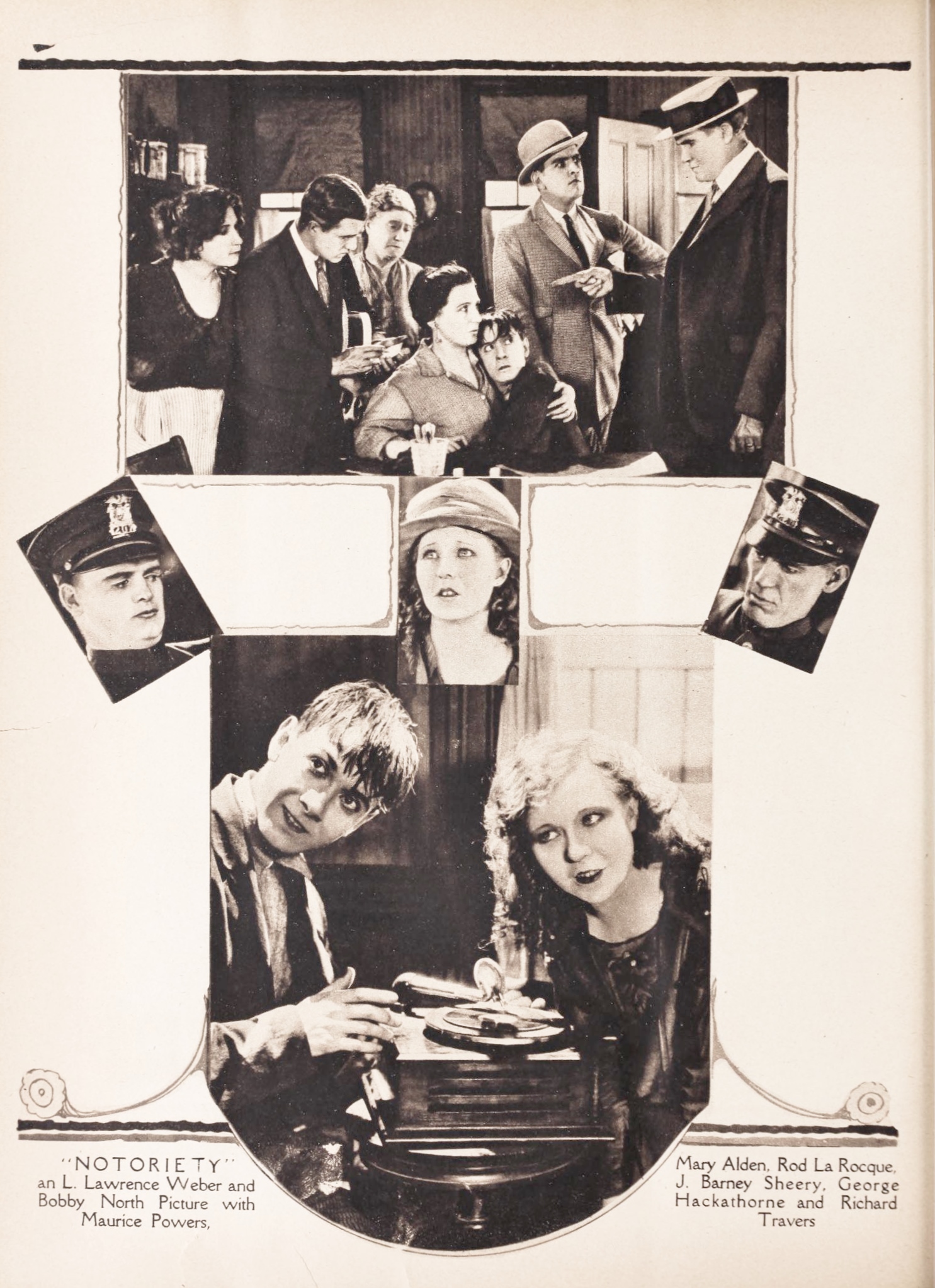
Pigeon Deering, a girl of the tenements, while watching a society ball through a window, witnesses a murder and is arrested. Because she craves notoriety, Pigeon confesses to the crime. During her trial, attorney Arthur Beal exposes the murderer and urges her not to accept any offer from theatrical producers hoping to cash in on her "fame." When Pigeon rejects his advice, Arthur fakes an offer, which she accepts, and has her brought to his country farm for "rehearsals." An attack by a hired man, who assumes from her publicity that she is susceptible, finally convinces Pigeon of her mistake, and she accepts Arthur's proposal of marriage.
View Details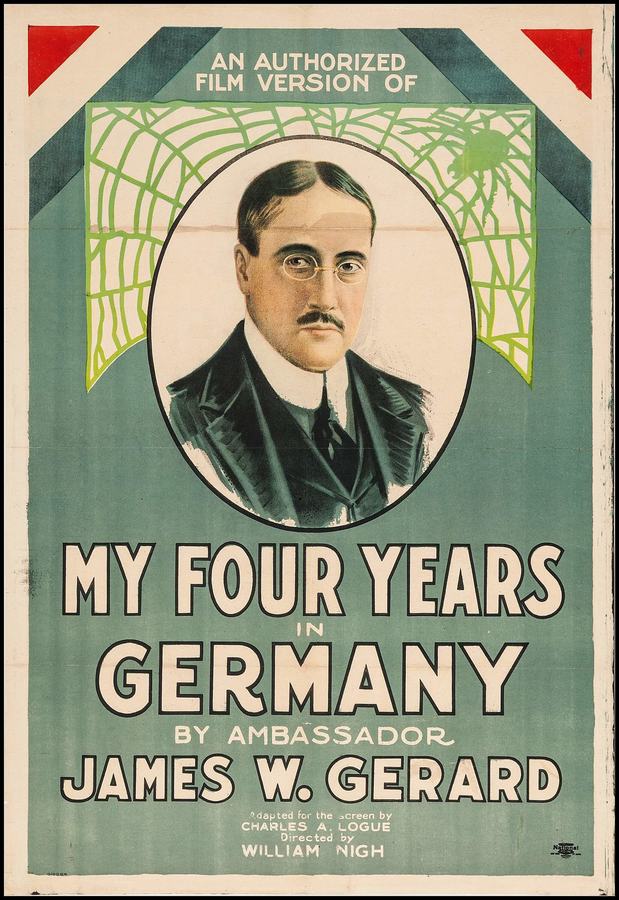
Dir: William Nigh
The experiences of the American ambassador to Germany, James Gerard, are recounted in this semi-documentary.
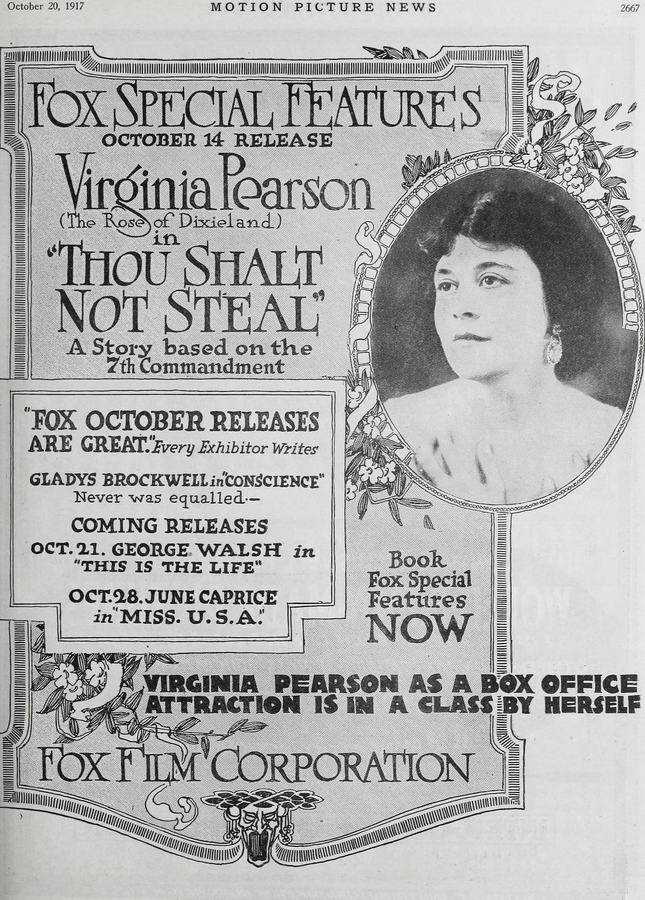
Dir: William Nigh
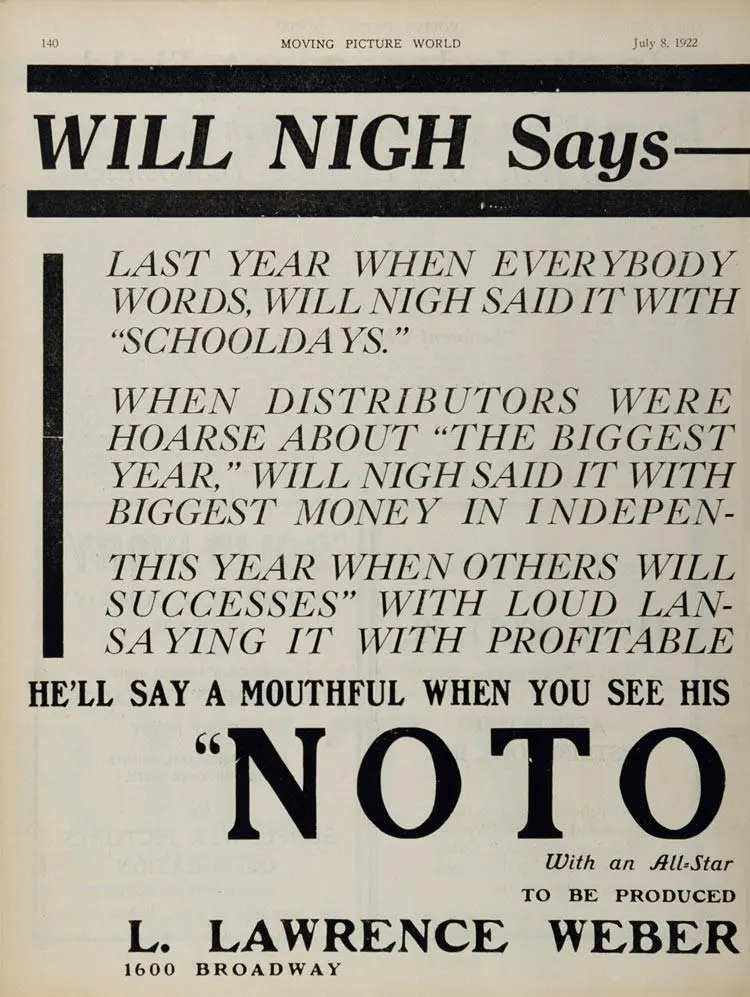
Mary Bruce is wooed by Lord Haverford but loves Roger Benton, her father's secretary. To finalize his marriage proposal, Lord Haverford offers her father a large sum of money and, being low on funds, Mr. Bruce accepts it, then places it in a safe. Horrified by her father's actions, Mary steals the cash from the safe that night, but on her way out is overcome by another thief whose wrist she bites in the ensuing tussle. When the theft is discovered, Mary, Benton and Mr. Bruce are suspected, but Dr. Steele, a detective, convinces Mary that Haverford, or the man who calls himself Haverford, is the actual thief. Steele tells how the phony Haverford attempted to kill the real one, stole his money, assumed his identity and is now extorting cash from Bruce. With the bitten wrist as proof, Steele exposes the impostor, then reveals himself to be the real Lord Haverford, whose sweetheart has been posing as the Bruces' maid. The mystery resolved, Mary and Benton happily reunite.
View Details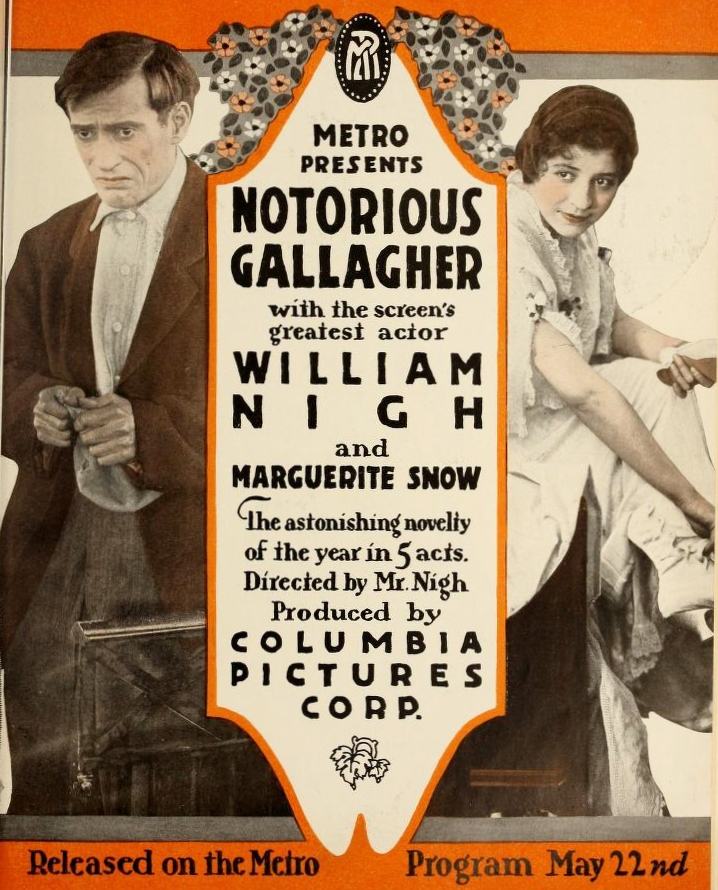
Dir: William Nigh
"Buttsy" Gallagher is a harmless young product of the slums. In all his life he has never been of the slightest importance. His spirit is so submerged that he has almost forgotten how to get angry. One night the gaiety going on in Judge Winters' home attracts him, and he crouches on the fire-escape to watch it. He becomes interested in the Judge, in his pretty daughter Peggy, in her cousin Flo, in Flo's admirer, the Count, and in Bob Ewing, a struggling young lawyer. Then he falls asleep on the fire-escape. Peggy is fascinated with the Count and decides to cut Flo out, if she can. She consents to meet him in the drawing-room after the household is asleep. Scarcely are they concealed in the window niche when the house is burglarized. "Frank the Mex" and "Lefty Jake," securing their booty, pass through Flo's room when Flo awakens and screams. A servant who runs to see what is wrong is killed, and the crooks escape through the window, where "Buttsy" is lying asleep. They roll him over into the room. "Buttsy" is arrested as the murderer. "Buttsy" finds himself suddenly famous. Women send him flowers. Great men argue about his case. The people in his home alley decide that he has more in him than they thought. Peggy, who was hidden in the other window and who knows that he is not the murderer, does not dare speak for fear of injuring her reputation. Bob Ewing takes up the case. He is sure "Buttsy" is not guilty, and finally makes Peggy tell what she knows. Her father, Judge Winters, makes her marry the Count. "Buttsy" is given a new trial and is released under a five-year probationary sentence for having committed perjury. He has "confessed" to the murder, delighted at having so much attention. Brought into prominence by "Buttsy's" trial, Bob is engaged by a firm of unprincipled men to condemn and take over for a reservoir some land belonging to Judge Winters and some farmers in his old home town. The two crooks, "The Mex" and "Lefty," are hired, and bind and gag the Judge when he tries to fight the matter in the town council. Peggy and the Count, who follow, are about to meet the same fate, when "Buttsy" intervenes. He has left the city because it is not interested in him except as a criminal. The Judge accuses him of being mixed up in the conspiracy and his long-buried spark of anger flames forth. He puts up the fight of his life. He and the Count turn on the hobos, and "The Mex," the slayer of the servant, is mortally wounded, confessing just before he dies. Flo gives Bob a piece of her mind. She tells him exactly what she thinks of him for having turned traitor to her uncle's interests in such a cowardly fashion. She rouses the sleeping manhood within him. He goes to the council meeting and argues, not against the Judge, but for him, winning the case. Flo forgives him, and they are married. Peggy cannot help admiring the Count's valor when she sees him fighting the crooks, and thereafter the marriage is a real one, as for "Buttsy" he sees again the girl known in his tenement home as "The Pest." Now she is a lovely young woman. She has become a trained nurse and he asks her to be his own private nurse as long as he lives.
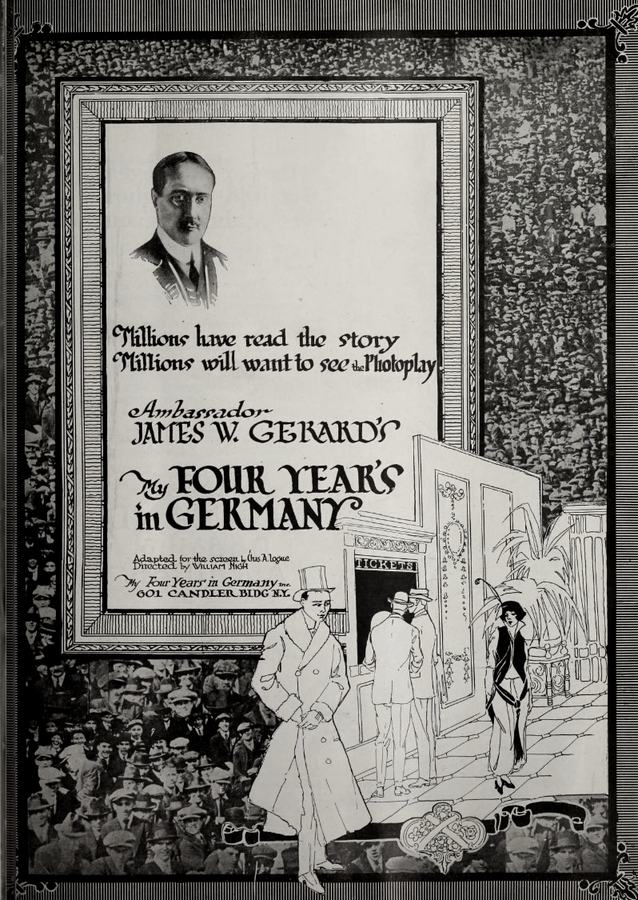
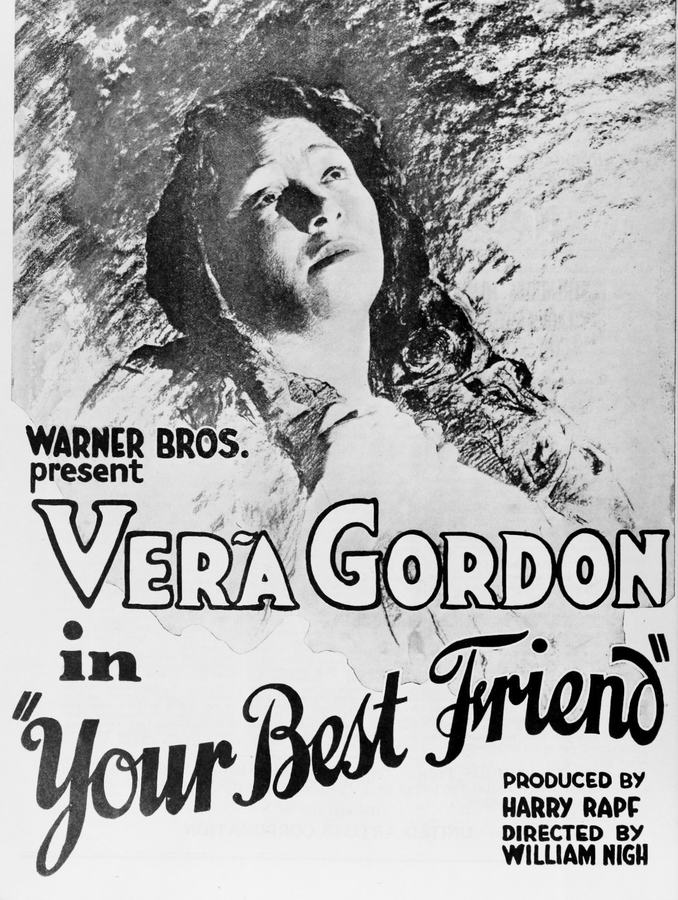
Dir: William Nigh
A Jewish mother in New York finds herself at odds with her son's new wife, a pretty Gentile girl.
View Details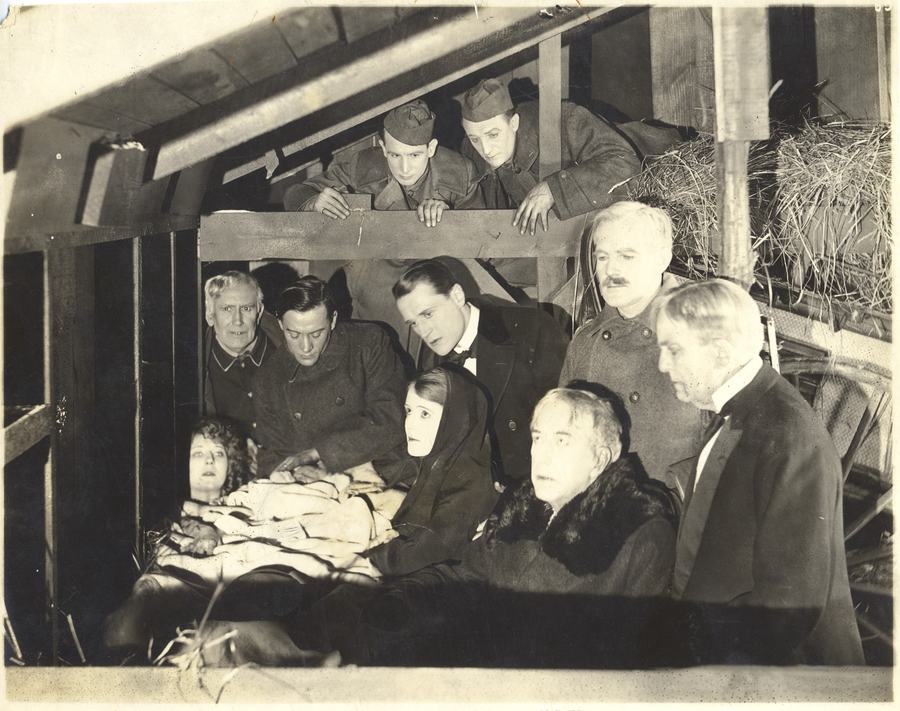
Dir: William Nigh
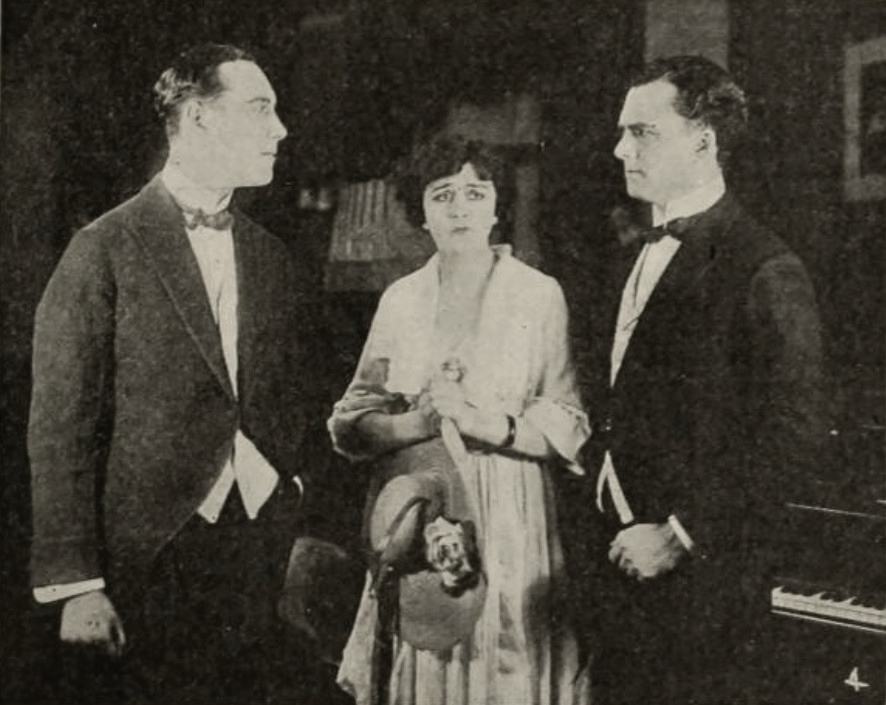
A powerful financial magnate is plotted against by his greedy son.
Dir: William Nigh
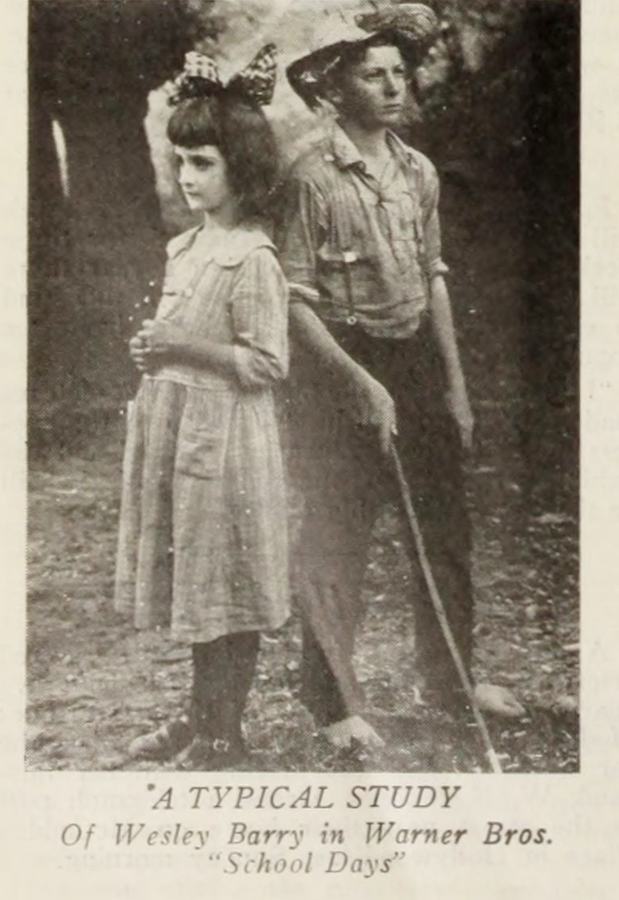
A naive young man, raised poor in a small town, comes to New York City to make his fortune. Overwhelmed by the city's hustle and bustle, and entranced by the rich and sophisticated high-society types he comes into contact with, he eventually finds himself caught up in the city's seedy underworld.
View Details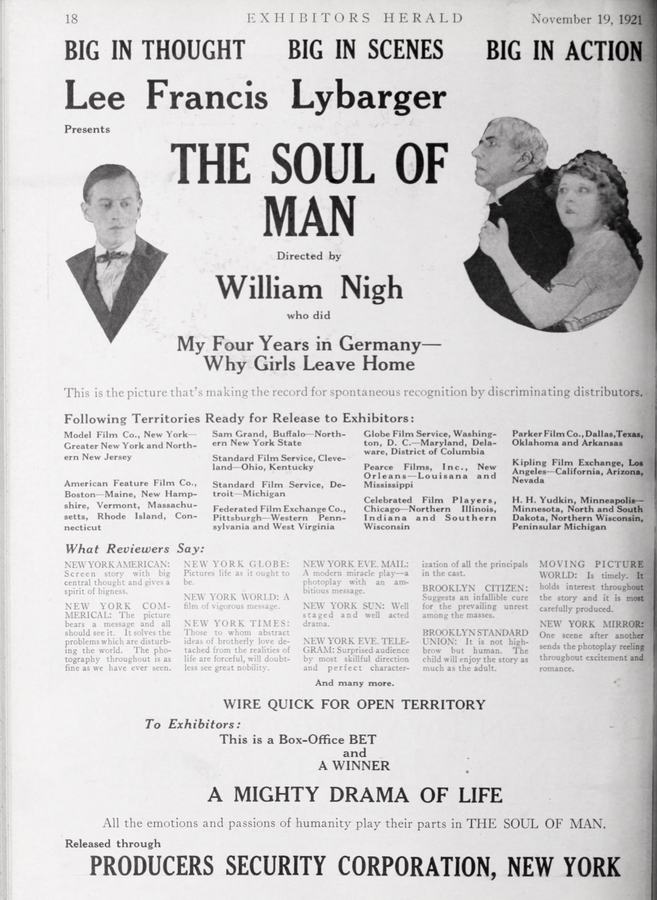
Dir: William Nigh
In his desire to gain the whole world and be a power god, an arrogant rich man almost loses all when his own flesh and blood double-crosses him. But a grandson who refuses to permit greed of gold to destroy his ideals, and a sweet blind girl--one of God's innocent children--show the old man and his unscrupulous kin that the greatest possession is love.
View DetailsAnalysis relative to Life's Shadows
| Film Title | Atmosphere | Complexity | Similarity |
|---|---|---|---|
| Skinning Skinners | Gothic | High | 85% Match |
| The Slave | Ethereal | Layered | 91% Match |
| Notoriety | Surreal | Abstract | 89% Match |
| My Four Years in Germany | Ethereal | Linear | 88% Match |
| Thou Shalt Not Steal | Gothic | Layered | 91% Match |
This guide was algorithmically generated using the cinematic metadata of William Nigh's archive. Last updated: 6/27/2026.
Back to Life's Shadows Details →