
DbcultAccessing Vault...
Recommendations
Senior Film Conservator
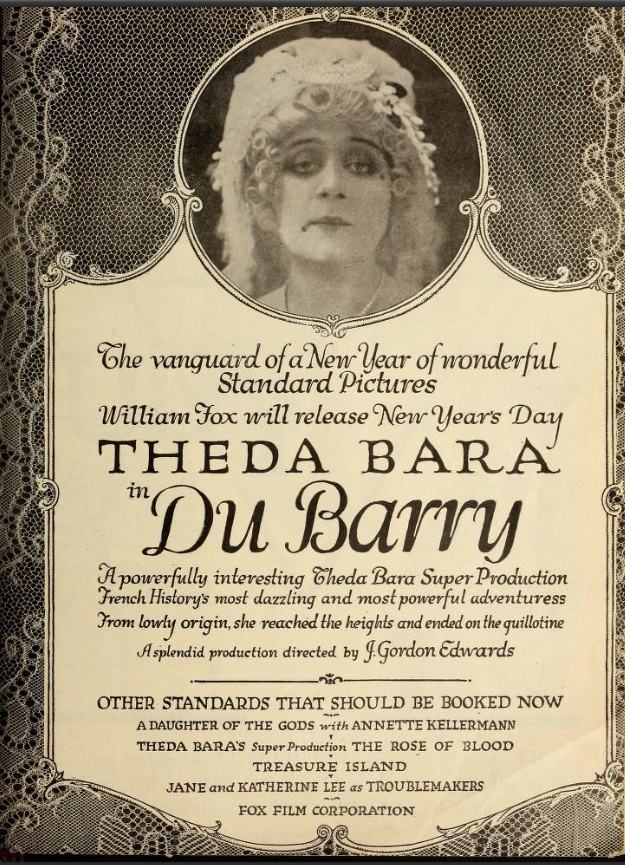
Navigating the complex narrative architecture of Madame Du Barry is a unique vision experience, the emotional payoff of the 1917 classic is what fans crave in similar titles. The following gems are essential viewing for anyone captivated by Madame Du Barry.
The artistic audacity of Madame Du Barry ensures it to define the very concept of unique vision in modern film.
Du Barry attracts the attention of the King of France as he rides through the streets. A meeting follows, she losing her garter and the King his heart. Installed at court, Du Barry holds the King's favor in spite of her love for a soldier. The King dies and Du Barry plans to wed her soldier sweetheart, but she falls a victim of the Revolution.
The influence of J. Gordon Edwards in Madame Du Barry can be felt in the way modern cult films handle unique vision. From the specific lighting choices to the pacing, this 1917 release set a high bar for atmospheric immersion.
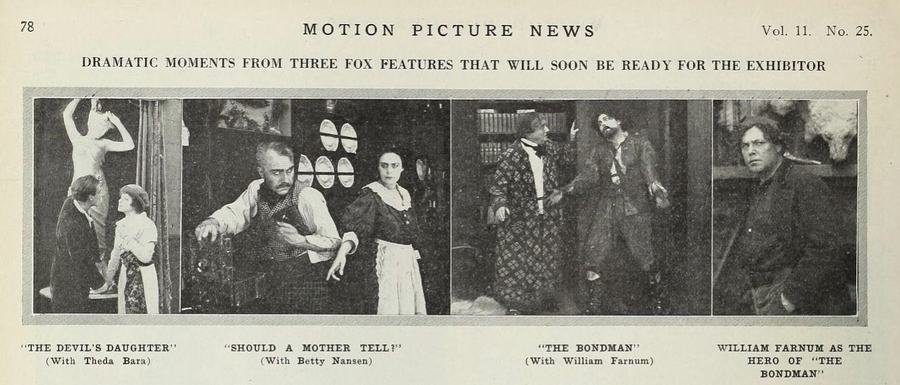
Based on the unique unique vision of Madame Du Barry, our vault has identified these titles as the most compelling follow-up experiences for fans of cult cinema:
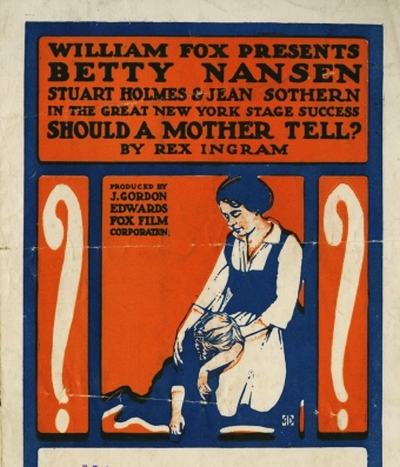
Dir: J. Gordon Edwards
Faced with the tragic responsibility of choosing between the happiness of her 16-year-old daughter Pamela or saving the life of an innocent man, Marie Baudin's first impulse is to sacrifice all for her own. But she has second thoughts that bring complications to all.
View Details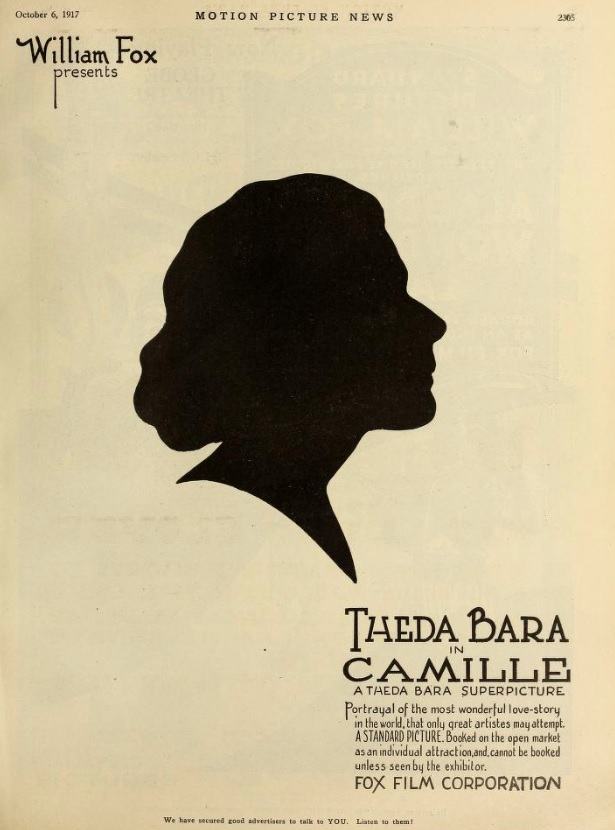
Dir: J. Gordon Edwards
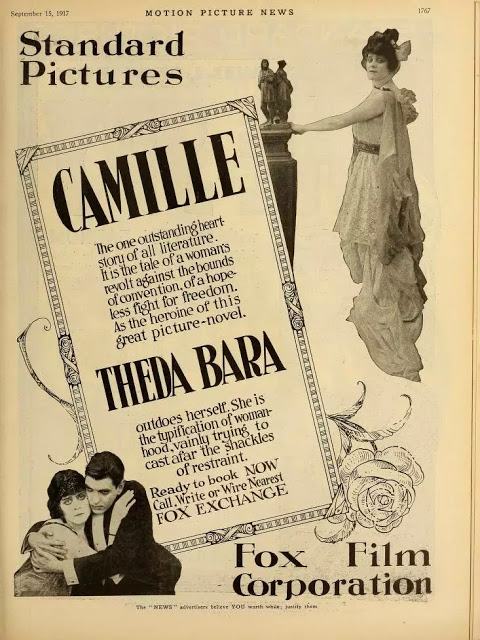
Camille is a courtesan in Paris. She falls deeply in love with a young man of promise, Armand Duval. When Armand's father begs her not to ruin his hopes of a career and position by marrying Armand, she acquiesces and leaves her lover. However, when poverty and terminal illness overwhelm her, Camille discovers that Armand has not lost his love for her.
View Details
Dir: J. Gordon Edwards
Mary Doone (Theda Bara) lives in a tenement parish house run by Pastor Elliott Clifford (A. H. Van Buren). Mary joints the front as a nurse, and meets war correspondent Lloyd Stanley (Stuart Holmes), whom she had known from London. Stanley is about to take advantage of her when their hospital tent is bombed. Mary finds the body of a young girl in the tent. The young girl is Ethel Wardley (Madeleine Lee Nard), who is the niece of Lady Clifford (Lucia Moore), mother of Elliott Clifford. Mary assumes Ethel's identity and is received by Lady Clifford as her niece. Elliott falls in love with Mary. Stanley returns to London with Ethel, who has recovered from her wounds. Mary confesses what she has done, and despite Lady Clifford's pleas for her to stay, she returns to the parish house to work with children.
View Details
Dir: J. Gordon Edwards
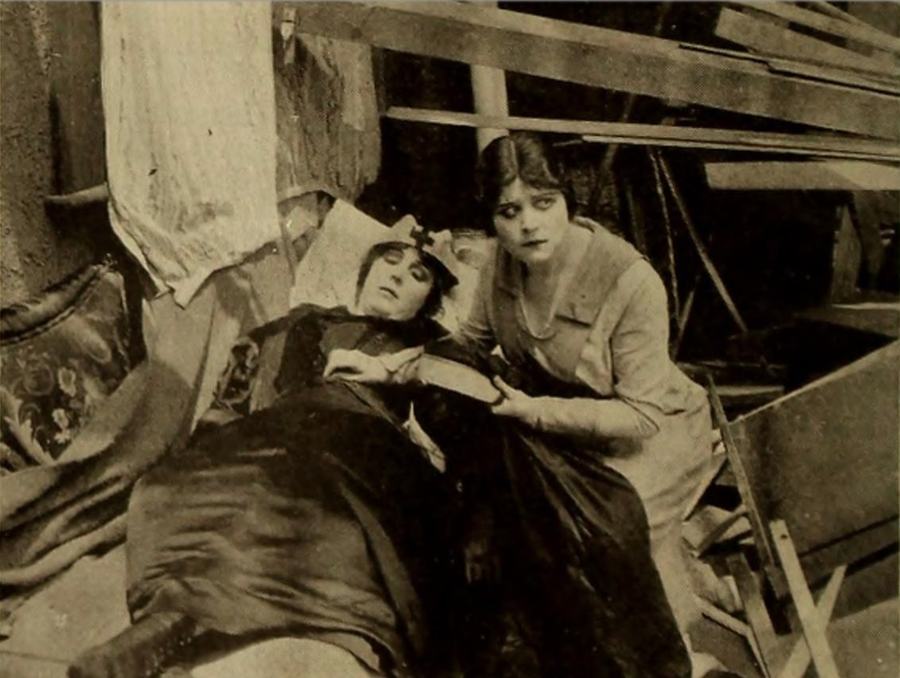
Shakespeare's classic tale of ill-fated lovers whose deaths bring peace to their warring families.
View Details
Dir: J. Gordon Edwards
A young Frenchman kills his best friend in a drunken fight. He vows to never touch another drop of liquor, but he goes back to the bottle when he hooks up with seductive Blanche Le Noir, and is soon an alcoholic. Blanche, however, prefers the sinister Lantier, and tries to use Lantier's daughter to get to him. However, the daughter is saved by the efforts of young American RIchard Lee, who marries her. Unfortunately, Lee's sister is seduced by Lantier. Complications ensue.
View Details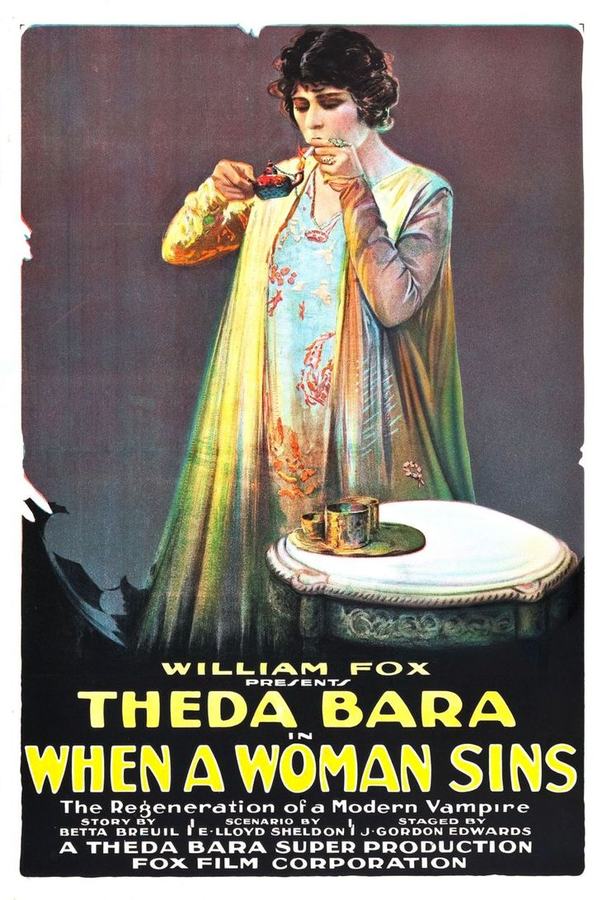
Dir: J. Gordon Edwards
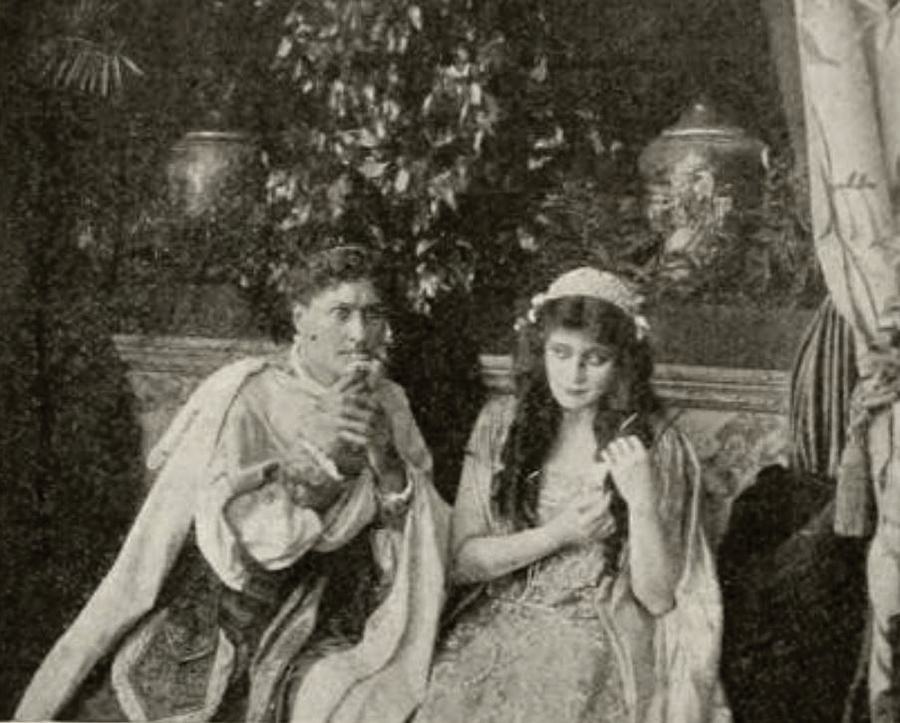
Bara is unusually cast as a nearly virginal nurse and actress. She does manage to get one man to blow his brains out before she reforms and marries an Episcopal priest.
View Details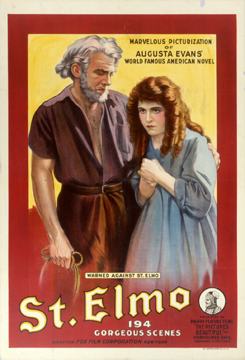
Dir: J. Gordon Edwards
After a love triangle results death, St. Elmo falls from grace and is eventually redeemed in this now lost silent film based on the best selling novel by Augusta Jane Wilson.
View Details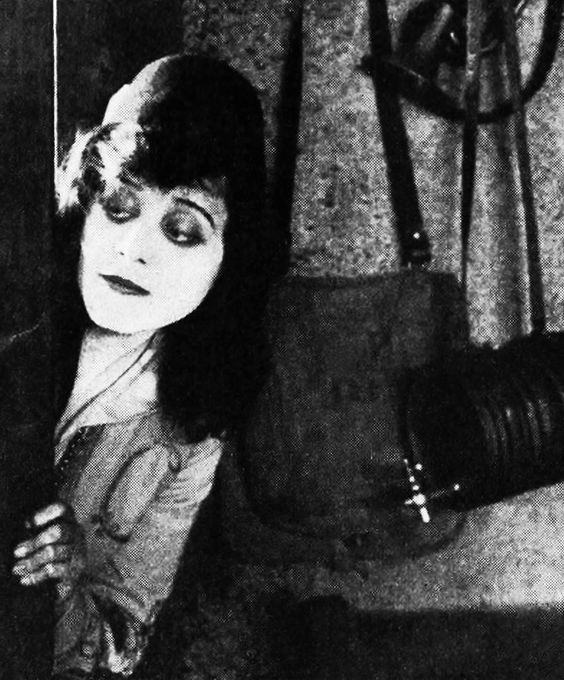
Dir: J. Gordon Edwards

Lewis Victor of the French Foreign Legion is actually Bertie Cecil, a British nobleman hiding from dishonour for a crime actually committed by his brother. He is loved by Cigarette, a camp follower, but he only has eyes for another. The commandant hates him, and Victor is constantly placed in danger in war-torn Algeria. Then his brother arrives, and with him, a chance to clear his name.
View Details
Dir: J. Gordon Edwards
The story tells of the maneuvering, the machinations and the subtle intrigue of Lady Dolly, Vere Herbert's mother, who is anxious to make an advantageous marriage for her daughter. In doing so she eventually schemes away her child's happiness by marrying her to Prince Zuroff. Some time before she was introduced to the Prince, Vere met and fell in love with Lucien Correze, an opera singer, who became attracted to her. Told by her mother that she must sever her friendship with the singer and marry the Russian Prince, Vere heartbroken, leaves Correze, and her wedding to the Prince is a social event. Soon after her marriage Vere discovers that the Prince is harboring his mistress, Duchess De Sonnaz, under the same roof. A scene follows, after which the Prince banishes his wife, together with her faithful German nurse, to a Russian monastery. Shortly after her incarceration she is followed to the retreat by Correze and Lord Jura, the latter a friend of her mother's. Correze entreats Vere to leave the place and go with him. She is about to succumb to his impassioned plea when the Prince enters the room. Words are followed by a duel in which the Prince and Lord Jura are both killed. The Princess, free, marries Correze.
View Details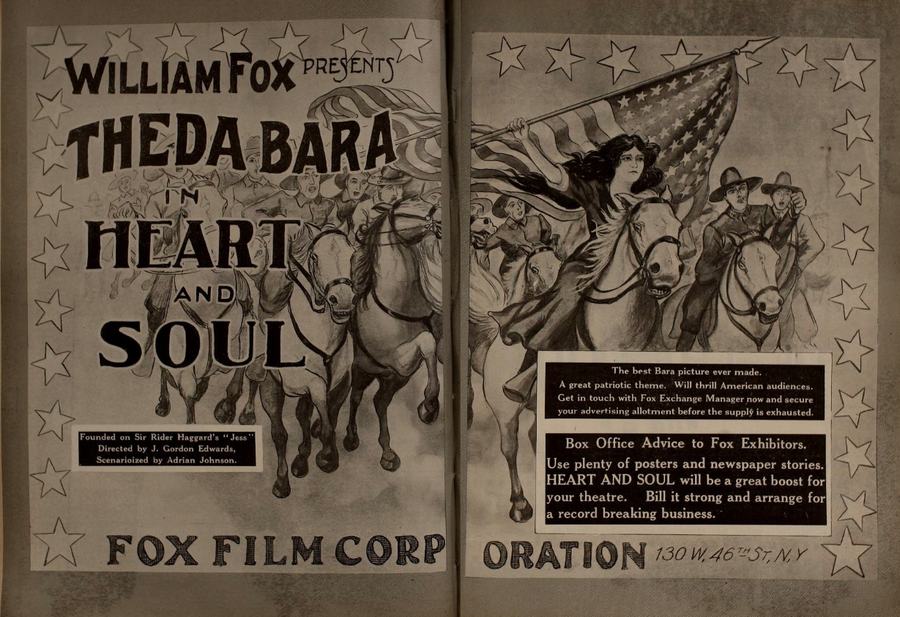
Dir: J. Gordon Edwards
Jess takes care of her younger sister Bess, she has always been her primary consideration, since the death of her mother. Years later, the two sisters are living with their uncle on his plantation in Puerto Rico when they meet John Neil, who immediately falls in love with Jess. Upon realizing that Bess is in love with the same man, Jess sacrifices her own happiness for that of her sister. Soon after, Drummond, a corrupt planter, starts a revolution against the United States government, and in the ensuing war the plantation and all its inhabitants are captured. Jess escapes and rides to the American garrison for aid, but during the fight she is mortally wounded. Her dying words are a blessing upon Neil and her sister Bess.
View DetailsAnalysis relative to Madame Du Barry
| Film Title | Atmosphere | Complexity | Similarity |
|---|---|---|---|
| Should a Mother Tell | Gritty | High | 95% Match |
| Camille | Gothic | Linear | 88% Match |
| Her Double Life | Surreal | Layered | 94% Match |
| Romeo and Juliet | Gritty | Linear | 98% Match |
| The Spider and the Fly | Gritty | Linear | 95% Match |
This guide was algorithmically generated using the cinematic metadata of J. Gordon Edwards's archive. Last updated: 8/16/2026.
Back to Madame Du Barry Details →