
DbcultAccessing Vault...
Recommendations
Senior Film Conservator
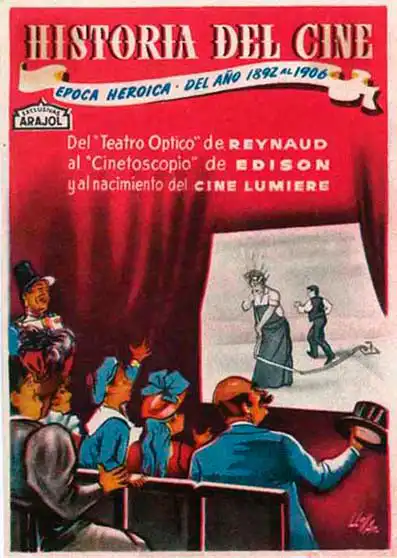
As a cultural touchstone of United Kingdom, March of the Movies resonates with its artistic bravery, its lasting impact ensures that its spirit lives on in modern recommendations. Our archive is rich with titles that mirror the artistic bravery of J. Stuart Blackton.
For many, the first encounter with March of the Movies is to provoke thought and inspire awe in equal measure.
A two-reel short from Alliance (produced in England and not the USA as some sources indicate)covering the history of "moving pictures" from 1848 to the (then) present, and even going into detail about how stationary frames of pictures are made to move, and how Sound is put onto the track. Footage from many silent films is used, including Mary Pickford (identified as Gladys Nicholson) in 1910's "Simple Charity", and Camille's death scene from "La Dame aux cemelias" in which Sarah Bernhardt dies standing on her feet (possibly to ensure the other performers didn't upstage her) and takes her own sweet time doing it. Marlene Dietrich sings "Falling in Love Again" from the English version of "The Blue Angel", which is good as the German-language title of that song is tough to write on a keyboard that has no accent marks. This short's title was changed to "March of the Movies" in the USA, which makes more sense than what most of the US film titles were changed to in England.
March of the Movies was a significant production in United Kingdom, showcasing the immense talent of J. Stuart Blackton Jr., J. Stuart Blackton, Marjorie Bonner. It continues to be a top recommendation for anyone studying History history.
Based on the unique artistic bravery of March of the Movies, our vault has identified these titles as the most compelling follow-up experiences for fans of History cinema:
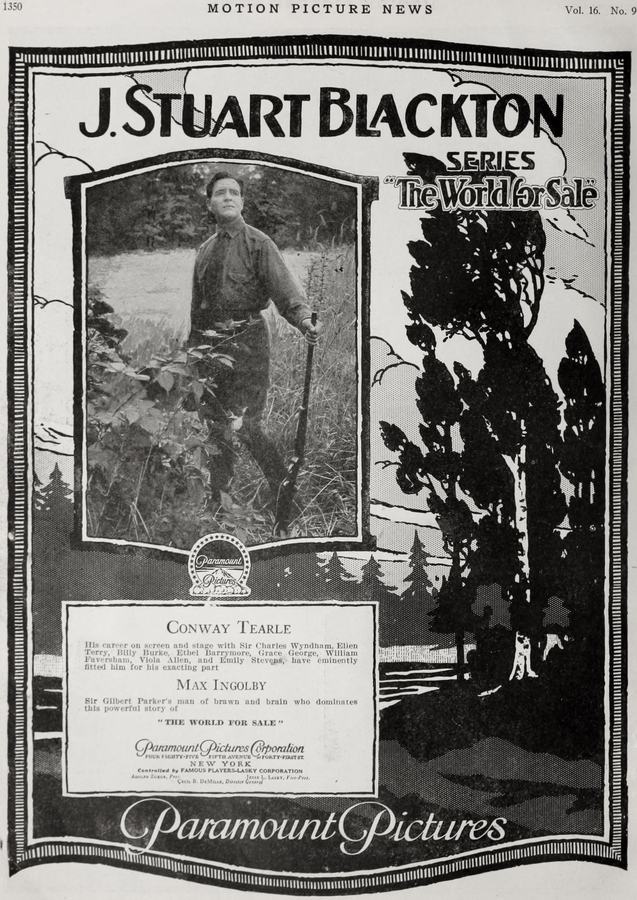
Dir: J. Stuart Blackton
The plot revolves around two rival towns in the Canadian Northwest, which are connected only by a bridge. Ingolby, a determined, idealistic engineer, is saved from destruction by the wild-eyed Fleda Druse, whose father is the local gypsy monarch.
View Details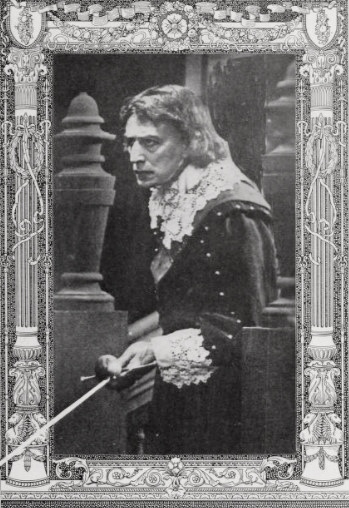
Dir: Maurice Elvey
A Royalist and his unknown son seek vengeance on his murdered wife's brothers.
View Details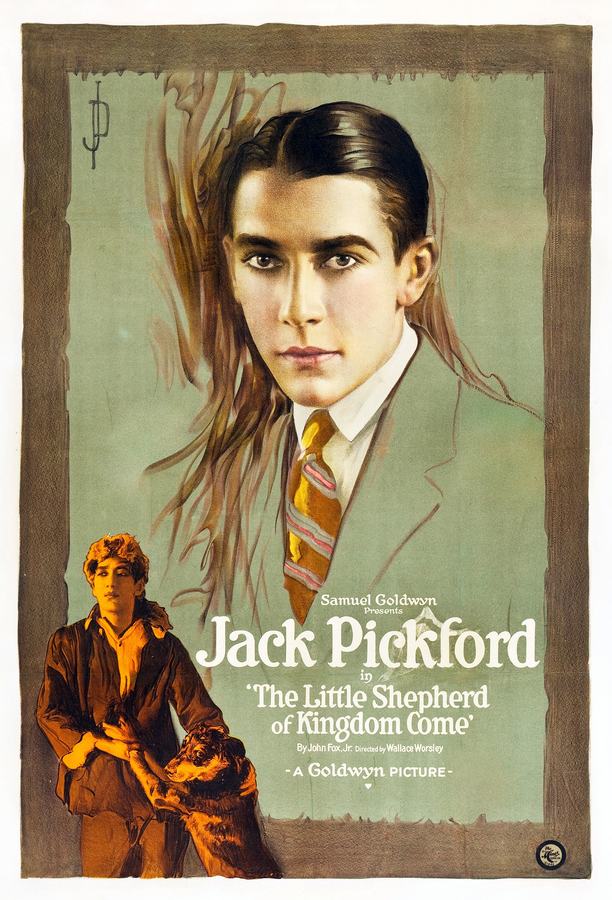
Dir: Wallace Worsley
An orphan boy from the Kentucky hills joins the Union Army and rescues his adopted family from Morgan's raiders. He learns his real identity when he returns after the war.
View Details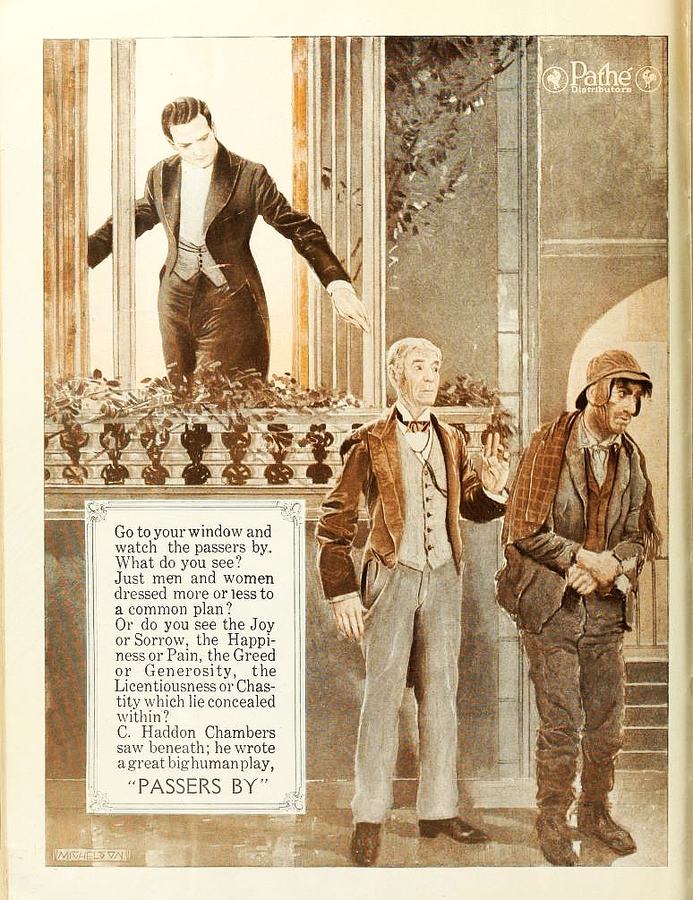
Dir: J. Stuart Blackton
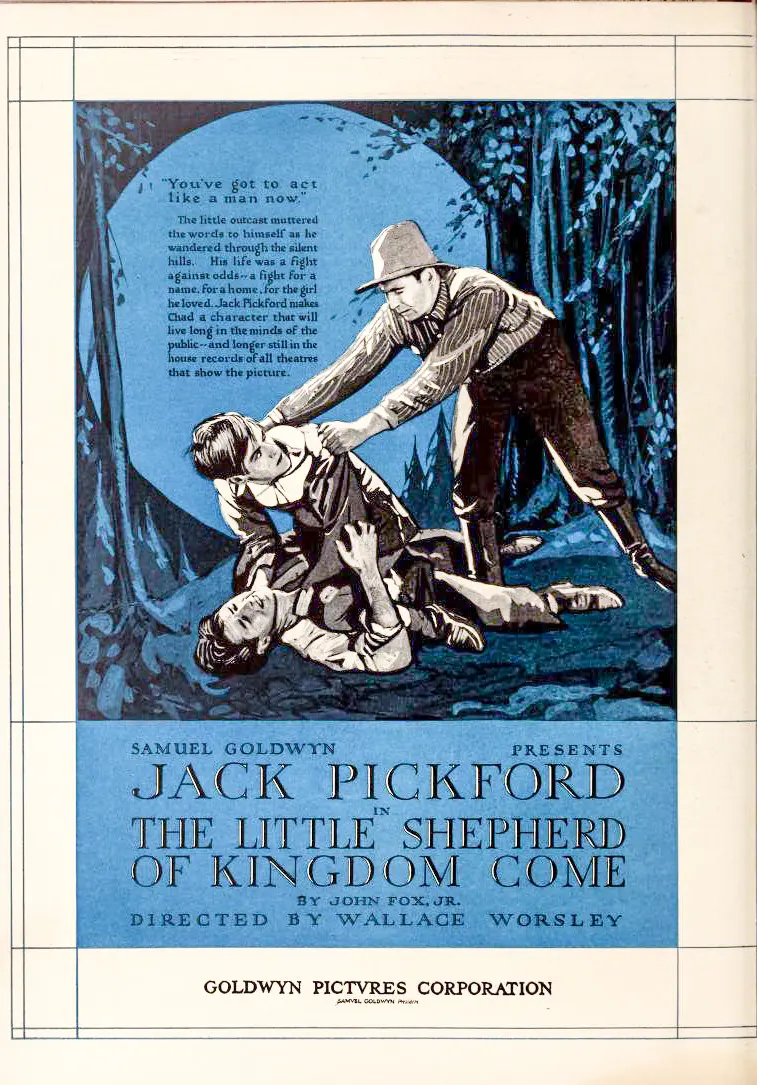
A young Englishman falls in love with the children's governess in his stepsister's home. His stepsister, however, cannot abide the class differential in the romance and sabotages it. The young man, in a state of boredom and depression, begins to invite into the house anyone who happens to pass by in the street.
View Details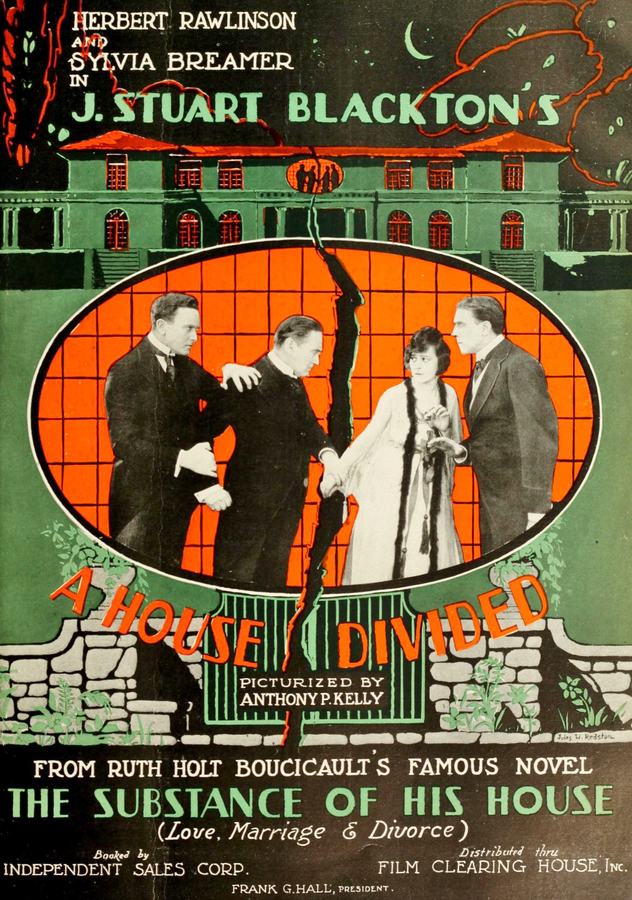
Dir: J. Stuart Blackton
Orphan Mary Lord, the ward of Sir Arthur Stanhope of Parliament, is attracted to Philip Carmichael, a young politician, who ignores her and goes through a supposedly mock marriage at a wild party with actress Sheelah Delayne. Years later, Philip falls in love with Mary, now married to Sir Arthur, who dies from a stroke when he sees Philip and Mary together. Remorseful, they try to keep apart but eventually marry in France. Later, Sheelah confronts Philip with their son and proof that they are married. When Philip is arrested for bigamy, Mary testifies, to her humiliation, that she and Philip are not married, and then disappears. After her son dies, Sheelah goes to France as a canteen worker and finds Mary wandering in a daze. Feeling pity, Sheelah has her marriage annulled and sends for Philip. When Mary hears soldiers sing a song she used to sing to Philip, she recognizes Philip and they resume their marriage.
View Details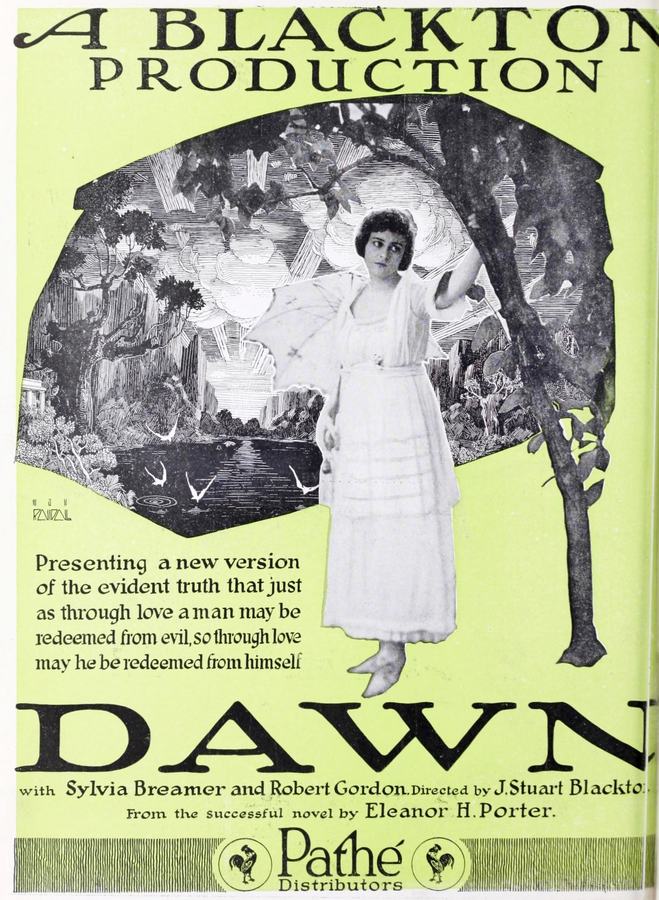
Dir: J. Stuart Blackton
Keith, an artist, begins to go blind as a result of having fallen out of a tree as a child. His fiancé Dorothy, a wealthy heiress, had previously said that she thought blind people were "disgusting", and he refuses to see her. Dorothy plans to have her father, an eye surgeon, perform an operation on Keith that may help him regain his sight, but things don't go as planned.
View Details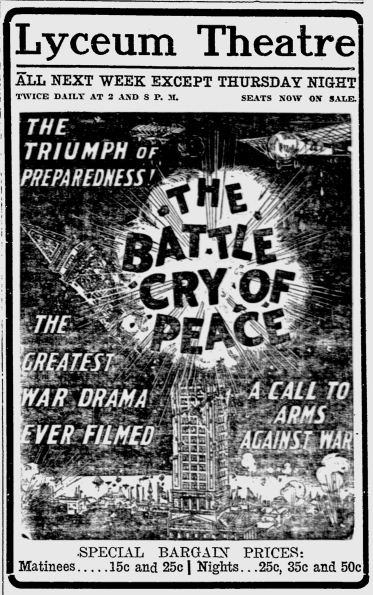
Dir: J. Stuart Blackton
Enemy agents under the leadership of "Emanon" conspire with pacifists to keep the American defense appropriations down at a time when forces of the enemy are preparing to invade. The invasion comes, and New York, Washington, and other American cities are devastated.
View Details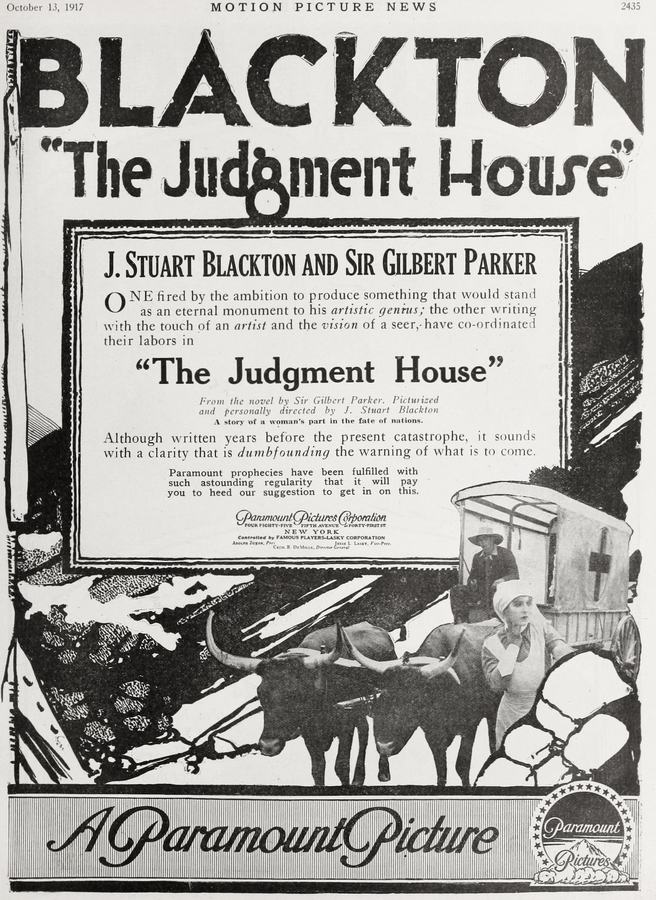
Dir: J. Stuart Blackton
Loved by two men, frivolous Jasmine Grenfel is unable to decide between the bold Rudyard Byng and the more reserved Ian Stafford. Swept away by Byng's forcefulness, Jasmine agrees to marry him and the rejected Stafford goes to South Africa. Three years elapse, and Jasmine's unhappiness increases as her husband slips into dissipation and she is pursued by his private secretary, Adrian Fellow, who is also having an affair with Al'Mah, an exotic dancer. When Byng finds a love note written by Fellow addressed to Jasmine, he threatens to kill both his wife and secretary, but Stafford returns in time to prevent the tragedy. Later, Fellow is murdered and Byng finds a poisoned needle near the body, but before the murderer can be found, the Boer War breaks out and Byng goes to fight for his country. In battle, Stafford is killed and Byng distinguishes himself in the field, recovering from his former dissipation. Al'Mah, now a nurse, is fatally wounded and confesses that she killed Fellow. Jasmine, touched by the crucible of war, finally realizes that she has been responsible for her own unhappiness and makes a true commitment to her husband.
View Details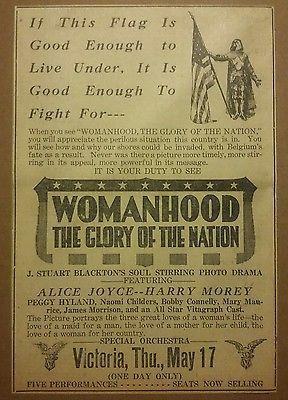
Dir: J. Stuart Blackton
When the nation of Ruthania declares war on the United States, an army of enemy soldiers invades the U.S. and captures New York. But the American forces have prepared adequately for such an event, and hidden booby traps, trick fortifications, and remote-controlled bombs...
View Details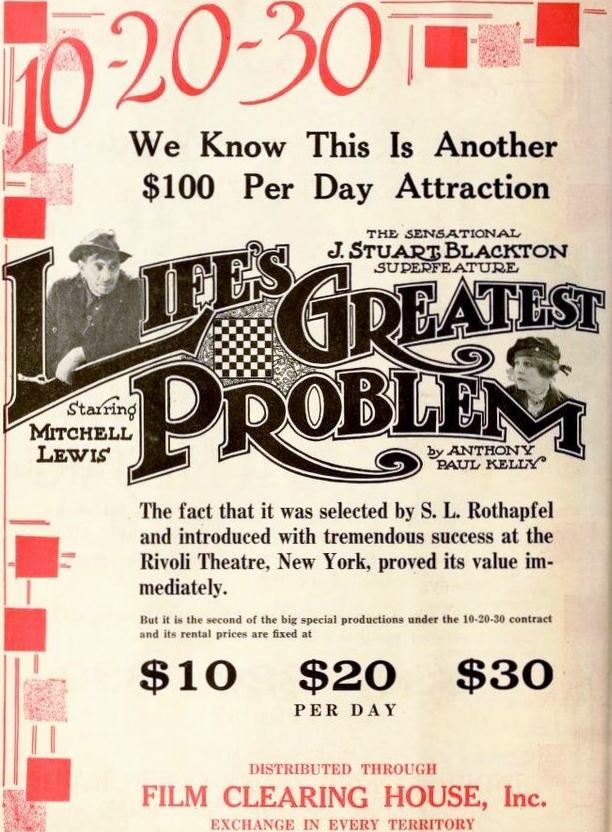
Dir: J. Stuart Blackton
Big Steve and Little Lefty, a pair of hobos, are happily drifting through life until the First World War comes. They enter it and find their lives forever changed.
View DetailsAnalysis relative to March of the Movies
| Film Title | Atmosphere | Complexity | Similarity |
|---|---|---|---|
| The World for Sale | Gritty | Linear | 98% Match |
| The Tavern Knight | Surreal | Layered | 96% Match |
| The Little Shepherd of Kingdom Come | Gothic | High | 91% Match |
| Passers-by | Gritty | High | 90% Match |
| A House Divided | Gothic | Abstract | 94% Match |
This guide was algorithmically generated using the cinematic metadata of J. Stuart Blackton's archive. Last updated: 6/26/2026.
Back to March of the Movies Details →