
DbcultAccessing Vault...
Recommendations
Senior Film Conservator
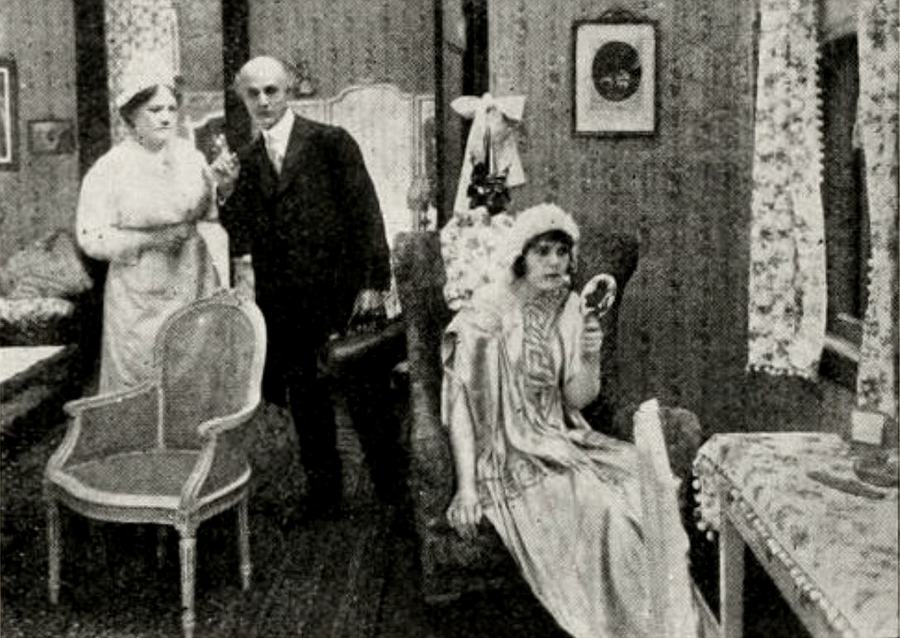
Delving into the atmospheric depths of Milestones of Life reveals a master at work, the artistic provocations of Milestones of Life demand a follow-up of equal intensity. These hand-selected movies are designed to satiate your craving for cult quality.
The enduring power of Milestones of Life lies in to transcend the limitations of its 1915 budget and technology.
A man and a woman were friends in childhood, and in their "mud-pie days" planned how he would be a knight, while she would be the lady fair, who would give him her glove as a token for slaying a dragon. But the "serpent" entered their miniature garden of Eden. She was a grown-up young woman, and the future "knight" was only a small boy. She was amused at the way he followed her around and convulsed when he formally proposed by means of a grimy note written with a blunt lead pencil on a torn scrap of paper. It was so ridiculous that she kept the note, and bad many a good laugh over it. Then she married a man older than herself and vanished from the boy's life. He had somber thoughts for a time, but men of 8 do not abandon life for love, and he soon drifted back to his early sweetheart, so that it may be said that in the Springtime of life they were chums and admirers. With "the summertime," when the girl had blossomed into beautiful young womanhood, and the boy was manly and self-confident, their troth was plighted. "The other woman" came to the wedding, and the little bride rather resented the attentions she paid the bridegroom. It has been said that a woman never forgets the men who propose to her, and that the first proposal is remembered longest. So "the other woman" had a kindly place for the "man" in her heart, although she never dreamed of being in love with him. She liked, however, to think that he still remembered the "beautiful princess of his dreams," although the fact is that he had forgotten all about those experiences of his childhood. For a number of years after their wedding, the other woman did not figure in their lives. Then fate brought them to the same city to live, and their paths again crossed. The wife had aged and was gloomy. She thought far too much of her son who had passed away in infancy, ignoring the living to think sadly of the dead. Her husband's love was slowly slipping away from her, being replaced by a spirit of indifference. When the wife thought of the other woman, it was with ill-concealed dislike. She resented the fact that "the other woman" never forgot the childish proposal of the husband, and was jealous where jealousy was unfounded. In the Autumn of life they parted. It was the fault of "the other woman." Her husband was not as attentive as he should have been, and illness brought on a morbid frame of mind. Unhappily she heard her doctor telling her nurse that his patient had but a year of life to live. Then she was confronted with her great temptation. What should she do with that last year? Should she drift along as she had been, still concealing the aversion she felt for her husband, or should she enjoy the fleeting months that were left her? While debating this problem, she met the man, and he told her calmly that he was on his way to the west on a business trip. So she reached a rash decision. She believed that the man still loved her, and she thought he would make her happy. She promptly followed him, boarded the train and astonished him by her confession of love and affection. It took him but a few minutes to disillusion her, but the problem that confronted them was how the news could be kept from the husband, for the woman had left him a letter that would have blasted her name. The man took desperate chances, leaped from the flying train, and by a clever ruse, kept the note from the husband, in fact fairly plucked it out of his hands, and yet never let him suspect it. Left alone on the train, the woman was in an accident, a slight one it is true, but the shock was fatal to her in her enfeebled state, and she passed away. The dead woman's husband never knew, for "The Man" fortunately made him believe that the victim was on her way to see her old nurse when she was stricken. The wife learned of the railroad trip by accident; however, there were hasty words exchanged, and "the man'' and "the wife" separated, as they believed, forever. The winter of life opened sadly and drearily for them. Neither could forget the other, but each was too proud to make advances. The man lived in the city, the wife in the little rural community where they lived in their childhood. The wife, on an errand of mercy, passed a tiny house, and saw that it was in flames. She burst in the door, saw a baby lying helpless on the floor, and bravely tried to rescue it. The smoke overcame her, and she would have perished had it not been that her husband was passing, went in when he heard that a woman and a baby were in peril, and at the risk of his own life, saved the others. Later there were mutual explanations. The wife found that her suspicions were unjustified, and the man agreed that he had been proud and unbending at a time when a few kind words might have saved the situation. So they mutually forgave and forgot, and some years later passed through the shadows into the beyond, rejoicing that reconciliation had come before it was too late.
The influence of Eugene Moore in Milestones of Life can be felt in the way modern cult films handle artistic bravery. From the specific lighting choices to the pacing, this 1915 release set a high bar for atmospheric immersion.
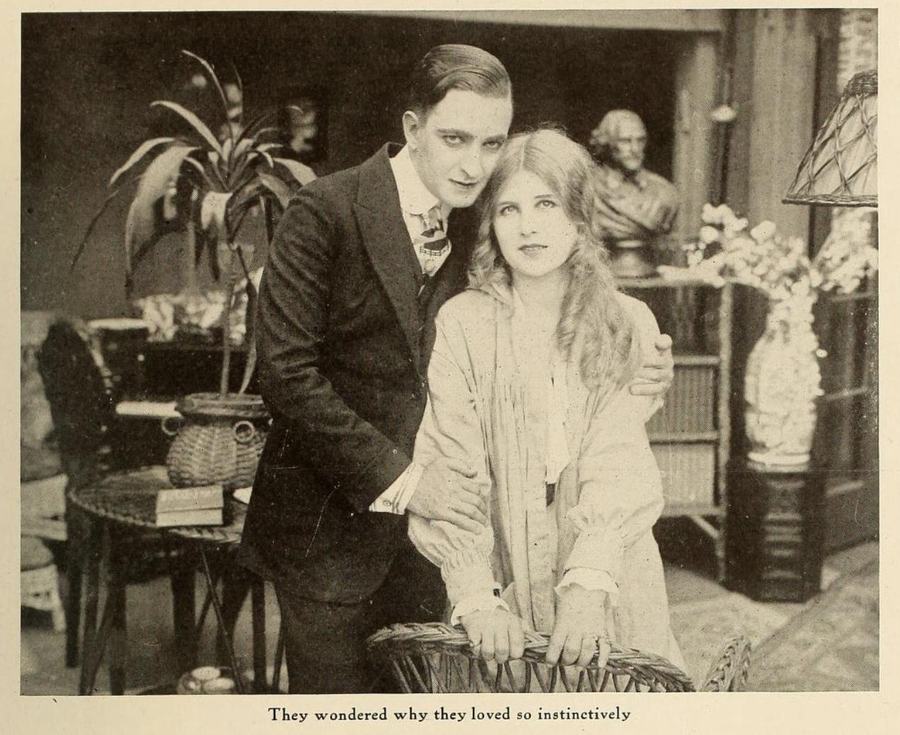
Based on the unique artistic bravery of Milestones of Life, our vault has identified these titles as the most compelling follow-up experiences for fans of cult cinema:

Dir: Eugene Moore
In ancient Egypt the young Prince of Tsa, bored by endless feasts, yearned for adventures, and clothed in a Nile boatman's garb, started out. He meets and is captivated by the charms of Ashubetis, a beautiful image maker, but his father, Pharaoh, planning a royal marriage, is enraged and orders death for the maiden and imprisonment for his son. Braving parental wrath, the prince escapes, and tries to save his loved one. He fails and is taken home mortally wounded. Ashubetis succeeds in seeing the prince in his dying moments and swears eternal faithfulness. On leaving she is discovered and thrown to the crocodiles. In Florida of 1916 a young couple meet, love each other, and part. Light is thrown on their strange love when they find a book telling of the Royal Romance of Egypt, and they see in themselves the re-embodied spirits of the ancient pair. On the anniversary of the prince's death five thousand years before, the Florida couple meet again at the prince's tomb. The strange reunion was witnessed by a passing party of tourists, who, hearing the tale for the first time, ask their lecturer if the young couple are the reincarnated lovers, and he replied: "It might be, who knows? Love is deathless. To love all things are possible."
View Details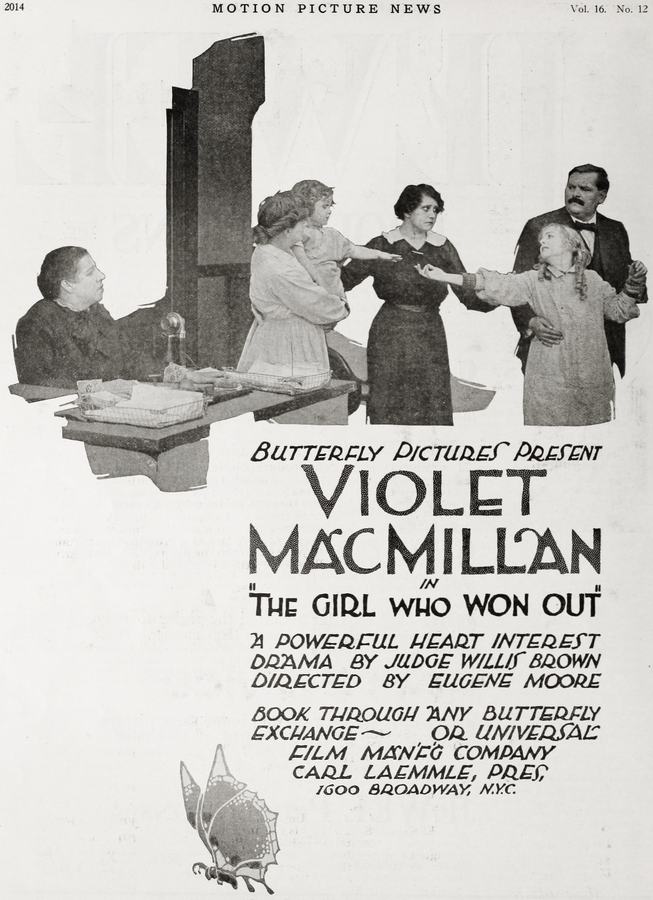
Dir: Eugene Moore
Orphaned after the death of their mother, Nancy Grimm and her baby sister Ellen are taken to the country where Ellen is adopted by the wealthy Walsh family. Nancy keenly feels the loss of her sister, and when the judge rules that she cannot visit Ellen without permission, she throws herself onto a bench, winning the sympathy of young attorney Chester Noble. Nancy is then placed in the Wick's home where she is treated as a servant. Miserable, Nancy cuts off her hair and, dressed as a boy, runs away. Learning that Mrs. Walsh has tired of the novelty of having a baby, Nancy goes to the Walsh house and steals Ellen away, but the fugitives are found by the police and returned to the orphanage. Desperate, Nancy goes to Chester and confesses all, and the young attorney agrees to help her. After sending Nancy to his parents in the South, Chester intervenes and convinces the court to put the sisters in the custody of his parents, and thus Ellen and Nancy are finally reunited.
View Details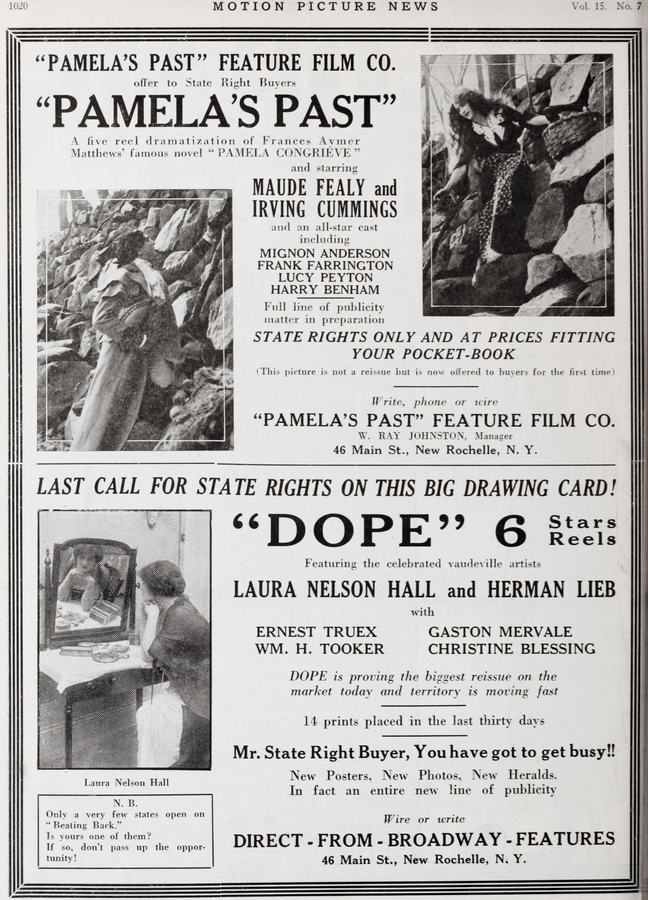
Dir: Eugene Moore
Pamela Congreve, the daughter of an old fisherman, is a carefree child of nature, whose heart has been won by Lord Charteris, a treacherous noble, who is the secret leader of a band of smugglers. Charteris tells Pamela's father of the wealth he will win if he joins the smugglers, and the deluded old man finally consents. The smugglers land a cargo on the sea coast, but the suspicions of the revenue officers are aroused and they pursue the smugglers. Lord Charteris and the old fisherman are overtaken, and, to save himself from capture, Charteris tells the coast guards of his rank and claims that he captured his companion, whom he denounces as a smuggler. In spite of Pamela's pleas, Charteris refuses to aid him, and the old man is put to death. Vowing to be revenged upon the treacherous Charteris, Pamela goes out into the world. She obtains employment at a wayside inn, and there once more meets Charteris. She stabs him, and believes that she has killed him, but it is merely a ruse of the wily noble. Pamela joins a troupe of traveling actors, and goes to London, where she soon becomes one of the reigning favorites. Pamela's chief admirer is the Duke of Harlow. He asks her to marry him, but she refuses, and struggles vainly to conceal her deep love for him, feeling that her past makes her unfit to be his wife. The Duke of Harlow's wealth has made Lord and Lady Trevor consider him as a desirable husband for Kitty, their daughter, but that strong-willed person has already selected a future husband who boasts neither wealth nor title. So Kitty and her beloved go to Pamela, whom they know the Duke adores, and beg her to accept him. Then Kitty will not have to wed him. Pamela promises to aid the young couple, and in order to do so, manages to win an invitation to Lord Trevor's ball. At the grand ball at Trevor House the load of guilt is lifted from Pamela's heart for she meets Lord Charteris again, and realizes that he still lives. Charteris is as unscrupulous as ever, and determines to steal the Trevor jewels. An opportunity presents itself when Trevor shows his guests the famous gems, and after they are replaced in the strong box the key falls to the floor, and is found by Charteris. Pamela, however, suspicious of the man she hates, keeps watch during the night and discovers him in the act of stealing the gems, but Charteris adroitly directs the suspicion upon Pamela, playing upon the prejudice of the others for "the stage-woman." Harlow takes her part. The Duke threatens to prove Charteris to be a scoundrel, and the latter, fearing that he will be exposed, plans to silence Harlow forever. The cowardly plot does not succeed, for word is brought to Pamela and she reaches Harlow in time to warn him. Charteris later succeeds in kidnapping Pamela, but they are overtaken by Harlow, and Charteris is killed, while Pamela, now convinced that her "past" is buried, promises to marry the man she loves.
View Details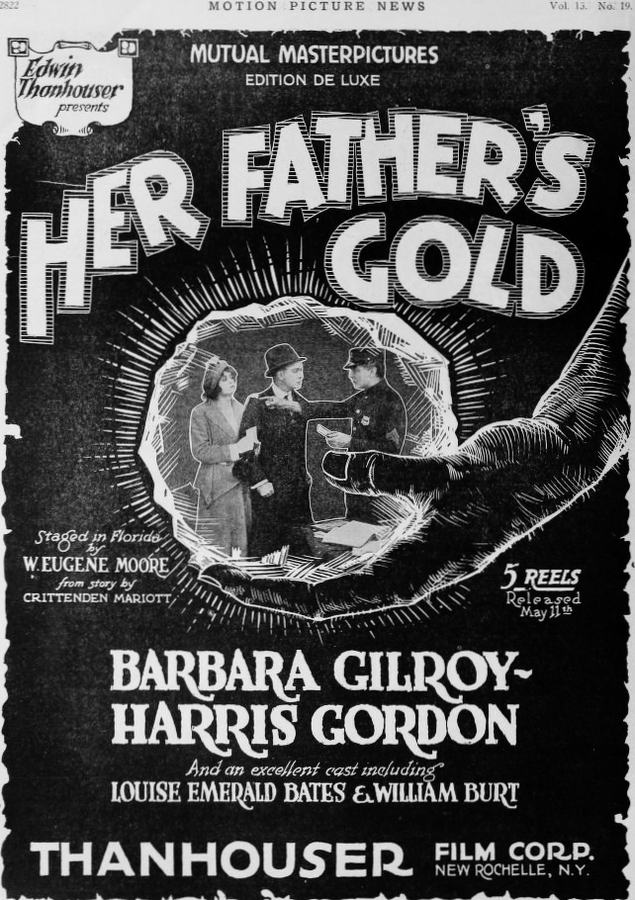
Dir: Eugene Moore
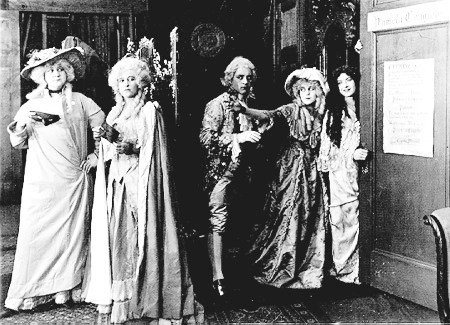
"Beware of the water devil." That was what the editor said to the star reporter as he sent him off to Florida to investigate the mysterious water denizen that was causing a panic among the residents on the shores of Crystal Lake. The reporter laughed; he was not a bit worried about the water devil, for his assignment was taking him to the spot where his sweetheart lived and where he suspected a great treasure in gold bullion that had been stolen from her father was buried. Four crooks had stolen the gold from the mine of his sweetheart's father in Mexico and had carried it by boat to Florida, where one of them had double-crossed his pals, marooned them on an island in a lake, buried the gold and went north, expecting to join his wife and disappear with her, returning to Florida later for the gold, but the other crooks got away sooner than he expected, followed him North and besieged him in his own house. Cut off from all help, he wrote a note to his wife. He also drew a map telling where he had hidden the treasure, painted it over with blue watercolor and hung it on his wall just before the avengers broke in. In the fight that followed he was blinded and mortally wounded and was taken to the hospital. The wife of one of the crooks followed him there, knowing that he was blind, and pretending to be his wife, tried to get the secret of the treasure, but failed. Later he died after saying to his wife, who came at last: "The blue picture; the blue picture." Being out of money and unable to solve the mystery of the blue picture, the wife wrote to the mine owner, offering to divide the gold if he could help her locate it. The owner was away, and before his daughter could answer the letter the crooks managed to do away with the writer of it and carried off the blue picture, which they suspected contained the clue. It is at the scene of the killing that the reporter meets the mine owner's daughter and falls in love with her. It is there, too, that the reporter finds a fragment of the blue picture and suspects its importance, chiefly from the efforts of the wife of the sole surviving crook to steal it from him. He lets her steal it at last, and then follows her and finds the blue picture in the shack in Florida where she lives with her husband. This shack is on the banks of the lake where the water devil moves and has his being. Hesitating to carry off the picture, the reporter photographs it, only to find out later that blue (the picture is blue) is non-actinic and does not photograph. His sweetheart, who develops the film for him, comforts him for his failure. They throw aside the film as useless; they had hoped the pictured scene would give them the location of the gold. The film falls into the hands of the woman who now has the picture, and she finds out that the writing and the plan giving the secret has photographed through the blue and can be read by the aid of a magnifying glass. But before she can take the secret to her husband and with him find and get away with the gold, the daughter of the rightful owner of the gold comes upon her, takes the film from her, locks her up, and gets to the reporter with the glad tidings that at last she knows where the stolen gold is buried. Unluckily, the imprisoned woman's husband is with the reporter when the girl brings the news, and he offers to take the pair to the island where the gold is buried, in his boat, and help them to dig it up. All this he does, and then he calmly tells them that the gold is his and they are going to die and be buried in the hole from which the gold was taken. Just at this moment, when the ruffian, standing in the gold-ladened boat, raises his rifle and is about to shoot, from the water behind the boat rises the water devil, of whom much had been told, but of whose real existence few people had been convinced. It carries off the would-be murderer, and the girl, happy in having restored to her father his lost gold, finds still greater happiness in the life-long love of the young reporter, whose bride she consents to be.
View Details
Dir: Eugene Moore
Nell (Gladys Hulette) leaves the farm to start a candy store in New York, but has a troubled start until she meets Jack Monroe (William Park Jr.), a young spendthrift who helps her attract business. They fall in love, marry, and move in with Jack's father (J. H. Gilmour). Nell soon discovers that Jack is a drug addict. In sympathy, Jack's father offers to annul the marriage, but Nell refuses, wishing instead to commit herself to the indefinite struggle of pursuing the road to Jack's rehabilitation.
View Details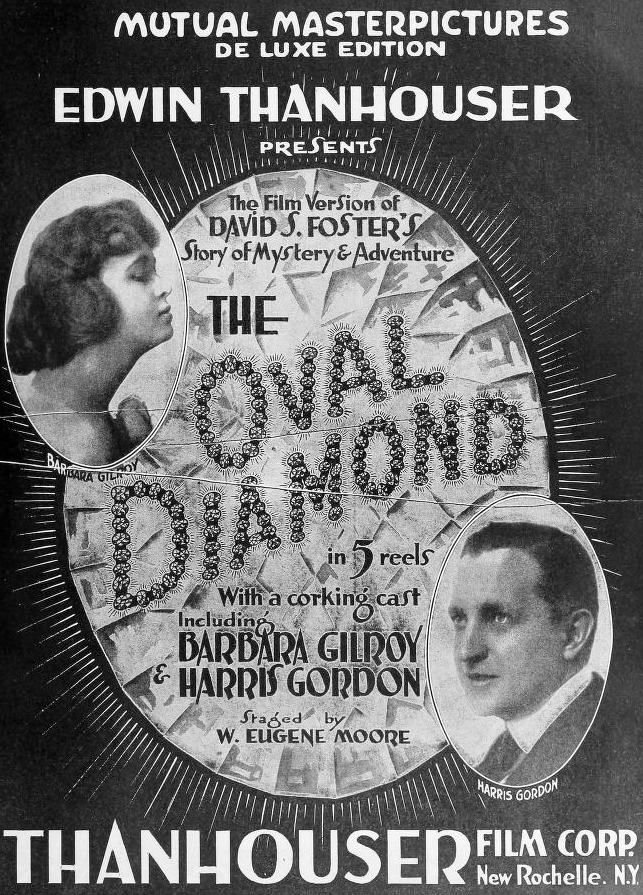
Dir: Eugene Moore
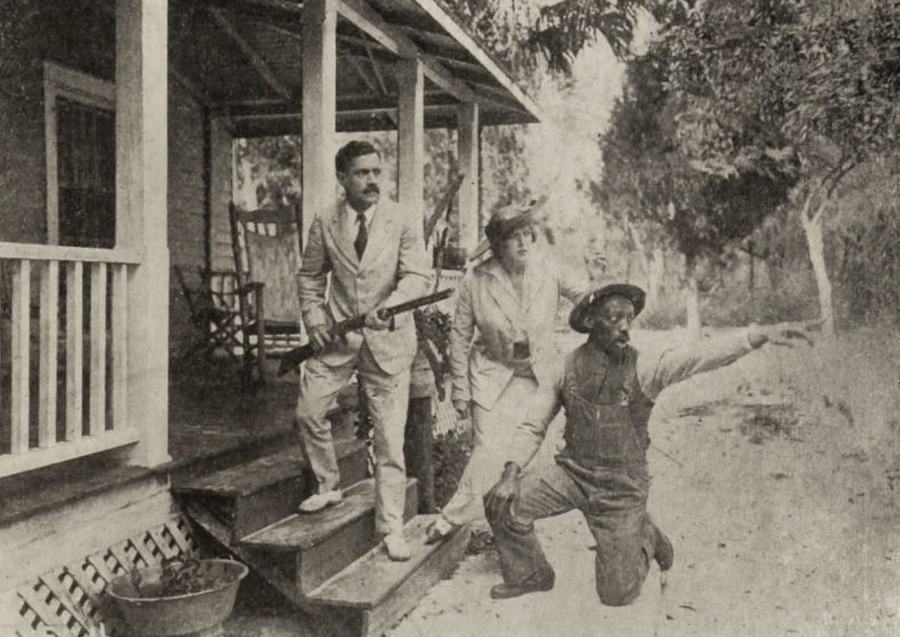
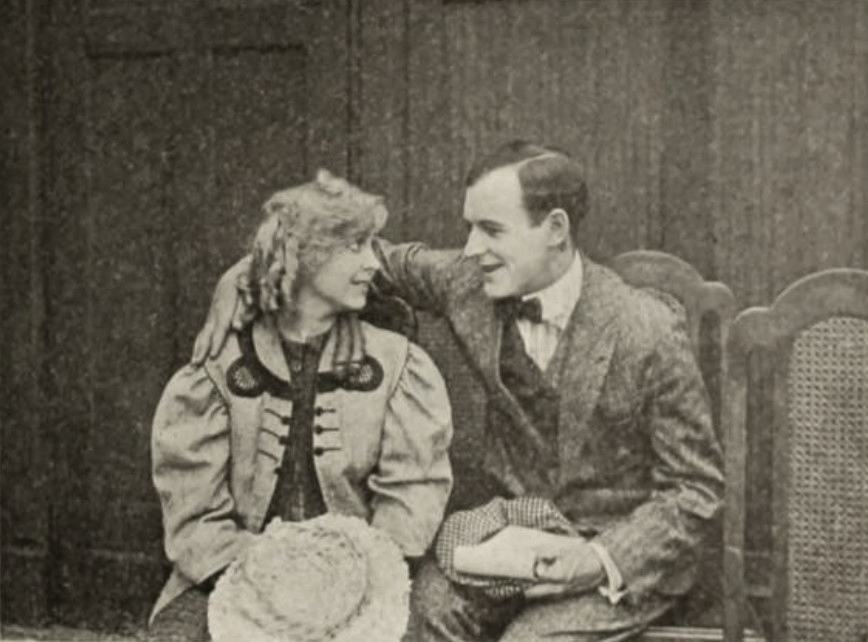
The story is centered about an oval diamond, a priceless gem, found by a South African miner on his claim. His possession of it has aroused the envy of his stepbrother, Major Dennison, his former partner, and the latter's son, Arthur Dennison, and of four miners who owned adjacent claims. To escape their plotting to gain possession of the stone, the owner and his daughter, Sylvia, left for America. Shortly after their arrival in the United States, however. Major Dennison and his son had effected an automobile accident with the taxicab in which Mr. Daunt and his daughter were riding, had killed his stepbrother, and had escaped with diamond. Later, on her search for the gem, Sylvia had gone to her uncle's house where she had been imprisoned and restrained from going beyond the high walls which enclosed the plane. All this had happened before the beginning of the play. Things of importance for Sylvia do not begin to happen until the entrance of Robert Ledyard, impressionable youth, over the garden wall. On a trip south, Robert discovers that there is something mysterious and unfathomable about the house next to the one in which his uncle, whom he is visiting, lives. To further his suspicions, he discovers a very hampered and unhappy looking girl in the enclosed yard. Feeling certain that she is in trouble, he throws a note to her in which he offers his services, and asks her to nod her head if he can be of assistance. Hardly waiting for a reply, he follows his note over the garden wall, and learns the story of her distress. The complications which follow with the return of Major Dennison and his son before Robert has time to return to his uncle's house, start Robert's fight for the possession of the oval diamond. Robert escapes, eludes now Major Dennison and his son, and later the four miners, who, too, have come to America determined to possess the diamond. He finds the diamond a thousand times and loses it again. It travels through hundreds of hands during the brief five thousand feet of its existence, but in the end it comes back to stay in the hands which own it. Sylvia marries Robert. They start north on their wedding trip. In his pocket the young bridegroom carries a small package which he carefully guards, feeling nervously now and again, to see that he has not lost it. Following them is a mysterious character who watches and shakes his head shrewdly as he sees the evident feeling of insecurity which possesses Robert. As the young bride and groom sit on the rear platform of the train the stranger appears before them, removes his mustache, and demands at the point of the pistol, that Robert hand over the small package in his pocket. It is Colby, one of the miners. Knowing that resistance is futile, the young man hands over his guarded package, and the thief drops from the speeding train. After he had gone, the young husband laughs, and pulls from an inside pocket the real diamond. The one he had given to Colby was paste.
View Details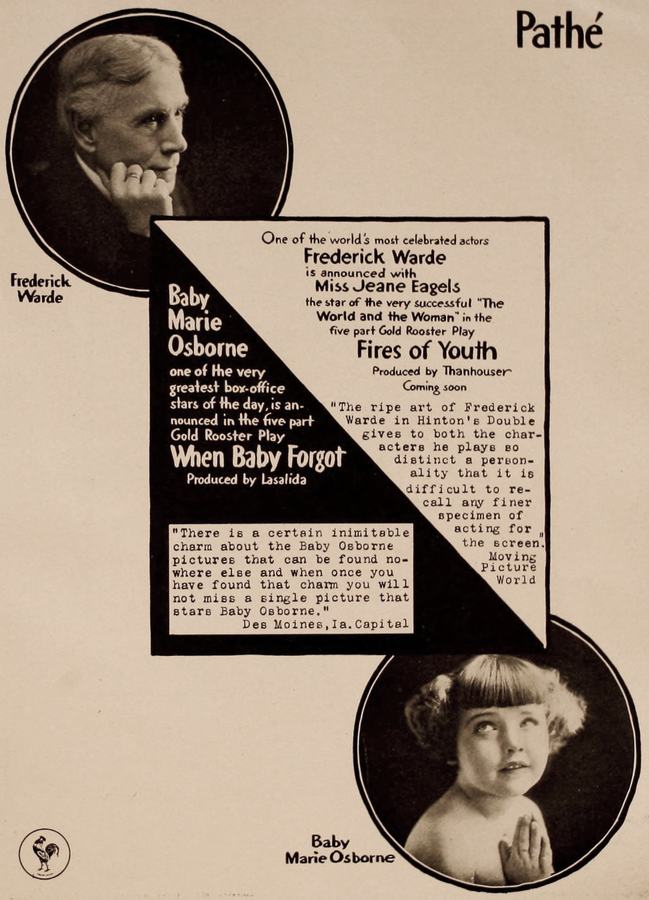
Dir: Eugene Moore
Prompted by her mother, Baby Marie Watson has been accustomed to recite her bedtime prayers every night. When a misunderstanding results in the separation of Marie's parents, Mr. Watson gains custody of his daughter. Saddened by the loss of her mother, Baby Marie works herself into a fever because she cannot remember her bedtime prayers. She calls for her mother, and the faithful butler, taking pity on the child, fetches her. Brought together by a mutual concern for their daughter, the Watsons decide to reconcile their differences and save their marriage.
View Details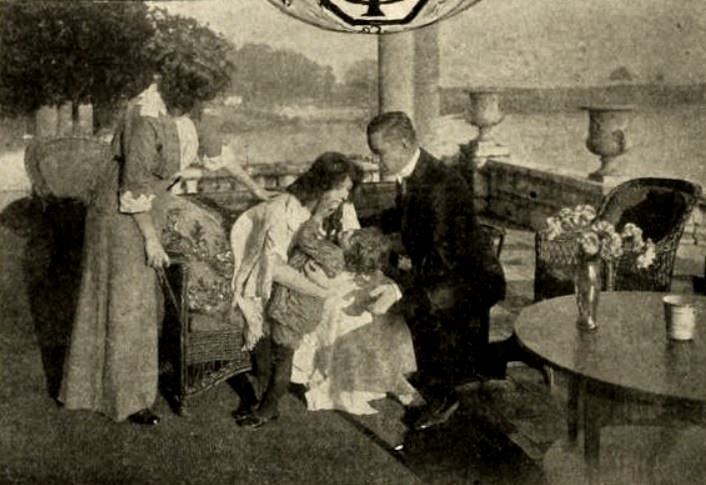
Dir: Eugene Moore
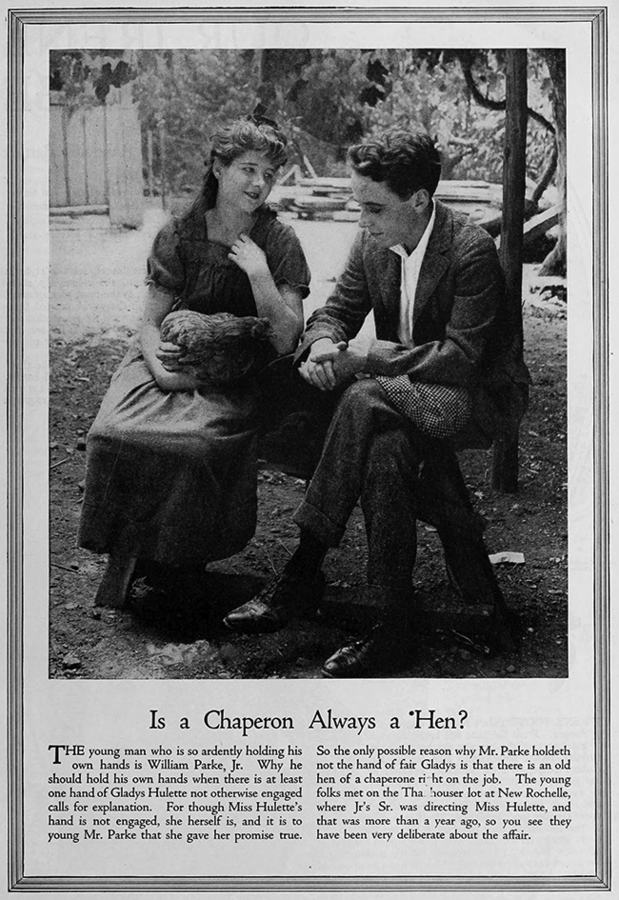
Comte Paul De Valreas is attracted to Frou Frou, the frivolous wife of Henri De Sartorys and the indifferent mother of their young son Georges. Paul persuades Frou Frou to bring her somber sister Louise, who secretly loves Henri, into the household, thus freeing her from any domestic duties. Frou Frou returns Paul's affections and neglects her husband and son even more than before. Louise quickly assumes direction of Henri's home and innocently supplants Frou Frou in the eyes of her husband and child. Sensing that her presence is no longer needed at the Sartorys estate, Frou Frou bitterly denounces Louise and then elopes with Paul to Venice. Henri pursues them and slays his rival in a duel. Alone in Venice, Frou Frou becomes gravely ill. She is found on her deathbed by Louise, who summons Henri and Georges. As she dies, Frou Frou gives the three her blessing.
View Details
Dir: Eugene Moore
With younger brothers and sisters to support, Peggy takes on the task-heavy job as maid for Mrs. Stuyvesant. Peggy also manages to help the woman's children, a lovelorn daughter and a son who is the unwilling tool of spies.
View Details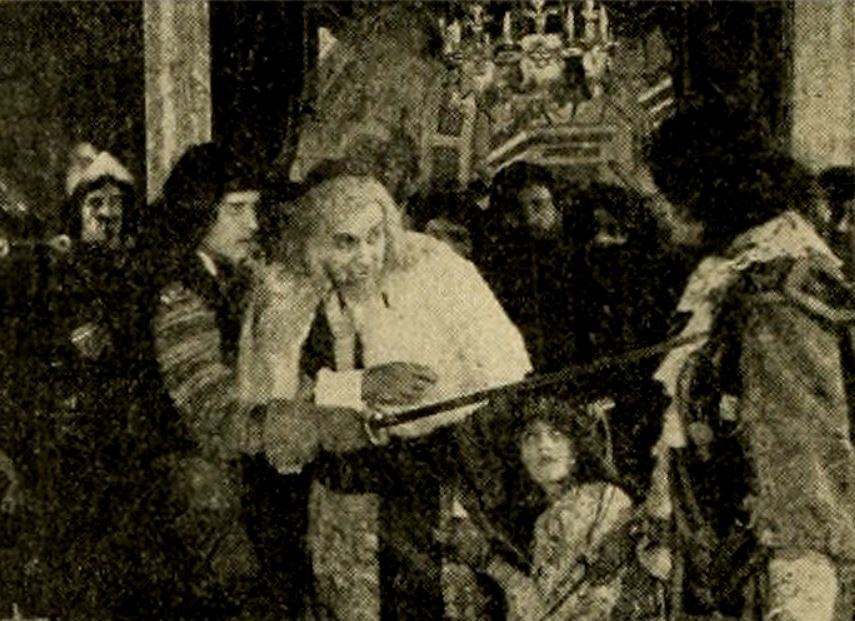
Dir: Eugene Moore
Julie de Mortemar, the ward of Cardinal Richelieu, is in love with Adrian de Mauprat, a soldier of fortune. Louis the Thirteenth is in love with her himself, as is also his favorite, Count de Baradas. Cardinal Richelieu, in order to protect his ward from the King, marries her to de Mauprat. Under the influence of Baradas, King Louis issues an order for the annulment of the marriage and demands that she return to court. Baradas conspires with Gaston, Duke d'Orleans, a brother of Louis the Thirteenth, to dethrone the King and murder his prime minister, Cardinal Richelieu. Baradas poisons de Mauprat's mind against Richelieu and induces him to join in the conspiracy against the King. The conspirators attempt to murder Richelieu. De Mauprat enters his chambers at night, but he meets Richelieu, who proves to de Mauprat that Baradas has lied to him in showing that the Cardinal was de Mauprat's enemy. The conspirators are at the door to murder Richelieu, but the Cardinal and de Mauprat trick him by pretending that Richelieu has been strangled in his sleep. The conspirators have sent a document to Count de Baradas, who, at the head of his army, is on the French frontier. This document contains the names of all concerned in the conspiracy. Richelieu, by the aid of his spies, obtains possession of that document, exposes the conspirators to the monarch and assumes his old position at court as the Prime Minister of Louis Thirteenth. The husband of his ward is made to have no regrets for his loyalty in the Cardinal's great time of need.
View DetailsAnalysis relative to Milestones of Life
| Film Title | Atmosphere | Complexity | Similarity |
|---|---|---|---|
| The Image Maker | Surreal | Dense | 94% Match |
| The Girl Who Won Out | Surreal | Abstract | 85% Match |
| Pamela Congreve | Ethereal | Dense | 90% Match |
| Her Father's Gold | Ethereal | High | 86% Match |
| The Candy Girl | Ethereal | Linear | 98% Match |
This guide was algorithmically generated using the cinematic metadata of Eugene Moore's archive. Last updated: 8/16/2026.
Back to Milestones of Life Details →