
DbcultAccessing Vault...
Recommendations
Senior Film Conservator
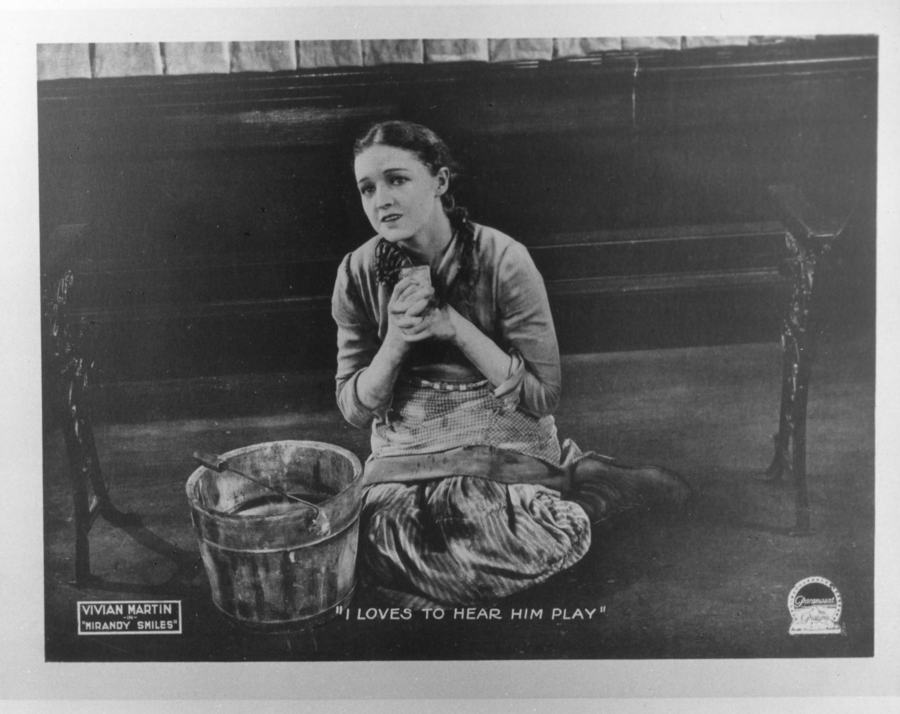
The cinematic DNA of Mirandy Smiles (1918) is truly one of a kind, the search for similar titles reveals the deep impact of William C. de Mille's direction. Our cinematic experts have identified several titles that reflect the spirit of 1918.
As a pivotal work in United States cinema, Mirandy Smiles to capture the existential zeitgeist of 1918.
Mirandy, the daughter of a laundress, scrubs floors in an opera house. Before she can marry the handsome organist for the opera, she decides she must improve her social standing.
The influence of William C. de Mille in Mirandy Smiles can be felt in the way modern cult films handle stylistic flair. From the specific lighting choices to the pacing, this 1918 release set a high bar for atmospheric immersion.
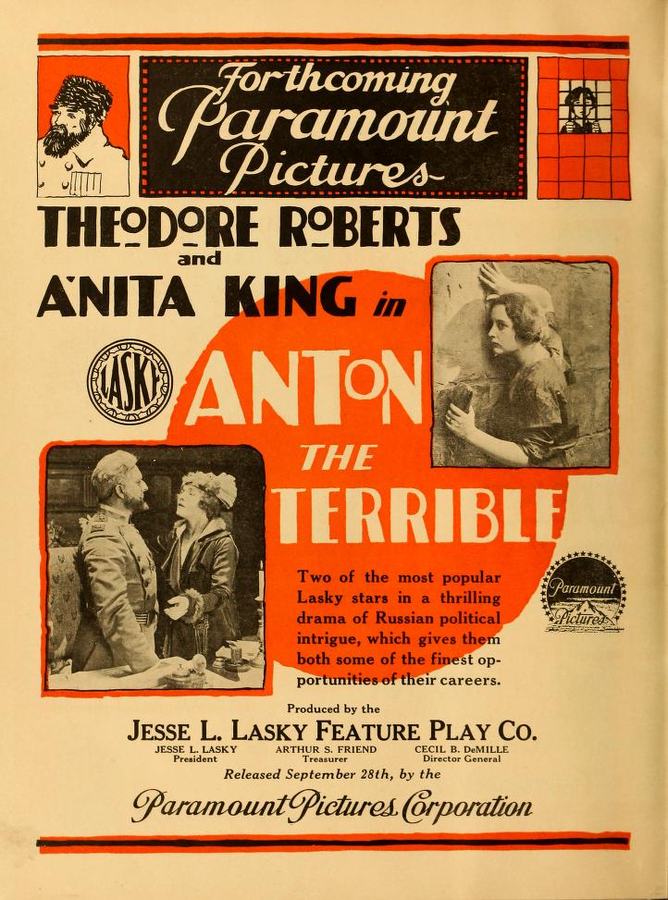
Based on the unique stylistic flair of Mirandy Smiles, our vault has identified these titles as the most compelling follow-up experiences for fans of cult cinema:
Dir: William C. de Mille
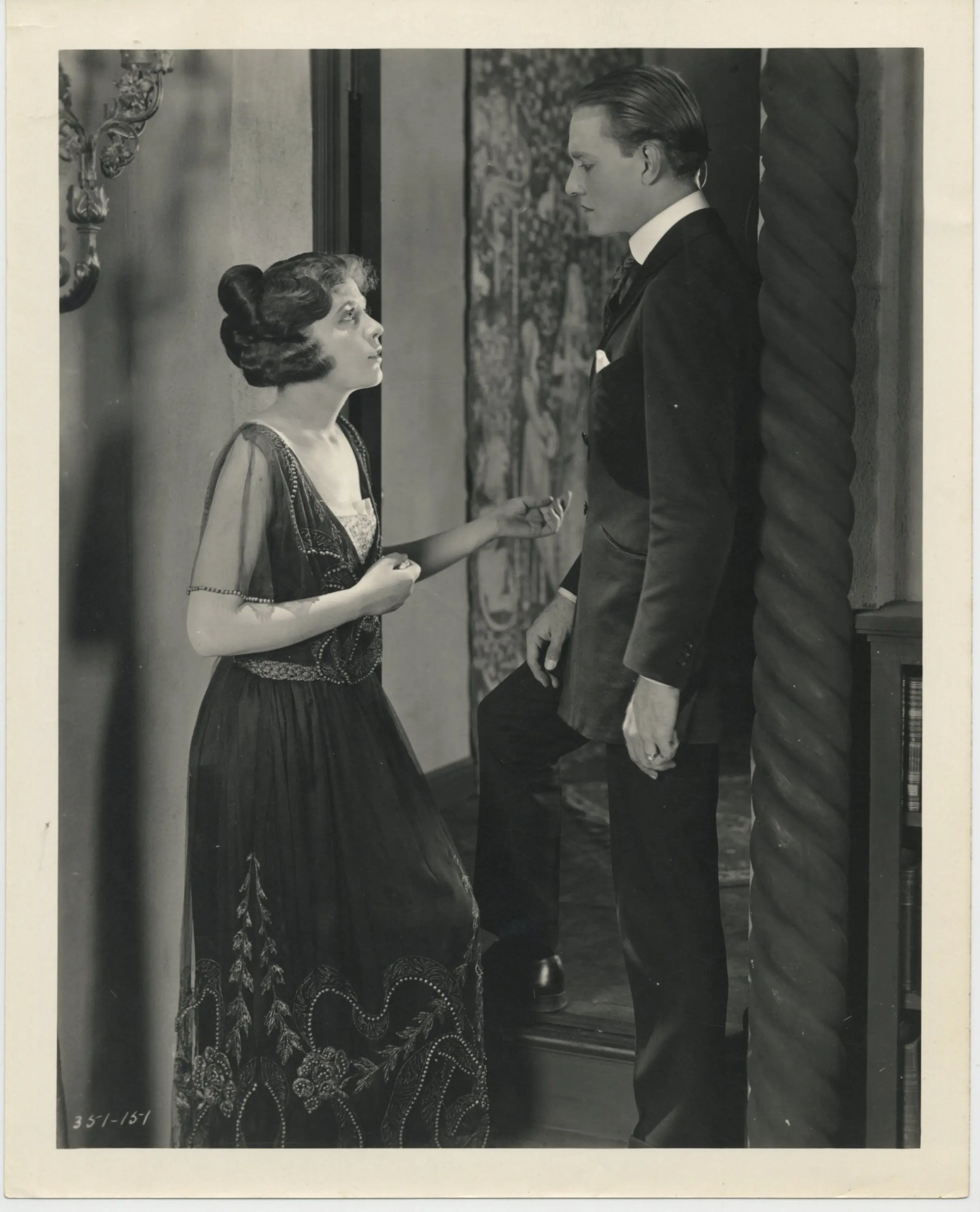
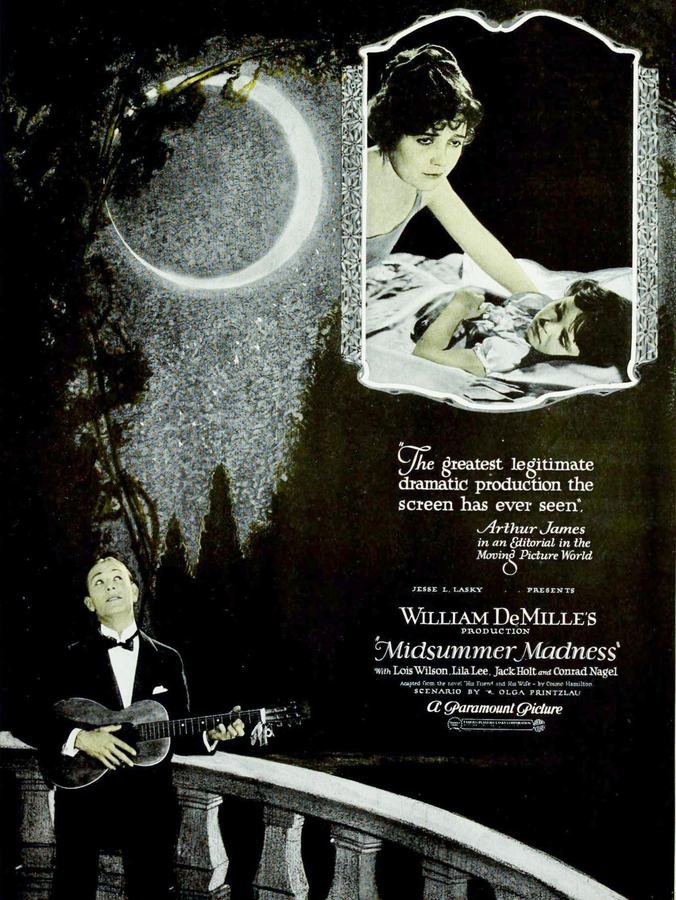
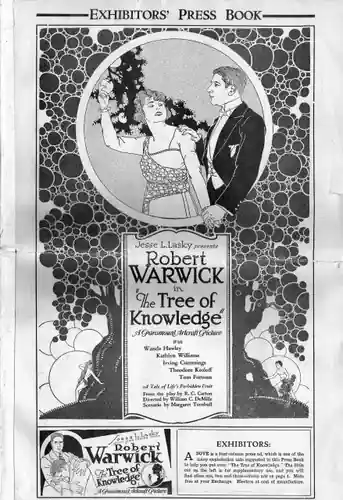
When Julian's wife Daisy leaves home to visit her sick father, he finds himself attracted to his best friend's wife Margaret, who has been neglected by her husband. Julian and Margaret take a drive to a mountain resort, and find themselves about to consummate their affair when something happens that makes her have second thoughts. Complications ensue.
View Details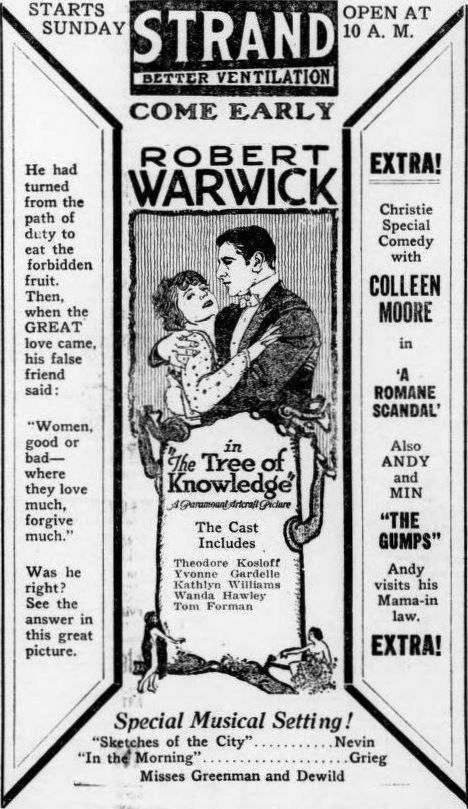
Dir: William C. de Mille
The wicked Belle gets her hands on Nigel Stanyon, a young man who was about to embark on a career as a minister. She seduces him, empties his bank account and tosses him aside. In the depths of despair, Nigel is discovered by Brian, a wealthy old friend, who secures him a job as an overseer on his family estate. One day Brian embarks on a trip abroad, and Nigel is astounded when he returns home with a new wife--Nigel's old flame, Belle.
View Details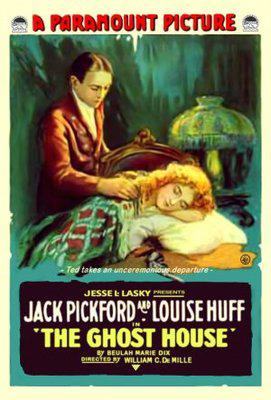
Dir: William C. de Mille
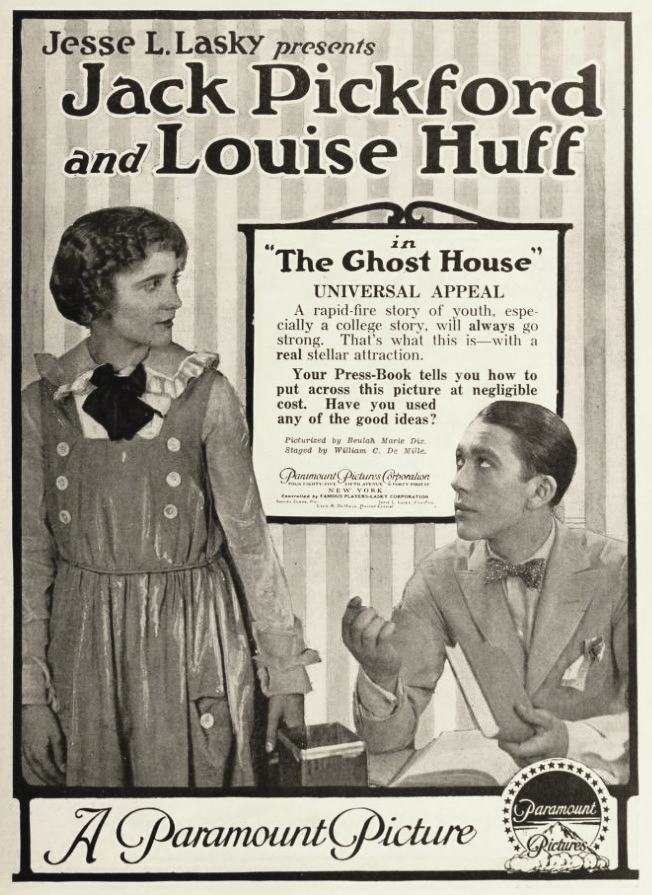
The old Atwell home is said to be haunted, and Jeremy Foster, the gardener--who is actually the head of a band of thieves that use the house for a hideout--does his best to keep the superstition alive. Despite the rumors, impoverished sisters Lois and Alice Atwell decide to move into the empty family home. They take possession the same night that Ted Rawson is ordered to explore the place as an initiation rite by his fraternity. That same night, Spud Foster, a member of his uncle's gang, hides there with his stolen loot. In the middle of the night, Lois apprehends Ted and takes him captive, believing that he's a burglar. The noise awakens Spud who, mistaking Lois for a ghost, flees the house. After much confusion, Lois' fears about Ted's character are allayed when he helps fight off the thieves; relieved, she confesses her love to the fraternity man.
View Details
Dir: William C. de Mille
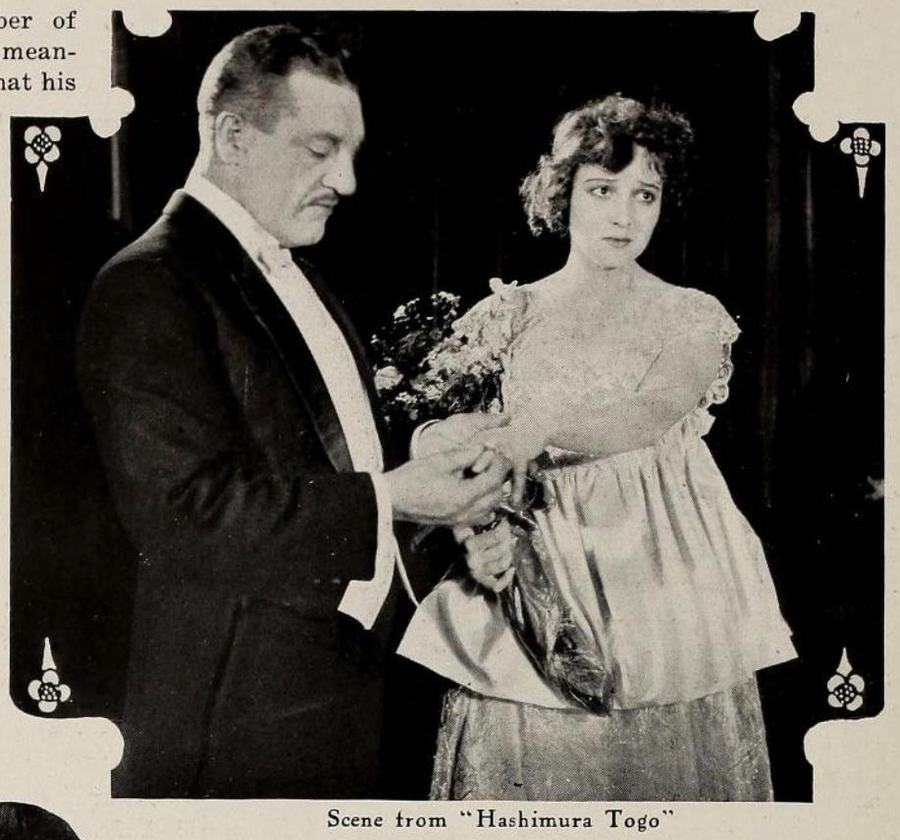
After an accusation of a breach of diplomacy committed by his brother, Hashimura Togo bears the burden and leaves Japan in disgrace for the United States where he enters the employ of Mrs. Reynolds as a butler. Togo discovers that Mrs. Reynolds' daughter Corinne is in love with Dr. Garland but is being coerced into marrying Carlos Anthony who, having seized all of her deceased father's funds, now promises to save the family from financial ruin in return for Corinne's hand in marriage. Enlisting the aid of a reporter, Hashimura succeeds in proving Anthony's deception in time to stop the marriage, freeing Corinne to marry Garland. After a series of misadventures, his name is cleared and Hashimura returns to his sweetheart in Japan.
View Details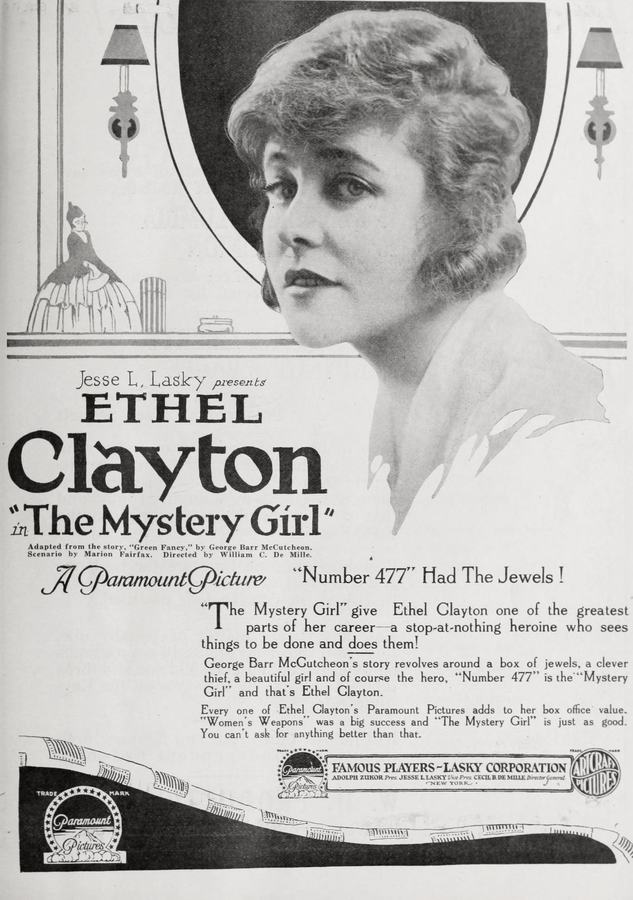
Dir: William C. de Mille
Prince Sebastian of Lurania is forced to go into hiding when German forces invade his country. His niece, Countess Therese, is an ambulance driver with the French army, and one day she hears from her uncle, who requests that she meet him in a small town in Maine and bring the crown jewels with her. Unfortunately, a jewel thief finds out about the meeting and makes a deal with the Luranian pretender to the throne: he will steal the jewels and he can keep them if he kidnaps and turns over the Countess to the usurper.
View Details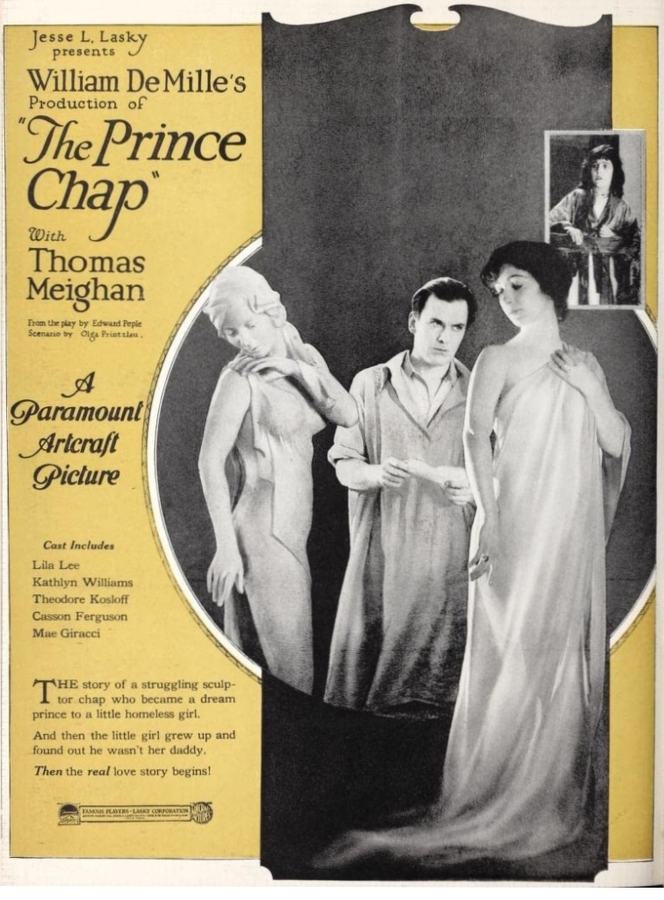
Dir: William C. de Mille
An artist in England is torn between an old flame and the now grown up little girl he has adopted.
View Details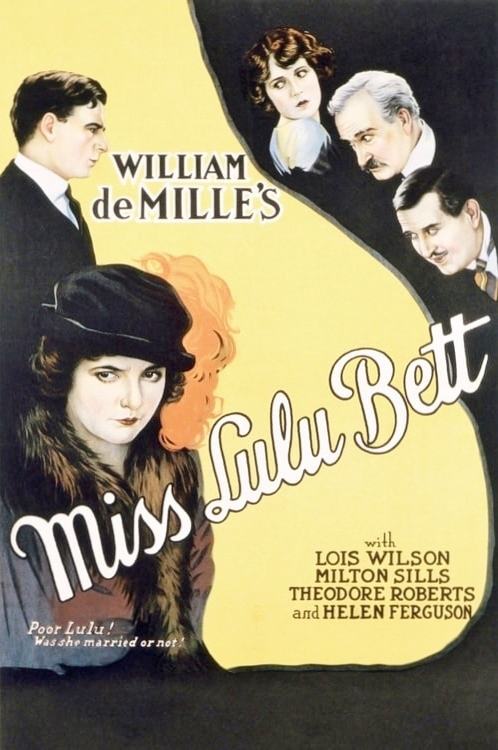
Dir: William C. de Mille
A once-timid young woman gains newfound confidence after a failed marriage, much to the chagrin of her miserable family.
View Details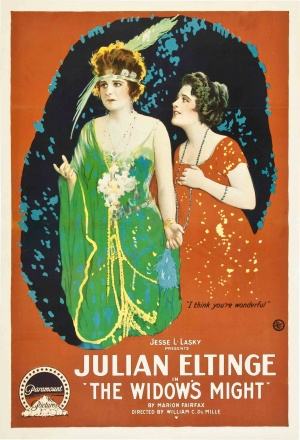
Dir: William C. de Mille
Deciding that there is money in cows, young New Yorker Dick Tavis buys a Western ranch; when the novelty has worn off he decides that there is also monotony. Then he falls in love with a girl on a calendar and takes a new interest in life, particularly after he discovers who the girl is. The fact that her uncle swindled him on the ranch does not matter. He figures he can take care of the uncle, and he does, but not until he has been forced to masquerade as a woman and have half the men at a fashionable resort fall in love with him.
View Details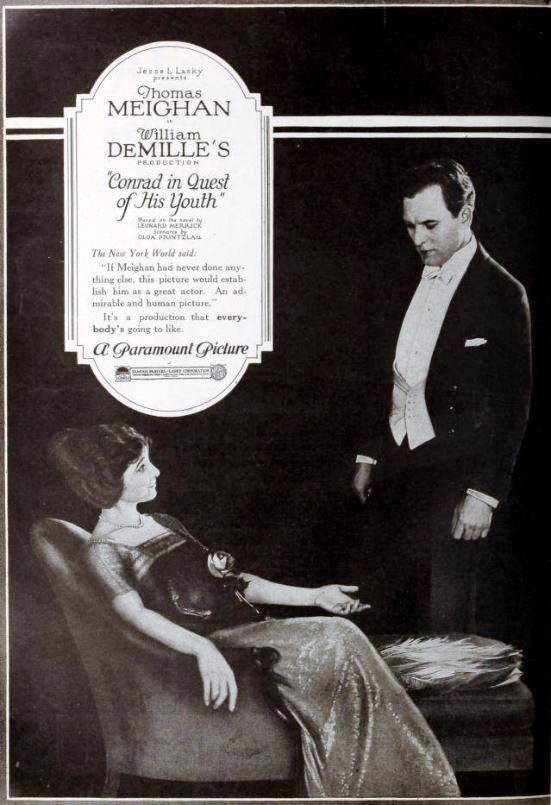
Dir: William C. de Mille
Conrad Warrener, a man of near middle-age, reflects nostalgically on the happy times of his youth and decides to recapture them. However, what he learns about the "second time around" is neither what he expected nor what he hoped for.
View DetailsAnalysis relative to Mirandy Smiles
| Film Title | Atmosphere | Complexity | Similarity |
|---|---|---|---|
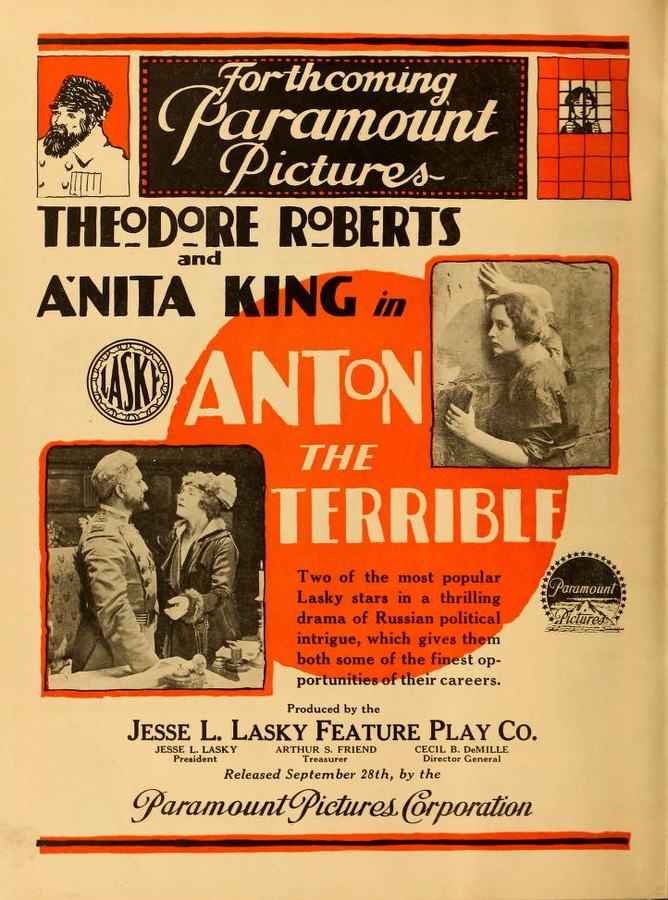
| Anton the Terrible | Gritty | Dense | 88% Match |
| Midsummer Madness | Tense | Layered | 85% Match |
| The Tree of Knowledge | Surreal | Layered | 91% Match |
| The Ghost House | Ethereal | Linear | 96% Match |
| Hashimura Togo | Surreal | Layered | 98% Match |
This guide was algorithmically generated using the cinematic metadata of William C. de Mille's archive. Last updated: 8/17/2026.
Back to Mirandy Smiles Details →