
DbcultAccessing Vault...
Recommendations
Senior Film Conservator
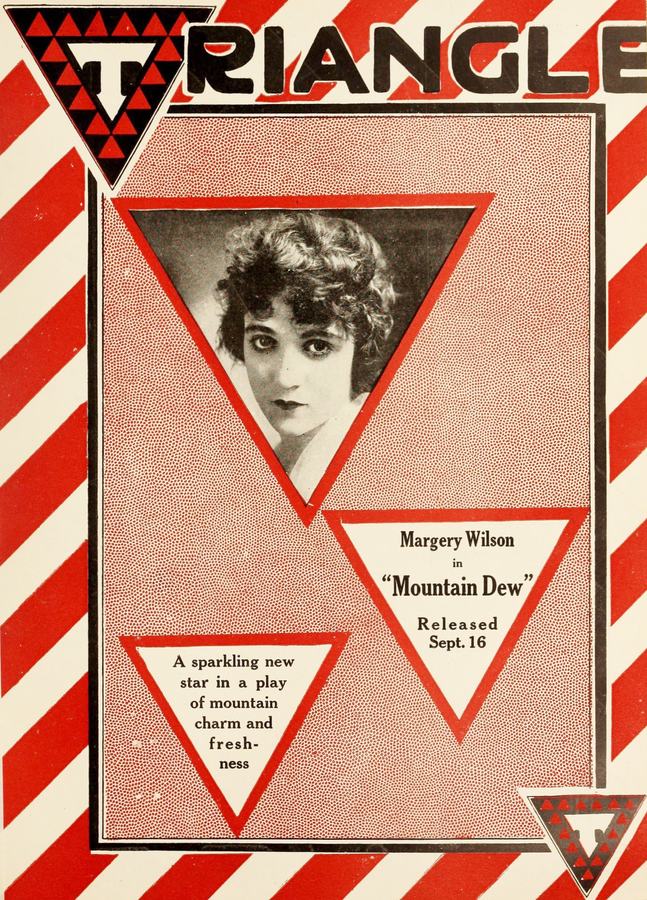
The 1917 release of Mountain Dew redefined the parameters of cult storytelling, the visual language established by Thomas N. Heffron is something many try to emulate. Explore the following titles to broaden your appreciation for cult excellence.
Historically, Mountain Dew represents to synthesize diverse influences into a singular artistic statement.
Magazine writer J. Hamilton Vance travels to the mountains of Kentucky to get local color for his stories, and falls in love with Roxie Bradley, the daughter of a moonshiner. Regarded at first with suspicion by the mountaineers, Vance finally wins their confidence and is appointed teacher in the little log school house. The former teacher, resentful at the intrusion, attempts to shoot Vance through the schoolhouse window, but Roxie intercepts the bullet. Vance nurses her back to health, engendering the jealousy of Lily Bud Raines, who starts a rumor that Vance is a federal agent spying on the moonshiners. As the mountaineers plot to extract vengeance on Vance, Roxie and he are married, and when his antagonists discover that Vance is now one of them, they accept him as part of the mountain community.
Critics widely regard Mountain Dew as a cult-favorite piece of cult cinema. Its artistic bravery is frequently cited as its strongest asset, solidifying its place in United States's film legacy.
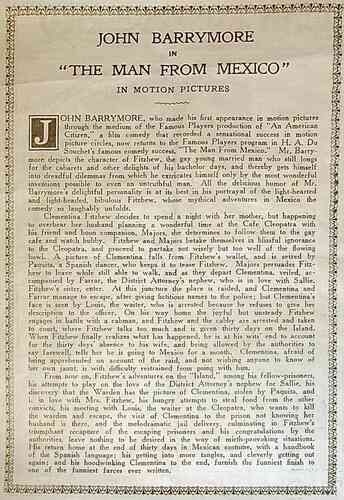
Based on the unique artistic bravery of Mountain Dew, our vault has identified these titles as the most compelling follow-up experiences for fans of cult cinema:
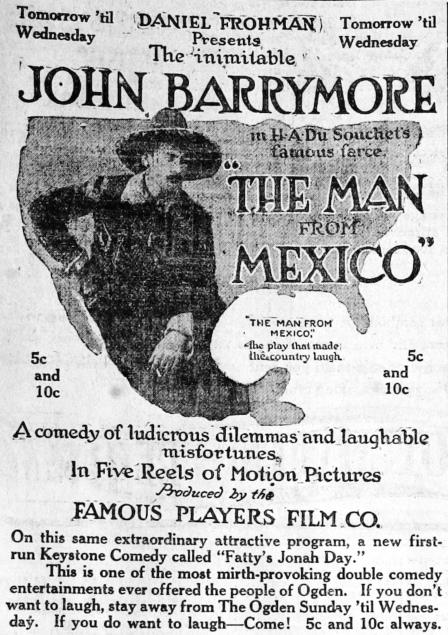
Dir: Thomas N. Heffron
A young man gets arrested after a drunken night. Sentenced to 30 days in jail, he tells his wife he has to go to Mexico for a month.
View Details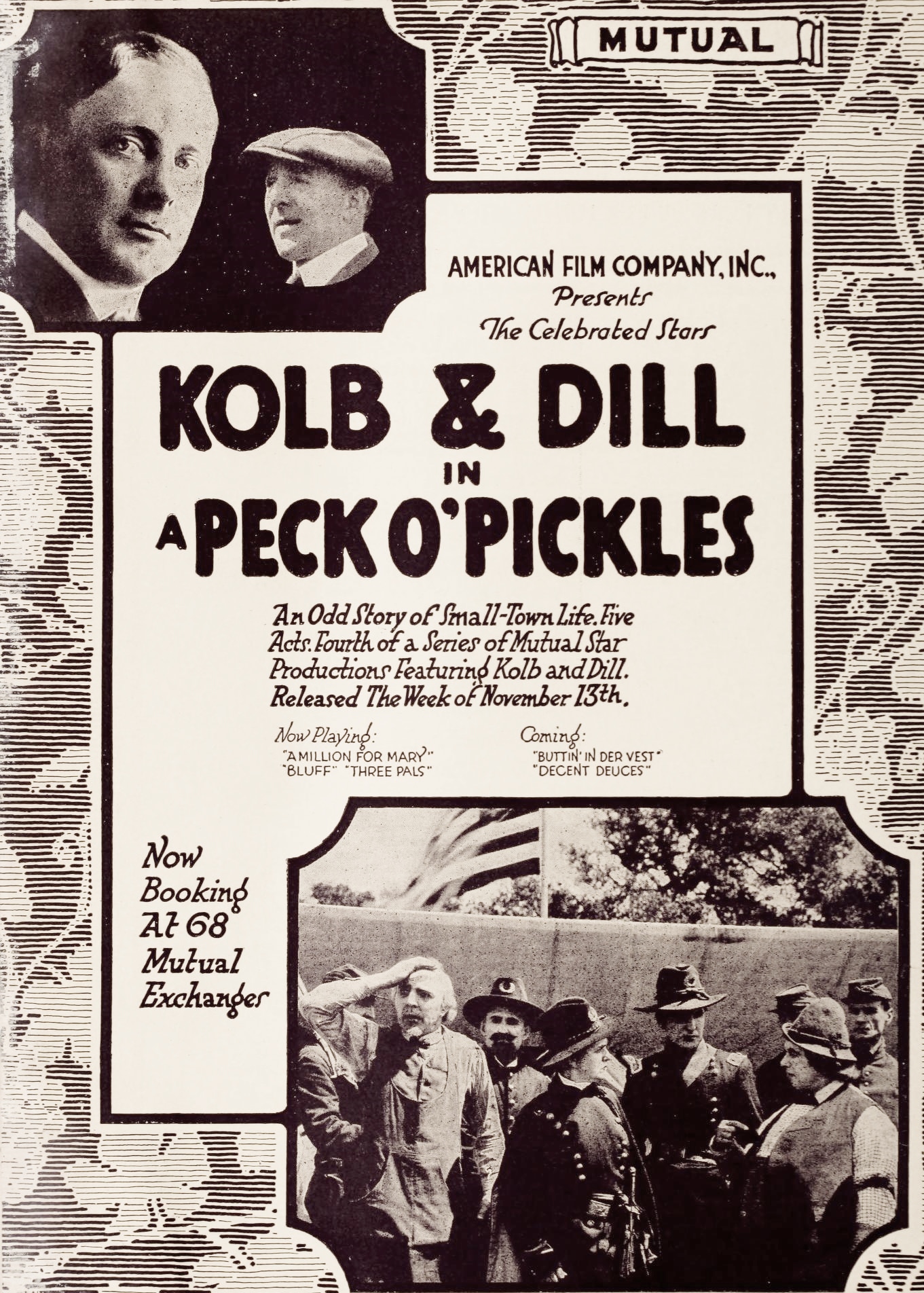
Dir: Thomas N. Heffron
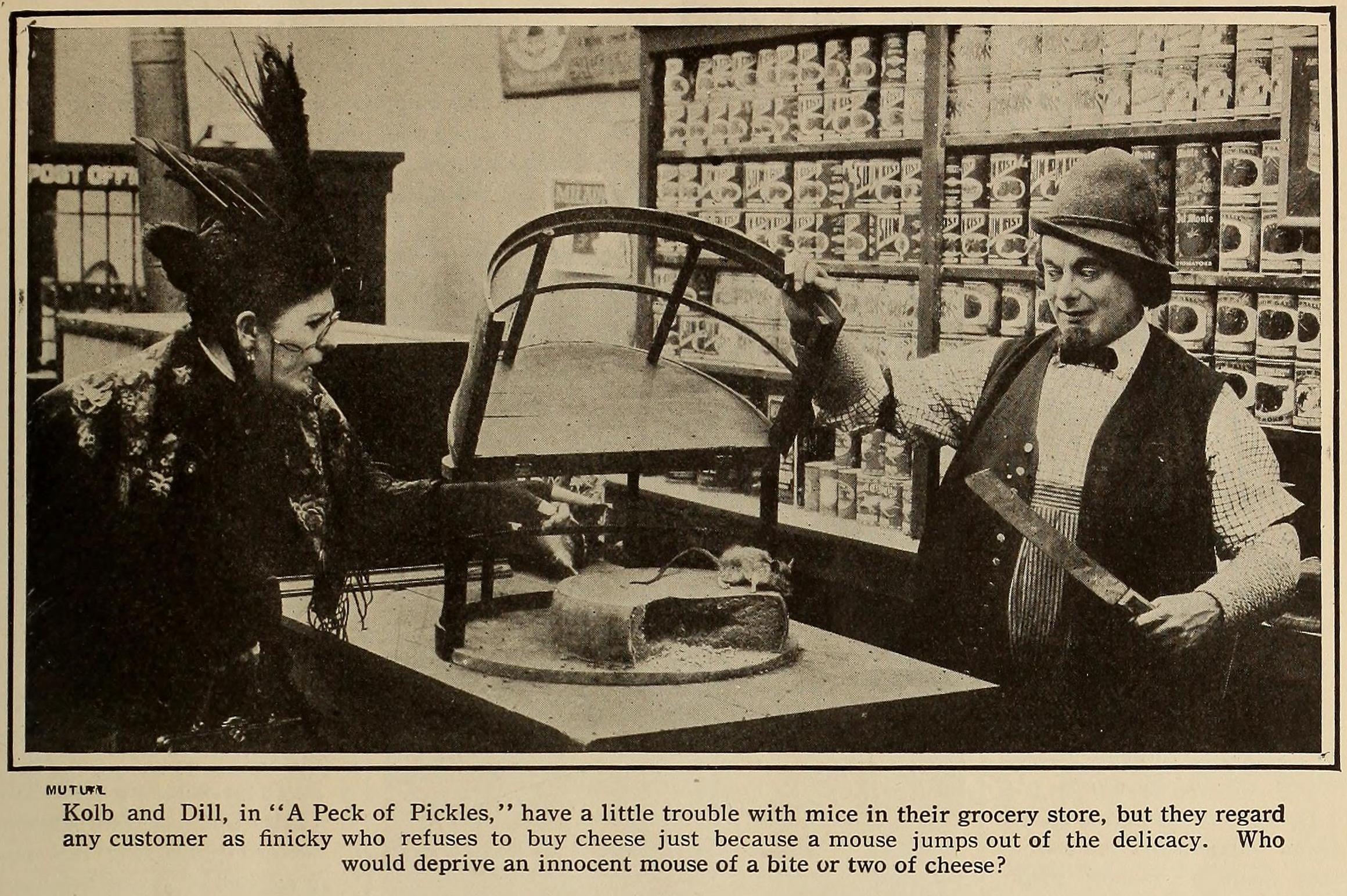
Rudolph Schlitz, a cobbler, finds a lottery ticket in a shoe he is repairing and, determined to make some money from it, he sells an interest in the ticket to his friend, Adolph Busch. Then, fed up with the way temperance leader Caroline Pickett rails against the evils of alcohol, Bobbie Bennett spikes the cider at Caroline's picnic. All of the villagers in attendance get drunk, including Rudolph and Adolph, who then dream that they have arrived in Washington to claim their lottery winnings. Besides being transported to the nation's capital, however, they also have been transported through time back to the Civil War and barely escape from the fighting alive. Rudolph and Adolph then wake up from their shared nightmare, and remembering the link between gambling and Gettysburg, they swear off lotteries and other games of chance forever.
View Details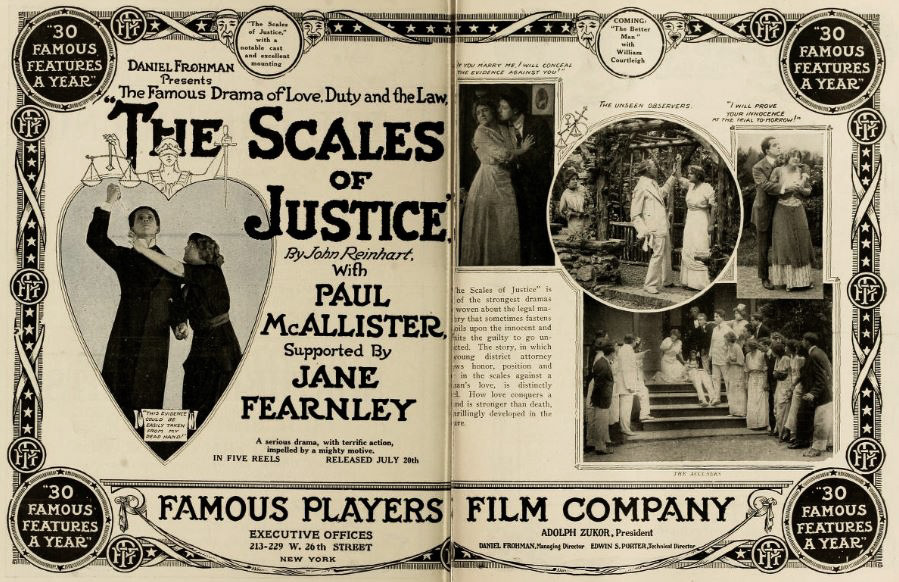
Dir: Thomas N. Heffron
District attorney Robert Darrow is in love with young widow Edith Russell Dexter. Her wealthy grandfather, Judge Philip Russell, wants her to marry his business manager, Walter Elliot, who has actually been embezzling from Russell's company. During a garden party, Edith and the judge fight over her attentions to Robert, Elliot and a maid mistakenly thinks that Edith is threatening him. That night, the judge is murdered and Edith is the prime suspect until old horse thief Bill Crump is found hiding on the property. Later, when Edith rejects Elliot, he hires a private detective to plant false evidence against her. While Edith is in jail, Bill is befriended by Edith's little daughter Alice. During the trial, when Robert breaks down and cannot cross-examine Edith, Bill comes forward to say that he saw the real murderer during a robbery. In the end, Bill willingly goes to jail, and Robert and Edith are free to marry.
View Details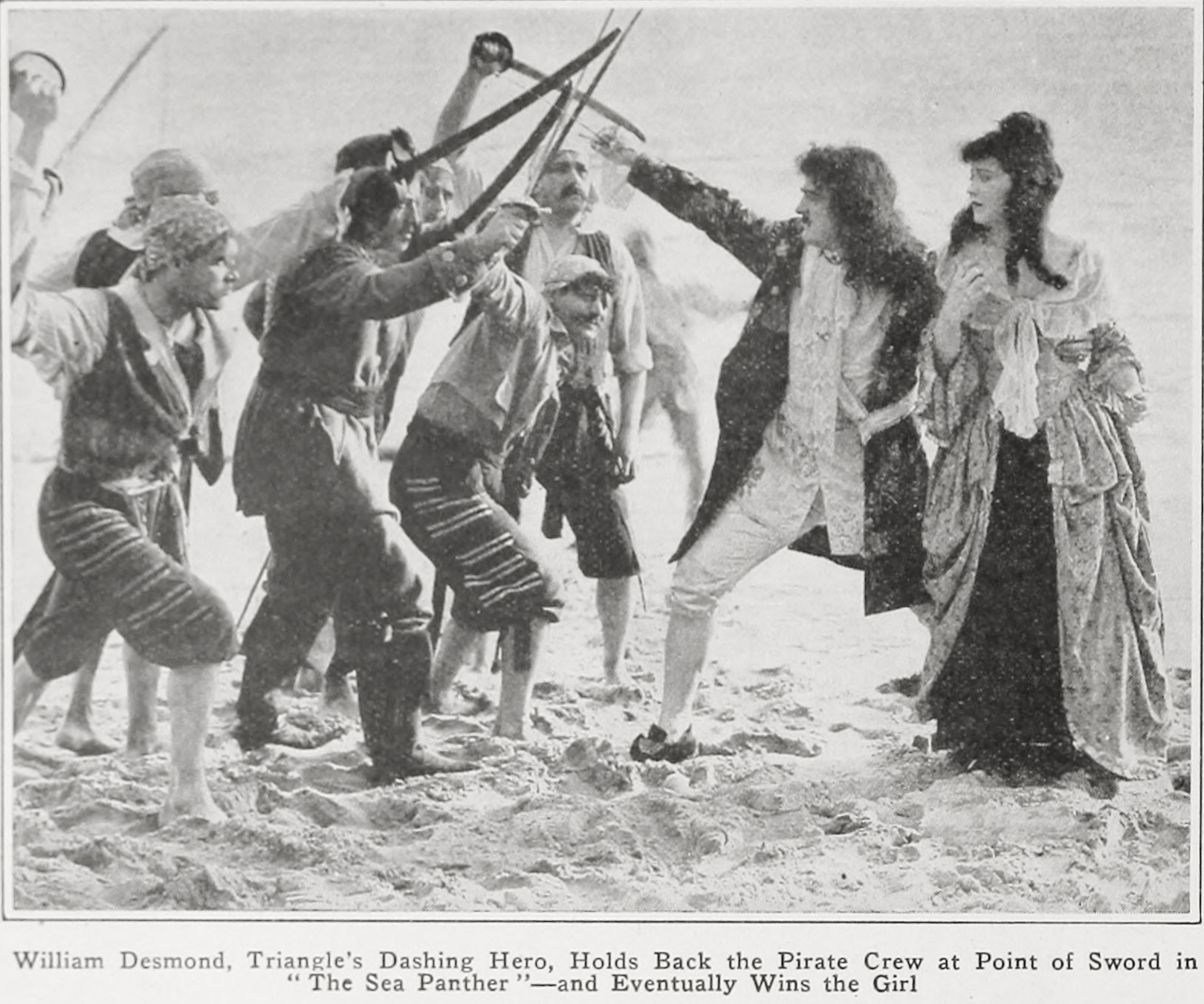
Dir: Thomas N. Heffron
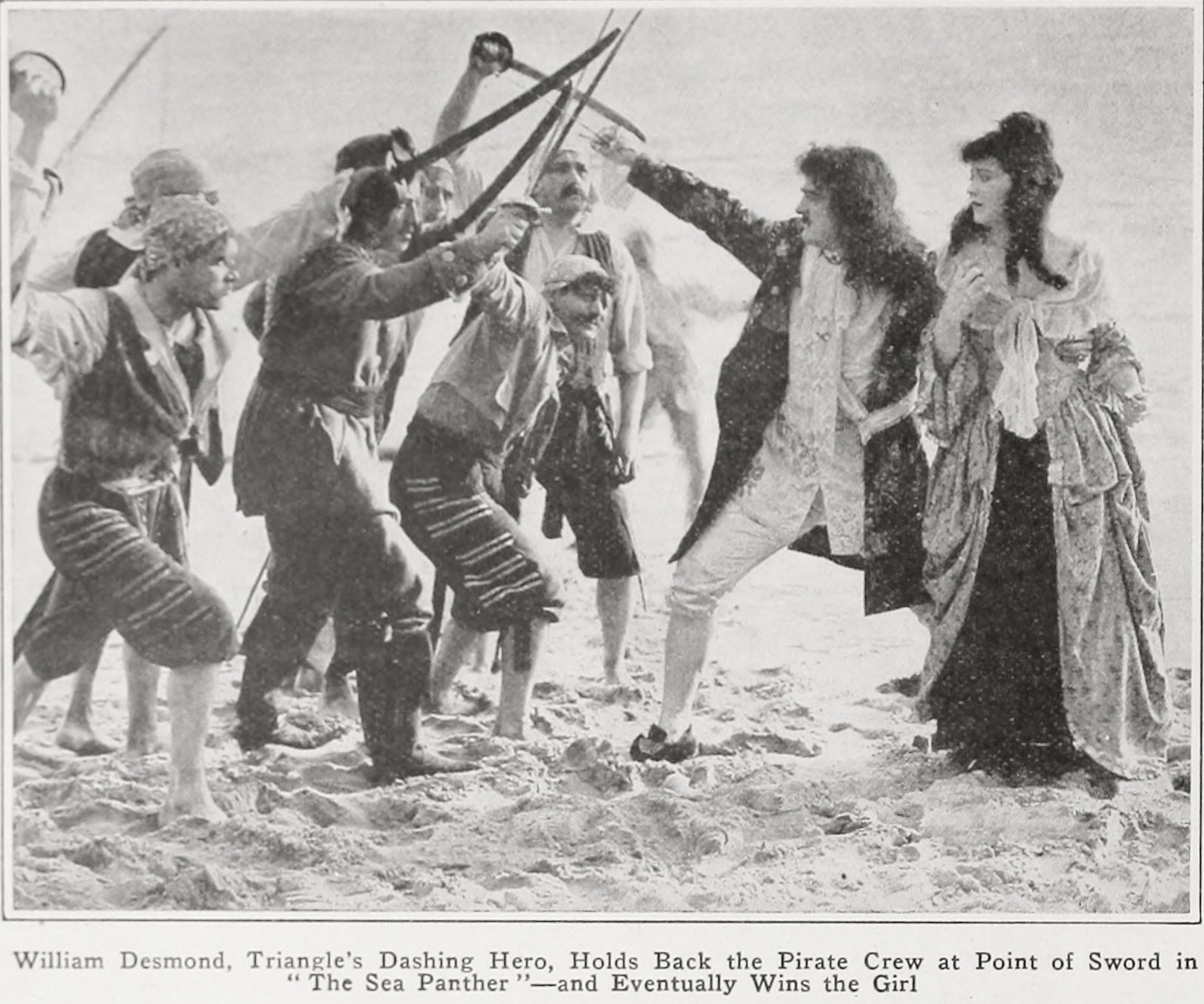
Paul Le Marsan captains his seventeenth-century French pirate ship, the Cygnet, with an iron hand, but is all graciousness and charm with the ladies. When his crew captures the British ship Lady Devon, Paul encounters the beautiful Molly Tarpley, who is en route to join her uncle in the Carolinas. Escorting the British ship to the pirate town of Cayo del Muerto in the Bahama Islands, Paul protects Molly, drawing his sword on any buccaneer who dares to touch her. After accommodating Molly in his richly furnished home, Paul realizes that she will never return his love and agrees to sail the Lady Devon to the Carolinas. As the ship nears the coast, however, Paul's crew rebels, enabling the British to retake their ship and lock Paul in irons. To repay Paul for his kindness, Molly secretly releases him, kisses him once and watches as he rows away.
View Details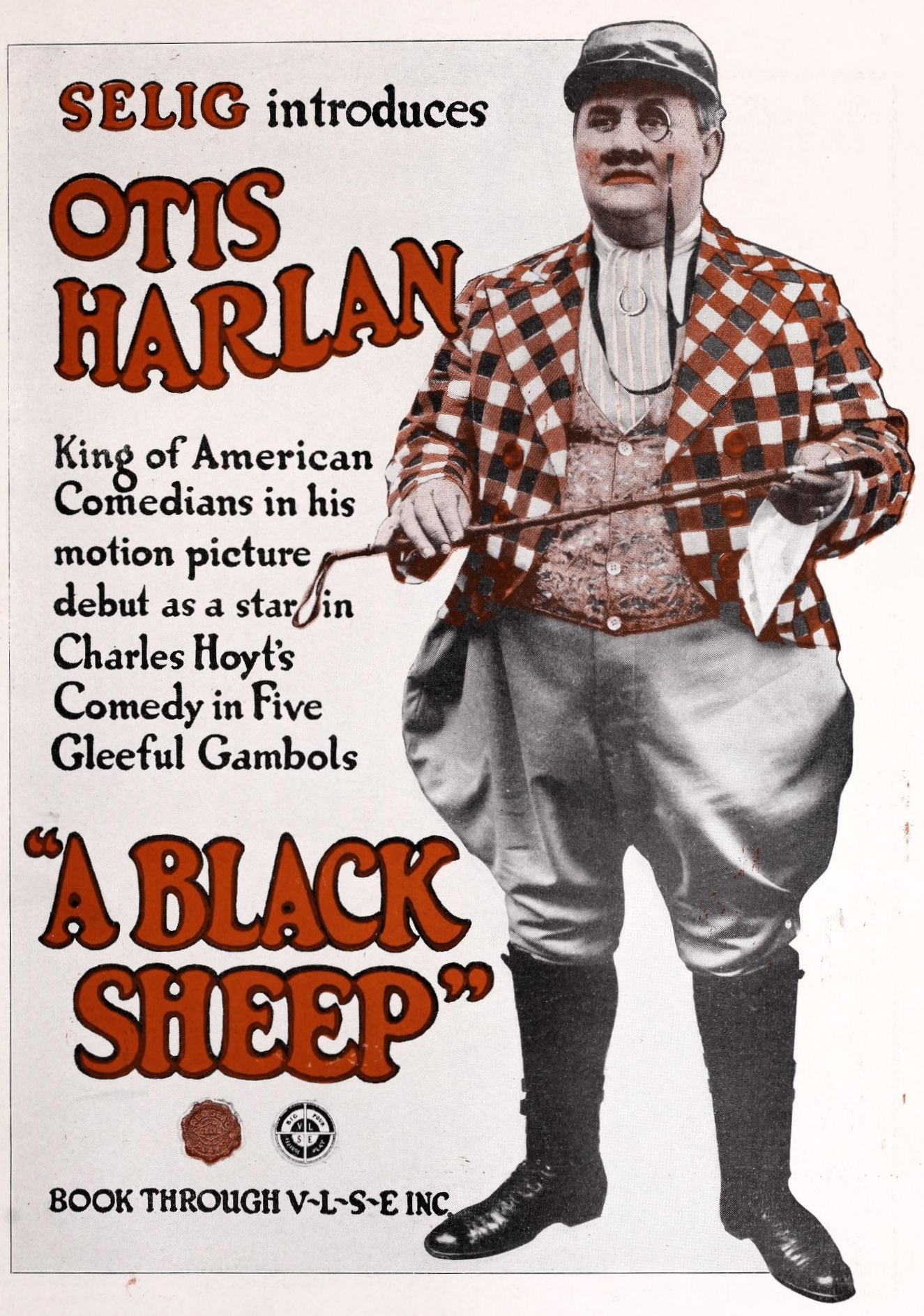
Dir: Thomas N. Heffron
To the town of Tombstone, in which Goodrich Mudd is known as the "Blacksheep," comes a burlesque company headed by Lida, a captivating woman. Mudd, the sheriff and Underdog, who works a mining claim in Tombstone and who is the boon companion of Mudd, compete to win the charmer, and in order to raise money with which to entertain Lida, Mudd, whose daily occupation is that of lolling in a hammock, plays a game of cards with the sheriff. During the game the manager of the theatrical company also takes a hand, but loses considerably. The money the manager takes from the company's cash box which is fastened to the treasurer of the company, who is handcuffed to the bedstead. Mudd takes Lida to dinner, and when he is far under the influence of wine, the burlesque queen hoists the $19 worth of fried chicken and other delicacies in a basket to the girls in the room above who have not eaten a thing for several days. But Tombstone's omnipresent bad man is always on the job, and when he sees the basket full of eats going up, he empties the contents into the cash box, which he had previously discovered and from which he had abstracted the balance of the company's receipts, lowers the box into its original place and "beats it." The theatrical manager cannot pay the hotel bill, so the proprietor attaches the wardrobe of the players, leaving them nothing but their stage costumes. Subsequently a lawyer arrives from Chicago, who tells Mudd that he has been left $2,000,000 by his aunt who recently died, and that he may obtain the fortune if he complies with the provisions in the will which are: (1) he must live in the Mudd mansion in Chicago; (2) must acquire culture; (3) must place a wreath on his grandfather's grave; (4) must get married to his cousin, Ada Steele, within 99 days; (5) if Ada refuses to marry him, he must marry someone else in 99 days; (6) to decline the terms the money will revert to his other cousin, Percy Vere. Great is the consternation of all present at the reading of the will when Mudd refuses to abide by the terms, and it is only when the crowd threatens to kill him that he finally agrees. He goes to the Mudd mansion in Chicago and takes all his friends with him. The lawyer informs Percy and Ada of the terms of the will, and as these two young people are engaged to be married, Ada contrives to get the fortune by "stringing" Mudd along until the last day when she will flatly refuse to marry him. It will then be too late for Mudd to get a wife, and the millions will go to Percy. Then he and Ada will get married. Percy and Ada go to the Mudd mansion, and Mudd tries to make love to Ada. She blows a whistle, which is the cue for Percy to come to her assistance, but he does not appear, for he has been captured by two female burglars who find upon him an incriminating letter from Ada Steele. The burglars offer to return the letter for $100,000. Some time later Ada and Percy are walking in Lincoln Park when they observe Mudd trying to put a wreath upon the spot in the lake where his grandfather met death by rocking a boat. He also recognizes the female burglars nearby, and tells them to kidnap Mudd until a certain time has passed when he (Percy) agrees to reward the burglars. They comply and Mudd mysteriously disappears. The time for Mudd's marriage is near at hand. Fearing that Percy may not live up to his word, the female burglars decide to watch him, and their suspicions are confirmed when they hear him say to Ada that the millions will soon be his and "The Spiders," whom the female burglars are called, can go hang. In revenge "The Spiders" give orders to release Mudd, who arrives at his mansion at 11:53. "The Spiders" are there, too, and they flaunt the letter found in Percy's pocket, revealing its import, and adding that Ada's absence proves that she has turned Mudd down. Mudd doesn't become alarmed, for he, at the last minute, marries Lida, who has always loved him.
View Details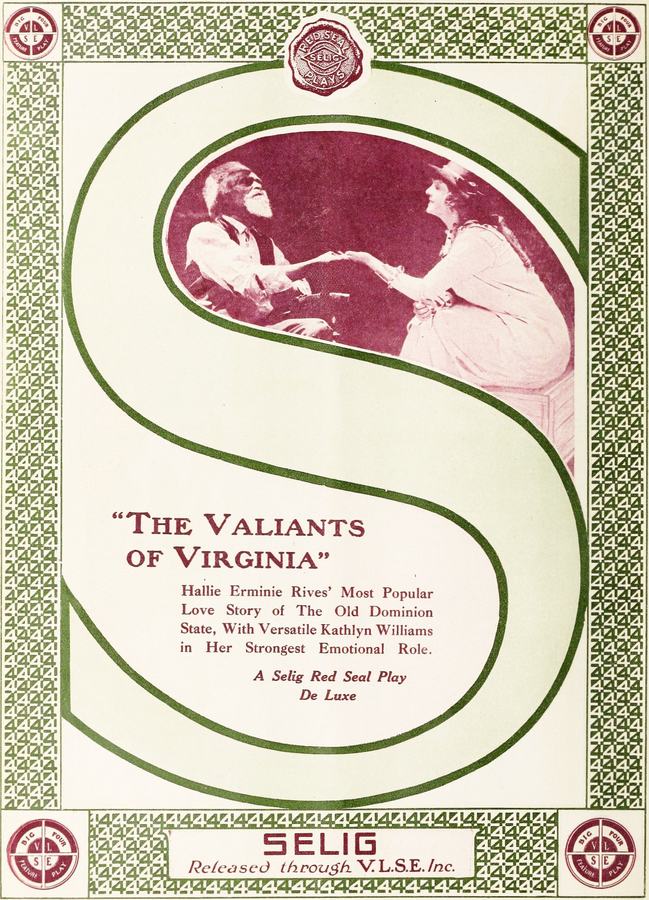
Dir: Thomas N. Heffron
During a dance, John Valiant challenges duel Edward Sassoon to defend the honor of Virginia beauty, Judith Fairfax, John promises Judith he won't take the life to his opponent, but when the smoke clears, Sassoon lies dead and John must flee North. Before he leaves, John entrusts Major Bristow to deliver an explanatory note to Judith, but, torn by his own desire for the Southern belle, Bristow pockets the letter instead. In the North, John founds a successful business and marries, but his young wife dies while giving birth to a son. Filled with hatred for John, Judith marries Tom Dandridge and has a daughter, Shirley. Many years later, John, Jr., now head of the Valiant Corporation, becomes engaged to Katherine Fargo. In order to save his company during a business panic, John must stake his entire fortune and, with his financial situation looking dim, loses Katherine's interest. In despair, John returns to his father's estate and falls in love with Shirley Dandridge. To rekindle her romance with John, Katherine tells Shirley of the family feud and Shirley suddenly cools toward John. On his deathbed, Barstow finally gives Judith John's letter in which John reveals that Edward had shot himself during the duel. John and Shirley are happily reconciled.
View Details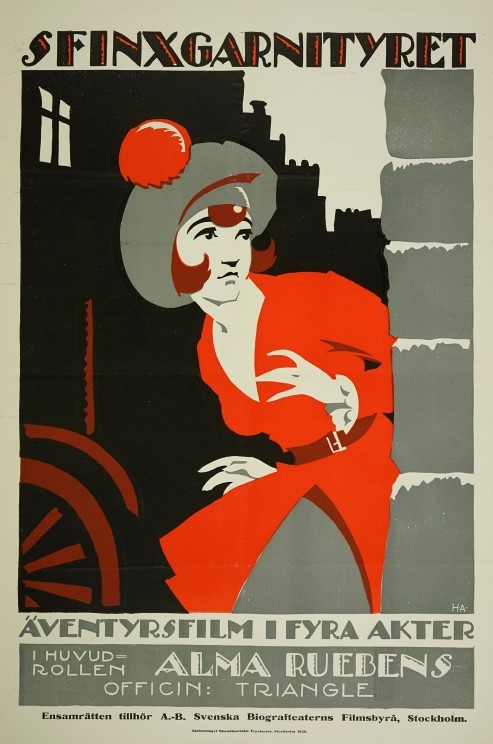
Dir: Thomas N. Heffron
Disgusted when the police department fails to apprehend the murderer of her guardian, Henri Du Bois, Celeste decides to track down the criminal herself. Her only clue is a cuff link dropped near the scene of the crime on which a sphinx is engraved, and with it, she wanders through Paris' tough Moulin Noir district. When she notices a young man wearing a tie pin of identical design, she cultivates his acquaintance and eventually asks him to visit her in her home. His suspicious behavior there convinces Celeste that he is the guilty party, and although she has fallen in love with him, she has him arrested, whereupon she learns that he is Du Bois' missing son, Andre. Further detective work reveals that the real murderer is Celeste's rejected suitor, Raoul Laverne. Upon his confession, Andre is released and eventually marries Celeste.
View Details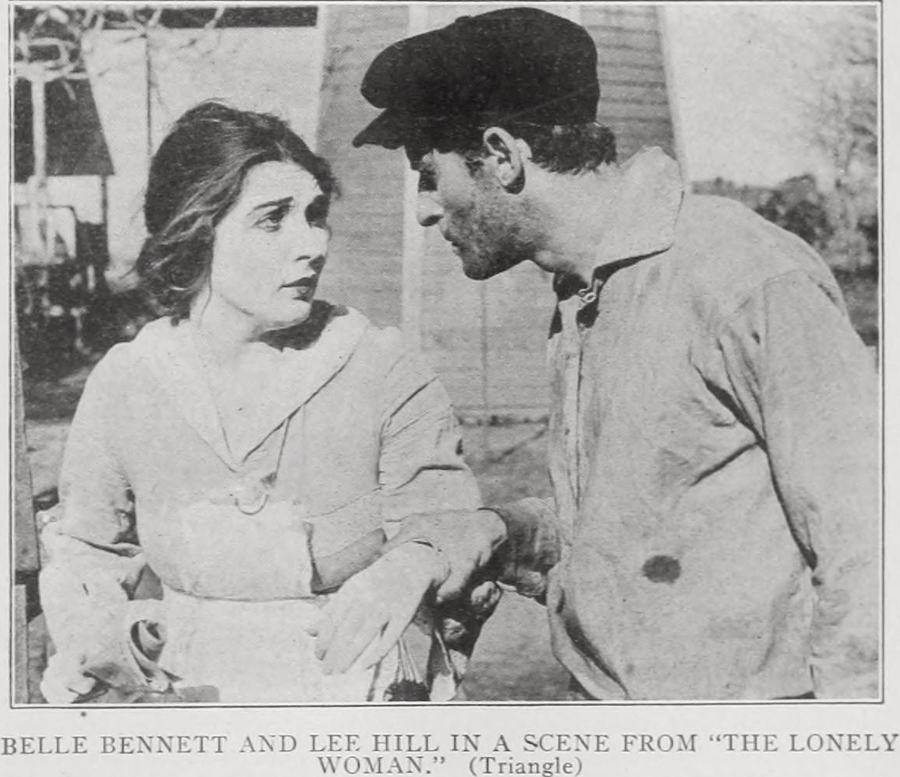
Dir: Thomas N. Heffron
The reticence of Martha Sellers and her employment of Jim Ransom, a drunkard, excites the curiosity of the villagers. She receives mail postmarked "Ossining," and this further stirs the people. The gossipers spread the report that her lover is in Sing Sing, but the heart of the matter is that her husband has been unjustly convicted on a charge of embezzlement. Fate takes a hand and Ranson asserts that he is responsible for the robbery, thereby reuniting Martha and her husband.
View Details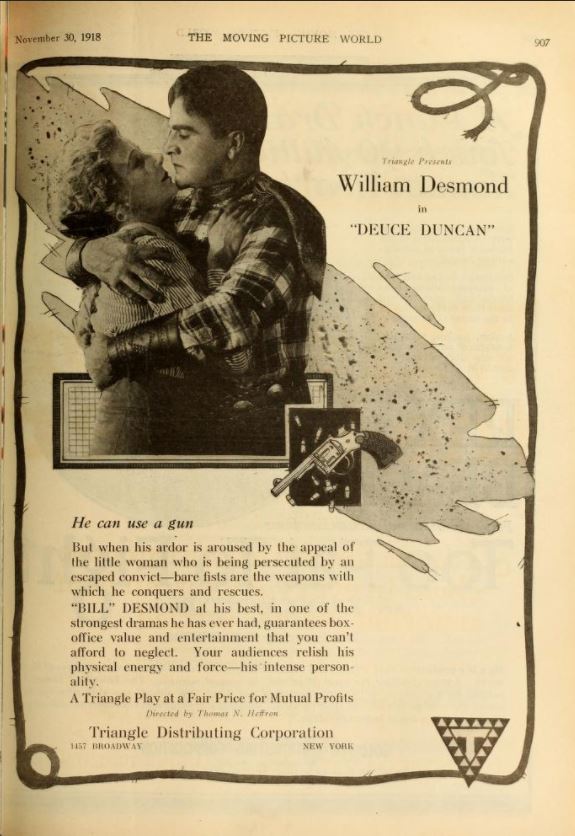
Dir: Thomas N. Heffron
Ann Tyson leaves her little cabin and goes West with her brother John, whom she has not seen in fifteen years during his imprisonment for a crime he did not commit. Ann becomes a barmaid in the local saloon, where she meets cowboy Deuce Duncan, and the two fall in love. Deuce correctly suspects that John is involved with a gang of cattle rustlers but remains silent because of his love for Ann. In a drunken rage, John attacks Ann, admitting that he is not her brother and demanding that she marry him. Deuce arrives and rescues Ann just as Clements, the head cattle rustler, sneaks up on the cabin and shoots John.
View Details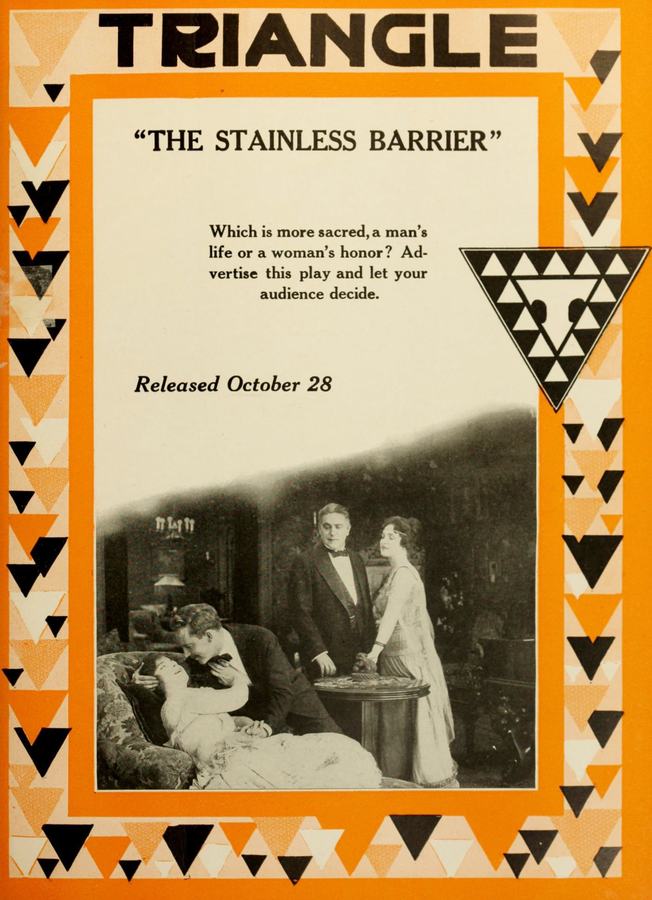
Dir: Thomas N. Heffron
Betsy Shelton, an orphan since early childhood, lives in Myrtleville with her aunt, and is engaged to marry Calvin Stone, a young lawyer. Betsy's brother, Dick, ostensibly working in New York to recover the family fortune, becomes involved with one Roger Enderleigh, a shyster promoter, who because of crooked dealings, is forced to flee from the postal authorities. He induces Dick to take him to Myrtleville, where Dick introduces Enderleigh as a prosperous banker promoting a munition plant, thus swindling the townsmen. The visit terminates in a vivid climax when the postal authorities track Enderleigh, who prepares to flee leaving Dick to bear the brunt. Dick kills Enderleigh and then asks for mercy on the plea that Enderleigh has ruined Betsy. Stone, true to the code of Southern chivalry, does not lose faith in his fiancée, and in the closing scenes of this photodrama, restores her good name and brings her erring brother to punishment.
View DetailsAnalysis relative to Mountain Dew
| Film Title | Atmosphere | Complexity | Similarity |
|---|---|---|---|
| The Man from Mexico | Tense | Abstract | 97% Match |
| Peck o' Pickles | Surreal | Dense | 85% Match |
| The Scales of Justice | Gritty | Abstract | 87% Match |
| The Sea Panther | Gritty | Dense | 96% Match |
| A Black Sheep | Gothic | Layered | 87% Match |
This guide was algorithmically generated using the cinematic metadata of Thomas N. Heffron's archive. Last updated: 8/17/2026.
Back to Mountain Dew Details →