
DbcultAccessing Vault...
Recommendations
Senior Film Conservator
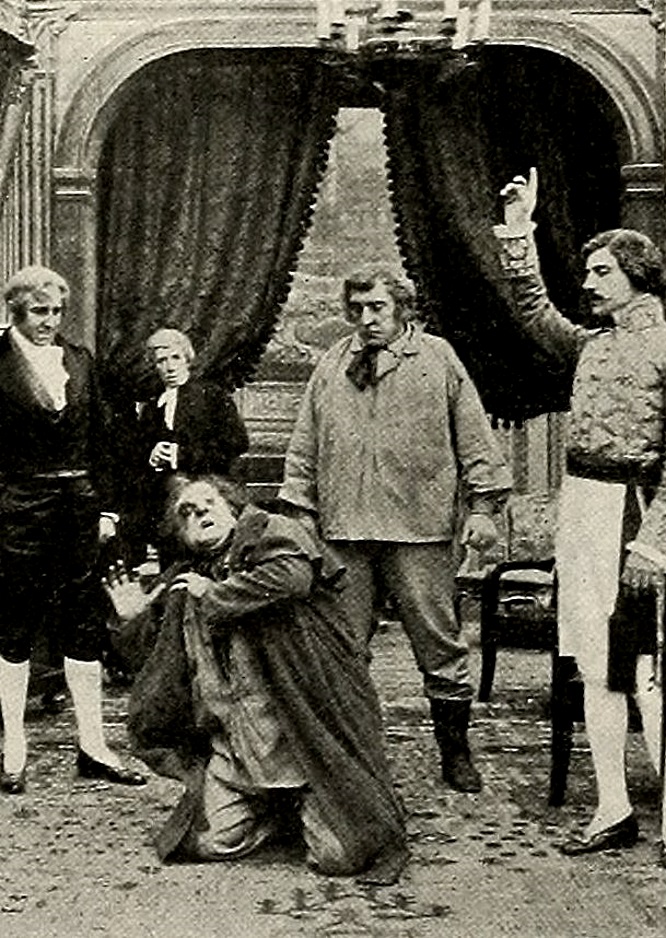
The artistic legacy of Albert Capellani was forever changed by Mysteries of Paris, this cult landmark continues to dictate the rules of its category. We've assembled a sequence of films that complement the tone of Mysteries of Paris perfectly.
The vintage appeal of Mysteries of Paris to maintain its cult relevance across several decades.
The Archduke Rodolphe d'Illyrie is secretly united to Countess Sarah Mac Gregor and they have a daughter together. The young woman learns that her father-in-law is potting to have the marriage annulled so she writes her brother to ask him to get rid of the old man. When her letter is intercepted, she leaves her child in the care of farmers near Paris and escapes to America. The Archduke finds the whereabouts of his daughter but he finds the house has been destroyed by a criminal fire and figures that she died. He sets out to find his daughter's murderers and meets the evil Schoolmaster and his friend la Chouette. They actually hide the child, that they call Fleur de Marie, and force her to beg for their profit.
Based on the unique cult status of Mysteries of Paris, our vault has identified these titles as the most compelling follow-up experiences for fans of cult cinema:
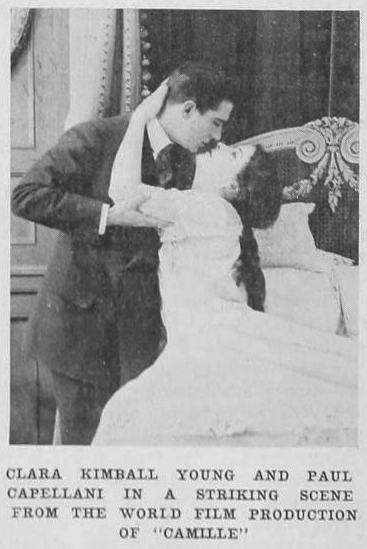
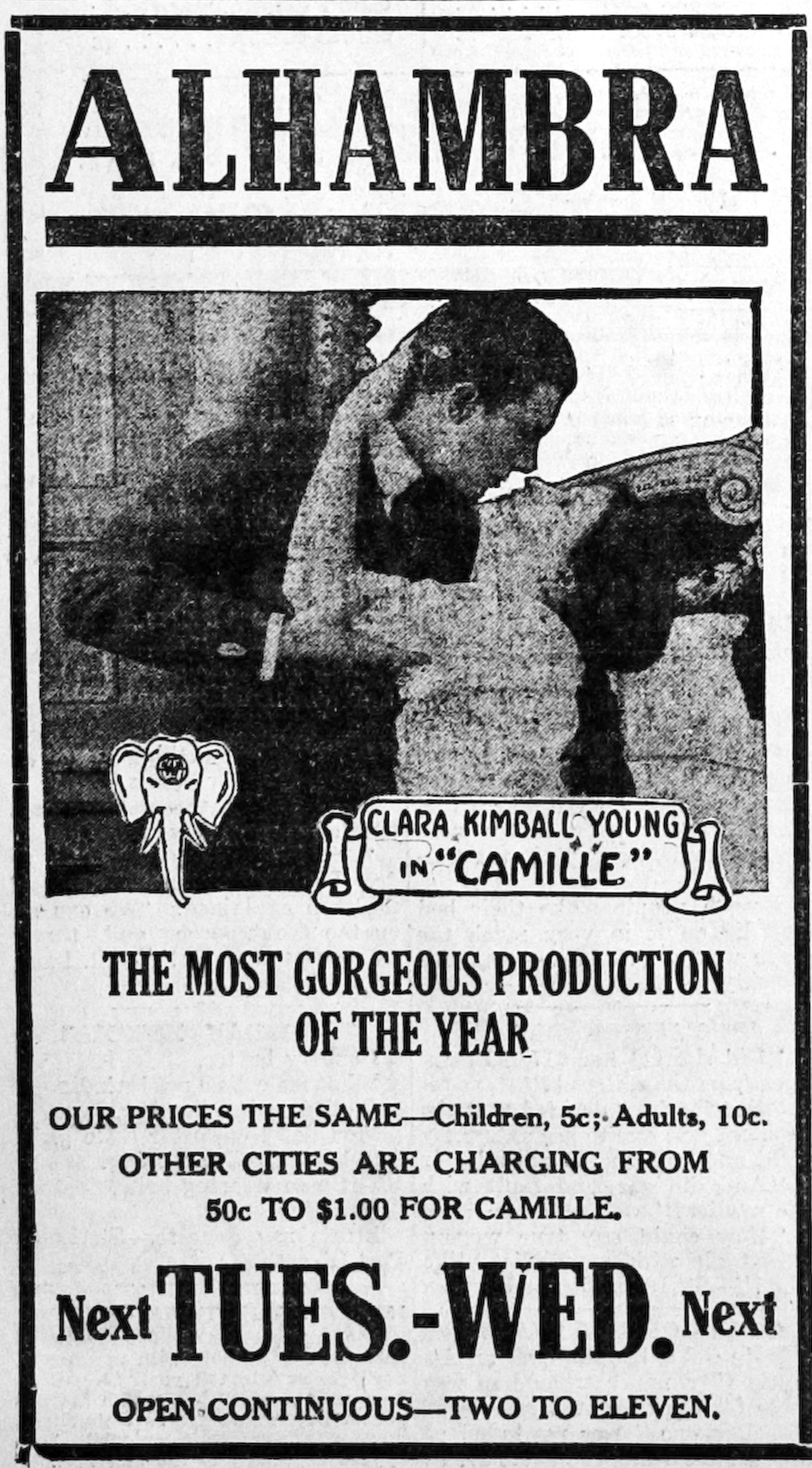
Dir: Albert Capellani
Marguerite Gautier, known as "Camille" on account of her fondness for camellias, is queen of the underworld. She has a wealthy lover in Count de Varville, whom, though he supplies her with plenty of money, she does not love in return. Her affections are set upon Armand, a young lawyer from the country. She suffers from her excesses, and the doctor warns her that she must change her mode of living, but she laughs at his advice. Armand's love for her renews her interest in life, and she goes with him and lives quietly in the country. But their happiness is short. Camille has had to sell her jewelry and horses in order to pay her debts, and, learning of this, Armand becomes suspicious. Armand's father, hearing of his son's attachment for Camille, demands that the woman should abandon Armand. For the sake of Armand's young sister, Cecile, Camille agrees to sacrifice herself and returns to her former life with Count de Varville. But Armand's love for Camille will not be suppressed. They meet again. He begs Camille to go away with him. She refuses. Armand accuses her of loving de Varville. The two men meet and quarrel. There is a duel, and Armand wounds de Varville. Armand learns that Camille always loved him and that her aim was to please the father by preserving Armand's family's good name. In the end Camille dies with a smile on her lips and expressing her love for Armand.
View Details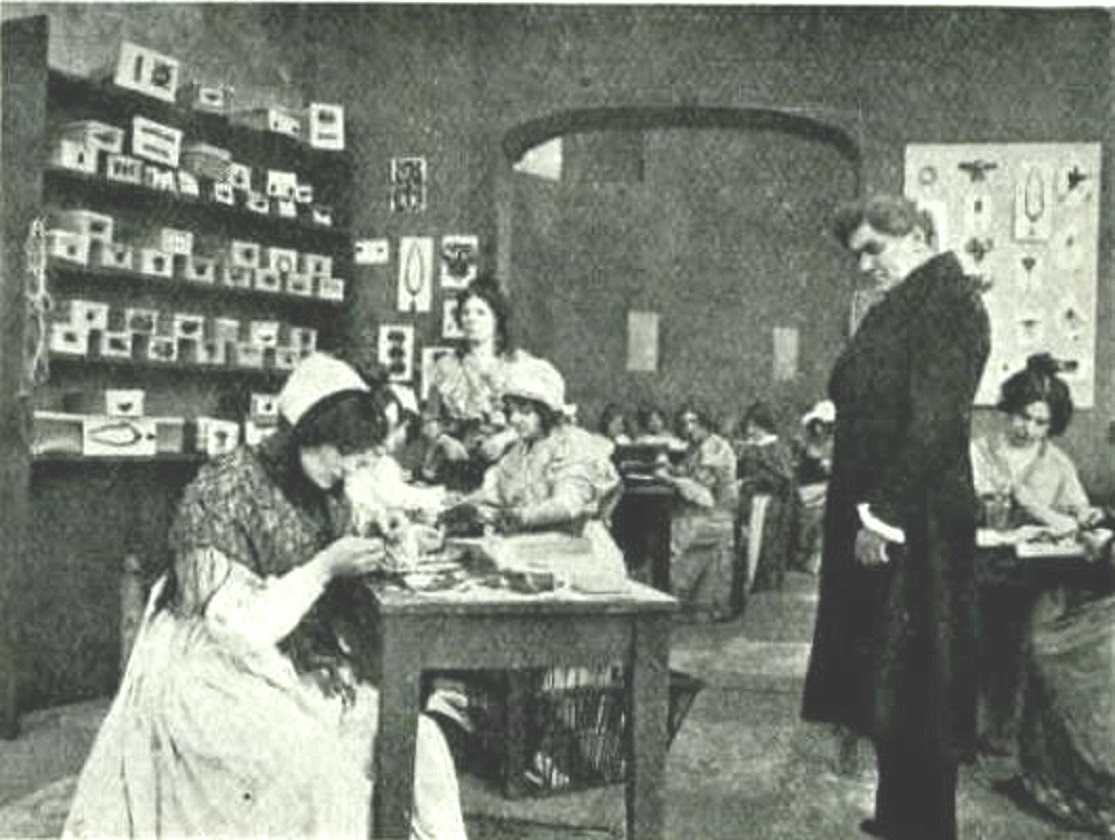
Dir: Albert Capellani
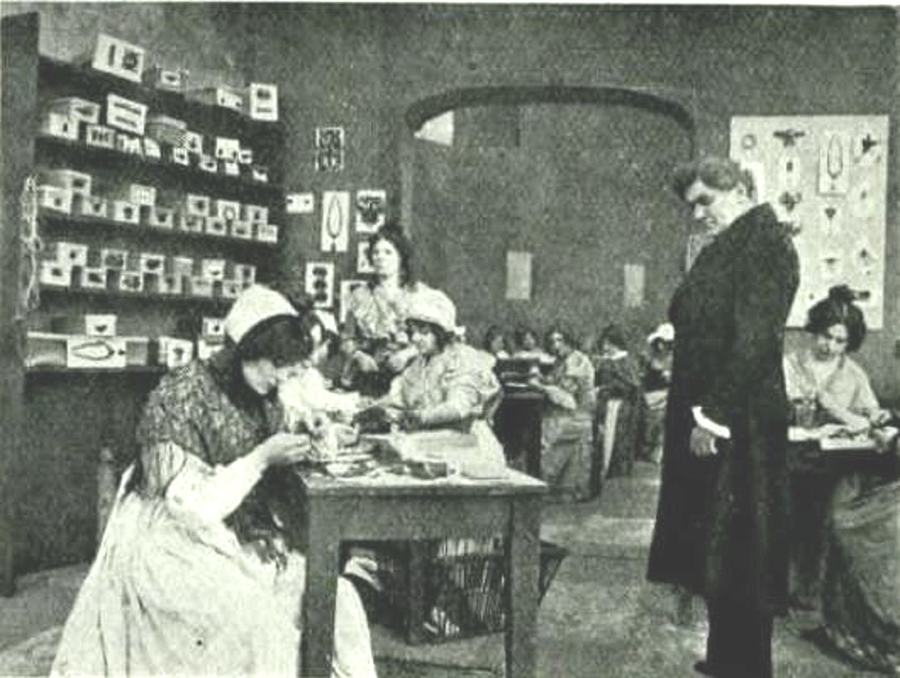
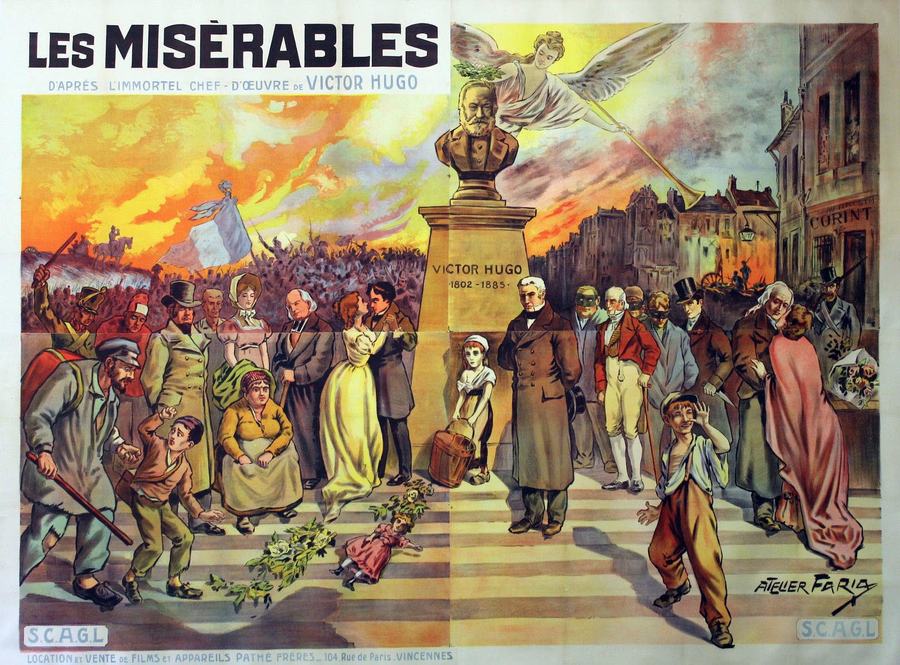
Jean Valjean, guilty of a minor theft of food, is pursued and hounded for years by a relentless lawman, Javert.
Dir: Albert Capellani
First feature length French film adaptation of the story of former convict Jean Valjean who is hunted down by ruthless inspector Javert in mid 19th century France. Released in four parts, like a serial.
View Details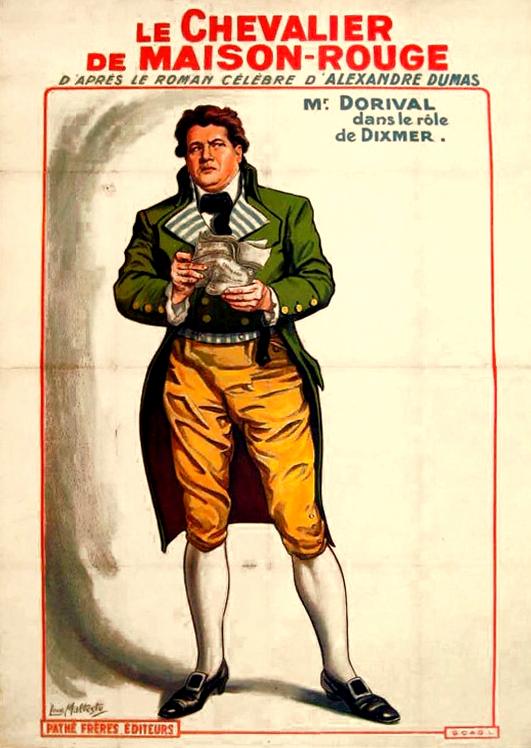
Dir: Albert Capellani
The scene takes place in Paris in March 1793 during the Reign of Terror. The Knight of Maison-Rouge, posing as Citizen Morand, is organizing the escape of Queen Marie-Antoinette. He is assisted in his undertaking by Dixmer, a master tanner who passes himself off as an ardent revolutionary and his wife Geneviève, who also happens to be the Knight's sister. While on mission with her brother, she is saved from arrest thanks to the intervention of Lieutenant Maurice Lindey. Geneviève, who is married without love to Dixmer, falls for the young man, who requites her love. A tunnel is dug between a house rented by Dixmer and the Tower of the Temple but the various attempts to rescue the queen attempts fail. Marie-Antoinette risks the guillotine. Lindey finds himself involved in the plot.

Dir: Albert Capellani
When young schoolteacher Mary Adams is out of the classroom, she dreams of the days when the world was peopled by knights and beautiful ladies in distress. She is so imbued with the spirit of romance that when a strange young man rescues her from a street ruffian, she idolizes her hero, picturing him as a regular Sir Galahad. Mary's rescuer is Jim Anthony, a mechanic with inventive talents. Embittered after his invention is stolen, he becomes a burglar. Knowing nothing of this, Mary falls in love with him and marries him. He's a product of the slums, and in his wandering he has lost track of his mother. When he finally learns that she's living in the Carolina mountains, he persuades Mary to go with him to visit her. He takes with him a bag of jewelry, the plunder gained in his recent robberies. They find Anthony's mother living alone in a hut. The old woman has become a wretched creature. She fails to recognize her son, who asks for a night's shelter for himself and his wife. While unpacking, Mary discovers the jewelry and confronts Jim, who confesses his crime. Horrified, Mary orders Jim from the room, locks herself in, and goes to sleep on a couch in the main room. The old woman finds the jewels and her cupidity leads her to try to kill the man she doesn't know as her son. Mary finds Jim unconscious from his wound and hurries to the village for medical aid. She keeps away from him, and on his recovery he returns to the city and makes restitution of the stolen property. A reconciliation is brought about several years later.
View Details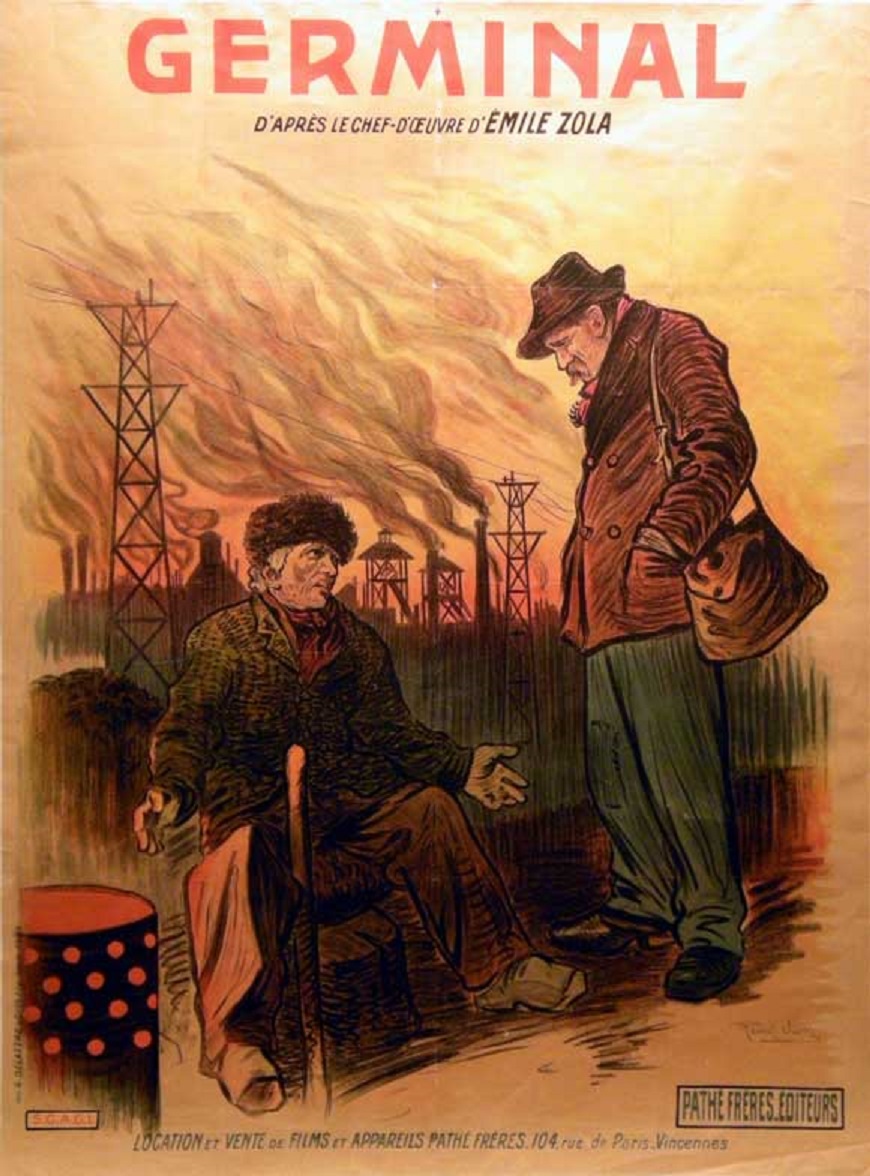
Dir: Albert Capellani
The mechanic Etienne Lantier is a competent workman out of a job, whose tempestuous disposition is more than atoned for by a good heart. With bundle in hand he looks for work from town to town and in vain until he comes to the coal mines of Montsou. Luckily for him there is a vacancy because of a workman being absent, and the foreman, Maheu, hires him at the suggestion of his daughter, Catherine, who dressed as a man is wont to work like a man in the mine. Lantier creates an impression on her and she takes his part much to the chagrin of her accepted lover, Chaval, an unworthy and violent man. Lantier fails to recognize her as a woman until after sharing her lunch with him in the depths of the mine, her hair falls from under her miner's headgear. From that moment he devotes his whole heart to her. At the end of the day's labor Lantier, who has excited a fierce jealousy in Chaval, is invited by Maheu to become a boarder at his house and he joyfully accepts. The engineer, Negrel, making his daily descent into the mine finds the shoring timbers holding up the earth in a bad state and ready to fall. He makes a report recommending that the woodwork he immediately and properly repaired so as to avoid accident. The company, however, posts a notice saying that because the woodwork has to be repaired the price received by the miners per car of coal mined will be decreased. This arbitrary and unfair notice causes much discontent and anger among the miners. A mass meeting is called for at the Cabaret Rasseneur; Souvarine, an anarchistic workman, advocates violent measures. Lantier opposes this and suggests concerted action. The anger of the workmen breaks out afresh when they begin to receive their reduced wages and urged on by Lantier, whose influence is growing, they vote to strike. In the meantime Catherine, though in love with Lantier, dares not go back on her word to Chaval and marries him. Chaval treacherously carries full information of the strike proceedings to Mr. Hennebeau, the chief director of the company, and accepts pay for being a spy. The strike is now on amid general enthusiasm. In the meantime, Negrel, the engineer, who is in love with Hennebeau's daughter, pleads with Hennebeau to answer the miners' requests. Miss Hennebeau also pleads with her father, but in vain. The stores refuse to extend credit to the striking workmen and famine soon stalks among them. Lantier discovers to his surprise that Chaval is an exception and that he has plenty of food and money. As yet he has not discovered that Chaval is the paid spy of the company. Catherine brings secretly to her starving relative food and money. Chaval follows her, drives her from the house and strikes her. Lantier seeing it interferes in her behalf, and being attacked by Chaval thoroughly thrashes him. Chaval, taking advantage of the growing misery among the miners, urges some of them back to work. While they are in the mines the other strikers cut the elevator ropes. There is a panic in the mine depths. The imprisoned miners finally escape by ladders, but have to run the gauntlet of the enraged strikers, who still hold out. When Chaval is dragged from the mine Lantier rashes at him, but Catherine steps in between and prevents harm being done to her husband. Blinded by hatred Chaval goes to Hennebeau and denounces the miners' leaders, especially Lantier. The police are called upon to arrest him, but warned in time he escapes to the abandoned shaft of Voroux. The strike becomes violent and the troops are called in to reinforce the police. In the absence of Lantier, Souvarine is called in to head the strikers. Hennebeau's house is attacked and stoned. Seeing the soldiers preparing to fire on the mob, the director's daughter rushes from the house to try and avert the coming calamity. She is caught in the storm of bullets and dies together with many of the miners and their wives, among them Catherine's father. This crushes the strikers' movement and instigated by Chaval they vote to resume work. Lantier, emerged from his refuge, tries in vain to dissuade them, but his influence is gone and bowing to the majority he also goes back to work. Souvarine, alone implacable, determines upon desperate measures. He releases the bolts binding the barriers that hold back water from flooding the mine and the flood breaks loose. He is drowned in the cataclysm that follows. The miners, caught like rats in a trap, run madly hither and thither. Some escape, others, among them Lantier, Catherine and Chaval, are caught. These latter three find themselves imprisoned in an abandoned working pit, where they sit in despair with the water up to their knees. They have little food and when after long hours Catherine attempts to give a little of her lunch to Lantier. Chaval furiously opposes. Chaval finally attempts to deprive his wife by force of her morsel of food. In righteous rage Lantier strikes him and kills him. His dead body, floating on the water, haunts them. Forgetting their animosities, directors and workmen unite in the work of rescue. Through an abandoned pit they come near to Catherine and Lantier. Their signals being answered by the prisoners they redouble their exertions. By imprudence, however, an explosion takes place, which kills many of the rescuers and sets back the work. Among those killed is Catherine's brother. When the workers finally pierce the intervening walls they find only Lantier alive, for Catherine lies dead in his arms. When the unconscious man is brought into the daylight and at last opens his eyes it is the bereaved Negrel who, with a heart of sympathy, comforts him in his grief when he sees the body of his dead sweetheart. Broken in spirit he sees injustice rule and the poor pay the piper.
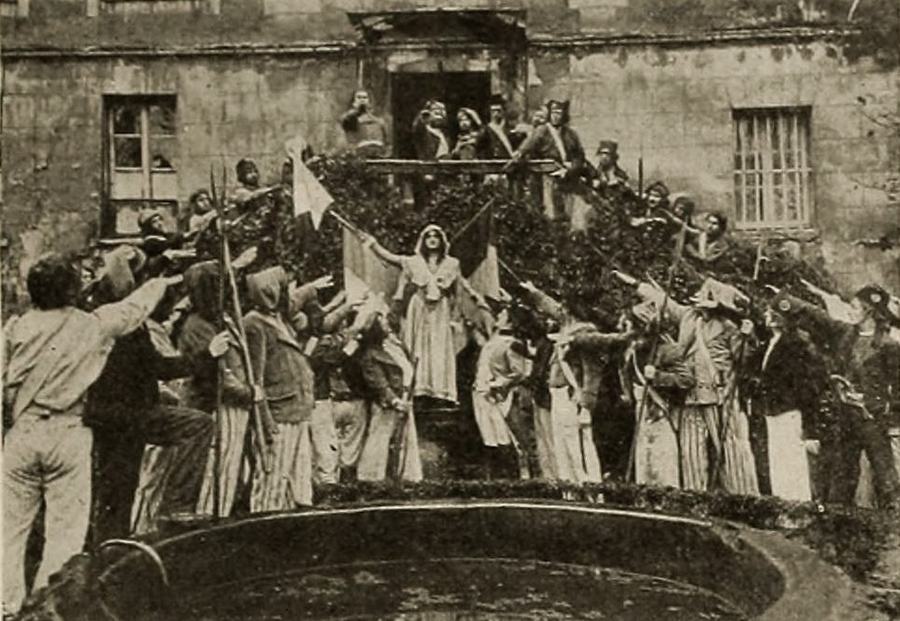
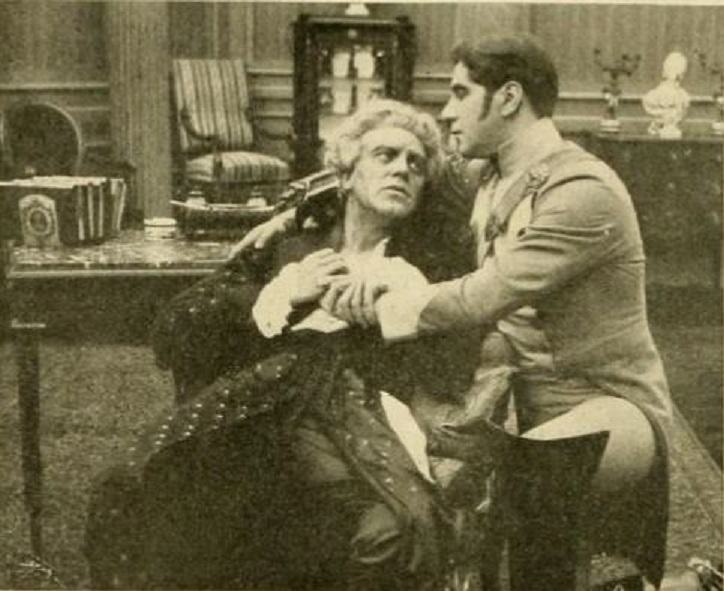
Dir: Albert Capellani
During the latter part of the reign of Louis XVIII, in France, Ambrose, an aristocrat, loves Jeanne Mailloche, a peasant girl, but is compelled to marry his cousin, Alice de Fontelles, to preserve their respective estates. Jeanne dies soon after, leaving a son, who is kidnapped and raised by a band of ruffians. Alice's son, receiving every advantage, is raised as an aristocrat. Twenty years later, at the time Napoleon was in exile, the young aristocrat, Victor by name, becomes a captain in the King's army. His half-brother, Rabat, son of Jeanne, has degenerated into a criminal, with a price on his head. Strangely enough, they look exactly alike, though neither knows of the whereabouts of the other. In fact, Rabat is ignorant of Victor's existence. The young Captain is told of Rabat's existence by his father when the latter is on his death bed. Victor is engaged to Lucille, the niece of Munier, who is Victor's father's secretary. Munier becomes associated with the conspirators, who are seeking to place Napoleon on the throne of France. In Munier's endeavor to steal the funds of the conspirators, he becomes associated with Rabat, the criminal. Victor is called to the army, and arranges with Lucile for their final adieu at the diligence office. Being unaware of the existence of Rabat. Lucile believes her lover guilty of the murder which she sees Rabat commit at the meeting place appointed by Victor. Rabat's face in the moonlight almost causes Lucile to abandon all faith in Victor. Victor is arrested for the murder, but before his execution, Lucile learns the truth concerning Rabat and forces her uncle, who has acknowledged his connection with the murder committed by Rabat, to intercede. This stays Victor's execution as a murderer, but as Napoleon has returned to power. Victor is arrested as a political prisoner, and ordered to be shot. Victor's release as the murderer has caused the arrest of Rabat for that offense. He is to be beheaded. Both Rabat and Victor's executions are scheduled for the same day. Lucile, knowing of her uncle's part in the actual murder, forces him to intercede with Napoleon, thus saving the life of Victor. Later, Victor meets Rabat, his half-brother, for the first time, and inspires him with the necessary confidence to face his death. Munier escapes from the country and with Napoleon's pardon for his political offenses, Victor and Lucile are happily married.
View Details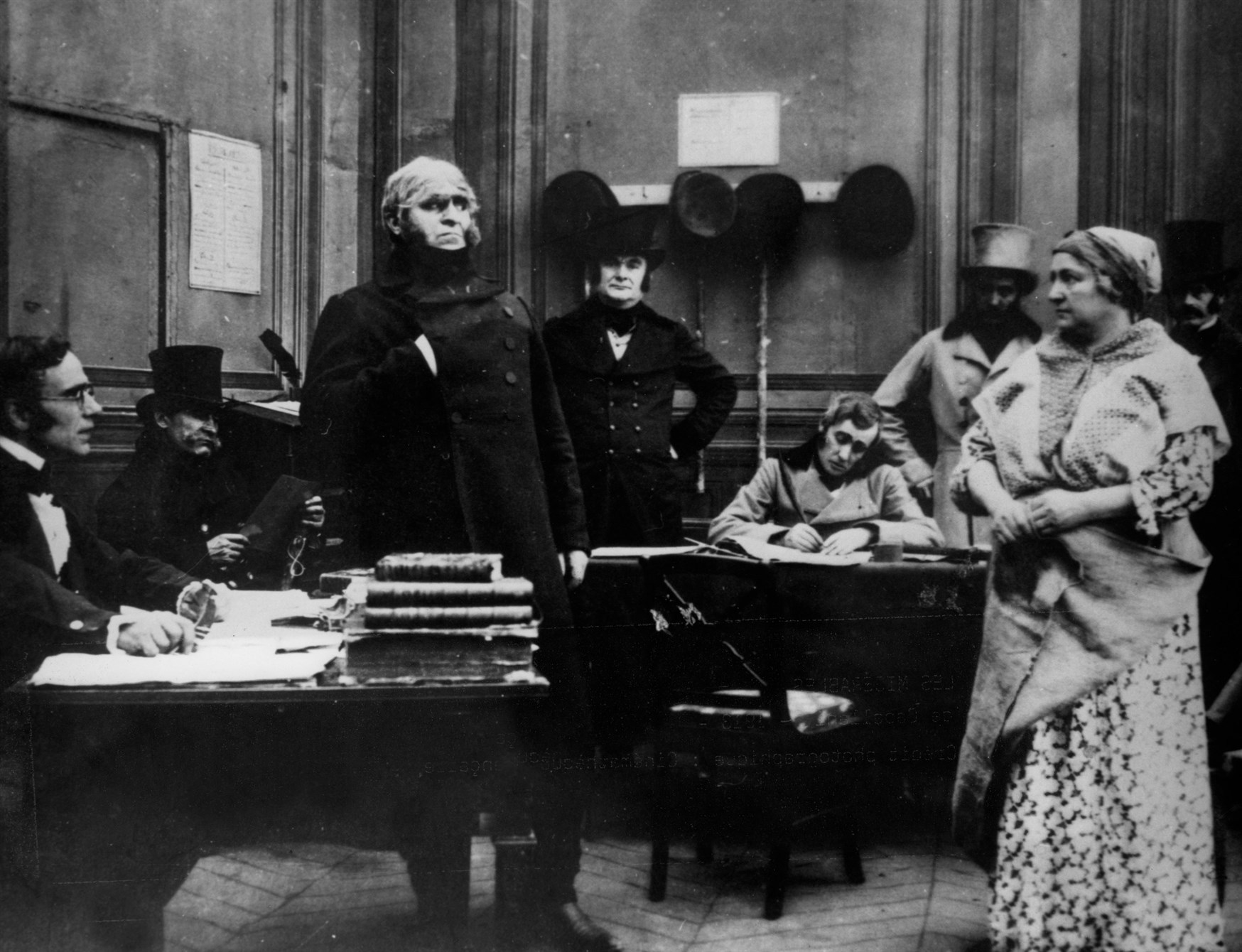
Dir: Albert Capellani
Jean Valjean, a good man convicted of a minor crime, escapes from imprisonment and spends the rest of his life running from the vindictive and implacable man of the law, Javert.
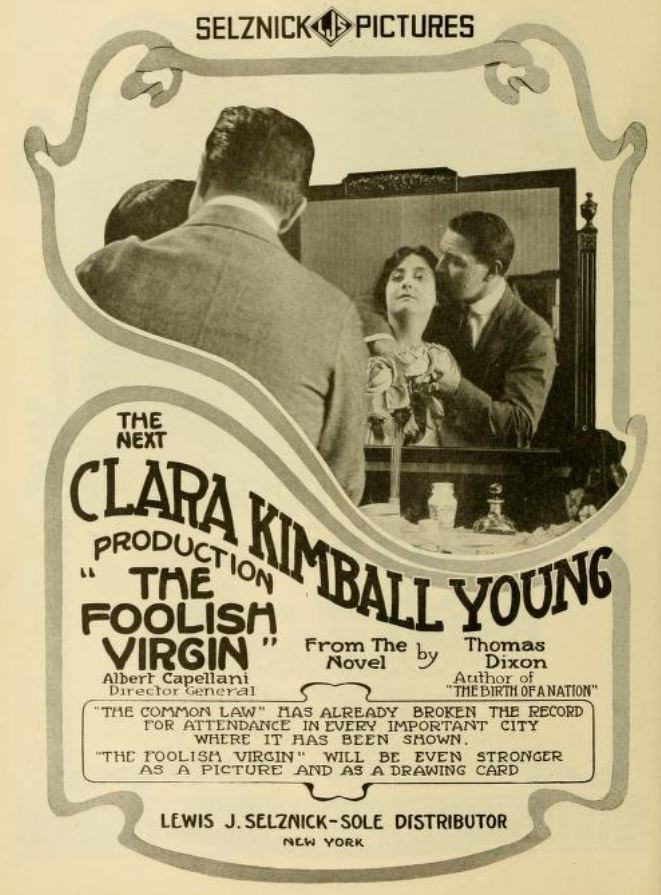
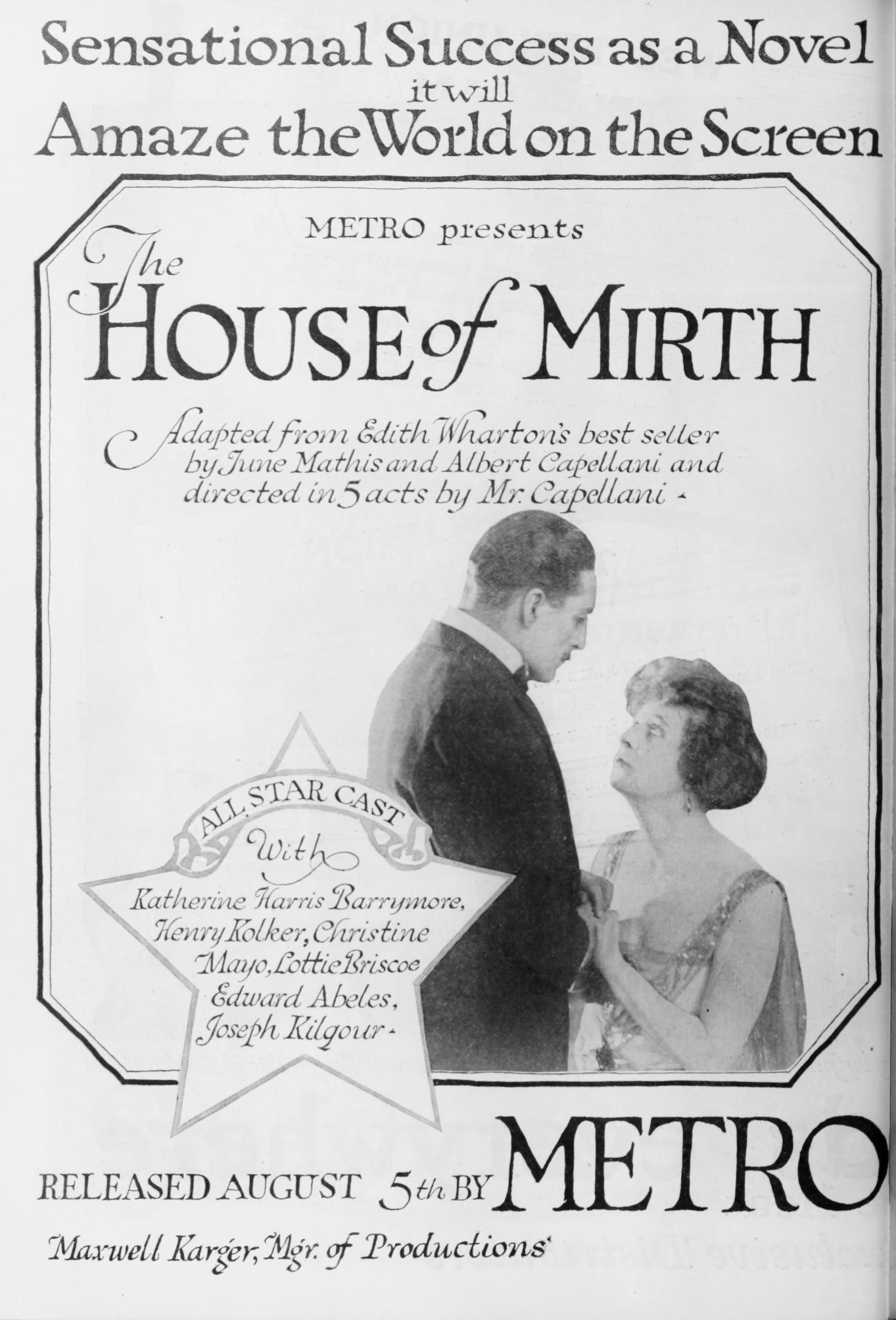
Dir: Albert Capellani
Lily Bart loves Lawrence Selden, a lawyer of moderate means, but she is also pursued by Simon Rosedale, a wealthy businessman, and Augustus Trenor-Dorset, a married man. When Dorset's wife Bertha announces that she is going to the country (although she really plans to meet Ned Silverton, with whom she is having an affair), Dorset asks Lily to dine at his home. Alone with him at the house, she rejects his advances, but when Mrs. Dorset returns, she publicly insults Lily, forcing her to move to another town. Lily's aunt dies and leaves her penniless, whereupon she reluctantly begins to seek employment. She is about to kill herself when Selden, who has never stopped loving her, enters the room and convinces her to marry him.
View Details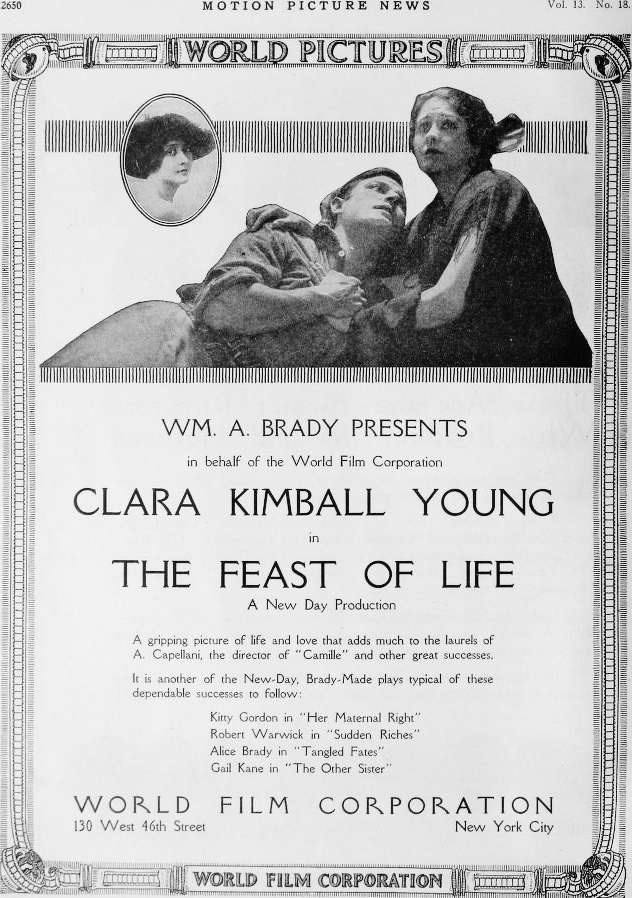
Dir: Albert Capellani
Aurora Fernandez, a poor Cuban girl, is persuaded against her will to become betrothed to Don Armada, a wealthy Cuban. She loves Pedro, a young fisherman, who lives with his uncle, Father Venture, and his sister Celida, who has been secretly stealing to Don Armada's villa, but is cast off by him on his engagement to Aurora. Longing for a sight of Pedro, disguised as a dancing girl, Aurora goes to an inn where Pedro comes with other fishermen for a nights revelry. He does not recognize her as his "Lady of the Lily" as he calls her, but falls a victim to the charms of the dancing girl. Celida, dying of a broken heart, confesses to Pedro and Father Venture, and Pedro, to avenge Celida, summons all the fishermen in the village and leads them against Armada in whose villa the wedding feast is being held. The guests fly in terror and Armada is wounded. Aurora alone remains undaunted, and Pedro, finding her, recognizes not only his love of the tavern, but Aurora, and that she is the wife of Armada. Notwithstanding her pleadings not to kill her husband, he is about to strike when he sees that Don Armada is blind. This awakens his pity and he leaves the house. Don Armada has an operation performed on his eyes which proves successful, but the physicians warn him that any shock may result in blindness for life. Aurora, in the meantime, has been carrying on clandestine meetings with Pedro and Armada, hoping to find out who Aurora's lover is, tells her that the operation has been a failure. He intercepts a note from Pedro and, locking Aurora in her room, stabs Pedro. He then returns to Aurora and she discovers he has tricked her. He tells her what he has done, but the shock kills him. Aurora escapes and finds Pedro still alive. She takes him home where she watches over him; and the crisis over, the lovers are reunited.
View DetailsAnalysis relative to Mysteries of Paris
| Film Title | Atmosphere | Complexity | Similarity |
|---|---|---|---|
| Camille | Gritty | Abstract | 91% Match |
| Les Misérables, Part 2: Fantine | Gritty | Abstract | 93% Match |
| Les misérables | Surreal | Layered | 92% Match |
| The Reign of Terror | Gritty | Dense | 96% Match |
| The Foolish Virgin | Gritty | Abstract | 90% Match |
This guide was algorithmically generated using the cinematic metadata of Albert Capellani's archive. Last updated: 6/25/2026.
Back to Mysteries of Paris Details →