
DbcultAccessing Vault...
Recommendations
Senior Film Conservator
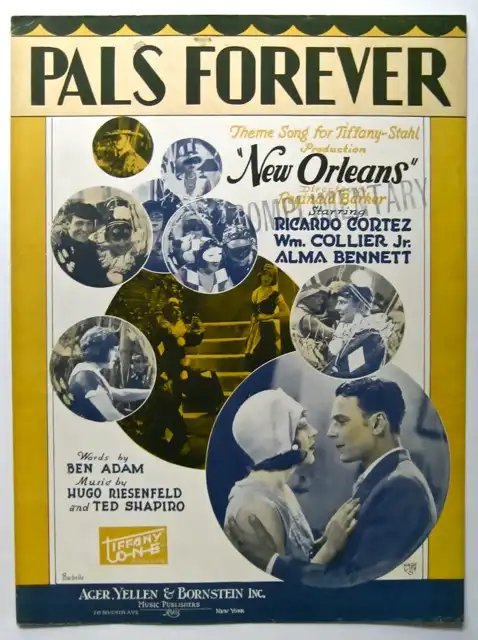
Exploring the nuanced performance in New Orleans is a journey into United States cinema, its influence on Drama cinema remains a vital reference point for fans today. Below, we've gathered a list of films that every fan of Reginald Barker's work should explore.
With Reginald Barker at the helm, New Orleans became to blend thematic complexity with stunning visual execution.
New Orleans was a significant production in United States, showcasing the immense talent of Ricardo Cortez, William Collier Jr., Alma Bennett. It continues to be a top recommendation for anyone studying Drama history.
Based on the unique nuanced performance of New Orleans, our vault has identified these titles as the most compelling follow-up experiences for fans of Drama cinema:
Dir: Reginald Barker
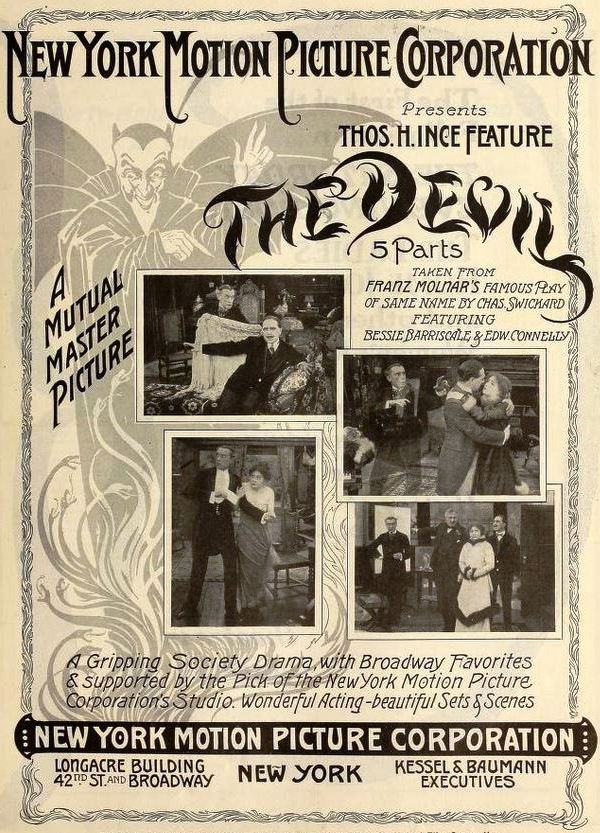
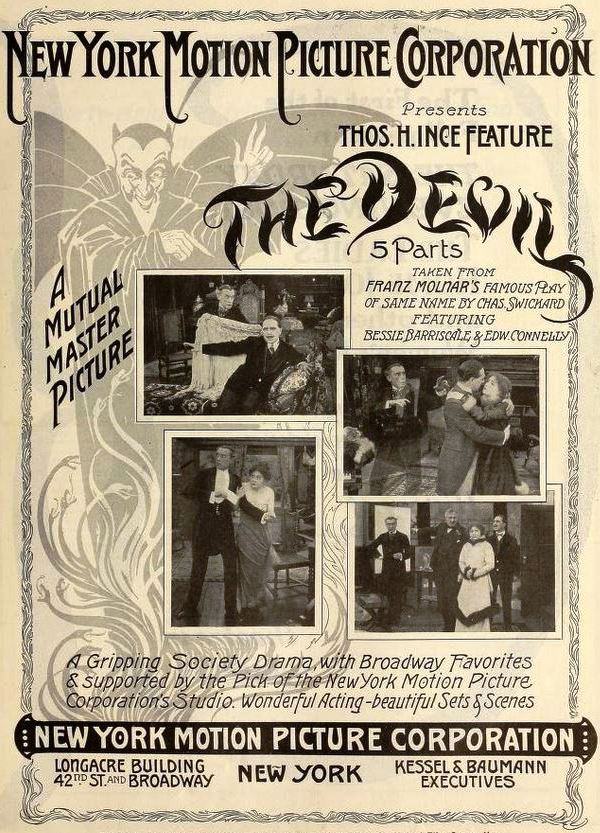
The Devil, in the guise of a human, meets a young couple who remark upon looking at a Renaissance painting of a martyr that Evil could never triumph over Good. The Devil, taking this as a challenge, decides to bring about the couple's downfall.
View Details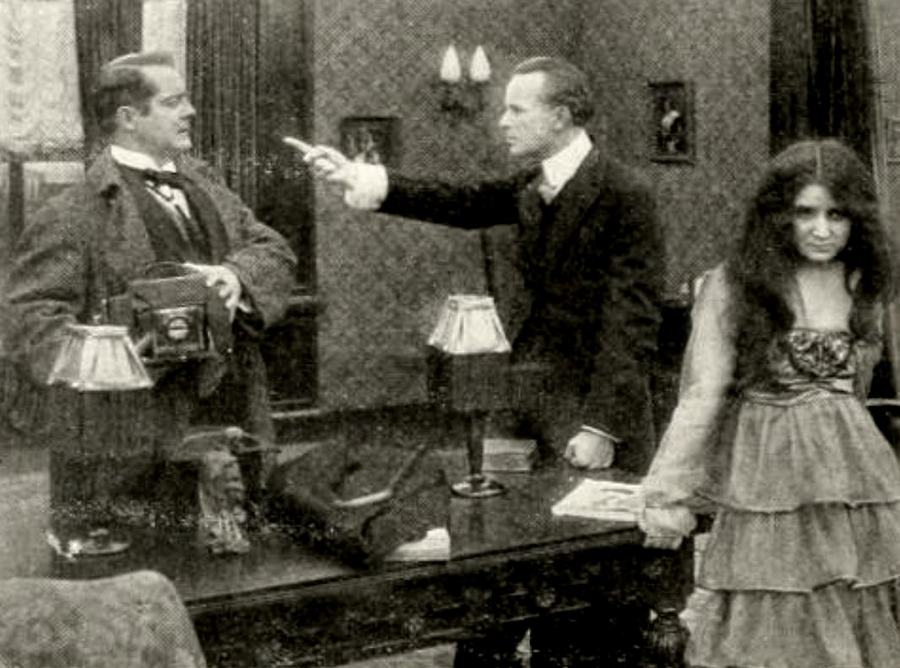
Dir: Reginald Barker
"Honest Jim" Martin is elected by popular vote to the U.S. Senate in the fight against the Railway Land-Grab Bill. When Jim goes to Washington his mother accompanies him. At the first reception of the season, Jim is introduced to Harriet Lane, the most dangerous woman in the Capital, by Wm. Landers, chief of the secret railway lobby. Harriet is a lobbyist and is supposed to win the votes of the senators for the Land-Grab Bill. Jim becomes fascinated by Harriet's wit and beauty and she and Landers set a snare for him. Harriet writes him that she is in great trouble and asks him to call at her hotel. In his sympathy for her he places his arm about her and she leans against him, burying her face against his shoulders. As she does this she manages to loosen her hair, which falls in a tangled mass over her shoulders. She also disarranged her waist, giving evidence of a struggle having taken place between herself and Jim. While they are in this position Landers snaps their picture from a curtained doorway where he is concealed. He then confronts Jim and tells him that the negative will be given the newspapers if Jim doesn't give them his vote. Jim leaves the hotel in no pleasant frame of mind, first telling Harriet of his scorn for her. Harriet, who has become friendly with Jim's mother, is very unhappy because of the part she has been obliged to play and when Mother Martin calls on her that afternoon, bringing her a pie which she has baked herself for Harriet's birthday, Harriet determines to get the negatives from Landers and destroy them. To do this, she goes to Lander's office that night and unable to open the safe, because Landers has anticipated some such move on her part and changed the combination, she telephones to police headquarters and asks them to send up an expert to open the safe. This is done and while Harriet and the expert are still in the office (Harriet with the negatives in her hand) Landers enters and snatches the negatives from her. He has drawn his pistol and as he stands there talking with the safe expert, Harriet snatches the pistol from his hand and shoots the negatives to pieces as they lay on Lander's desk. The next day she sends them to Jim with a note telling him that all the evidence the lobby had against him is enclosed and asking him in future to try to live up to his mother's belief in him.
View Details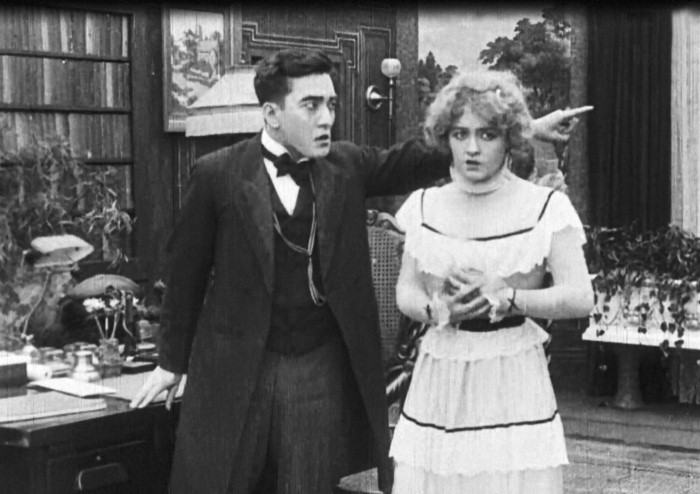
Dir: Reginald Barker
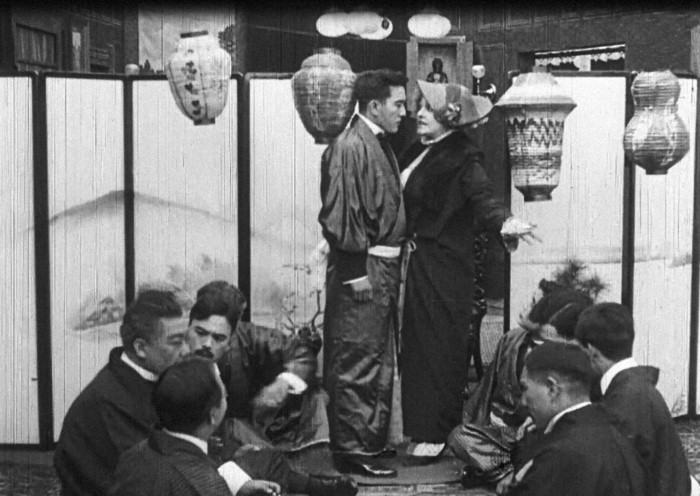
Japanese diplomat Tokoramo ( Sessue Hayakawa ), on a mission to Paris, begins a love affair with chorus girl, Helene ( Gladys Brockwell ), who subsequently rejects her American fiance, Richard Bernisky. When the Japanese discover the affair, they try to force Tokoramo to end it, but Helene refuses to stop visiting him. One night, during one of her visits, Bernisky comes to Tokoramo's apartment and, while Helene hides, rebukes her to her lover. After Bernisky leaves, Tokoramo orders Helene out, but when he realizes his love for her, he calls her back. Suddenly, she rejects and insults him to the point that he strangles her. Tokoramo wants to confess his crime, but he must complete his work, and so his countrymen sacrifice a boy, Hironari, who pleads guilty to the murder and eventually is executed. In the end, Tokoramo also dies and his colleagues burn his valuable papers in order to protect Japan.
View Details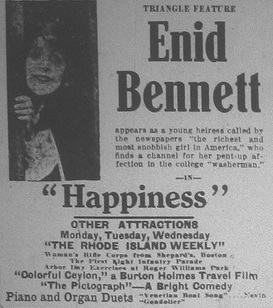
Dir: Reginald Barker
Doris Wingate is featured in a Sunday magazine supplement as the most snobbish girl in America. In reality, Doris is lovable and eager for friends, and it is her Aunt Priscilla who deliberately cultivates the false impression. Realizing this, her uncle ships Doris off to a co-educational college, but unfortunately, her reputation preceded her and she is snubbed by the other students. However, in Robert Lee Hollister, a fellow student who takes in washing to earn his tuition, and his little helper Dolly Temple, Doris finds true friends. Entering into a business partnership with her new friends, Doris spends her happiest hours sorting linen until her Aunt Priscilla arrives to break up the match. Doris defies her aunt and elopes with Bob, thus shattering her image as a snob, and the two settle down to a happy life together.
View Details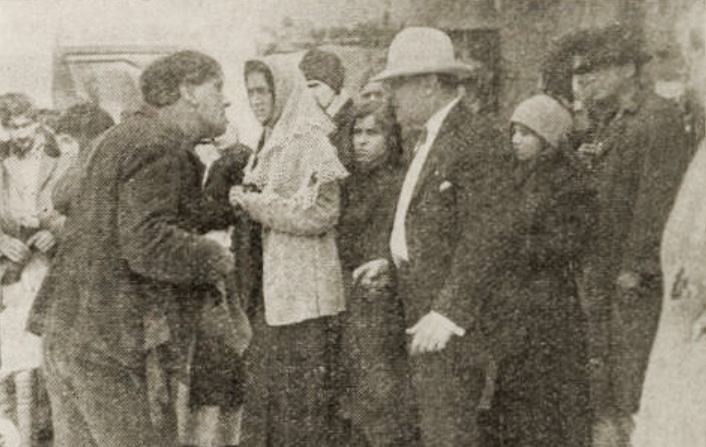
Dir: Reginald Barker
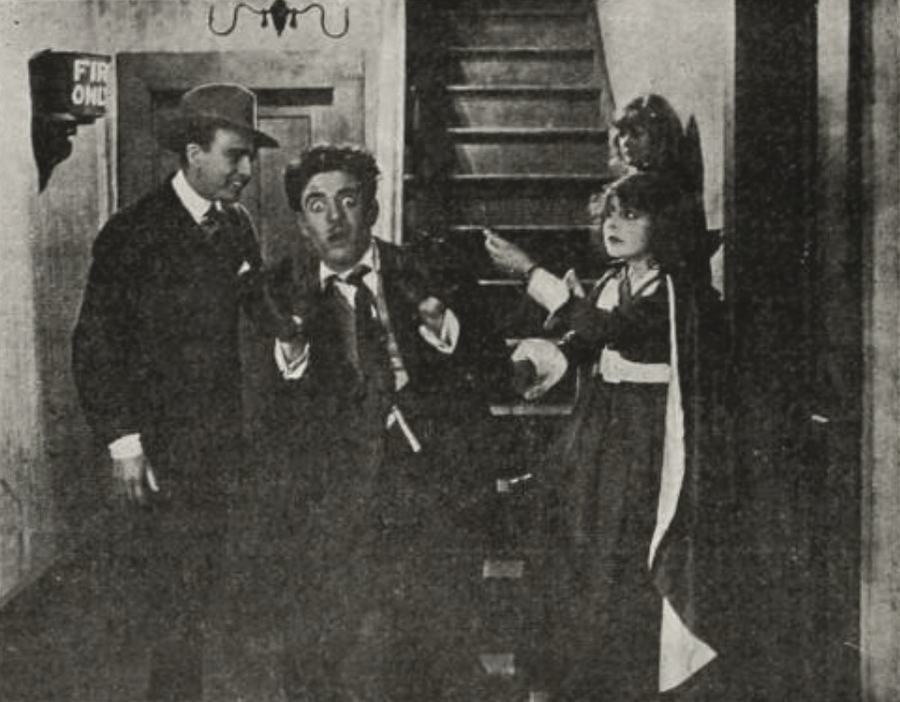
A poor ditch-digger, Pietro Massena, lovingly raises his motherless daughter Rosina. Phil Griswold, in order to throw a party to celebrate his expected inheritance, induces his friend Robbins to rob the flower shop where he works. After the inheritance goes to Phil's brother William, who refuses Phil money to return to the flower shop, Phil abducts William's daughter Dorothy and sends a "Black Hand" ransom demand to throw suspicion onto Pietro, who earlier frightened Dorothy when he delivered a Christmas tree to William's house. William drives into the slums looking for Pietro and accidentally runs down Rosina. The grieving Pietro goes to the flower shop on Christmas morning to buy a rose for Rosina's coffin and is accused of the kidnapping, because Phil arranged to have a man known by "the sign of the rose" pick up the ransom money there. Pietro threatens to kill the arresting detective so that he can return to his "bambino," when William arrives with news that Dorothy has been found. William offers Pietro compensation, but he refuses and sorrowfully returns home.
View Details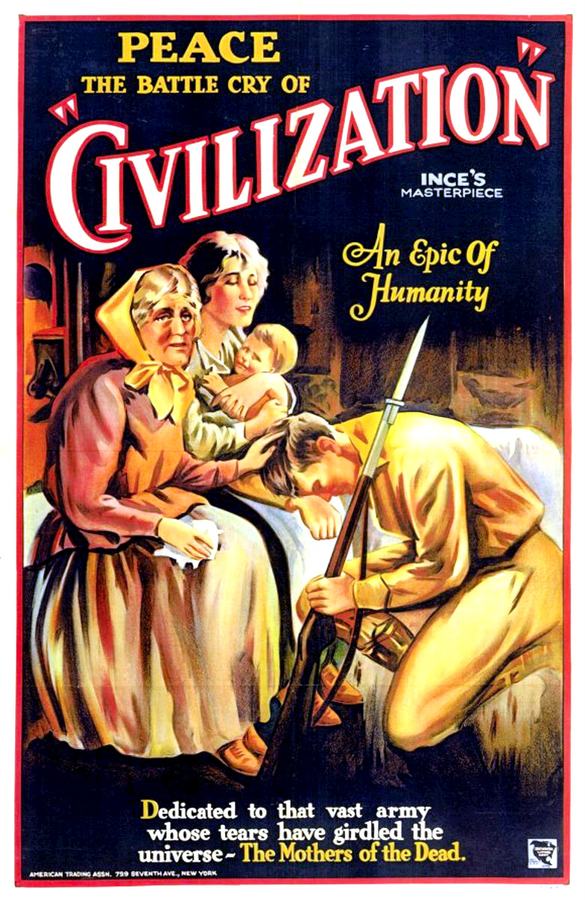
Dir: Reginald Barker
Christ takes on the form of a pacifist count to end a senseless war.
View Details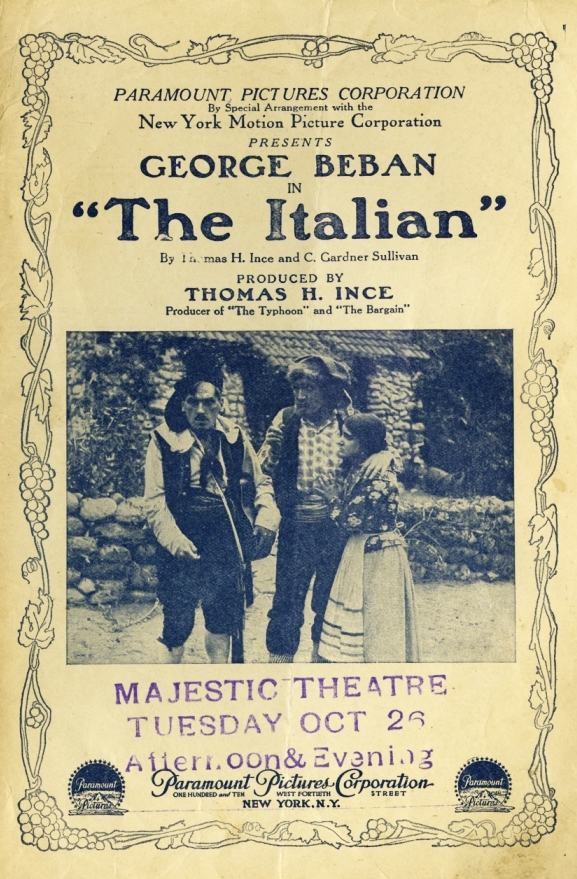
Dir: Reginald Barker
An Italian immigrant and his sweetheart search for a better life in America, but the harsh realities of life in the slums of New York City lay waste to their hopes and dreams.
View Details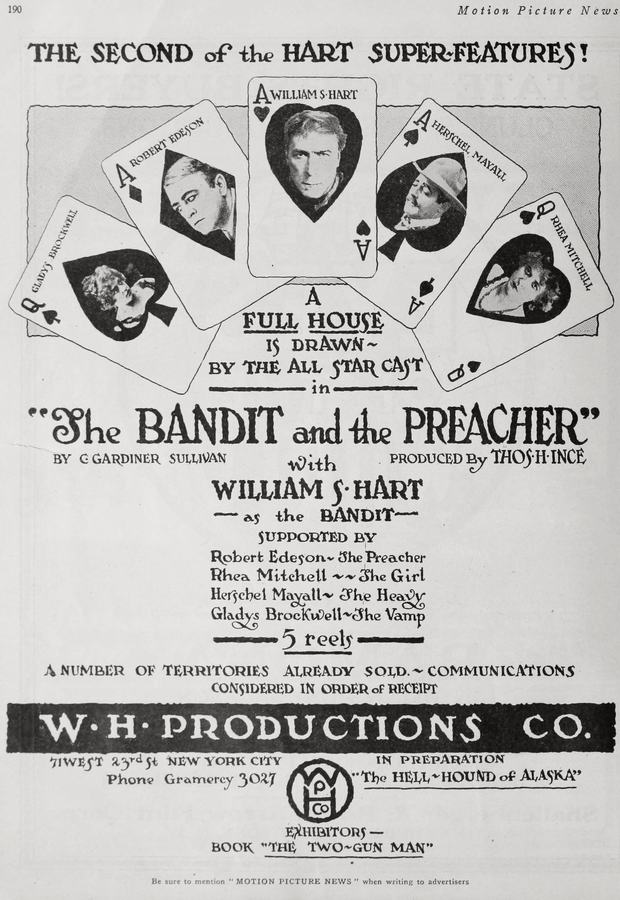
Dir: Reginald Barker
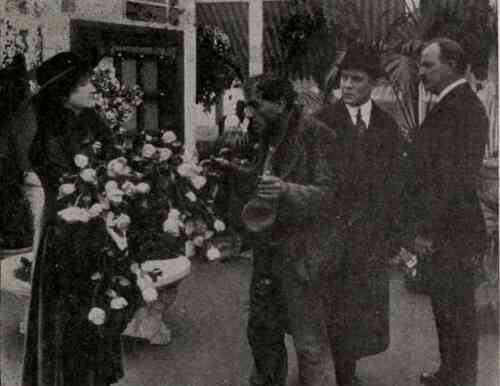
A stagecoach robber falls in love with a saloon girl. However, she falls for a pastor, who converts her; she marries him. The robber is so impressed by this that he decides to turn over a new leaf. However, a shady gambler sets his sights on the former saloon girl, and the robber has to protect her from his advances.
View Details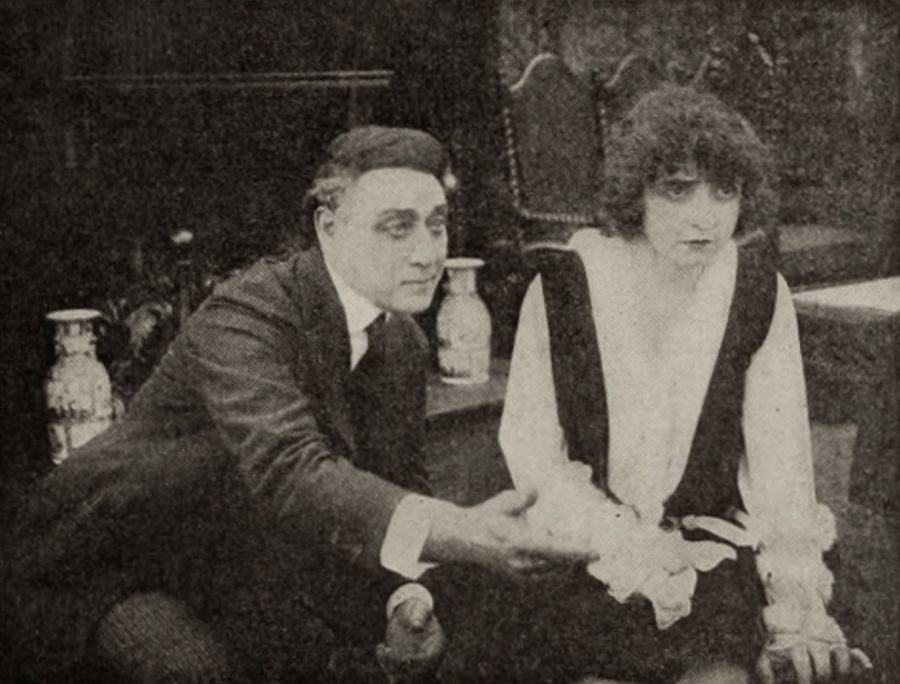
Dir: Reginald Barker
Mark Horn, once a lowly shoeshine boy, grows up to become a millionaire on Wall Street, but because of his experiences as a youth, still harbors a grudge against the rich. His money and position gain him entrance to high society, and he decides to drive wealthy Wayne Madison to ruin, agreeing to save Madison only if he lets Mark marry his daughter Viva. However, things don't turn out quite the way Mark intended.
View Details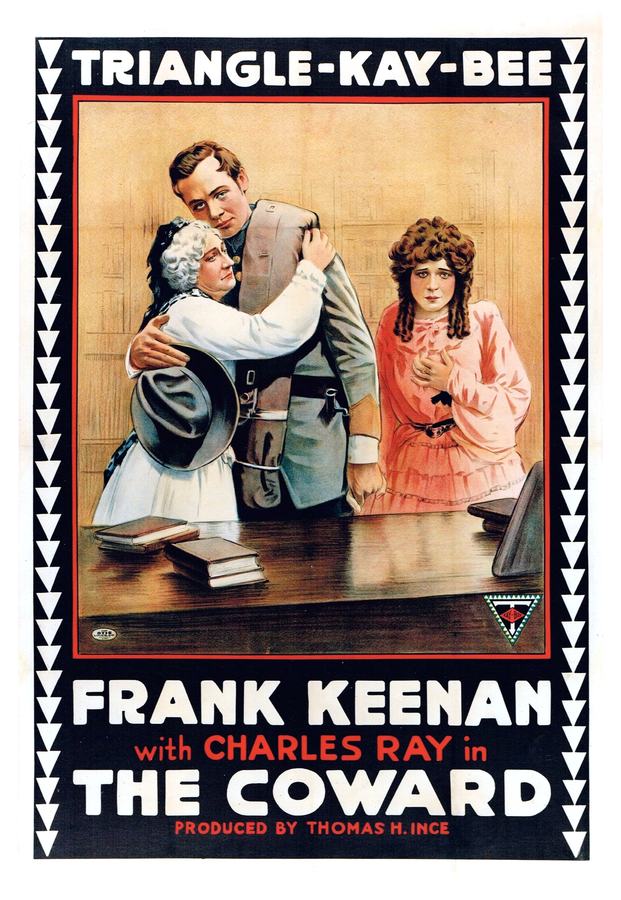
Dir: Reginald Barker
Confederate soldier Frank Winslow is terrified of the war and eventually runs away from battle. But when he finds himself behind enemy lines with vital information, he must decide between his fear and his conscience.
View DetailsAnalysis relative to New Orleans
| Film Title | Atmosphere | Complexity | Similarity |
|---|---|---|---|
| The Devil | Gritty | High | 98% Match |
| The Man from Oregon | Ethereal | Abstract | 94% Match |
| The Typhoon | Tense | Abstract | 87% Match |
| Happiness | Tense | Linear | 97% Match |
| The Alien | Gothic | Abstract | 87% Match |
This guide was algorithmically generated using the cinematic metadata of Reginald Barker's archive. Last updated: 6/21/2026.
Back to New Orleans Details →