
DbcultAccessing Vault...
Recommendations
Senior Film Conservator
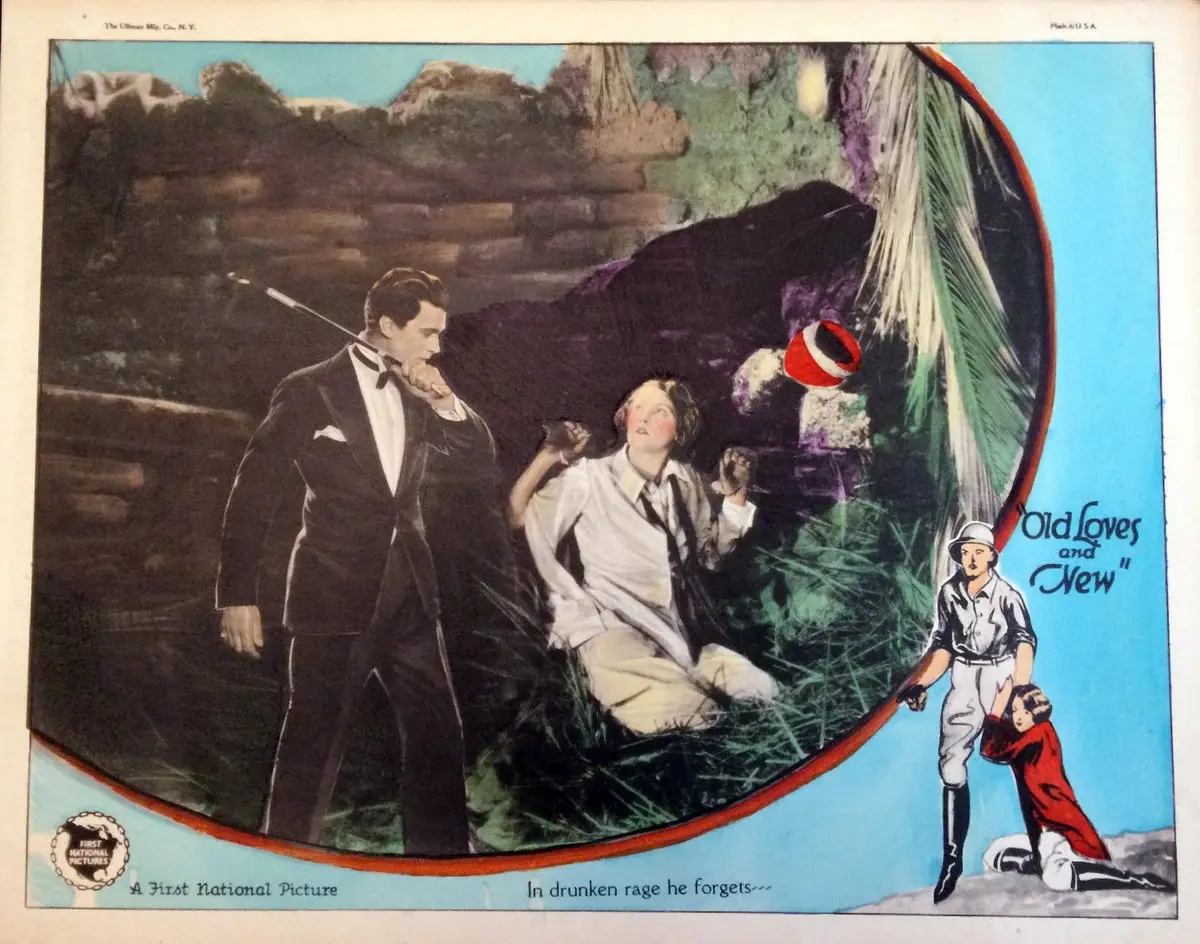
In the vast archive of Drama cinema, Old Loves and New stands as a character-driven intensity beacon, it's essential to look at the contemporaries that shared this character-driven intensity. Our cinematic experts have identified several titles that reflect the spirit of 1926.
Few films from 1926 manage to capture to leave an indelible mark on the history of United States film.
Gervas Carew's wife, Elinor, has deserted him while he was fighting for France, for Lord Clyde Geraldine, a cad of the first order, but Elinor, in turn is cast off when Lord Geraldine turns his attention to an Irish lass, Marny. Marny has no idea of Geraldine's past nor his brutal nature. Carew goes to Algiers where he studies medicine and becomes a friend of the Aranian tribes, who call him the "Desert Healer.' Lord Geraldine comes to Algiers for his health, and is beating Marny when Carew is passing their house one night. Carew rescues her and carries her off to his desert tent. Lord Geraldine comes after him the next day looking for revenge, but Lord Geraldine makes his elephant mad, and the elephant gores him to death. Carew and Marny take up light tent-keeping together, and the circle is completed.
Critics widely regard Old Loves and New as a cult-favorite piece of Drama cinema. Its character-driven intensity is frequently cited as its strongest asset, solidifying its place in United States's film legacy.
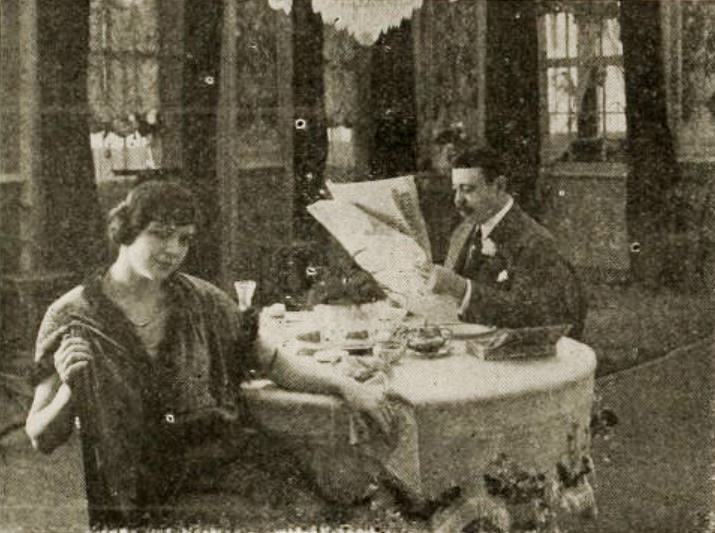
Based on the unique character-driven intensity of Old Loves and New, our vault has identified these titles as the most compelling follow-up experiences for fans of Drama cinema:
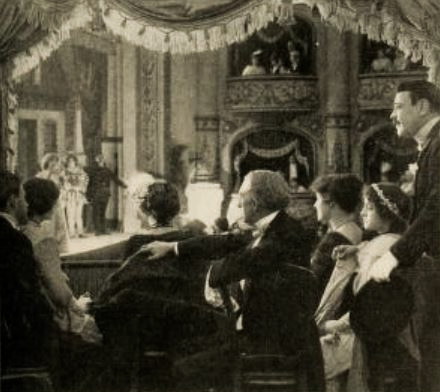
Dir: Maurice Tourneur
Novice businessman Curtis Jadwin ( Wilton Lackaye ) is introduced to the world of grain speculation by veteran broker Charles Cressler ( Alec B. Francis ). At a performance of Faust , Curtis meets and falls in love with Laura Dearborn ( Gail Kane ), the sweetheart of artist Sheldon Corthell ( Milton Sills ). Curtis pursues Laura and finally convinces her to marry him, but soon after their wedding, he neglects her for his business. In her loneliness, Laura renews her relationship with Sheldon and the lovers plan to elope. When Curtis is ruined on the market, however, Laura rejects her lover and comforts her husband.
View Details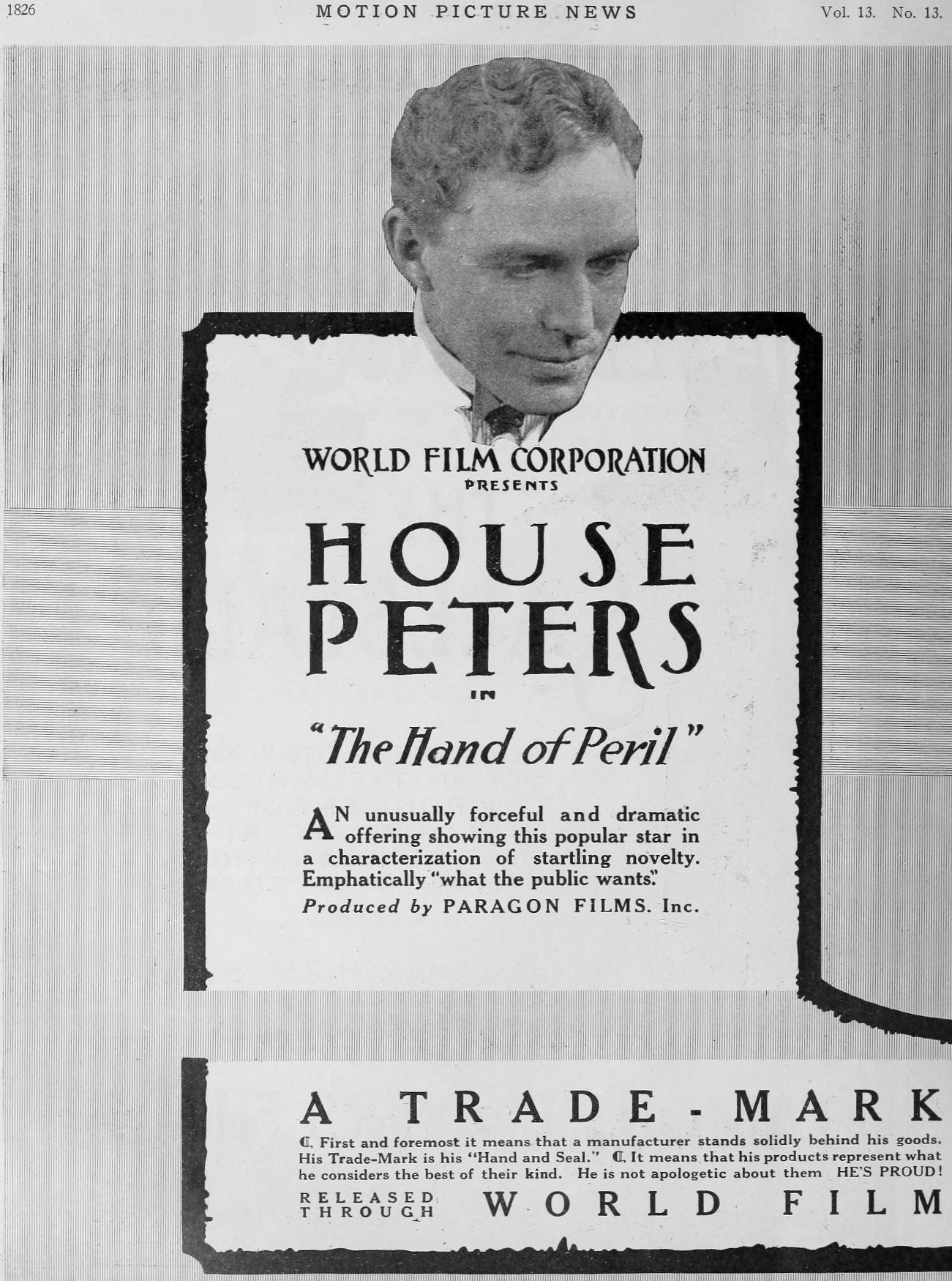
Dir: Maurice Tourneur
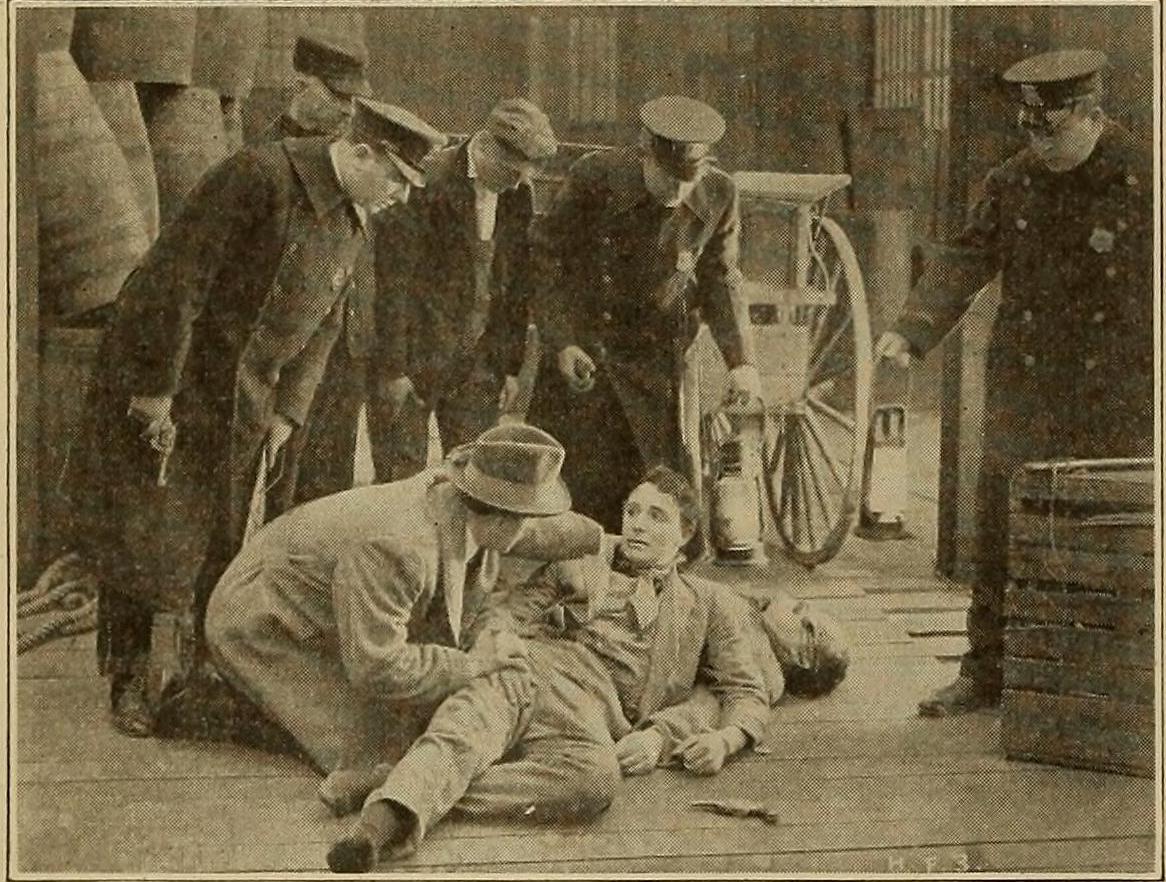
James Kestner is a government secret agent on the trail of a band of counterfeiters and particularly anxious to locate the head of the gang, Frank Lambert, who, in addition to his skill as a counterfeiter, is known to the underworld as the only man who can fill in the perforations of a used bank check. Kestner locates the band in their underground work shop near the river front. He cleverly maneuvers his way into the headquarters of the band when it is empty, but is caught in the act of searching for incriminating evidence by "Bull's Eye" Cherry, a clever girl crook, and one of the mainstays of Lambert's crowd. Lambert and his daughter, who has been educated in crime by her father, return to find Kestner held at the point of Cherry's revolver. Lambert is for killing the detective outright. Impressed by Kestner's brave demeanor, Maura intercedes in his behalf, but finding her father determined in his intention to kill the government agent, she pretends that the police are outside. The counterfeiters make their escape without settling accounts with Kestner. Kestner locates the criminals in their new quarters. One of his assistants trails "Bull's Eye," who has the new counterfeit plates in her possession, but she cleverly evades capture and returns the plates to Lambert's headquarters. Kestner forces his way into the gang's rooms, arriving just in time to witness a desperate battle between Lambert and Tony Morello, one of his accomplices, whose passion for Maura has led him to attempt to force his advances upon her. Lambert kills Morello with a knife, but before dying the man acquaints Maura with the fact that Lambert is not her real father, but that he stole her when a baby and reared her to this life of crime. Kestner places Lambert under arrest, but the crook evades capture a second time by a ruse. Kestner's assistant arrives with the police, but Kestner permits Maura to go free on account of her having saved his life on the occasion of their first meeting. Kestner is determined to capture Lambert single-handed. He trails him to a midnight rendezvous on a wharf, where he and Lambert fight it out to a finish. The revolver battle between the two men in the dark culminates in a hand-to-hand encounter in which Kestner ultimately proves victor, but has barely strength enough to handcuff himself to his unconscious opponent before collapsing. In the end Kestner induces Maura to return to the straight road, and she takes up her home with his mother. The story closes with the intimation that the romance so strangely begun will lead, as time passes, to a life of happiness for them, together.
View Details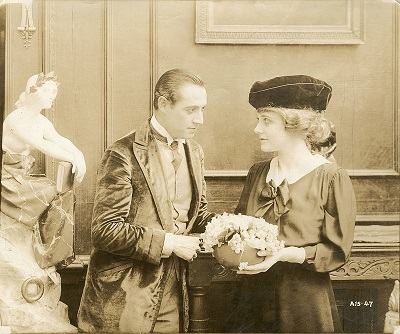
Dir: Maurice Tourneur
A resourceful young girl struggles to free herself from slum life.
View Details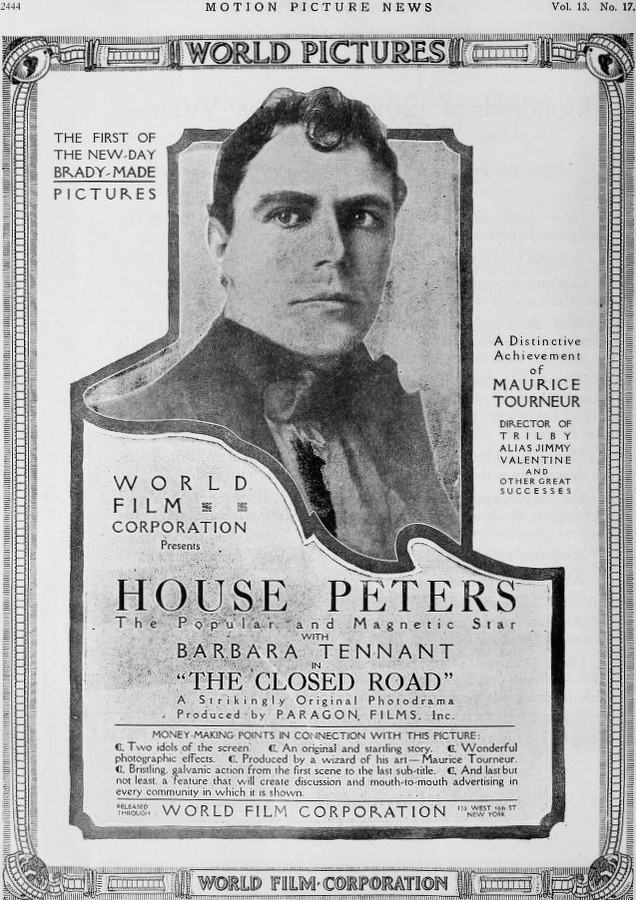
Dir: Maurice Tourneur
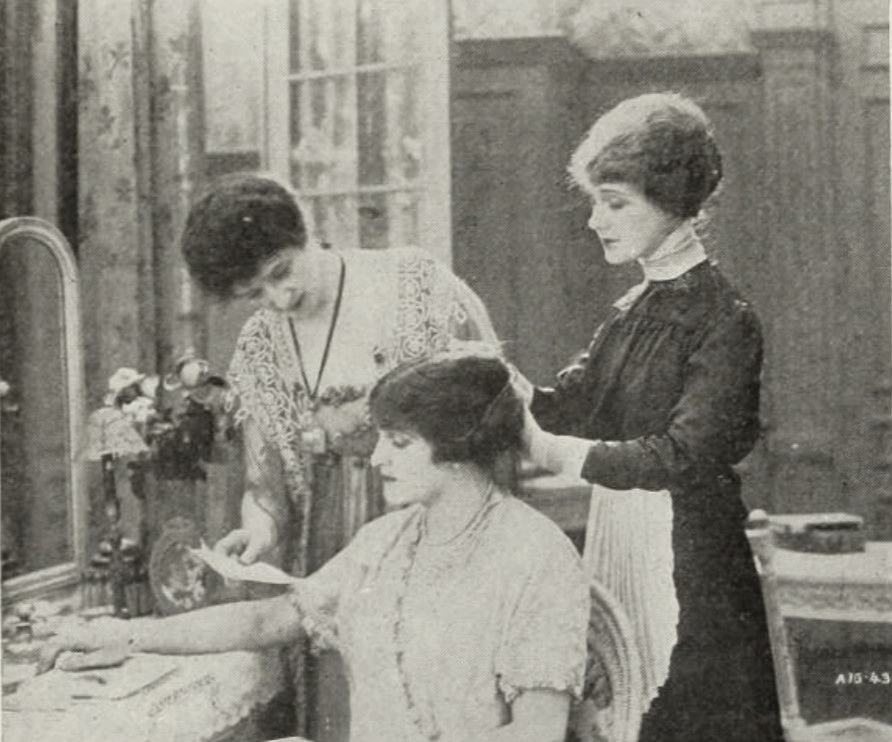
Dr. Hugh Annersley, assisted by Dr. Appledan, has succeeded in finding a cure for cancer. Julia, Dr. Annersley's sister, comes home with Griswold, a former client of the doctor, and to whom he still owes money. Griswold did not enter the house, Annersley saying to Appledan that if Griswold would pay him what he owes, he could then continue his work with the medical discovery. Griswold, now being attended by Appledan, Annersley decides to write him a letter, in which he states that unless he is paid within twenty-four hours, that he will go to Griswold's apartment to collect the account himself. Appledan takes the letter to Griswold himself. In giving medicine to Griswold, Appledan gives him an overdose, resulting in his sudden death. To ward off suspicion, Appledan places Annersley's letter threatening violence to Griswold on the latter's table, and firing two shots out of a revolver, the aged doctor leaves the room. When the police investigate they find the revolver on the floor, and on it is carved Hugh Annersley's name. Circumstantial evidence in the form of the revolver and letter points to Annersley. He is placed under arrest and charged with the murder. Julia, calling upon Appledan, notices the old doctor laughing hysterically as Frank Sargeant, a well-to-do young man, leaves his office. He tells Julia that he has just warned Sargeant he could not live more than a couple of months on account of the poor condition of his heart. With this knowledge, Julia starts in search of Sargeant, and finds him in an old quarry just as he was to commit suicide. She persuades him to listen to her. She unravels to him the story of her brother's plight, and of the fact that he could save millions of lives were he able to continue with his cancer cure. That as he, Sargeant, could not live long and was on the verge of committing suicide, would assume the murder of Griswold, clear Annersley of the charge, and thereby be of some good to humanity. Sargeant agrees and fabricates circumstantial evidence against himself so strongly that he is arrested and convicted of the crime. While awaiting electrocution, Sargeant learns that his heart was never affected, that old Doctor Appledan was mentally unbalanced, and then confined to an insane asylum. Upon learning this, Julia sets out to clear Sargeant and reverse the wheels of destiny against him. The old doctor confesses that he gave Griswold an overdose of medicine and to clear himself had placed Annersley's letter and pistol near him, thereby clearing Sargeant. How Julia repaid Sargeant for his great sacrifice by her love and affection brings the picture to a dramatic and happy ending.
View Details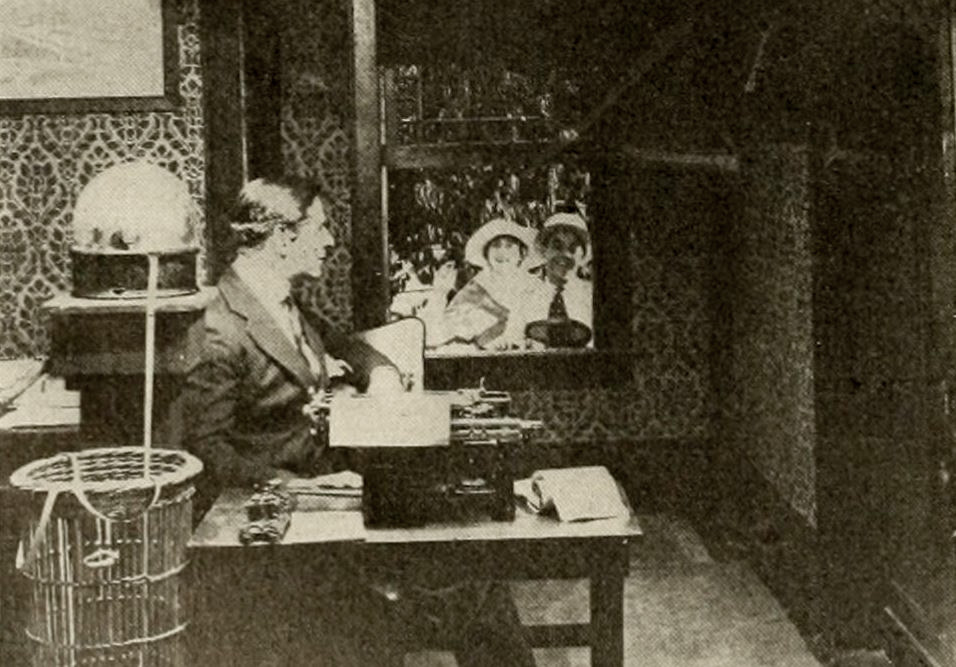
Dir: Maurice Tourneur
When he is ruined by speculating in the stock market by bogus tips given to him by Charles Wainwright, George Garrison commits suicide, but before his death he begs his son Henry to avenge him. Henry goes West and makes a fortune prospecting, then returns to New York and assumes the name of Henry Thompson. He becomes Wainwright's protege and falls in love with his daughter Dallas, then is elected mayor of New York, backed by Wainwright's friend, political boss Richard Horrigan. In return for Wainwright's support, he is supposed to sign a franchise binding the city to the financier's railway. Henry refuses, so Wainwright and his flunkies attempt to discredit him by dredging up an old murder charge, but the charge is proved false when the supposed victim, Henry's partner Joe Standing shows up. Finally, Henry confronts Wainwright, accuses him of causing his father's death and of attempting to defraud the city. Despite his denunciation of her father, Dallas proclaims her love for Henry. In an epilogue, the hands of the victims of political boss Horrigan clutch at him from the grave.
View Details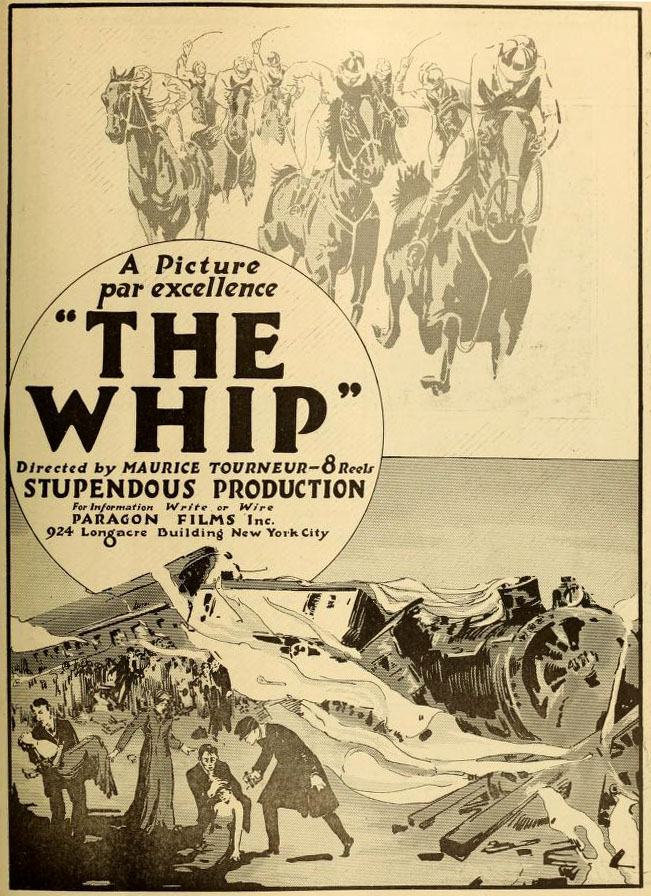
Dir: Maurice Tourneur
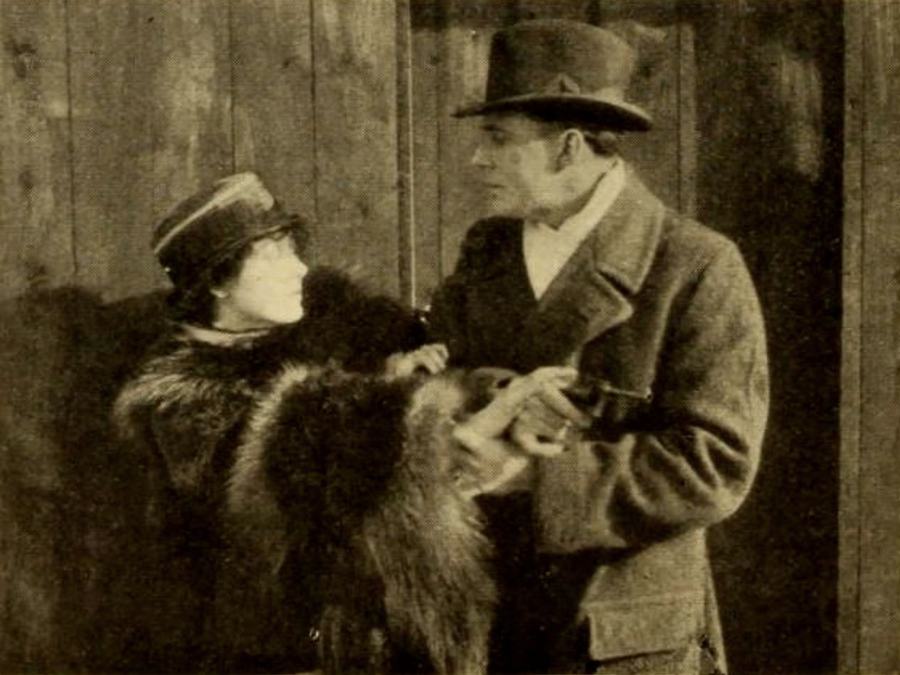
The story of the training of a racehorse, the Whip, of the amnesiac nobleman who loves the horse, and of the villains who attempt to keep it from racing.
View Details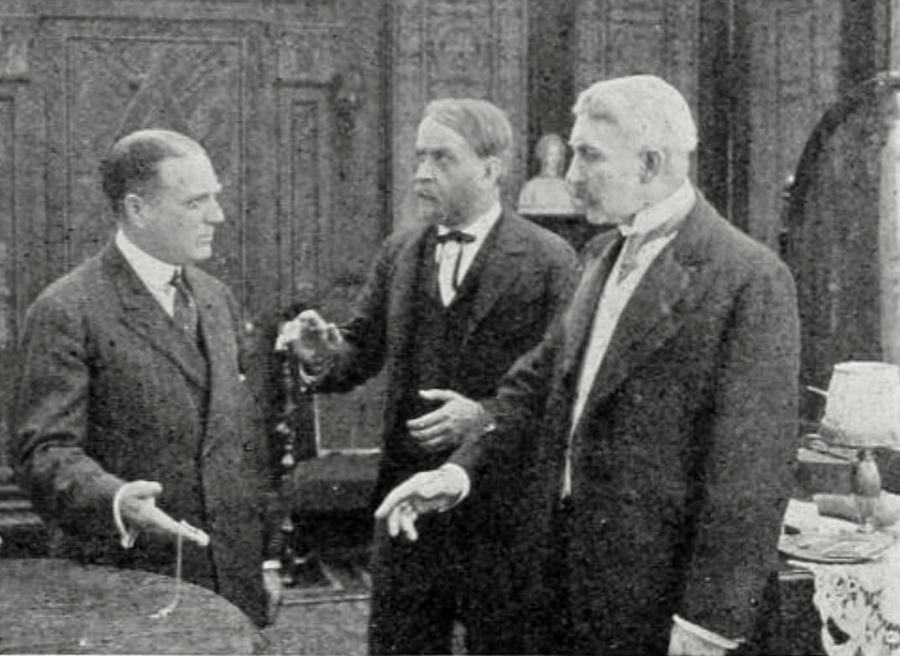
Dir: Maurice Tourneur
Richard Duvall is a young American detective in the employ of the French Secret Police. While in Paris he meets Grace Ellicot, also an American, with whom he falls in love. He marries her and is about to start on his honeymoon when he is called on by Mons. Lefevre, chief of the secret police. The French Ambassador to England, Monsieur De Grissac, has lost an ivory snuff box which must be found. They depart for London to interview the Ambassador. In London they go to the Embassy. There the Ambassador tells them that he was robbed of the snuff box while he was dressing and suspecting his valet, Noel, he locked him in his room. When Duvall goes to interview the valet, he finds that he has been murdered. Meanwhile, in Paris, Lefevre has broken the news to Duvall's wife of his departure to London. She, wishing to follow Duvall, asks Lefevre where she can find him. Lefevre tells her that if she will help in the recovery of the snuff box she will find Duvall. She consents, and Lefevre tells her to go to Brussels and try to place herself in the sanitarium run by Dr. Hartmann. who is supposed to be a German spy and whom Lefevre believes to be instrumental in the theft of the snuff box, which box, Lefevre hints, is of diplomatic importance. Richard Duvall, aboard the boat for Antwerp, finds the man whom he is following, asleep in a saloon, and during the night he opens the stranger's suitcase. He finds the package given the stranger in the barber shop, and on opening it, discovers the contents to be rice powder. By this time Duvall has learned that Grace is in the sanitarium, and that she furnished the news to Lefevre's agents. He feels that Grace should leave the sanitarium as soon as possible. He goes to Mr. Phelps, the American Ambassador, and has him invite Grace to dinner, planning to escape after dinner. During dinner that night, Dr. Hartmann, who is beginning to suspect Grace and Duvall, turns up at Mr. Phelps' house as an unexpected guest. When Richard and Grace leave on the pretext of Duvall's escorting Grace back to the sanitarium, Hartmann asks if he might ride with them. Because of no plausible reason, Duvall is forced to consent. On arriving at the sanitarium, Duvall is taken prisoner by two of Dr. Hartmann's attendants. His failure to discover the snuff box angers Dr. Hartmann. He knows that Duvall must have it with him, as his luggage has been searched and his friends imprisoned on various trumped-up charges. He gives Duvall until the next evening to confess the whereabouts of the box. The time allotted him is up, and Duvall refuses to confess. Hartmann resorts to torture. Finally Richard, at night, finds his opera hat behind a packing case and secures the box from the hat. Experimenting with several ornaments on the top of the box, he discovers that it has a double top. Inside the box is a piece of tissue paper, on which a series of numbers are written. Duvall substitutes another set of numbers, and conceals the set found in the box. In order to make Grace confess where the box is, as Dr. Hartmann believes she knows, he lets her see Duvall being tortured. She is almost crazed by watching his pain, so gets the box and delivers it to Hartmann. They are at once released, and proceed to Paris. They are not able to deliver the box to Lefevre, but they give him the series of numbers. Duvall and Grace at last start on their delayed honeymoon.
View Details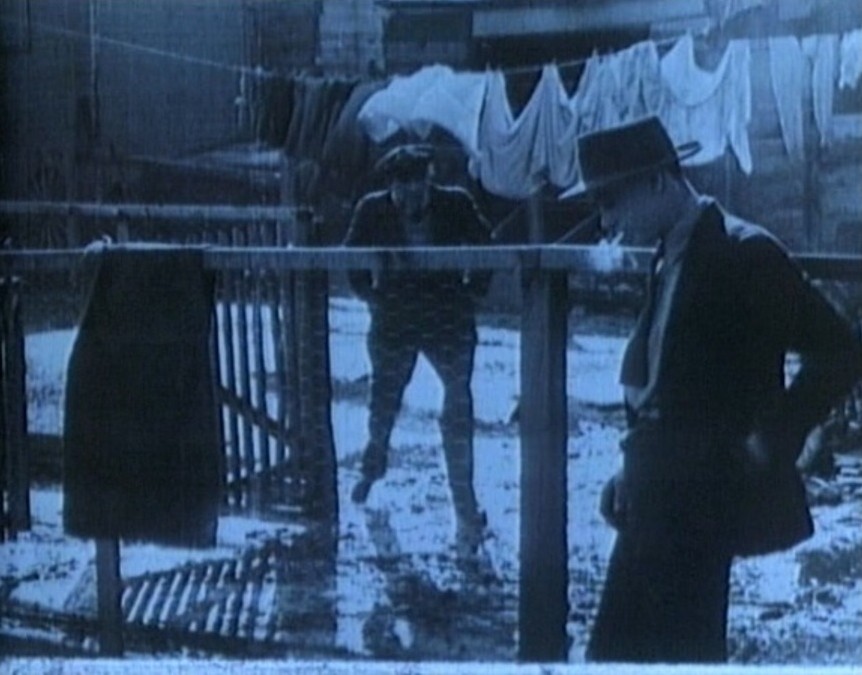
Dir: Maurice Tourneur
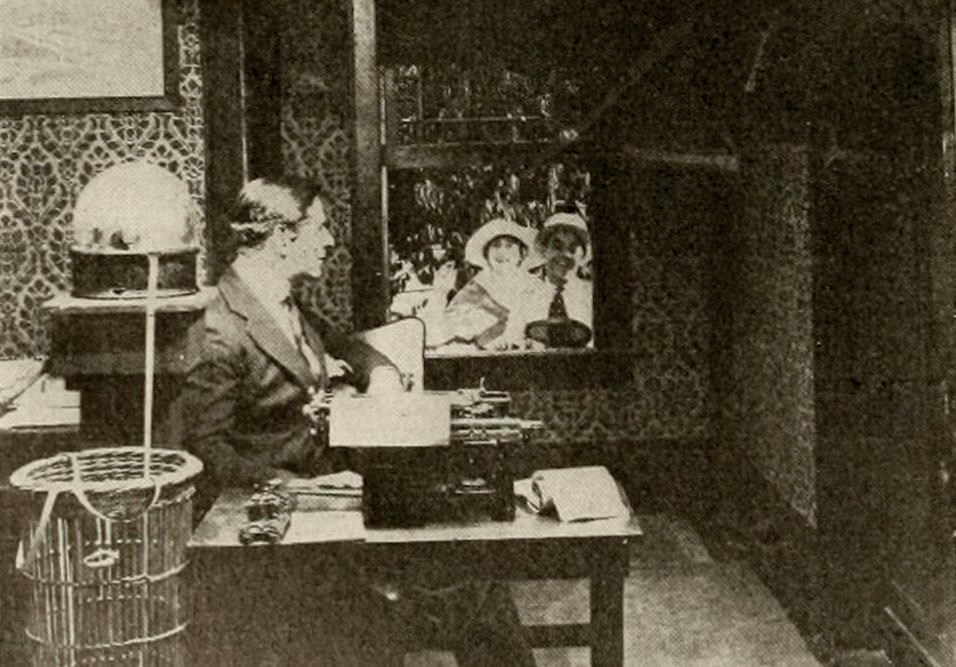
After robbing a bank, a criminal is wrongfully pardoned from prison.
View Details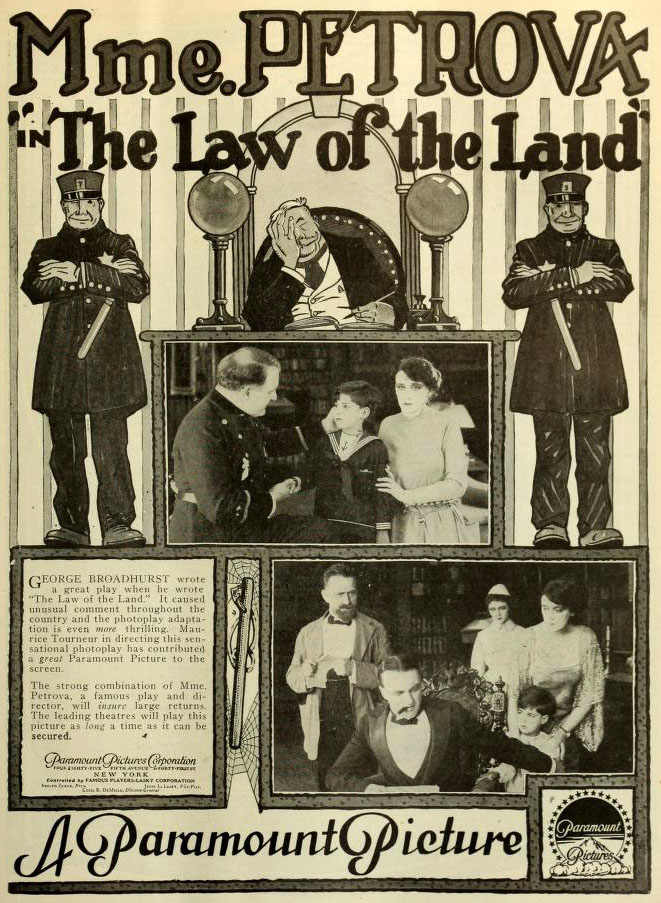
Dir: Maurice Tourneur
In order to save her mother from disgrace, Margaret marries Richard Harding even though she really loves Geoffrey Morton. Five years later, the Hardings have a little son, and Margaret's life has been made almost unbearable by her husband; she lives for nothing but her son. Morton, returning after an absence of two years, learns that Harding has made some false accusations against him and goes to his home to demand a retraction. While there, he witnesses an exhibition of Harding's cruelty as he whips his little son. After Morton leaves, Harding threatens to beat the boy again, and Margaret tells him that she will shoot him if he does. Harding defies Margaret's plea, and she carries out her threat. Together, Harding's secretary and Margaret place the revolver so that it will appear to be a suicide, but the police are not deceived. After a desperate defense by her lawyers, however, the death is ruled accidental and Margaret is free to begin life anew.
View Details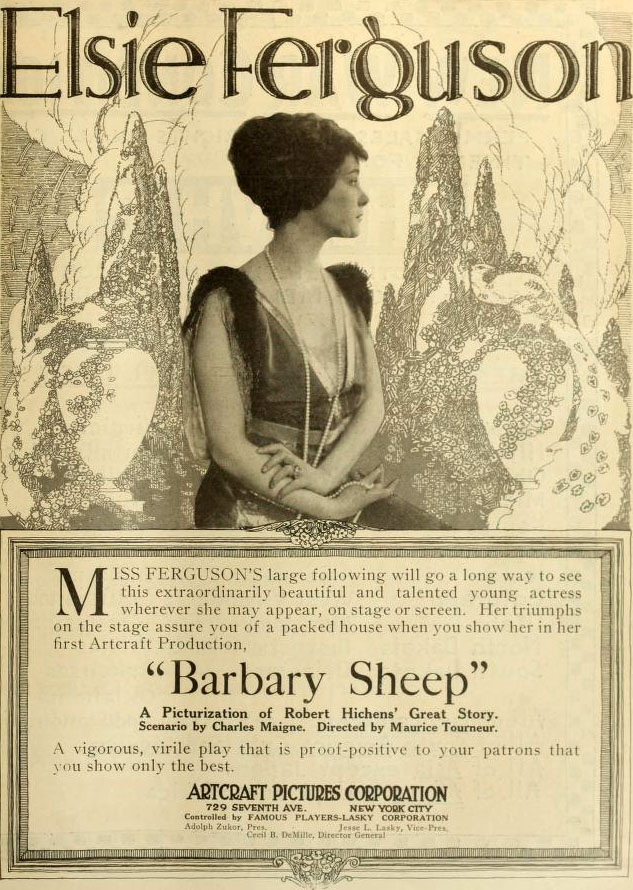
Dir: Maurice Tourneur
Arriving with her husband in Arabia, Katherine Wyvrne is ready for romantic times in the exotic Middle East, but her aristocratic husband prefers to be out hunting "Barbara sheep" than fulfilling his wife's desires. She soon meets up with the dashing Arab chief Benchaalai and falls for his charms, but he has a much more sinister goal in mind for her than romance.
View DetailsAnalysis relative to Old Loves and New
| Film Title | Atmosphere | Complexity | Similarity |
|---|---|---|---|
| The Pit | Tense | Abstract | 87% Match |
| The Hand of Peril | Surreal | Layered | 94% Match |
| The Rise of Jenny Cushing | Gritty | Linear | 96% Match |
| The Closed Road | Gritty | Layered | 95% Match |
| Man of the Hour | Gothic | Linear | 85% Match |
This guide was algorithmically generated using the cinematic metadata of Maurice Tourneur's archive. Last updated: 8/17/2026.
Back to Old Loves and New Details →