
DbcultAccessing Vault...
Recommendations
Senior Film Conservator
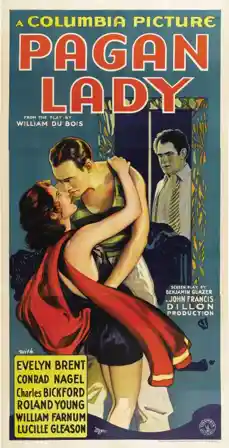
After experiencing the nuanced performance of Pagan Lady (1931), you are likely searching for more films that share its specific artistic vision. Unlock a new level of cinematic understanding with these Drama alternatives.
This 1931 Drama classic stands as a testament to push the boundaries of conventional storytelling.
A free-spirited bartender on a tropical island has a reputation as a "pagan lady", who hops from man to man and bed to bed. The young son of the island's fire-and-brimstone evangelist arrives on the island, falls in love with her, and proposes marriage. The proposal affects her in a way she hadn't expected.
The influence of John Francis Dillon in Pagan Lady can be felt in the way modern Drama films handle nuanced performance. From the specific lighting choices to the pacing, this 1931 release set a high bar for atmospheric immersion.
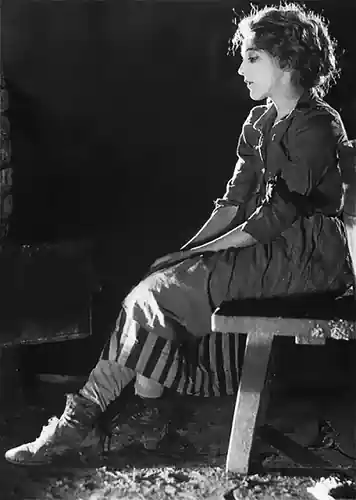
Based on the unique nuanced performance of Pagan Lady, our vault has identified these titles as the most compelling follow-up experiences for fans of Drama cinema:
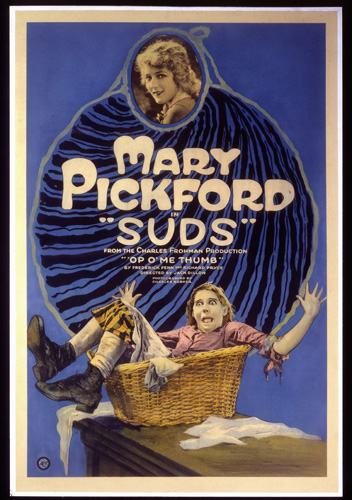
Dir: John Francis Dillon
A London laundress attempts to rise above her station in order to capture the love of a wealthy young man, thus missing out on the truer love of one of her own class.
View Details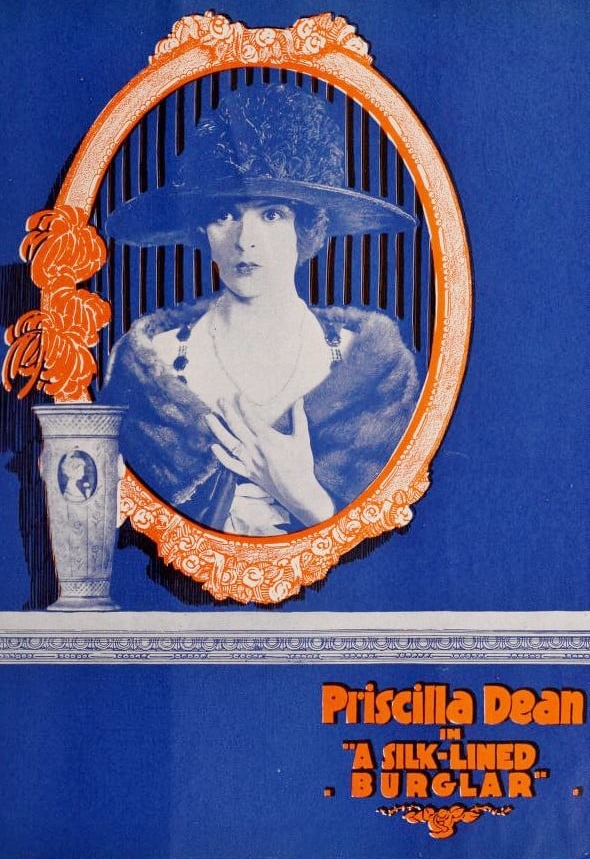
Dir: John Francis Dillon
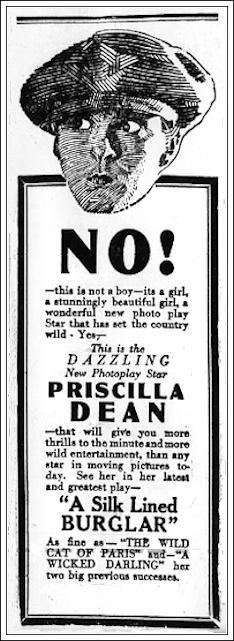
Gentleman crook Boston Blackie answers a want ad for an expert safe cracker placed by Doris Macon, who claims a moral right to the safe's contents. She hires Blackie, and they break into the house where the safe is kept. Blackie blows up the safe just as owner Captain von Hoffmeier returns home. Doris disappears with papers from inside the safe, while Blackie takes phonograph records, which, when played with a special needle, reveal secrets that implicate von Hoffmeier as a German political spy. Doris is actually the girl friend of a secret service man who has followed them to the house. Blackie's talents are praised, and he goes to work for the government.
View Details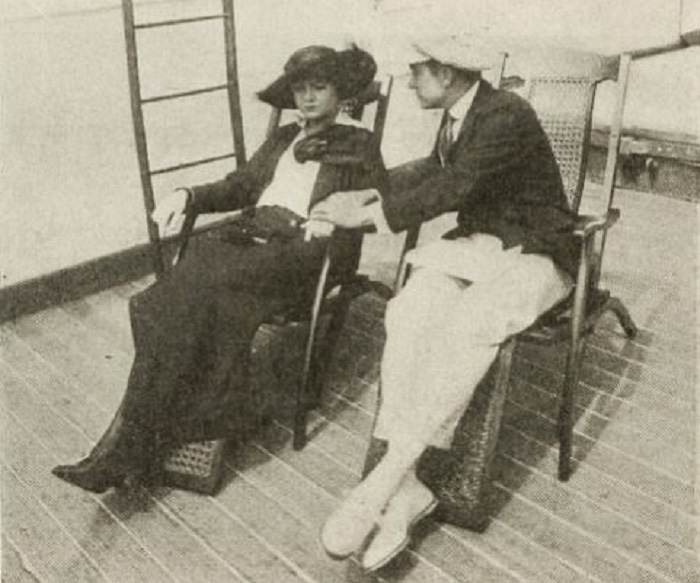
Dir: John Francis Dillon
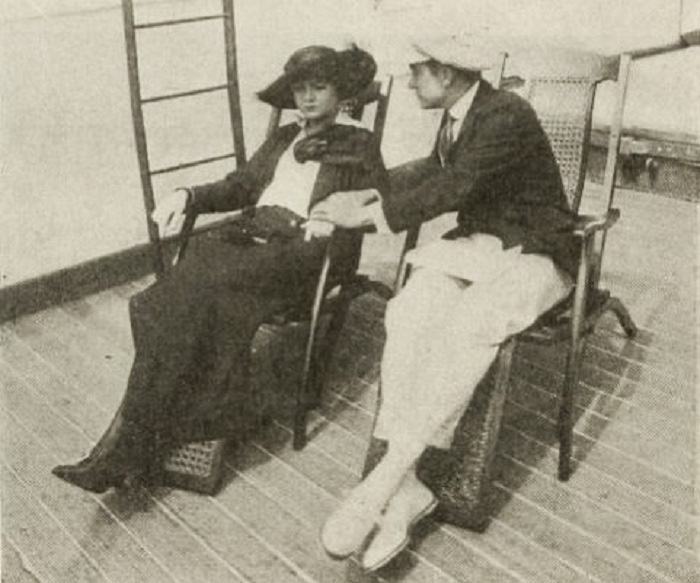
George Carter, a revolutionist in South America, is the exact double of Frederick Marston, a famous artist in Paris. Carter is betrayed by a comrade and is sentenced to be shot. He takes a desperate chance and escapes on board a vessel bound for London. In Paris Marston is stabbed by a model because he does not return her love. The wound incapacitates him from painting, and leaves an ugly scar, and he goes to America on a vacation. Highwaymen attack him, inflicting injuries which cause a total loss of memory. The robbers leave nothing in his pockets but the key to his Paris studio, and Marston adopts the name of Robert Anglo-Saxon. Five years later he falls in love with Duska Filson, a noted beauty, and at a dinner given by her he meets Gen. Robero, a South American ambassador, the man who condemned Carter to death. Robero believes Saxon is Carter and writes Saxon a letter warning him that if he marries Duska he will have Saxon extradited to South America and shot. Robero convinces him that he is Carter and Saxon goes to South America to pay the penalty of the crimes he believes himself guilty of. On the boat he meets Rodman, Carter's betrayer. Duska follows Saxon to South America and learns that Saxon has proven his innocence and departed two days before. She sends him a wireless and he has the ship stopped and lands at Puerto Frio, and learns that the revolution has broken out. In fighting his way through the lines he is shot and is placed on board a vessel bound for France by Rodman. Rodman tells Duska what has occurred and she follows Saxon to France. Saxon's mind clears and through the medium of the key which fits the lock of his house his identity is clearly established. Duska learns that Saxon is the world-renowned artist and his a wife who is very ill. When Saxon reaches his home he finds Duska at the bedside of his wife, who has just died. Duska respects Saxon's grief and departs, with her dream of happiness shattered.
View Details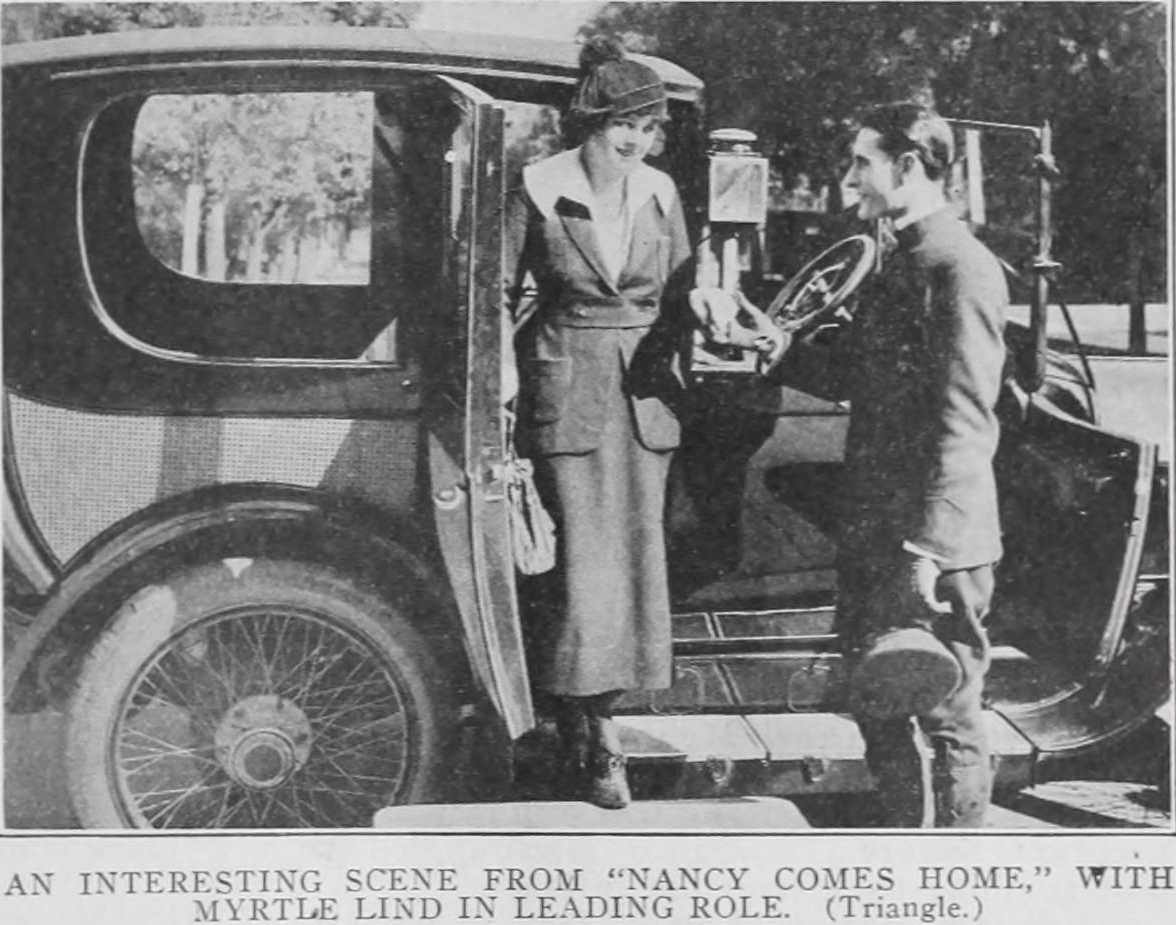
Dir: John Francis Dillon
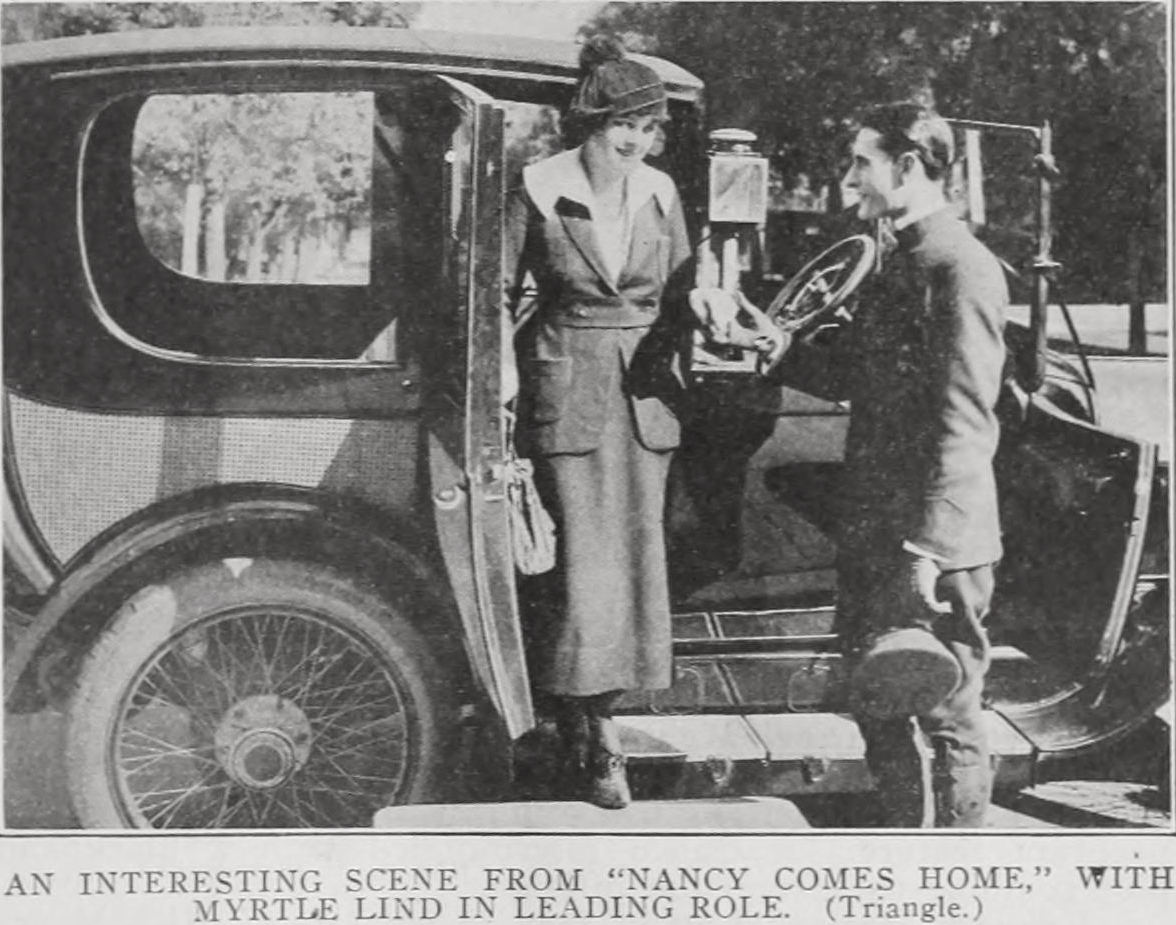
Nancy Worthing, who comes home from boarding school to find that her parents have no time for her, pawns some of her mother's jewels to buy the clothes necessary for entering society. She persuades her father's chauffeur, Phil Ballou, to take her to a notorious cabaret, where a shooting occurs. In the confusion, Phil is arrested as the assailant, and when Nancy's parents learn of the missing jewels, they bring further charges against him. At the trial, Phil reveals that he is the son of wealthy parents who simply wished to earn his own living, and Nancy clears his name by confessing all. Phil and Nancy, united by their ordeals, begin a romance.
View Details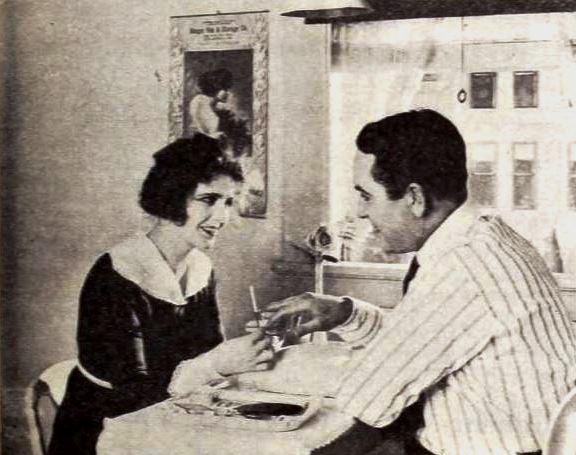
Dir: John Francis Dillon
Working as a manicurist at the Ritz, Helen Thurston, is in love with her wealthy patron, Jack Standring, but the young man's mother wants him to marry a rich debutante. Helen is informed that she has inherited her grandfather's millions, and she proceeds as quickly as possible to acquire expensive clothing and jewelry on credit. Jack, however, is not impressed. Soon Helen learns that she has inherited only $1,000, the remainder of the fortune having gone to her cousin Spindrift. The creditors hound her for their money, and at a grand ball at the Standring home, a detective threatens to arrest her. Touched by her poverty, Jack decides to elope with her. Finally Spindrift violates the conditions of the will, and Helen inherits the entire fortune.
View Details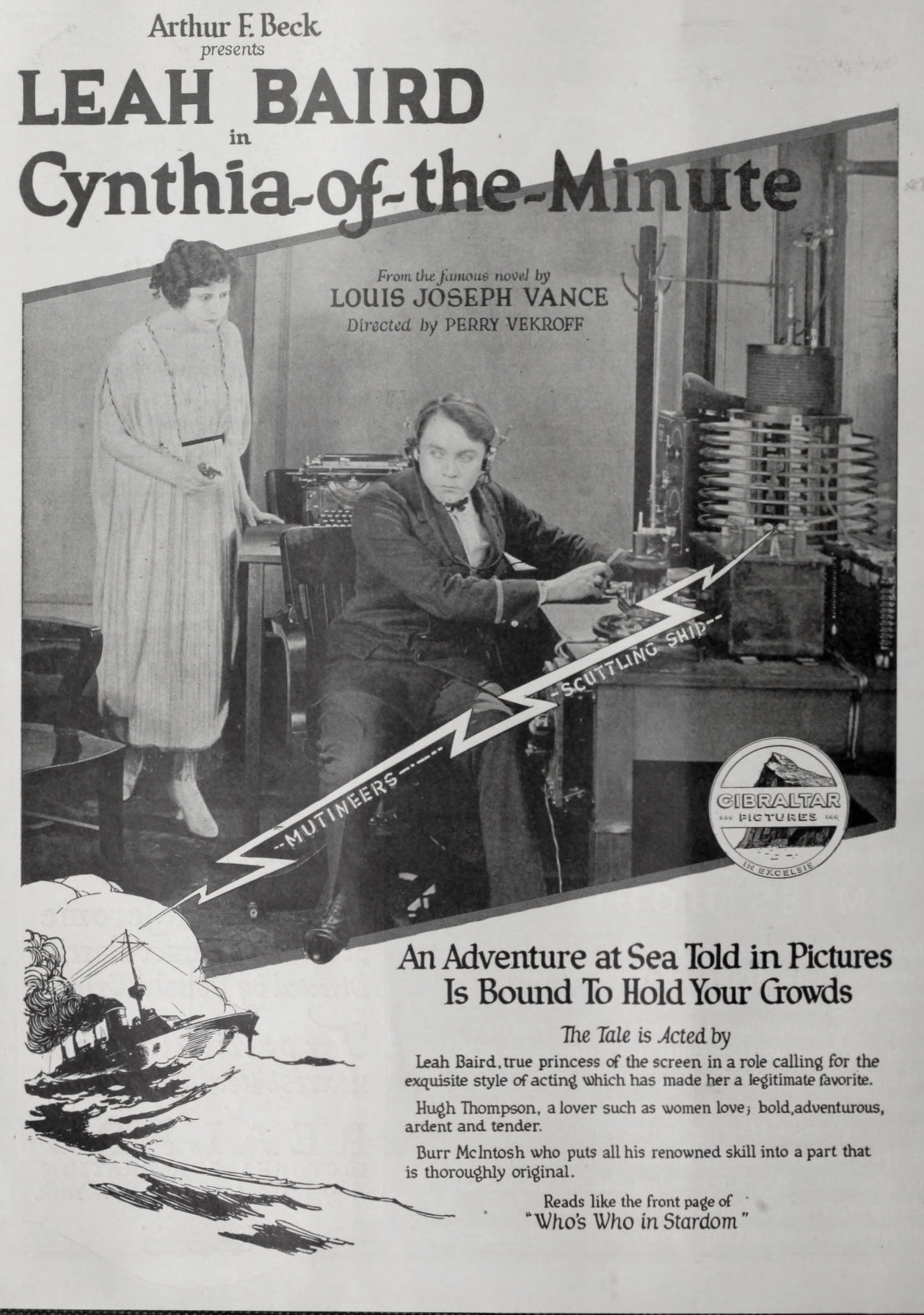
Dir: Perry N. Vekroff
While in New York seeking work, Cynthia, a young English girl, meets Bruce Crittenden and George Rhode who introduce her to Madame Savarin, a wealthy woman seeking a companion for a sea voyage. She hires Cynthia, and while at sea, Cynthia discovers that Bruce is the ship's purser. Cynthia's father was a famous wireless expert who taught her how to read code, which enables her to overhear a plot to sink the ship and steal Mrs. Savarin's jewels. Soon after, the crew mutinies, and while Rhode and Bruce fight the crew, Cynthia sounds the alarm. As he is attempting to foil the jewel thieves, Bruce falls overboard, and Cynthia swims to his rescue with the jewels strapped to her back. They are rescued by a government patrol boat and taken back to New York where Cynthia and Bruce are married.
View Details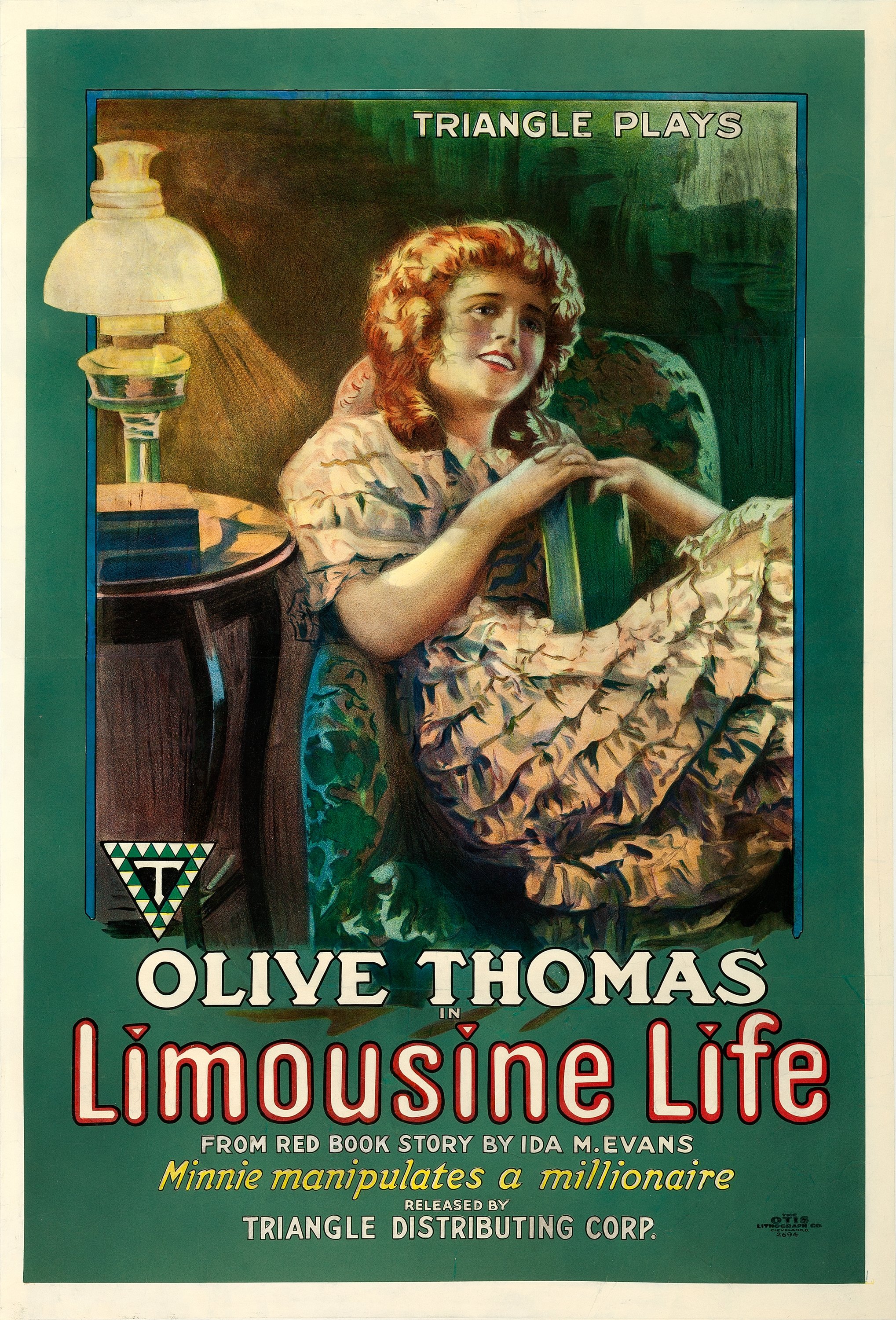
Dir: John Francis Dillon
An amusing satire on the simple village maiden who comes to the great city and falls a victim to its alluring temptations.
View Details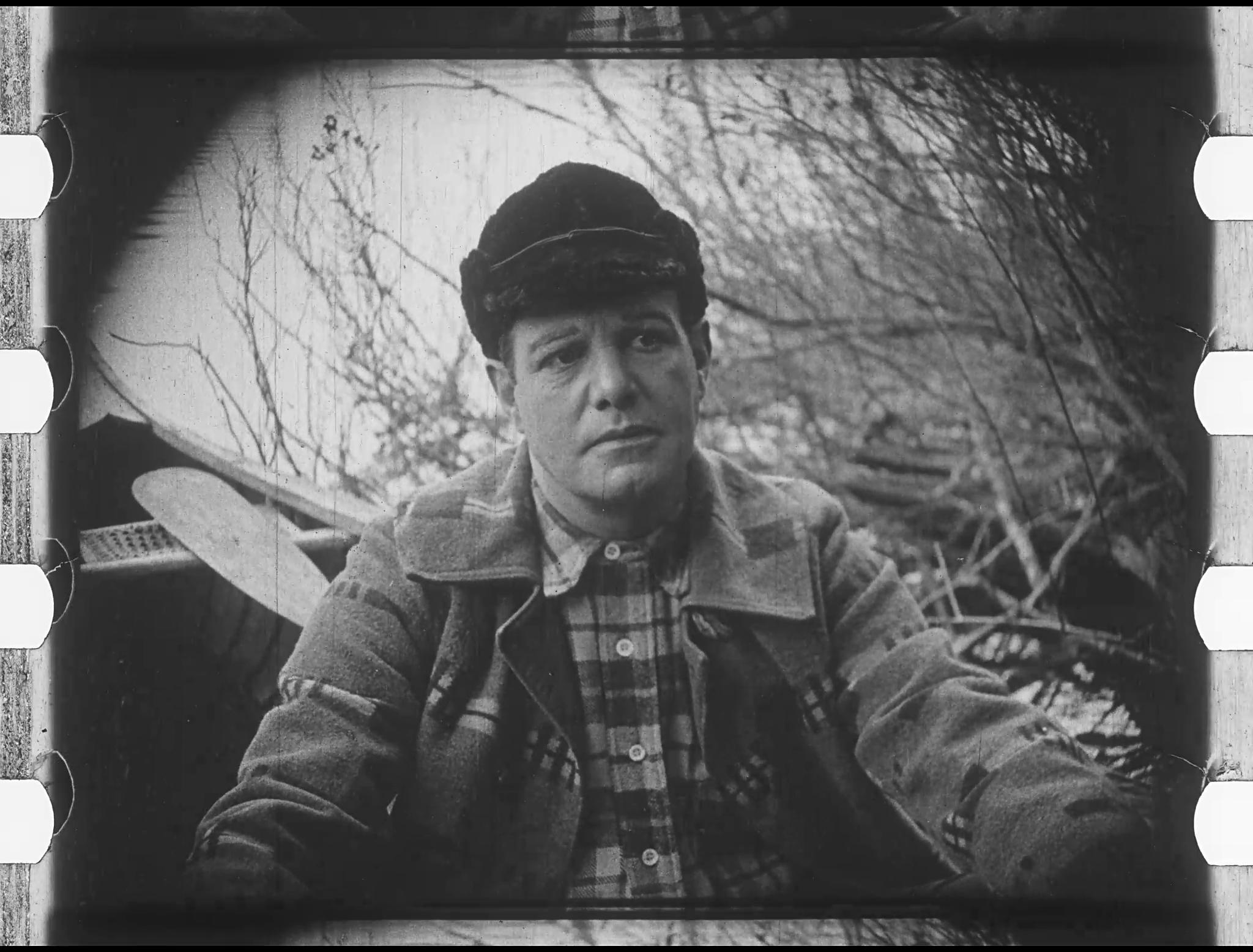
Dir: Edgar Jones
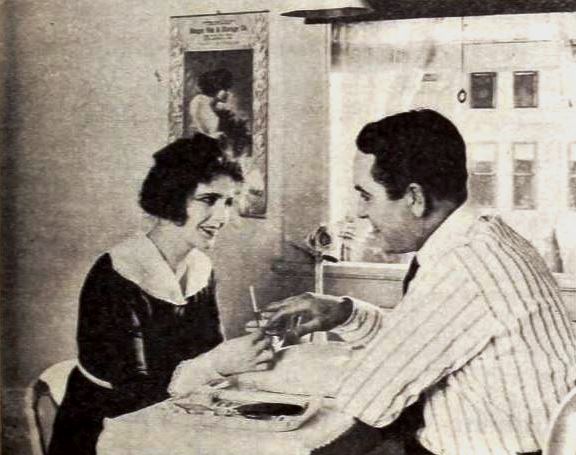
A mail-order bride arrives at a Maine lumber camp but doesn't like her prospective husband.
View Details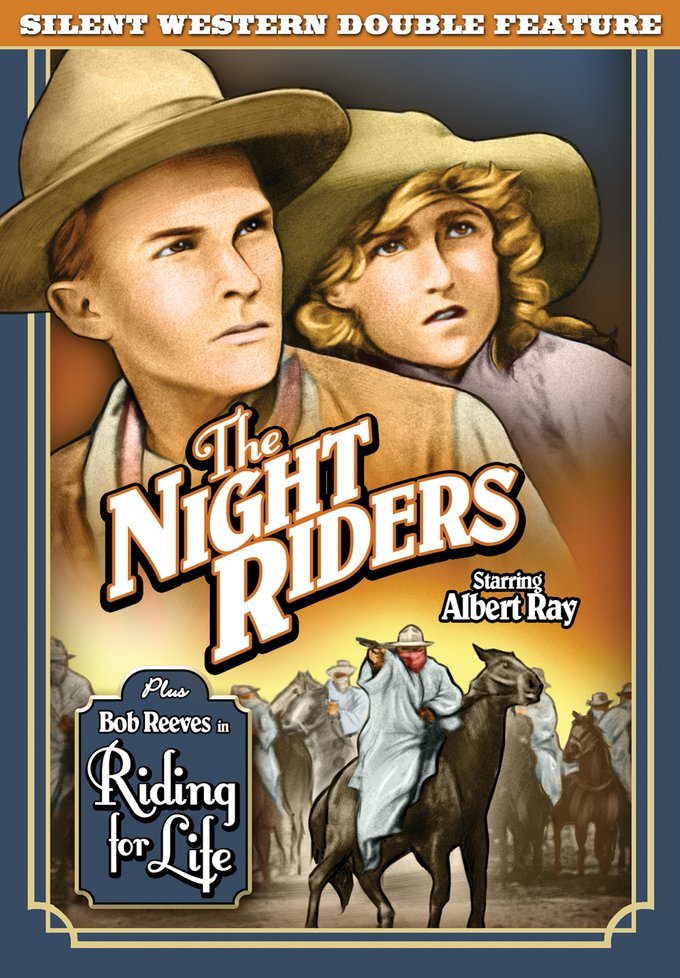
Dir: Alexander Butler
In Alberta, Canada, a Cornish emigrant unmasks a rustler posing as the girl's "blind" father.
View Details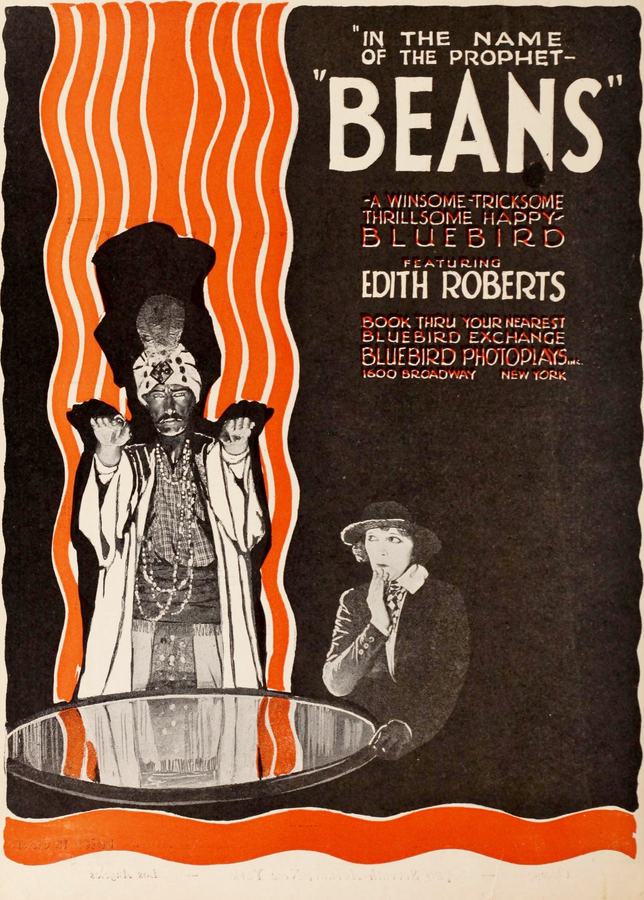
Dir: John Francis Dillon
Brewster, the bean king, has an option of renewal on a certain bean canning plant owned by Ellis. Ellis does not desire to renew and hires Wingate, a shyster lawyer, to help him. Brewster has to send Betty to renew the contract. Later he sends his lawyer to help her and Ellis' man persuades her that he is a plotter. There follows plot and counter-plot, but all-innocently Betty carries the day.
View DetailsAnalysis relative to Pagan Lady
| Film Title | Atmosphere | Complexity | Similarity |
|---|---|---|---|
| Suds | Surreal | Linear | 85% Match |
| The Silk-Lined Burglar | Gothic | High | 90% Match |
| The Key to Yesterday | Gothic | High | 94% Match |
| Nancy Comes Home | Ethereal | Dense | 89% Match |
| Heiress for a Day | Tense | High | 90% Match |
This guide was algorithmically generated using the cinematic metadata of John Francis Dillon's archive. Last updated: 6/24/2026.
Back to Pagan Lady Details →