
DbcultAccessing Vault...
Recommendations
Senior Film Conservator
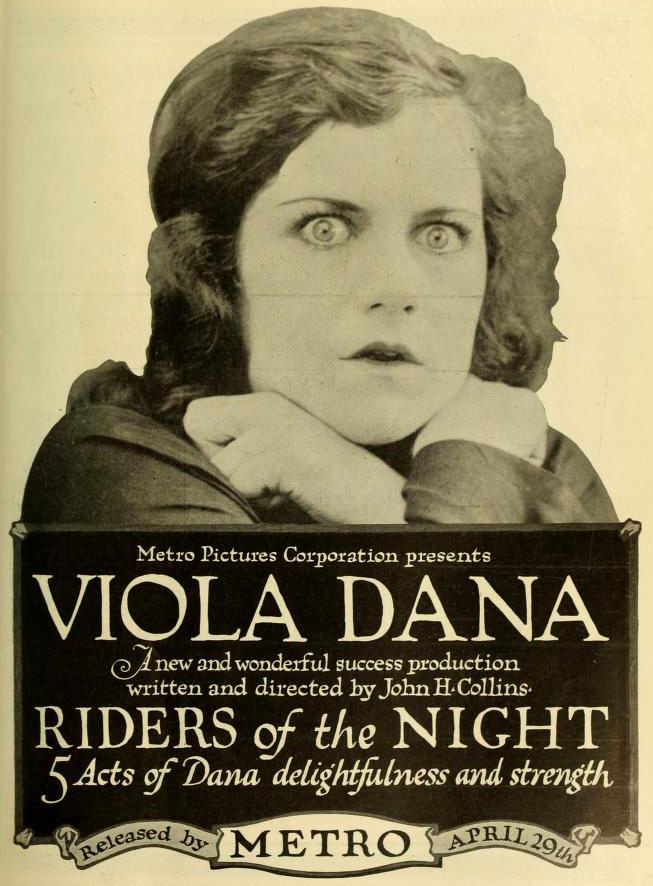
Delving into the atmospheric depths of Riders of the Night reveals a master at work, the artistic provocations of Riders of the Night demand a follow-up of equal intensity. These hand-selected movies are designed to satiate your craving for cult quality.
The enduring power of Riders of the Night lies in to transcend the limitations of its 1918 budget and technology.
In going for a doctor for her sick grandfather, Sally Castleton is detained at the toll-gates by John Derr. The old man dies and the villagers organize themselves into a band of night riders to break down the gates. Jed, who is known as "The Killer," turns traitor, and in the fight with the authorities, Milt, Derr's cousin, loses his hat. Derr finds it and assumes that he is responsible for the raid by the sheriff. Sully is in love with Milt, and Derr, who also wants to make her his wife, threatens to send his cousin to the gallows if she does not consent to be his. Milt hears of Derr's intention and plans to secure revenge. Derr is killed and Sally becomes involved in the murder. After many exciting moments Sally emerges triumphant, however, and marries the man of her heart's choice.
The influence of John H. Collins in Riders of the Night can be felt in the way modern cult films handle cinematic excellence. From the specific lighting choices to the pacing, this 1918 release set a high bar for atmospheric immersion.
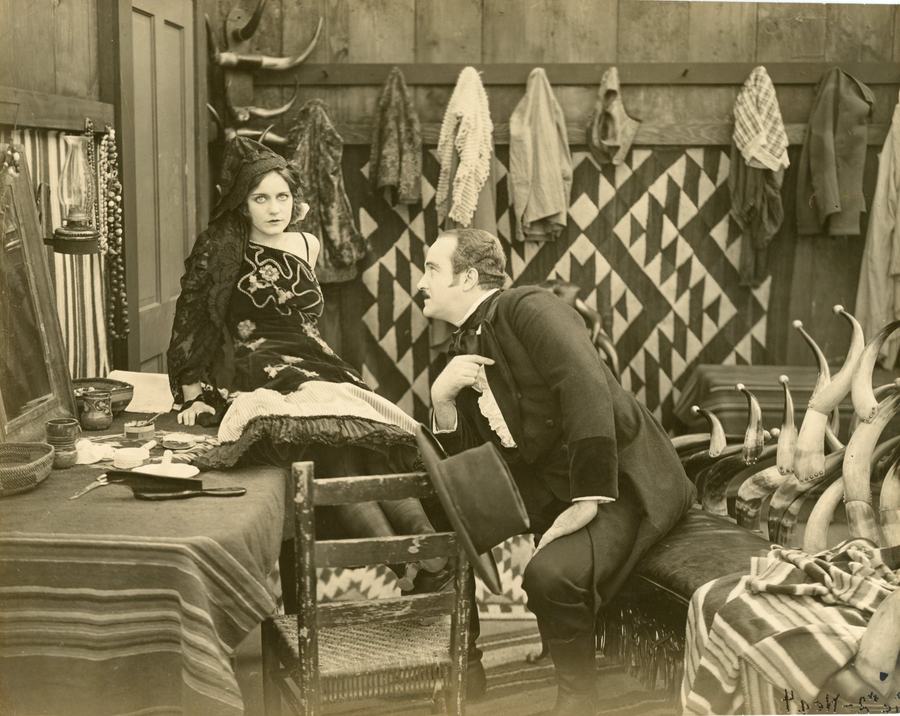
Based on the unique cinematic excellence of Riders of the Night, our vault has identified these titles as the most compelling follow-up experiences for fans of cult cinema:
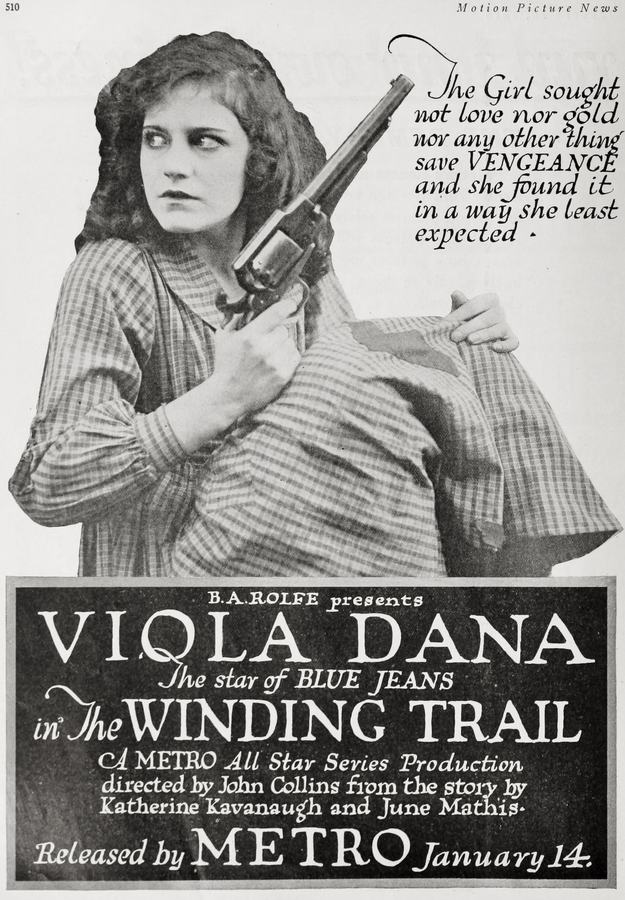
Dir: John H. Collins
In order to avenge the disgrace and subsequent death of her sister, New York theatrical star Audrey Graham joins an 1870's caravan bound for the Western town of Silver Bar, where Alvin Steele, the man who betrayed Audrey's sister, now lives. The homesteaders run out of supplies and are dying of thirst on the parched Western plains when they reach the hideout of an outlaw named Zachary Wando. Zachary at first refuses them water, but Audrey, disguised as a child, melts his heart and he relents. After learning of Audrey's deception, however, he threatens to hold her captive unless she brings Steele, with whom his wife Lou is having an affair, to his camp. Audrey locates Steele, captivates him with her beauty, and then leads him to Zachary, who gives Lou a gun and orders her to choose between them. Lou shoots Steele and is then reconciled to her husband, while Audrey returns to New York, her desire for vengeance satisfied.
View Details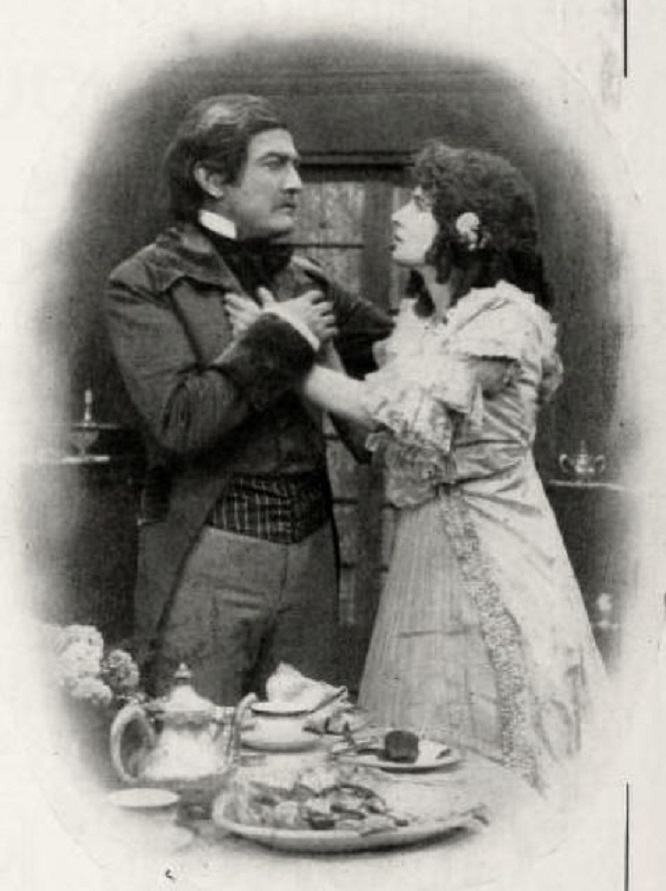
Dir: John H. Collins
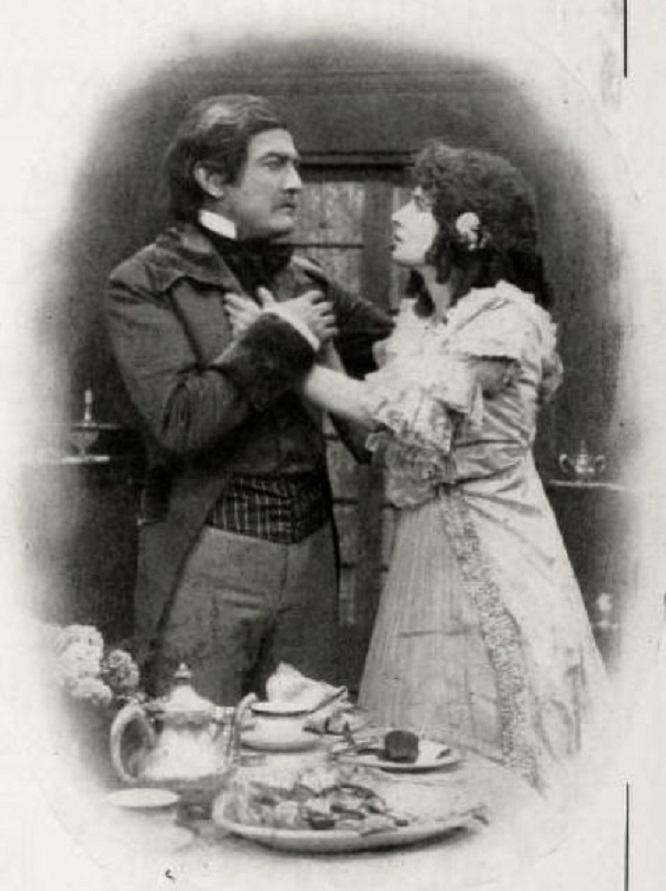
By the death of his father, old Judge Lawrence, William Lawrence inherits the family's vast Southern estates. The slaves welcome him as their new master, but they all dislike "little Jim," William's half-brother, who is left by the father in William's guardianship. Twenty years elapse, and William is elected governor of his state. Little Jim has grown to young manhood, but with the passage of the years, his nature has become worse. It is discovered that Jim has had a secret intrigue with Jenny Strong, a simple country girl, who implores him to keep his promise and make her his wife. Meanwhile, she has kept all knowledge of what has transpired from her brother, Jack. At the state capital are two important families, the Leighs and the Claytons. Evelyn Clayton has fallen deeply in love with Jim Lawrence. William Lawrence has met and fallen in love with Helena Leigh. Arthur Willet, a friend of both families, who has had from the first an instinctive dislike for Jim Lawrence, overhears Jim talking with Jenny Strong. Later, at the home of the Leighs, he comes upon Jim making love to Helena. He thereupon tells her father how he has heard Jenny Strong pleading with Jim to right the wrong he has done her. Dr. Leigh drives Jim from his house. There follows a violent quarrel between Helena and her father, during which the doctor falls to the floor, overcome by heart trouble. On his deathbed he begs Helena to marry the governor. Helena consents because it is her father's dying wish, though she fancies herself in love with Jim. Strong discovers the trouble with his sister and determines to get satisfaction. To revenge the exposition of his guilt, Jim writes to Willet to fight a duel with him. Willet, who is a crack shot, accepts and leaves to indulge in a little practice. Jack comes upon Jim, and before he has finished talking, Jim shoots him with one of Willet's pistols. Willet is accused of the crime and is placed in jail. Jenny takes her own life and an unsuccessful appeal is made for Willet by Curwood, a political leader and uncle of the accused. Moved by Helena's pleadings, Jim confesses to his brother, but still maintains that he committed the murder in self-defense. His brother, the governor, pending the arrival of the sheriff, locks Jim in a room, but he is released by Helena, who, having taken two horses from the stable, rides away with him. Inasmuch as the governor had been to the stable, and seeing that he is accused of intrigue, he says that he did spirit his brother away. He resigns, and Helena, who realizes that she is the cause of her husband's downfall, declares herself in court as the accomplice in the murderer's escape. Helena, now that she is to be indicted in her husband's place and being cognizant of his great love, which she feels is lost forever, is about to commit suicide when her husband appears and tells her that the law has been satisfied by the death of Jim, whom they have learned was drowned in South America. The governor and his wife are reconciled.
View Details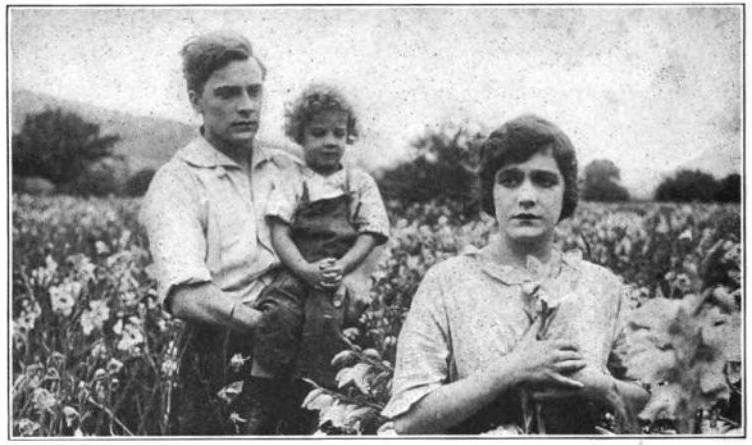
Dir: John H. Collins
Although she has a strong friendship with Abner, a hand on her father's farm, saucy Gladiola Bain loves only her father, until she meets vacationing Ned Williams, a self-described "idler" from the city. When their seemingly harmless flirtation develops into love, Gladiola refuses to obey her father's wishes that she give Williams up, and when Williams, after some hesitation, offers her a beautiful home and clothes, they elope to the city, where Williams arranges a mock marriage. After a few months of happiness, Williams' real wife appears. Gladiola tells Williams that she despises him and returns to her welcoming father. Amid much gossip in the town, Gladiola gives birth to a child, while Williams, whose wife has refused to divorce him, has gone abroad. When he learns that his wife has died, he returns repentantly to Gladiola's farm, but although she is touched by his concern, her love has died, and she refuses his entreaties. At the end, Gladiola and her child stroll in the gladiola fields with the faithful Abner.
View Details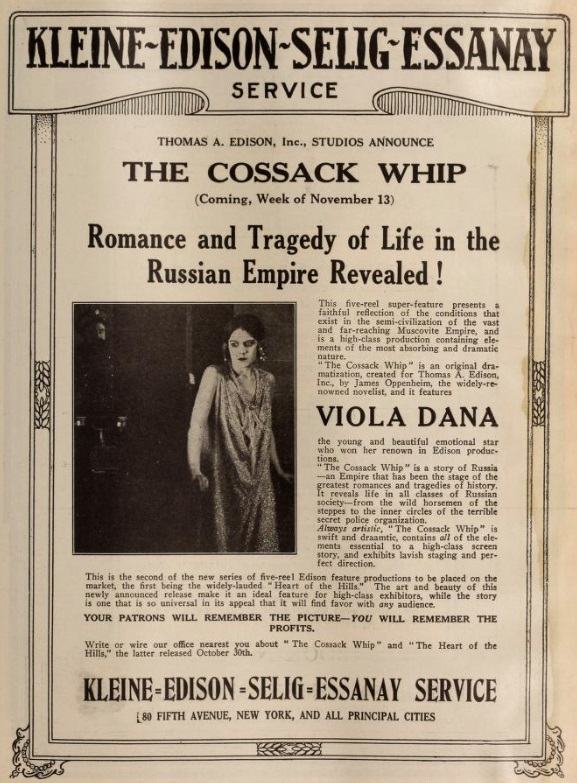
Dir: John H. Collins
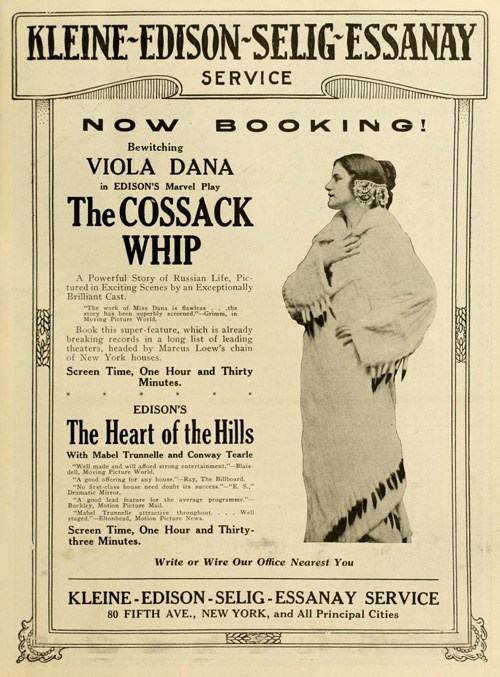
Feodor Turov, chief of the Russian Czar's secret police, orders his Cossacks to attack a village he believes to be infested with rebels. The Cossacks attack the village and massacre almost everyone, and the young Katerina is whipped to death. Before escaping to England, her sister Darya swears to avenge her sister's death. Years later--now one of the world's most famous prima ballerinas--she returns to Russia. Turov falls in love with her and manages to secure a meeting. She coyly asks him to take her to see a prison first. As it turns out, what he has planned for her is nothing compared to what she has planned for him.
View Details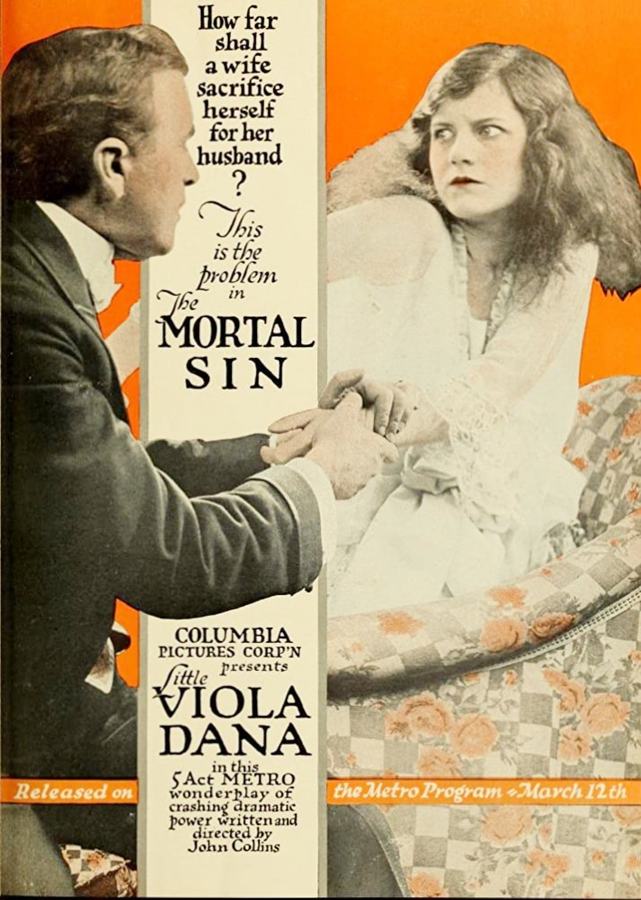
Dir: John H. Collins
George Anderson, a struggling author, works in the daytime as a clerk in the office of Emmet Standish, the publisher, and at night writes on his novel, "The Mortal Sin." "The Mortal Sin" deals with a wife's sacrifice of her honor in order to enable her sick husband to go to a western sanitarium to ward of the tuberculosis which threatens him. The husband, returning unexpectedly, learns the truth, but forgives his wife when he realizes that her sacrifice was made for him. Anderson plods on at his writing. His wife worries over his weakened condition. The doctor tells him that a trip to the west is the only thing that will save him. Worrying over this, he continues to work feverishly, but he collapses, and is obliged to leave at once. In order to make both ends meet, since he has saved only enough to pay his railroad fare, Jane goes to take her husband's place in Standish's office. The publisher is considerate of her, and she is encouraged to show him her husband's novel and ask him to publish it. Standish says that it is untrue to life, since no man would forgive his wife for having been unfaithful to him, no matter what her motive. Standish refuses to publish the novel, but tells Jane that she need not depend on the sale of her husband's book for money. In anger she leaves his employ. She tries to place the novel with other publishers, but fails, and poses for Rambeau, the artist, for his painting of the Madonna. When the work is over she takes refuge in a cheap lodging house where Standish finds her. Letters from her husband indicate that he is in actual need. He is too ill to do any work, and thinking that Jane is still in Standish's employ, he appeals to her for money. She makes a bargain with Standish. She will go with him to his home if he will accept her husband's novel. He accepts and Jane changes the ending of the book in order to make it salable. The husband of the story, returning, kills his unfaithful wife. The book is printed and has a phenomenal sale, and Jane sends regular remittances to her husband. Another publishing house make Anderson an offer for his next novel, and having regained his health he decides to return east and give his wife a surprise. He goes to the address she has given and asks for Mrs. Anderson. The maid says she knows no Mrs. Anderson, but that Mrs. Standish is at home. Suspicious, Anderson hides and watches developments. Standish returns from his club to escort Jane to a party, but she asks to be excused. He rebukes her and leaves the room angrily. Anderson leaps from his hiding place and upbraids his wife for her infidelity. She tells him that her desire to aid him has been her only motive, and that she still loves him. Anderson will not listen to her pleadings, but rushes forward, grapples with her and deliberately chokes her to death in cold blood. Anderson is led away to a cell, tried and sentenced to die. As he is being led to the death house the chaplain shakes and arouses him, and Anderson, waking up, sees his wife bending over him. He has been asleep and incidents connected with "The Mortal Sin" have woven themselves into his dreams. He puts away the novel, promising Jane to conserve his health in the future so that no such events as those contained in his dream can come to pass.
View Details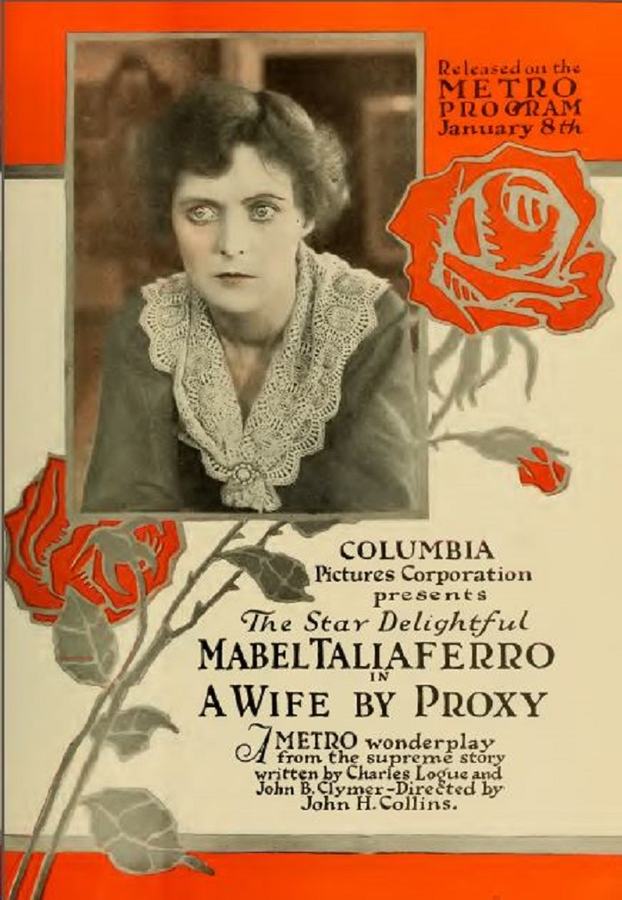
Dir: John H. Collins
Norton Burbeck, a young man in line for a large inheritance, is in love with the beautiful Beatrice Gaden. What he doesn't know is that she is conspiring with Norton's cousin Howard to swindle Norton out of the inheritance. Norton, however, has an ace up his sleeve that Beatrice and Howard don't know about.
View Details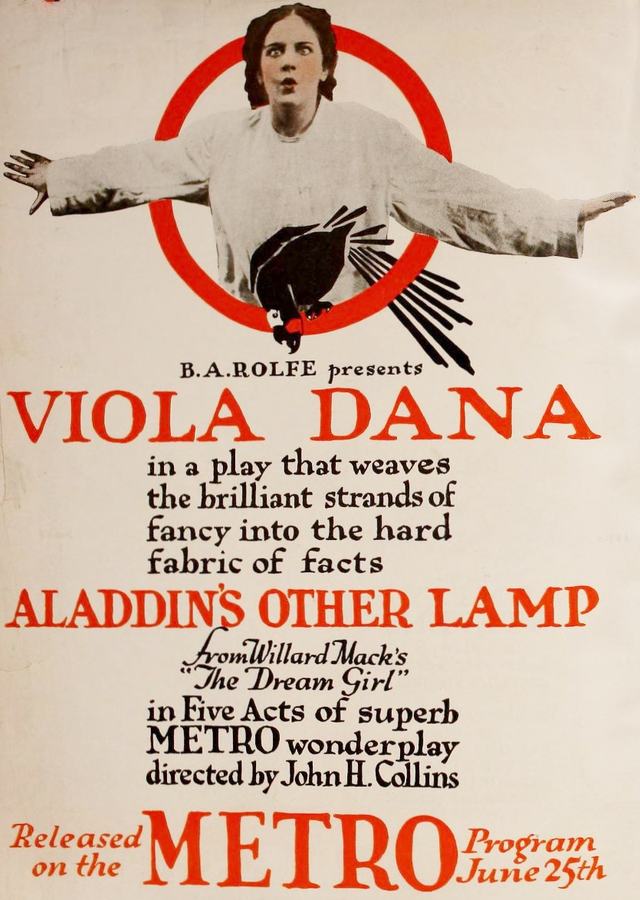
Dir: John H. Collins
When she was a baby, Patsy Smith's father quarreled with his wife and kidnapped Patsy. After her father died at sea, Captain Barnaby took Patsy to Mrs. Duff's boardinghouse for seafarers. Dissatisfied with drudgery, Patsy, inspired by Barnaby's tales of Aladdin, searches for her father's Oriental lamp which Mrs. Duff sold to a junk peddler. Patsy buys the lamp and after rubbing it, the Genie Jehaunarara appears. He beautifies her room, restores Barnaby's leg, and turns Mrs. Duff into a rag doll. Because love is beyond his magic, however, the Genie cannot reunite Patsy with her mother. At a masquerade ball, when the Genie's costume wins first prize, Patsy's applause unwittingly causes him to disappear. Clad only in her underwear, Patsy runs to her mother, and awakens from a dream. Disheartened, she throws the lamp out the window, and it nearly strikes her friend Harry, a grocer's boy who wants to become a lawyer, and then, like Lincoln, president. From letters found in the lamp, they locate Patsy's mother, who arrives with her brother, a distinguished judge. Taken under his wing, Harry now imagines himself president with Patsy as his first lady.
View Details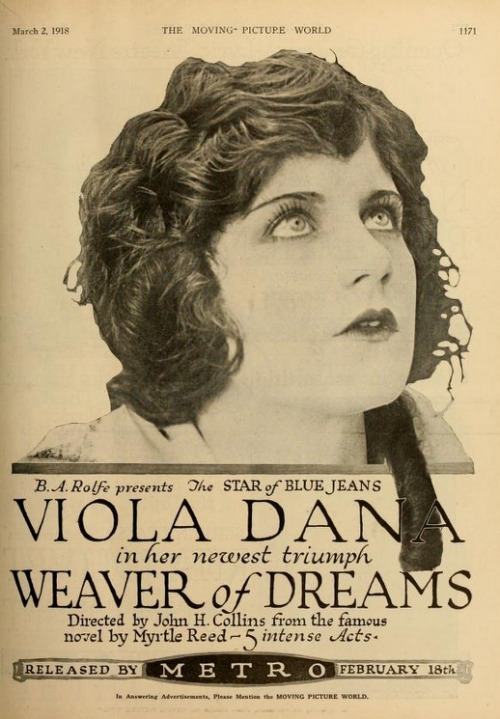
Dir: John H. Collins
When Judith Sylvester becomes engaged to Dr. Carter Keith, he prepares a charming little home for her arrival, dubbing it the "House of Hearts." Their happiness is complete until Margery Gordon appears to distract Carter from his fiancée. Judith is troubled by his sudden change of heart, but not until she sees Margery and Carter embracing in the "House of Hearts" does she fully realize that their romance is over. After breaking their engagement, she moves in with Cynthia Bancroft, who had met and fallen in love with Judith's guardian, Martin Chandler, when the two were involved in a train wreck. Judith is instrumental in reuniting them, and then, left alone, she grimly resolves to make the best of life.
View Details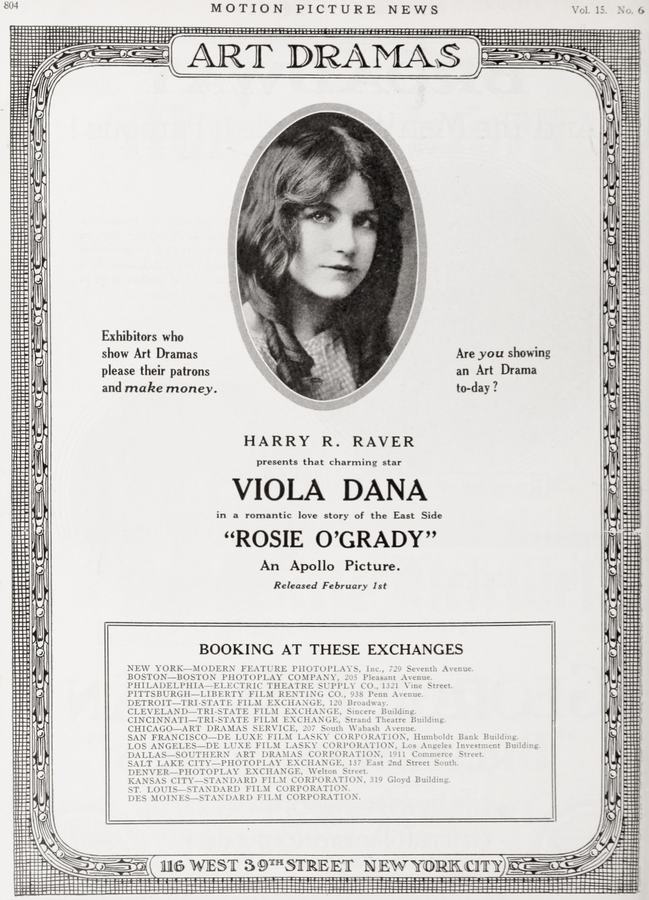
Dir: John H. Collins
A fascinating piece of cinema that shares thematic elements.
View Details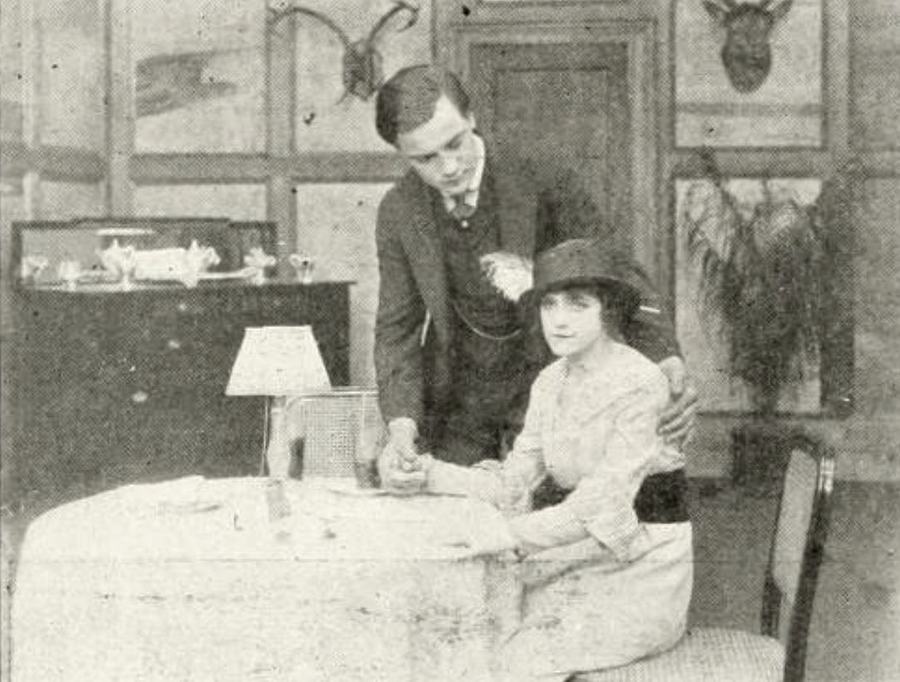
Dir: John H. Collins
"On Dangerous Paths" Is the story of a foolish young girl who insisted upon learning the lesson of life through experience rather than take the advice of those who had already gone through the mill. It's only saving grace is that it is a story taken out of life, a story that nearly every young girl has to learn. Viola Dana in the leading role is winsomely pretty. As an unsophisticated young girl with the whole world before her, Miss Dana was eminently pleasing. Pat O'Malley playing opposite gave his usual finished performance, and the balance of the cast was good. Though the recipient of the love of a very desirable young man and though she returns this affection. Eleanor Thurston feels that she must be independent and earn her own living. She leaves for the city and obtains a position as nurse in one of the large hospitals, where one of the young doctors with a reputation as a lady killer becomes infatuated with her fresh young beauty and pays ardent attention to her. She is carried off her feet and not realizing that his intentions are not honorable, is placed in a compromising situation from which she is rescued by her country lover.
View DetailsAnalysis relative to Riders of the Night
| Film Title | Atmosphere | Complexity | Similarity |
|---|---|---|---|
| The Winding Trail | Surreal | Layered | 97% Match |
| The Ploughshare | Gothic | High | 90% Match |
| Gladiola | Surreal | Dense | 85% Match |
| The Cossack Whip | Ethereal | Abstract | 98% Match |
| The Mortal Sin | Tense | Dense | 88% Match |
This guide was algorithmically generated using the cinematic metadata of John H. Collins's archive. Last updated: 6/25/2026.
Back to Riders of the Night Details →