
DbcultAccessing Vault...
Recommendations
Senior Film Conservator
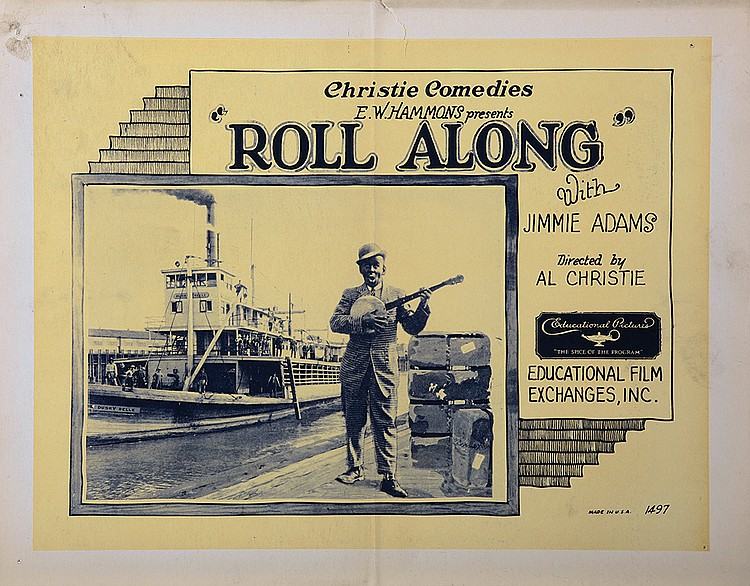
Looking back at the 1923 milestone that is Roll Along, the specific cinematic excellence of this work is a gateway to a broader Short world. Our archive is rich with titles that mirror the cinematic excellence of Scott Sidney.
As Scott Sidney's most celebrated work, it defines to create a dialogue between the viewer and the cinematic excellence.
Rastus Jones and Swanee Sam are rivals for the hand of Mandy. It is decided that the first suitor back with a parson from the neighboring riverboat landing will be the winner. (All performers are in black face.)
Based on the unique cinematic excellence of Roll Along, our vault has identified these titles as the most compelling follow-up experiences for fans of Short cinema:
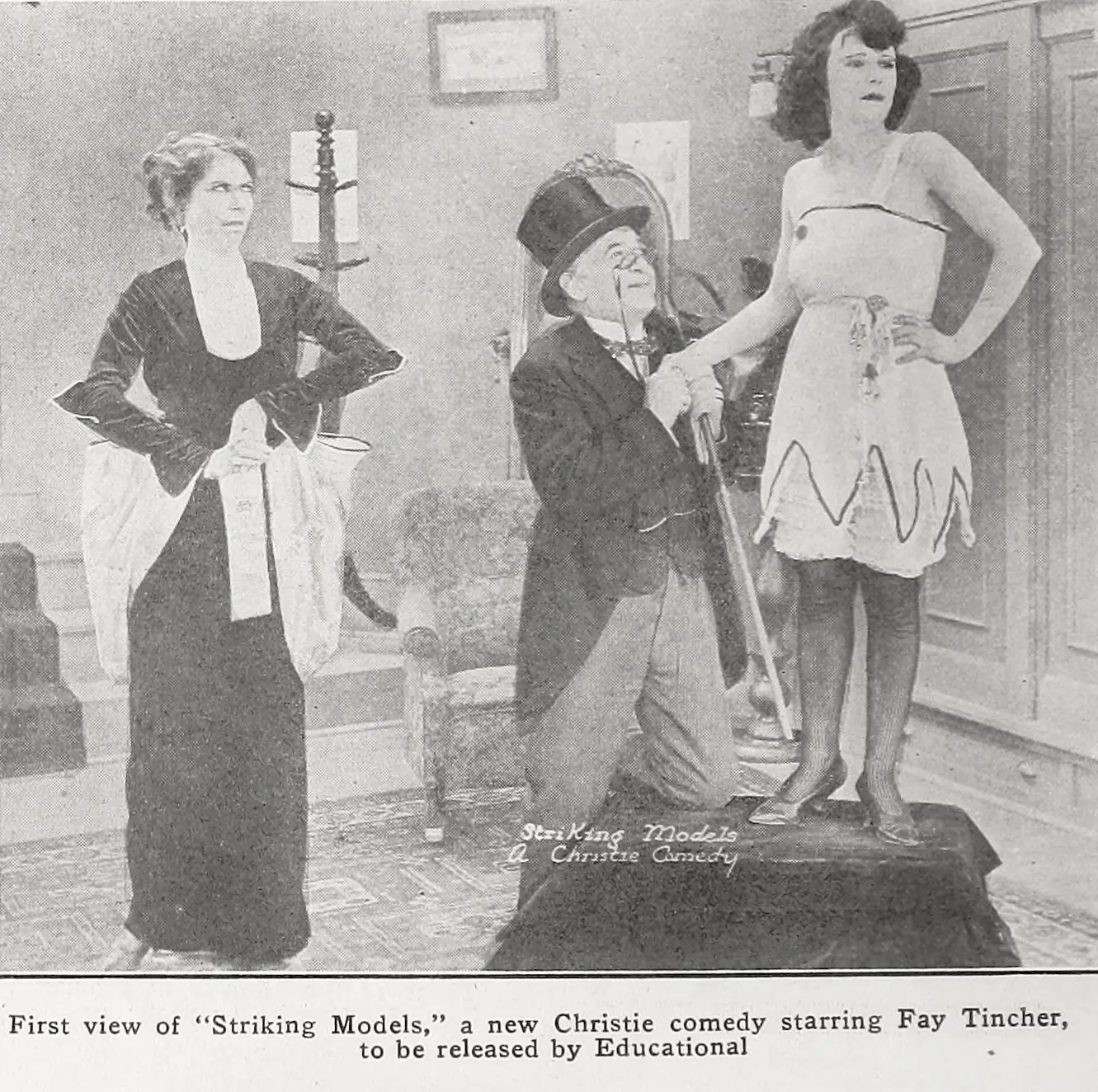

Dir: Reggie Morris
A fascinating piece of cinema that shares thematic elements.
View Details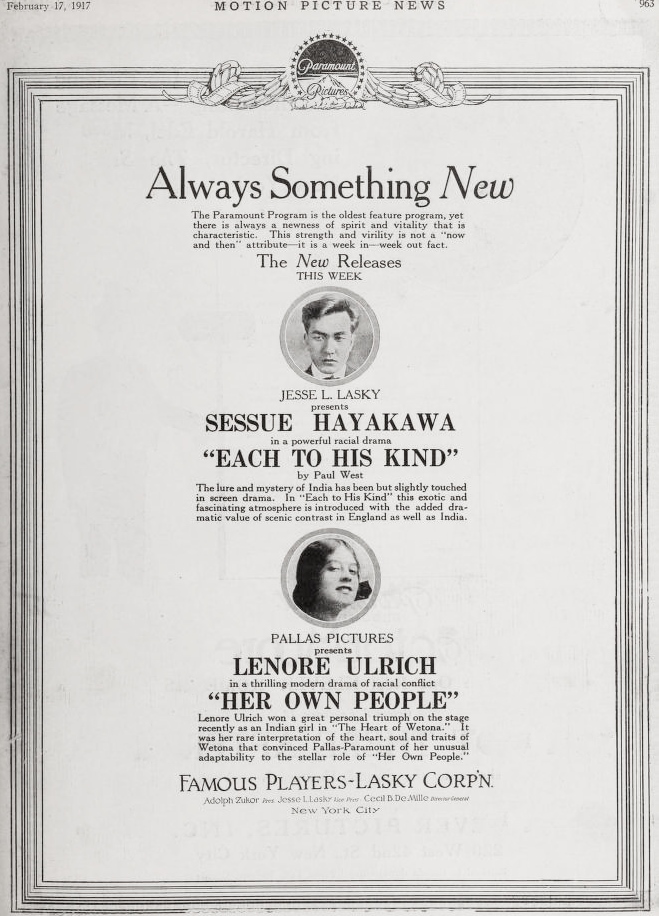
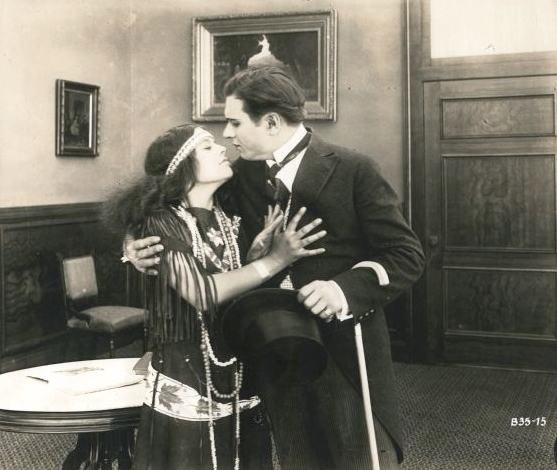
Dir: Scott Sidney
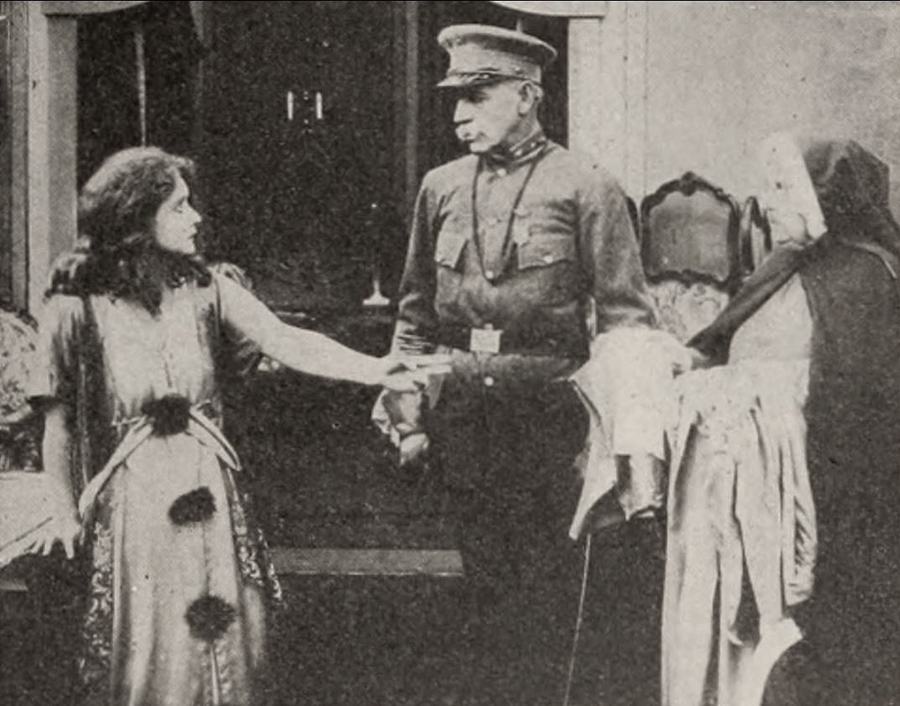
John Kemp, a wealthy man, after the announcement of his engagement to Eleanor Dutton, overhears her declare her love for another man, at the same time stating that she must marry Kemp for his money. Heartbroken, Kemp goes to the mountain wilderness. Eleanor marries the man she loves and Kemp marries The Morning Star, an Indian. They have a daughter, Alona, whom Kemp idolizes. She meets Frank Colvin, a poor young prospector, and they become attached to each other. Kemp feels it his duty to return to civilization in order to complete Alona's education. He places her in a fashionable boarding school. Upon learning that she is of Indian blood the girls snub her, only one, Myra Agnew, being kind. Myra takes Alona home with her at Christmas time, that she may meet her brother, Blinn, in the hopes that he will marry her. Alona, by accident, learns that Blinn cares only for her fortune, and upon the death of her father she returns to her people, embittered. She again meets Frank Colvin, who declares his love for her. She decides to test him and buys his mine through an unknown agent. He returns to the city, seeks out Alona, and promises to bring his mother and sister to see her. The mother and sister, however, having been informed that Frank intends to marry an Indian, call on Alona and, when they see her real beauty, tell her they do not wonder Frank loves her, and plan a big surprise for him. That night Alona sends her car for Frank and, accompanied by his mother and sister, they are driven to Alona's beautiful mansion. Here he finds her transformed from the simple Indian maiden he believes her to be into an heiress. Now that Alona is satisfied he loves her for herself alone, she reveals her real identity and their happiness is complete.
Dir: Scott Sidney
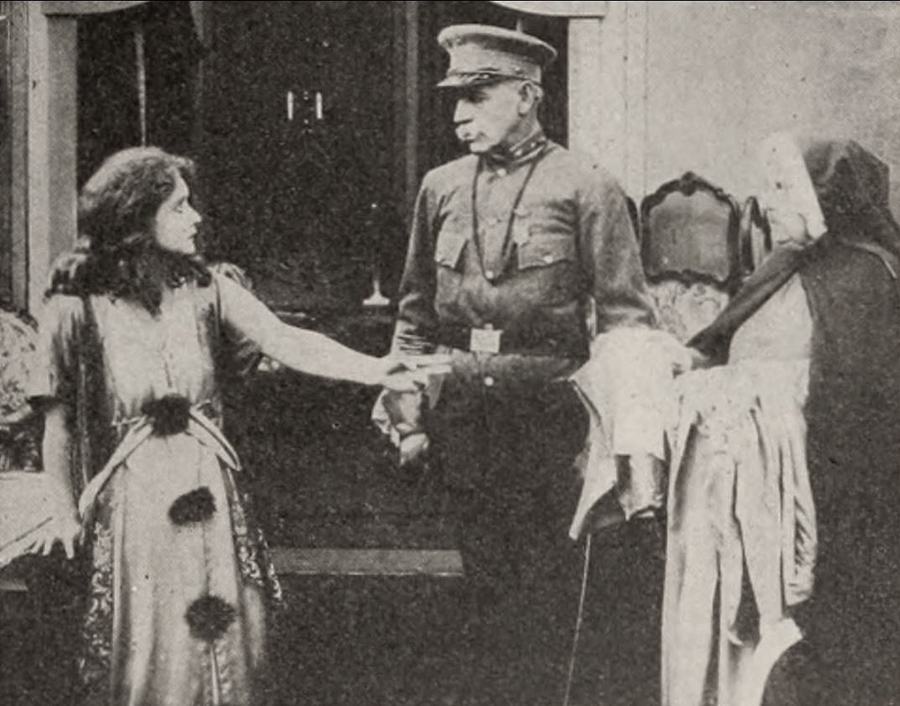
Countess Olga and Prince Carl, although from two European countries that have been longtime enemies, are madly in love with each other. Olga's brother, Count Michael, convinces Olga to get Carl to come to their country, planning to imprison him. His plan succeeds, but it has unintended consequences.
View Details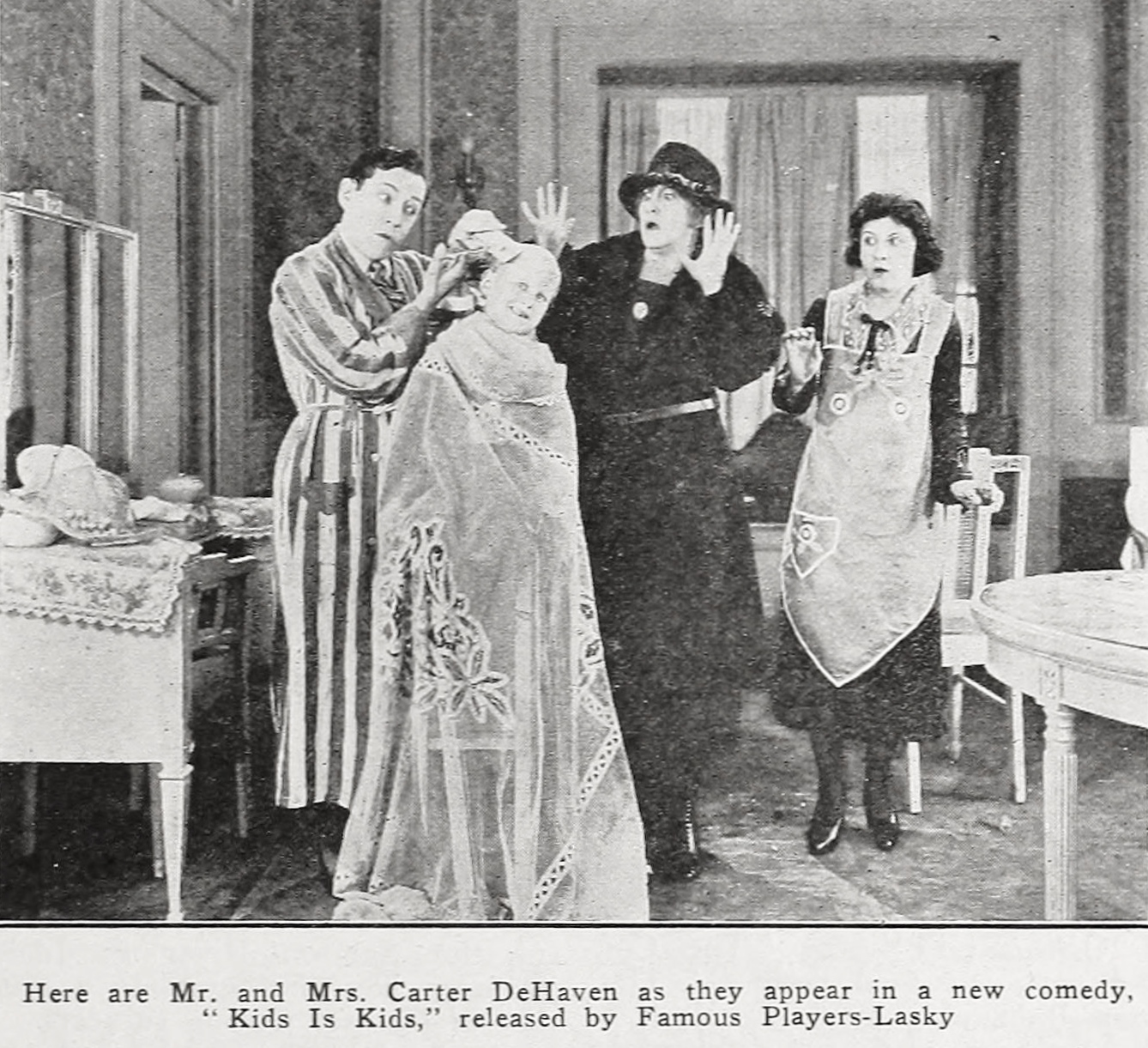
Dir: Charley Chase
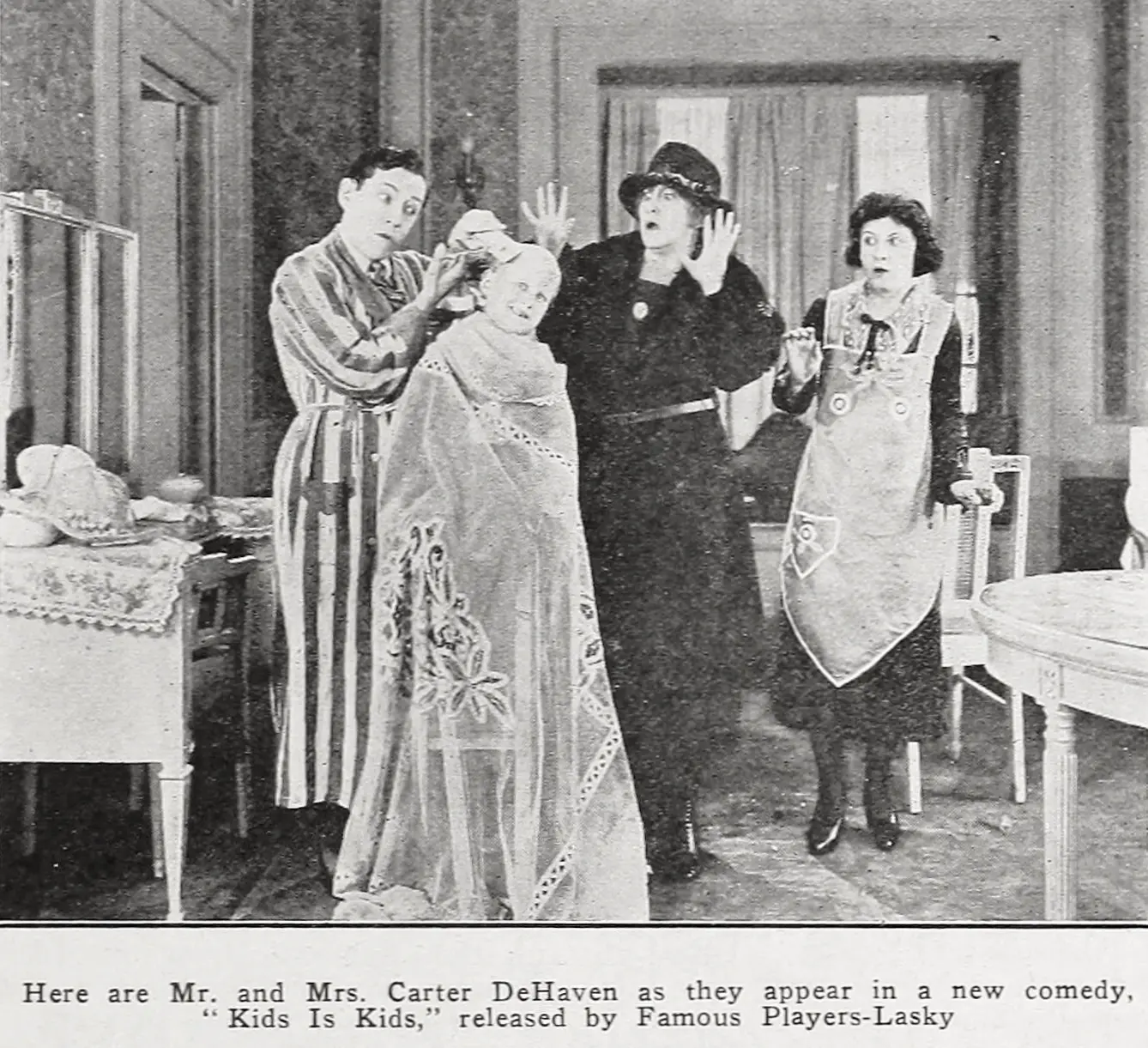
A young married couple volunteer to take charge of several orphans after the asylum has burned down. Of course they find their hands full with their troublesome charges.
Dir: Scott Sidney
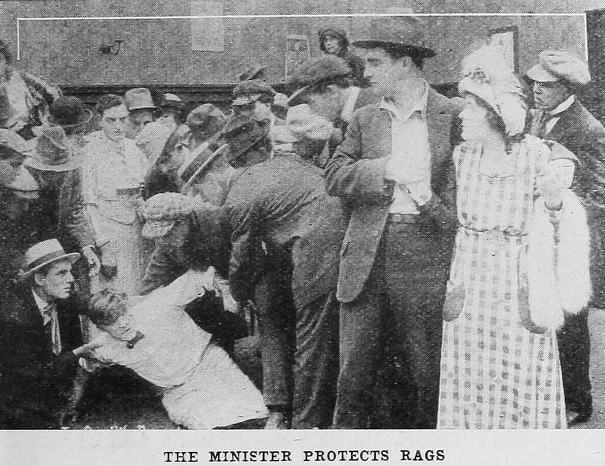
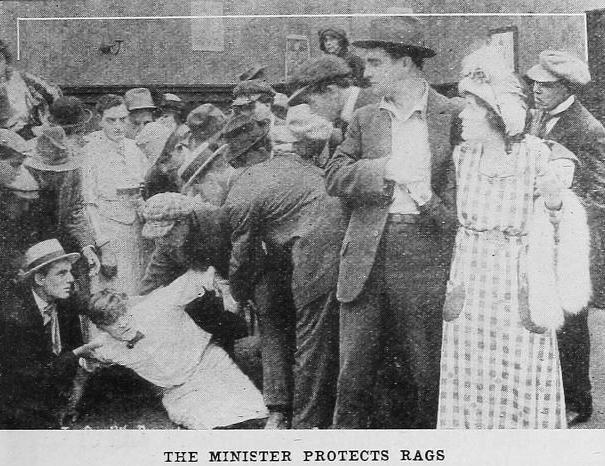
The story derives its plot from a practical joke perpetrated by underclassmen at the theological seminary from which Arthur Rayburn has just been graduated. At the reception following his ordination, these jokers put rum in the punch served and Rayburn becomes intoxicated. In this condition he is unfrocked by the bishop and the latter's daughter Rene breaks their engagement. Down into the slums goes Rayburn, where he falls under the influence of pretty piano player Rags in a saloon. Rags tries to redeem him, but makes little headway until she prevents the young preacher's attempt to commit suicide in the river. She loves him without reserve and under her guiding care be recovers from his degradation and opens a club for working men. He is so successful that the enterprise comes to the attention of the bishop of the diocese. The bishop visits the club, recognizes its leader, and promptly reinstates him in the ministry. With his future assured, Rayburn turns in gratitude to the girl of the slums who has saved him. He asks her to marry him but in spite of her love, knowing that he still loves Rene, Rags refuses him and returns to the life in which he found her.
View Details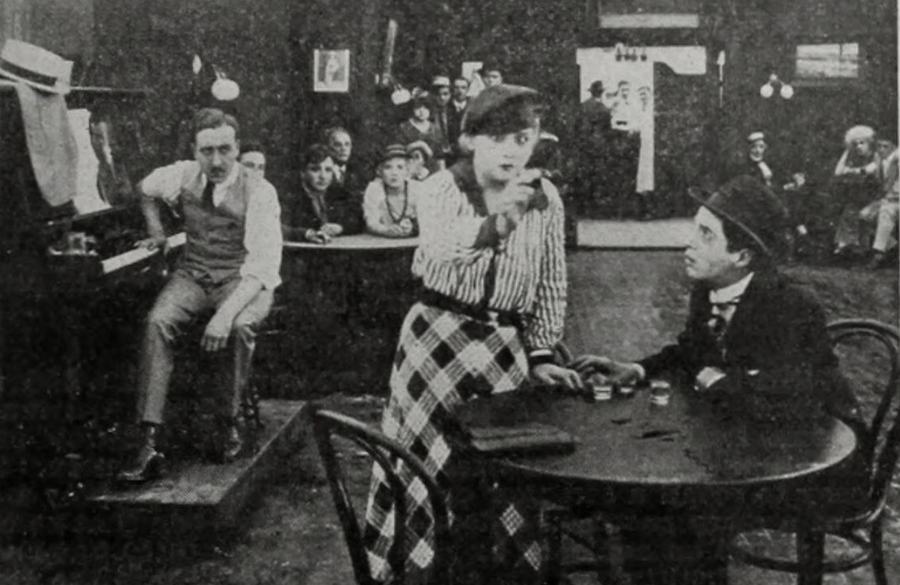
Dir: Scott Sidney
Barnard completes a study in oils which he calls "The Resurrection." It represents a beautiful, dark woman, her awakened soul shining from her eyes. At a private exhibit in the studio the painting causes a great deal of admiring comment, and Barnard's mother, a society leader and an art connoisseur, admits to her son that he virtually "imprisoned a woman's soul" in the canvas. The soul of the picture, a few days later, stirs to the depths of her being a sordid girl of the underworld whom Barnard has found in the night courts and persuaded to become his model for "The Fallen Woman." Irene Brock, once she has met the rapt, spiritual gaze of Barnard's ideal, involuntarily revolts against the hideousness of her environment. The trade she has been accustomed to ply in saloon dance-halls and low resorts becomes a torture to her. Day by day Irene watches the new painting grow. But she is changing. Barnard, feeling that something is unsatisfactory, and that he will be unable to paint from his model "The Fallen Woman" of his imagination, reluctantly brings the sittings to a close. The moment of parting precipitates an emotional crisis. Love, for the first time, has dawned in the girl's soul, and Barnard, moved by a profound sympathy, takes her in his arms. The young artist's mother finds them in this position; she diplomatically conceals her horror while smilingly asserting that "that could never be." Irene goes away, struggling to be resigned. But the young artist, fired by a self-sacrificing love, refuses to let this end the episode. At last, the mother seeks Irene in her squalid lodging. "Such a marriage," she pleads with the girl, "would make my son a social outcast. Even your love could not always make him forget." The soul of "The Resurrection" working upon her heart, and controlled also by her deep love for Barnard, Irene promises to cure him of his passion. That same night she deliberately gives herself up to a detective an old enemy of hers. The following morning she sends for Barnard to come to the night court and pay her fine. He goes. She is brought before the judge. To the charge, she replies, "I am guilty." Silently, Barnard puts the money on the desk. Outside, in the corridor, they meet. By sheer force of will, she resists the almost overwhelming impulse to fling herself in his arms and tell him the entire story of her deception. The next instant, with a murmured good-bye, he turns and rushes out of doors. That evening Irene slips into the deserted studio, and stands long before the painting of "The Resurrection." From these wonderful eyes she imbibes strength for her lonely struggle with the world.

Dir: Richard Smith
Two female candidates for Chief of Police live across the hall from each other, and their political rivalry follows them home, leading to plenty of hi-jinks.
View Details
Dir: Eduardo Notari
A crime drama in the Gennariello-series. The police detective in Naples that is confronted with modern gangsters and crime events.
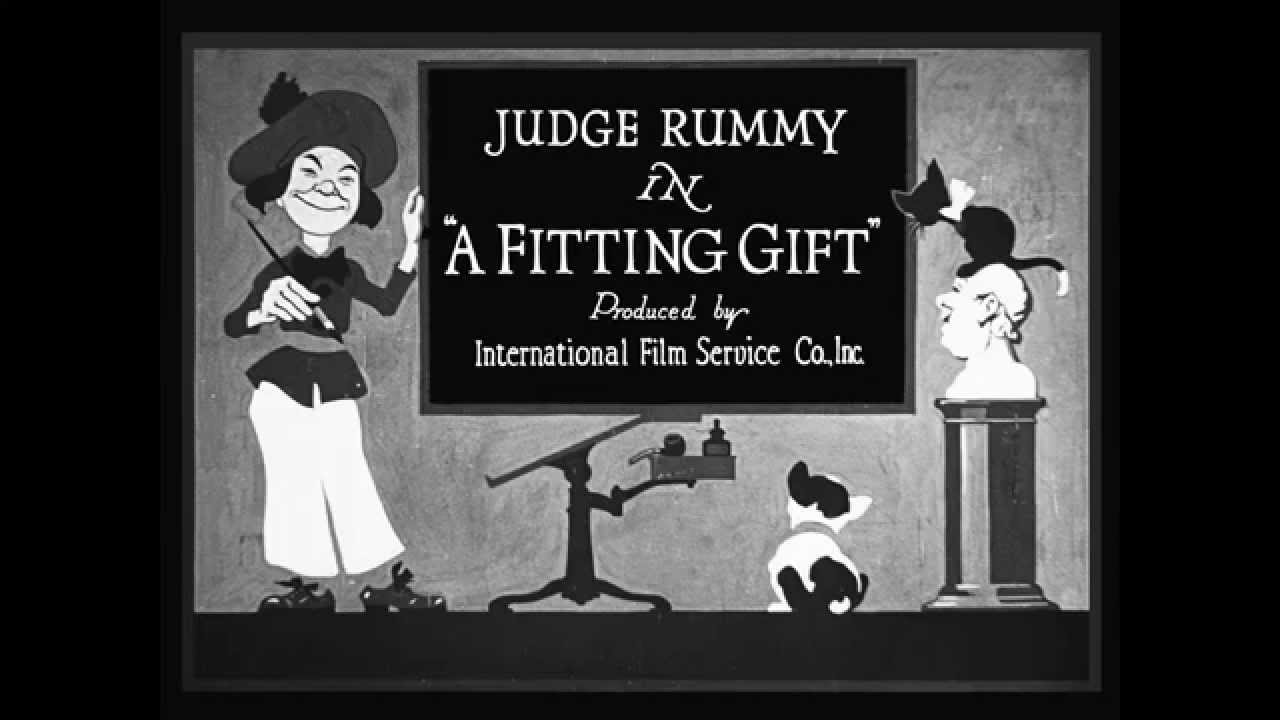
Dir: Unknown Director
The Judge needs a present for his wife's birthday, so Harry suggests a new corset. They go to the shop, but he's so embarrassed to ask the saleslady he hides in a phone booth.Harry goes in, but finds a GUY wearing one, and runs out.They both dress as women to get back in, but Mrs. Rummy gets there and chases him out.
View Details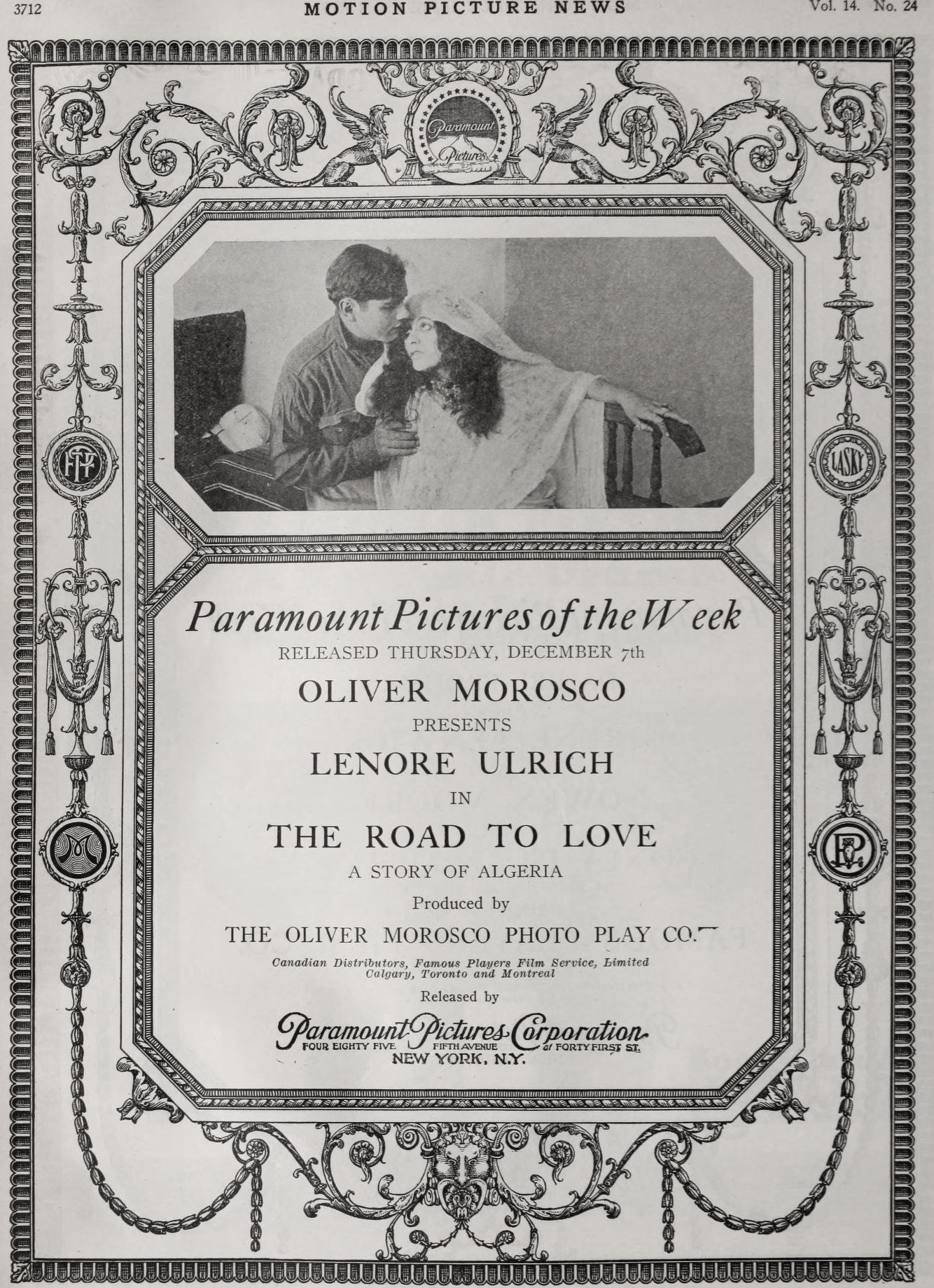
Dir: Scott Sidney
The action takes place in Algeria where Hafsa, the daughter of wealthy old Sidi Malik, has aroused the avidity of Leila Sadiya, the "mother" of the dancing girls. She gives orders to have the girl kidnapped and brought to her. Meanwhile Gordon Roberts, a young American who is traveling in the Orient, saves the life of Karan, a Bedouin chief, and earns the undying gratitude of the Arab. Gordon meets Hafsa while she is shopping in defiance of her father's commands and wins her regard by sheltering her from the old man. He is infatuated with her and disguises himself as a peddler in order to meet her again. He is discovered by Nakhla, a spy of her father's, who promptly has Gordon beaten by his retainers. Gordon and the girl elope, but are captured and the American is turned over to one Abdallah with instructions to sell him as a slave. Hafsa bribes Abdallah to let her go in the caravan in which Gordon is kept drugged. Karan learns of the predicament of Gordon and worms his way into the friendship of Abdallah until he can drug the guards. But when Gordon is about to escape, he recognizes Hafsa and demands that she go in his place. Karan finally yields to the girl and takes Gordon away. Hafsa is delivered to Leila and is not seen again by Gordon until she dances at a great fete. She is offered for sale and Gordon makes a desperate effort to outbid an old sheik, but fails. On the wedding day, Hafsa substitutes her maid for herself and escapes with Gordon, but the deception is quickly discovered and a pursuit is begun. As the fugitives reach the garden gate, Malik arrives and cuts off their escape. The pursuing Leila comes up and stares in wonder at Malik, who proves to be her husband. She is the mother of the girl whom she has been attempting to hand over to the sheik. Just at this moment the old man himself and his retinue are heard approaching and Leila implores Malik to permit his daughter to go her way with Gordon, Snatching the girl's scarf, Leila throws it upon the edge of the garden well, as the lovers make their escape. When the sheik arrives upon the scene, he is shown the scarf and told that Hafsa has chosen her own fate, rather than marry him. Under the chaperonage of the faithful Karan the lovers depart across the desert on the road to love.
View DetailsAnalysis relative to Roll Along
| Film Title | Atmosphere | Complexity | Similarity |
|---|---|---|---|
| Striking Models | Tense | High | 96% Match |
| Her Own People | Gritty | Linear | 88% Match |
| Bullets and Brown Eyes | Tense | Dense | 95% Match |
| Kids Is Kids | Tense | Layered | 94% Match |
| The Waifs | Tense | Dense | 92% Match |
This guide was algorithmically generated using the cinematic metadata of Scott Sidney's archive. Last updated: 8/17/2026.
Back to Roll Along Details →