
DbcultAccessing Vault...
Recommendations
Senior Film Conservator
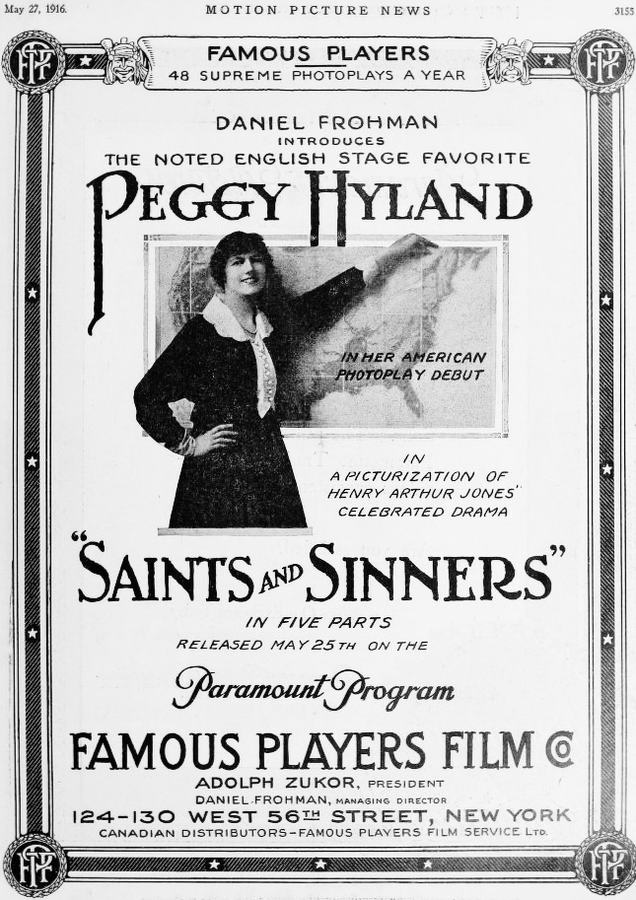
For cinephiles who admire the artistic bravery within Saints and Sinners, the specific artistic bravery of this work is a gateway to a broader cult world. We've prioritized films that capture the 1916 aesthetic with similar precision.
At its core, Saints and Sinners is a study in to create a dialogue between the viewer and the artistic bravery.
Young George is madly in love with minister's daughter Letty, but Letty is in love with shady Captain Fanshawe, who tricks her into accompanying him on an overnight trip to the big city, thereby ruining her reputation and forcing her father to resign from his position in the church. George offers to marry Letty, but her shame is too great and she and her father go into seclusion in a remote cottage. Then a scarlet-fever epidemic ravages the area and changes everyone's lives.
Saints and Sinners was a significant production in United States, bringing a unique perspective to the global stage. It continues to be a top recommendation for anyone studying cult history.

Based on the unique artistic bravery of Saints and Sinners, our vault has identified these titles as the most compelling follow-up experiences for fans of cult cinema:

Dir: James Kirkwood
During a jewelry-store holdup, 6-year-old Millicent Hawthorne, the neglected daughter of a wealthy socialite, falls on her head and is carried home to be reared by Mother Gumpf, the leader of the thieves. The fall cost Millicent her memory, but at night she dreams of her former high-society existence, while during the day she works for Gumpf as a pickpocket and later becomes a cabaret dancer. A friend of the Hawthornes sees Millicent perform, recognizes her, and reports back to Mrs. Hawthorne, who has vowed to be a devoted mother should she ever find her daughter. Finally, after the Hawthornes rescue Millicent from Kraft, the lecherous cabaret manager, an operation restores her memory, and she delights in the love of her long-lost mother.
View Details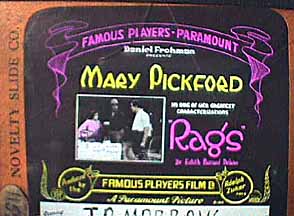
Dir: James Kirkwood
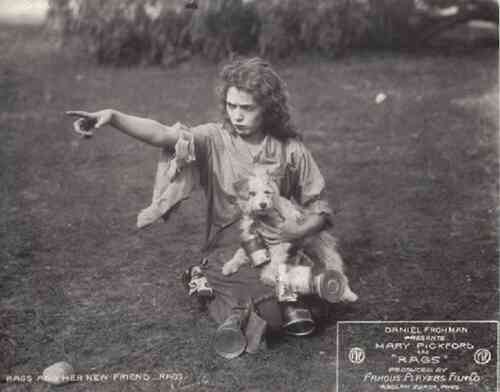
Mary Pickford plays "Rags," a pretty but wild girl who defends her alcoholic father a disgraced bank cashier, no matter how he mistreats her.
View Details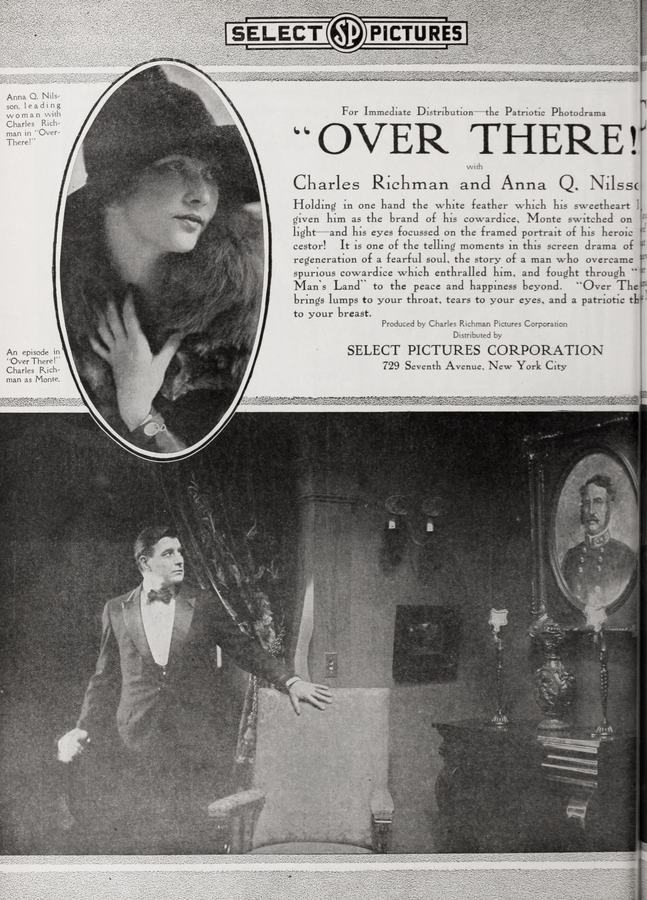
Dir: James Kirkwood
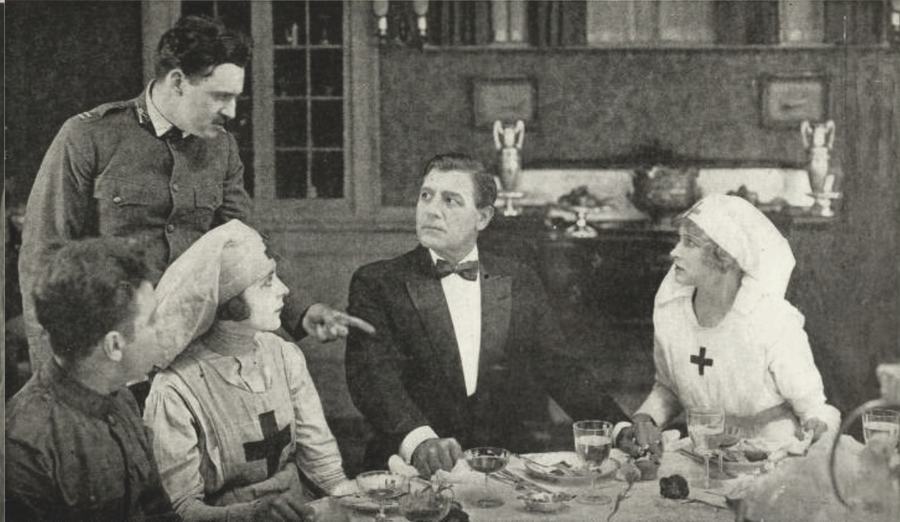
Montgomery Jackson, a man who possesses a deep fear of bloodshed, refuses to enlist in the American army during World War I, ignoring the appeals and insults of his friends and colleagues. Even when his fiancée, Bettie Adams, threatens to leave him, he refuses to fight, but after she volunteers to serve as a Red Cross nurse in France, he relents and joins the American forces. At the front, he proves his courage by fighting bravely and saving the lives of Bettie's father, Colonel Adams, and of the man to whom she had become engaged after accusing Montgomery of cowardice. Finally Montgomery is wounded, but through Bettie's care he recovers, and after his rival, realizing that Bettie still loves Montgomery, gives Bettie her freedom, she and Montgomery happily renew their engagement.
View Details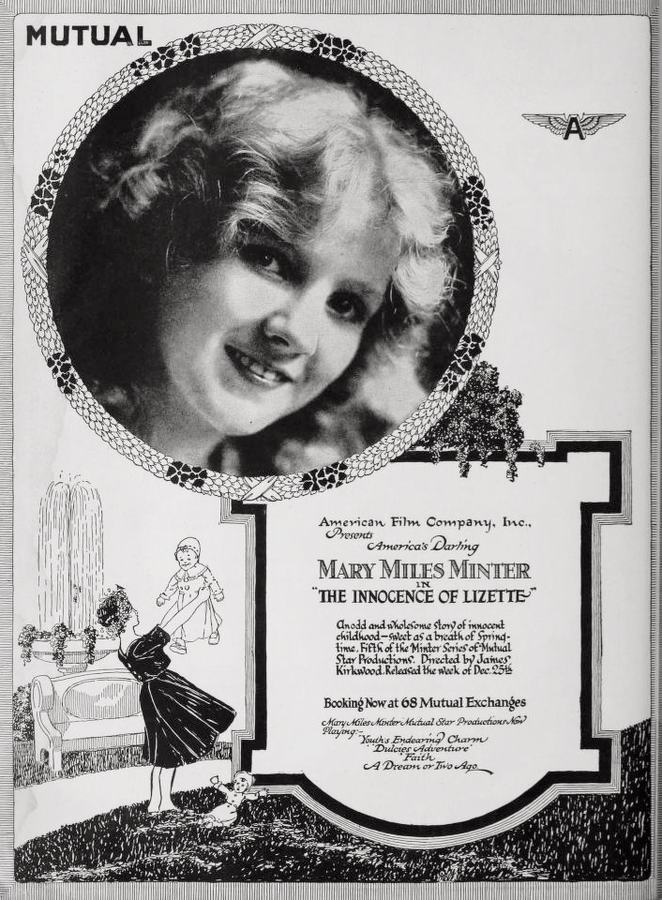
Dir: James Kirkwood
Ashby Leene, once a famous actor, but now poverty stricken, dies, leaving his grandchild, Lizette, in the care of Granny Page, his landlady. Lizette's new home is one of kindliness and she becomes a friend of Paul, Granny's young nephew, who runs a newsstand. Remembering her promise, Granny spends a good deal of time at the newsstand when Paul is away on deliveries. She resents Dan Nye's attention to Lizette. One day Lizette sells a paper to Henry Faure, an elderly millionaire, who is attracted to the bright-faced girl. Faure has been mentally depressed since the death of his wife and little girl. Longing for someone to love, Faure offers to adopt Lizette as his own daughter. Though Paul and Granny are heartbroken, they consent. For a time Lizette is happy in her new home. While Faure is away on business, Lizette visits her old friends. Faure unexpectedly returns. To his dismay Lizette begs that he let her stay a while longer with Granny. He reluctantly consents. His old depression returns. The housekeeper finally writes Lizette, begging her to return for Faure's sake. Lizette finds an abandoned infant on the doorstep upon her return. She is overjoyed. She is admitted by the butler, who is aghast to see that she has returned with a baby. When questioned, she tells them that she is the baby's mother, etc. Faure asks her about the child's father. Lizette innocently answers that she don't know. She realizes in a vague way that babies have fathers and, seeing that everyone is greatly upset, she decides that if the baby must have a father she will give Dan Nye the honor of naming him. Faure loves her so much that he cannot find it in his heart to denounce her. Nor can the kind old housekeeper, who is highly amused at Lizette's lack of knowledge about babies. Dan Nye is amazed when Faure calls to see him and charges him with being the father of Lizette's baby. He conceals his astonishment, quick to realize that he has an unusual opportunity for blackmail in the affair. When Faure declares he must marry Lizette for the sake of her good name, Nye admits he is the baby's father, but refuses to marry the girl unless Faure pays him an exorbitant sum. Faure agrees to this, upon the condition that he accompany him and marry Lizette at once. The young woman who abandoned the child calls to reclaim it, but Lizette is unwilling to give it up. But she is finally induced to give it back to the rightful mother. Nye is thrown out of the house, and Paul, who has long cherished a love for Lizette, is made happy by her acceptance of him.
View Details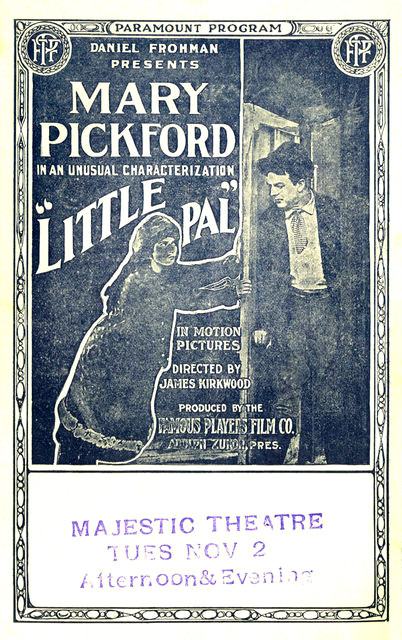
Dir: James Kirkwood
"Little Pal" is the daughter of a saloon keeper in a rough Alaskan gold rush town. During a game of dice, he loses his daughter to the brutal "Black Brand". A fight ensues and her father is killed, Little Pal flees and seeks refuge with John, an Easterner who has come to Alaska to mine. When he falls ill, the lovestruck Little Pal nurses him back to health with the help of her loyal friend, Cultus. Little Pal is heartbroken with the arrival of John's wife, and when she learns he will die if he remains in the harsh climate, Little Pal and Cultus steal gold dust from a rival claim in order to provide John with money. Meanwhile, Black Brand who is suspected of the crime is shot. As John and his wife leave Alaska, a despondent Little Pal finds comfort in Cultus' love.
View Details
Dir: James Kirkwood
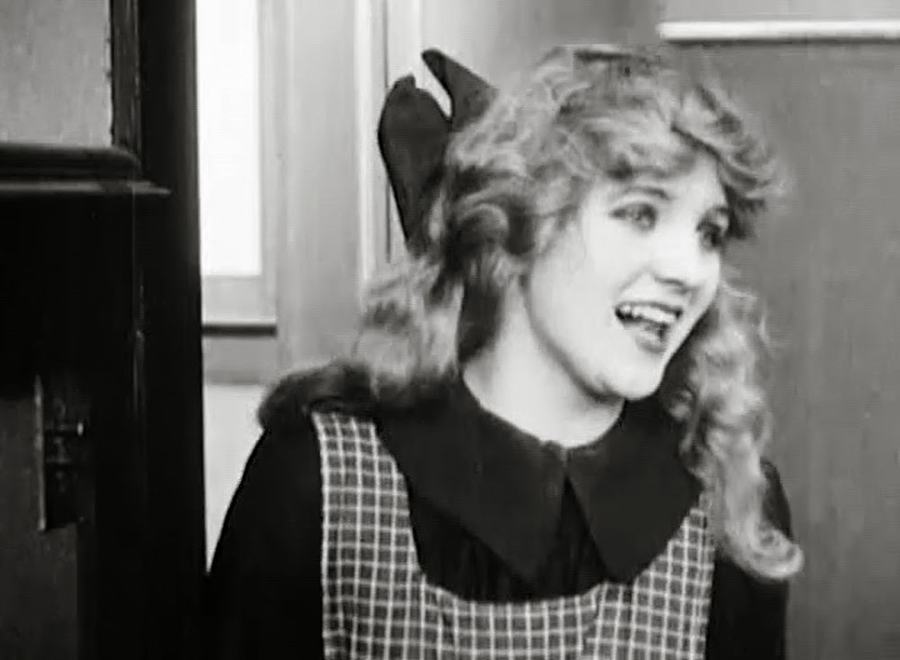
Even though he had saved her father from a financial crisis, Jennifer Hale refuses to marry wealthy Stephen Weldon, who tries to ruin the Hales. They leave for their summer home in the woods where Jennifer falls in love with wealthy James Murray, a lumber camp foreman. After Weldon finds them and threatens Hale with exposure unless Jennifer marries him, Murray marries Jennifer. Weldon then convinces him that Jennifer and he had a secret romance, and that she married Murray for his money. Murray's sister Agnes becomes Weldon's lover, and when he prepares to leave, she kills him. After Jennifer takes the blame to save Murray from learning of Agnes' disgrace, Murray, although he now hates her, takes Jennifer to the mountains to escape the law. Just as the posse overtakes them, a man rides up with the news that Agnes fell over a cliff and confessed before she died. Their love renewed love, the couple are now reunited.
View Details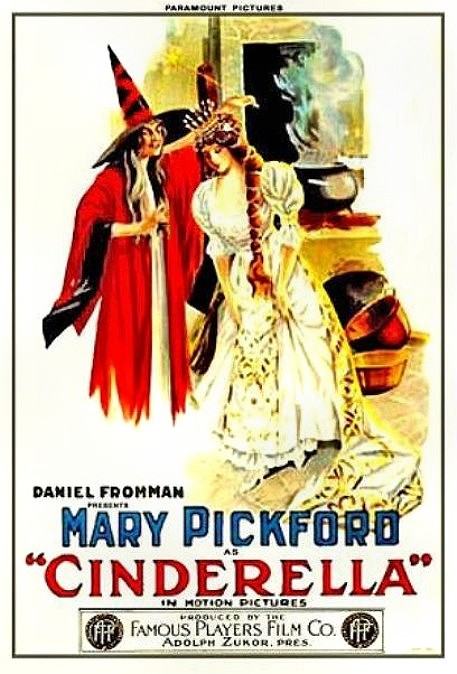
Dir: James Kirkwood
Though mistreated by her cruel stepmother and stepsisters, Cinderella is able to attend the royal ball through the help of a fairy godmother.
View Details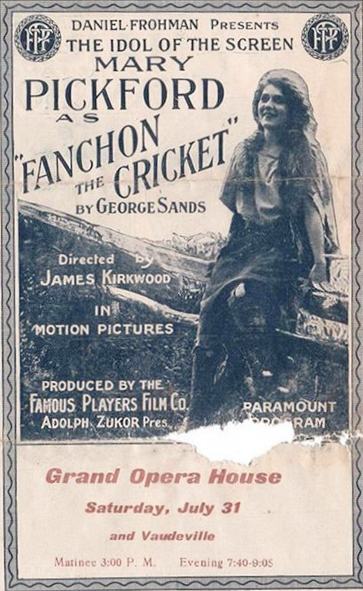
Dir: James Kirkwood
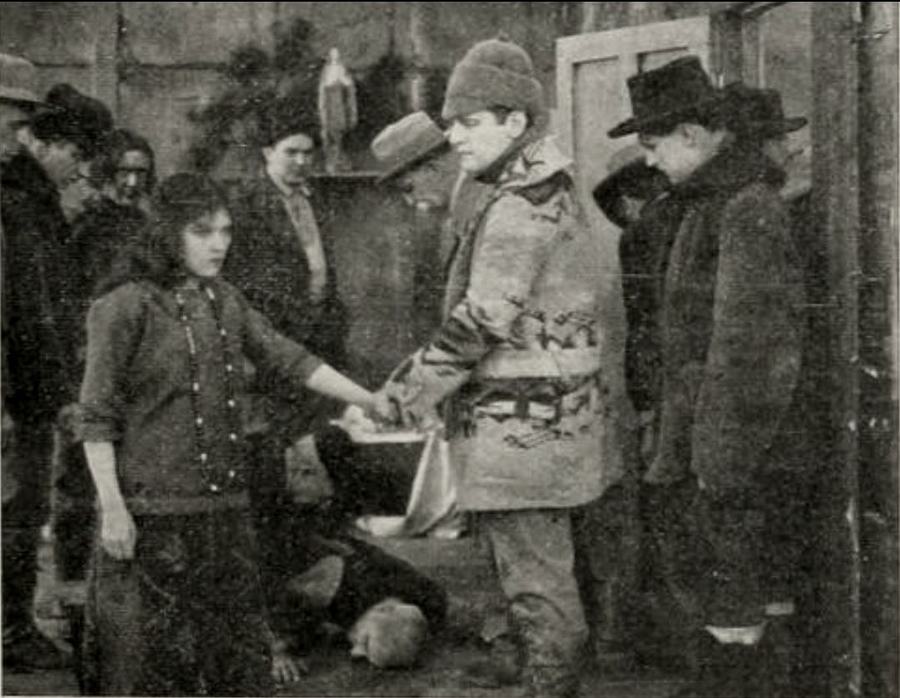
Fanchon, a wild young girl, resides in a forest with her unconventional grandmother accused of witchcraft by villagers.
View Details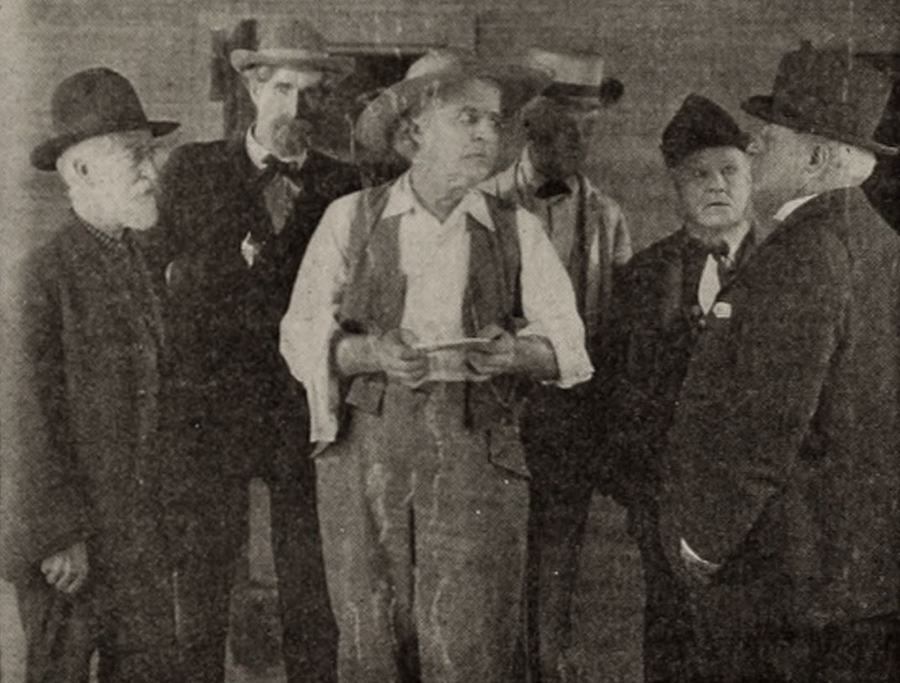
Dir: James Kirkwood
When Josiah Whitcomb's son gets into trouble with bad companions in New York City, Josiah leaves the farm and goes into the city to find the boy. There he finds that his country ways are not at all respected in the sophisticated city.
View Details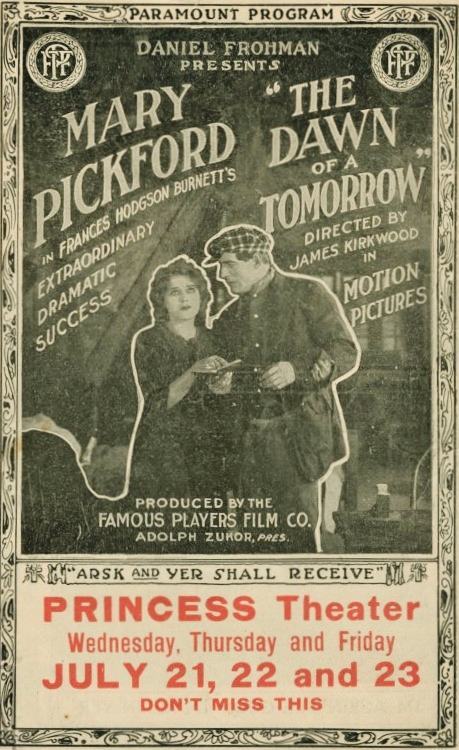
Dir: James Kirkwood
A young girl who lives in the London slums is in love with a cunning thief and persuades him to give up his life of crime. Meanwhile, an eccentric millionaire who has been diagnosed with an incurable dementia becomes so despondent that he decides to commit suicide. He disguises himself as a vagrant and wanders into the slums. As he tries to find the courage to kill himself, the young girl encounters him and rationalizes him out of his cowardly act. Her genuine sweetness and strong faith affect him to such an extent, that he begins to believe recovery is possible. Now the girl's sweetheart has been falsely accused of murder, and only the millionaire's licentious nephew can give him an alibi. The girl pleads with the nephew to help prove her sweetheart's innocence. He refuses and tries to take advantage of her. The millionaire arrives in time and shames his nephew to testify correctly. The millionaire now pledges himself to a life of service and charity, and the girl and her sweetheart are happily reunited.
View DetailsAnalysis relative to Saints and Sinners
| Film Title | Atmosphere | Complexity | Similarity |
|---|---|---|---|
| A Dream or Two Ago | Tense | Dense | 92% Match |
| Rags | Gritty | Dense | 95% Match |
| Over There | Surreal | Abstract | 85% Match |
| The Innocence of Lizette | Tense | Layered | 98% Match |
| Little Pal | Ethereal | Abstract | 98% Match |
This guide was algorithmically generated using the cinematic metadata of James Kirkwood's archive. Last updated: 6/23/2026.
Back to Saints and Sinners Details →