
DbcultAccessing Vault...
Recommendations
Senior Film Conservator
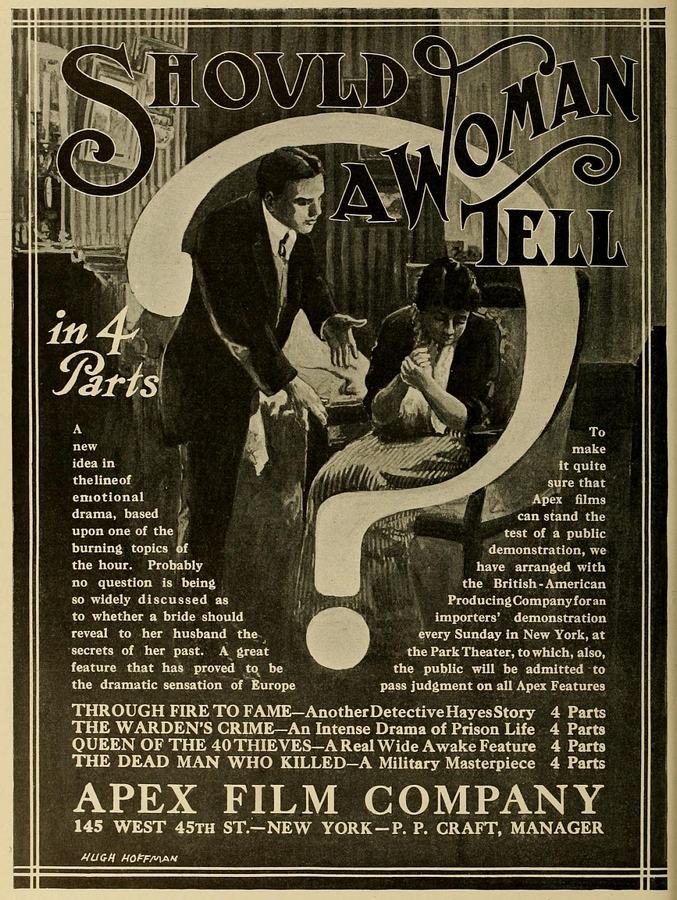
Delving into the atmospheric depths of Should a Woman Tell? reveals a master at work, the artistic provocations of Should a Woman Tell? demand a follow-up of equal intensity. These hand-selected movies are designed to satiate your craving for cult quality.
The enduring power of Should a Woman Tell? lies in to transcend the limitations of its 1914 budget and technology.
Vera, the daughter of Countess Dubowska, feels unhappy in spite of all the luxury that surrounds her. A soiree is held at her mother's house, and Vera sits alone brooding. Countess Dubowska has arranged to go on a slumming expedition, and she invites Vera to accompany her. They leave their residence and make for the poor quarters, where they dispense their gifts generously. Just as they are leaving, a boy tells them of a poor carpenter lying helpless with a broken arm. They follow him to the carpenter's hut, where Vera dresses his wound and gives him presents of wine and food. Max thanks them, and Vera feels gratified. They return home, and Vera sitting amid beautiful surroundings, reflects upon what she had seen that day, and decides to devote her life to the poor. Meanwhile, Max cannot forget the way Vera attended him. How was he to ensure her coming again? At last he hits upon an idea, and writes a letter as follows: "Dear Lady, My arm is hurting badly. 1 think I shall die. Oh, please help me and I shall never forget it. Max Petroff." Congratulating himself, Max then leaves his hut and effects a secret entry into Countess Dubowska's house. He finds Vera's room and creeps in stealthily. Noticing a small table near the window, he places his letter in the morning. Vera notices the letter and she, resolves to visit him. All unsuspecting of the way the letter reached her, she sets out to Max's dwelling, taking with her wine and food. Max sees his victim the moment she enters. He rushes to the door and locks it, and attacks unprotected Vera. She is in his power, but an opportunity for revenge occurs when he compels her to hand him the food and drink. Unnoticed, she seizes a chisel, and in self-defense, kills him. Some time later, Vera visits a fencing academy and attracts Prince Dolsky. The prince declares his love, and Vera, troubled by her conscience, does not accept. But her love for the prince grows stronger, and when he comes to submit his marriage proposal, the vision of the murdered carpenter envelopes the prince's form, and she runs away in a frenzy. After this she becomes very ill, and when convalescent, the prince visits her, and she accepts his offer of marriage. Many times she is on the verge of making a full confession, but the prince, deeply in love, refuses to listen. The night before the wedding Vera writes a full confession to the prince. But alas, the letter reaches the prince's residence just after he had been suddenly called to his estate. The letter is returned to Vera, and, despairing, she burns it. The next day the wedding takes place, and the couple leave for their new home. But the calls of her conscience become louder, and at the critical moment, Vera relates what happened. The prince is astounded, and orders Vera from the home which she had hardly entered. Prince Dolsky tries to forget his sorrows by leading a gay life. But a reaction takes place, and he regrets having driven his young wife from him. He engages a detective to search for her so that he may obtain her forgiveness. Meanwhile Vera, under an assumed name, has become a celebrated actress. One night an old friend induces the prince to go to the opera, where he recognizes his wife as the distinguished actress playing the principal part in "Traviata." He goes to her dressing room and seeks a reconciliation, praying fervently for his wife's forgiveness. But Vera says, "It is too late now, prince. There was a time when I loved yon, but now my love is dead. There is the door." Her broken-hearted husband answers, "Goodbye forever. I loved you so much and I believed in my happiness." The prince departs, and lamenting for his lost love, ends his unhappy life.
The influence of Unknown Director in Should a Woman Tell? can be felt in the way modern cult films handle artistic bravery. From the specific lighting choices to the pacing, this 1914 release set a high bar for atmospheric immersion.
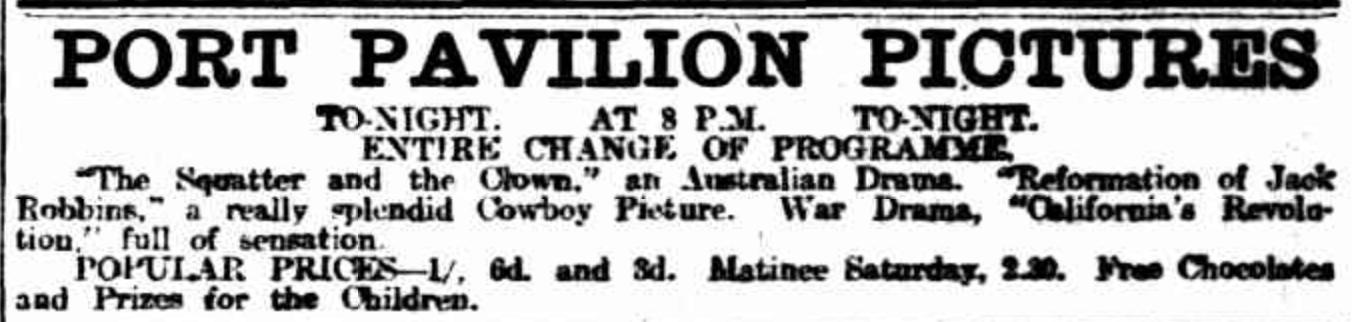
Based on the unique artistic bravery of Should a Woman Tell?, our vault has identified these titles as the most compelling follow-up experiences for fans of cult cinema:
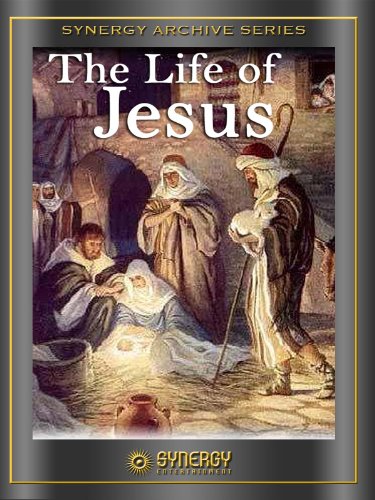
Dir: Unknown Director
The life of Jesus Christ. The film is believed to possibly be a US re-release of Alice Guy's The Birth, the Life and the Death of Christ (1906).
View Details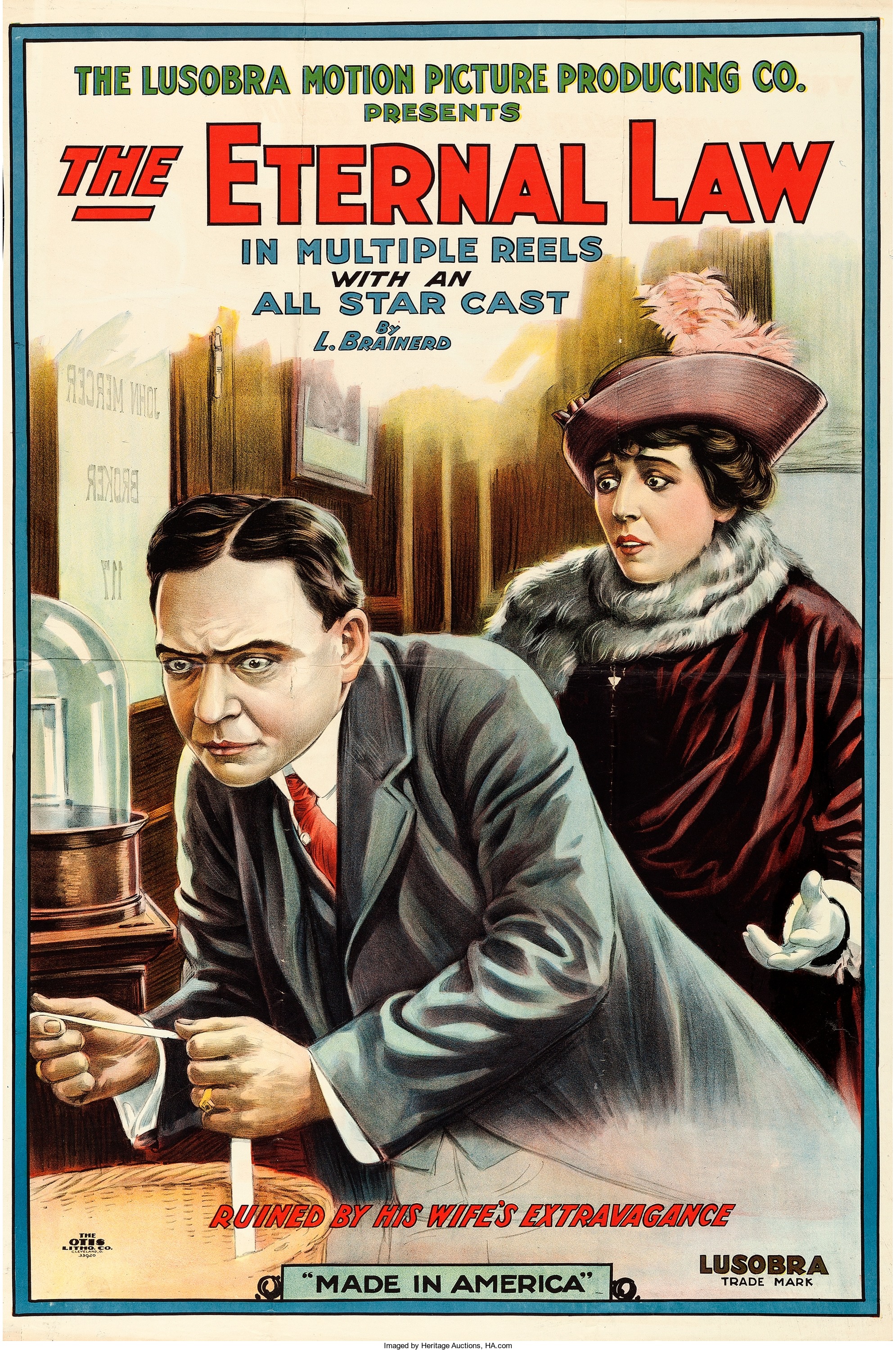
Dir: Unknown Director
A fascinating piece of cinema that shares thematic elements.
View Details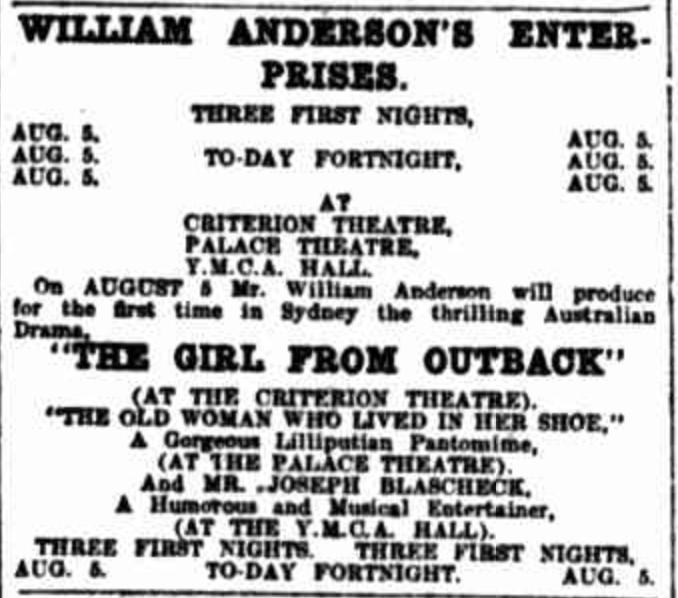
Dir: Unknown Director
A fascinating piece of cinema that shares thematic elements.
View Details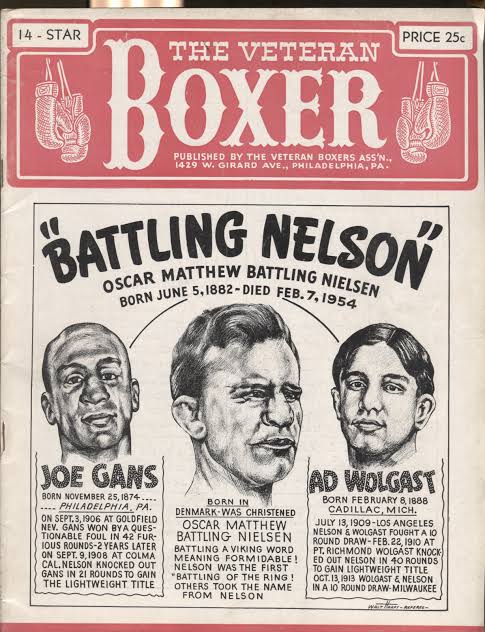
Dir: Unknown Director
A championship fight that took place in the Nevada goldfields between boxers Joe Gans and Battling Nelson.
View Details
Dir: Unknown Director
A fascinating piece of cinema that shares thematic elements.
View Details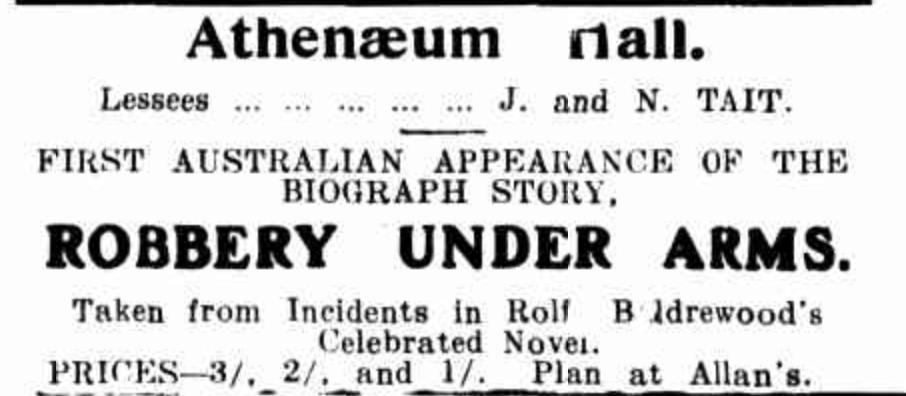
Dir: Unknown Director
Adaptation of the classic Australian novel about the bushranger Captain Starlight.
View Details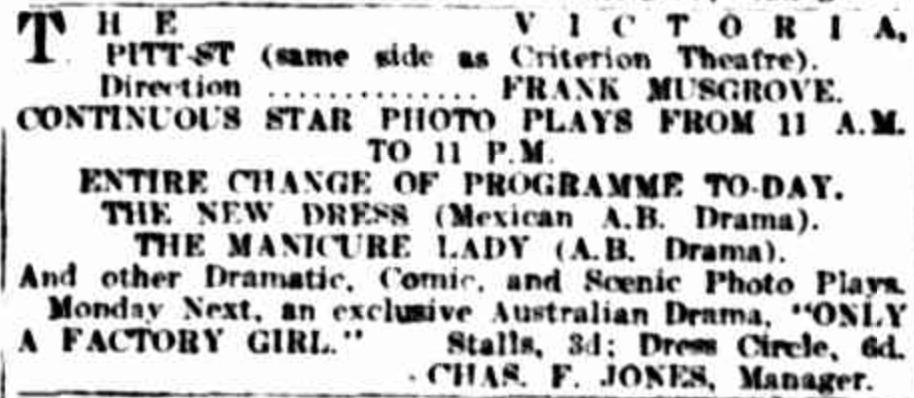
Dir: Unknown Director
A fascinating piece of cinema that shares thematic elements.
View Details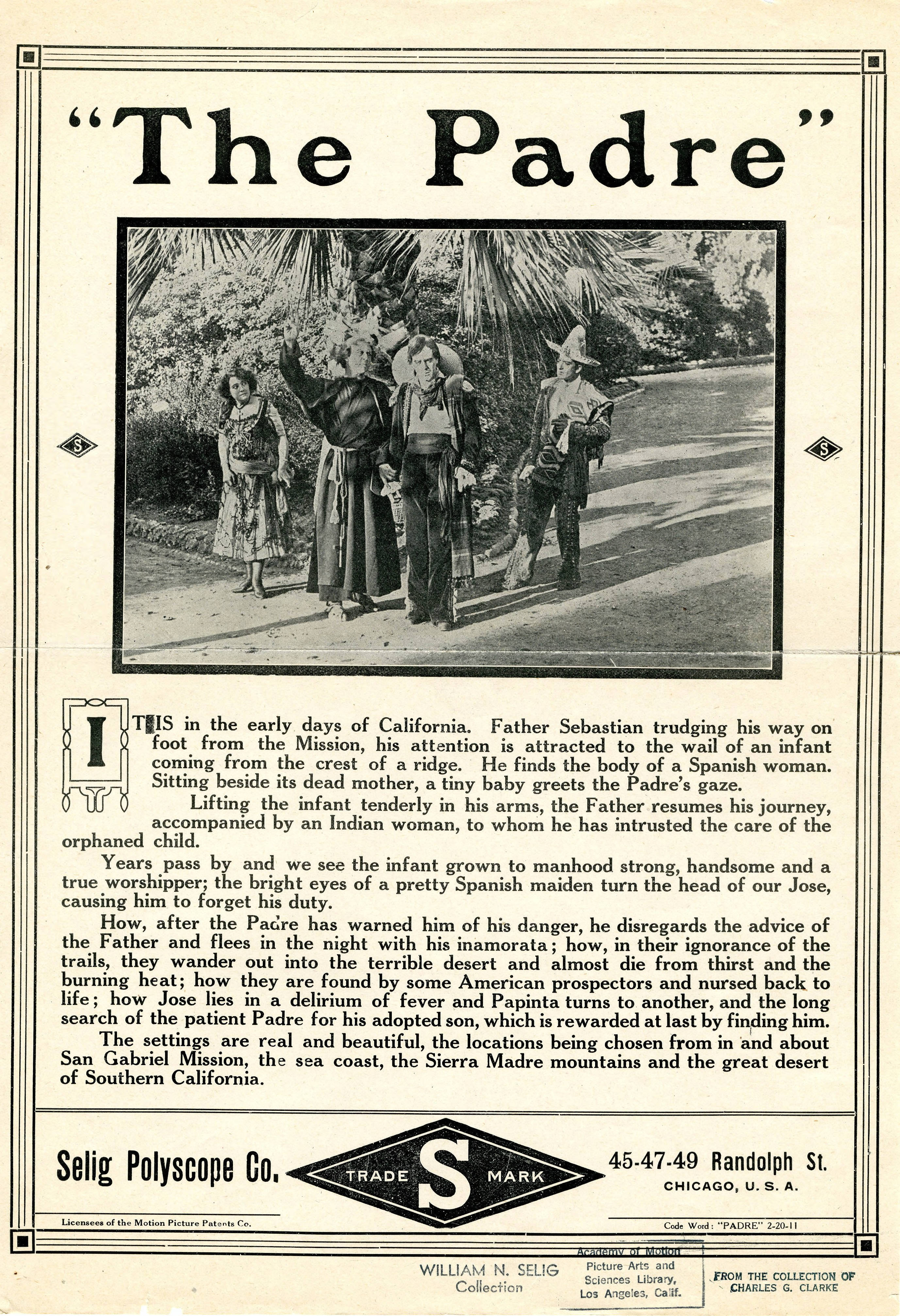
Dir: Unknown Director
It is the early days of California. Father Sebastian, trudging his way on foot from the Mission, his attention is attracted to the wall of an infant coming from the crest of a ridge. He finds the body of a Spanish woman. Sitting beside its dead mother, a tiny baby greets the Padre's gaze. Lifting the infant tenderly in his arms, the Father resumes his journey, accompanied by an Indian woman, to whom he has entrusted the care of the orphaned child. Years pass by and we see the infant grown to manhood strong, handsome and a true worshiper; the bright eyes of a pretty Spanish maiden turn the head of our Jose, causing him to forget his duty. How, after the Padre has warned him of the danger, he disregards the advice of the Father and leaves in the night with his inamorata; how, in their ignorance of the trails, they wander out into the terrible desert and almost die from thirst and the burning heat; how they are found by some American prospectors and nursed back to life; how Jose lays in a delirium of fever and Papinta returns to another, and the long search of the patient Padre for his adopted son, which is rewarded at last by finding him. The settings are real and beautiful, the locations being chosen from in and about San Gabriel Mission, the sea coast, the Sierra Madre Mountains and the great desert of southern California.
View Details
Analysis relative to Should a Woman Tell?
| Film Title | Atmosphere | Complexity | Similarity |
|---|---|---|---|
| The Squatter and the Clown | Ethereal | Abstract | 97% Match |
| Life of Christ | Surreal | High | 92% Match |
| The Eternal Law | Surreal | Dense | 88% Match |
| The Girl from Outback | Ethereal | Layered | 89% Match |
| The Joe Gans-Battling Nelson Fight | Ethereal | Linear | 97% Match |
This guide was algorithmically generated using the cinematic metadata of Unknown Director's archive. Last updated: 8/16/2026.
Back to Should a Woman Tell? Details →