
DbcultAccessing Vault...
Recommendations
Senior Film Conservator
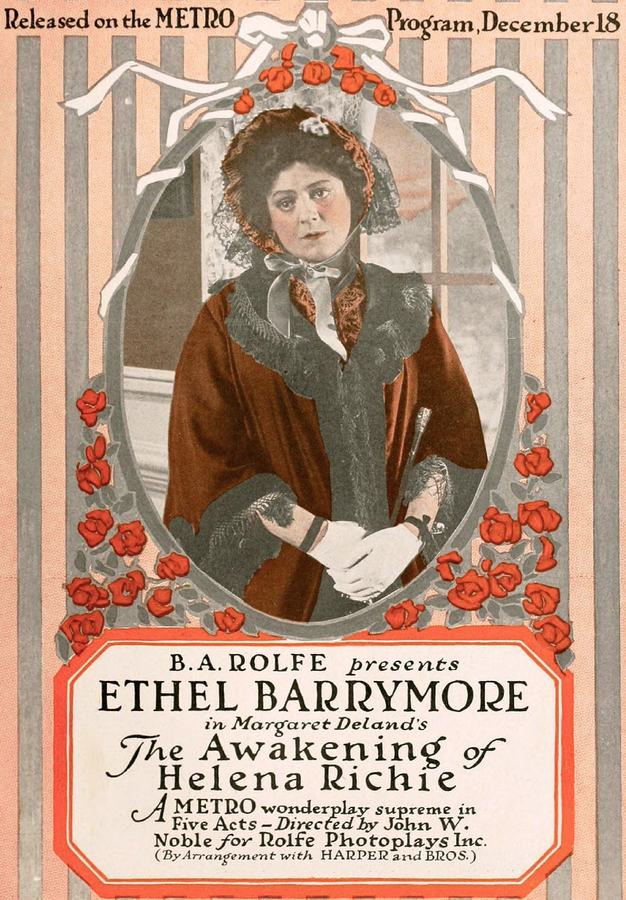
Since its 1916 debut, The Awakening of Helena Ritchie has maintained a cinematic excellence status, the legacy of The Awakening of Helena Ritchie is a beacon for those seeking the unconventional. Our criteria for this list were simple: only the most cinematic excellence and relevant titles.
The 1916 landscape was forever altered by the arrival of to sustain a sense of mystery that persists after the credits roll.
To the village of Old Chester comes Helena Richie in search of balm for a broken heart. Her dissolute husband, in a drunken rage, has killed their little child. This tragedy induces Helena to listen to the pleadings of Lloyd Pryor to leave Paris, where the Richies are living, and come to America with him. Pryor makes frequent visits to Helena in the little home he establishes for her in Chester, and the townspeople accept the statement that he is her brother. Old Benjamin Wright, however, has his own suspicions as to the relations between the two. His interest is more than a casual one, for his grandson, Sam Wright, a young poet, is in love with Helena. The old man tells him his belief with regard to Mrs. Richie. Sam asks her whether the suspicion has any foundation, and when she admits that it has he kills himself. Dr. Lavendar, the kindly old minister, has in his charge a child who needs a home. He has decided to send the little boy, David, to Mrs. Richie for a trial visit. She welcomes the boy, who fills the place in her heart left vacant by the death of her own child. Her heart becomes bound up in the boy, though she is torn by conflicting emotions by the thought of her own false position. Helena's husband has been in such feeble health, owing to his dissipations, that she has constantly expected his death to release her so that she and Pryor may be married. Finally the long-expected event happens, but Pryor has tired of her. His promise of marriage has been nothing but a ruse to get her to elope with him. Looking about for an excuse to break the bonds which have become irksome to him, he tells her that she must give up David. She refuses and he says she must choose between the child and himself. Realizing Pryor's unworthiness, she clings to the child, and Pryor leaves her. Helena goes to Dr. Lavendar, tells him the truth about her past relations with Pryor, and asks him to let her keep the child with her always. The old man's answer is: "Can you teach him to tell the truth, you who have lived a lie? Can you make him brave, you who could not endure? Can you make him honorable, you who have deceived all?" Helena is silent in the face of this accusation. She decides to give David up and to leave Old Chester. She tells Dr. Lavendar that on her way to the station next day she will come to bid David goodbye. Next day at the rectory Dr. Lavendar asks her to take with her a parcel which she will find wrapped up in the coach. She promises, and in the coach finds the package to be little David, all wrapped up for traveling. Her willingness to sacrifice her own happiness for the boy has proved her worthiness to keep him, and Helena and little David leave Old Chester to find peace among new surroundings.
Critics widely regard The Awakening of Helena Ritchie as a cult-favorite piece of cult cinema. Its cinematic excellence is frequently cited as its strongest asset, solidifying its place in United States's film legacy.
Based on the unique cinematic excellence of The Awakening of Helena Ritchie, our vault has identified these titles as the most compelling follow-up experiences for fans of cult cinema:
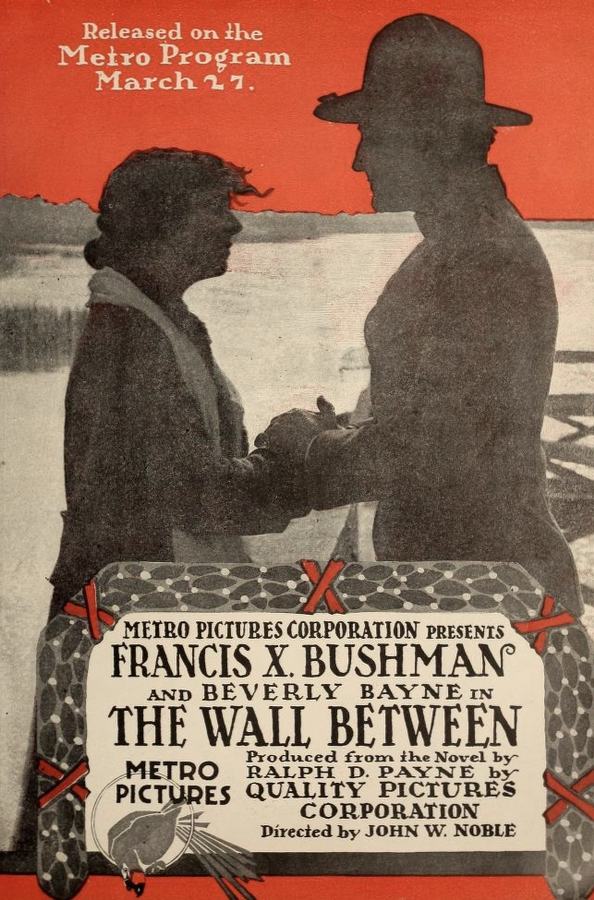
Dir: John W. Noble
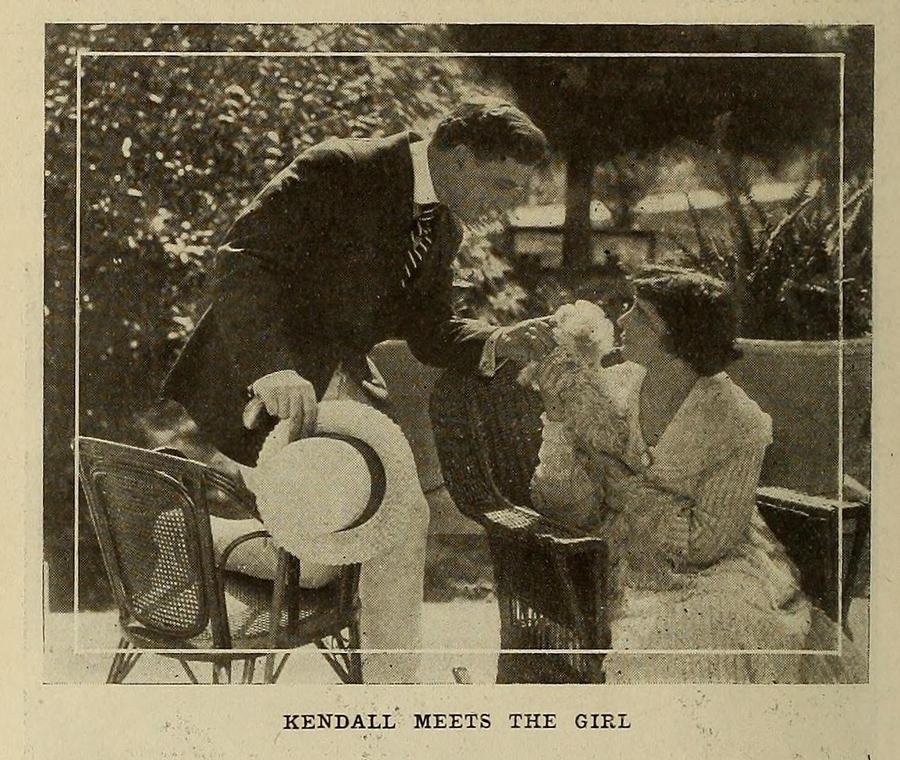
John Kendall was brought up in a wealthy family, but when his father loses the family fortune and then dies, John is left penniless. He joins the army and rises to the rank of sergeant. He soon meets and falls in love with Edith Ferris, the daughter of Col. Dickinson. When he talks to her at a party, Lt. Burkett upbraids him for fraternizing with an officer's family. Edith's mother, not wanting her daughter getting involved with a lowly enlisted man, conspires with Lt. Burkett to discredit John.
View Details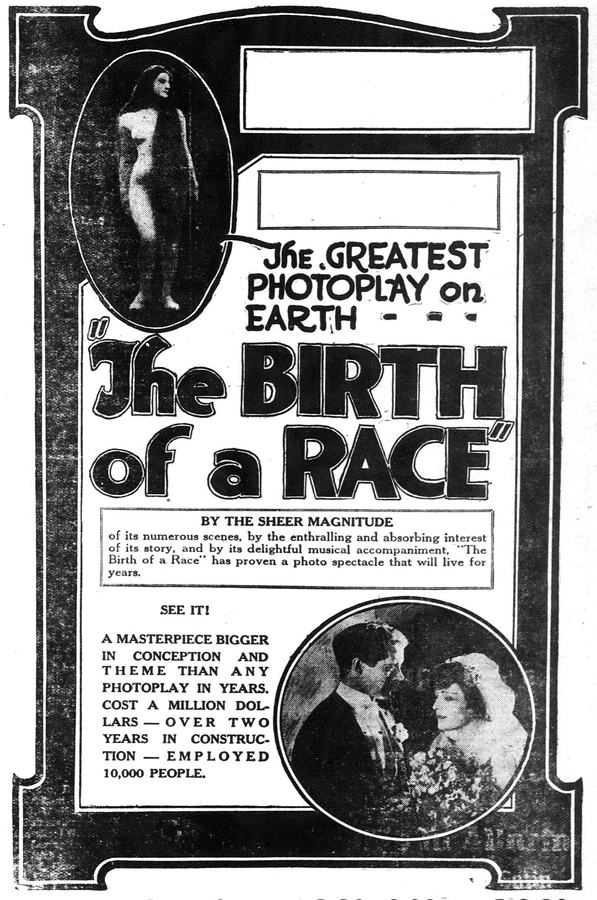
Dir: John W. Noble
After a biblical and historical prologue detailing the evolution of the idea of democracy through the creation of the world, the flood, the crucifixion of Christ, the discovery of America, the signing of the Declaration of Independence, and the Civil War, the present-day threat to this idea by autocratic powers is dramatized. Fritz Schmidt, a German-American steel plant owner, and his son Oscar remain loyal to the Kaiser, while son George fights for the Allies. When the American army hospital where Louisa Schmidt works as a nurse is attacked by the Germans, Oscar, now a German soldier, assaults her, not recognizing his sister in the confusion. George, recovering in the hospital, kills his brother and then returns home to find his mother and a German spy struggling for some secret papers. George kills the spy, Fritz realigns his loyalty to the American cause, and the family is reunited.
View Details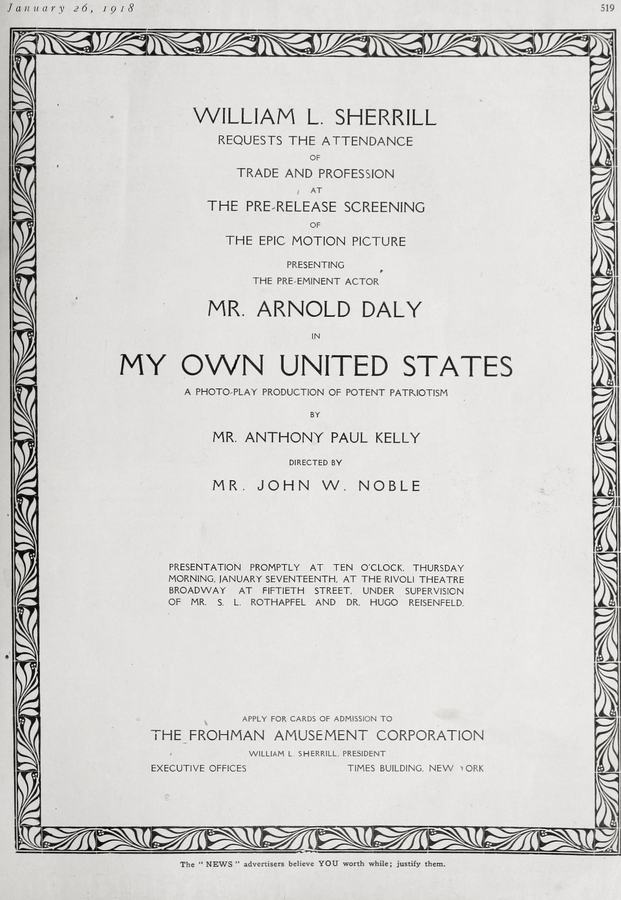
Dir: John W. Noble
Philip Nolan III refuses to fight for the cause of democracy. His father, Philip Nolan II, who has failed in his efforts to convince his son of the fallacy of arguments, then lays bare all the details of the shameful treason of his own ancestor, the first Philip Nolan, "The Man Without a Country." The father's story shows how the first Philip Nolan played into the hands of Aaron Burr; how Thomas Jefferson was elected president over Burr; how Alexander Hamilton prevented the conscienceless Burr becoming governor of New York; the duel between Hamilton and Burr; how Philip Nolan was later arrested on his wedding night for aiding Burr, who had conspired to start a rival government in the south to wage war against the United States, and how he was later banished from the United States for saying "Damn the United States! I wish I might never hear its name again," and how Philip Nolan died kissing the flag of the country he had execrated. Deeply moved, Philip Nolan III loses no time in joining the boys in khaki.
View Details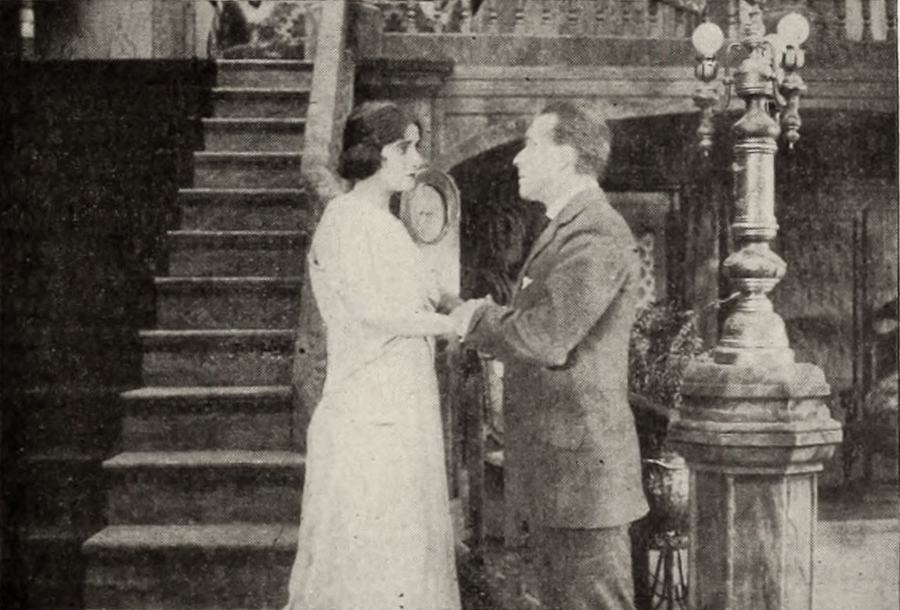
Dir: John W. Noble
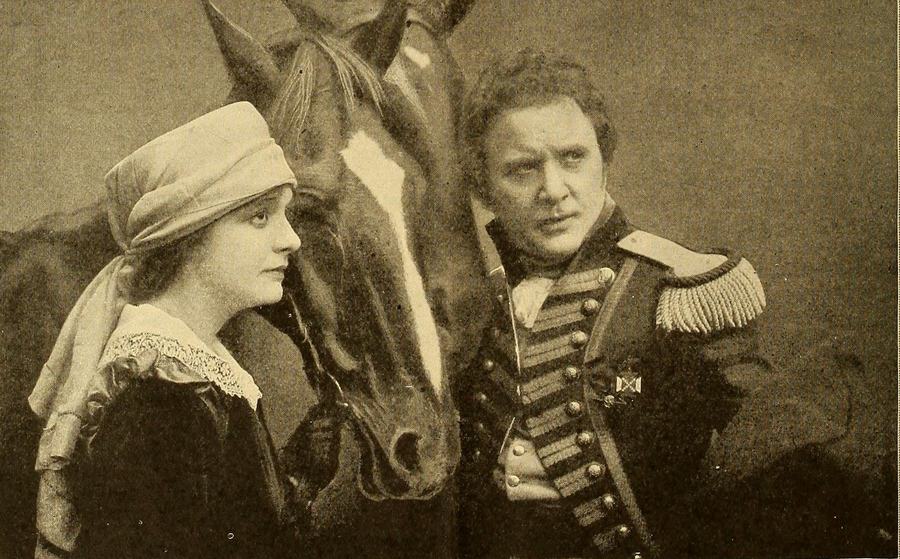
While touring India, noted English criminologist Richard Duvall saves the life of a Buddhist priest who rewards him with the presentation of a wonderful crystal globe. By gazing in it the priest demonstrates that Duvall can fall into a cataleptic state and his astral body is released and is free to roam at will. Leaving the temple, Duvall collides with Grace Ellicott, who is touring the Far East with her aunt, the Countess D'Este and the Count. A mutual admiration between Grace and Duvall results from the accidental meeting. Later, in England, the mistress of Count D'Este makes financial demands which he cannot meet. With his housekeeper, Mrs. Cooke, he plans to put his wife out of the way and thus obtain her fortune. Poison is put in candy which the Countess eats. Her sudden death arouses the suspicion of her niece. On his return to England, Duvall experiments with the magic globe. He is surprised and pleased to see the face of the girl he met in India. Further experiments, while in the cataleptic state, discloses part of the plot that resulted in the death of Grace's aunt, which has cheated her out of the fortune. Duvall seeks out Grace to explain his strange experiments. She tells him that previous to the death of the Countess she had seen her will and that the entire fortune, which included one million dollars in cash, was to be left to her. But after the suspicious death of the Countess, Grace is puzzled when the Count produces a new will in which he is named the sole beneficiary. Duvall succeeds in having his East Indian servant, Purtab Gar, secure a position in the Count's home. Then he proceeds to unravel the mystery and at the same time recover the one million dollars for Grace. Count D'Este is driven to distraction by finding, everywhere he turns in his home, cards that read: "I want One Million Dollars. Victor Gerard." Disguised as "Victor Gerard," Duvall pays a visit to the Count. He insists that the one million dollars be ready for him at midnight, when he will call again. D'Este notifies the police and the chief calls in Duvall to assist in solving the mystery and apprehending "Gerard." Duval outlines a plan in which the Count is directed to have the money ready as demanded. He assures him the premises will be well protected and that "Gerard" cannot escape. "Gerard" arrives at the appointed time and mysteriously disappears, together with the money, as the police close in. Duvall walks out of a room where they think they have "Gerard" trapped. Count D'Este accuses Grace of stealing the money and attempts to strangle her when Purtab Gar saves her. Duvall succeeds in obtaining a confession of the murder from the housekeeper, when he traps her as she is attempting to poison Grace. Duvall explains everything to the mystified police. D'Este is carried off under arrest and Grace and Duvall are left happily together.
View Details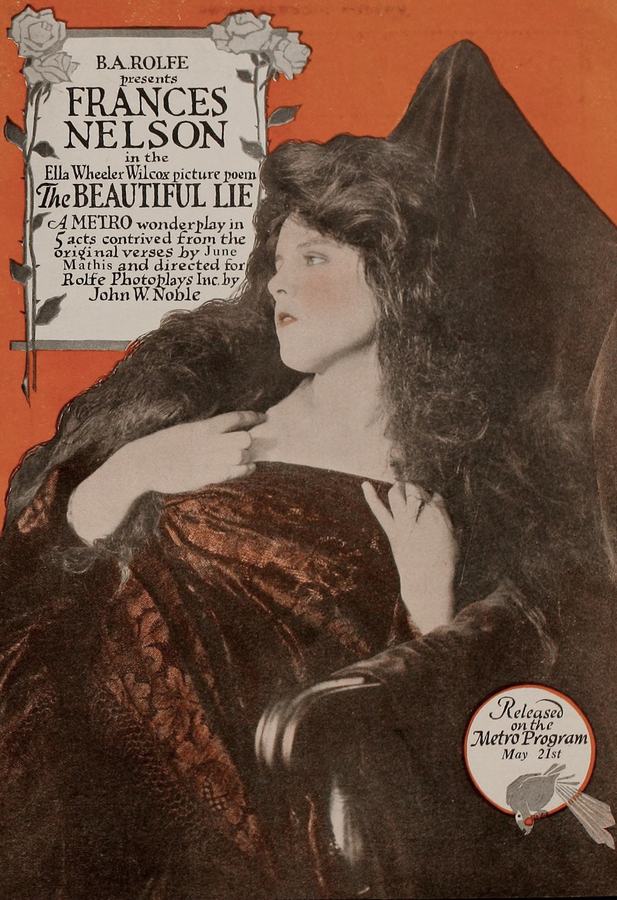
Dir: John W. Noble
After a brief courtship, Louise Joyce is married to her employer, architect Mortimer Grierson, who soon tires of her and begins to see other women. One night, he comes home drunk and informs Louise that the marriage was a fraud, actually only a mock ceremony arranged by Grierson's nephew Howard Hayes, then deserts her for good. Louise becomes an artist's model, and while working she meets Paul Vivian, a protégé of her husband, and the two fall in love. Grierson discovers their relationship and tells Paul that Louise was his mistress. Soon after, Grierson is mortally wounded by one of his lovers and Howard returns from Mexico to visit his uncle's deathbed. As Grierson instructs Howard to put his affairs in order, Howard confesses that Louise's marriage is legal because in an effort to spite his uncle, he secured a real minister to perform the ceremony. After Grierson's death, Paul finds Louise and learns the true story, and together they begin a new life.
View Details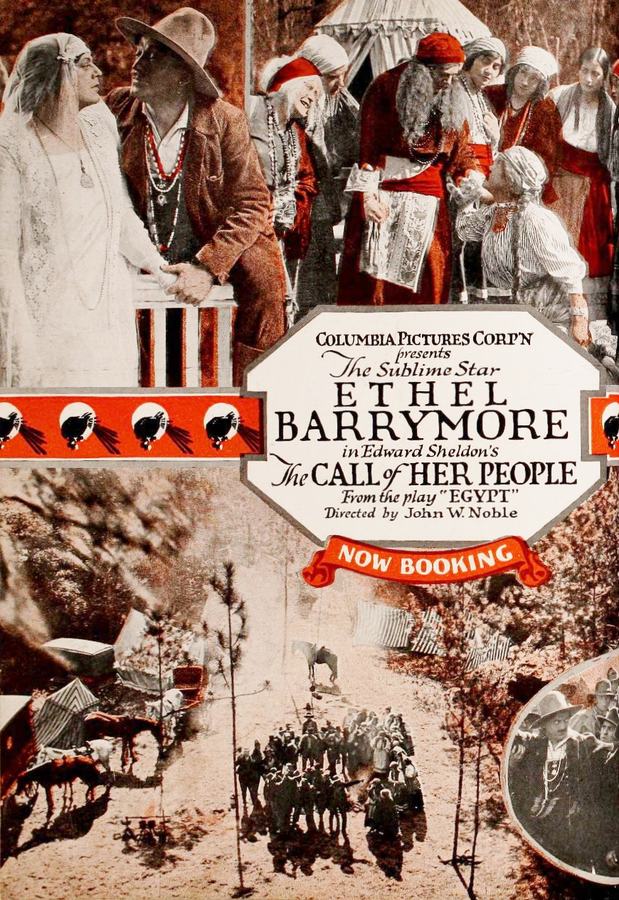
Dir: John W. Noble
Faro Black, the chief of the Gypsies, finds out that his son Faro and his girlfriend Egypt have gotten married. Infuriated, he tells that their marriage isn't valid, since Egypt is actually the daughter of wealthy Gordon Lindsay, who is on his way to the gypsy camp to claim her. The two promise to remain faithful to each other, but as time passes and she never hears from him, her love turns to bitterness. What she doesn't know is that Faro is being held prisoner by his father who, on his deathbed, tells him a secret that changes everything.
View Details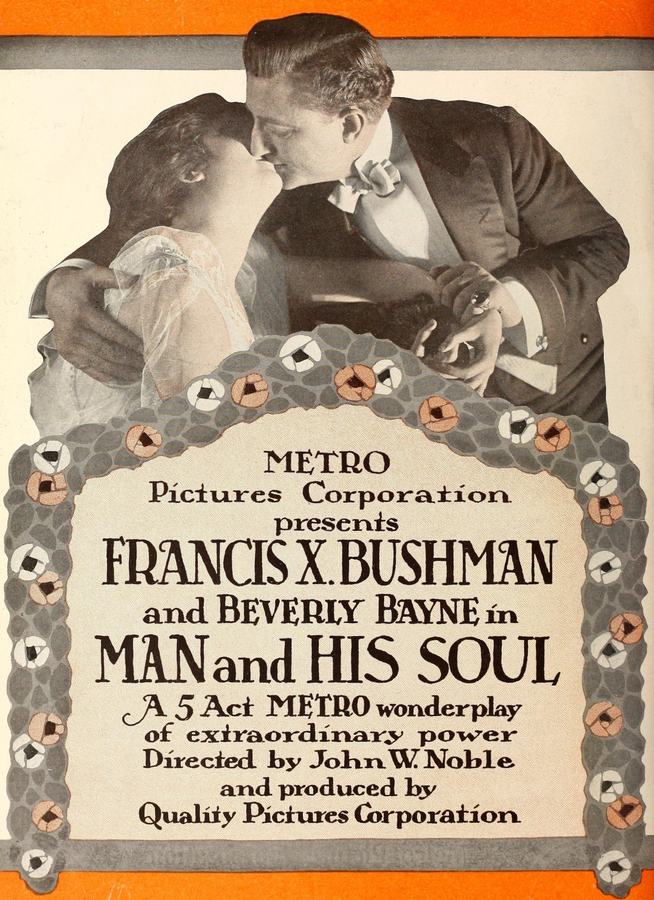
Dir: John W. Noble
The allegory which begins the story represents the world before the creation of man. Out of the elements is born Conscience. Conscience is then present at the fall of the first parents, and drives them from the garden. Conscience is again present when Moses breaks the tablets of stone in his anger at the Israelites for their idolatry on Sinai. At last Conscience sustains the Christ when He stands on trial before the Roman Governor of Judea, Pontius Pilate. Then begins the story. A child is born, bearing the name of John Conscience. The figure of the allegory is seen to touch the newborn babe, and it is fore-ordained that he is to be a creature of Conscience. The child grows to manhood. He holds the chair in economics in a great university, and is delivering an exhortation to the graduating class. He tells the young men of some of the shameful conditions the wealthy employer class is imposing upon the poor and helpless class. He bids them go forth with conscience to guide their careers, and that they will be successful in the real sense. The wealthy men, trustees of the university, etc., who are in audience, disagree with John Conscience's principles to such an extent that they demand his resignation, as the result of the speech. One of them, however, Stephen Might, whose son Stephen Might. Jr., is among the students, feels that John Conscience will be a great success in some business where the question of conscience will not be raised, and tells him that he will have a position for him whenever be may want it. John Conscience, sustained by the encouragement of his mother, tries in various fields, without success. He happens to see a girl who is about to end her efforts to succeed and still remain good, by plunging into the river. He dissuades her and takes her to his mother. She tells her story, how she had left her father's roof to earn her living and be useful in the world, and the mother advises her to go back to her father. John is inspired with new hope after his good deed, goes to Stephen Might, obtains a position for himself, and also one for the girl. He rises in position with this concern, and a love affair develops between them, but Stephen Might, Jr., also falls in love with the girl. At a time when a rival company is trying to bribe John Conscience to divulge secrets which will mean the undoing of Might and Company, John Conscience comes upon Mary Knowles, the girl, in the arms of Stephen, and thinks she has accepted him. His mistake causes him to throw off conscience, and begin a grinding, resolute, uncompromising drive for wealth. In Chicago John Conscience takes the name of John Power. He comes to the control of great interests, owns factories, and rules over all these interests with a hand of iron. His employees are but mechanical parts of his structure, and he has no soul, no heart. When the girl realizes what he had meant to her, she denounces Might, Jr., and her father, who had helped about the situation, and runs away. At the time Power's success is at its zenith she us a stenographer in one of his factories. At this time also, in his determination to avenge himself upon Stephen Might, Jr. he is using unfair business methods to drive the Might concern to the wall. Young Might learns that it is the Power firm which is oppressing them and goes to see Power, not knowing who he is. He arrives, and as John is about to drive home his revenge, Stephen tells h him of a mistake, that he thought Mary was with him, as she ran away the same night he had disappeared. John has been harassed by the public safety committees about the unsanitary conditions and lark of safety in his factories, and has been obdurate and unresponsive. Now, he sees that he was wrong, experiences a faint hope, and tells Might he will let him know the next day what can be done. He goes home, and sits by the fireplace in his library to think. Conscience appears to him again, and shows him, by a series of contrasts, the difference between the power he has achieved over the financial world and that which Conscience wields over the souls of men. He is receptive, and Conscience again enters his soul. He calls for architects and builders to reconstruct his factories, for the safety of his employees, and before they can begin work a great fire breaks out in one of his factories, and Mary is caught in an upper story. John rides to the scene, and sees her at a window. He rescues her and their romance finds its proper conclusion.
View Details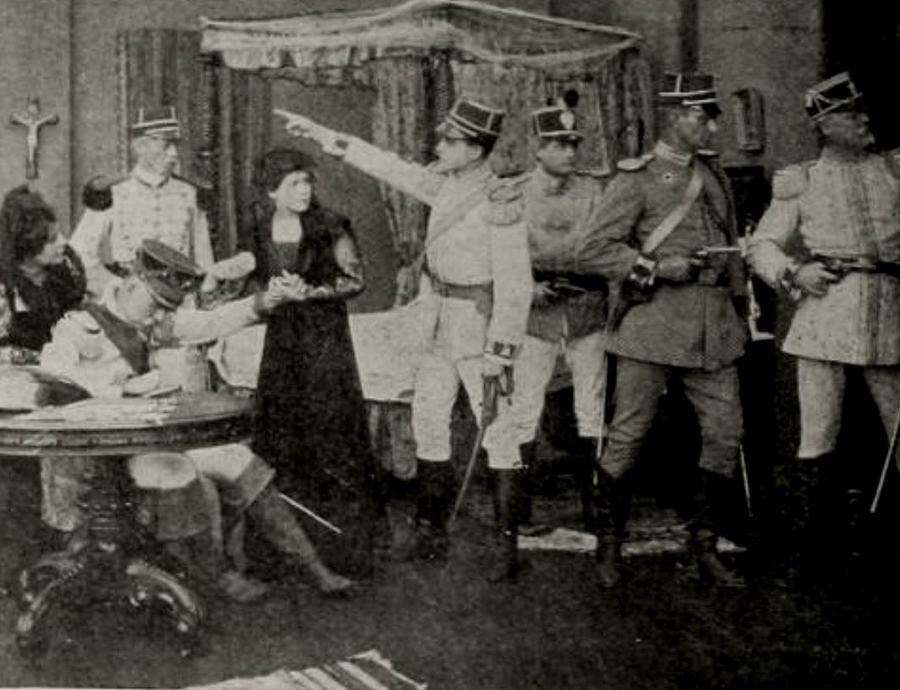
Dir: John W. Noble
News of the approaching death of the President of Lorento is received by "Fighting Bob" Rensaler at college in a letter from General Braga, an intimate friend of his deceased father, and further that Mendoza, the marshal, aspires to the presidency, and assisted by guerrilla warfare, intends to proclaim himself dictator, with the assistance of a guerrilla leader named Ladero. Dulcina Garnia, Bob's sweetheart, is beloved by Ladero. Manuel Garni, her guardian, has promised her in marriage to Ladero for assisting the revolutionists. Bob determines to give his aid to General Braga, and accompanied by his two chums, Cyrus Browa and Comin Hartley, he embarks on Brown's yacht for Lorento. Realizing that Dulcina will not marry him because she loves Bob, Ladero kidnaps her at the instigation of her guardian, intending to force her to marry him. When Bob has left Dulcina to visit General Braga, Ladero's men make away with Dulcina and confine her in a monastery. Riaz, leader of the kidnappers, has gone to the Tavern Verduga, where Bob is in consultation with the general. Dulcina's maid finds Bob there, tells him of Dulcina's plight, and points out Riaz as one of the kidnappers. Bob and his two chums grab Riaz, take him to the yacht, and force a confession from him. Riaz escapes from them by jumping overboard. Ladero, receiving no news from Riaz. sets out with his men for the monastery. Riaz has secured a horse and intends to head off Bob. Ladero has found a priest who is about to marry him to Dulcina but she succeeds in secretly notifying the priest of her predicament and he aids her to escape. She meets Riaz, who forces her into a telegraph station, where the operator is drunk. Kicking the operator out, he attempts to assault Dulcina, who picks up a revolver and shoots him. Bob and his pals have reached the monastery, have a fight with the band of kidnappers, and Bob sees the priest who tells him of Dulcina's escape, and they set out to find her. Ladero on his way to the monastery hears the shot fired by Dulcina and reaches the station as Dulcina is about to rush out. Bob meets the operator, disguises himself in his uniform, locates Dulcina, unseen by Ladero, overhears a message read by Ladero that the president is dead and for him to join Mendoza, and he sees him start away. Ladero has ordered his men to fire on the station. Bob's chums, hearing the firing, come to Bob's aid. Mendoza and Ladero's men attack Braga's forces in the city amid terrific gunfire of infantry, and the cavalry have a tremendous fight which ends in a complete routing of Ladero's supporters. When Bob and his friends are about to give up hope of holding off the outlaws. General Braga and his soldiers arrive to rescue them. Eventually Bob is proclaimed president for his services and is married to Dulcina.
View Details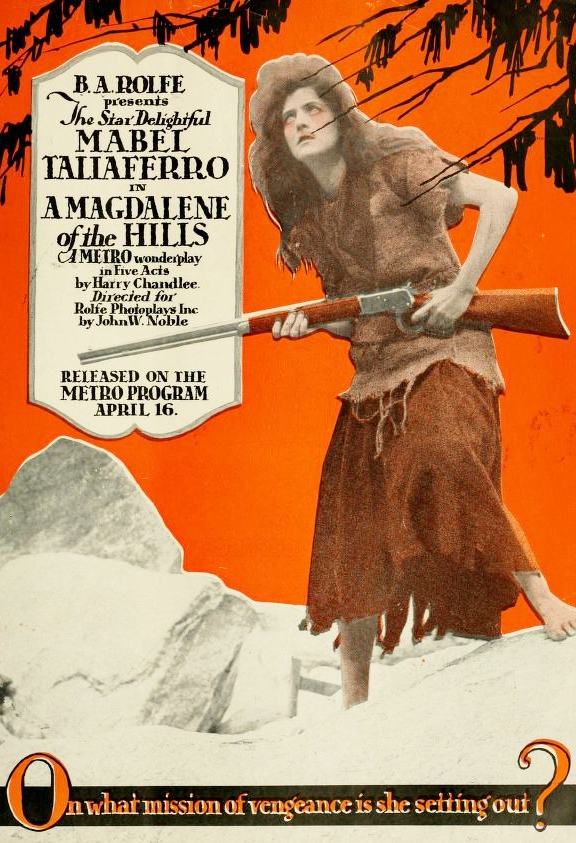
Dir: John W. Noble
Herbert Grayson has timber holdings in a Southern state. One of his mills is burned, and he accuses Len Mathis, a young mountaineer. In trying to avoid arrest Len is killed, and old John Mathis, his father, swears to shoot Grayson or any member of his family on sight. His young daughter, Renie, makes the same vow. Grayson is anxious to gain control of lands owned by Mathis, Grayson's nephew, Eric Southard, volunteers to effect the purchase. On his arrival, he telegraphs his uncle, disclosing his identity to the station-agent, who loses no time in telling the bystanders. Eric starts for the home of Peets, his uncle's foreman, in the village "jitney," as Renie, rifle in hand, is walking across the hills to Hibbitsville to get cartridges. One of the tires of the automobile bursts, and Renie, thinking the noise that of a gun, creeps behind Eric and the chauffeur, who are mending the tire, and makes them throw up their hands. When they explain that the tires contain wind, she shoots one in order to prove it, and while the chauffeur is repairing the damage she and Eric sit by the roadside. She learns in the village that Eric is Grayson's nephew, and goes to Peets' cabin to avenge her brother. Trying to shoot through the window, she misses Eric, who returns her fire, and slightly wounds her. He carries Renie home, and she tells her father she has been wounded by dropping her own gun. Eric and Renie fall in love. John Mathis has promised Renie's hand in marriage to Bud Weaver, as soon as he earns the necessary $100 with which to set up housekeeping. Eric writes to his uncle, refusing to further his schemes in the mountains. Eric is summoned to the Mexican border with the National Guard. He promises Renie to return for her. Bud Weaver demands his bride, and old John, true to his promise, sets a date for the wedding. Eric, stricken with typhoid fever, has been sent back to New York to recuperate, but Renie, unable to read or write, cannot communicate with him. The night before the wedding Renie tries to run away, and discovered by her father, has to tell him the reason. Old John gives her her rifle and shows her the door. Renie goes to Peets' cabin to try to learn news of Eric, and Peets takes advantage of her loneliness. In the ensuing struggle, Renie's gun is fired, and Peets is killed. Some men who are passing break into the cabin and Renie is arrested charged with murder. In a New York hospital Eric is convalescent. He learns that Renie has shot Peets and that her trial will be held in a few days. Eric hurries to Hibbitsville and plans her defense. At the trial, the feud between the Grayson and the Mathis factions is brought out, making the case against Renie look serious, but Eric appeals to the sympathies of the mountaineers in her behalf, and the jury returns a verdict of "not guilty." Eric and Renie are married, and Grayson, having come to a realization of the needs of the mountaineers, begins a new regime of helpfulness among the hills.
View Details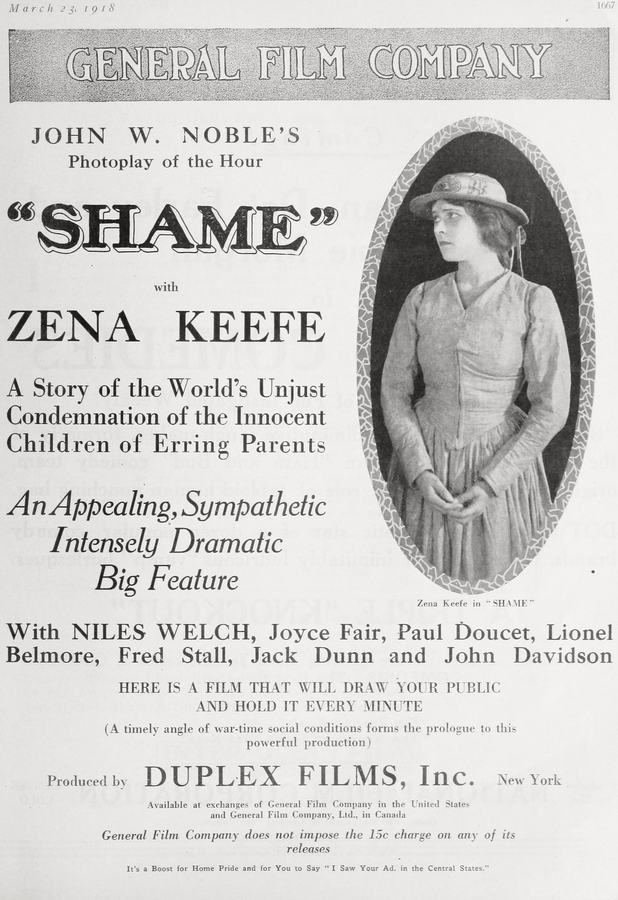
Dir: John W. Noble
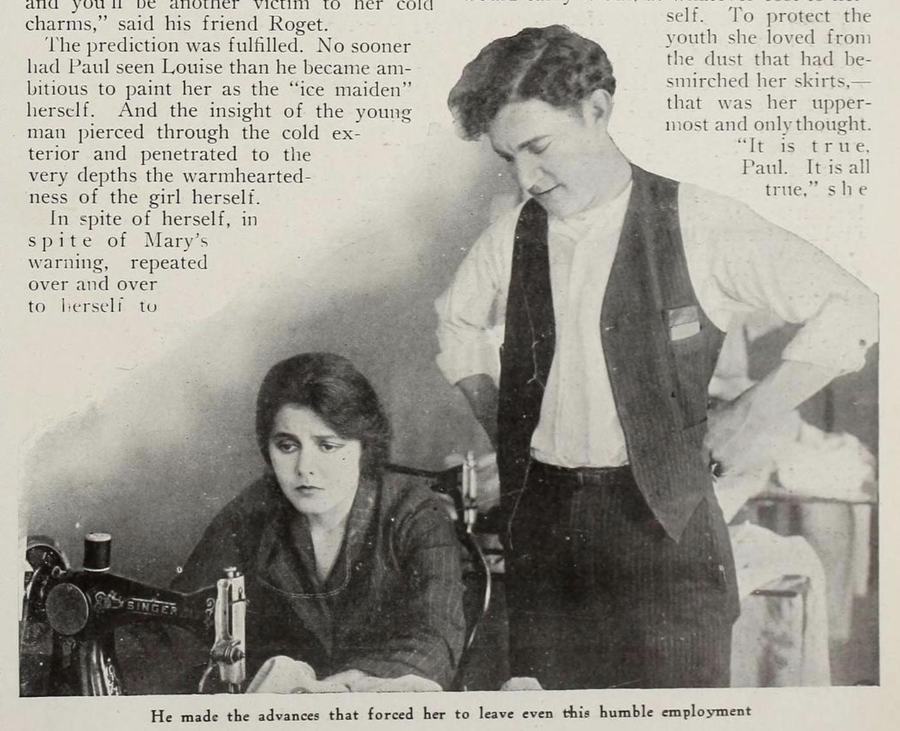
At the outbreak of the Spanish-American War, John Grey enlists in the Army and leaves his sweetheart Mary for Cuba. Later Mary discovers that she is pregnant, but John is killed before they can legalize their union. When Mary dies, her daughter Little Mary is taken into an orphanage and adopted by Peters, a cruel farmer who turns her into a slave. Befriended by Seppe, a hunchback farmhand of similar parentage, young Mary escapes to the city where she finds work at a hospital run by Dr. Strong. Soon after, she falls in love with Strong's son Donald and accepts his marriage proposal. When Donald learns from Peters, who comes to the city to reclaim Mary, that she is illegitimate, he backs out of the engagement. To stop Peters from stealing Mary, Seppe shoots him, wounding him only slightly. The incident shocks Donald into rethinking his decision; but even after she and Seppe are freed from Peters and the law, Mary refuses to compromise Donald's reputation and returns to the country with Seppe.
View DetailsAnalysis relative to The Awakening of Helena Ritchie
| Film Title | Atmosphere | Complexity | Similarity |
|---|---|---|---|
| The Wall Between | Tense | Abstract | 91% Match |
| The Birth of a Race | Tense | High | 85% Match |
| My Own United States | Surreal | Layered | 96% Match |
| One Million Dollars | Tense | Abstract | 85% Match |
| The Beautiful Lie | Ethereal | Abstract | 92% Match |
This guide was algorithmically generated using the cinematic metadata of John W. Noble's archive. Last updated: 8/17/2026.
Back to The Awakening of Helena Ritchie Details →