
DbcultAccessing Vault...
Recommendations
Senior Film Conservator
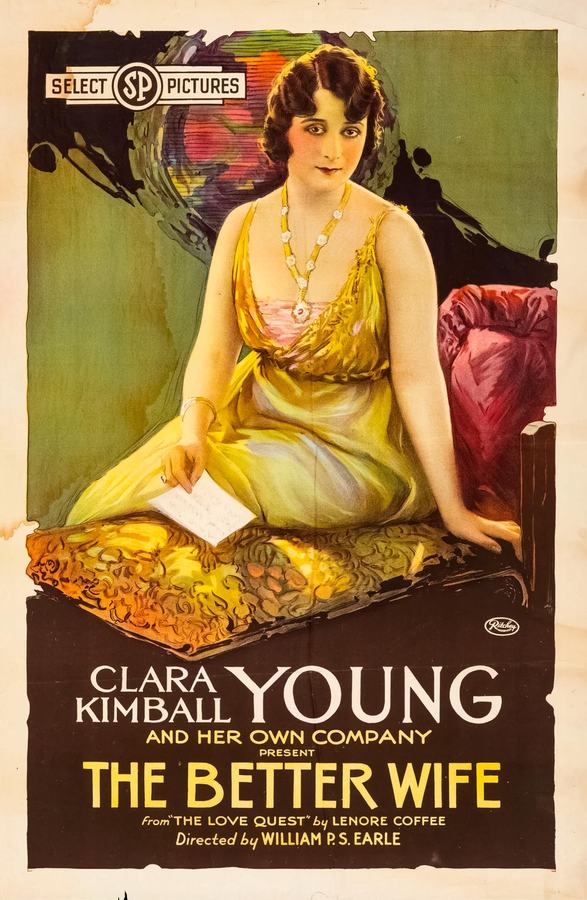
After experiencing the cinematic excellence of The Better Wife (1919), you are likely searching for more films that share its specific artistic vision. Unlock a new level of cinematic understanding with these cult alternatives.
This 1919 cult classic stands as a testament to push the boundaries of conventional storytelling.
Charmian Page has developed a great affection for the child of Sir Richard. When the child is seriously hurt in a car crash that has killed his mother Lady Beverly, who was on her way to see her lover, Charmian persuades her wealthy father to pay for the operation that saves the child. Sir Richard marries Charmian for his child's sake, but remains aloof towards her for the memory of Beverly. When he learns the truth about his late wife's infidelity, he begs for Charmian's forgiveness, realizing she is the better wife.
The influence of William P.S. Earle in The Better Wife can be felt in the way modern cult films handle cinematic excellence. From the specific lighting choices to the pacing, this 1919 release set a high bar for atmospheric immersion.
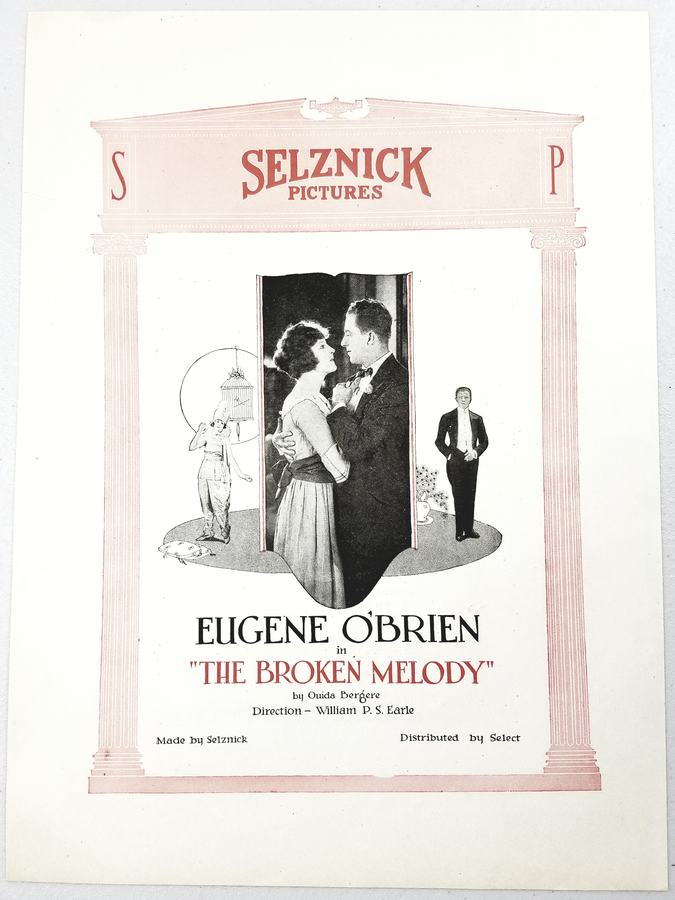
Based on the unique cinematic excellence of The Better Wife, our vault has identified these titles as the most compelling follow-up experiences for fans of cult cinema:
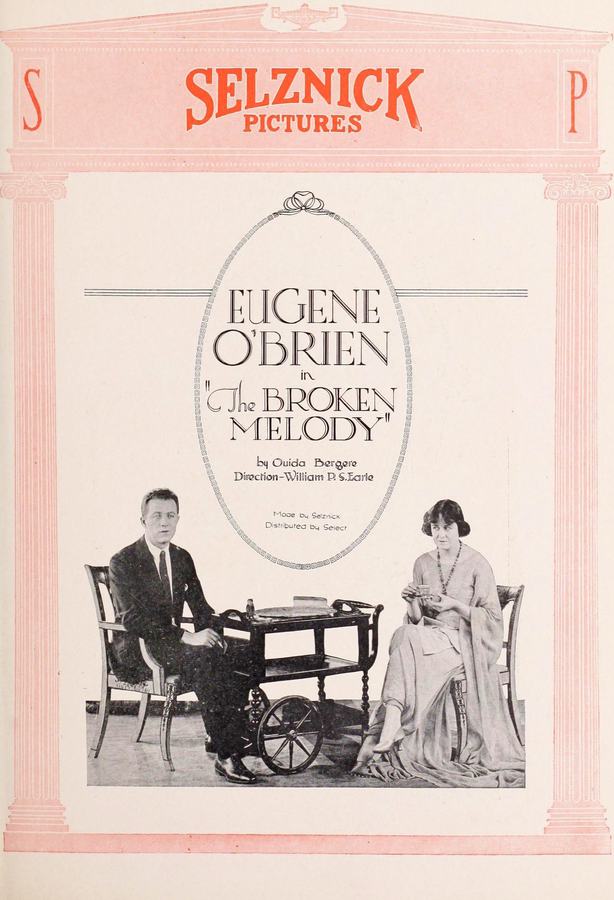
Dir: William P.S. Earle
Stewart, an art student in New York City's "bohemian" Greenwich Village, lives next door to his girlfriend Hedda, who wants to be a singer. One night while they are dining at their favorite cafe', wealthy Mrs. Trask comes up to them with a proposition: she knows he is an artist and wants to go to Paris to study and develop his talent, and she will pay all his expenses. He refuses because he doesn't want to leave Hedda, but she eventually persuades him to agree. It turns out that she has an ulterior motive--as does Mrs. Trask.
View Details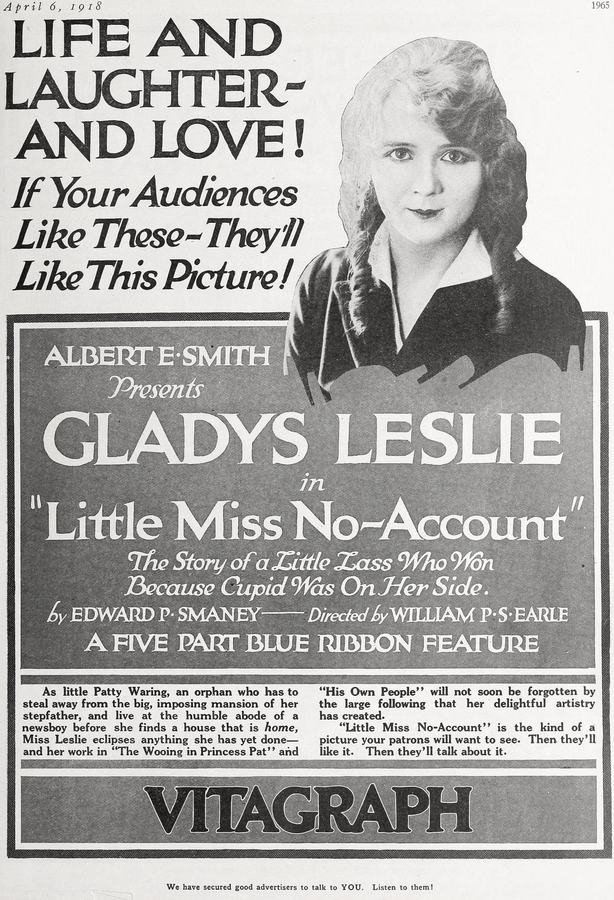
Dir: William P.S. Earle
Patty Baring will lose the fine old Washington Square house she is to inherit if her scheming stepfather Josiah Wheeler's plan to acquire it for himself is successful. Cruelly abused by Wheeler, a gambling hall owner, Patty runs away to live with a newsboy named Bobby and his grandfather Herman. There, in spite of her shabby dress and humble companions, she arouses the admiration of Edwin Sayer, the district attorney. Ned, a soft-spoken gambler, desires to possess Patty, and at the instigation of her stepfather, lures her into a gambling den that Edwin has been planning to raid. Patty is arrested, but Edwin secures her release and places her in the charge of his mother. Ned and Josiah are imprisoned, leaving Patty free to claim her inheritance and wed Edwin.
View Details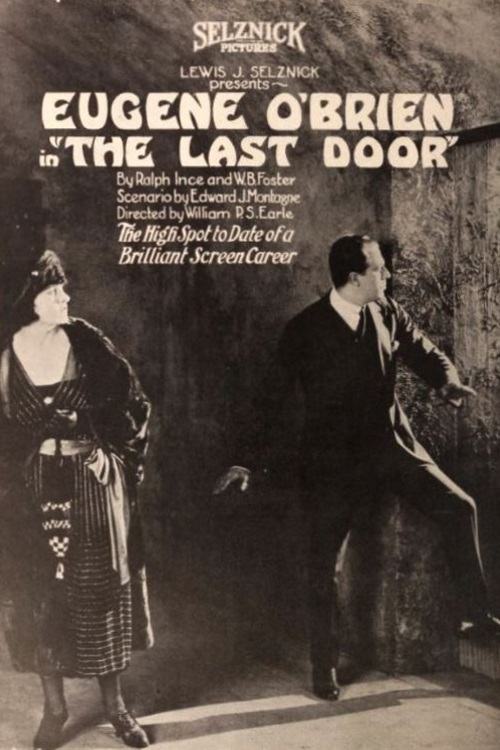
Dir: William P.S. Earle
At a reception given at the Rogers mansion in his honor, Somerset Carroll surprises the guests by averring that he would give aid to a female convict reported to have escaped. Later, alone in the library, he is appealed to by a young girl who confesses to being pursued by the police, and he takes her to his own house. There she reveals herself to be Helen Rogers, playing a game with him on the advice of her guests. He then declares himself a crook, holding the real Carroll prisoner, with the intention of robbing the Rogers mansion. She follows and shields "The Magnet" from the police, the real Carroll having escaped and notified them, and through her interference he eludes his would-be captors.
View Details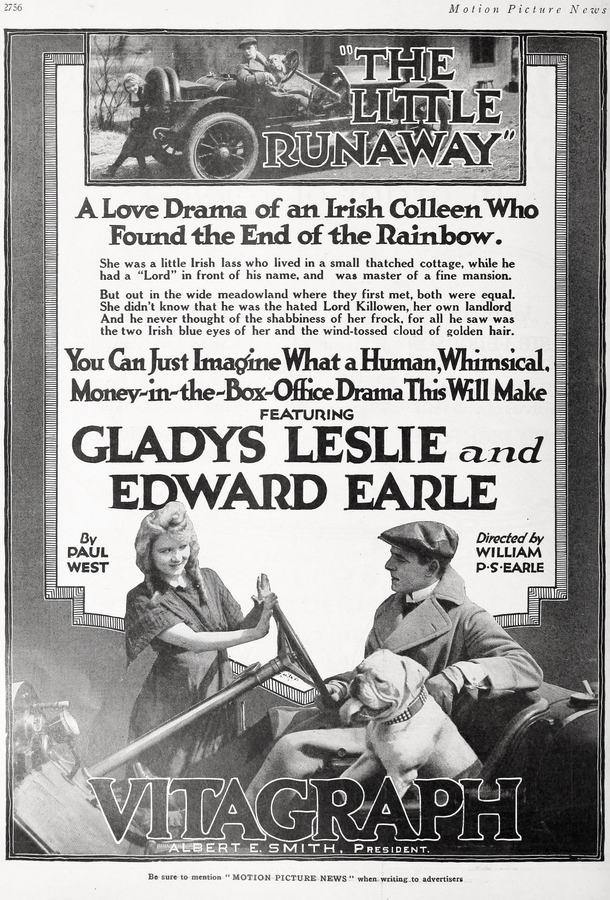
Dir: William P.S. Earle
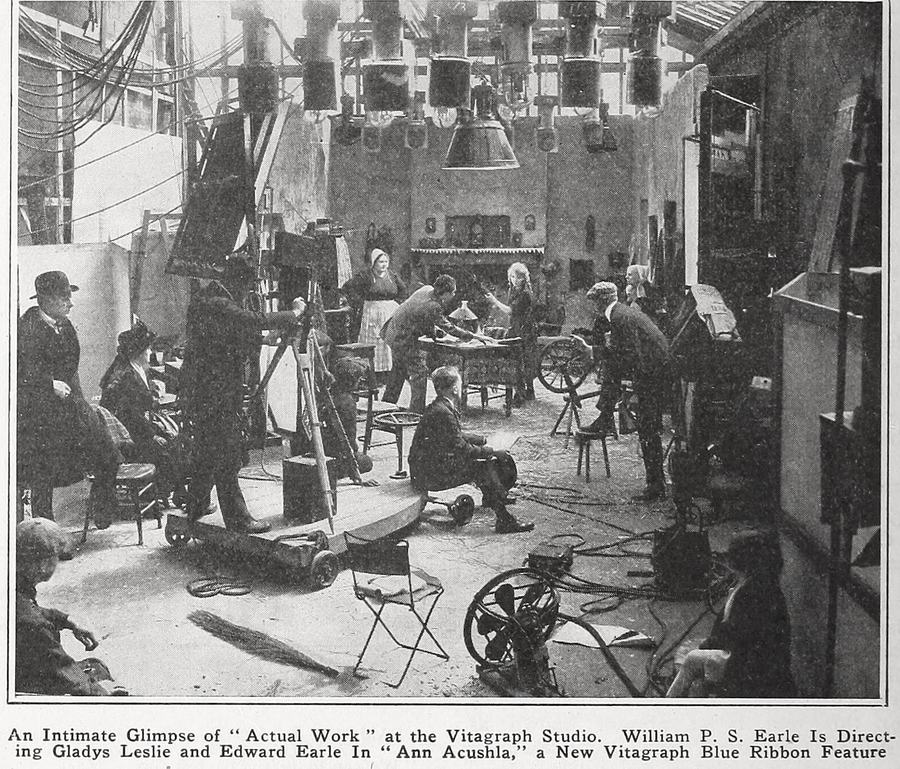
Lord Killowen, the landlord of a little village in Ireland, employs Harvey Dowd and his worthless son, Peter, to collect the rents. When Peter arrives at the modest home of Ann, a young lace maker who lives with her aunt and blind grandmother, he makes improper advances towards her, but Killowen, who is motoring through the area, rescues her. Without leaving her a receipt, Peter absconds with the rent money to America, and Ann's family is evicted. Determined to recover her money, Ann follows Peter to New York, where she is befriended by a policeman, who informs her that Killowen has come to America to court the wealthy Eileen Murtagh. Lord Killowen takes Ann to Eileen's home, but the latter, in a fit of jealousy, orders the girl to leave. When Ann returns during Eileen's engagement party, Killowen realizes that he prefers the little lace maker and proposes to her.
View Details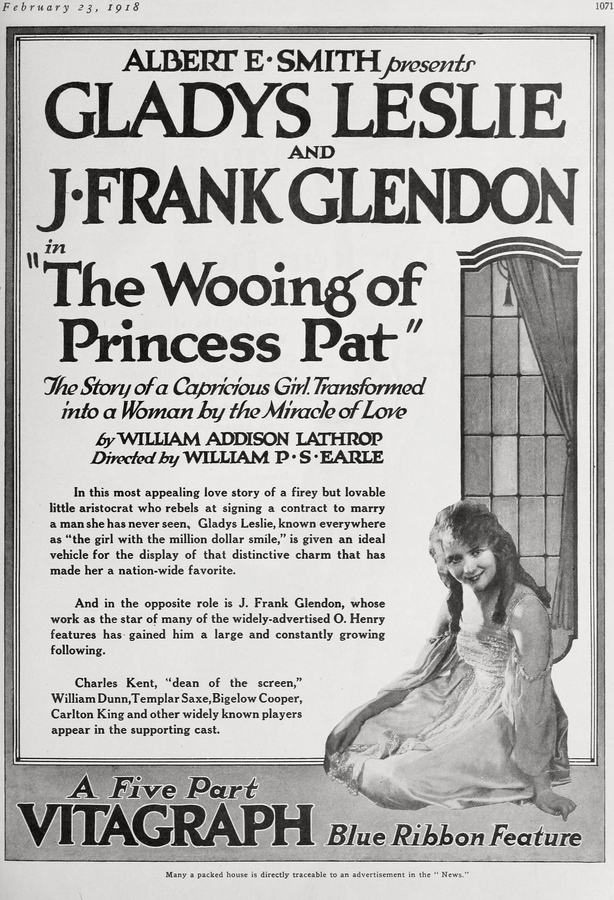
Dir: William P.S. Earle
To stave off war with a neighboring kingdom, Princess Pat of Paxitania agrees to marry Warburg's King Eric. Still very young and rebellious, the new queen finds it difficult to adjust to court life, and when she accepts an invitation to take a ride with the villainous Count Ladislaus, King Eric's patience gives out and he rebukes her severely. The banished count informs Pat's father, the Grand Duke of Paxitania, that she is cruelly abused, whereupon Pat's three brothers set out to bring her back home. In the end, however, King Eric and Princess Pat come to love each other dearly, and she sends her brothers home reassured of their sister's happiness.
View Details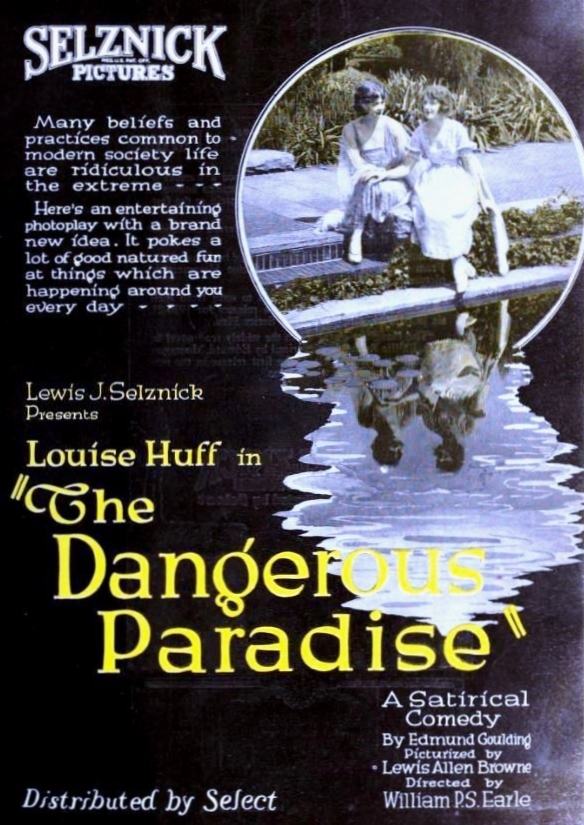
Dir: William P.S. Earle
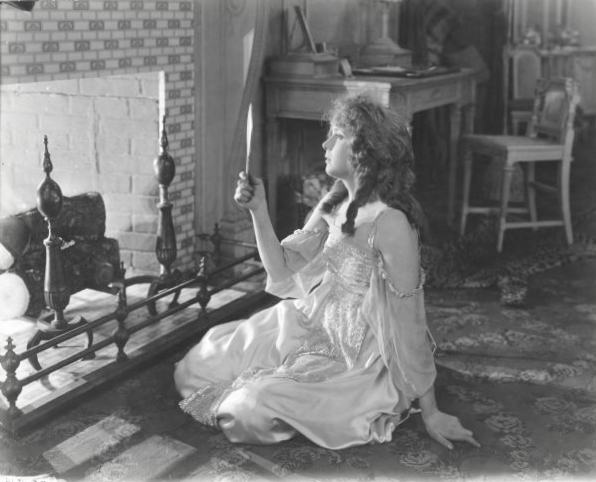
To avoid marrying the elderly suitor her aunt has chosen for her, young socialite Ivis Van Astor decides to hire Horatio Worthington to pose as her husband. She hopes that as a "married woman" she will pique the romantic interest of Norman Kent, who perceives her as a sweet young thing. Ivis and her hired husband go to Newport, where she begins to flirt with Norman, who discovers her ruse and decides to teach her a lesson. He stages a duel over Ivis with Horatio and pretends to die. Once Ivis is properly chagrined, Norman "recovers," Ivis' aunt falls in love with Horatio, and all ends happily.
View Details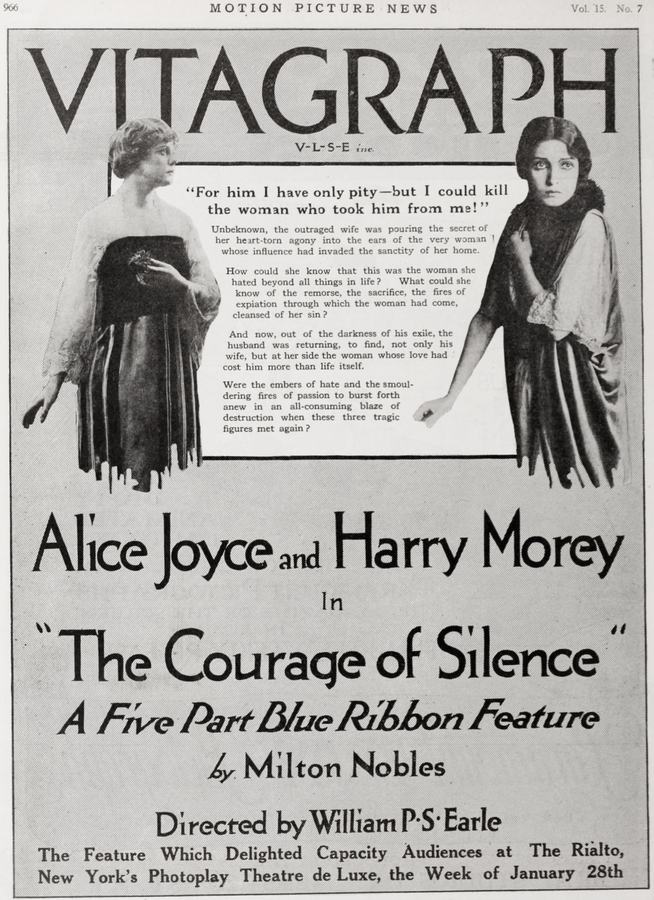
Dir: William P.S. Earle
Bradley, who is happily married and loves his family, is called to London on business. There he meets Mercedes, wife of the Spanish Ambassador. The marriage has been forced upon her, and her husband is cruel. Unaware that Bradley is married, she falls in love with him, and he is also infatuated. His better nature finally prevails, and he returns home and is happy until he receives a photograph from Mercedes. On pretext of business, he again goes back to Mercedes, finds there has been a quarrel, and that the ambassador has struck her. She and Bradley go away together, and while crossing the channel, he inadvertently discloses the fact that he is married. Mercedes unwilling to come between husband and wife, flees to a convent, and Bradley, unable to find her, joins an expedition to the forests of South America. Bradley has written his wife that he is a coward. Her health fails and her father takes her and the children for a trip abroad. The children are attacked by an epidemic of fever, and Mercedes, now a nurse, is summoned. She learns the identity of the family, and, when the boy calls for his father, she starts a search for him. After the crisis, Mercedes who has concealed her identity by use of a veil, wins her fight against a renewal of their relations, and warns Bradley, who has recognized her, to keep his wife in ignorance. Recovering from the fever which has now claimed her, she sees the reunited family depart for America, and knows her heart is empty and closed forever to love.
View Details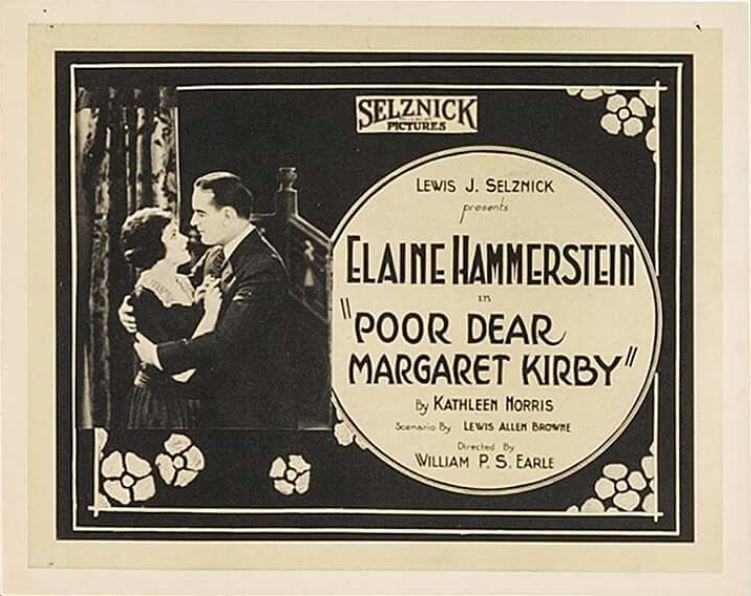
Dir: William P.S. Earle
Margaret Kirby refuses her husband's request to help him obtain a loan from her guest, Gordon Pell. The husband, John, in financial difficulties, then attempts suicide and becomes seriously ill. Margaret takes in boarders and is compelled to mix with people outside her social set. Lucille, John's former admirer, creates a misunderstanding by means of forged telegrams, but the discernment of Gordon Pell clarifies the situation and Margaret and John are reunited.
View Details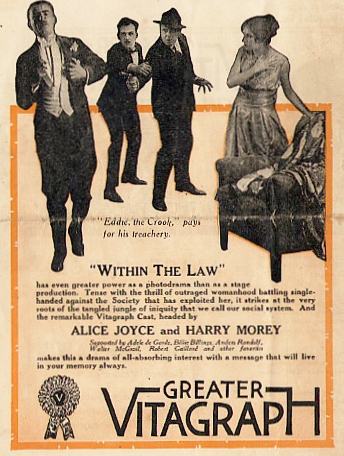
Dir: William P.S. Earle
Mary Turner is a young shopgirl who is unjustly convicted of a crime and sentenced to prison. Upon her release, she does everything possible to make the man who wronged her to suffer, always taking care to stray no further than the extremes of the law allow.
View Details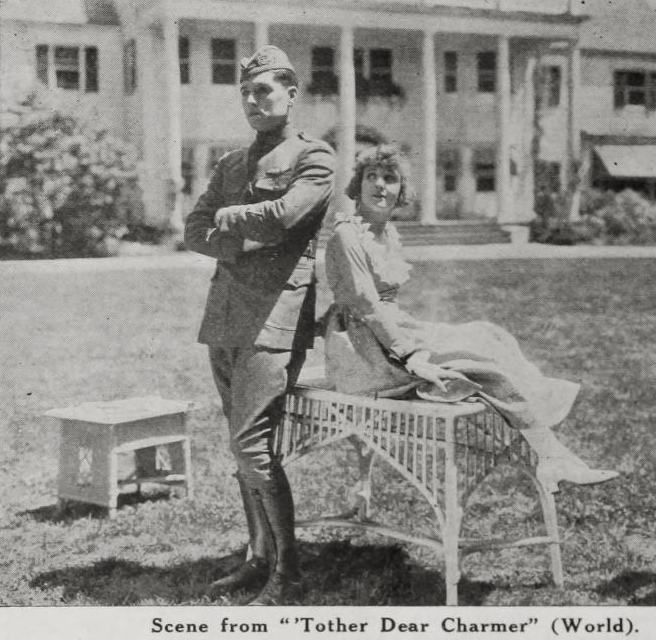
Dir: William P.S. Earle
When heiress Betty Hallowell organizes a Red Cross bazaar to raise money for the American effort in The Great War, she is disappointed that the event is not a success, so she decides to lease her beautiful country house to Mrs. Wentworth, a wealthy widow whose son Tom is recuperating from injuries received overseas. When Mrs. Wentworth suddenly demands the services of a maid for the summer, Betty, unable to secure a servant on such short notice, dons a dark wig and poses as "French maid Bettina." Much to his mother's embarrassment, Tom and "Bettina" fall madly in love, but necessity forces Betty to temporarily drop her disguise and reappear as the mistress of the house. Confused, Tom falls just as madly in love with Betty. Finally, he decides that he prefers Bettina to Betty, but Betty's uncle arrives and her deception is revealed. Tom explains his infidelity by stating that Betty's sweetness caused him to love her in both of her identities, and she is satisfied.
View DetailsAnalysis relative to The Better Wife
| Film Title | Atmosphere | Complexity | Similarity |
|---|---|---|---|
| The Broken Melody | Ethereal | Abstract | 92% Match |
| Little Miss No-Account | Ethereal | Abstract | 93% Match |
| The Last Door | Gritty | Dense | 91% Match |
| The Little Runaway | Gritty | High | 98% Match |
| The Wooing of Princess Pat | Surreal | High | 93% Match |
This guide was algorithmically generated using the cinematic metadata of William P.S. Earle's archive. Last updated: 6/22/2026.
Back to The Better Wife Details →