
DbcultAccessing Vault...
Recommendations
Senior Film Conservator
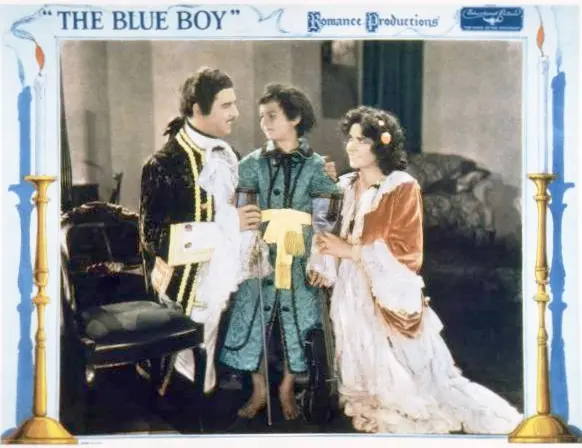
The artistic legacy of Arthur Maude was forever changed by The Blue Boy, the thematic layers of this 1926 classic invite a wider exploration of the genre. This list serves as a bridge to other Short experiences that are just as potent.
The vintage appeal of The Blue Boy to reinvent the tropes of Short cinema for a global audience.
When a son is born to Sir Harry Lonsdale and Lady Lonsdale, their happiness is complete. One afternoon Sir Harry is wheeling the baby but leaves the babe alone to romp with the lady in a childish game. A lone gypsy kidnaps the child. The shock turns to grief as weeks pass by and no trace is found of the stolen baby. Eight years later a gypsy band camps at the rear of the castle. They decide to rob the place. The little lad with the band detests such a life, but is forced to enter the castle, only to be captured. Sir Harry goes to the camp to punish members of the band. The leader's daughter offers to tell the history of the lad if he will permit her father to go free. Sir Harry learns the boy is his son. The lad is handsomely arrayed in blue court costume and formally admitted to the house as he descends the stairs into the great drawing room. And so the artist obtains his inspiration for the painting of the "blue boy" as he is welcomed back into the Lonsdale home.
The Blue Boy was a significant production in United States, showcasing the immense talent of John Roche, C. Montague Shaw, Esther Rhodes. It continues to be a top recommendation for anyone studying Short history.
Based on the unique character-driven intensity of The Blue Boy, our vault has identified these titles as the most compelling follow-up experiences for fans of Short cinema:
Dir: Unknown Director
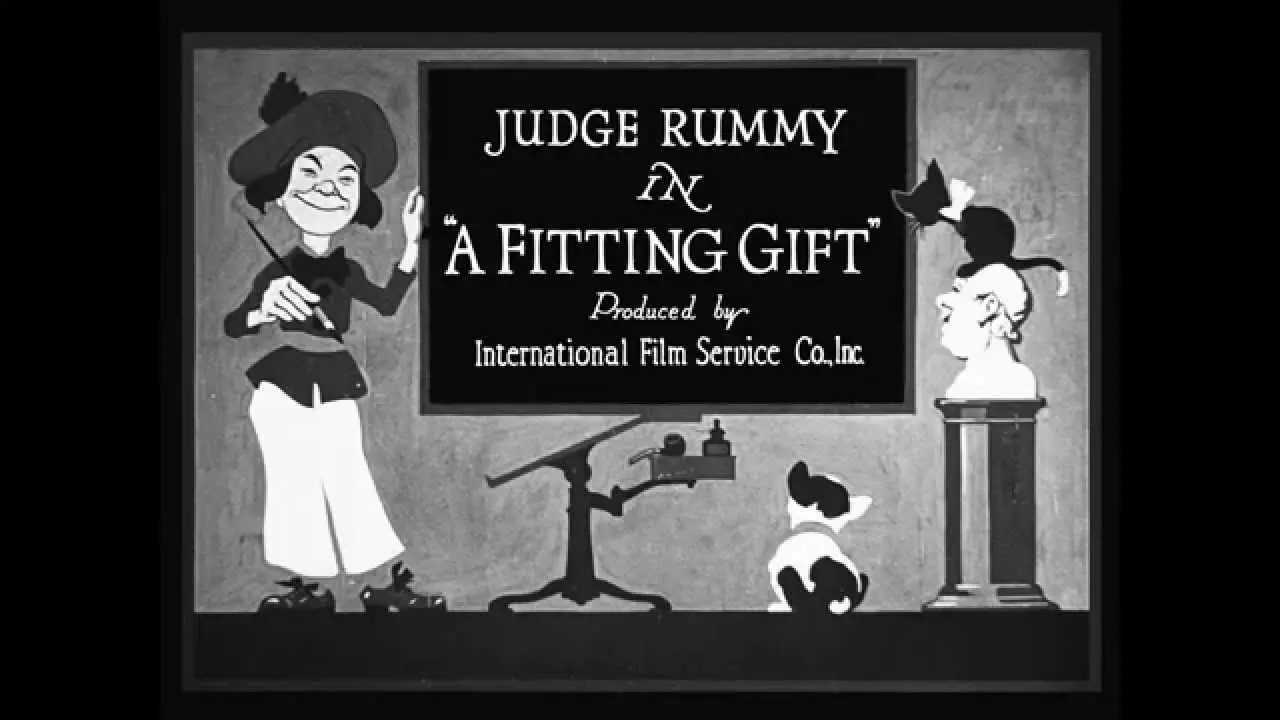
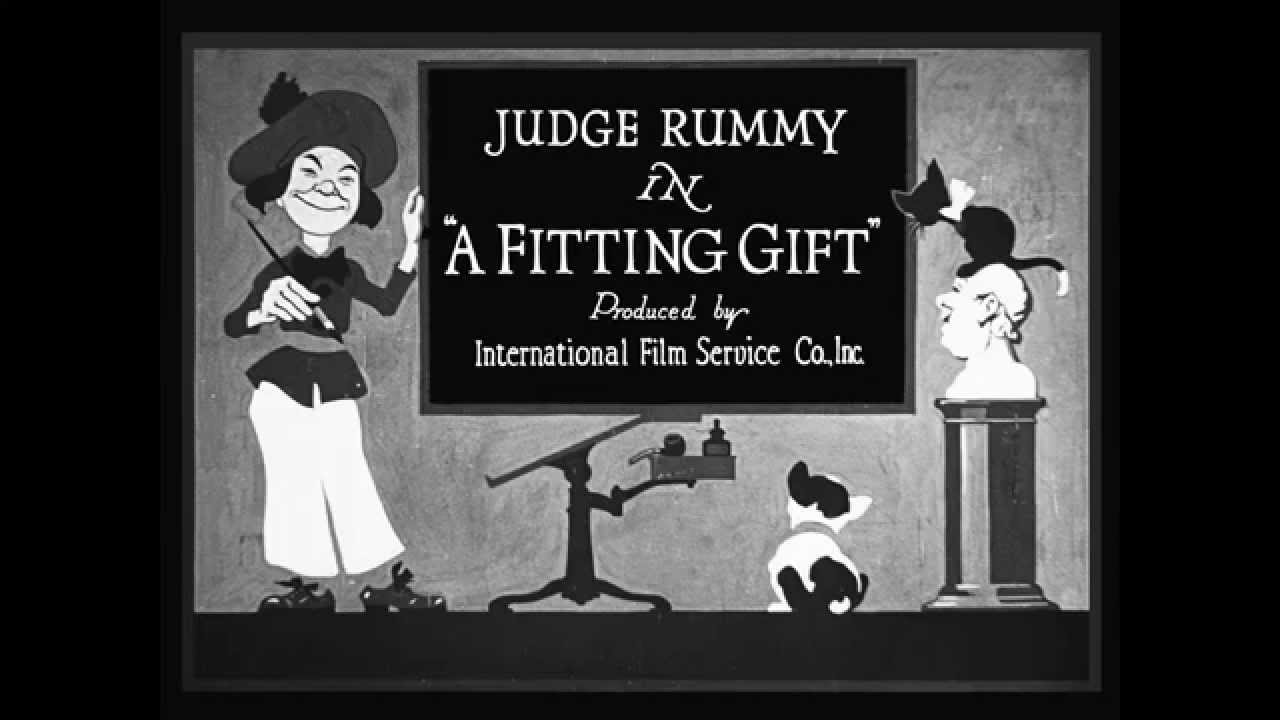
The Judge needs a present for his wife's birthday, so Harry suggests a new corset. They go to the shop, but he's so embarrassed to ask the saleslady he hides in a phone booth.Harry goes in, but finds a GUY wearing one, and runs out.They both dress as women to get back in, but Mrs. Rummy gets there and chases him out.
View Details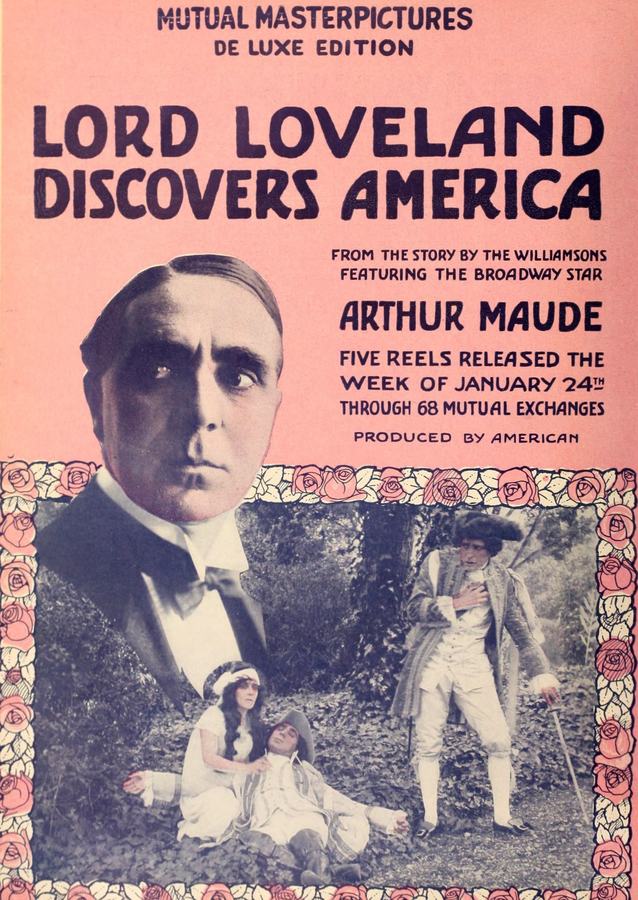
Dir: Arthur Maude
Lord Loveland in England is besieged by his creditors and consults his mother as to what he should do. He is advised to go to America and marry an heiress. He plans to sail on a certain ship, but at the eleventh hour changes his plans and departs on another vessel without informing his relatives of the change. Meanwhile, In England, his valet, annoyed at not having been paid a year's wages, impersonates Lord Loveland. At New York's most expensive hotel Lord Loveland discovers he has but forty cents in his pocket. He goes to bank and presents his letter of credit, but the bank determines that he is a bogus Lord and will not honor the draft. Disgusted, Lord Loveland returns to his hotel, where he finds he has no credit. He is ejected and his baggage is held in lieu of the bills he has already accumulated at the hostelry. Lord Loveland is alone in a strange world and with forty cents in his pocket. He applies to a friend for aid, but the friend, thinking the card presented is that of the bogus Lord Loveland. refuses to even see the visitor. Disheartened and disgusted, the nobleman betakes himself to Central Park, where through the thrilling rescue by Lord Loveland of a mongrel puppy, he forms a fast friendship with one Bill Willing, a likable old man out of work. Willing takes Lord Loveland to a cheap hotel where his forty cents is more than sufficient to procure two beds. In the morning he takes the English peer to a restaurant where in payment for meals, Willing draws artistic signs which advertise the day's tempting viands at Alex's restaurant. Lord Loveland, attired in evening clothes and monocle, has no trouble in getting employment as a waiter. He hopes thus to earn sufficient funds to pay his passage back to the dear old British Isles, but Tony Kidd, an enterprising New York reporter, learns of the monocled waiter and writes a story for his paper. Crowds come daily to Alex's restaurant to be waited on by this unique garcon. Among them is Leslie Dearmer, a woman playwright with whom Lord Loveland had become acquainted on shipboard. There is an explosion in the kitchen and the guests flee panic-stricken from Alex's restaurant. Lord Loveland becomes a hero when he extinguishes the blaze and causes the guests to return to their tables. Later, he loses his job through the apparent affection he has for Izzy, who is Alex's daughter. He takes up with a 10-20-30-cent troupe of theatrical players with whom he plays minor parts. Miss Dearmer seeks out the manager of Lord Loveland's troupe, intending to sue that individual for the use of one of her copyrighted plays. She calls and is surprised when her gaze meets that of the British nobleman. To her, the Lord relates his plight and she engages him as her chauffeur. The nobleman falls head over heels in love with his fair employer. The two are out for a spin when the Englishman summons up courage and declares his love. So ardent does he become in his proposal that he fails to heed the path his automobile is taking. The machine leaves the road, crashes into a tree and both occupants are thrown violently from their seats. When consciousness returns, Miss Dearmer is in Lord Loveland's arms, and the two plight their troth. The tide of Lord Loveland's fortunes have turned, By a combination of circumstances, he becomes recognized as the real Lord Loveland and he is restored to the position which is rightfully his. Henceforth, all is love and happiness and the nobleman has no desire again to see dear old Britain's shores.
View Details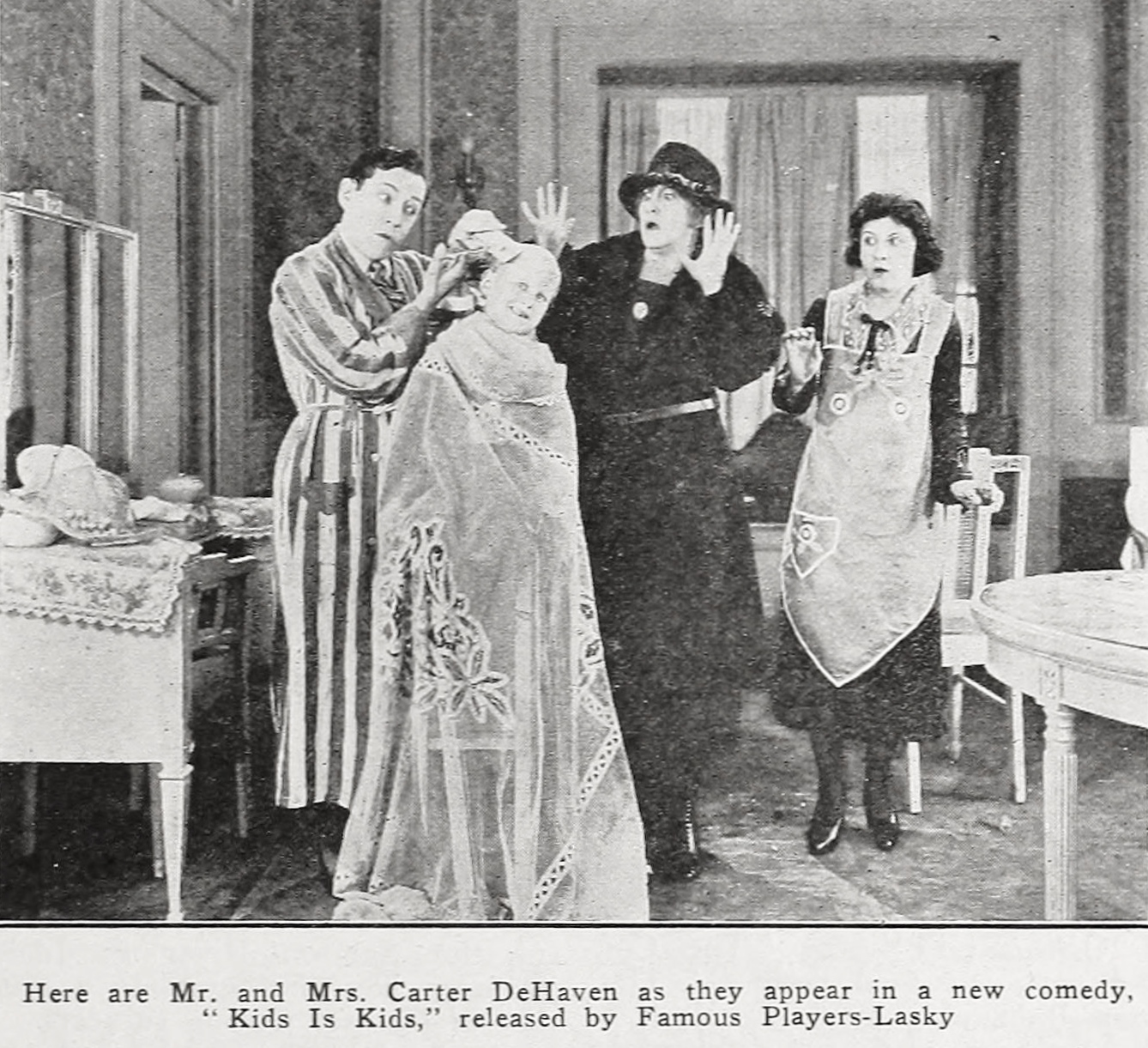
Dir: Charley Chase
A young married couple volunteer to take charge of several orphans after the asylum has burned down. Of course they find their hands full with their troublesome charges.
View Details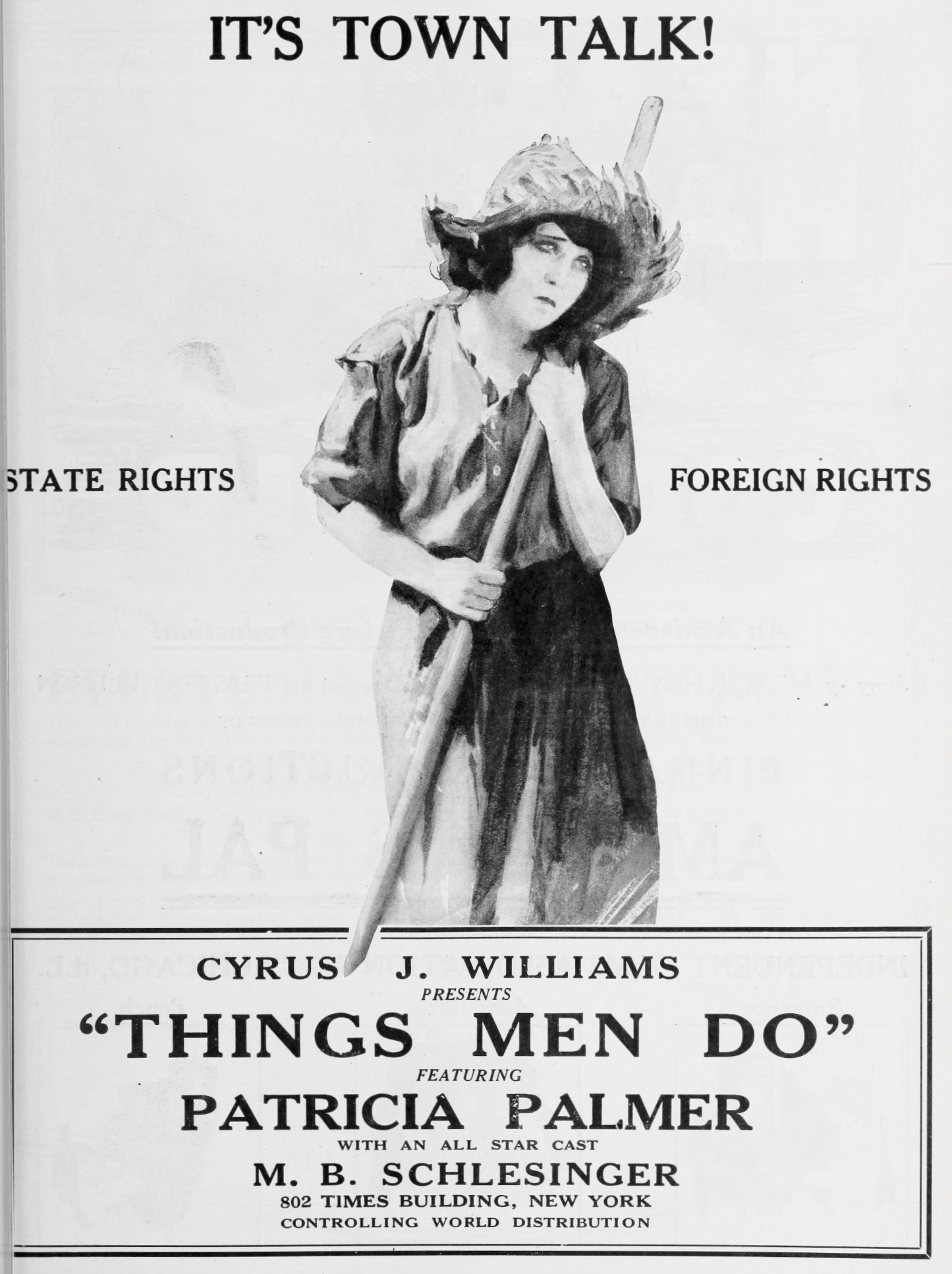
Dir: Robert N. Bradbury
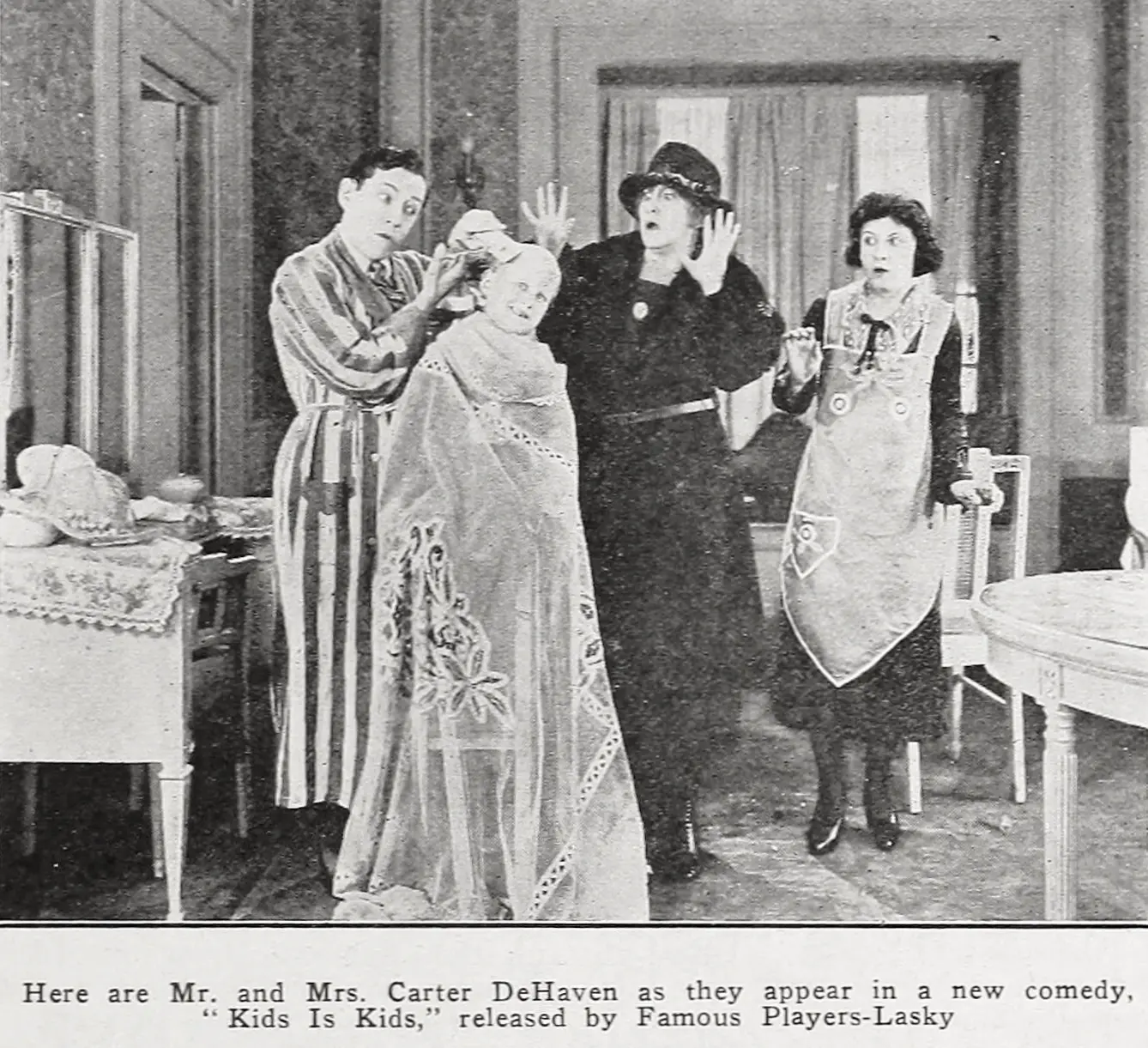
A simple country girl, brutally mistreated by her stepfather, awakens first the sympathy, then the love, of The Boy. The Spider, who lusts after The Girl, makes a bargain with the stepfather and takes her to the city where, kept prisoner, she is soon broken in health and spirit. Cast out and near death, she is taken in by The Boy. Following the demise of The Spider, The Boy takes her to church, where he prays, and after many hours she is restored to health.
View Details
Dir: Dallas M. Fitzgerald
Confidence artist Flossie Golden attempts to fleece foolish but wealthy James Venable with a breach-of-promise suit. Venable's shrewd attorney, Richard Harding, outwits Flossie by proposing that she marry Venable and live on an allowance of $3,000 per year. Flossie is determined to get even with Harding for ruining her plans. In an attempt to con him, she poses as Innocence Page, but falls in love and marries him instead. Larry, Flossie's former accomplice, endeavors to blackmail her with her errant past, but Harding is already cognizant of the facts and Larry fails.
View Details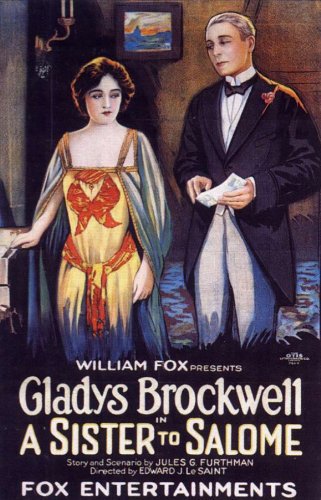
Dir: Edward LeSaint
When famous opera singer Elinore Duane undergoes an operation on her throat, she has a series of ether-induced visions. In one, she is transported to ancient Rome where she appears as a much-admired woman in love with Paul, a young heretic, and at odds with Lutor, the high priest. To save her love, she poisons Lutor with her ring. After several other visions which involve variations on this love triangle, Elinore awakens to discover that Lutor is actually her doctor, Sascha Jaccard, and that Paul is the son of a friend who has come to visit the recovering prima donna.
View Details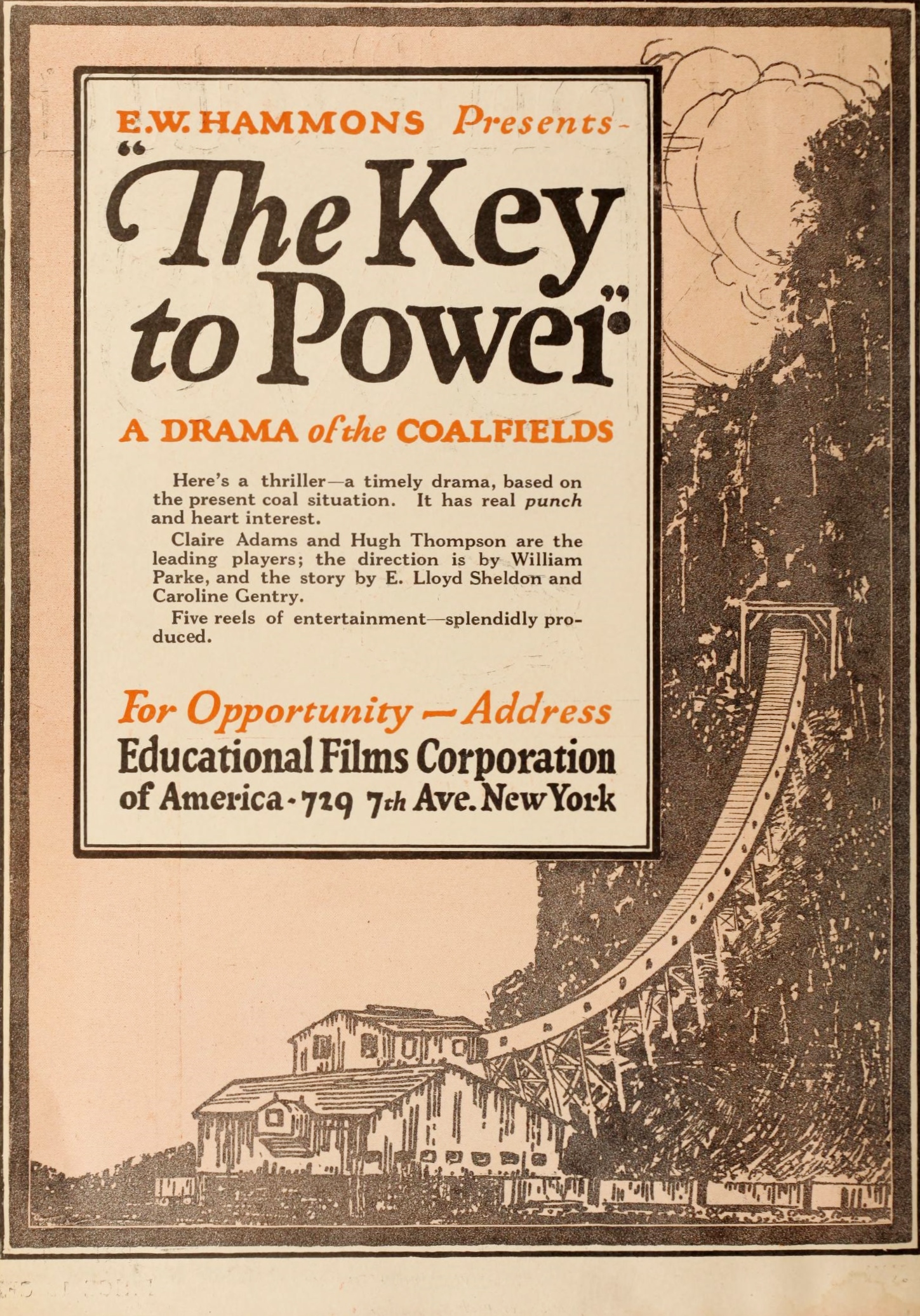
Dir: William Parke
Bruce Wendell, the son of West Virginia coal mine owner James Wendell, graduates from West Point and prepares to lead a fighting unit to the front during World War I. As his father lies dying, however, he convinces Bruce to remain at home and guard the mine. Bruce's fiancée Ann Blair assumes that he is a coward and breaks off their engagement, but her brother Bobbie remains Bruce's loyal friend. Meyer, a German agent, persuades railroad president Parrish to refuse to transport Wendell's coal, but when Bruce adamantly refuses to close the mine, the spy's men decide to blow it up. While Ann is being abducted by Meyer, Bobbie is buried in an explosion at the mine. Bruce rescues Bobbie and then sends a plea to Lieutenant Parrish to rescue Ann. Meyer and his gang are captured and Ann renews her vow of love to Bruce.
View Details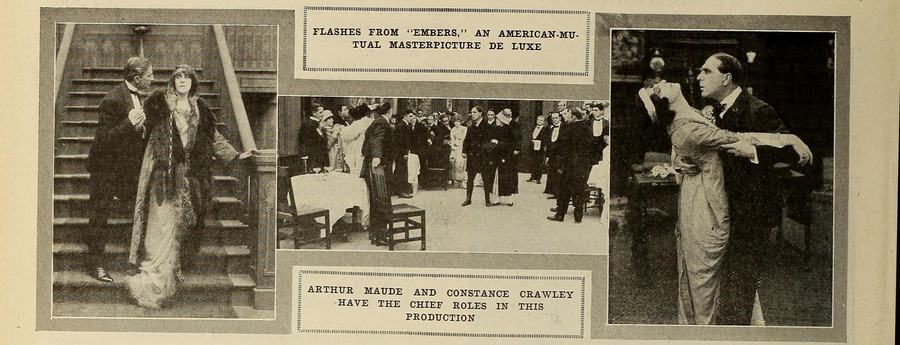
Dir: Arthur Maude
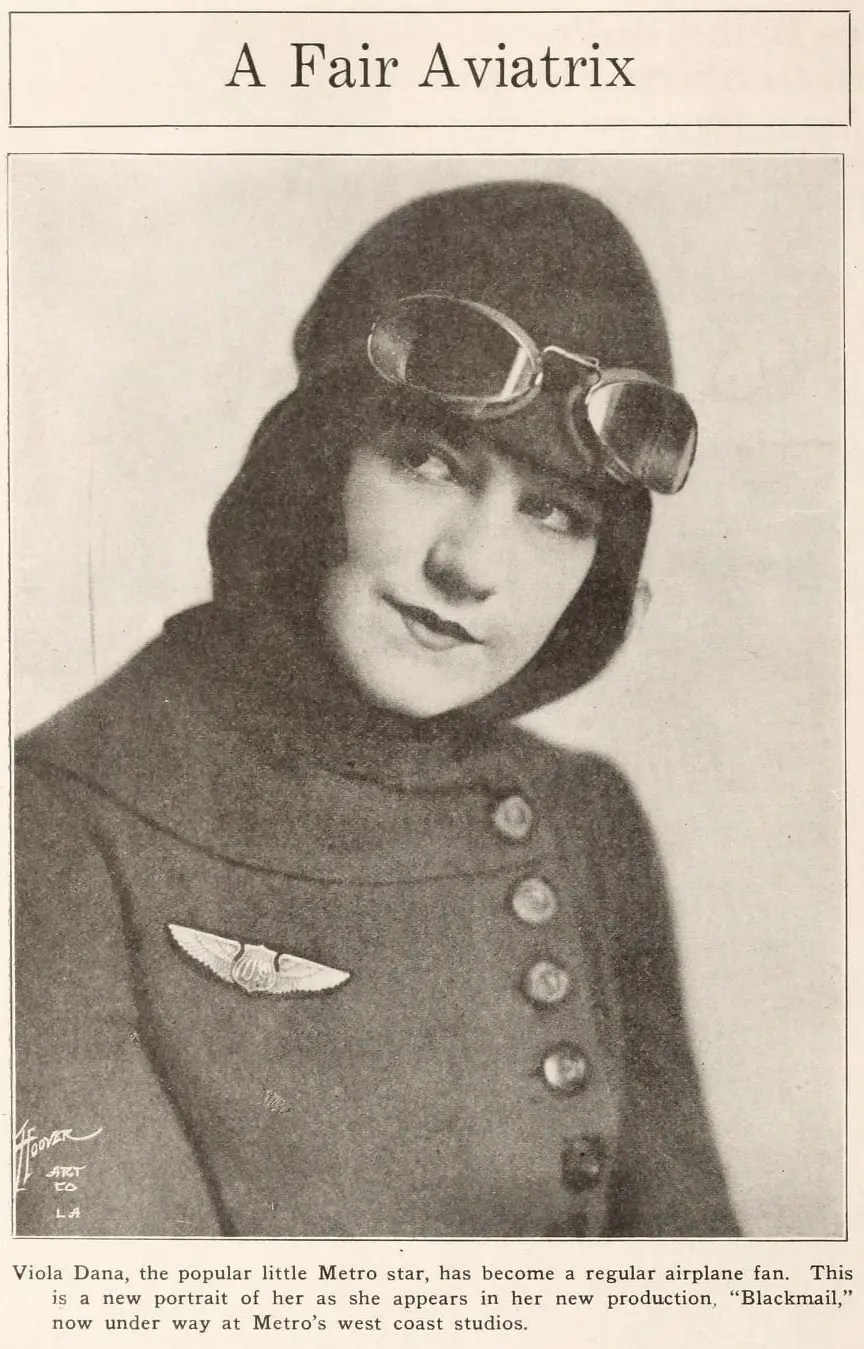
Rhea Woodley's child dies at birth, and the doctor tells Martin Woodley that his wife must never be subjected to such an experience again. This forms the basis of separation between them. Rhea is a semi-invalid, and Martin's virile manhood seeks the physical companionship he is denied and finds it in the person of Maysie, a young cousin of Rhea's, who comes to visit in their home. The breach between the husband and wife continues to widen. A former rejected lover of Rhea's discovers the situation and takes a malicious pleasure in exposing it to Rhea. Rhea offers her husband his freedom, but he will not admit his love for the other woman, even to himself and refuses to be released. As a last resort, Rhea permits the attentions of Welsey, and goes with him to a roadhouse, leaving an anonymous note advising her husband of their destination. Martin and Maysie follow Rhea and her lover and discover them together. Rhea pretends a passion for Welsey until her husband is gone, when she turns upon him in scorn and denunciation. Martin obtains a divorce and Maysie, with a chaperon, takes charge of the household. Rhea goes to a sanitarium, where the doctor, to save her life, hits upon the inspiration of giving her a motherless baby to care for. Martin, going to his wife's room, drawn by the memory of happier days, finds in her diary the record of her sacrifice and overcome by his injustice, breaks with Maysie and returns to find Rhea with the baby, which will have its part in helping to fulfill his dream of home and happiness.
View Details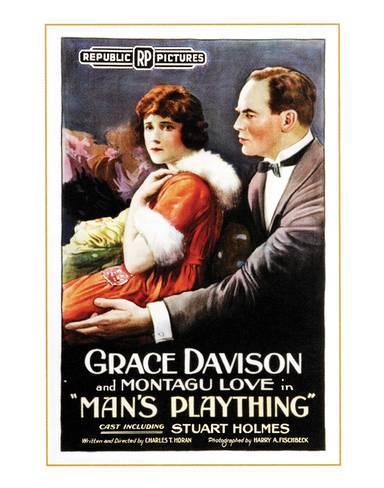
Dir: Charles Horan
While working as a flower girl in Devlin Maddox's nightclub, Nellie Vaughan meets wealthy young Pelton Van Teel and falls in love. Maddox, desirous of using Nellie to blackmail Van Teel, spreads a rumor that she is his mistress. This makes Nellie uncomfortable, and she demands that Van Teel marry her immediately, to which he agrees. Meanwhile, Van Teel has been losing money gambling to Maddox, who threatens to break up the marriage by producing a worthless check that the young husband has written. Venturing to Maddox's apartment for a showdown, Nellie pulls a gun and demands the check, accidentally shooting Maddox when he throws a lamp at her. Maddox plans to charge Nellie with assault, but when the police arrive, his butler, actually a detective employed by the elder Van Teel, exposes Maddox, who is then arrested, clearing the path for the couple's happiness.
View Details
Dir: Eduardo Notari
A crime drama in the Gennariello-series. The police detective in Naples that is confronted with modern gangsters and crime events.
View DetailsAnalysis relative to The Blue Boy
| Film Title | Atmosphere | Complexity | Similarity |
|---|---|---|---|
| A Fitting Gift | Surreal | Layered | 96% Match |
| Lord Loveland Discovers America | Ethereal | Linear | 89% Match |
| Kids Is Kids | Tense | Layered | 94% Match |
| Into the Light | Gothic | Abstract | 89% Match |
| Blackmail | Surreal | High | 88% Match |
This guide was algorithmically generated using the cinematic metadata of Arthur Maude's archive. Last updated: 6/25/2026.
Back to The Blue Boy Details →