
DbcultAccessing Vault...
Recommendations
Senior Film Conservator

For those who were mesmerized by The Calgary Stampede, a true Romance masterpiece from 1925, its influence on Romance cinema remains a vital reference point for fans today. This list serves as a bridge to other Romance experiences that are just as potent.
The legacy of The Calgary Stampede is built upon its ability to blend thematic complexity with stunning visual execution.
Champion Roman racer Dan Malloy falls in love with French Canadian Marie LeFarge, but is accused of killing her father. He evades the law until he wins the Calgary Stampede. He is freed when the real killer is identified.
The Calgary Stampede was a significant production in United States, showcasing the immense talent of Bob Gillis, Ynez Seabury, Walter Brennan. It continues to be a top recommendation for anyone studying Romance history.
Based on the unique thematic gravity of The Calgary Stampede, our vault has identified these titles as the most compelling follow-up experiences for fans of Romance cinema:
Dir: Herbert Blaché
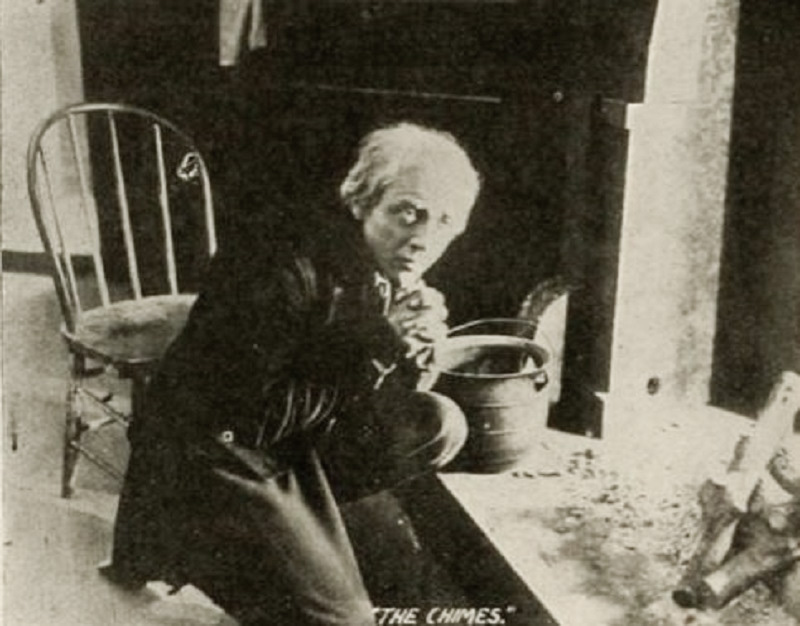
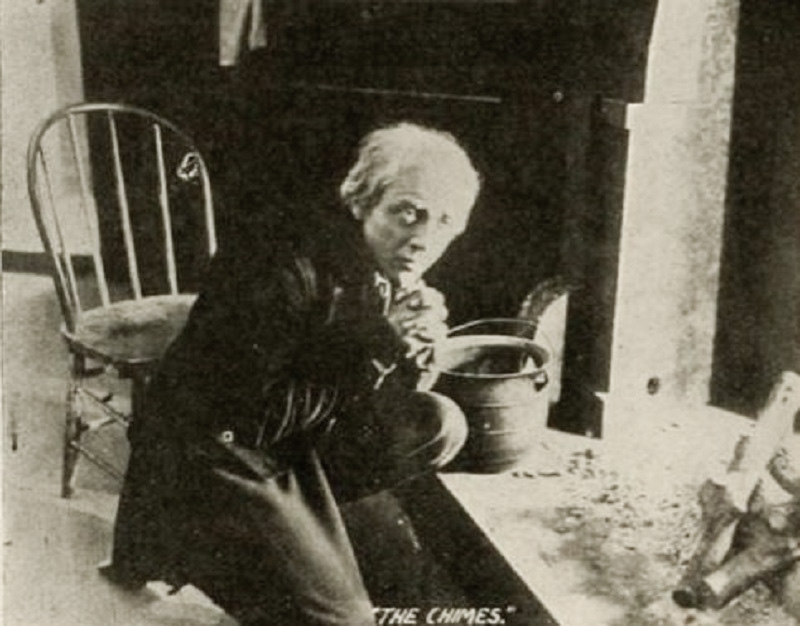
Trotty Veck, the licensed messenger, reconsiders his promise to allow the marriage of his daughter Meg to Richard, after being advised by Alderman Cute that it is a sin for the poor to wed. After his day's labors, he meets William Fern with his infant daughter Lillian seeking shelter from the authorities, who have threatened to hang him. The kind-hearted little man takes them to his humble home for the night. Far after midnight, Trotty, seated by the fireside and soothed by the chimes, falls asleep and dreams. His dream first takes him to the belfry of the old church, where the spirit of the chimes chides him for having done something he should not, and endeavors to show that the consequences might be, by picturing the future. In this vision, Trotty sees his daughter Meg living in poverty and acting as mother to Fern's daughter Lil, now grown to girlhood, Fern, in prison for his demonstration against the rich, and Richard, a drunkard from disappointment. Sir Joseph Bowley visits the little home and offers to adopt Lil, but instead mistreats her so that she is compelled to escape, but finally, upon promise from Sir Joseph to free her father, gives herself up to him, only to be ejected in time from his fine home with an unfortunate infant. She goes back to Meg and dies from the effect of her ill-treatment, leaving the infant to Meg, who in turn is compelled to leave her home due to her poverty. Going to the bridge, Meg attempts to end all for herself and infant. At this point Trotty's dreams come to an end. He now realizes that the poor as well as the rich have a right to marry, and hastens to correct his error. This done, he goes to check Fern, leading one of his meetings. Knowing the influence little Lil has on her father takes her and induces Fern to give up his plans. Trotty and Richard are taken prisoners by Sir Joseph's servants and brought before this despot, who instead of compelling Trotty to submit to his terms, is himself forced to sign a document giving the poor their rights.
View Details
Dir: Herbert Blaché
A fascinating piece of cinema that shares thematic elements.
View Details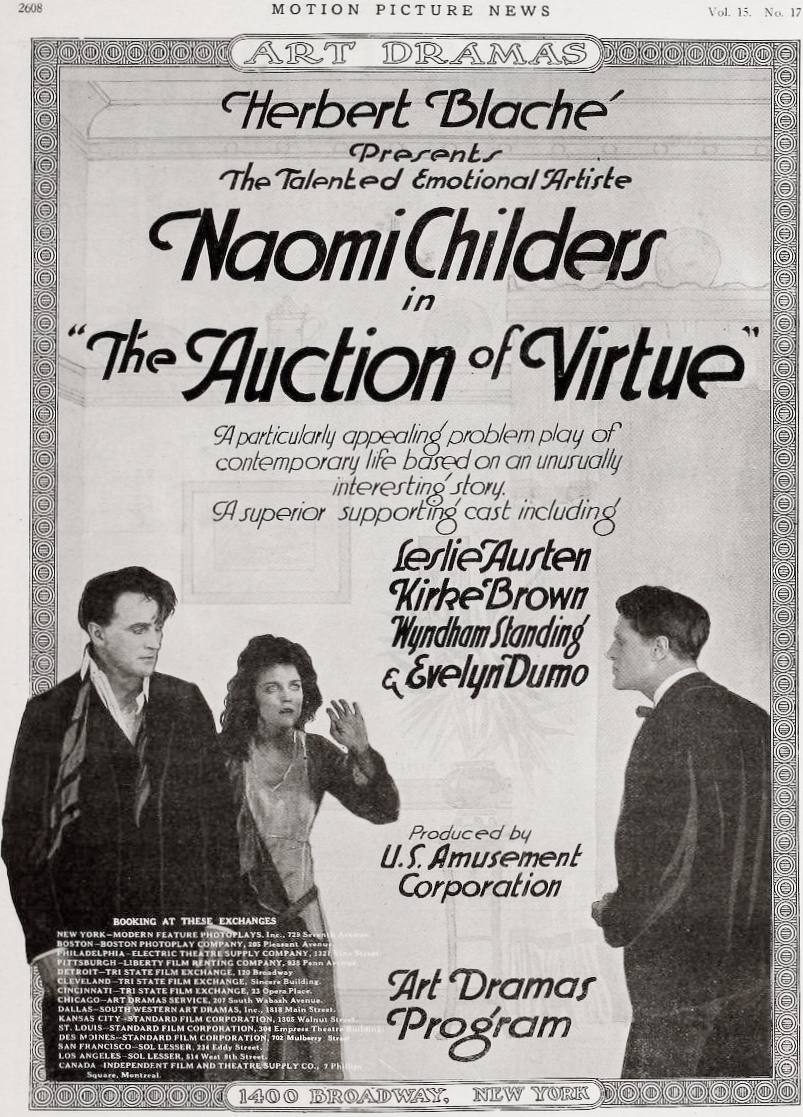
Dir: Herbert Blaché
Young Phyllis Shaw, tired of being poor, sets out to snag a rich husband. She meets a young artist named Jerry, who falls for her, but she rejects him because he's not rich. She then meets Kirke, who is exactly the type of man she's looking for, but with one problem--he won't marry her, but as his "kept woman" he will lavish her with money and gifts. What to do, what to do . . .
View Details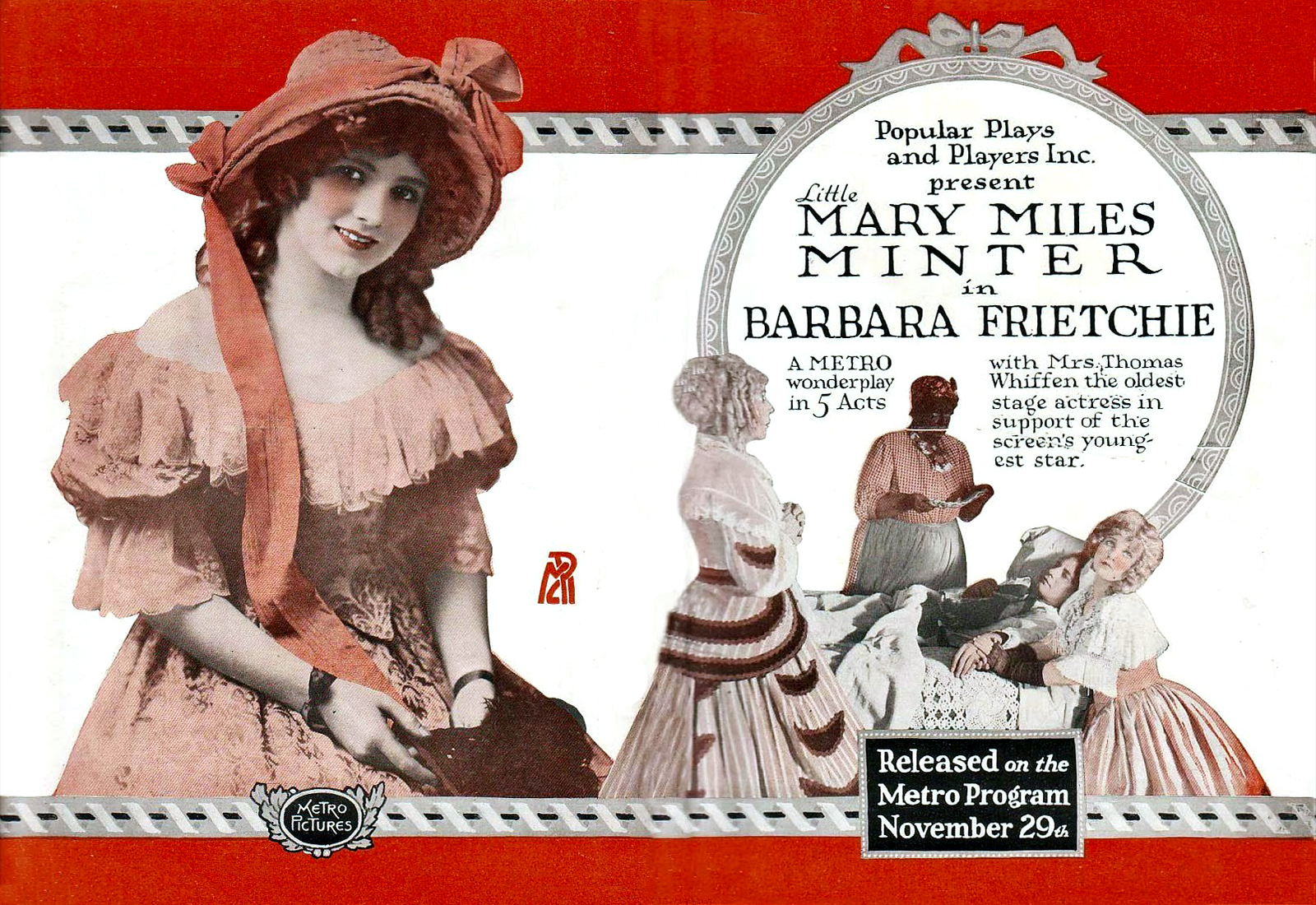
Dir: Herbert Blaché
An old woman in Frederick, Maryland during the U.S. Civil War displays her American flag in defiance of the armies of Confederate general Thomas J. Jackson. Based on the folk tale that grew from the poem by John Greenleaf Whittier.
View Details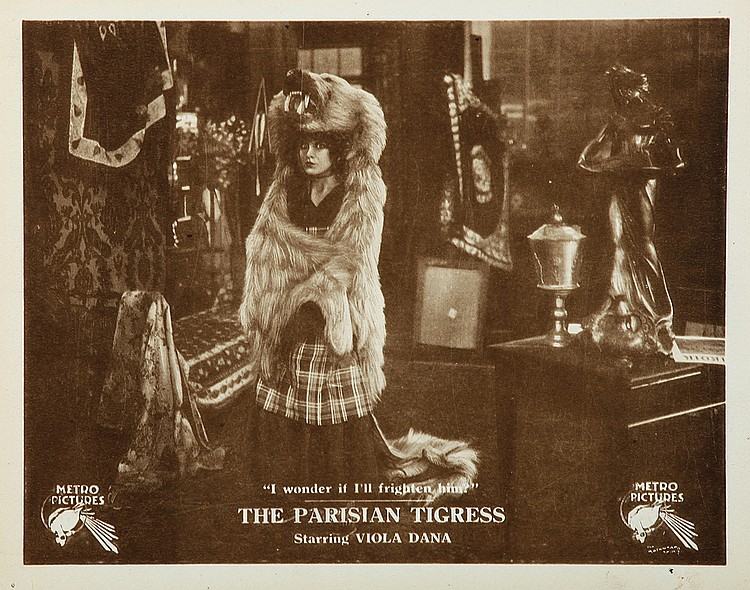
Dir: Herbert Blaché
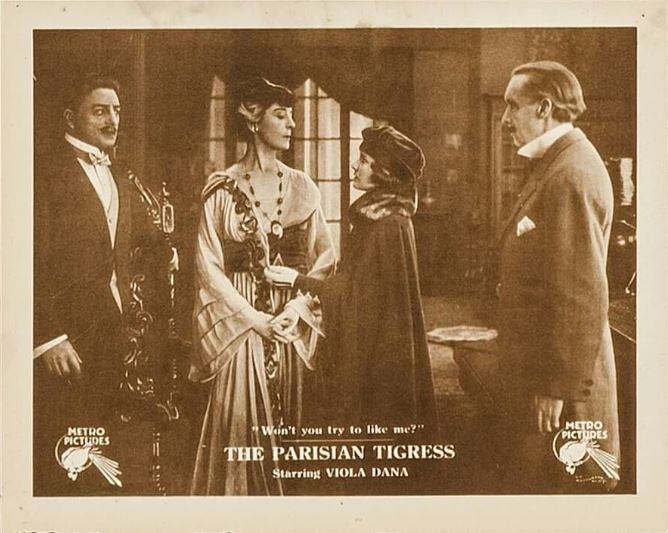
The invalid Count de Suchet, nearing death, tells his friend, artist Henri Dutray, about the tragic events of his early life. He secretly married a dancer, and after she gave birth to a daughter, his father convinced her that she was ruining her husband's life. She gave the baby to an old couple, and then killed herself. The grieving count now worries about his daughter. Meanwhile, Jeanne, an Apache dancer in Montmartre, refuses to be sold by her brother Jacques to an old rogue. After she escapes and hides in Henri's studio, Henri, because he needs money, plots with Jacques to make the count believe that Jeanne is his daughter. Although Jeanne rebels at first, she moves in with the count and grows to love him. After the count dies happily, Jacques robs the count's safe and finds a photograph of Jeanne's mother. The butler shoots him, but before he dies, he reveals that Jeanne really is the count's daughter. Jeanne then marries a boy from the adjoining estate.
View Details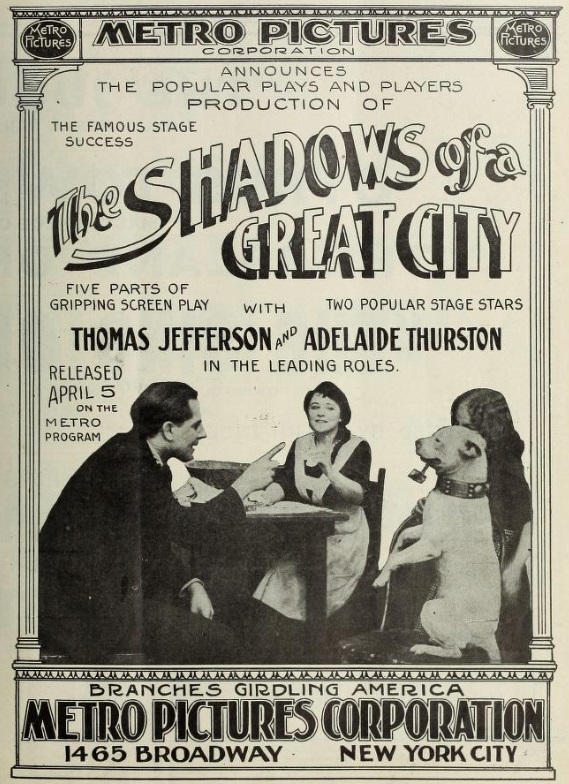
Dir: Herbert Blaché
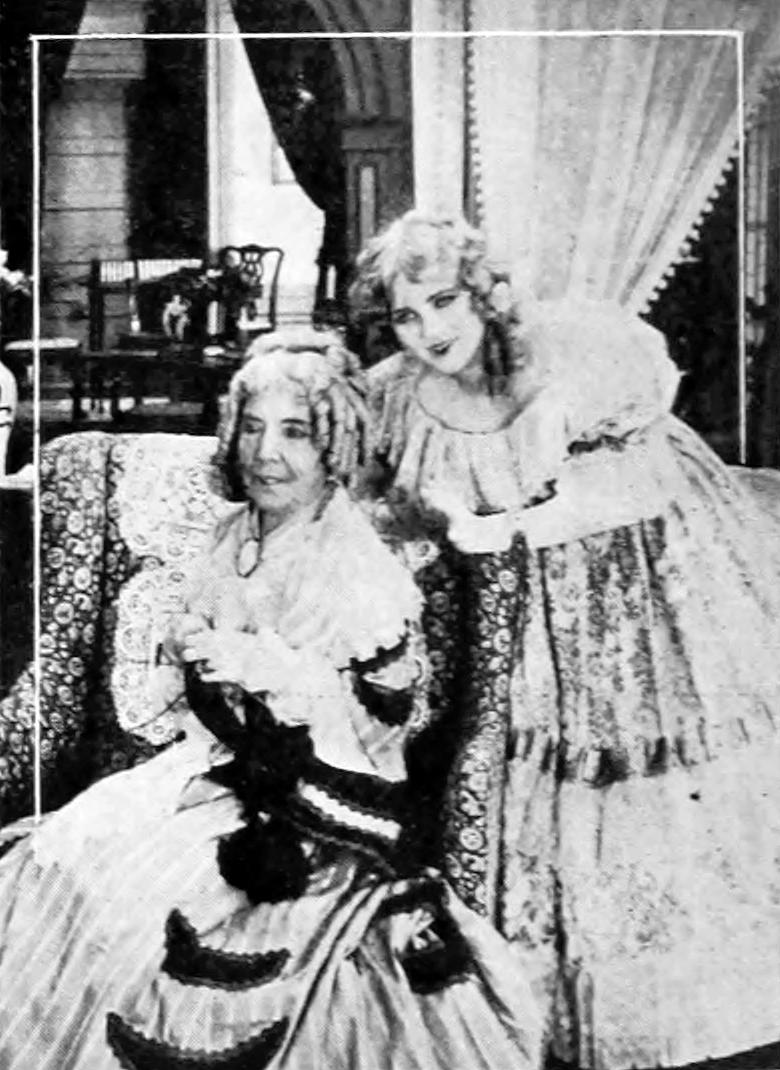
A young profligate son of a wealthy merchant falls in love with the daughter of an inventor, who has devoted the best years of his life to perfecting the machinery of his employer's plants. After an accident has caused the death of the inventor, the merchant, none too scrupulous, lays claim to an unpatented invention. Not aware of his father's acts, the merchant's son is courting the inventor's daughter, but parental opposition is interposed. Offering his son a half interest in his business if he will renounce his love for the girl, the father is dumbfounded when his son refuses and decides he wants the girl more than the money. Ordered from home, the son secures a job as stevedore on the docks. The foreman takes a dislike to the boy and tries to browbeat him. After a quarrel, the boy accidentally pushes the foreman into the river, runs away and tells his sweetheart that he has committed murder. Detectives pursuing him, arrest and bring him to headquarters, where he is sentenced to Blackwell's Island. During his sojourn on Blackwell's Island, he learns that the man he is supposed to have murdered is alive, and, enraged at the injustice of his sentence, he breaks jail. In the meantime his young sweetheart has also discovered his innocence through a friendly attaché of the Governor's office, and with his assistance dashes to Albany, where the Governor is persuaded to issue a pardon for her young hero. The next and last scene discloses the happy couple in their own little home.
View Details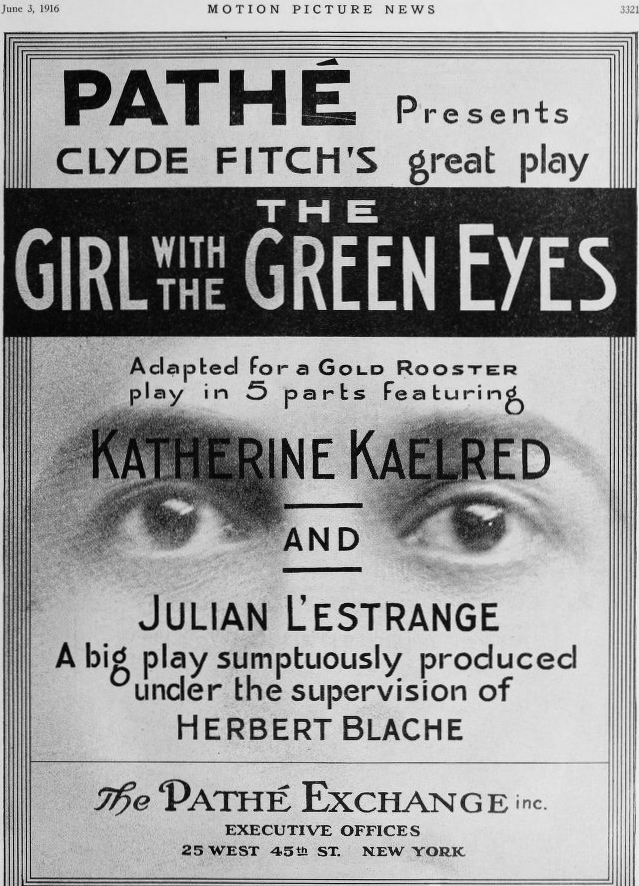
Dir: Herbert Blaché
Strolling through the park one evening, Travers comes upon a woman about to throw herself in the lake. It is his sister. She tells him she was betrayed by a man who is her son's father, and she is about to end it all because she is no longer able to endure her destitution. Travers soothes her and promises to take care of her and her son. He furnishes an apartment for them and makes frequent calls there. On one of them he is seen and recognized by Mansfield, a clubman of his, who is infatuated with Mrs. Travers and uses this suspicious, though unconfirmed, incident to try to persuade her to give him her love. Mrs. Travers, made credulous by her insane jealousy of her husband, slightly encourages Mansfield, who, with the bravado of his sort, boasts at the club of his affair with her. Travers hears of this and is uncontrollable. He sends for his sister to come to his dressing room in the theatre, and Mansfield, hearing of it, brings Mrs. Travers to surprise him. Here is the big scene of the play wherein Travers demands of Mansfield an explanation of his conduct, and Travers' sister recognizes Mansfield as the man who deserted her. Travers attempts to kill Mansfield, who is saved by the police. Then Mrs. Travers, learning the identity of "the other woman," and ridden by remorse for the jealousy that has made her doubt her husband and lose his love, attempts to poison herself. She is saved, however, and reunited to her husband by a love whose constant light outshines the occasional flashes from her "green eyes."
View Details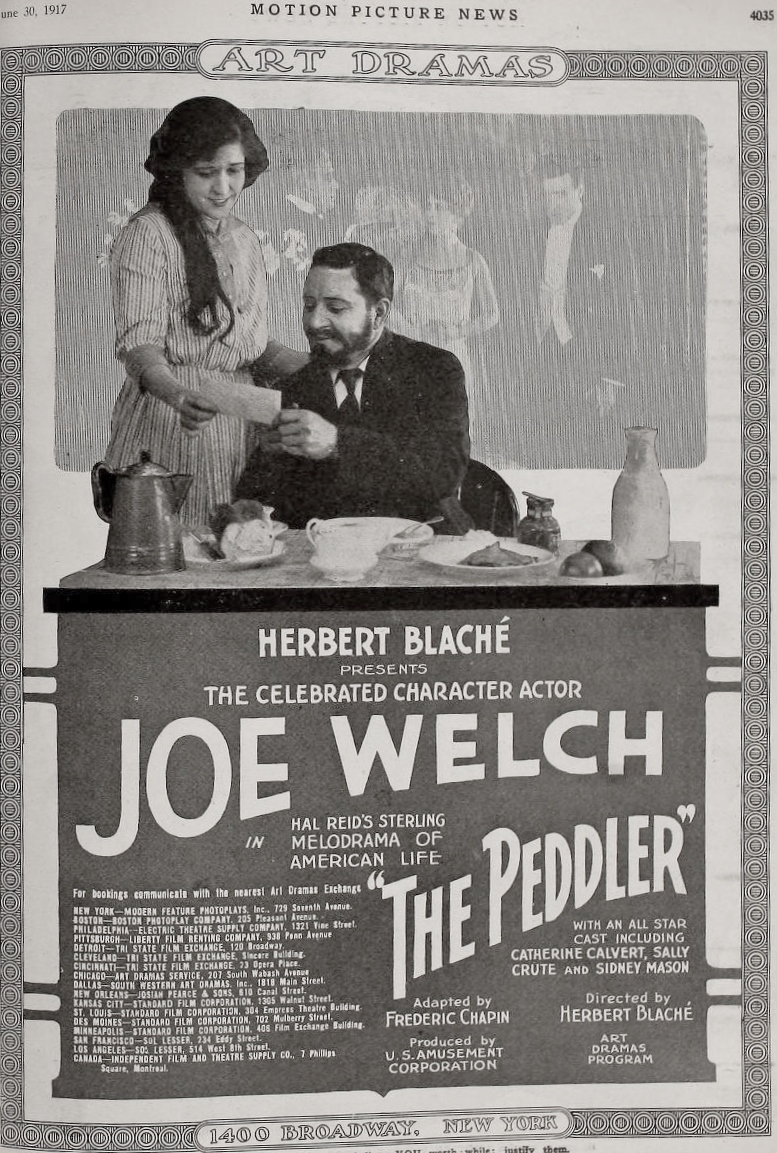
Dir: Herbert Blaché
Abraham Jacobs, an itinerant Jewish country peddler, saves his pennies until he can afford to open a small second-hand clothing store. Unfortunately, Abraham's son Sonny has not inherited his father's decent, hard working instincts, and when his mistress, Mrs. Morgan, is in need of money, Sammy robs Abraham's safe and then disappears. Time passes, and oil is discovered on a tract of land left to Abraham by his late wife. Although he can now afford to live in comfort with his adopted daughter Mary, Abraham still strongly feels the loss of his son. His life is finally made complete when Sammy returns repentant to marry Abraham's housekeeper Sarah, and the old peddler, his struggles now over, is able to spend the rest of his days surrounded by his family.
View Details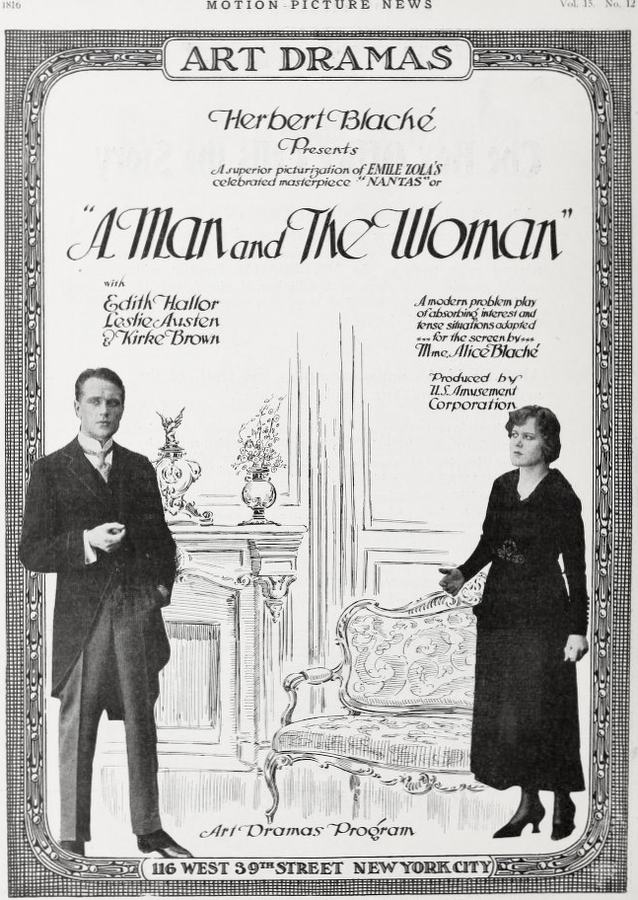
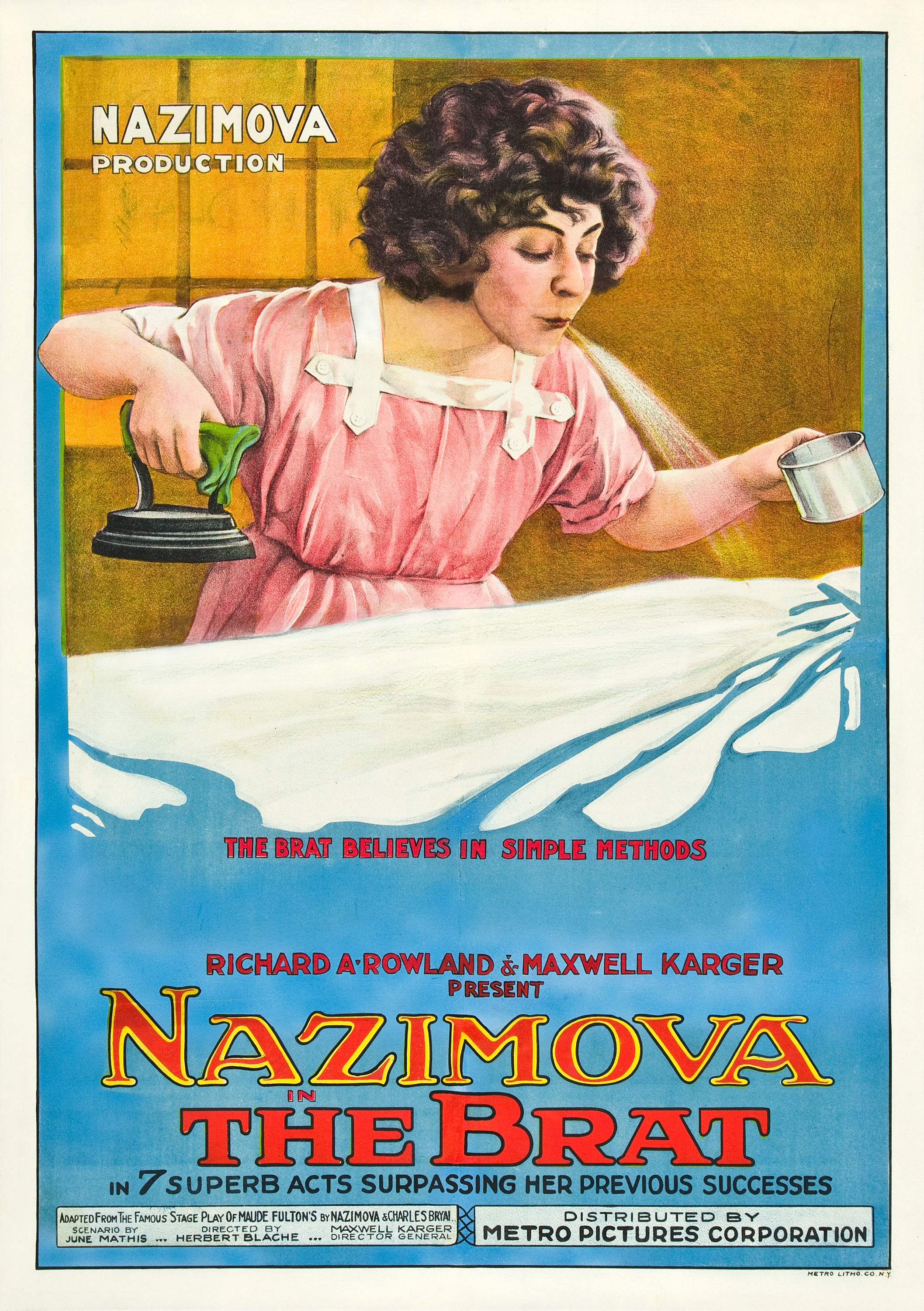
Dir: Herbert Blaché
An unkempt chorus girl is arrested on a minor charge. In court, she is spotted by a novelist who is looking for someone of her type on whom to model a character in a book he is writing. He takes her into his home where she is looked down upon by his snobbish family. But the girl brings something to the family unlike anything they have known before.
View DetailsAnalysis relative to The Calgary Stampede
| Film Title | Atmosphere | Complexity | Similarity |
|---|---|---|---|
| The Chimes | Tense | Abstract | 93% Match |
| A Woman's Fight | Ethereal | High | 98% Match |
| The Auction of Virtue | Surreal | Dense | 91% Match |
| Barbara Frietchie | Ethereal | Abstract | 97% Match |
| The Parisian Tigress | Gothic | High | 89% Match |
This guide was algorithmically generated using the cinematic metadata of Herbert Blaché's archive. Last updated: 8/17/2026.
Back to The Calgary Stampede Details →