
DbcultAccessing Vault...
Recommendations
Senior Film Conservator
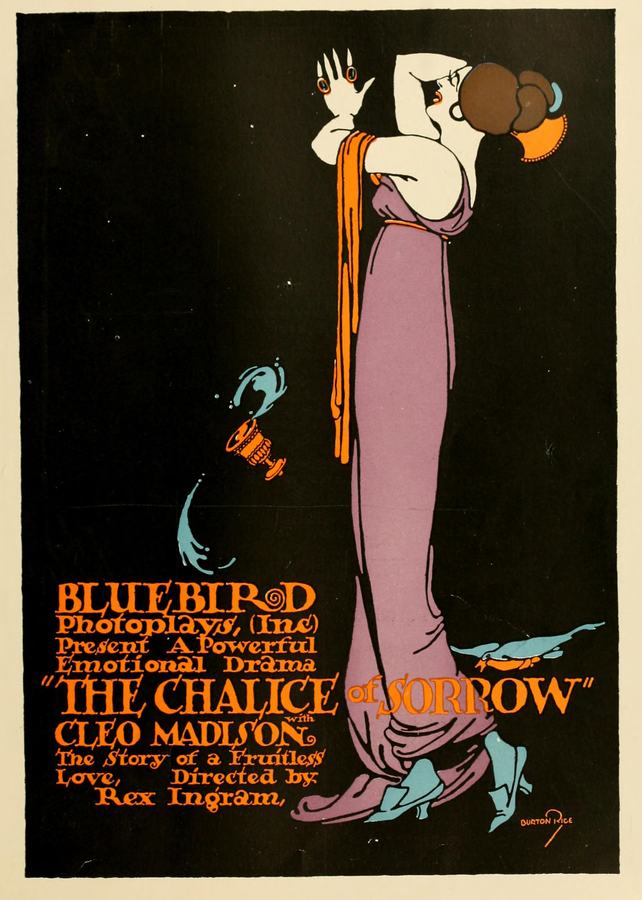
After experiencing the stylistic flair of The Chalice of Sorrow (1916), finding other movies that capture that same lightning in a bottle is a top priority. These recommendations provide a deep dive into the same stylistic territory occupied by The Chalice of Sorrow.
This 1916 cult classic stands as a testament to challenge the status quo through its avant-garde structure.
Opera goers had never heard such a "Carmen" as Lorelei, the American girl, who had come to Mexico City, almost unheralded, and captivated the town. Francisco De Sarpina, governor of the province, coveted the girl, and with his power was able to sweep aside all opposition. Marion Leslie, an American sculptor, had rejoiced when he secured the commission to supply frescoes for one of the local cathedrals; he could be near Lorelei, his betrothed, during the grand opera season. Rance Clifford is the American consul and his sister, Isable, lives with him at the consulate. When Clifford files a telegram that promises to lead to an investigation of Sarpina's action the American is arrested and thrown into jail. Isable Clifford had at one time relieved the family of Pietro, the jailer. In their distress and thus gained the gratitude of Pietro and his wife. Isable hears of her brother's imprisonment and bribes Pietro to provide Clifford with means of escape. The Cliffords and Leslie are friendly and when Clifford escapes, he goes to the cathedral, to find shelter until he can plan the next move. Isable has consented to pose for a head of the Madonna and Lorelei is needlessly jealous. Lorelei arrives, demands admittance, and during the brief interval Leslie employs to hide Clifford, Lorelei's jealousy is set aflame. Sarpina discovers that his prisoner has escaped. He elicits from the jailer a confession that involves Isable. The cunning Mexican devises a scheme to play upon Lorelei's jealousy by forging a note to the opera singer that implicates Leslie and Isable. The forgery fires Lorelei's jealous passion, and she divulges Clifford's hiding place. Leading the Mexicans to Leslie's home she enters to find Clifford and his sister with Leslie. The situation is explained and Leslie directs Clifford and Isable to a nearby hiding place from whence they ultimately escape to safety. When the Mexicans enter Leslie's home, and find the singer and Leslie the only occupants, Sarpina demands that the whereabouts of his prisoner shall be disclosed. Sarpina's men seize Leslie and torture him when he will not betray the American refugees. Lorelei is a witness to the scene and when she can no longer bear seeing her betrothed punished, she tells where Clifford and Isable may be found. Leslie is ordered to jail, to be shot next morning. When Clifford and Isable cannot be found (because they have fled) Sarpina tells Lorelei that his vengeance will fall upon the head of her sweetheart. Surrendering herself to Sarpina is given as Lorelei's only method of saving Leslie's life. Lorelei dines with the Mexican brute and agrees to render the tribute demanded of her. First, however, Sarpina must deliver to her passports for two and instruct his executioner that only blanks shall be fired at Leslie in his pretended execution at sunrise. Five minutes alone with her betrothed is allowed Lorelei. Returning to Sarpina's apartments Lorelei, during a struggle with the Mexican, stabs him dead. Morning breaks, and Lorelei goes, passports in hand, to the place where her sweetheart lies prostrate upon the ground, cold in death. Shocked beyond human endurance, the singer falls upon the breast of her betrothed.
Critics widely regard The Chalice of Sorrow as a cult-favorite piece of cult cinema. Its stylistic flair is frequently cited as its strongest asset, solidifying its place in United States's film legacy.
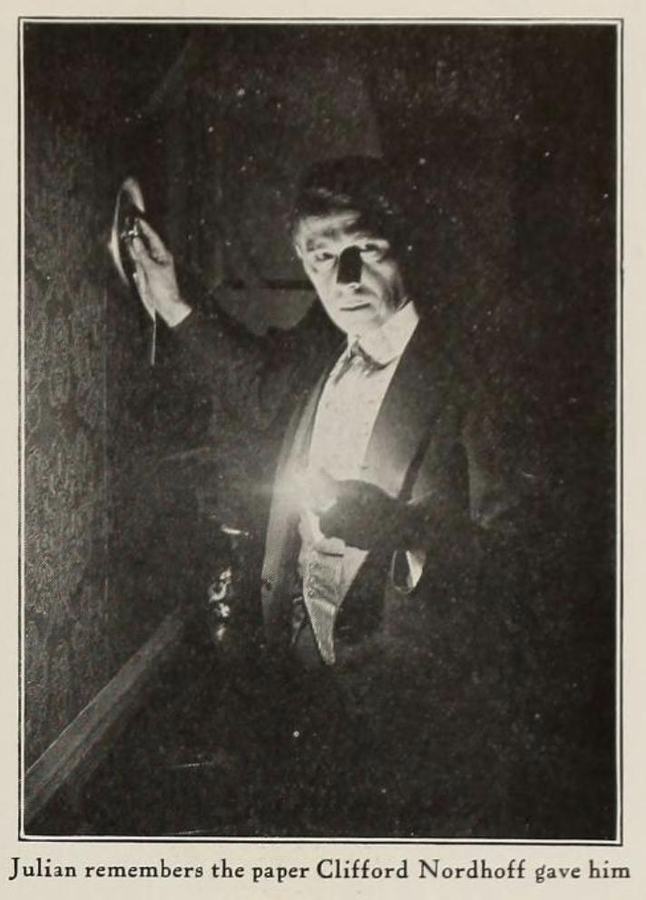
Based on the unique stylistic flair of The Chalice of Sorrow, our vault has identified these titles as the most compelling follow-up experiences for fans of cult cinema:
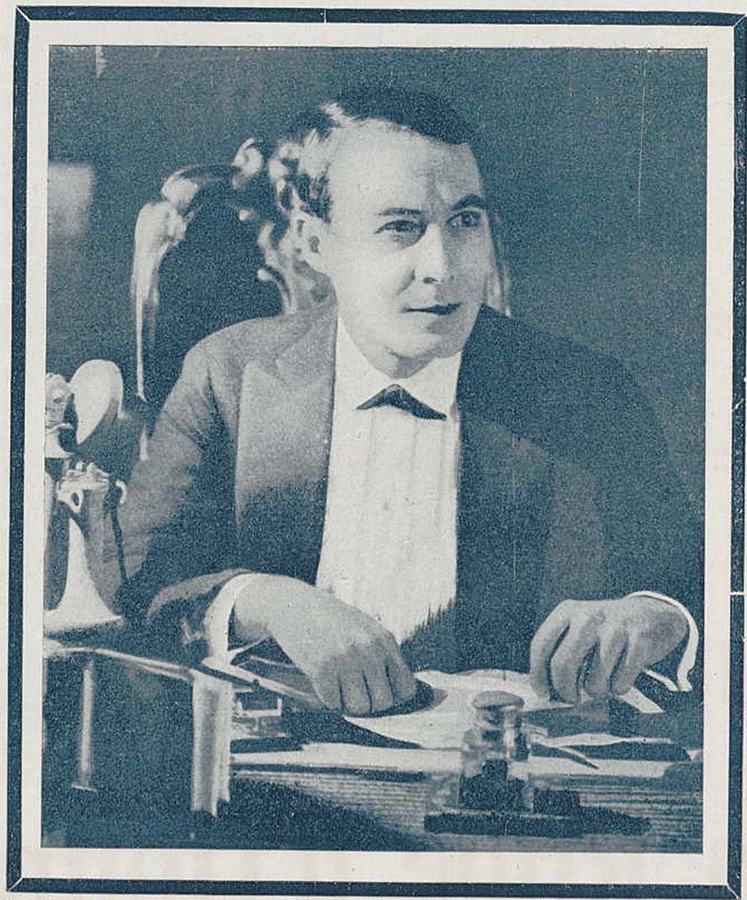
Dir: Rex Ingram
Julian Randolph, a dishonest attorney whose specialty is furnishing phony jurors, is offered a judgeship if he clears Clifford Nordhoff, the brother of powerful politician "Boss" Nordhoff, of a murder charge. With the aid of his usual tools, Randolph succeeds and is given a position on the bench. Here he is expected to obey the commands of the men who secured his appointment, but Ranoldph falls in love with Laura Nelson, a girl of upstanding social position, and resolves to follow the straight path. He breaks off with Roxana Frisbee, an adventuress who had assisted him in his shady schemes, and refuses to hand down a decision in favor of the political machine. In the end, Randolph upholds justice, wins Laura as his wife, and has the gratification of seeing Roxana also go straight.
View Details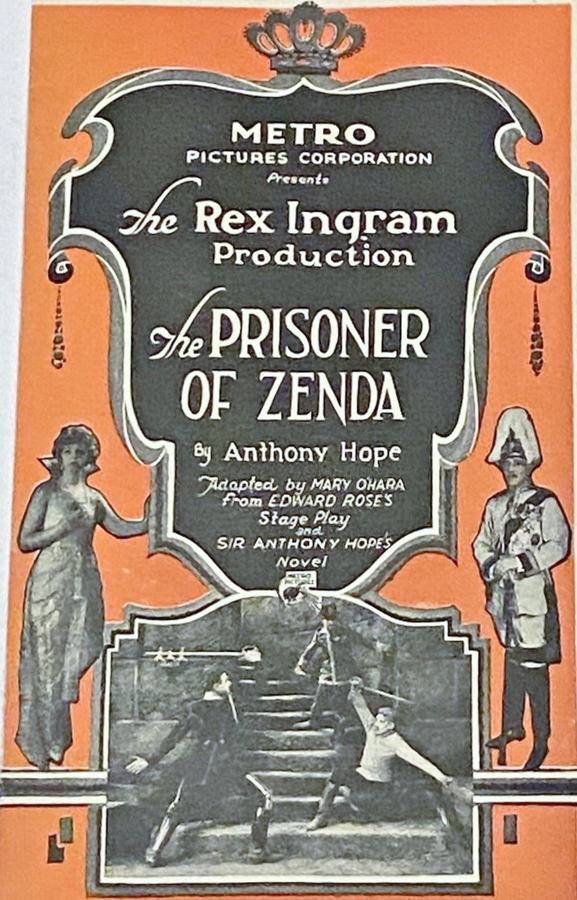
Dir: Rex Ingram
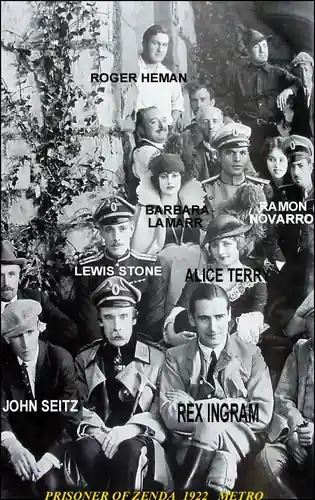
When the king is drugged and abducted by his ambitious brother, a lookalike relative must take his place to keep the evil sibling off the throne.
View Details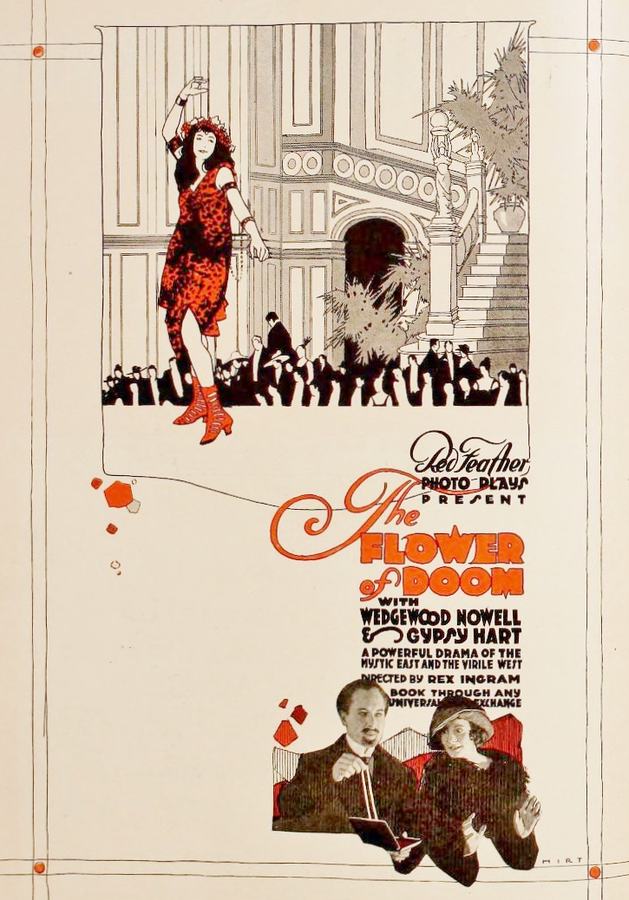
Dir: Rex Ingram
At a meeting of the Hop Sing Tong, a Chinaman chooses the red bean and is destined to kill one of his countrymen. Later this Chinaman kills his condemned countryman, and the gang manage to throw the officers off the track of the murderer. However, the police suspect that it is the work of the Hop Sing Tong and are instructed by the chief to arrest Charley Sing, as one Chinaman is as good as another. Big Tom Hogan, the Tammany leader, is visited by Buck Mahoney, a gang leader, a friend of Charley Sing's, who has come to get Hogan to have the Chinaman released, for he knows he is innocent. Hogan forces the Governor to pardon Charley Sing. Samuel Savinsky, the keeper of a pawnshop, is thought much of by his wife and family, who never suspect his affair with Neva Sacon. He gives her money and jewels, and becomes jealous of Harvey Wilson, a reporter. Paul Rasnov, a sculptor and a dope fiend, pawns valuable trinkets at Savinsky's store to buy opium at the store of Ah Wong, the leader of the Three Brothers Tong. Tea Rose, Ah Wong's wife, consents to run away with Paul. Buck meets Harvey and says he will show him secrets of Chinatown if Harvey will expose the Boss in his paper. Buck guides Harvey into the building of the Hop Sing Tong. Harvey is enthusiastic over a silver flower, and Buck, seeing no one is looking, tells him to keep it. That evening Harvey gives Neva Sacon, the café dancer, the poppy, the Flower of Doom. The next day Harvey and Neva go to Chinatown and stop at Ah Wong's store to eat. The proprietor sees Neva and makes plans to kidnap her. While Harvey is in another room, a panel opens behind her and she is pulled through the opening. When the reporter returns a servant tells him that the lady has just left. He hurries to tell Buck about the strange disappearance. The Chinamen leave Neva in a small room. Left alone with a Chinaman at one time, the girl offers him a curious ring which Savinsky has given her, if he will deliver a message to Harvey at the newspaper office. The Chinaman is informed that the reporter is not in, and thus satisfied, the Chink goes to Savinsky's pawnshop to get rid of the ring. The pawnbroker recognizes the ring and forces the Chinaman to tell now he got it. With a policeman Savinsky starts for Ah Wong's, but when the officer threatens to break down a door, Savinsky is frightened, and hurriedly leaves the place. Buck appeals to Charley Sing to find Neva, and following Charley's suggestion, Tea Rose is kidnapped while a letter written in Chinese is sent to Ah Wong telling him of Tea Rose and offering her in exchange for Neva. Ah Wong consents, and that evening Neva is restored to her people and Tea Rose to her husband. Savinsky, seeing Neva again in the company of Harvey, realizes he has lost and goes to her to demand the jewels he has given her. Harvey returns with Neva, and when Savinsky begins to quarrel about his rights, the reporter throws him out. Harvey proposes to Neva who accepts his offer. Warned by a spying Chink that Tea Rose and Rasnov are going to run away that evening, Ah Wong plans to spoil their party. He hides in the place where the girl is expecting to meet Rasnov, and springing on her drags her into a room and strangles her. Rasnov waits for Tea Rose, and Ah Wong rushes in at him. They fight, and the Chinaman lifts Rasnov up to hurl him against the wall when his foot slips and his skull is crushed against the stone steps of the grating. Having lost Tea Rose, Rasnov consoles himself with opium.
View Details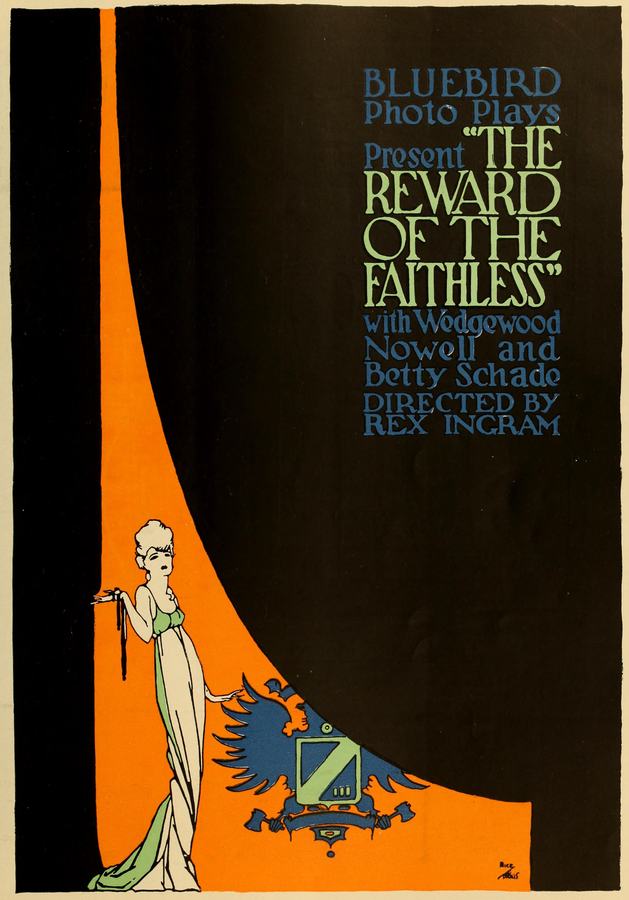
Dir: Rex Ingram
Guido Capanelli is an adventurer, his good looks and courtly bearing helping him through many successes. He has gained entrance to the best society, incidentally making the acquaintance of Princess Dione, whose father. Prince Paul Ragosin, is in feeble health. Prince Ragosin has expressed a wish that Princess Dione shall marry Feodor Strogoff, and on his death bed gains the promise from Dione that his wish shall be gratified. Feodor allows Guido Capanelli to be Dione's greatest source of sympathy in the hours of her grief, and in consequence, Guido so ingratiates himself with the Princess that she marries the adventurer, regardless of her pledge. Previous to Prince Ragosin's death Dione became interested in Katerina Vlasoff, a girl who is a street vendor of crude images and daughter of Peter Vlasoff, a drunken beast. When the girl returns home one evening without having made a sale all day Vlasoff sends her into the streets, threatening her with harm if she does not return with money to buy him wine. Katerina is accosted by Guido Capanelli, and; submits to his advances that she may have money to take home. She is so humiliated that she is glad to take her brother's advice to visit Princess Dione, the friend of everybody who is poor and in distress. Touched by Katerina's story, Princess Dione sends the girl to a convent, having gained Prince Paul Ragosin's consent to thus befriend the outcast. After Dione and Guido are married, Katerina returns from, the convent to make her home with her benefactress. Guido, under threat of exposing Katerina, demands a renewal of their relations and the deceitful couple start at once to plot against Princess Dione. When the Princess falls ill, they appoint themselves her nurses and in neglecting to administer medicines properly create a comatose condition that closely resembles death. The Princess is buried and Guido and Katerina establish themselves in control of her lands and fortune. When Dione had married Guido she received a book from Feodor Strogoff with an inscription in effect that he would always stand ready to befriend the woman he loved, but had discarded Slim for another. After the Princess is entombed, Feodor visits the sepulcher and discovers that Dione is alive, having simply been in a trance. Convinced, by what she herself witnessed of the treachery of her husband and Katerina, the Princess goes with Feodor to Rome, for the purpose of biding their time for vengeance. Guido and Katerina visit Rome and Guido becomes enamored of a famous beauty who has become the toast of the town. The woman is slow to accept Guido's advances, but finally tells him that a famous ring that has been buried with the Princess Dione will be the price of her affection. When Guido returns to the sepulcher to rob his wife's corpse, he finds the coffin empty. As he turns away from the tomb, he sees what he believes to be the ghost of the Princess. The apparition drives him insane and he runs to a nearby cliff and throws himself into the ocean. Katerina returns to the street from whence she came and Princess Dione and Feodor find happiness in marriage.
View Details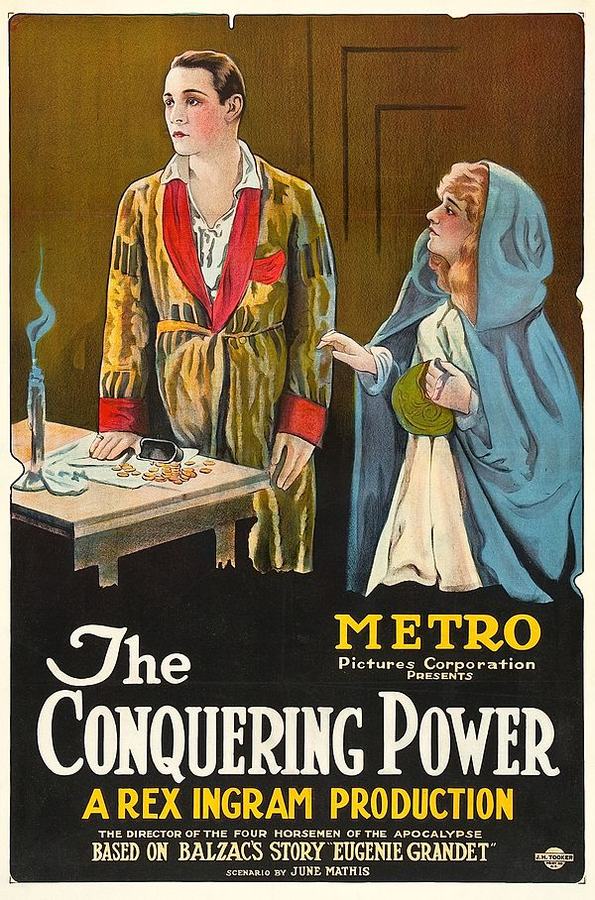
Dir: Rex Ingram
After losing his father, a playboy moves in with his miserly uncle, who seeks to cheat him out of his inheritance.
View Details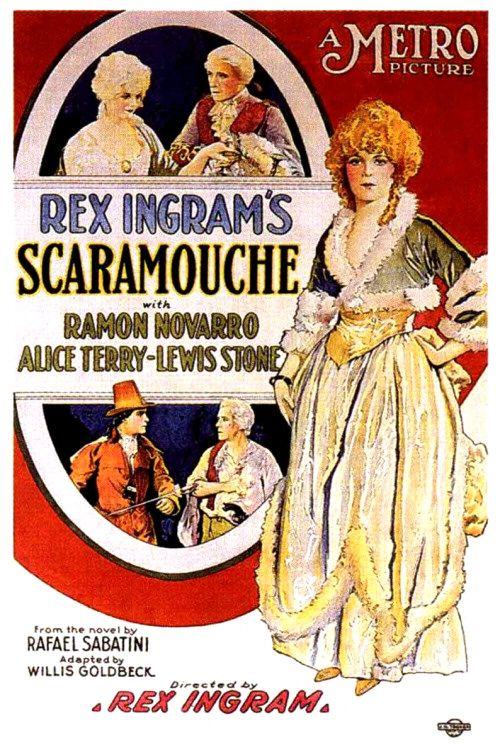
Dir: Rex Ingram
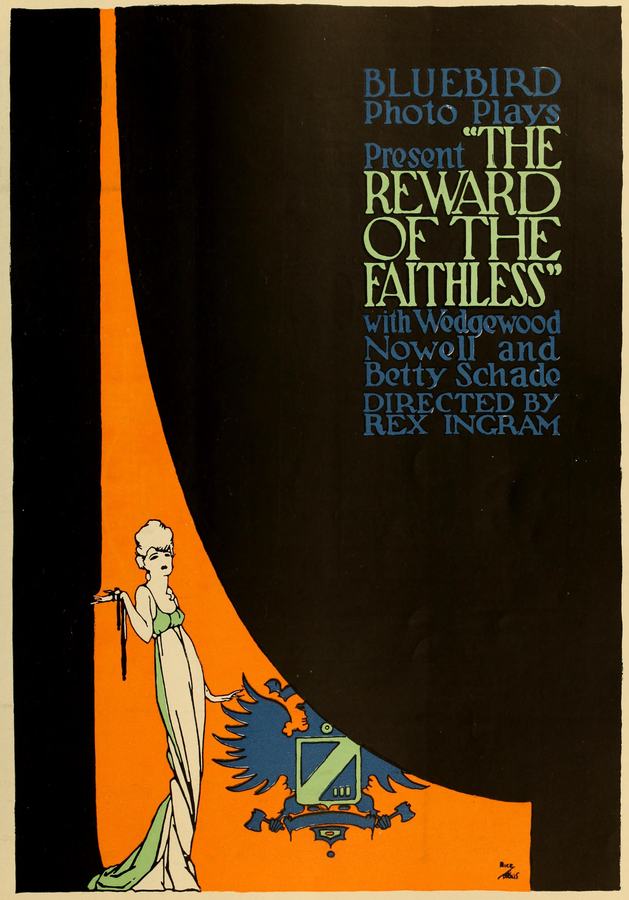
When a nobleman murders his best friend, a lawyer becomes a revolutionary with his heart set on vengeance.
View Details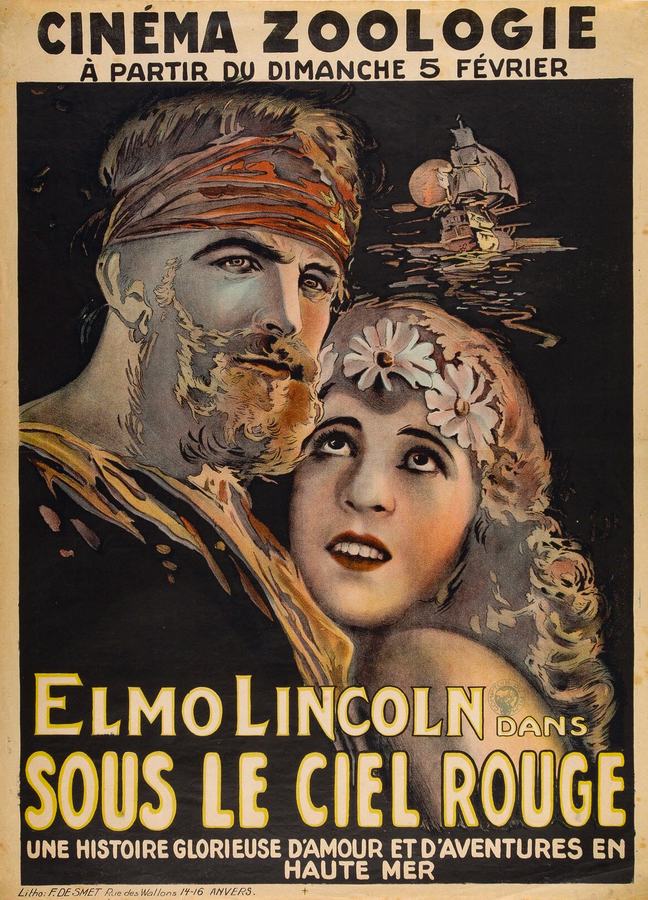
Dir: Rex Ingram
The captain of a sailing ship has an affair with the wife of one of his passengers, and gets mixed up in a mutiny at sea and a revolution.
View Details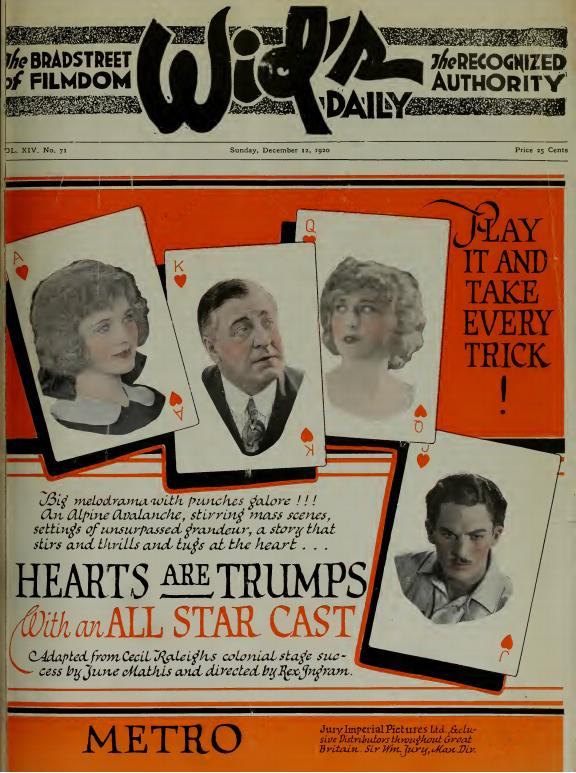
Dir: Rex Ingram
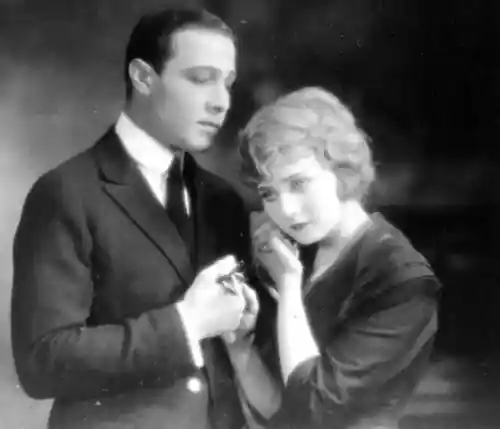
Hearts are trumps when Lady Winifred secretly marries gamekeeper Michael Wain. The discovery of marriage by her father Lord Altcar, who is bent on trading his daughter to Lord Burford in order to cover his losses at cards, causes Altcar to have Wain horribly beaten and dismissed with a warning never to return. Years later when Wain returns, embittered and bent upon revenge, he buys up the mortgages on Altcar manor and is arranging for foreclosure when he learns an astounding fact: Lady Winifred's convent-raised daughter Dora is engaged to American artist John Gillespie, but her hand is sought by the same Lord Burford who sought that of her mother. Conspiring to destroy Dora's love for John, Burford attempts to disgrace the girl by having a nude body attached to the portrait that Gillespie painted of her. Shamed and brokenhearted, Dora runs away to the convent in the Alps, causing her father to accept his paternal responsibility and reconcile himself with Lady Winifred. Burford, having discovered Dora's destination, attempts to have her abducted, but her lover, father and mother follow in pursuit and, after many tribulations, the four are reunited during a blinding snowstorm.
View Details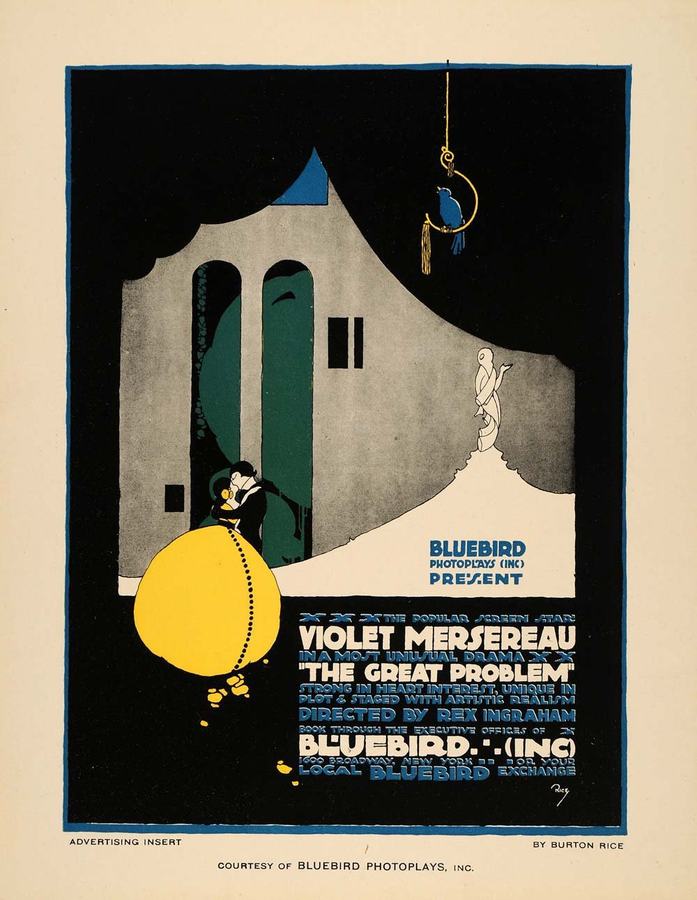
Dir: Rex Ingram
Bill Carson is sentenced to 12 years for housebreaking. He vows that he will, upon ending his term, have vengeance upon George Devereaux, the prosecuting attorney whose speech swayed the jury to conviction. Carson's little daughter Peggy is being raised by his pal Skinny McGee; the mother died of shock after Carson's conviction. When Skinny dies, the girl Peggy turns to picking pockets for a livelihood, Skinny having brought her to proficiency in this line as her only education. There is a scene pictured in the board rooms of a reform organization. Devereaux accepts a challenge that he cannot take a criminal and reform him by improved and beneficial surroundings. Peggy is brought into a police station on charge of picking pockets, and is chosen to be the one upon whom Devereaux shall practice his experiment. Taking her to his palatial home, Devereaux seeks for two years to train Peggy in the better way. His efforts are variously successful, and finally a young man proposes marriage to Peggy and is accepted. Upon arriving at the church Peggy discovers that she is in love with Devereaux, and flees from the wedding party in consternation. She decides to return to her old life, and departs from the Devereaux home without making her intentions known. About this time Carson ends his term of imprisonment. He seeks to conclude his vengeance by shooting Devereaux, and for that purpose waits for him to come from his house. Carson is hiding behind a tree, when he is recognized by Peggy and when, on the instant that Carson is about to fire a revolver at Devereaux, the girl throws herself before her father and receives in her own body the bullet intended for Devereaux. The story acquires its ending in the recovery of Peggy, the avowed reformation of her father, and the final picture shows Peggy once more established happily in the home where we are led to believe she will, in legal and ceremonial form, eventually become a permanent resident.
View Details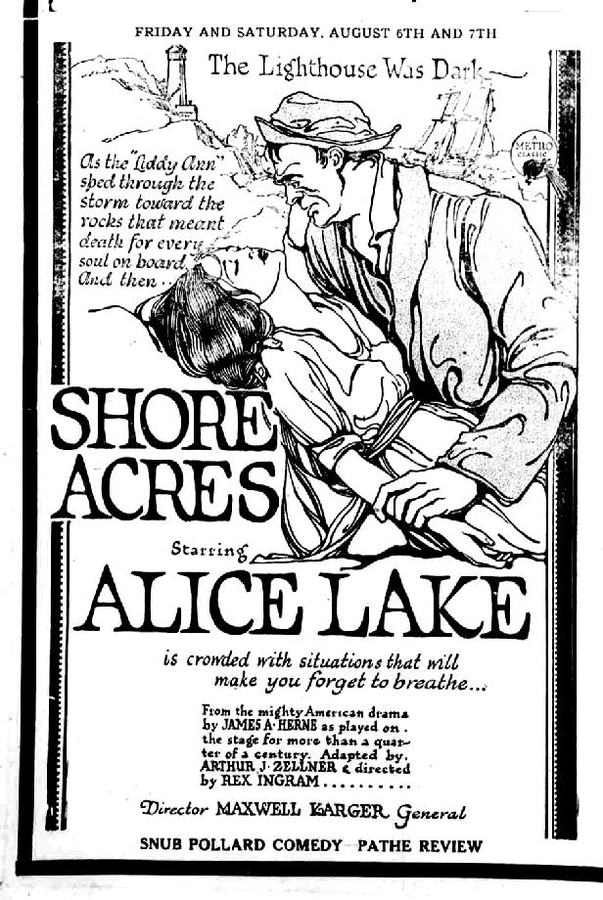
Dir: Rex Ingram
Brothers Nat and Martin Berry have shared the farm at Shore Acres and attended to the lighthouse on the rocky coast for many years until banker Josiah Blake induces Martin to speculate in oil, lending him the money and taking a mortgage on the farm as security. When Martin loses his money, Blake suggests that he would overlook the debt in exchange for the hand of Martin's daughter Helen in marriage. However, Helen is in love with clerk Sam Warren, and with Nat's help, the couple escape Helen's arranged marriage. Boarding a vessel obtained for them by Nat, they sail out to sea when a storm hits. Martin, enraged by their betrayal, refuses to rekindle the lantern in the lighthouse, and the couple's boat crashes into a reef. The next morning Martin, filled with remorse, discovers the couple clinging to the wreckage, and the family is happily reunited.
View DetailsAnalysis relative to The Chalice of Sorrow
| Film Title | Atmosphere | Complexity | Similarity |
|---|---|---|---|
| His Robe of Honor | Gritty | Dense | 88% Match |
| The Prisoner of Zenda | Surreal | Layered | 97% Match |
| The Flower of Doom | Surreal | Dense | 87% Match |
| The Reward of the Faithless | Ethereal | Abstract | 93% Match |
| The Conquering Power | Gritty | Linear | 97% Match |
This guide was algorithmically generated using the cinematic metadata of Rex Ingram's archive. Last updated: 6/27/2026.
Back to The Chalice of Sorrow Details →