
DbcultAccessing Vault...
Recommendations
Senior Film Conservator
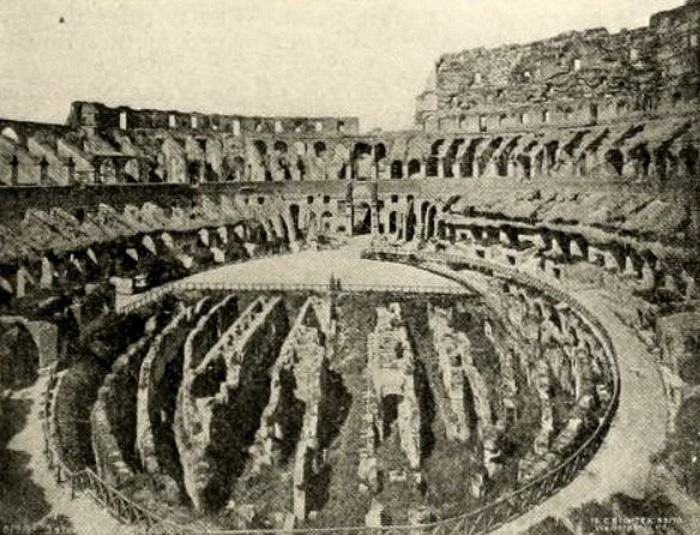
Delving into the atmospheric depths of The Colosseum in Films reveals a master at work, the visual language established by Unknown Director is something many try to emulate. From hidden underground hits to established classics, these are our top picks.
The enduring power of The Colosseum in Films lies in to synthesize diverse influences into a singular artistic statement.
The Vero Educational Society has released a great original educational feature in four parts called "The Colosseum in Films." The films were made in Rome by special permission of the Italian government and according to directions by W. Stephen Bush, of The Moving Picture World. The first pact consists of the exteriors, the entrances and interesting views of modern Rome taken from the upper stories of the Colosseum. We see the famous "Meta Sudante," the ancient "Sweating Corner," so named after the sweating gladiators, who after the combats in the arena retired to the "Meta Sudante" to bathe their heated bodies in its cooling mains and fountains. It was through the "Meta Sudante" that the builders of the Colosseum introduced the vast water supply into the huge edifice. Indeed the "Sweating Corner," of which various views are introduced, was part of the Colosseum itself. It stands close to the famous arch of Constantine and in its original size was many times larger than the arch itself. The next view we get is that of the famous outer wall of the Colosseum, which we see from the oldest botanical garden in the world. The order of the columns in the different stories of the building is well portrayed and we are able to distinguish after the lapse of twenty centuries some of the numbers over the entrances to the Colosseum. The picture then goes on to show the wonderful work of restoration done by the Popes of Rome from 1750 to the pontificate of the late Pope Pius IX, whose buttress at the entrance commonly used by tourists is familiar in its graceful outline to many who have seen the more popular pictures of the great theater. All the walls made of the ancient Travertine stone which was brought to Rome from Tivoli mostly by Jewish captives which the Emperor Titus brought to the eternal city after the destruction of .Jerusalem show holes which it is said were made by the Vandals when they found that they were unable to destroy the Colosseum. These boles testify to the impotent rage of the barbarians. The views of Rome taken from the various stories of the Colosseum are full of panoramic beauty and historic interest. The second part shows the lower floor and the ever famous arena where so many bloody contests occurred between man and beast and more often between man and man. There are memorial tablets in honor of the Christian martyrs, who died in the arena rather than abjure their faith. The wonderful first lobby is shown with splendid detail and is a fine specimen of black and white photography. Most portions of the feature are tinted. We see the remains of the marvelous sculpture which adorned the various parts of the Colosseum from the upper stories down to the lodges of the Emperor and the Vestal Virgins. Even in its decay the heads and bodies of these columns and frescoes are surpassingly beautiful. There is also shown what remains of a mysterious fresco, said to have been brought from Jerusalem under the reign of Titus. In the left hand corner of this fresco is a strange representation of the crucifixion. Not a bit less interesting are the pictures of the stories and lodges. Every part of the auditorium proper is shown in detail and one realizes with amazement how entirely credible is the statement of the historians that not less than 80,000 spectators could be accommodated in the Colosseum and that often there were as many as 87,000 assembled in the vast structure. We see various interesting inscriptions said to have belonged to the Imperial and the Vestal Virgin lodges, we see the remains of the incense burners, in which a solution of wine and saffron was burned in order to purify the air during the performances. The most interesting part is perhaps the last reel showing what was hidden beneath the arena. The arena was partially removed in 1813 by the government in order to aid historic research. The revelations made were of a most startling nature and confirmed all that had been written about the Colosseum in contemporaneous literature. We see and trace, the secret passage-way which the Emperor Commodus built for himself in order to go directly from his palace into the arena; we see the niches where the gladiators waited their turn in the combats; we see the part where the Christians were confined and most interesting of all we see what provisions were made to imprison and starve into ferocity the wild beasts used in the arena. There were often as many as five thousand wild beasts of all varieties and from all countries kept in the subterranean passage-ways, hundreds of them were chained to ropes and posts along what was known as the Via Mortis (The Way of Death), through which dead or wounded gladiators were carried out. Above one of the Christian prisons is a chapel said to have been built by the Empress Helena, the mother of Constantine, in honor of the Christian martyrs. We see the water mains now choked up by rank vegetation through which water was introduced into the arena whenever naval spectacles were given. It would take up too much space to tell even half of the wonders of the Colosseum, but brief mention may be made of the last scenes which bear the significant titles, "Thus Passeth Away the Glory of the World." We watch the pigeons making their nests high up in the vast amphitheater and we wonder at the green lizards basking on the broken marbles.
Critics widely regard The Colosseum in Films as a cult-favorite piece of cult cinema. Its stylistic flair is frequently cited as its strongest asset, solidifying its place in United States's film legacy.
Based on the unique stylistic flair of The Colosseum in Films, our vault has identified these titles as the most compelling follow-up experiences for fans of cult cinema:
Dir: Unknown Director
A fascinating piece of cinema that shares thematic elements.
View Details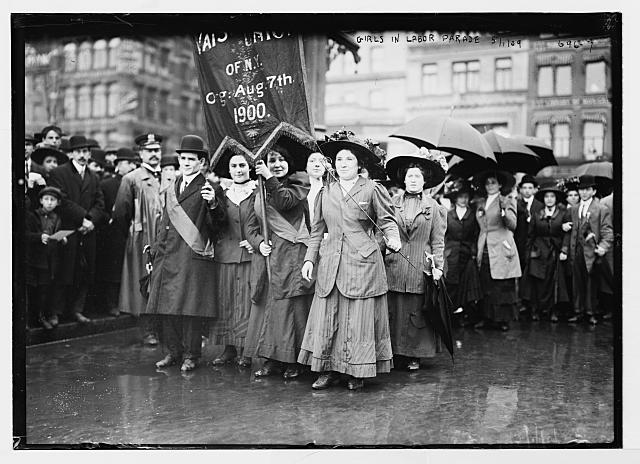
Dir: Unknown Director
A fascinating piece of cinema that shares thematic elements.
View Details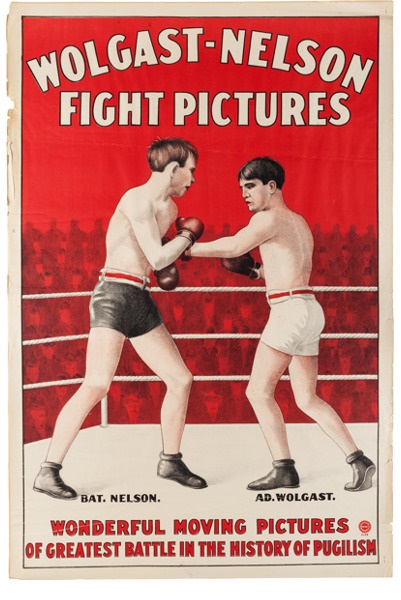
Dir: Unknown Director
A fascinating piece of cinema that shares thematic elements.
View Details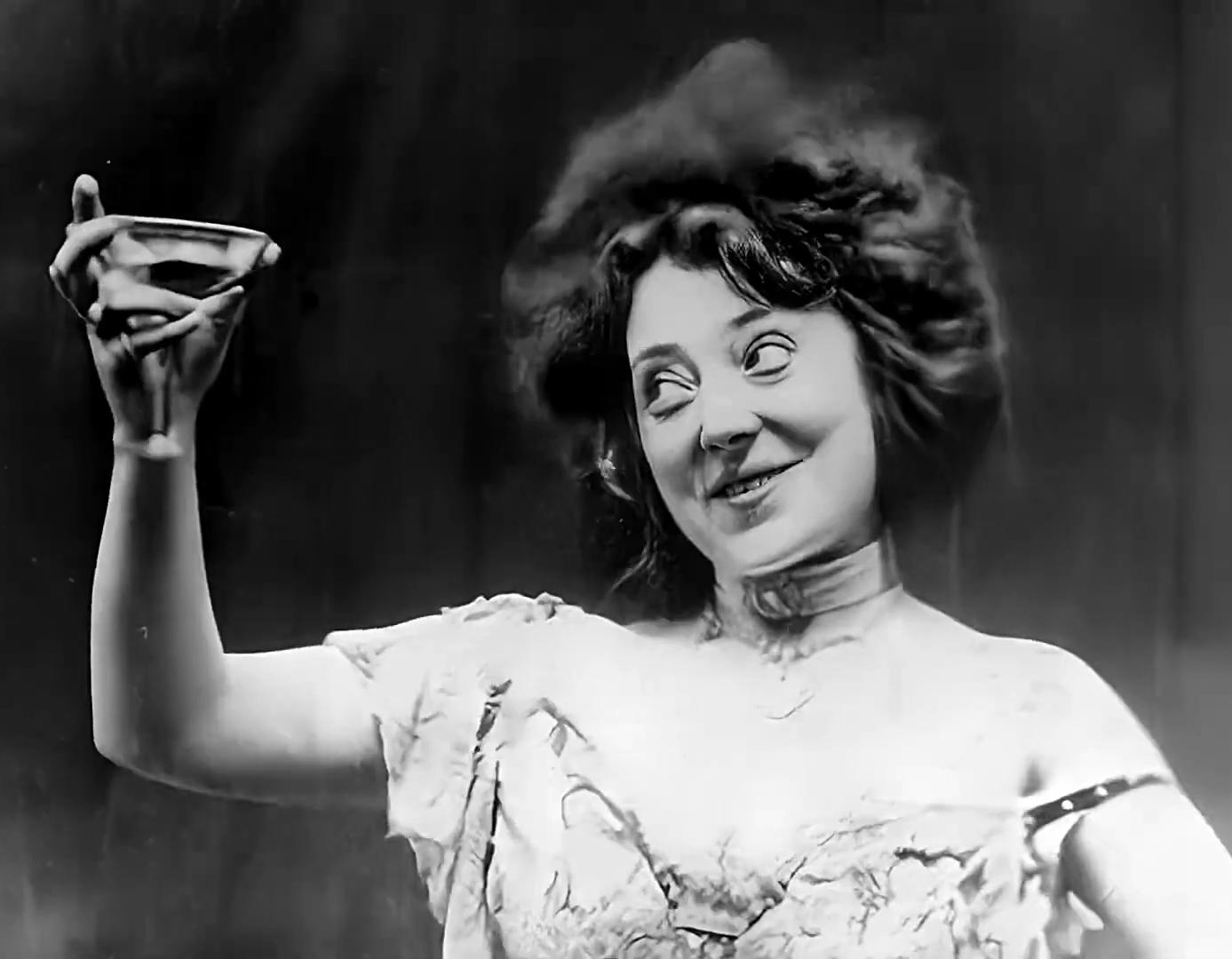
Dir: Unknown Director
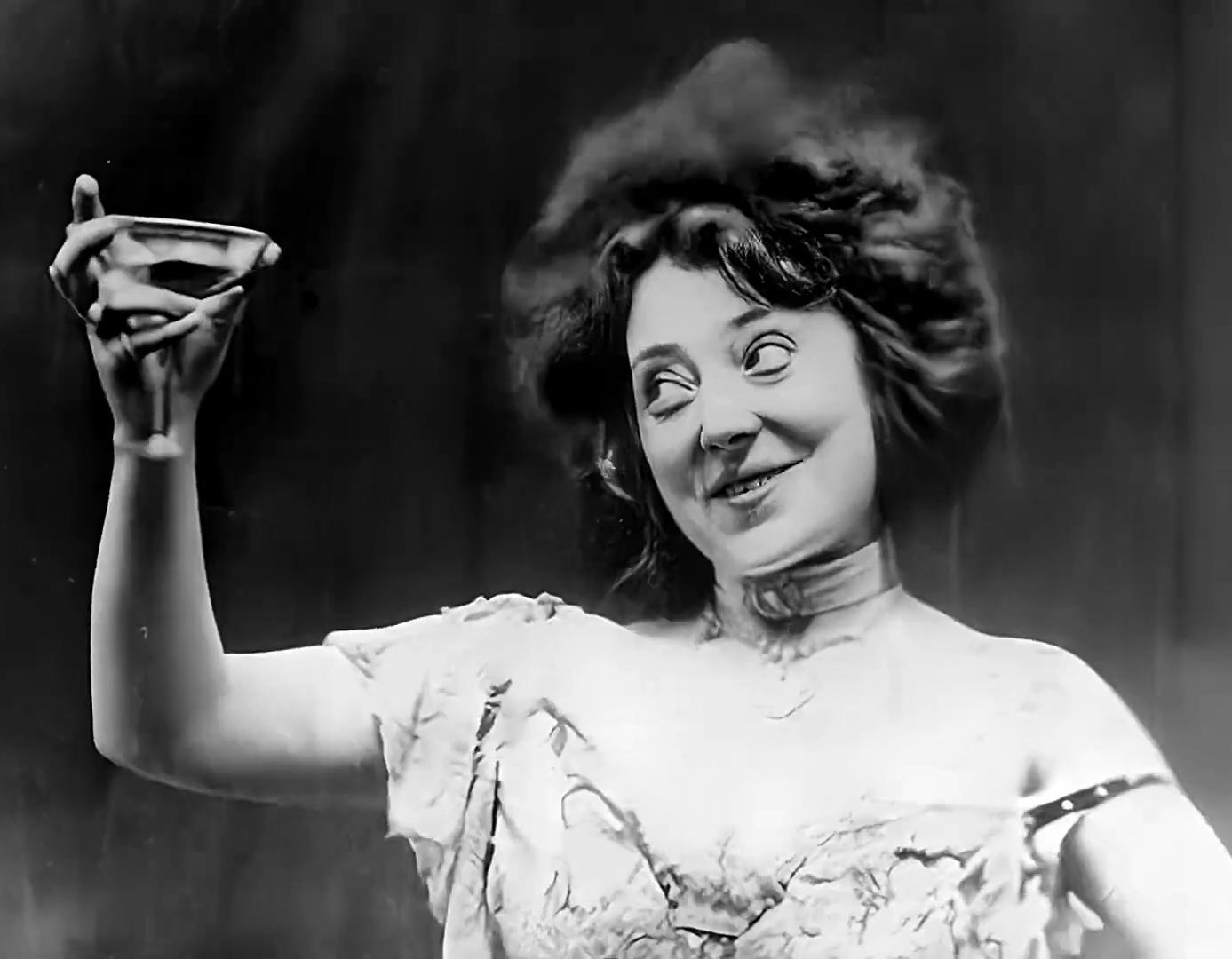
This subject is the same as No. 1863 [ANNA HELD], but shown in full length figure. Both are admirable, and make hits either in the Biograph or Mutoscope.
View Details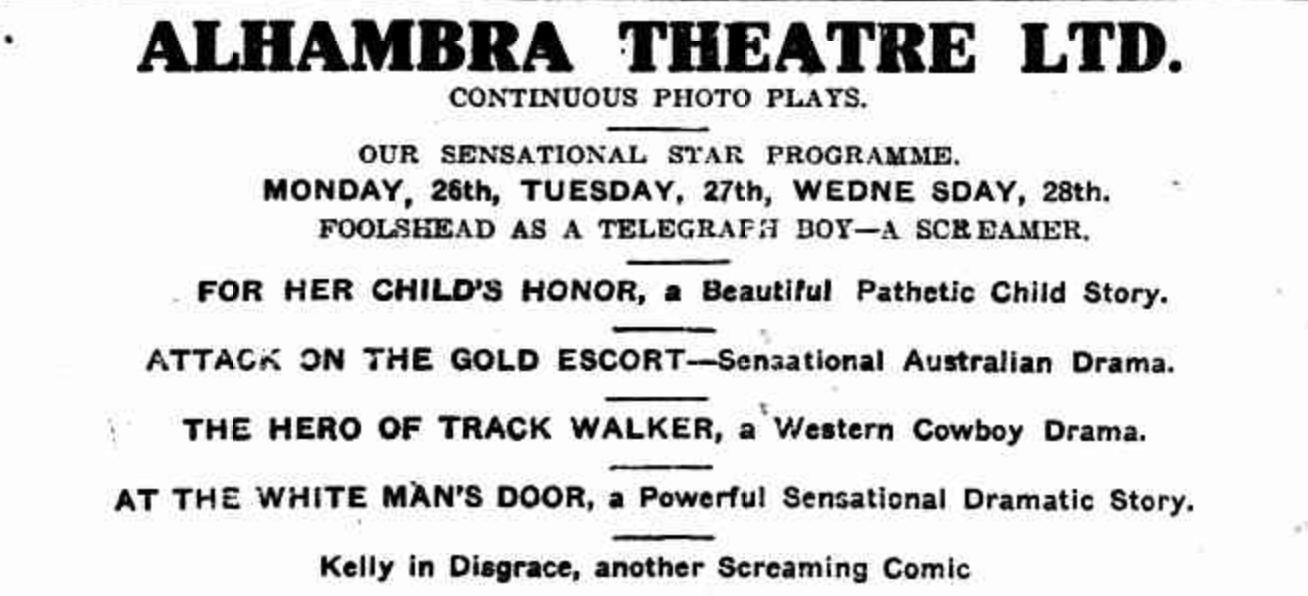
Dir: Unknown Director
Nothing got the Aussie adrenalin flowing in the early 1900's than some serious gold-fields drama.
View Details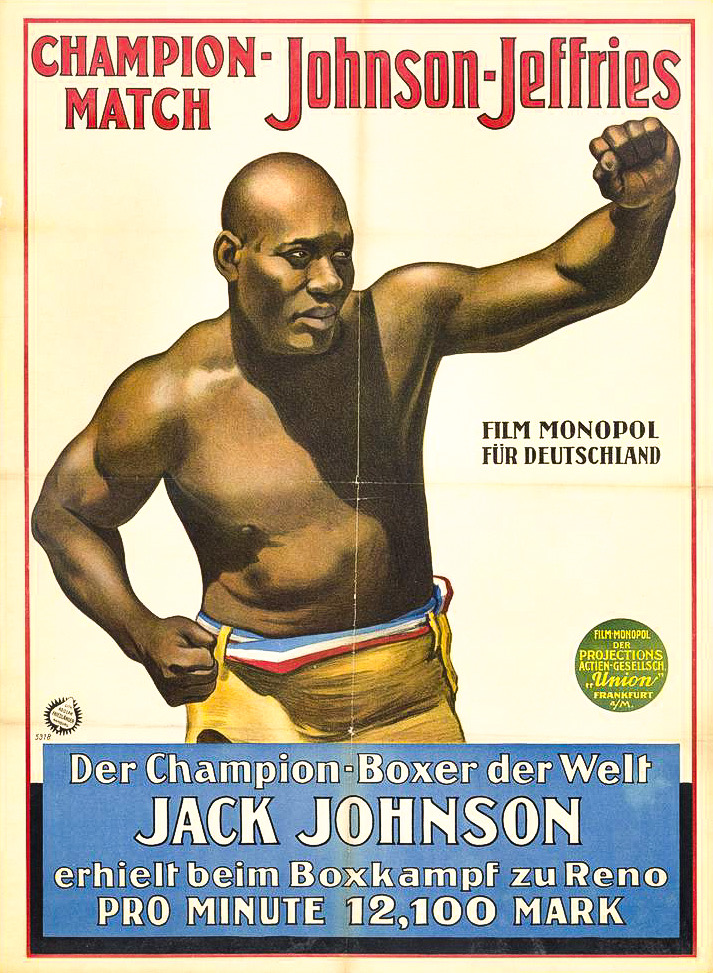
Dir: Unknown Director
Billed as the "Fight of the Century", reigning champion Jack Johnson takes on former champion James J. Jeffries in a gruelling 15-round beatdown.
View Details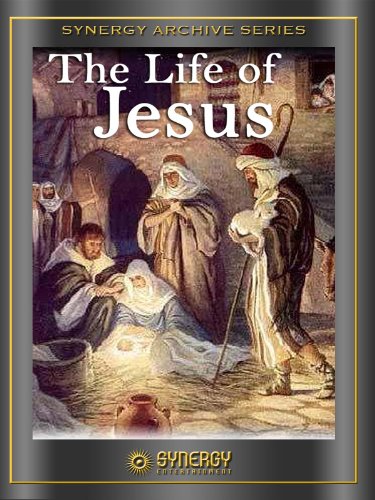
Dir: Unknown Director
The life of Jesus Christ. The film is believed to possibly be a US re-release of Alice Guy's The Birth, the Life and the Death of Christ (1906).
View Details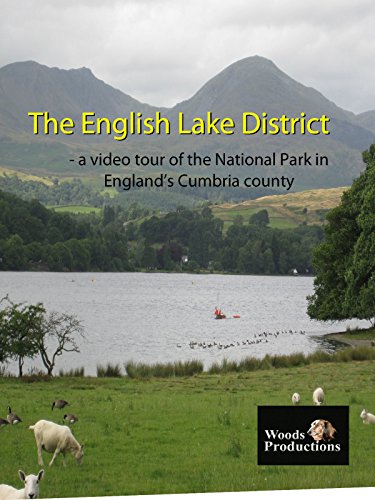
Dir: Unknown Director
A travel documentary of the English Lake District in Cumbria County, UK.
View Details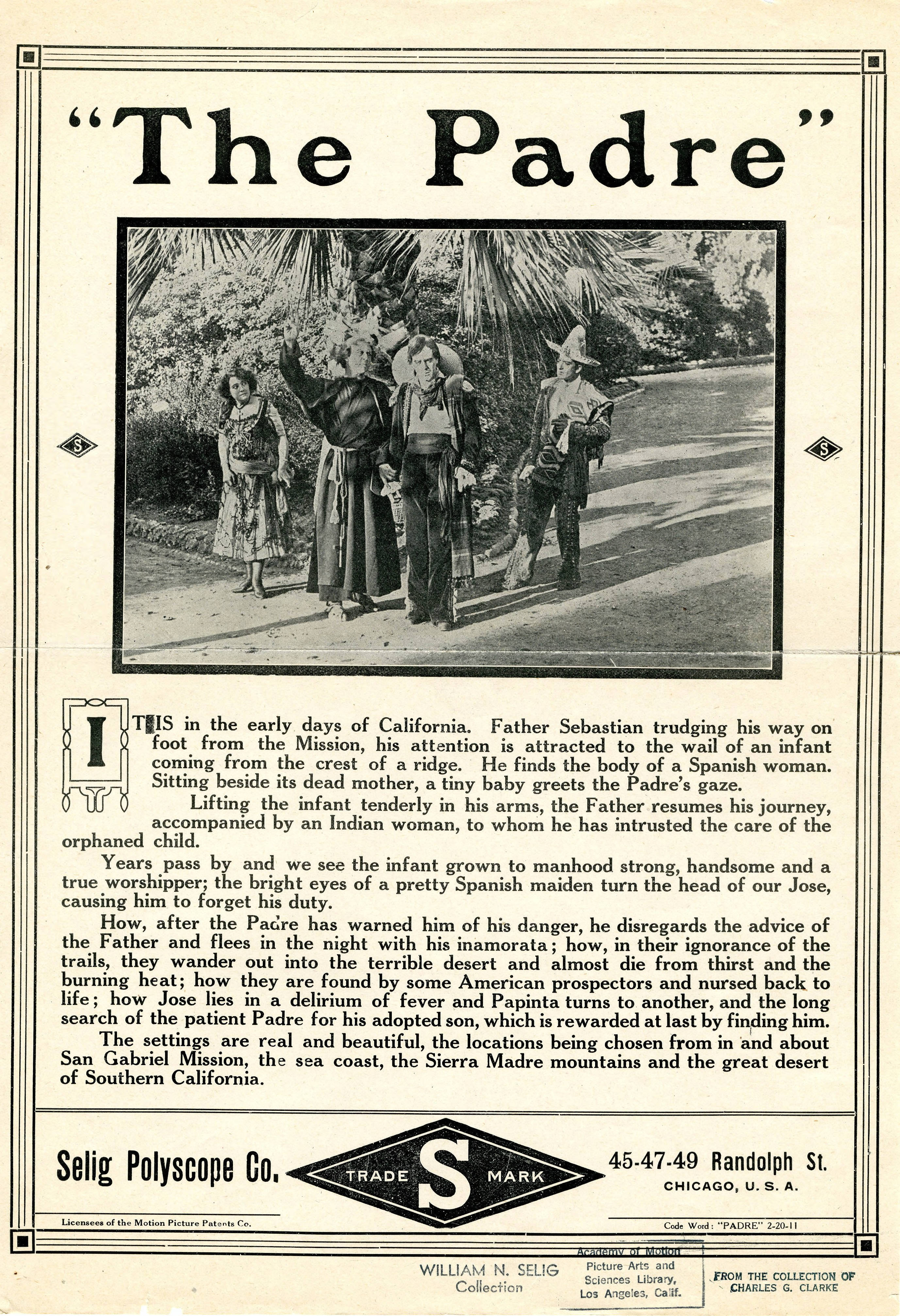
Dir: Unknown Director
It is the early days of California. Father Sebastian, trudging his way on foot from the Mission, his attention is attracted to the wall of an infant coming from the crest of a ridge. He finds the body of a Spanish woman. Sitting beside its dead mother, a tiny baby greets the Padre's gaze. Lifting the infant tenderly in his arms, the Father resumes his journey, accompanied by an Indian woman, to whom he has entrusted the care of the orphaned child. Years pass by and we see the infant grown to manhood strong, handsome and a true worshiper; the bright eyes of a pretty Spanish maiden turn the head of our Jose, causing him to forget his duty. How, after the Padre has warned him of the danger, he disregards the advice of the Father and leaves in the night with his inamorata; how, in their ignorance of the trails, they wander out into the terrible desert and almost die from thirst and the burning heat; how they are found by some American prospectors and nursed back to life; how Jose lays in a delirium of fever and Papinta returns to another, and the long search of the patient Padre for his adopted son, which is rewarded at last by finding him. The settings are real and beautiful, the locations being chosen from in and about San Gabriel Mission, the sea coast, the Sierra Madre Mountains and the great desert of southern California.
View DetailsAnalysis relative to The Colosseum in Films
| Film Title | Atmosphere | Complexity | Similarity |
|---|---|---|---|
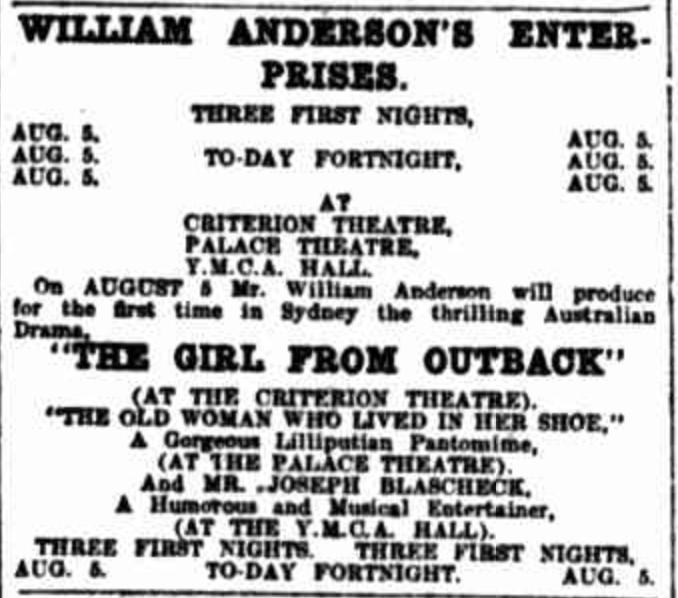
| The Girl from Outback | Ethereal | Layered | 89% Match |
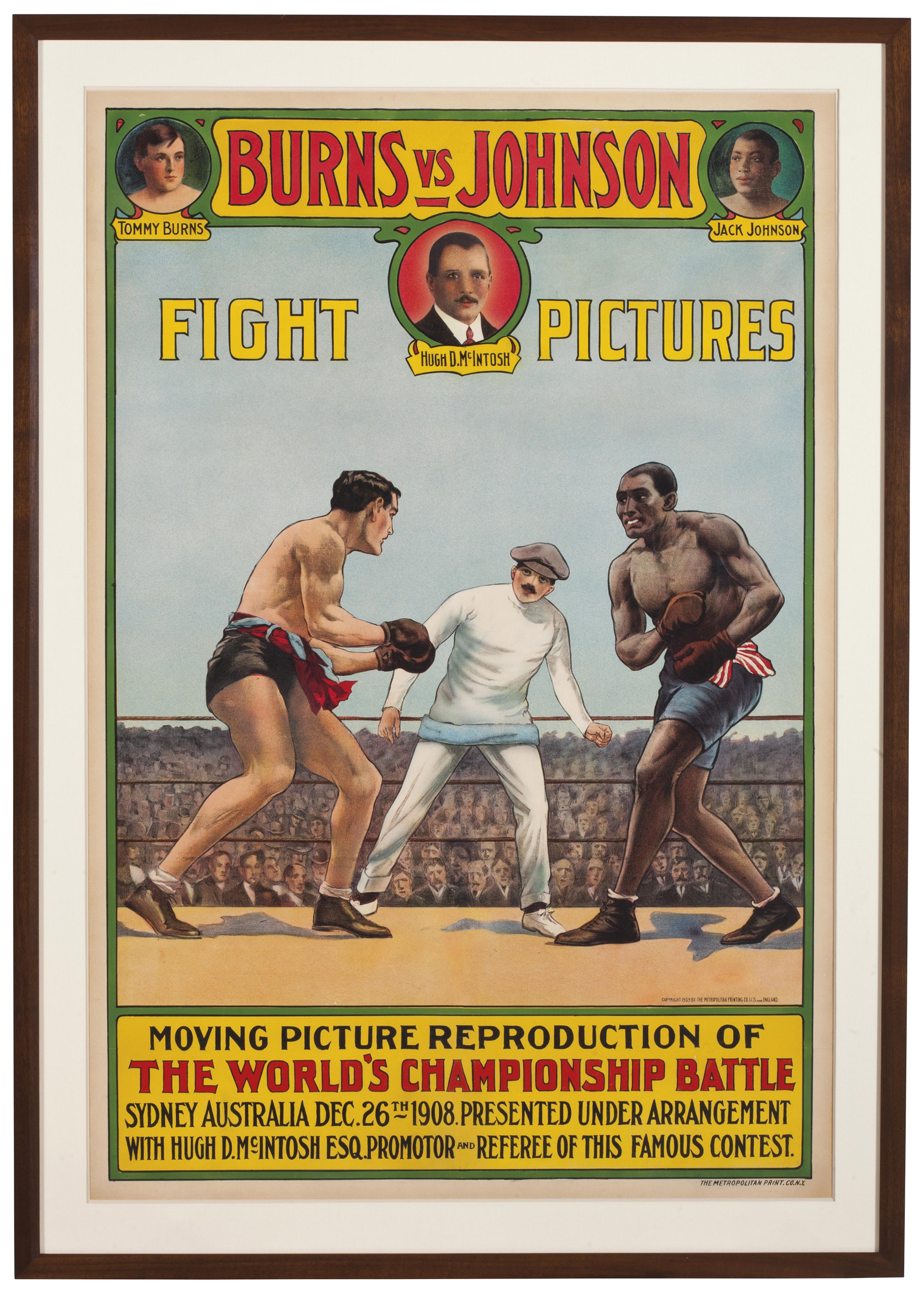
| World's Heavyweight Championship Between Tommy Burns and Jack Johnson | Tense | High | 94% Match |
| May Day Parade | Gothic | Abstract | 88% Match |
| Nelson-Wolgast Fight | Ethereal | Abstract | 96% Match |
| Anna Held | Surreal | Linear | 94% Match |
This guide was algorithmically generated using the cinematic metadata of Unknown Director's archive. Last updated: 6/20/2026.
Back to The Colosseum in Films Details →