
DbcultAccessing Vault...
Recommendations
Senior Film Conservator
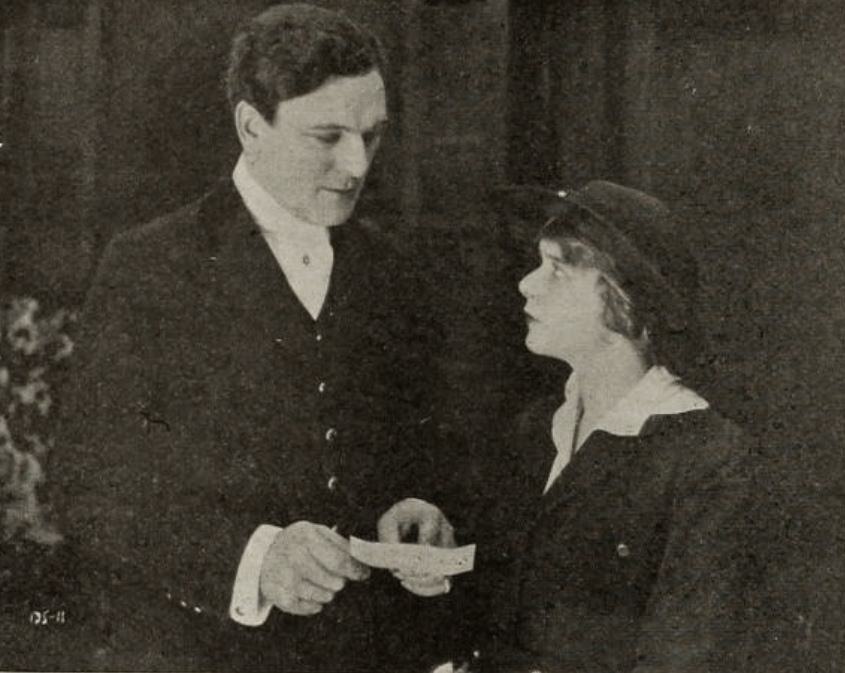
The evocative power of The Dupe (1916) continues to haunt audiences with its cult status, its status as a United States icon makes it a perfect starting point for discovery. The following gems are essential viewing for anyone captivated by The Dupe.
The visceral impact of The Dupe (1916) stems from to serve as a cornerstone for cult enthusiasts worldwide.
Critics widely regard The Dupe as a cult-favorite piece of cult cinema. Its cult status is frequently cited as its strongest asset, solidifying its place in United States's film legacy.
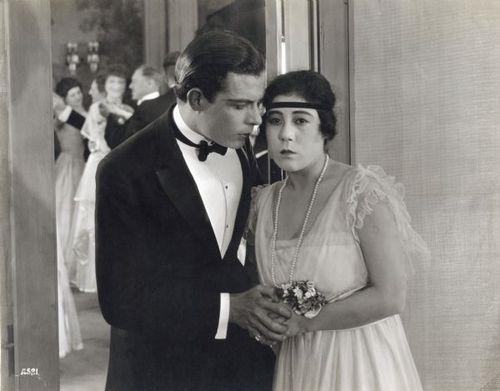
Based on the unique cult status of The Dupe, our vault has identified these titles as the most compelling follow-up experiences for fans of cult cinema:
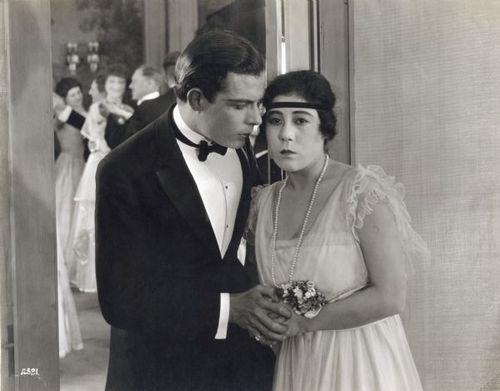
Dir: Frank Reicher
A Japanese maiden is pursued by an unscrupulous American young man who falsely believes her to have great riches.
View Details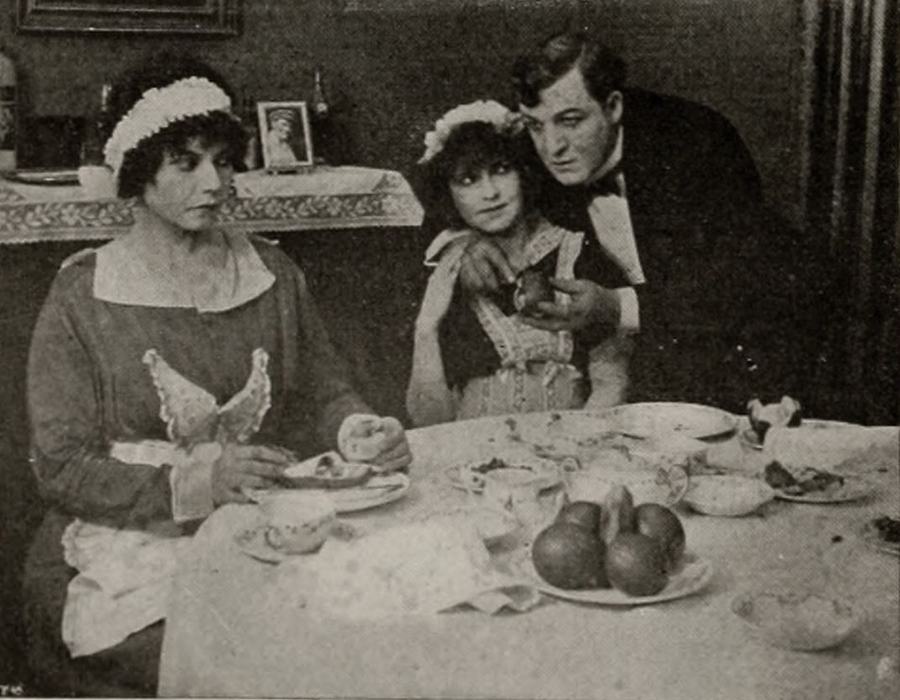
Dir: Frank Reicher
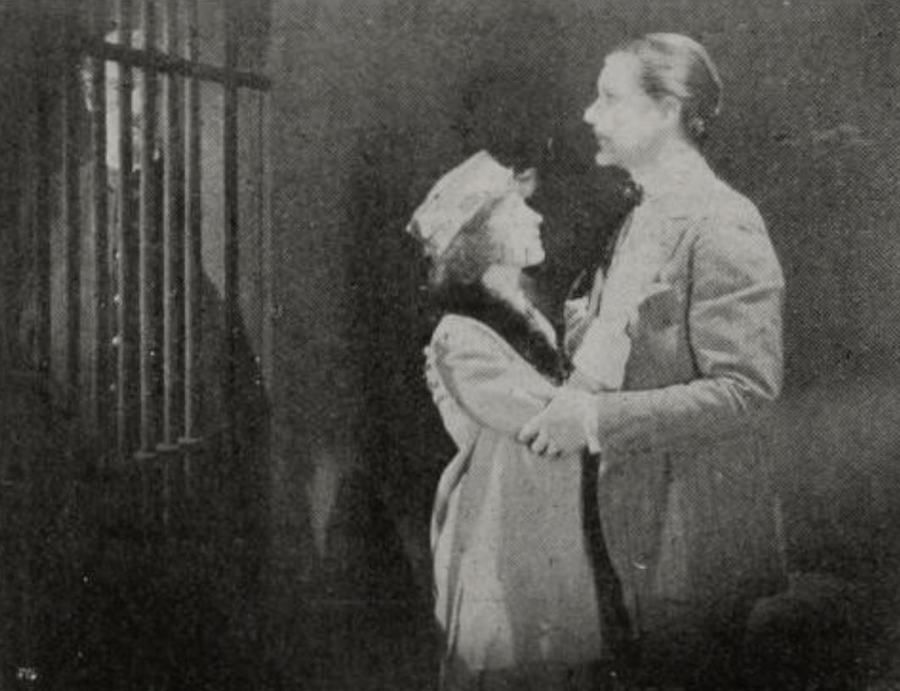
Two playboys stumble drunkenly home, where the owner falls asleep and the other attacks the maid. The butler intervenes and a fight results in the death of the assailant. A French girl, escaping from a pimp who kidnapped her, witnesses the crime. The butler convinces his master he is the killer, and must flee. He joins the girl but is caught. She helps police expose the real killer by going undercover as another maid.
View Details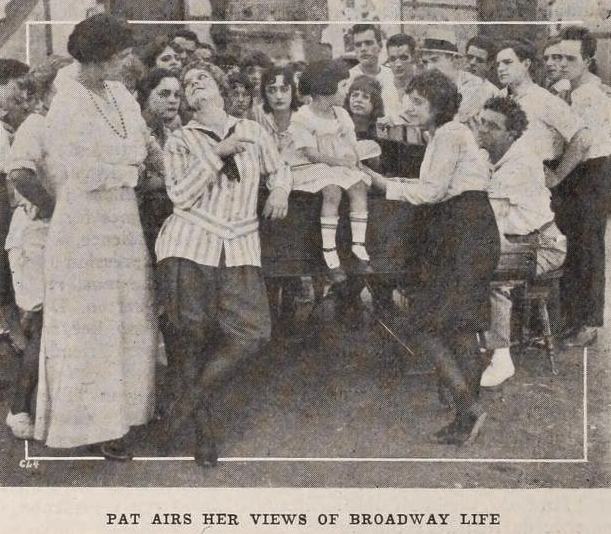
Dir: Frank Reicher
Patricia O'Brien, known as "Pat" the "Chorus Lady,' is a keen-witted, clean-lived young girl easily holding her own amid the temptations incident to her profession. She is engaged to marry "Danny" Mallory, a young detective, whose great ambition is to own a farm, marry Pat and leave the bright lights forever. Pat has a younger sister, Nora, whose yielding and idealistic natures Pat knows and she keeps her working in a country store "a million miles from Broadway," under the guardianship of a strict old woman. Nora, stage-struck and envious of Pat, leaves the store and turns up at the theater when Pat is rehearsing. Nora announces that she is going on the stage in spite of Pat's protests. Crawford, a young man-about-town, who is backing the show, struck by Nora's beauty and youth, gives her a position in the company. Crawford plies Nora with attention until she falls in love with him and Pat in her efforts to open Nora's eyes as to Crawford's true character, only succeeds in antagonizing her. Realizing that she cannot convince Nora or control her for long Pat begins a flirtation with Crawford. Nora fights bitterly to hold him. Danny becomes jealous and refuses to believe Pat when she explains that she is flirting with Crawford in an effort to disillusion Nora. At the dress rehearsal of the play in which Pat and Nora are to appear the star sends word that she is ill. Pat is given the chance to play the part. Knowing that Pat cannot leave the theater, Nora leaves a note that she is going to Crawford and slips home to pack. Pat, half-dressed to go on, finds the note, gives up her great opportunity, wraps herself in a cloak and in a cab hurries to Crawford's apartment. She arrives at Crawford's apartment first and leads Crawford into a declaration of love just as Nora appears. Pat demands that Crawford choose between them. Crawford chooses Pat. In the meantime Danny has been sent to get divorce evidence for Crawford's wife. They break into Crawford's rooms and Danny finds the woman to be his own girl. In the stormy scene that follows Pat's borrowed cloak slips from her shoulders revealing her in her underwear. With all evidence against her Pat is unable to establish her innocence. Danny cannot believe her innocent, but makes up his mind never to appear against her. Nora and the detective go, leaving Pat alone with Crawford. She promptly tells Crawford what she really thinks of him and he dismisses her from the company and orders her out of his rooms. Danny resigns his job rather than appear against Pat and the divorce suit never comes to court. Pat, out of a job, is unable to find another engagement and is about to be turned out of her boarding house when Nora, convinced of Pat's loyalty, telephones Danny and tells him the truth. Danny gets his farm and they all go to it, taking along as helper, "Bobs," the young assistant stage-manager, who cherishes an honest passion for Nora.
View Details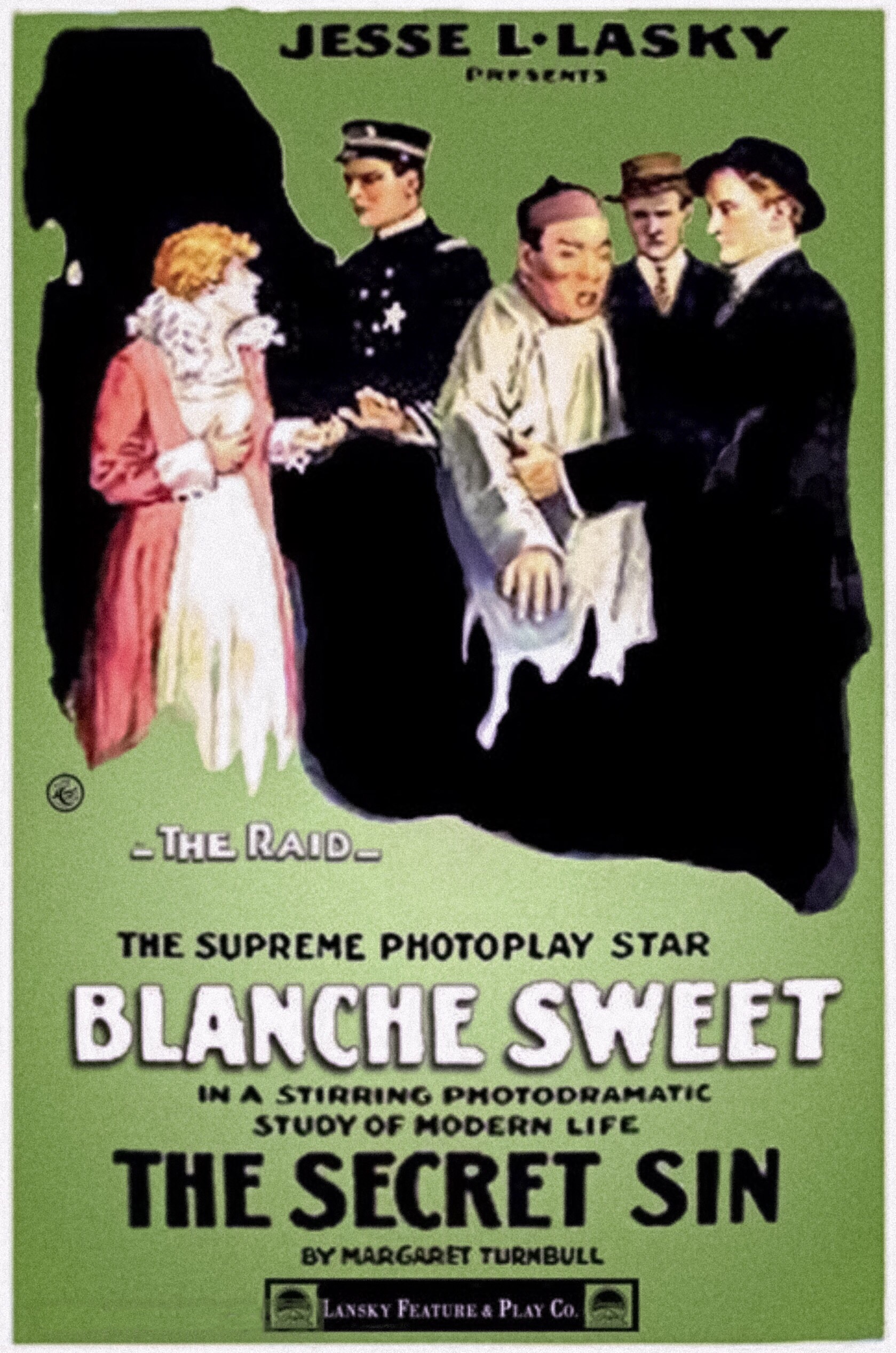
Dir: Frank Reicher
To help their unemployed father make ends meet, Edith and her twin sister Grace work as seamstresses . An invalid, Grace falls prey to the temptations of Chinatown opium and becomes an addict, a condition worsened by a misguided physician who prescribes morphine to ease her pain. When their father strikes oil, the family enjoys a new prosperity and the sisters meet the eligible Jack Herron, a fellow oil prospector. To Grace's shock, Jack falls in love with Edith and in her jealousy, Grace tells Jack that Edith, not she, has a drug problem. Hinting that her sister will soon need more morphine, Grace arranges for a dinner in Chinatown with the couple. While her sister and Jack dance, Grace slips away to an opium den. Edith follows her, but ends up in the wrong den and is arrested in an ensuing drug raid. After he bails her out of jail, Edith takes an angry Jack to search for Grace and stumbles across her half-conscious body lying in the street. The truth about the sisters is revealed, and after sending Grace to a sanitarium in the country, Jack and Edith are married.
View Details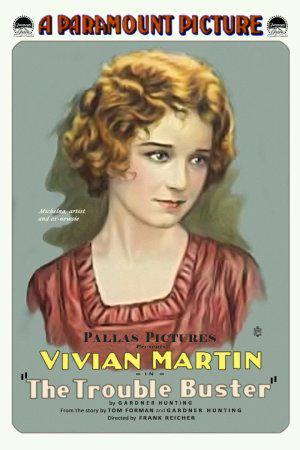
Dir: Frank Reicher
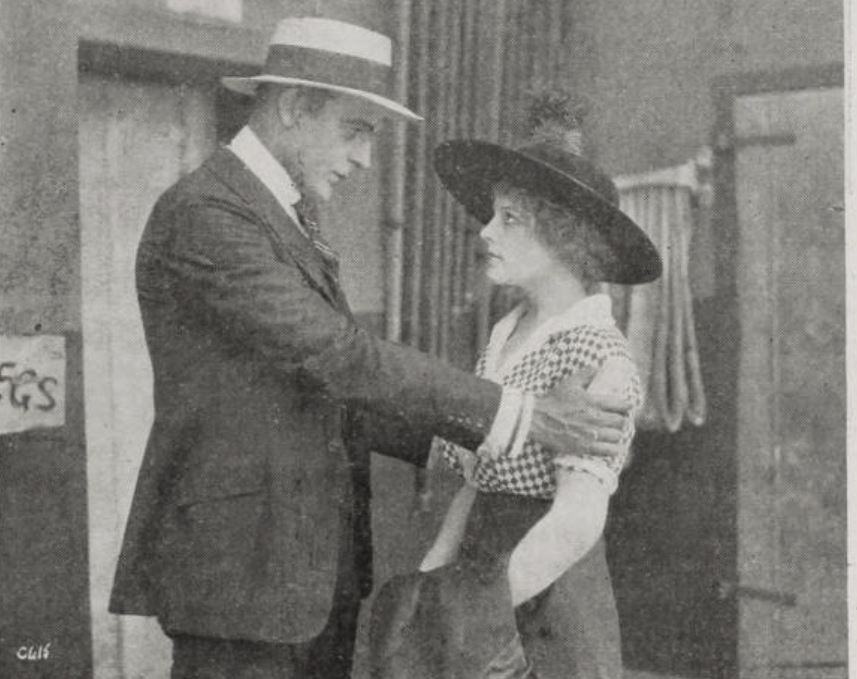
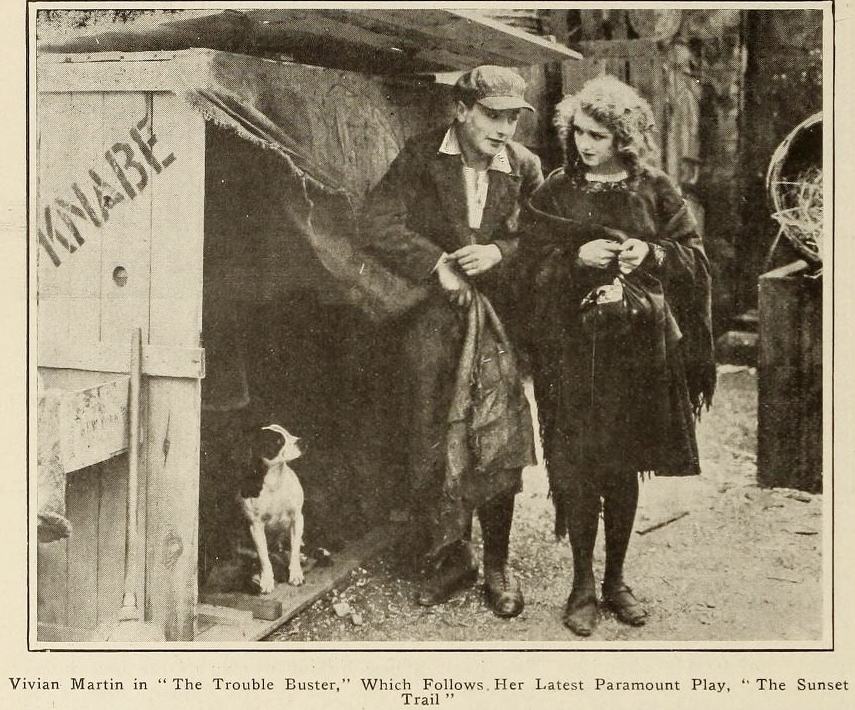
Soon after arriving in the U.S., Romanian immigrant Franz Libelt dies, leaving his daughter Michelna an orphan. The girl is befriended by newsboy Blackie Moyle, who invites her to share his home, which is a large piano box in a vacant lot. After he teaches her to be a "newsie," she cuts her hair, dresses as a boy, and changes her name to Mike. When Blackie is blinded while protecting her from a thief, Mike is forced to find a way to support them both. It occurs to her that two clay statuettes they sculpted might be valuable, so she takes them to an art exhibit. Mike's statue, known as the "trouble buster," sells immediately, but she credits Blackie as the sculptor. He then becomes the sensation of the art world and is sent to Paris to have his sight restored. Blackie comes to understand Mike's deception and returns to the U.S. to set things right. When Blackie is finally reunited with Michelna, she asks why he came back, and he replies, "For the love of Mike."
View Details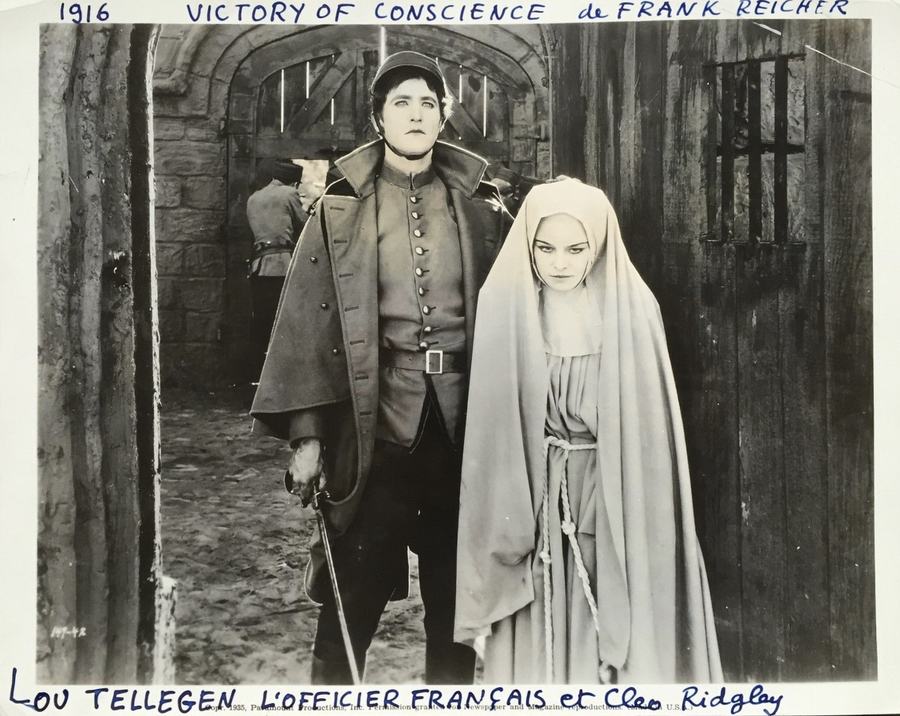
Dir: Frank Reicher
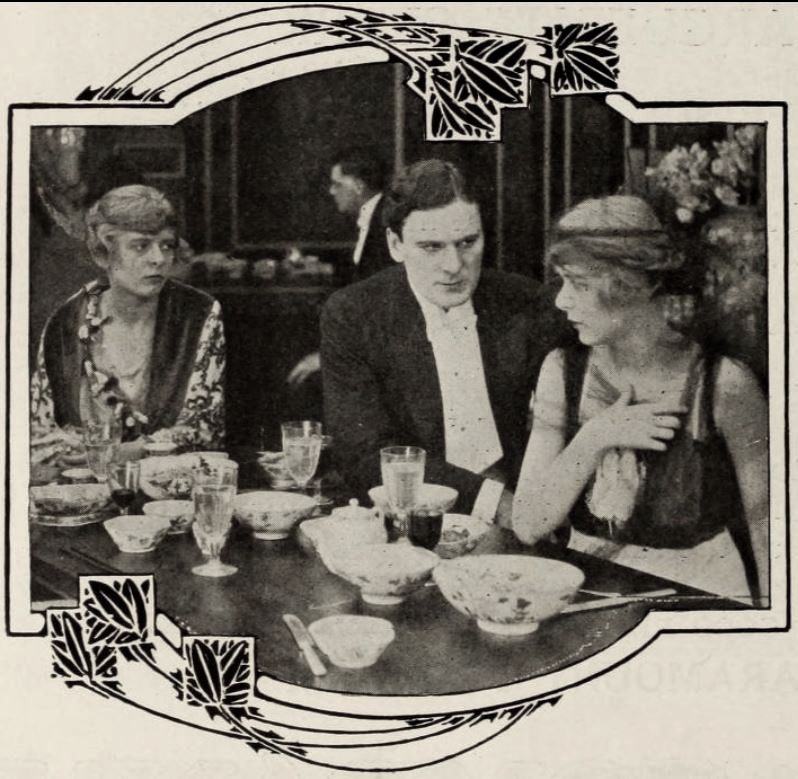
Louis, Count de Tavannes, and his companion, Dimitri, lead a gay life in Paris. On the return trip of a motor tour, they stop at an inn and discover Rosette, the daughter of the innkeeper, who dances for the guests, not from choice, but necessity. Dimitri suggests they take her to Paris. The patrons of the inn, jealous of the fashionably-attired young men and the attention paid them, raise a riot. During the uproar Rosette is taken to the motor and to Paris, where she goes to a hotel with Louis, her favorite of the two young men. During their breakfast the next morning, she learns from Louis' lips that he will not marry her. Remy, the faithful servant of the inn, has sought her out, grasps the situation, strikes Louis in the face and a fight ensues between the two men. Louis is discovered, bleeding and unconscious, and taken to the home of a young priest. Through the influence of the good men whom he has thus accidentally met, he enters the priesthood. Rosette secures a position as dancer in a café of the underworld in Paris, patronized by the rough element, and occasionally by the wealthy class in search of excitement. Dimitri is at this café, trying to induce Rosette to drink and dance, as Father Louis enters in search of a man whose wife is ill. The recognition is mutual, and none is so surprised as Dimitri. The latter plans an elaborate supper for himself and Rosette, and Louis interrupts them. As Louis uses his good influence for the girl, Dimitri is exerting a conflicting power, and Rosette bids them fight it out, "for God and my soul, or the devil and my body." With only their hands for weapons, the men go to battle, Louis with a righteous determination to win, and he does. He takes the girl to a convent, where she realizes her great love for Louis and a desire to live a pure life. Father Louis has won the love of the patrons of the café, and when the war is on and France calls for her men, he with his followers tries to defend the convent where Sister Rose Marie is. Mortally wounded, Sister Rose Marie falls across the dead body of the man she loves, and they are united in spirit, although their lives have been sacrificed in an attempt to save other souls, endeared to them.
View Details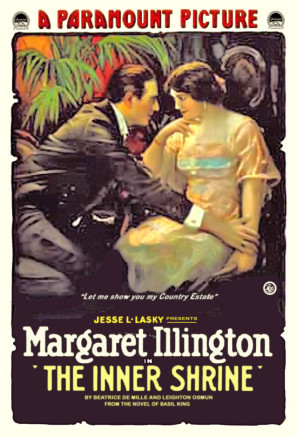
Dir: Frank Reicher
Bad woman turns good, but as a recent widow finds her past a roadblock in terms of accepting remarriage.
View Details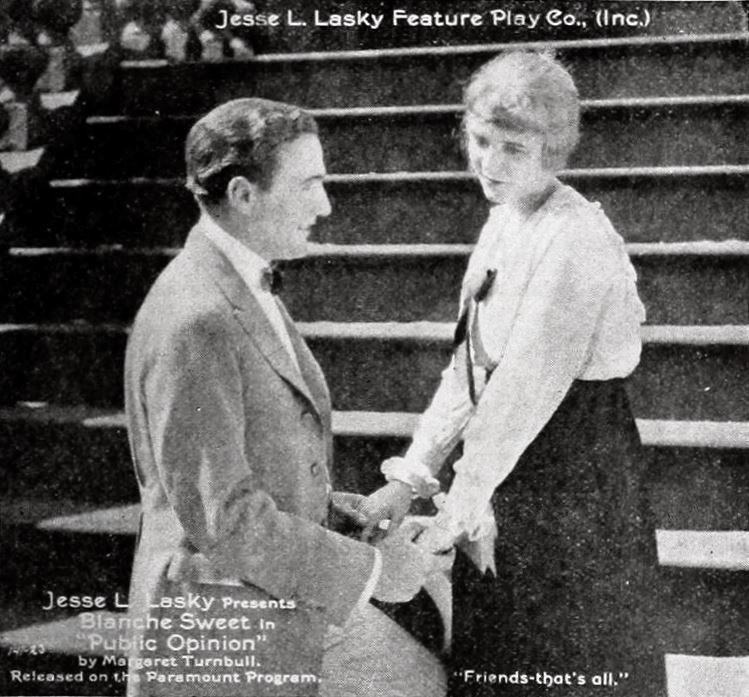
Dir: Frank Reicher
Hazel Gray, a young nurse, is in love with Phillip Carson, son of Mrs. Carson-Morgan, a philanthropist. Phillip, having quarreled with his step-father, leaves home, secures a position, and lives at the same boarding house as Hazel. Called home by his mother's sudden illness, Phillip manages to have Hazel called on the case. Her recognition of the doctor as the man whose trickery she discovered in time to save her own honor, is concealed from Phillip, but her stay is rendered almost unbearable by the doctor's forced attentions. Mrs. Morgan dies suddenly and in terrible agony, from arsenic poisoning. Suspicion points to Hazel, proof of her knowledge of the location of a bottle of arsenic being established by Morgan. Her former supposed relations with the doctor appear as a reason for the crime. Phillip's testimony is against her, but Gordon Graham, a wealthy young man who is on the jury, is at once impressed with the girl's innocence, and succeeds in securing a verdict of "not guilty." Throughout the trail the spirit of the poisoned woman endeavors to point out the guilty person. The weight of public opinion, however, falls heavily upon the girl, sensational newspapers doing their share to increase it, until Hazel can find no place to stay. Finally Graham takes her to his sister's home where he declares his love for Hazel and an unshaken belief in her innocence. Smith, a dope fiend, refused drugs by Dr. Morgan, threateningly reveals his knowledge that the doctor has substituted arsenic for powders prescribed for his wife by the attending physician. During the struggle which follows, Hazel, Graham and a policeman appear, and Smith, having secured possession of the doctor's pistol, fires the shot which mortally wounds Dr. Morgan, who confesses in his dying moments that he is the guilty person. Hazel's innocence is thus established, the public opinion is quickly changed, and the girl goes to the waiting arms of the man who has so valiantly defended her.
View Details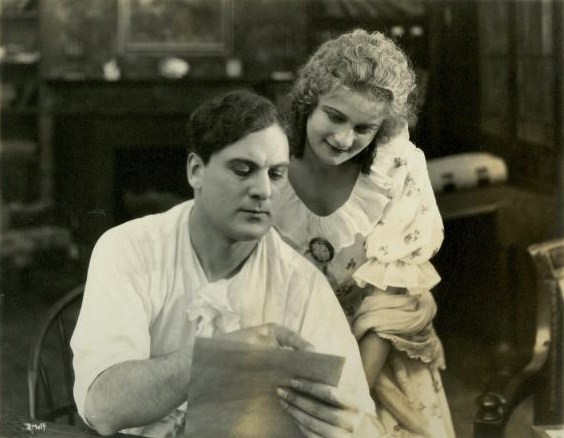
Dir: Frank Reicher
A slave switches her light-skinned baby with her master's baby. The child grows up raised by whites.
View Details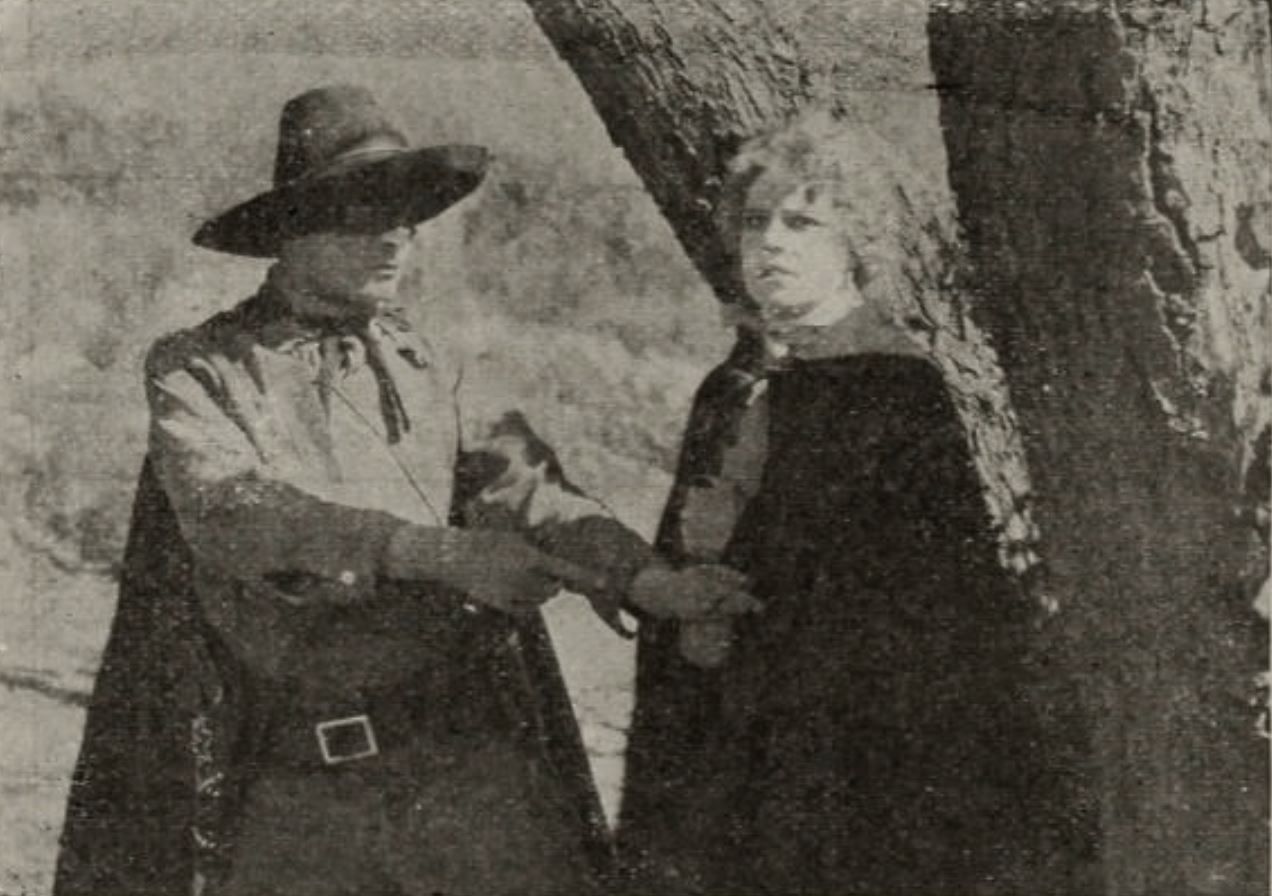
Dir: Frank Reicher
During the California gold rush, four unsuccessful miners assume that a woman prospector will give in without a fight, so they jump the claim of Kate Kenner and take her gold away from her. Afterward, although she is Sheriff Dan Deering's sweetheart, Kate decides to take the law into her own hands. Donning the trademark black mask of Silver Spurs, the noted bandit, Kate holds up the saloon where the crooks have stored the gold. As she makes her getaway, however, Dan catches her, and after unmasking her, is astonished to discover Silver Spur's true identity. The town puts Kate on trial immediately and a guilty verdict seems assured until the real Silver Spurs, who had greatly admired the masquerade, himself steals the gold and leaves a note exonerating Kate. Then, taking time out from his sheriff's duty, Dan, instead of pursuing Silver Spurs, starts making plans with Kate for their wedding.
View DetailsAnalysis relative to The Dupe
| Film Title | Atmosphere | Complexity | Similarity |
|---|---|---|---|
| Alien Souls | Surreal | Dense | 86% Match |
| For the Defense | Ethereal | Layered | 98% Match |
| The Chorus Lady | Gritty | High | 91% Match |
| The Secret Sin | Ethereal | Dense | 91% Match |
| The Trouble Buster | Surreal | Abstract | 93% Match |
This guide was algorithmically generated using the cinematic metadata of Frank Reicher's archive. Last updated: 6/25/2026.
Back to The Dupe Details →