
DbcultAccessing Vault...
Recommendations
Senior Film Conservator
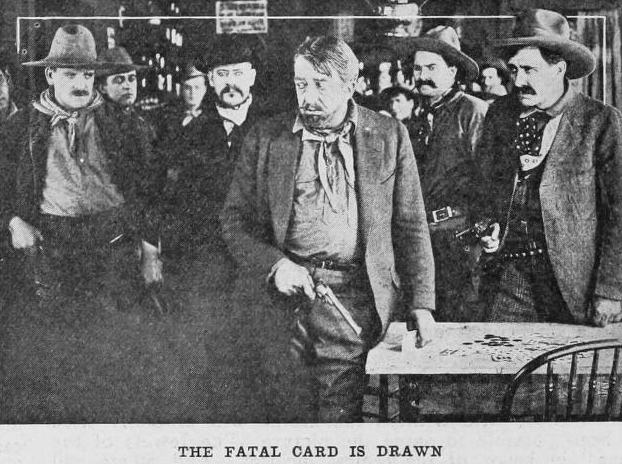
The artistic legacy of James Kirkwood was forever changed by The Fatal Card, the thematic layers of this 1915 classic invite a wider exploration of the genre. This list serves as a bridge to other cult experiences that are just as potent.
The vintage appeal of The Fatal Card to reinvent the tropes of cult cinema for a global audience.
A notorious gambler and card cheat, George Forrester, rules a little western town with an iron hand. The men of the town plot to catch him cheating and do, but his men save him from danger. In the same town lives Gerald Austen, or Aitkens, who had left his tyrannical father in the east and made good in the west. Later, Forrester and his men rob a payroll messenger for Austen's enterprise. Forrester is apprehended and is about to be hung when Austen saves his life. The man has just been scribbling a message to his daughter who lives in the east and who believes her father a prosperous mine operator. On being saved he tears the card in two and gives half to Austen, saying that if he ever needs a friend that will be his passport. Forrester then returns east, rejoins his daughter and assumes his real name of Marrable. Austen also goes east under his real name of Aitkens and the men later meet but do not recognize each other. Austen falls in love with Margaret Marrable. Marrable's happiness, however, is curtailed by the arrival of his former western associates who threaten to expose his identity if he does not aid them in robbing Austen's father of a shipment of English bonds. He is forced to consent. The gang rents offices opposite those of Austen and await the day of shipment, July 4. Fortune plays into their hands when the boy visits his father to obtain consent for marriage to Margaret. The father refuses and a stormy quarrel ensues, which employees overhear. The son leaves his walking stick. The conspirators enter the office. In order to quiet the elder Austen they hit him over the head with the stick. The blow kills him. The boy returns to make up, finds the door locked and leaves. The others then escape, taking the key with them. Later, the son overhears the gang dividing the spoils. He makes his presence known. They tell him that his death is inevitable. He asks Marrable to take a card out of his pocketbook. Marrable finds it. It is the fatal card. He now knows that Margaret's fiancé is the man who saved his life. In gratitude he takes upon himself responsibility for the crime and makes a supreme sacrifice, paving the way for the lovers' ultimate happiness.
The Fatal Card was a significant production in United States, bringing a unique perspective to the global stage. It continues to be a top recommendation for anyone studying cult history.
Based on the unique stylistic flair of The Fatal Card, our vault has identified these titles as the most compelling follow-up experiences for fans of cult cinema:
Dir: James Kirkwood
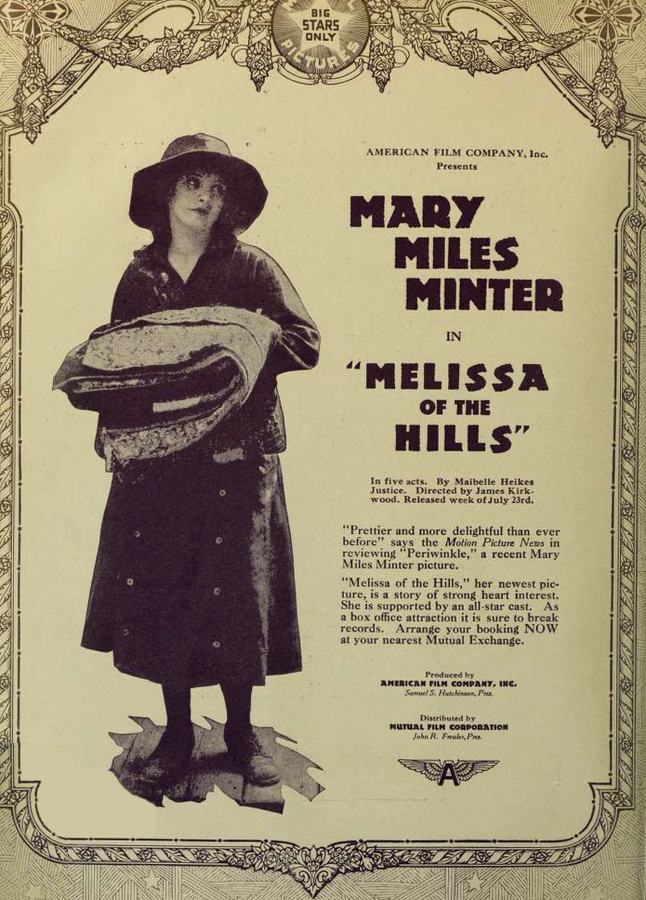
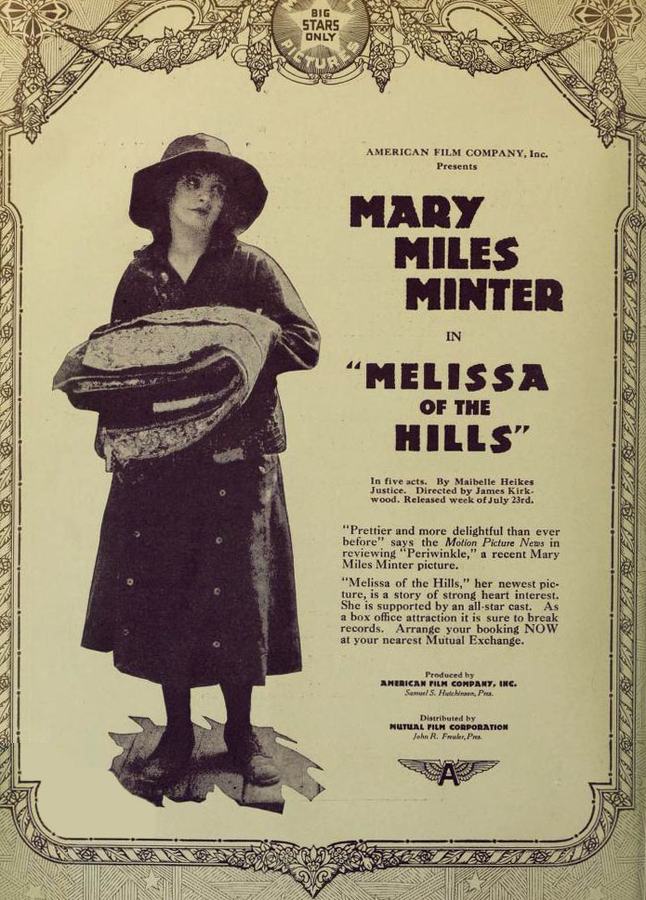
In the Tennessee hills, the feuding Allison and Watts families pay no heed to the preachings and sacrifices of Jethro Stark, a self-styled evangelist whose motherless daughter Melissa dispels quarrels among children of the feuding families, takes care of her father, and invents money-making schemes to relieve their poverty. While struggling young lawyer Tom Williams and Melissa are in love, she is loved by miserly octogenarian Cyrus Kimball, whose crabbiness Melissa dissipates. When Melissa reads in the newspaper that society lady Mrs. Sanders has offered to give clothes to a deserving girl, she writes a letter requesting a party dress for herself and a new coat for Jethro for the annual revival meeting. Mrs. Sanders visits and her husband recognizes Jethro as a fugitive wanted for murder. When deputy sheriff Sam Allison goes to arrest Jethro, Melissa gets help from the Watts faction, and a battle ensues. After Jethro is killed trying to stop the fighting, his innocence is confirmed, and the feuding families reconcile. Melissa thanks God that Jethro never knew that he was under suspicion.
View Details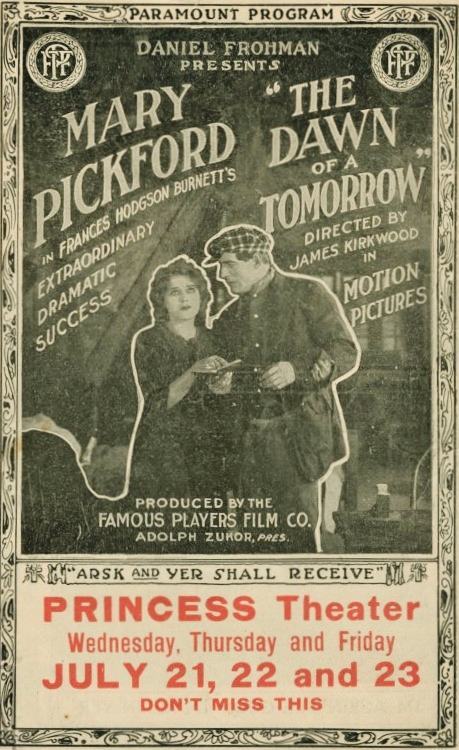
Dir: James Kirkwood
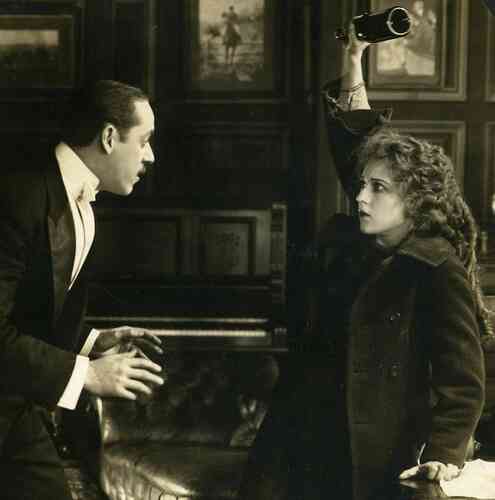
A young girl who lives in the London slums is in love with a cunning thief and persuades him to give up his life of crime. Meanwhile, an eccentric millionaire who has been diagnosed with an incurable dementia becomes so despondent that he decides to commit suicide. He disguises himself as a vagrant and wanders into the slums. As he tries to find the courage to kill himself, the young girl encounters him and rationalizes him out of his cowardly act. Her genuine sweetness and strong faith affect him to such an extent, that he begins to believe recovery is possible. Now the girl's sweetheart has been falsely accused of murder, and only the millionaire's licentious nephew can give him an alibi. The girl pleads with the nephew to help prove her sweetheart's innocence. He refuses and tries to take advantage of her. The millionaire arrives in time and shames his nephew to testify correctly. The millionaire now pledges himself to a life of service and charity, and the girl and her sweetheart are happily reunited.
View Details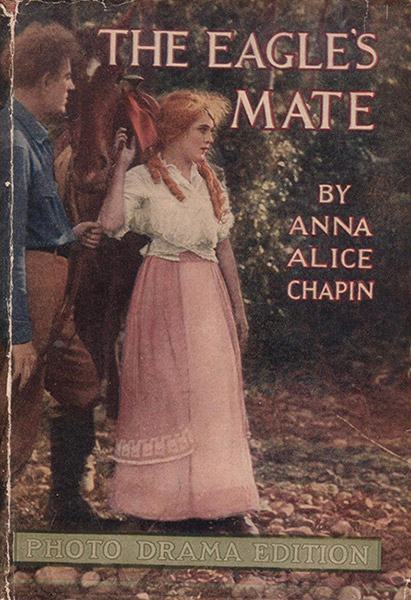
Dir: James Kirkwood
A young girl, Anemone (Mary Pickford), who lives with her Aunt (Ida Waterman) is abducted by a crude family of Virginia mountain moonshiners. A fight between two of the young male relatives decides who will marry the girl. Lancer (James Kirkwood) is the winner and marries Anemone against her will. She is reunited some time later with her Aunt, but when she learns Lancer is in dire trouble she returns and stays by his side, realizing she had always been in love with him.
View Details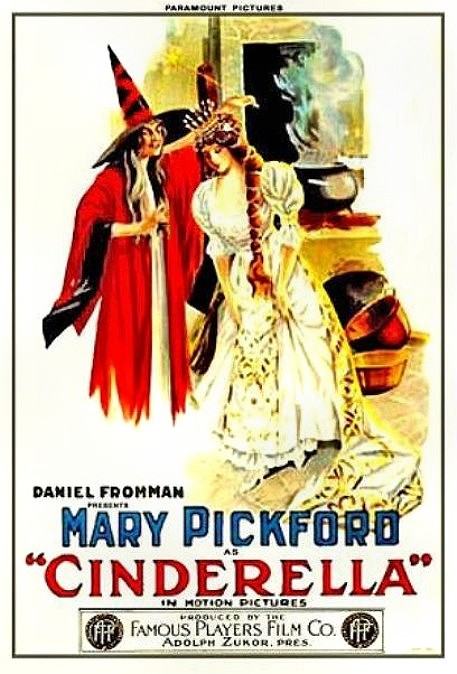
Dir: James Kirkwood
Though mistreated by her cruel stepmother and stepsisters, Cinderella is able to attend the royal ball through the help of a fairy godmother.
View Details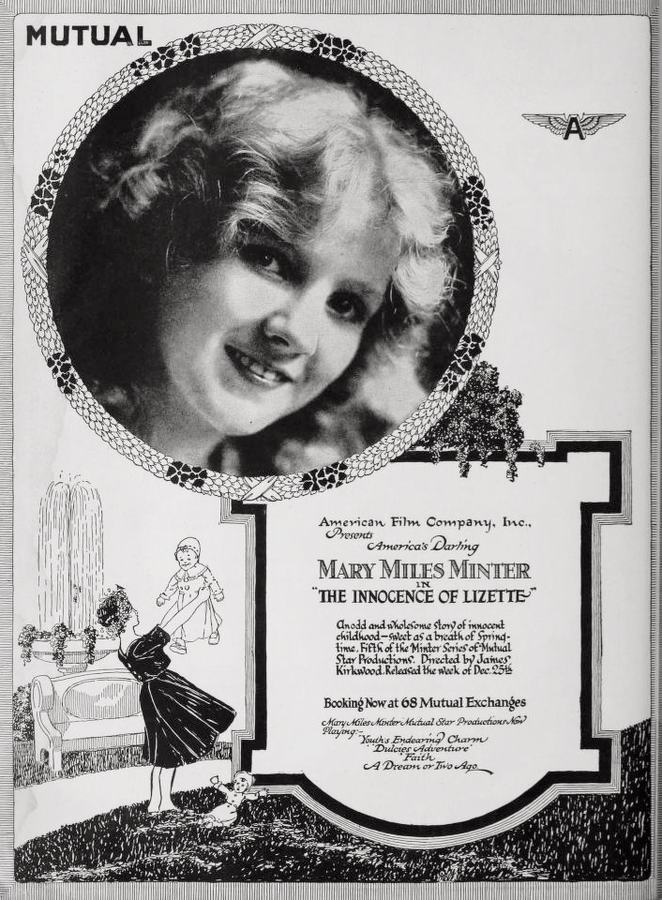
Dir: James Kirkwood
Ashby Leene, once a famous actor, but now poverty stricken, dies, leaving his grandchild, Lizette, in the care of Granny Page, his landlady. Lizette's new home is one of kindliness and she becomes a friend of Paul, Granny's young nephew, who runs a newsstand. Remembering her promise, Granny spends a good deal of time at the newsstand when Paul is away on deliveries. She resents Dan Nye's attention to Lizette. One day Lizette sells a paper to Henry Faure, an elderly millionaire, who is attracted to the bright-faced girl. Faure has been mentally depressed since the death of his wife and little girl. Longing for someone to love, Faure offers to adopt Lizette as his own daughter. Though Paul and Granny are heartbroken, they consent. For a time Lizette is happy in her new home. While Faure is away on business, Lizette visits her old friends. Faure unexpectedly returns. To his dismay Lizette begs that he let her stay a while longer with Granny. He reluctantly consents. His old depression returns. The housekeeper finally writes Lizette, begging her to return for Faure's sake. Lizette finds an abandoned infant on the doorstep upon her return. She is overjoyed. She is admitted by the butler, who is aghast to see that she has returned with a baby. When questioned, she tells them that she is the baby's mother, etc. Faure asks her about the child's father. Lizette innocently answers that she don't know. She realizes in a vague way that babies have fathers and, seeing that everyone is greatly upset, she decides that if the baby must have a father she will give Dan Nye the honor of naming him. Faure loves her so much that he cannot find it in his heart to denounce her. Nor can the kind old housekeeper, who is highly amused at Lizette's lack of knowledge about babies. Dan Nye is amazed when Faure calls to see him and charges him with being the father of Lizette's baby. He conceals his astonishment, quick to realize that he has an unusual opportunity for blackmail in the affair. When Faure declares he must marry Lizette for the sake of her good name, Nye admits he is the baby's father, but refuses to marry the girl unless Faure pays him an exorbitant sum. Faure agrees to this, upon the condition that he accompany him and marry Lizette at once. The young woman who abandoned the child calls to reclaim it, but Lizette is unwilling to give it up. But she is finally induced to give it back to the rightful mother. Nye is thrown out of the house, and Paul, who has long cherished a love for Lizette, is made happy by her acceptance of him.
View Details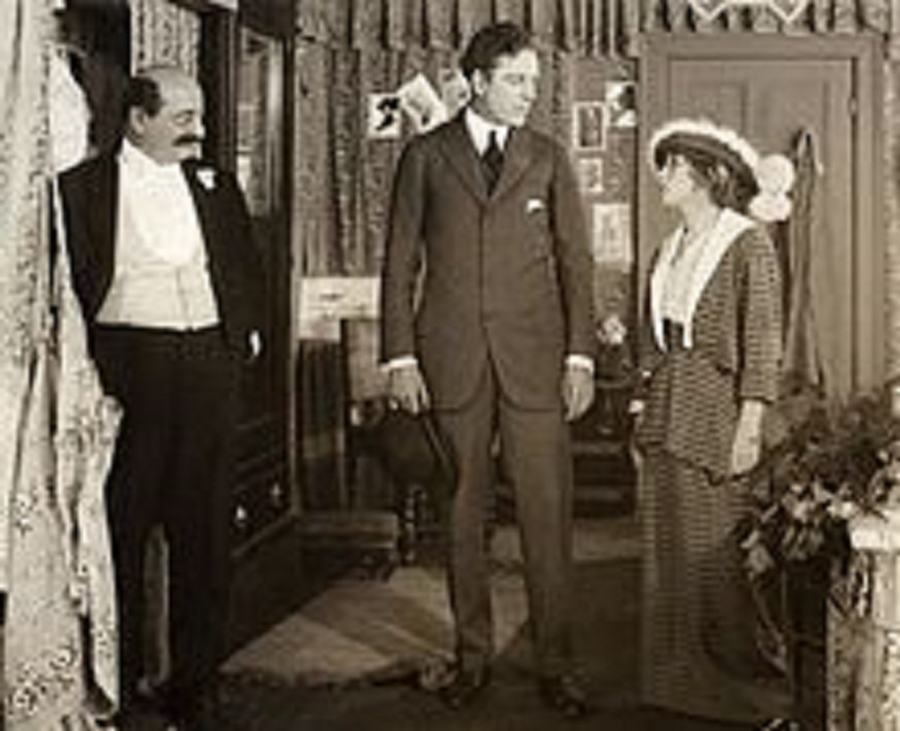
Dir: James Kirkwood
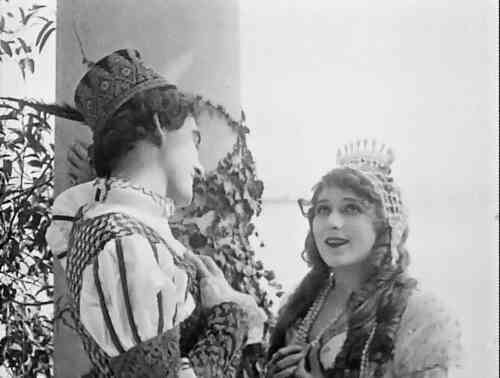
Young Dolly Lane has committed herself to becoming a star on the stage, but when she meets handsome and wealthy farmer Steve Hunter, she falls in love and marries him. Unfortunately, Steve soon loses his fortune and the couple is forced to move in with a friend, Teddy Harrington. Not long afterwards Steve's rich uncle dies, leaving him wealthy, but on that same day Dolly is asked to take the place of a stage star who has taken ill. She does and becomes the toast of Broadway, but now Steve wants her to return with him to the West and become a farmer's wife. She relents, but soon becomes bored with that role and longs to return to the stage.
View Details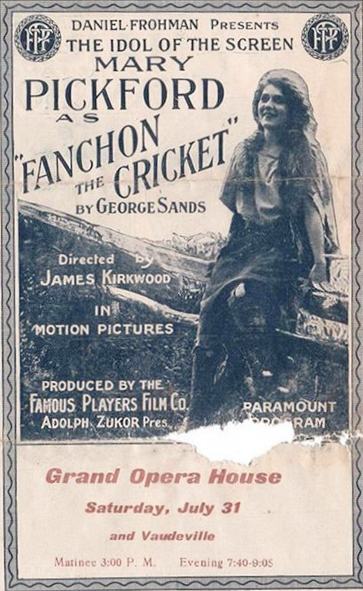
Dir: James Kirkwood
Fanchon, a wild young girl, resides in a forest with her unconventional grandmother accused of witchcraft by villagers.
View Details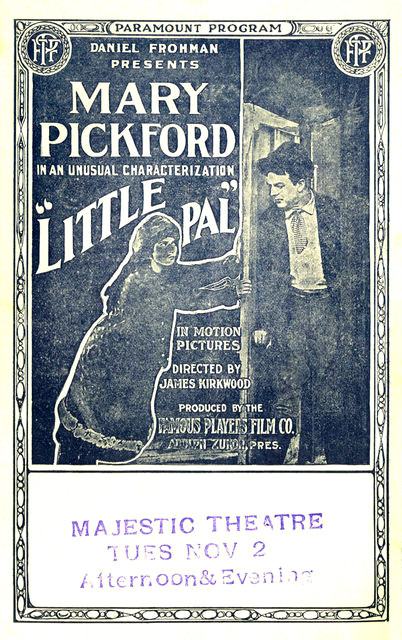
Dir: James Kirkwood
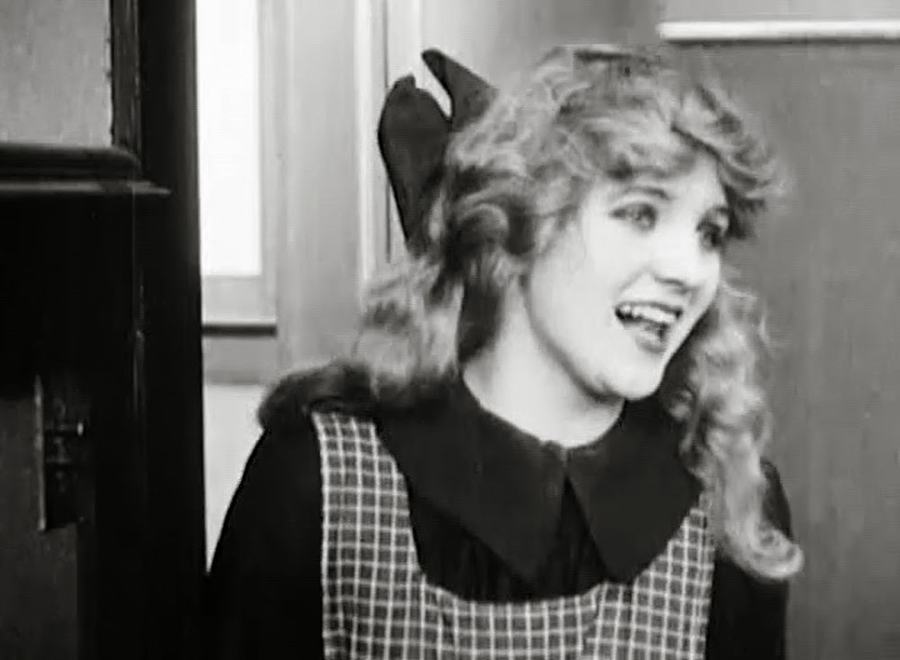
"Little Pal" is the daughter of a saloon keeper in a rough Alaskan gold rush town. During a game of dice, he loses his daughter to the brutal "Black Brand". A fight ensues and her father is killed, Little Pal flees and seeks refuge with John, an Easterner who has come to Alaska to mine. When he falls ill, the lovestruck Little Pal nurses him back to health with the help of her loyal friend, Cultus. Little Pal is heartbroken with the arrival of John's wife, and when she learns he will die if he remains in the harsh climate, Little Pal and Cultus steal gold dust from a rival claim in order to provide John with money. Meanwhile, Black Brand who is suspected of the crime is shot. As John and his wife leave Alaska, a despondent Little Pal finds comfort in Cultus' love.
View Details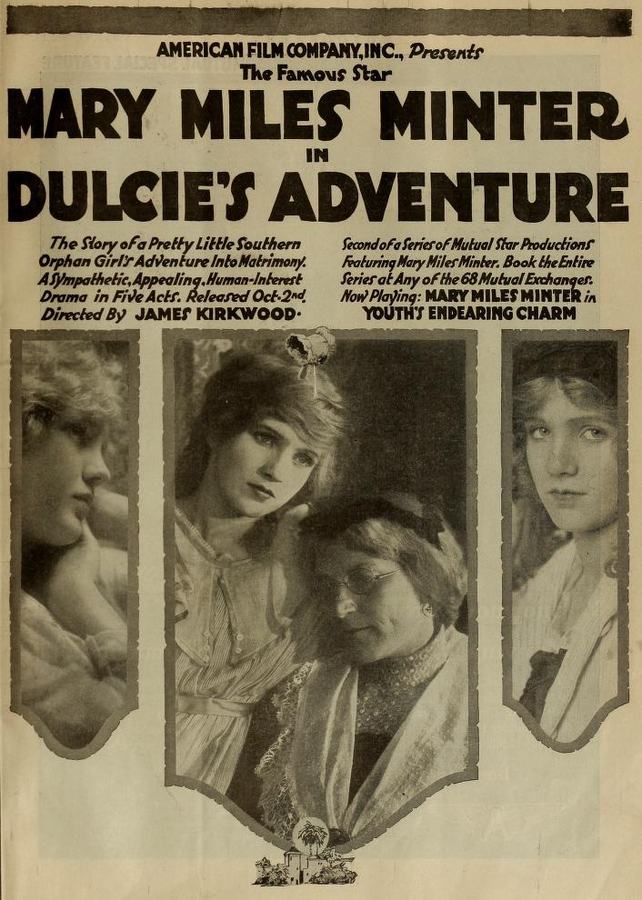
Dir: James Kirkwood
Dulcie's once-aristocratic Southern family has fallen upon hard times, so her Aunt Netta decides to take her to California in search of a millionaire husband. While Dulcie pines for Harry, her sweetheart back home, Netta triumphantly arranges an engagement with a wealthy suitor. On her wedding day, preparing to sacrifice herself for her family, Dulcie discovers that her fiance's millions actually belong to other people when he is arrested at the altar on a bank robbing charge. Meanwhile, Harry, who has come West to get Dulcie back, arrives at the wedding just as the police interrupt it. He volunteers to take the arrested fiance's place, and Dulcie accepts his offer instantly.
View Details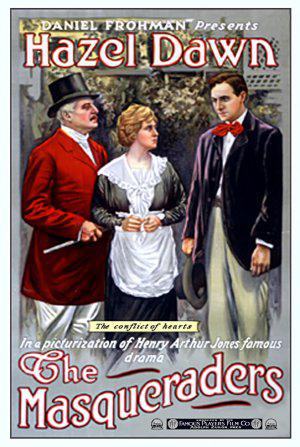
Dir: James Kirkwood
David Remon loves barmaid Dulcie, not by choice but by force of circumstances, and attempts to persuade her to marry him rather than submit to a life of drudgery. But Dulcie is thoroughly independent and prefers to earn her own living. Life at the inn, however, soon becomes irksome to Dulcie, who grows so tired of it that she is ready to accept the first wealthy man who proposes to her. A charity auction is held at the inn, to help the family of a poor man and Dulcie auctions off a kiss. David, bent upon preventing anyone from kissing her in public bids every cent he has in the effort to gain the prize himself. But Sir Brice, a bon vivant, doubles his offering and adds his hand in the bargain. Dulcie accepts the proposal, but soon finds that her husband, when under the influence of liquor, is a very ugly tempered man. As the years drag on, Sir Brice becomes more and more intolerable, until at last he openly humiliates Dulcie and insults her guests at a reception. He demands that someone gamble with him, and grows abusive when they refuse. Finally, David, who has remained faithful to Dulcie through all the years, in a desperate game, stakes his entire fortune against Dulcie herself. Sir Brice is penniless, having squandered his fortune, and he gladly offers his wife as the prize. After a nerve-wracking battle of wits, David wins. It is not before Dulcie, thoroughly disillusioned, accepts the verdict of the god of chance and finds a new happiness with the man whose love has remained constant.
View DetailsAnalysis relative to The Fatal Card
| Film Title | Atmosphere | Complexity | Similarity |
|---|---|---|---|
| Melissa of the Hills | Gritty | Abstract | 97% Match |
| The Dawn of a Tomorrow | Gothic | Linear | 86% Match |
| The Eagle's Mate | Gritty | High | 85% Match |
| Cinderella | Tense | Linear | 85% Match |
| The Innocence of Lizette | Tense | Layered | 98% Match |
This guide was algorithmically generated using the cinematic metadata of James Kirkwood's archive. Last updated: 6/23/2026.
Back to The Fatal Card Details →